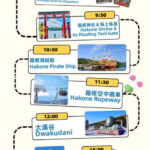
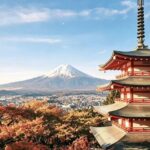
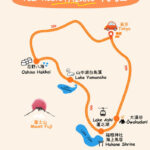
Mount Fuji and Hakone make a striking pair: one day can take you from the high slopes of Japan’s famous peak to steaming volcanic ground, a ropeway ride and a cruise on Lake Ashi. I like that the tour links several very different sights without asking you to plan transport between them. I also like the choice of a Shinkansen return, which can spare you a long ride back by coach.
The trade-off is time. This is an ambitious 11-hour outing, and road delays or poor weather can cut into sightseeing or force a change of route. If you want long, unhurried visits, this is not the right format. If you want a guided overview of Fuji and Hakone in one day, it can be a practical choice.
- Fuji’s 5th Station reaches 2,300 metres: It is the highest point on Mount Fuji reached by road, with views that depend on the weather.
- Owakudani pairs volcanic scenery with a cableway: The ropeway is included, but time to explore the valley can be short.
- Lake Ashi adds a change of pace: The sightseeing cruise is included when conditions and schedules allow.
- The Shinkansen return is an optional upgrade: It leaves from Odawara, uses unreserved cars and does not include the guide.
- Lunch depends on your package: Some options include a hot-pot meal and half buffet; no-meal options require you to bring or buy your own food.
- A full circuit from Tokyo, with little room to linger
- Fuji’s 5th Station: the high point of the morning
- Lunch: choose the meal plan with care
- Owakudani: volcanic ground and a ride above it
- Lake Ashi: a calmer finish, when the route allows
- Coach back or Shinkansen from Odawara?
- Does the starting price represent good value?
- Who will get the most from this day?
- Should you book this Fuji and Hakone tour?
- FAQ
- How long is the tour?
- Where does the tour depart from?
- How early should I arrive?
- Is lunch included?
- Can the tour accommodate dietary needs?
- What happens if the Fuji Subaru Line is closed?
- Is a clear view of Mount Fuji guaranteed?
- Is the Hakone Ropeway always available?
- What should I know about the Shinkansen return?
- The Best Of Fujiyoshida!
- More Guided Tours in Fujiyoshida
- More Tours in Fujiyoshida
- More Tour Reviews in Fujiyoshida
- Not for you? Here's more nearby things to do in Fujiyoshida we have reviewed
A full circuit from Tokyo, with little room to linger
 1 / 9
 2 / 9
 3 / 9
 4 / 9
 5 / 9
 6 / 9
 7 / 9
 8 / 9
 9 / 9
The day begins around 8:30 a.m. and is scheduled to finish around 7:30 p.m. You meet your guide at the departure point you selected, then travel by air-conditioned coach toward Mount Fuji. The group can number up to 40, though a smaller vehicle may be used when fewer people book.
That coach is the tour’s convenience and its main drawback. It takes the work out of connecting Fuji and Hakone, and WiFi is available onboard. But the route depends on busy roads, and a slow journey can eat into time at the sights. One departure took several hours to reach its first stop, a reminder that a full itinerary on paper does not guarantee a leisurely day.
I’d choose this tour for breadth, not depth. You get a guided look at several places that are awkward to combine on your own, but you should expect brief stops and a firm schedule. Guides have included May, Yuki, Happy, Sayuri and Yoshio. The strongest departures have been shaped by warm, engaging guides who share Japanese stories, keep the group moving and help make long transfers more pleasant.

👉 See our pick of the 3 Best Tours In Fujiyoshida
Fuji’s 5th Station: the high point of the morning
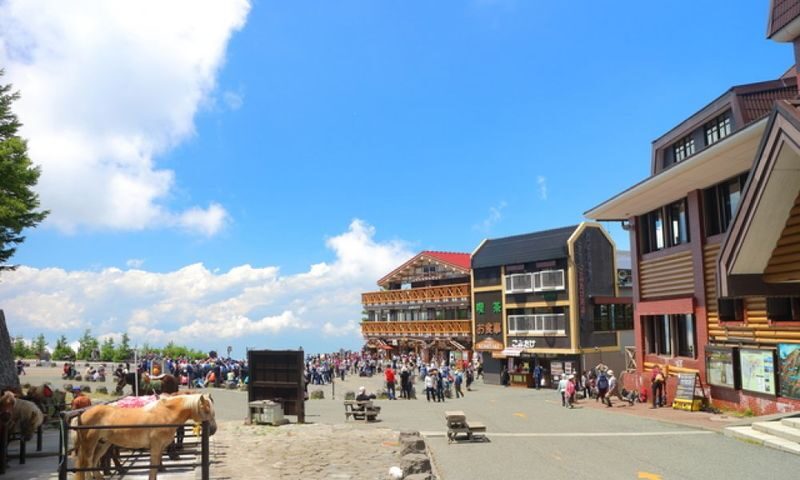
The Subaru Line climbs to the 5th Station, at about 2,300 metres above sea level. This is the highest point on Mount Fuji reachable by road, not the summit. It gives you a dramatic sense of the mountain’s scale and, on a clear day, broad views over the surrounding area.
Make the most of the stop. About 20 minutes may be all you get, and some departures have had even less time. That is enough for a quick look and photos, but not a slow wander, a long shop visit and a relaxed break all at once. Decide what matters as soon as you arrive, and bring a warm layer: mountain temperatures can feel chilly even when Tokyo is mild.
The view is never guaranteed. Clouds, rain or fog can hide Fuji, sometimes even from lower elevations. The Subaru Line can also close because of weather or road conditions. In that case, the tour may go to places such as Oshino Hakkai Village, Arakura Sengen Shrine or the Fujisan World Heritage Center, or stop at the highest point the road allows. Traffic and timing may mean that some stops are dropped.
That uncertainty matters when choosing a date. The tour does not promise a clear view or a visit to the 5th Station, and there is no refund simply because Fuji is hidden or the route changes while the tour continues. If seeing the mountain clearly is your chief reason for going, keep your expectations flexible.
You can also read our reviews of more guided tours in Fujiyoshida


Lunch: choose the meal plan with care
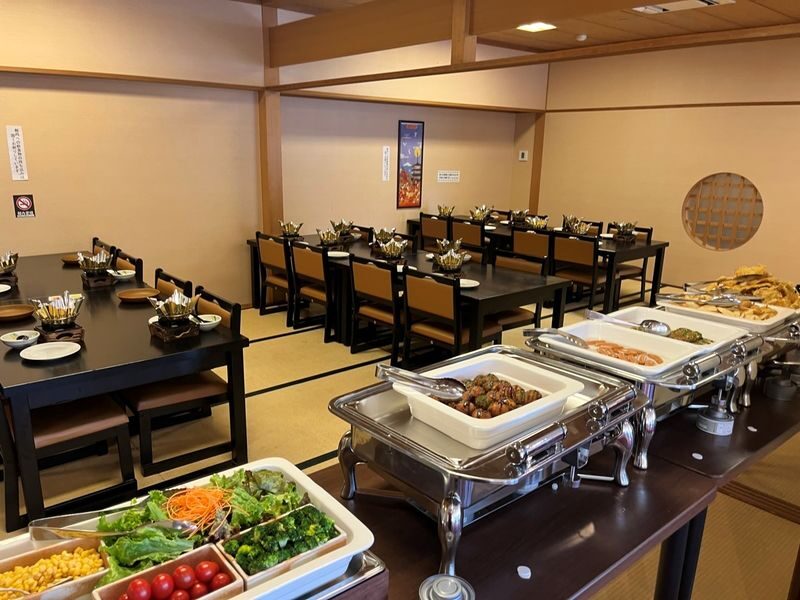
The meal is optional, so check your package before booking. The lunch-included plans offer a traditional Japanese meal featuring hot pot and a half buffet. The menu can change with the season and ingredient supply. Some meals have been described as plentiful, while food is a matter of taste; I would treat lunch as convenient fuel for a long day rather than the main event.
Without the meal plan, you need to arrange lunch yourself. Dietary needs should be shared when booking. Most allergy requests can be accommodated, but gluten-free meals are not available. An Indian-lunch version is also offered separately, which may suit you better if that is your preference.
Allow for the meal stop taking a meaningful part of the day. It can be a welcome chance to sit down, but it is not necessarily beside one of the headline sights. If you are weighing lunch against cost, remember that a meal plan reduces the need to find food during a tightly timed excursion. If you prefer control over what and when you eat, the no-meal package gives you that choice, with the added task of planning ahead.
Owakudani: volcanic ground and a ride above it
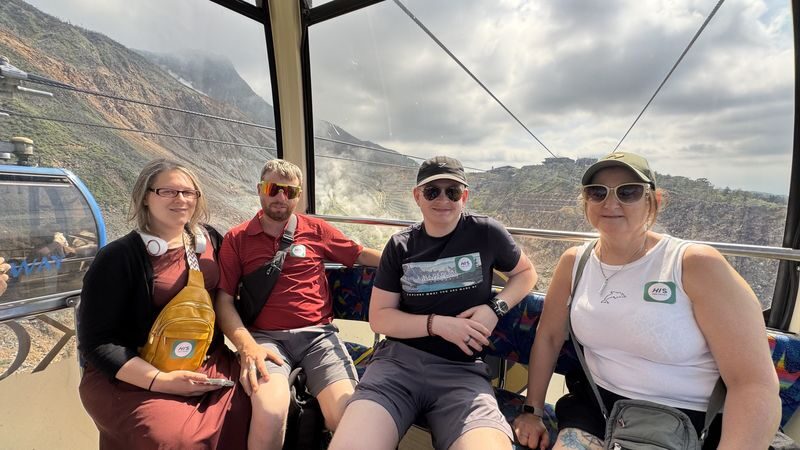
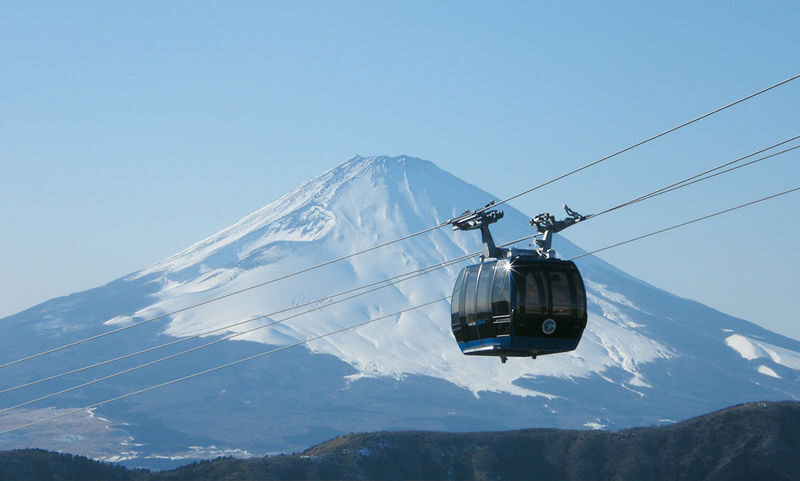
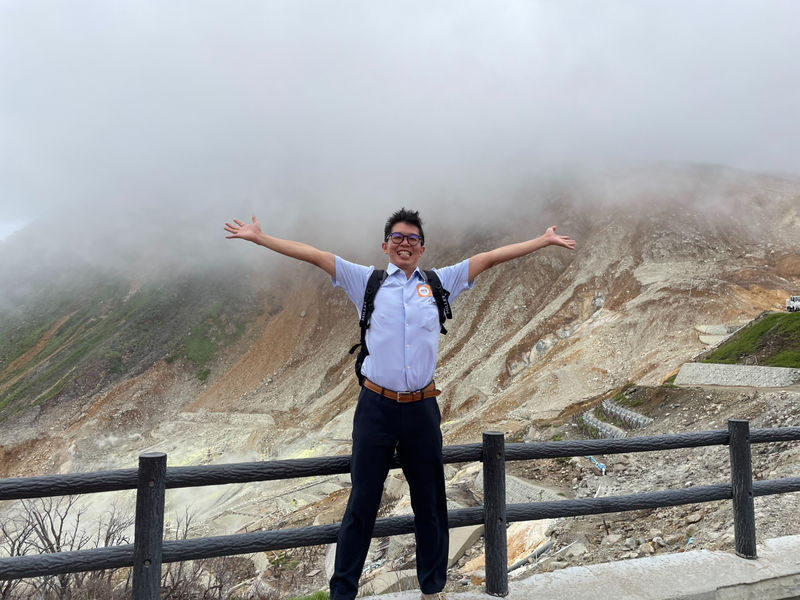
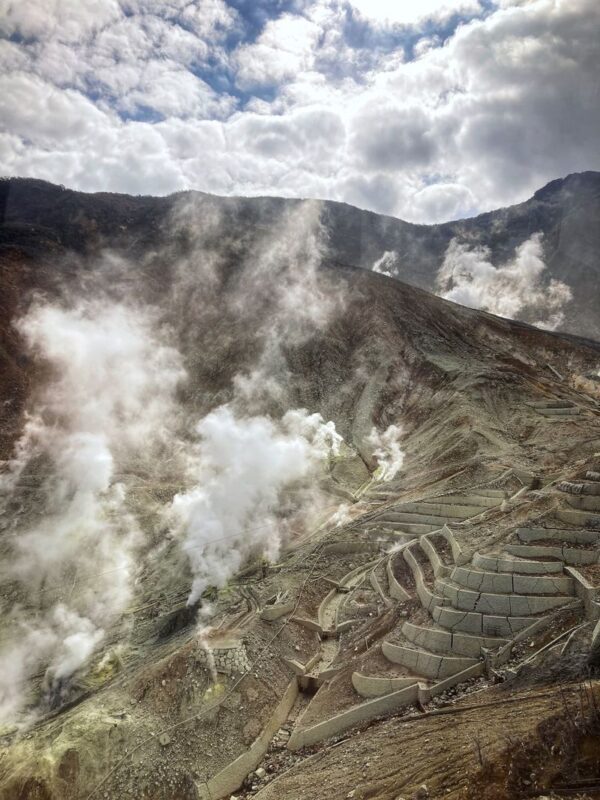
Owakudani is a volcanic area in Hakone, known for its active geothermal features. The itinerary pairs the stop with the Hakone Ropeway, which carries you above the area and onward toward Lake Ashi. The contrast with Fuji’s mountain views is part of the appeal: the day moves from a high-altitude mountain stop to a landscape shaped by volcanic activity.
Here, more than anywhere, the schedule can affect what you actually see. Some departures have had little or no time to walk around Owakudani before boarding the next ropeway section. If visiting the volcanic area on foot is important to you, ask how much time is planned, and be prepared for the answer to change with queues, weather and traffic.
The ropeway admission is included, but operation is not guaranteed. High winds, heavy rain or maintenance can close it. The operator may substitute another attraction, such as a different ropeway, a lake stop, Hakone Shrine or the Hakone Checkpoint. A substitute can still be worthwhile, but it will not always feel like an equal replacement if you booked mainly for the cableway or volcanic valley. No refund is given for weather or schedule changes made while the tour proceeds.
Lake Ashi: a calmer finish, when the route allows
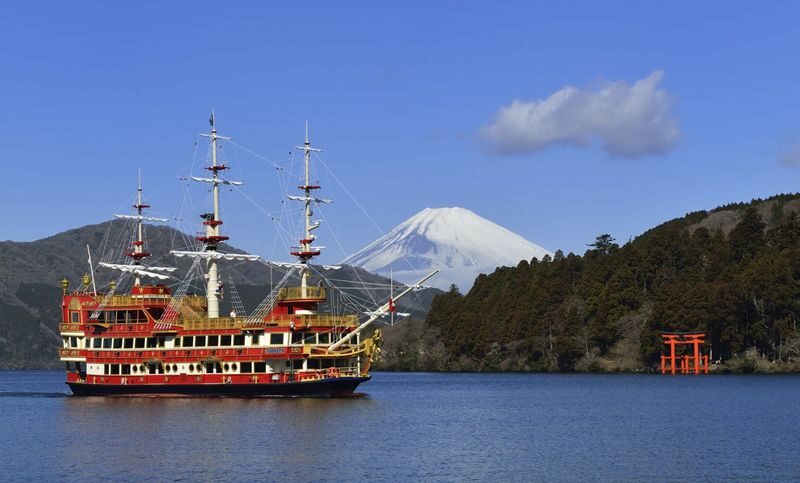
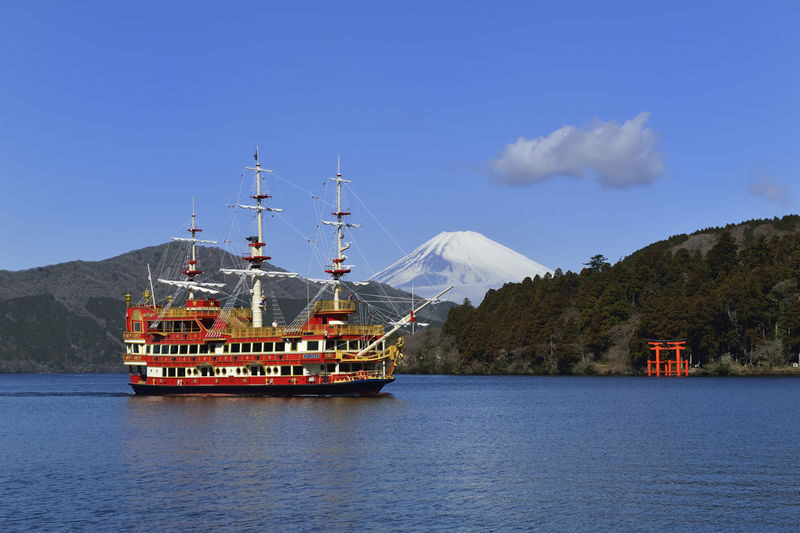
The Hakone sightseeing cruise crosses Lake Ashi, a scenic finish after the road and ropeway portions of the day. The boat ride gives you a chance to sit back and take in the lakeside views instead of watching the clock on a walking stop. The cruise is included in the package, subject to operating conditions and the day’s schedule.
As with the ropeway, high winds, heavy rain or sudden maintenance can disrupt service. The tour may use an alternative stop or adjust the order of visits. Traffic can also leave less time for the lake area than planned. Think of the cruise as a key part of the intended day, not a certainty in every condition.
The order of Fuji, Owakudani and Lake Ashi may change. That flexibility can help the guide respond to road conditions, but it also means you should avoid making plans that depend on a specific stop happening at a precise time.
Coach back or Shinkansen from Odawara?
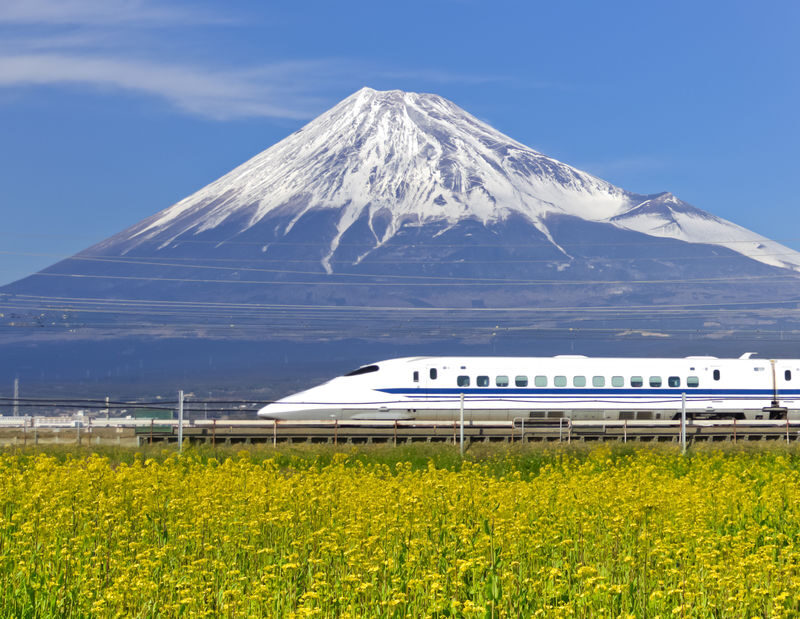
The standard coach return keeps the group together and takes you back to the selected Tokyo drop-off arrangement. After a full day, though, another long stretch on the road may feel tiring. This is where the Shinkansen option can make a real difference: you leave from Odawara and travel toward Tokyo by bullet train, often getting back sooner than the coach group.
The train option has a few important limits. Seats are unreserved, so you use the unreserved cars, and the guide does not ride with you. There are two trains per hour from Odawara to Tokyo. You are responsible for following the train instructions and managing the journey yourself, so choose this option only if you are comfortable doing that.
Some packages instead end at Hakone Yumoto or Odawara Station. Check the exact return choice before booking. The arrival location cannot be changed on the day, and the Shinkansen stops at Tokyo Station, not Shinjuku. The group’s return bus may not go back to the original departure point.
You can also read our reviews of more tours and experiences in Fujiyoshida


Does the starting price represent good value?
The advertised starting price is $88.45, but the final cost depends on the package. Lunch, the Shinkansen return and the departure point all affect which option you select. The listed inclusions cover the coach transfer, English-speaking guide, insurance, onboard WiFi, Hakone Ropeway admission and the Lake Ashi cruise. Personal expenses and tips are extra.
For the base price, the value comes from having transport and several major connections arranged for you. Reaching Fuji, Hakone and the lake in one day without planning separate bus, ropeway and cruise links can save effort. The optional train return may be worth paying more for if you want to avoid the full coach ride back. Lunch can also be useful on a day when free time is scarce.
But value depends on what operates. If poor weather closes the 5th Station or ropeway, or traffic forces stops to be shortened, you may get less than the planned circuit. The operator can cancel for severe weather and offer rescheduling or a full refund, but if the tour runs with altered stops or Fuji is simply not visible, that is not grounds for a refund. I would book for the range of sights and the ease of transport, not as a guaranteed Fuji-viewing ticket.
Who will get the most from this day?
This works best for a first visit to Japan, a short stay in Tokyo or anyone who wants a guided overview without managing several transport connections. Families may appreciate having a guide and driver handle the route; children aged 0 to 5 can join free if they do not need a separate seat, but infants and children still need to be included in the passenger count.
The tour is less suited to you if you want to hike, spend a long time at the 5th Station or explore Owakudani at your own pace. It is also a poor fit if an exact return time is essential. Traffic can delay arrival, and the operator is not responsible for related taxi, hotel or other expenses.
For mobility needs, the activity is described as wheelchair- and stroller-accessible, but participants using wheelchairs or mobility equipment must be accompanied. Check venue access details before you go, and wear your seat belt on the bus as required by Japanese law.
Should you book this Fuji and Hakone tour?
Book it if you want to cover Mount Fuji and Hakone in one packed day, value a guide and coach transfers, and can accept changes caused by weather or traffic. I would favor a package with the Shinkansen return if the extra cost fits your budget, and choose lunch if you want one less meal to arrange.
Skip it if your priority is a long visit at every stop, guaranteed clear views or a completely predictable return time. The best version of this day depends on cooperative weather, manageable roads and a guide who keeps the schedule clear. Bring a warm layer, check your selected departure and return details, and treat the itinerary as a plan rather than a promise.
Tokyo Mt. Fuji & Hakone Full-Day Guided Tour
“the guide May was amazing and funny would recommend!”
FAQ
How long is the tour?
The scheduled day runs from about 8:30 a.m. to 7:30 p.m. The actual return time can change with traffic, weather and schedule adjustments.
Where does the tour depart from?
Package choices include Shinjuku and Tokyo Station departures. Your voucher gives the selected meeting point and time. For the Shinjuku meeting, the stated location is the Shinjuku LOVE Object, with a meeting time of 8:15 a.m.
How early should I arrive?
Arrive at least 10 minutes before departure. Latecomers cannot join midway and are not eligible for a refund.
Is lunch included?
Only in packages that include lunch. The meal option features hot pot and a half buffet, and the menu may vary. No-meal packages require you to arrange your own food.
Can the tour accommodate dietary needs?
Share dietary needs when booking. Most allergy requests can be accommodated, but gluten-free meals are not provided. An Indian-lunch option is available through a separate tour plan.
What happens if the Fuji Subaru Line is closed?
The tour may visit Oshino Hakkai Village, Arakura Sengen Shrine or the Fujisan World Heritage Center. The route may also change because of traffic or timing, and some stops may be skipped.
Is a clear view of Mount Fuji guaranteed?
No. Severe weather can hide the mountain, including from its base. The tour does not provide a refund simply because Fuji is not visible.
Is the Hakone Ropeway always available?
No. High winds, heavy rain or sudden maintenance can stop the ropeway or Lake Ashi cruise. The tour may visit an alternative attraction or adjust its schedule.
What should I know about the Shinkansen return?
The train option departs from Odawara and uses unreserved cars. There are two trains per hour to Tokyo, and the guide does not accompany you on the train.