Japan’s big contrasts come quickly on this eight-day trip: Tokyo’s giant crossing and sky-high views give way to Hiroshima’s Peace Memorial, Shikoku’s pilgrimage sites, and a night at a Buddhist monastery on Mount Koya. By the time you reach Kyoto, you’ll have seen several sides of the country without planning each transfer yourself.
I like two things in particular: the route includes places beyond the usual Tokyo-Kyoto circuit, and major transport, from the bullet train to island ferries, is arranged for you. The monastery stay adds a rare chance to take part in Ajikan meditation and eat a vegetarian dinner in a religious setting.
The main consideration is pace. You cover a lot of ground, and some days combine several stops with long transfers. Groups can also be large and bilingual, so confirm how English guiding will work on your departure before you book.
- Tokyo to Kyoto in eight days: A guided city tour, fast train, ferries and coach travel connect 14 destinations.
- A full day in Hiroshima: Visit the Peace Memorial Park, Atomic Bomb Dome and museum, then ferry to Miyajima’s Itsukushima Shrine.
- Shikoku beyond the main route: See Matsuyama Castle, Dogo Onsen, Ritsurin Garden and the Naruto whirlpools.
- A night at Mount Koya: Stay in a Buddhist monastery, join Ajikan meditation when available, and have a vegetarian dinner.
- Strong logistics, varied guiding: The tour includes key transfers, but English and Spanish may both be used, and guides can change.
- From $2,772: Hotels and breakfast are included, but flights are not; check what room and departure details apply to your price.
- A route that makes Japan’s distances manageable
- Tokyo: temples, crossing and a city from above
- Hiroshima and Miyajima: a moving day with a long reach
- Shikoku: castle views, bathhouse and garden paths
- Kobe and Mount Koya: from disaster memory to monastic quiet
- Kyoto: shrine gates, palace grounds and the Golden Pavilion
- Guides, group size and what the price covers
- Who should book this Japan tour?
- FAQ
- Where does the tour start and finish?
- Are flights included in the price?
- What languages are used for guiding?
- How large can the group be?
- What meals are included?
- What is the Mount Koya accommodation like?
- The Best Of Tokyo!
- More Tours in Tokyo
- More Tour Reviews in Tokyo
- Not for you? Here's more nearby things to do in Tokyo we have reviewed
A route that makes Japan’s distances manageable
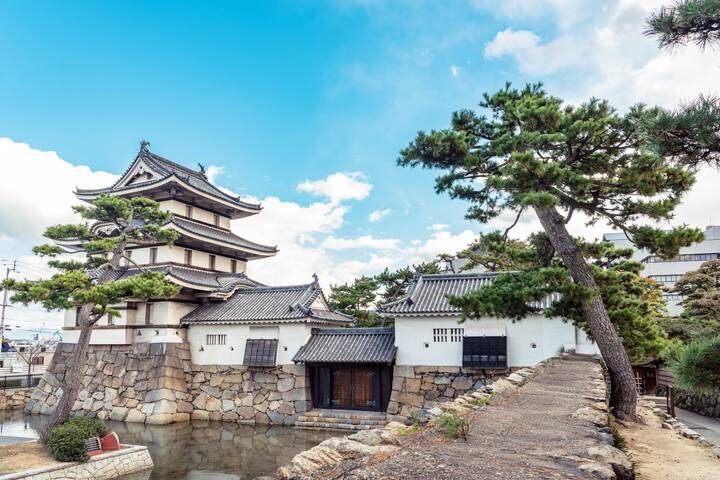
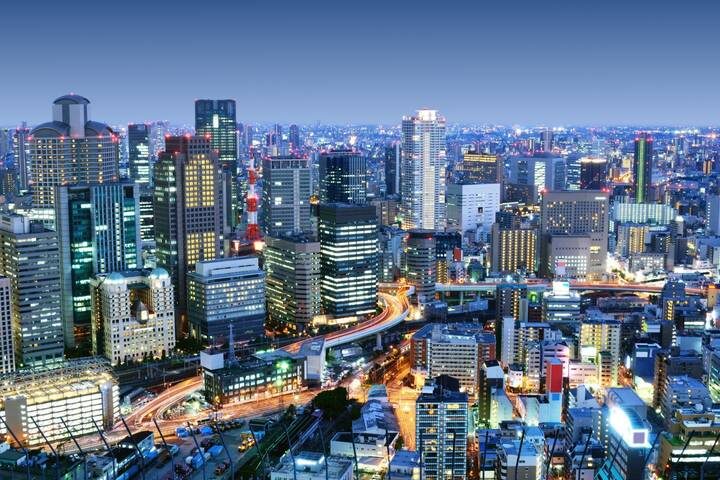
This is a packed route for someone who wants to see more than Japan’s most famous cities. You start in Tokyo and finish in Kyoto, with Hiroshima, Miyajima, Matsuyama, Kotohira, Takamatsu, Naruto, Kobe and Mount Koya in between. It is a broad introduction, not a slow, neighborhood-by-neighborhood stay.
The logistics are part of the value. The trip combines coach transfers, the bullet train, ferries, a cable car and even a subway ride in Tokyo. Instead of arranging tickets and connections yourself, you move with a guide and group, which matters on a route with frequent changes and several island crossings.
The trade-off is limited free time. Most days are built around scheduled stops, and some involve a long drive after sightseeing. If you like independent travel and lingering over meals or museums, this itinerary may feel hurried. If you want a guided overview and are happy to keep moving, it makes a complicated route much easier to manage.

👉 See our pick of the 25 Best Guided Tours In Tokyo
Tokyo: temples, crossing and a city from above
Your first day is deliberately light: a shared shuttle takes you from the airport to the hotel, then the rest of the day is free. You receive tour details in the afternoon, so avoid planning anything that depends on a precise arrival time. The first two nights are at the Shinagawa Prince Hotel, though hotel assignments can vary.
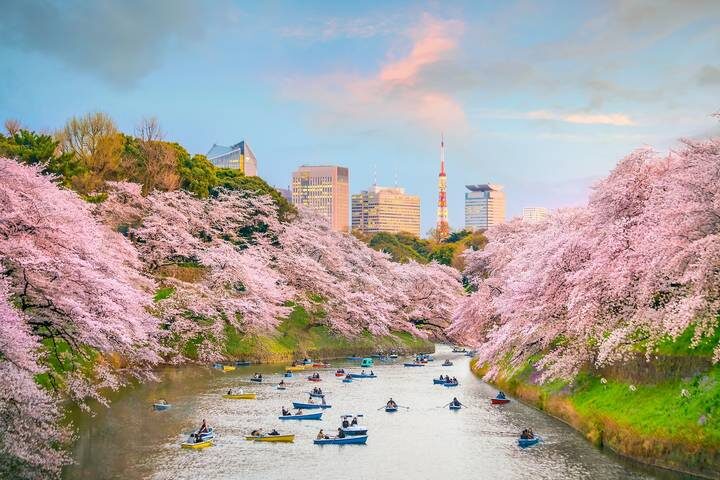
The next day is a roughly seven-hour city tour. At Zojoji Temple, you get a view toward Tokyo Tower and can spot rows of small Jizo figures, guardians of children, dressed in knitted hats and bibs. Then the bus passes Shibuya Crossing, followed by a visit to Meiji Shrine, a calmer stop dedicated to Emperor Meiji and his wife.
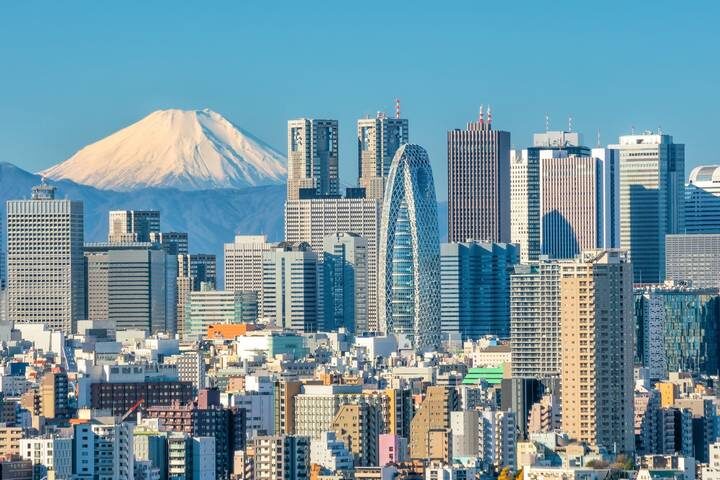
Tokyo Skytree is the day’s big viewpoint. Admission to the Tembo Deck at 350 meters is included, weather permitting. The high vantage point helps you grasp the scale of Tokyo, but visibility can be affected by weather; an alternative city viewpoint is offered if access is limited.
In Asakusa, you walk along Nakamise Street, a traditional shopping approach to the temple area. The return route passes Akihabara, known for manga and anime culture, and Ginza. These are drive-by glimpses rather than extended neighborhood visits, so save time for them on a return trip if they are high on your list.
In the evening, you meet the guide again and take the subway to Shinjuku for a walk and included dinner at a local restaurant. This is a useful first taste of Tokyo after dark, with the guide handling the subway ride back. The meal is included, but other lunches and dinners are not all covered.
You can also read our reviews of more tours and experiences in Tokyo.



Hiroshima and Miyajima: a moving day with a long reach
Day three begins with a transfer to the station and a bullet train ride of about four hours, covering roughly 800 kilometers. The speed is impressive, but it is still a substantial travel morning, followed by sightseeing rather than a quiet afternoon.
In Hiroshima, the Peace Memorial Park, Atomic Bomb Dome and Peace Memorial Museum ask for time and attention. The museum is a sobering account of the 1945 bombing and its human cost. The park and dome give the visit a physical setting, while the museum adds detail that is hard to absorb from a quick stop alone.
Later, a ferry takes you to Miyajima, also called Itsukushima Island. The shrine is partly built over the water, and you have time to see it and walk around the island center. Lunch there is at your own expense, so keep the schedule in mind when choosing where to eat.
You return to Hiroshima for an included dinner and an overnight stay. The day is unusually full: high-speed rail, several significant sites, a ferry crossing and island time. It is an efficient way to combine Hiroshima and Miyajima, but not the relaxed version of either visit.
Shikoku: castle views, bathhouse and garden paths
The next morning, a ferry crosses to Shikoku, a journey of about two and a half hours. This island leg gives the trip a different feel from the large-city stops, while also making clear why Japan’s geography requires so many changes of transport.
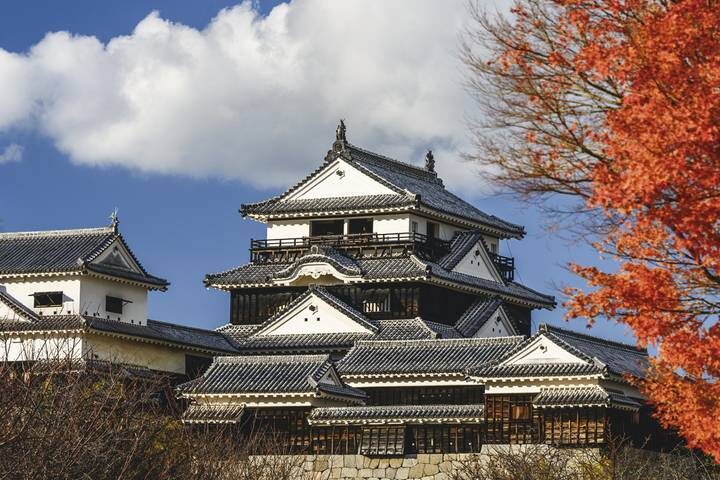
In Matsuyama, a cable car carries you up to the castle, followed by a visit to Ishiteji, a Buddhist temple and pilgrimage site. Lunch at a local restaurant is included. Later, admission to Dogo Onsen, a traditional 19th-century bathhouse, is part of the day. The visit offers a look at an older bathing tradition, though the schedule may not leave time for a long soak.
Day five strings together Kotohira, Takamatsu, Naruto and Kobe. At Kotohira Shrine, the climb to the main site involves 785 steps on Mount Zosu. It is a meaningful pilgrimage stop, but the stairs are a genuine physical test, especially in heat. Wear comfortable shoes and pace yourself.
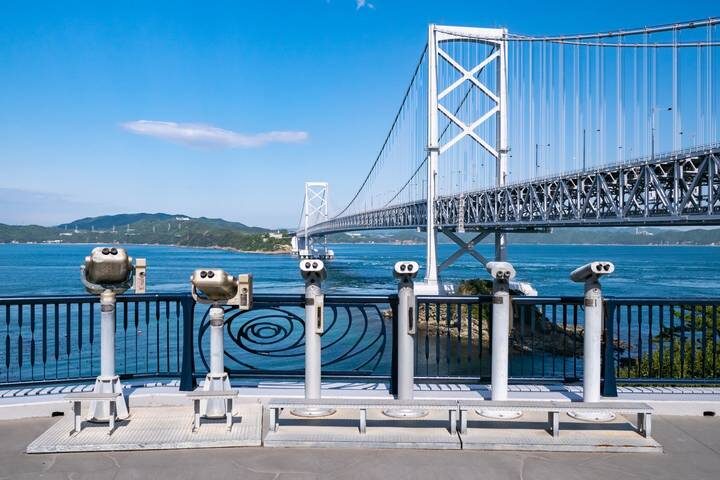
Ritsurin Garden in Takamatsu is a welcome change of tempo. Its landscaped grounds invite a slower walk, though your time is still set by the group schedule. Lunch is included before the drive to Naruto, where you walk over a glass floor and look down at the sea whirlpools, about 45 meters below. The view depends on the conditions and timing of the tides, so the spectacle can vary.
The day ends with a scenic drive across bridges linking islands over the sea on the way to Kobe. It is a lot for one day, but the route brings together shrine, garden and engineering in a way that a standard Tokyo-Kyoto trip would miss.
Kobe and Mount Koya: from disaster memory to monastic quiet
In Kobe, the Earthquake Memorial Museum looks at the 1995 earthquake and the city’s recovery. On some dates, the visit may be replaced by a sake museum or a trip up Kobe Tower, so the exact stop is not guaranteed.
From there, you travel toward Osaka and Mount Koya, a major center of Shingon Buddhism with about 120 temples and monasteries. At Okuno Mausoleum, a large cemetery set among trees, the scale and setting make this visit very different from the city stops. You also see Kongobuji Temple, originally built in 1593.
The overnight stay is the tour’s most distinctive accommodation, and also the one to approach with realistic expectations. Rooms are simple and traditional, with tatami mats and shared bathrooms rather than private facilities. The monastery stay is considered valuable, but limited temple capacity means some groups may instead stay at a nearby hotel.
Ajikan, a form of Zen meditation, is scheduled with monks, followed by an included vegetarian dinner. The meditation is not guaranteed during busy periods. You may also attend a religious ceremony before breakfast, but that option is subject to availability. If you want a polished hotel night, this is not it; if you are curious about temple life, the simplicity is part of the point.
Kyoto: shrine gates, palace grounds and the Golden Pavilion
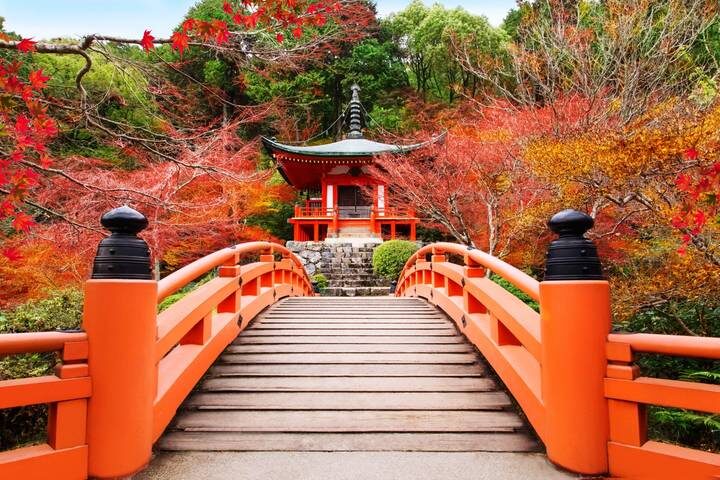
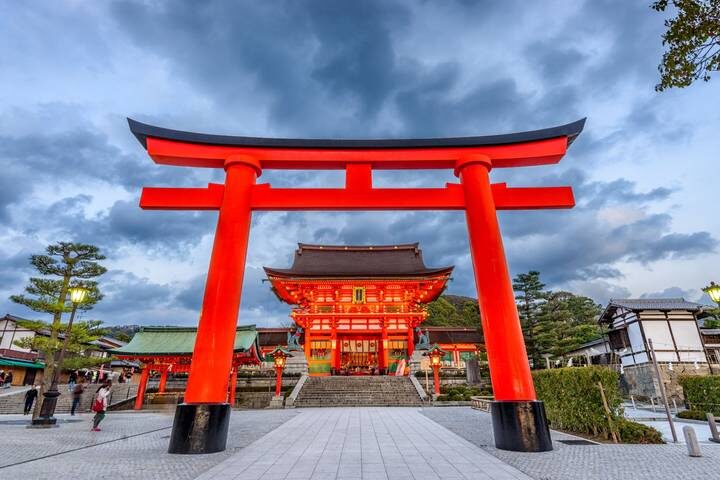
After a traditional Japanese breakfast at Mount Koya, you leave early for Kyoto. The city was Japan’s capital from 794 to 1868, and its cultural landmarks give the final full day a fitting close. The sightseeing includes Fushimi Inari Shrine, the Imperial Palace and Kinkaku-ji, the Golden Pavilion, with its gardens.
These are major sites, and seeing them with transport arranged is convenient. The drawback is that they are popular, and the visit is structured rather than a leisurely exploration of Kyoto’s many districts. Free time gives you a chance to choose your own stop, but do not expect a full day to wander at your own pace.
Later, the group visits Gion, the traditional district associated with geisha culture. You have more time to explore independently there. It is a good place to notice Kyoto’s older streets and atmosphere, but keep expectations measured: it is a lived-in district, not a staged performance.
The last night is in Kyoto, and the tour ends after breakfast on day eight. If you want more time in the city, consider adding nights independently before your return flight. The guided tour gives you a strong first pass, not a complete account of Kyoto.




Guides, group size and what the price covers
The listed starting price is $2,772. It includes accommodation, breakfast, basic travel insurance, an arrival transfer and the transport and visits specified in the program. Two lunches and three dinners are included, including the Shinjuku meal and the Mount Koya vegetarian dinner. Flights are not included, and the price is based on the cheapest room category, so compare the details for your chosen departure.
Hotels are generally four-star properties, but the tour does not promise luxury. Rooms have private bathrooms except for the monastery stay, where bathrooms are shared. The hotels are in the cities visited and have public transport nearby, though some may not be in the center. The exact hotel can vary by date and location, so check the final assignment rather than assuming every named hotel is guaranteed.
The group can range from 2 to 72 people. That upper limit matters: a large group can mean slower boarding and less flexibility at stops. The operator may also run a bilingual tour, usually English and Spanish, with two leaders or one guide explaining in both languages. Some past departures included English speakers in a Spanish-speaking majority, which could make commentary feel uneven.
Guides named by past participants include Ken, Nadia, David, Pablo, Michiko and Rei. They are not guaranteed for your departure, and guides can change during the trip. English guiding is specified in Tokyo and Kyoto, while the tour description also allows bilingual arrangements elsewhere. Ask the operator how language coverage is planned for your dates.
Who should book this Japan tour?
I’d consider this tour if you want a broad first look at Japan, prefer having transport and major sightseeing organized, and are willing to trade slow exploration for range. It is especially useful if you want to include Shikoku and Mount Koya without arranging multiple ferries, trains and hotel changes yourself.
The low-intensity rating should not be mistaken for no effort. Expect walking at temples and gardens, the option of 785 shrine steps, and several long travel days. Heat and humidity can be demanding in summer, and holiday periods may bring heavier crowds. Check seasonal conditions before choosing dates.
At $2,772, the value rests on the amount of ground covered and the included rail, ferry, hotel and sightseeing arrangements, not on free time or luxury. Book it if that balance suits you. If Kyoto, Tokyo or Hiroshima deserves more than a scheduled visit, plan extra nights before or after the tour.
Capitals of Japan end Kyoto by Europamundo – 8-Day Tour
“This was my second trip to Japan, and I sought out a tour that would take me to new places I hadn't been to in my prior visit. This tour accomplish…”
FAQ
Where does the tour start and finish?
It starts in Tokyo and ends in Kyoto. An arrival transfer from the Tokyo airport to the hotel is included.
Are flights included in the price?
No. Flights are not included unless specifically stated for your booking.
What languages are used for guiding?
The tour is listed in English, with English-speaking tours specified in Tokyo and Kyoto. Some departures may be bilingual, usually in English and Spanish, and the guide may explain in both languages.
How large can the group be?
The listed group size is 2 to 72 people.
What meals are included?
Breakfast is included, along with two lunches and three dinners. The included dinners are in Tokyo, Hiroshima and at the Mount Koya monastery. Lunch on Miyajima is not included.
What is the Mount Koya accommodation like?
The monastery rooms are simple, in traditional Japanese style with tatami mats, and bathrooms are shared. If temple capacity is limited, the group may stay at a nearby hotel instead.