Tokyo’s Applause serves a seasonal, multi-course Japanese meal in the Imperial Hotel, where the setting pairs charcoal and cedar with a spacious, polished feel. The menu is not limited to one narrow style of Japanese cooking, so this is a good choice if you want a formal meal with several kinds of dishes in one sitting.
I like two practical things here: the courses give you a broad tasting of Japanese cooking, from steamed and fried dishes to sushi, and the location is easy to reach from Yurakucho and Hibiya stations. The package also includes tax, restaurant service, and the reservation fee, which makes the quoted price easier to assess.
One point needs checking before you pay: a diner who booked the Premium Cuisine package was unsure whether it matched Applause’s premium course or its second-tier dinner course. The meal was described as delicious, but the course naming was not clear.
- Key points before you book
- A Japanese course meal with room to vary
- What the six courses mean at the table
- Applause’s charcoal-and-cedar setting
- Wine, service, and the price
- Dress, timing, and dining manners
- Who should choose Applause
- Should you book this dinner?
- FAQ
- Where is Applause Kaiseki Restaurant?
- How close is the restaurant to public transport?
- What does the set menu include?
- Are the dishes fixed in advance?
- What is included in the package price?
- How much does the set menu cost?
- Can children dine on this package?
- What should I wear?
- What happens if I arrive late?
- What is the cancellation policy?
- The Best Of Tokyo!
- More Dining Experiences in Tokyo
- More Tours in Tokyo
- More Tour Reviews in Tokyo
- Not for you? Here's more nearby things to do in Tokyo we have reviewed
Key points before you book
 1 / 6
 2 / 6
 3 / 6
 4 / 6
 5 / 6
 6 / 6
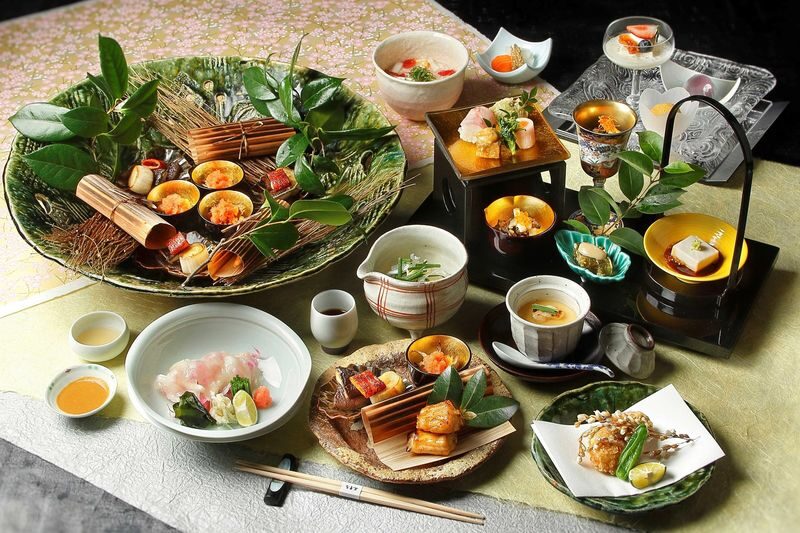
- Six courses, several cooking styles: The set menu includes an appetizer, steamed dish, fried dish, sushi, a main course, and dessert.
- A modern room with traditional roots: Applause uses charcoal and cedar in its design and draws on the techniques of Nadaman, founded in 1830.
- A useful central Tokyo address: The restaurant is on the second floor of the Imperial Hotel Tokyo, a short walk from Yurakucho, Hibiya, and Ginza stations.
- Seasonal food, not a fixed dish list: The menu is meant to reflect the seasons, and the actual dishes depend on what is available that day.
- Wine is part of the picture: The restaurant offers more than 80 types of wine, a notable choice alongside a Japanese course meal.
- Check the course name: The package’s Premium Cuisine label may not make its relationship to Applause’s own course tiers obvious.

👉 See our pick of the 25 Best Guided Tours In Tokyo
A Japanese course meal with room to vary
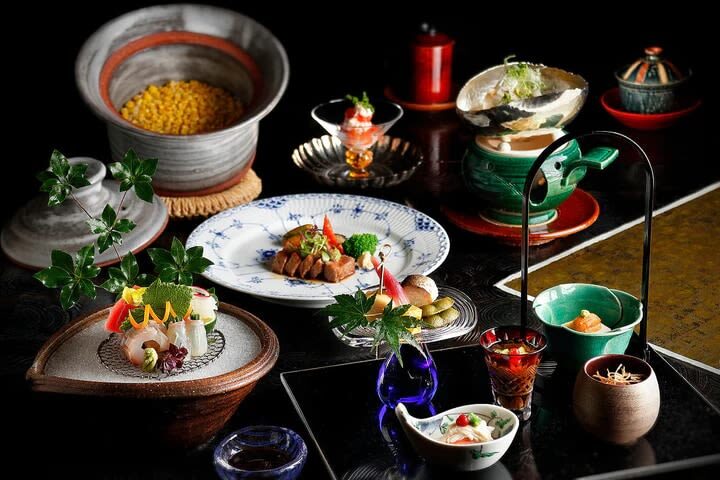
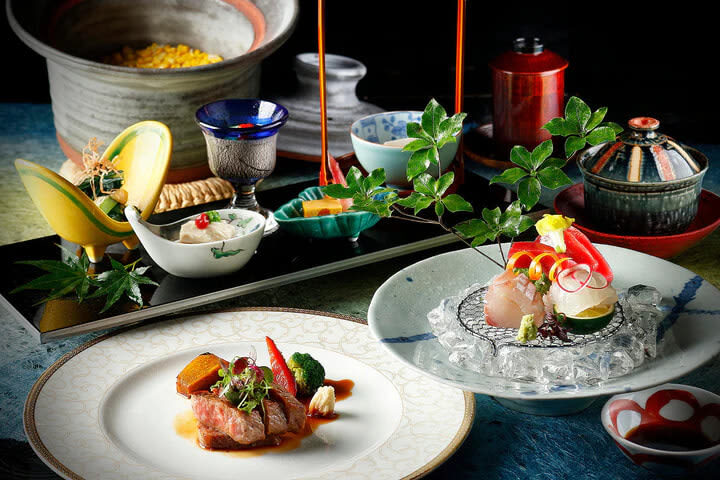
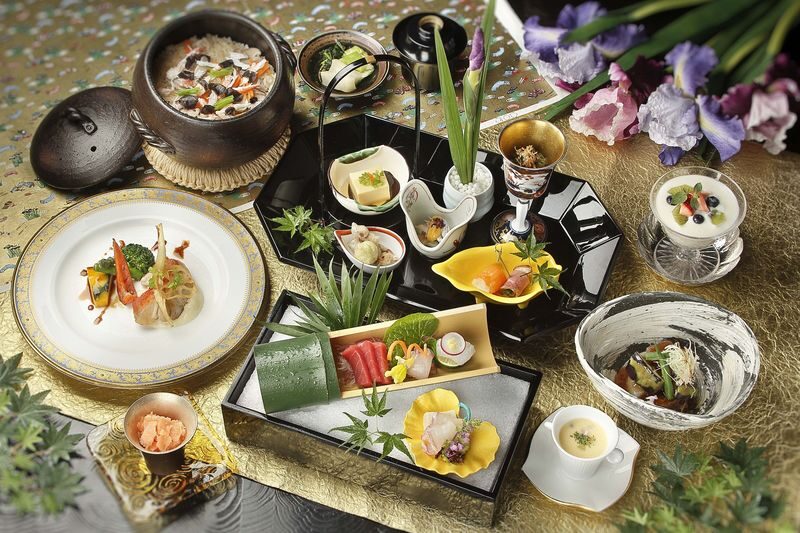
Kaiseki is best understood as a carefully paced meal rather than a single signature dish. At Applause, you can expect six stages: an appetizer, a steamed dish, a fried dish, sushi, a main course, and dessert. That order gives you a range of textures and preparations, while leaving the restaurant room to change the details with the season and the day’s ingredients.
The menu is described as a new style of Japanese cuisine, with dishes that draw on different Japanese approaches instead of adhering strictly to one traditional format. That can make the meal appealing if you want a structured dinner but are not looking for a lesson in a single regional specialty. It also means you should not book expecting a particular fish, vegetable, or sushi selection unless the restaurant confirms it directly.
The seasonal focus is the heart of the experience. In Japan, the food calendar changes with the year, and a seasonal course can bring you ingredients that feel tied to the time of your visit. Here, the restaurant emphasizes ingredient origins and raw materials, but the exact menu is not specified in advance. Think of the set as a framework, not a promise of named dishes.
That flexibility is useful, but it calls for realistic expectations. The package image is only a reference, and the actual dishes may differ according to availability. If you have a food restriction or need to know what will be served, ask before booking rather than relying on a sample image or a generic course description.
You can also read our reviews of more tours and experiences in Tokyo


What the six courses mean at the table
The appetizer starts the meal, but no specific preparation is promised. It may introduce the season or set the tone for what follows, though you should treat that as a possibility rather than a guarantee. The value of a course meal is partly in its sequence: instead of choosing one large plate, you get several smaller moments with different flavors and methods.
Next comes a steamed dish, followed by a fried dish. These courses give the meal contrast, and they show why the menu’s range matters. Steaming and frying bring different qualities to ingredients, but the restaurant does not publish the dishes in advance, so the precise flavors and portions remain a day-of surprise.
Sushi appears before the main course. That makes the menu more varied than a simple succession of cooked plates, while keeping sushi within a broader dinner rather than making it the entire event. The main course follows, and dessert closes the meal. No details about the main course or dessert are listed, so you should not assume a particular protein, sweetness, or serving size.
Taken as a whole, the menu is a sensible fit if you enjoy trying several preparations and prefer the restaurant to make the choices for you. It is less suited to someone who wants to select every dish in advance. Applause also serves à la carte dishes, but the package described here is a set meal, not a credit toward ordering freely from that menu.
Applause’s charcoal-and-cedar setting
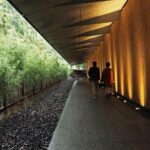
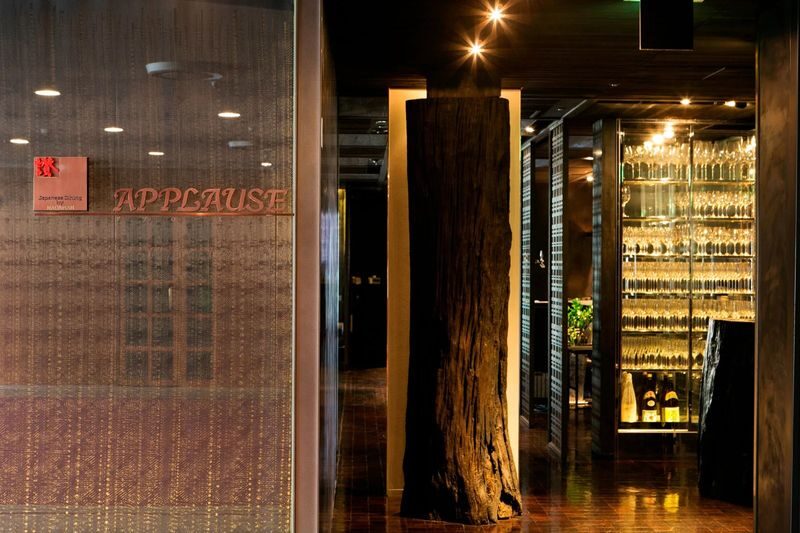
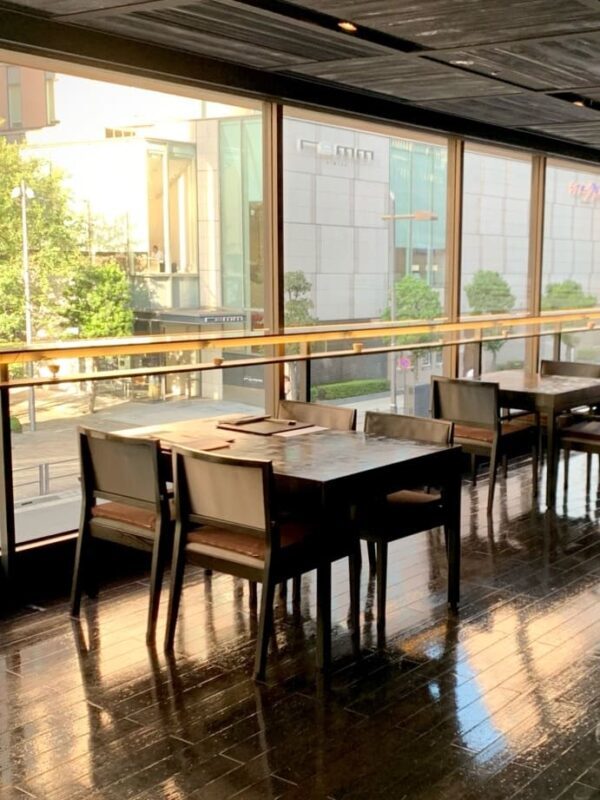
The restaurant is in the Imperial Hotel Tokyo’s main building, on the second floor. Its interior uses charcoal and cedar as its design theme, with a spacious, sophisticated atmosphere. That points to a formal dinner rather than a casual stop for a quick bite, and the hotel setting supports the sense of occasion.
The appeal is not only the room. Applause combines a modern Japanese dining space with the tradition of Nadaman, whose techniques and approach date back to its founding in 1830. That heritage gives context to the meal, but it does not mean every dish will be a strict reproduction of old-style kaiseki. The restaurant explicitly presents its cooking as a broader, more contemporary approach.
If you are spending a day around central Tokyo, the location is convenient. JR Yurakucho Station is about a three-minute walk away, Hibiya Subway Station about two minutes, and Ginza Subway Station about five minutes. Those short walks make this an easy dinner to pair with nearby plans, without requiring a long cross-city trip at the end of the evening.
The hotel address is also straightforward to share with a taxi driver or use in a map app: Imperial Hotel Tokyo Main Building, 2nd Floor, 1-1-1 Uchisaiwaicho, Chiyoda-ku. Give yourself enough time to find the correct entrance and reach the restaurant floor. The stated arrival rules are strict: arriving more than 15 minutes late may lead to cancellation without a refund, while arriving more than 15 minutes early may mean you cannot enter yet.
Wine, service, and the price
The package starts at US$119.29 for the Premium Japanese Cuisine Set Menu. It includes the six-course meal, restaurant service fee, Japanese consumption tax, and reservation fee. Other personal expenses are not included, so drinks beyond what you choose to order may add to the bill.
For a hotel-based, multi-course dinner in central Tokyo, the price is best judged by what you want from the evening. You are paying for a structured meal, a formal setting, and the convenience of having the core meal costs included. It is not the right comparison to a casual neighborhood dinner or a quick sushi lunch. If you want a special-occasion meal where the kitchen sets the pace and brings a sequence of dishes, the package may represent reasonable value.
The wine list is said to include more than 80 types. That gives you room to pair the courses with wine, but wine is not listed as included in the package. If you are watching your budget, treat the listed price as the meal’s starting point and decide in advance whether you want to add drinks.
There is one specific ambiguity worth sorting out. A diner who paid for the Premium Cuisine package was uncertain whether that name corresponded to Applause’s top course or its second-tier dinner course. The dinner was still described as delicious, but the distinction matters if you are paying a premium for a particular level of menu. Before booking, ask the seller or restaurant to clarify exactly which course the package covers, and keep the answer in writing if possible.
The available rating is 5 out of 5, but it is based on just one rating. That diner’s strongest praise was for the food, alongside uncertainty about the course tier. So the positive signal is encouraging, but it is not enough evidence to treat every part of the experience as guaranteed.
Dress, timing, and dining manners
This is not a place to arrive in beachwear or gym clothes. The dress guidance rules out very casual clothing such as slippers, sandals, tank tops, shorts, camisoles, and mini-skirts. It also specifies that men should wear a collared shirt or jacket, long trousers rather than jeans, and socks. The instructions refer to especially strict rules at French and Western restaurants, but it is wise to follow the stated guidance for this booking and dress neatly.
Arrive on time, not early by a large margin. More than 15 minutes late can result in the restaurant canceling the reservation, with no refund of fees paid. If you arrive more than 15 minutes before your time, the restaurant may not let you wait inside. Plan your station walk and hotel entry with a small buffer, but do not turn up far ahead of schedule.
The restaurant asks diners to respect Japanese dining etiquette. Loud noise, horseplay, smoking, drunkenness, live streaming, and other behavior that may affect people nearby are prohibited. Outside food and drinks are also not allowed. These are ordinary expectations for a formal dining room, but they matter more here because the package is tied to a specific reservation and the restaurant may hold you responsible for disruptions.
When booking, enter the correct party size and provide the number and ages of accompanying children. Children aged 13 and older need the same package as adults. Children aged 12 and under may share meals with adults at no charge, but a child who wants a separate meal set needs an adult package. Make sure the reservation reflects everyone who will be present.




Who should choose Applause
I would consider Applause if you want a formal Japanese dinner with a set progression, value seasonal ingredients, and like the idea of sampling several styles in one meal. It also makes sense if your plans already take you near Yurakucho, Hibiya, or Ginza, since the hotel is easy to reach from all three subway and rail stops.
It is a particularly practical option for a special evening when you do not want to spend time choosing every dish. The six-course format makes the structure clear, and the included tax and service fee help you understand the basic cost before you sit down. The wine selection adds another option for a longer dinner, though it will be an extra expense.
I would pause if you need a confirmed menu, have strict dietary requirements, or are choosing specifically between Applause’s premium and second-tier courses. The dishes change with availability, and the package name has caused uncertainty about its exact level. Get those points settled before paying, rather than assuming that the word Premium guarantees a particular menu.
Should you book this dinner?
Book Applause if a polished setting, seasonal Japanese cooking, and a six-course format are more important to you than knowing every dish in advance. Its central location and included service fee and tax make it a straightforward choice for a planned dinner, and the food has received a strong individual endorsement.
Before committing, verify which course the package actually buys and check that the dress rules suit your plans. The meal sounds appealing, but the evidence is limited and the course-tier wording deserves clarification. If you are comfortable with those caveats, Applause offers a measured, formal way to spend an evening with Japanese food at the center.
Applause Kaiseki Restaurant – Tokyo
“I paid for the premium Cuisine Course. However, during the Dinner night, the second-tier dinner course was served. I'm unsure if the Klook Premium…”
FAQ
Where is Applause Kaiseki Restaurant?
It is on the second floor of the Imperial Hotel Tokyo main building, at 1-1-1 Uchisaiwaicho, Chiyoda-ku, Tokyo.
How close is the restaurant to public transport?
It is about a three-minute walk from JR Yurakucho Station, a two-minute walk from Hibiya Subway Station, and a five-minute walk from Ginza Subway Station.
What does the set menu include?
The Premium Japanese Cuisine Set Menu includes an appetizer, steamed dish, fried dish, sushi, a main course, and dessert.
Are the dishes fixed in advance?
No. The restaurant’s food follows the seasons, and the actual dishes depend on availability on the day. Package images are for reference only.
What is included in the package price?
The package includes the set menu, restaurant service fee, Japanese consumption tax, and reservation fee. Other personal expenses are not included.
How much does the set menu cost?
The Premium Japanese Cuisine Set Menu starts at US$119.29. The final price may depend on the selected package and booking details.
Can children dine on this package?
Children aged 13 and older need the same reservation package as adults. Children aged 12 and under may share meals with adults for free; a child who wants a separate meal set needs an adult set.
What should I wear?
Avoid overly casual clothing, including slippers, sandals, tank tops, shorts, camisoles, and mini-skirts. The guidance specifies a collared shirt or jacket, long trousers rather than jeans, and socks for men.
What happens if I arrive late?
If you arrive more than 15 minutes late, the restaurant may cancel the reservation, and fees paid will not be refunded. If you arrive more than 15 minutes early, the restaurant may not let you enter to wait.
What is the cancellation policy?
A full refund is available if you cancel at least 72 hours before the activity date, using destination local time.