
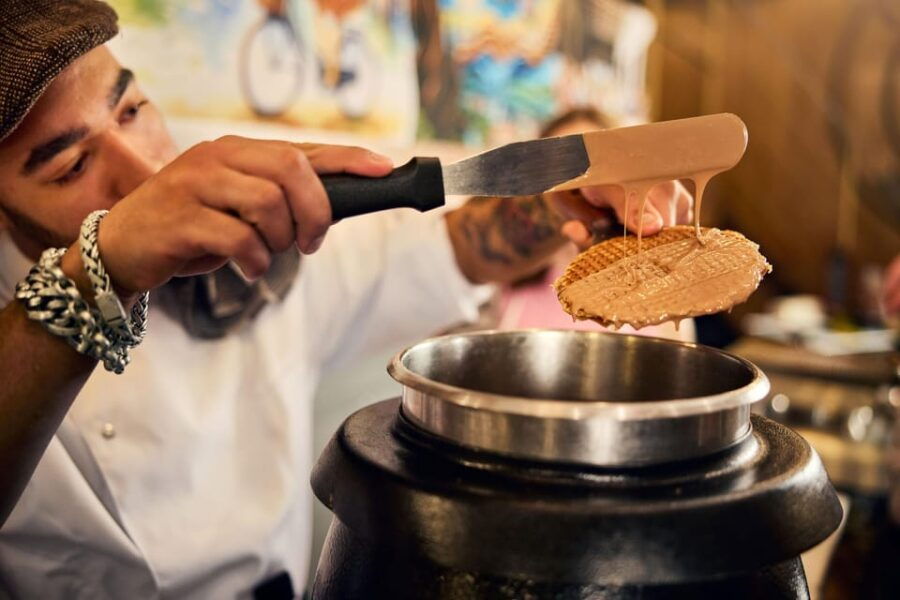
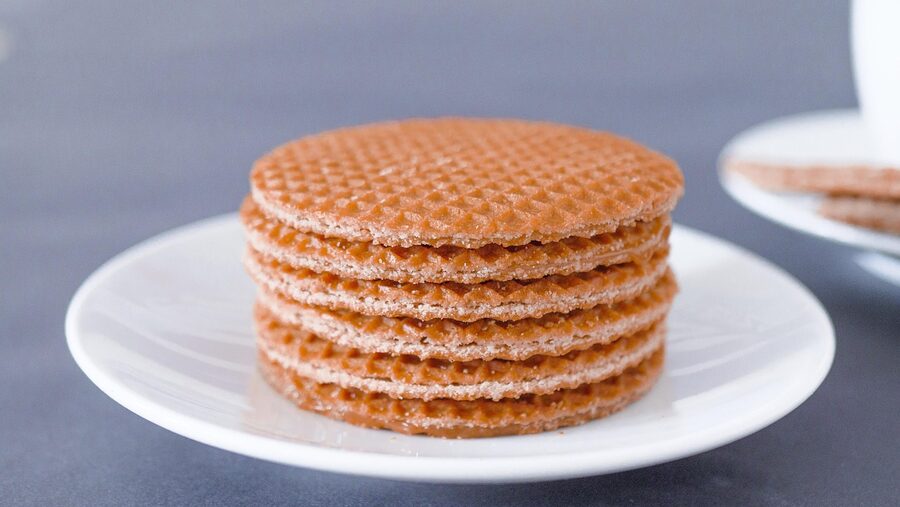
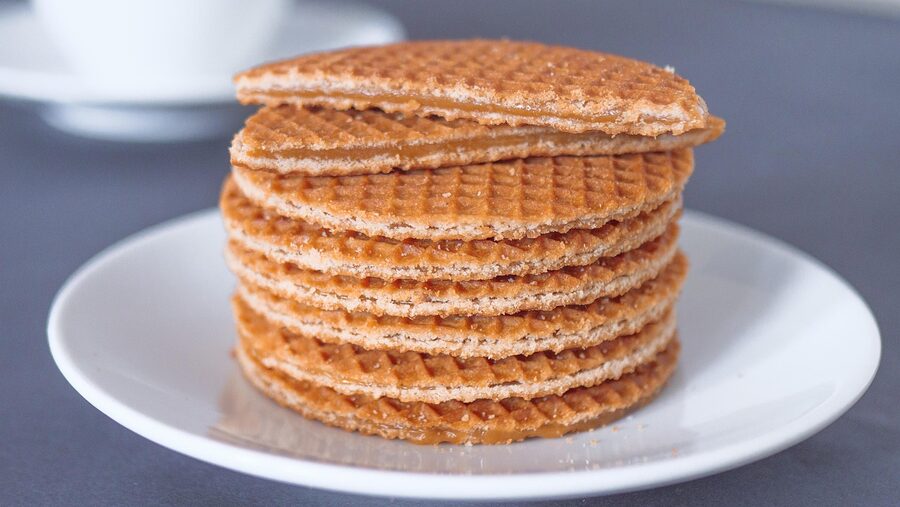
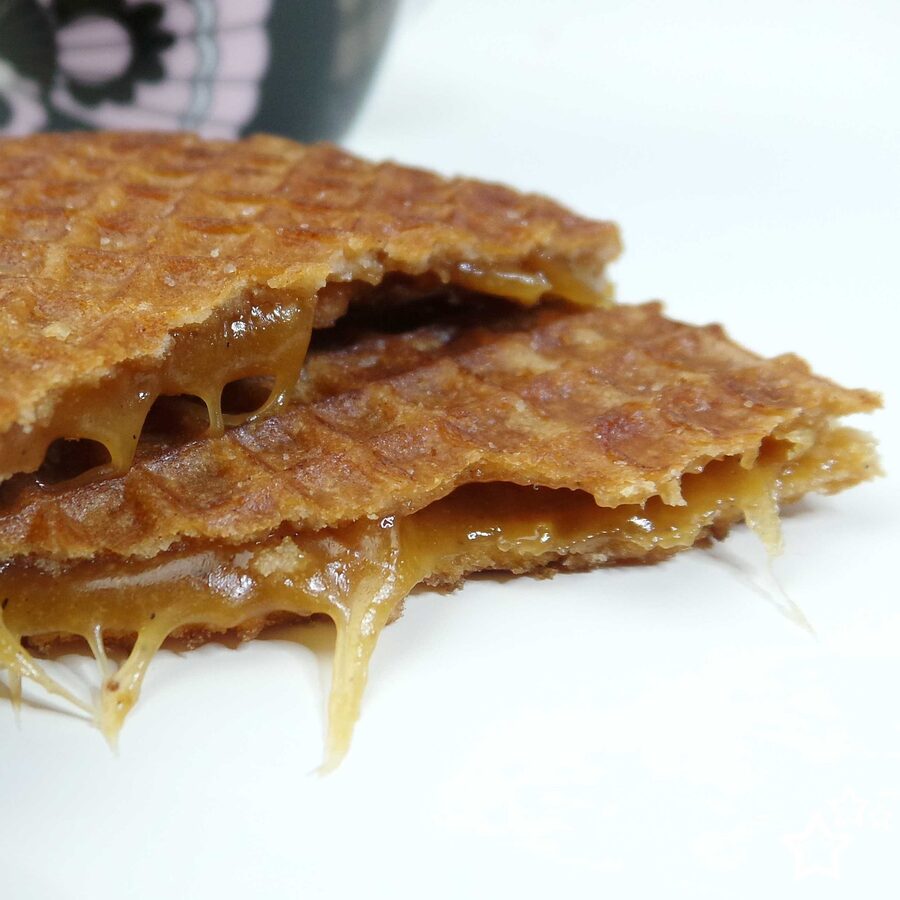
You lift the cast-iron press and the wafer is already releasing steam. It comes off the plate looking thinner than you expected, ridged, browned at the edges, hot enough that you have to handle it with the wooden spatula instead of your fingers. The instructor passes you a ladle of caramel syrup. You spoon it into the centre of one wafer, set the second on top, and watch the syrup ooze just past the edge as you press down. That oozing line is the moment everyone takes the photo.
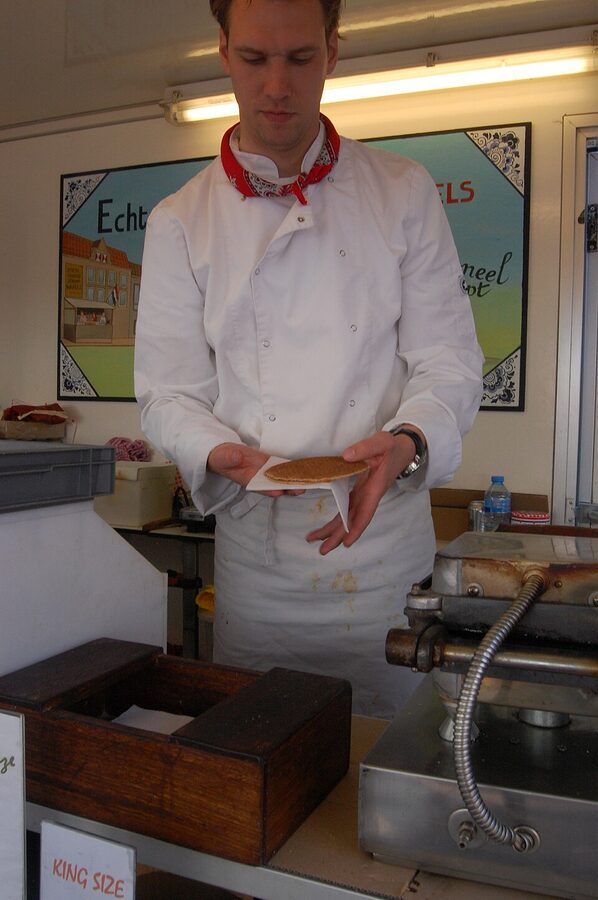
This is the booking-side guide to stroopwafel making workshops in Amsterdam, with the variants you actually have to choose between. There is the standard 75-minute hands-on workshop in the De Pijp neighbourhood. There is a canal cruise pairing where the cookie is included rather than made. There is a Gouda factory day trip if you want the origin story. And there is a small Volendam tasting if you are already on a Marken-Volendam half-day.
Most people just need the headline workshop. But the price gap, the locations, and the format differences are wider than the listings suggest, so it is worth a quick comparison before you click book.
- In a Hurry? Three Picks
- What the workshop actually is
- Where it actually happens
- Picking a workshop: which booking is best
- 1. Amsterdam: Traditional Dutch Syrup Waffle Making Workshop:
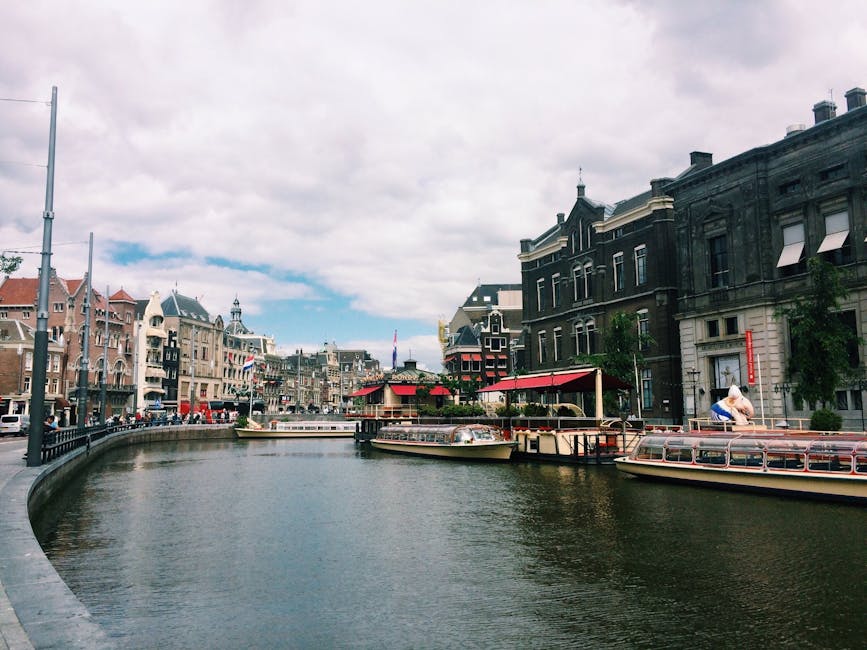
- 2. Amsterdam: Canal Cruise with Free Dutch Stroopwafel:
- 3. Gouda: Syrup Waffle Factory Ticket With a Waffle:
- Two more to know about
- What it costs and what is included
- The history bit (genuinely worth knowing)
- What to expect step by step
- Best time to book
- Dietary notes
- How it compares to other Amsterdam food workshops
- Pairing it with the rest of your Amsterdam day
- What I would skip
- If you only do one Dutch food thing
- More Netherlands ideas to round out your trip
In a Hurry? Three Picks
Best workshop in Amsterdam: Traditional Dutch Syrup Waffle Making Workshop from $23 per person. Hands-on, you press your own wafers, take home a box.
Cookie plus the canal: Canal Cruise with Free Dutch Stroopwafel from $15. 75-minute boat loop, audio guide, no making but a warm cookie included.
Origin-story day trip: Gouda Syrup Waffle Factory Ticket With a Waffle from $14. Where the stroopwafel was actually invented, c. 1810.
What the workshop actually is
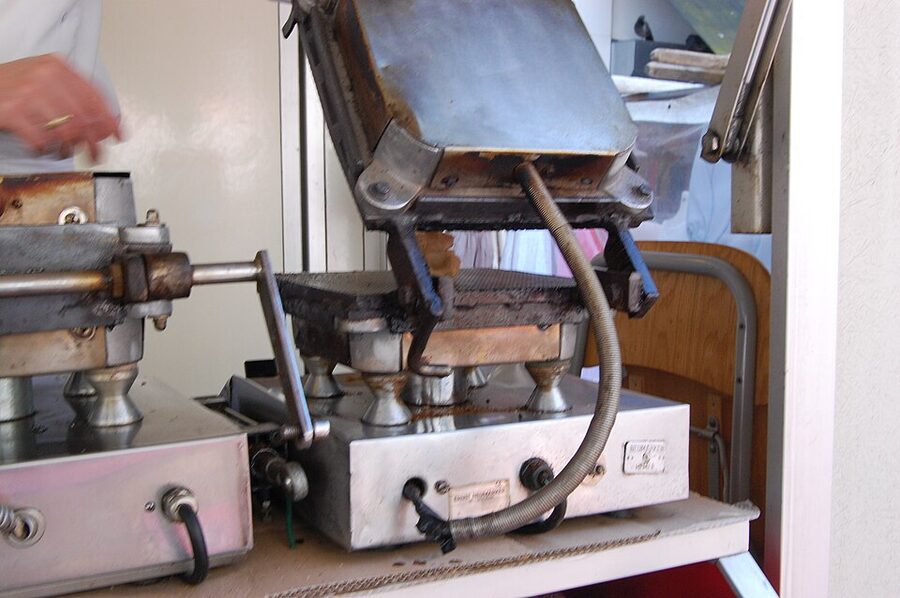
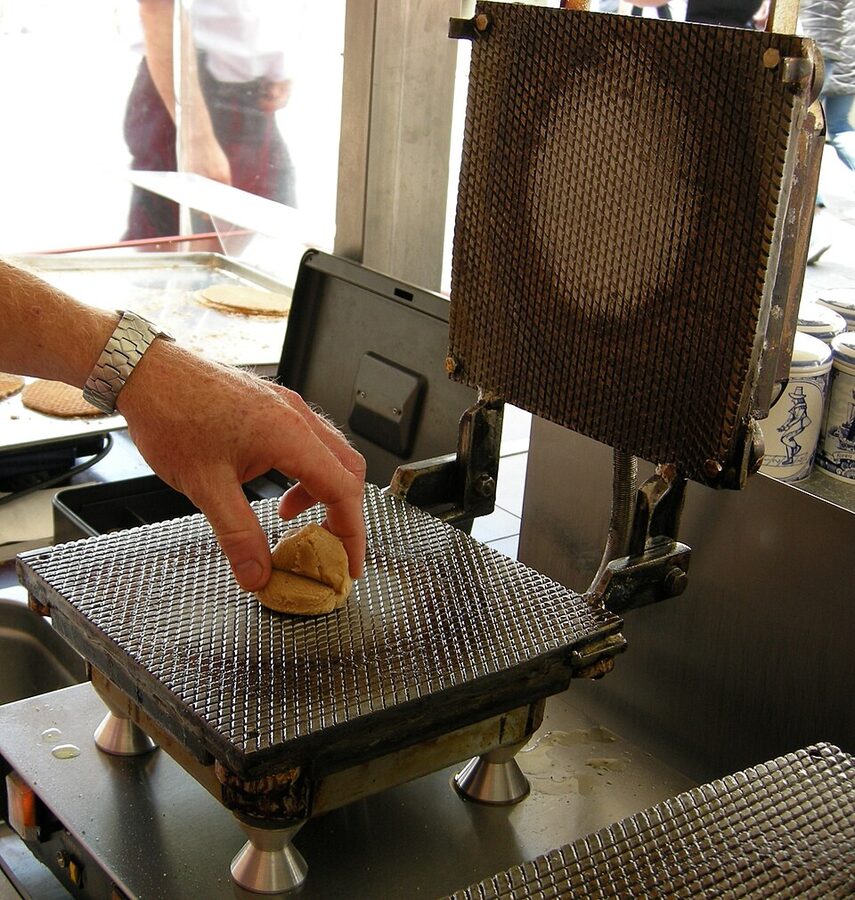
The standard syrup waffle workshop runs about 75 minutes and is genuinely hands-on. You will weigh and mix dough, knead it, divide it, press your own wafers on a real cast-iron iron, slice the still-hot wafer in half horizontally, ladle in the caramel, and assemble. You eat one warm and box up the rest. Most sessions send you home with six to eight finished cookies in a takeaway box.
It is not a cooking class in the dinner-party sense. There is no plating, no recipe handout to take home, no chef-style demonstration that lasts twenty minutes before you touch anything. The pace is closer to a craft workshop. Short intro on the history of the cookie (about five minutes), safety brief on the hot irons (one minute), then straight to the bench.
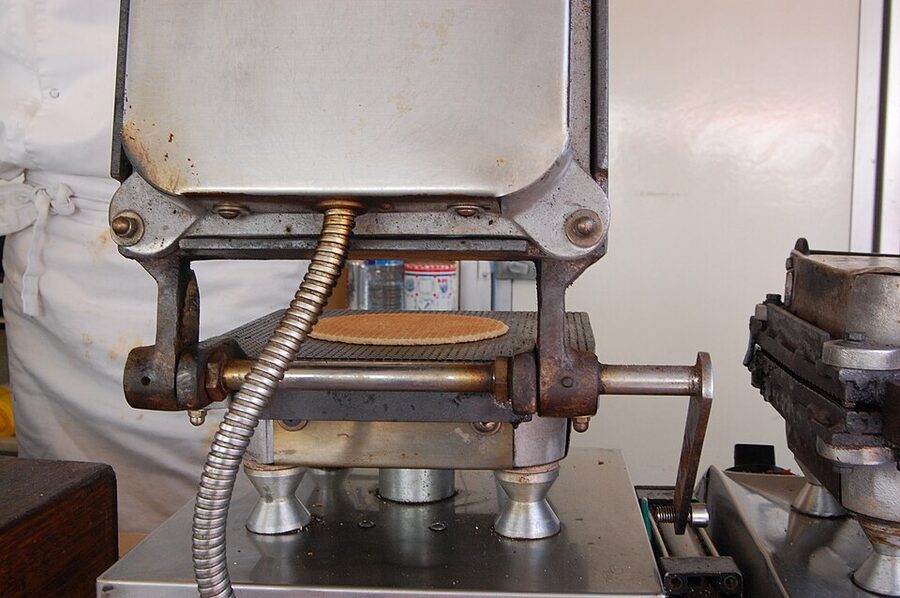
The room caps at around 25 people on busy slots, which is bigger than I would normally pick for a hands-on session. In practice it works because the steps are short and the staff move between irons. Nobody is left standing around. If you are a small group, the morning slots run quieter and you get more attention.
Children are welcome. The minimum age in policy is six but the irons are properly hot, so kids need an adult standing with them on the press step. Eight and up is more comfortable. Under five is not really worth the entry price because they cannot handle the iron and the rest of the workshop is brief.
Where it actually happens
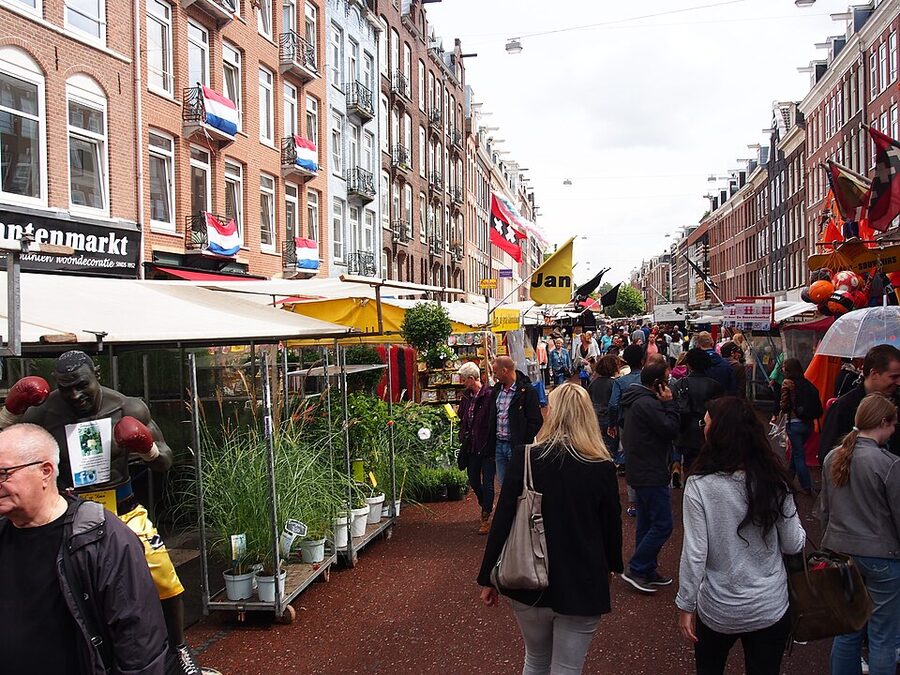
The main Amsterdam workshop is at Albert Cuypstraat 194 in De Pijp, right behind the market stalls themselves. From Centraal Station, take metro 52 (the Noord/Zuidlijn) four stops to De Pijp. From there it is a four-minute walk south down Ferdinand Bolstraat, then a left on Albert Cuypstraat. You will smell the workshop before you see the door.
If you are walking in from the museums, it is a ten-minute stroll from the Rijksmuseum south on Hobbemakade. From the Van Gogh Museum it is twelve minutes the same way. Pairing this workshop with a museum slot in the same morning is one of the better Amsterdam routings, and the stroopwafel ends up being the lunch.
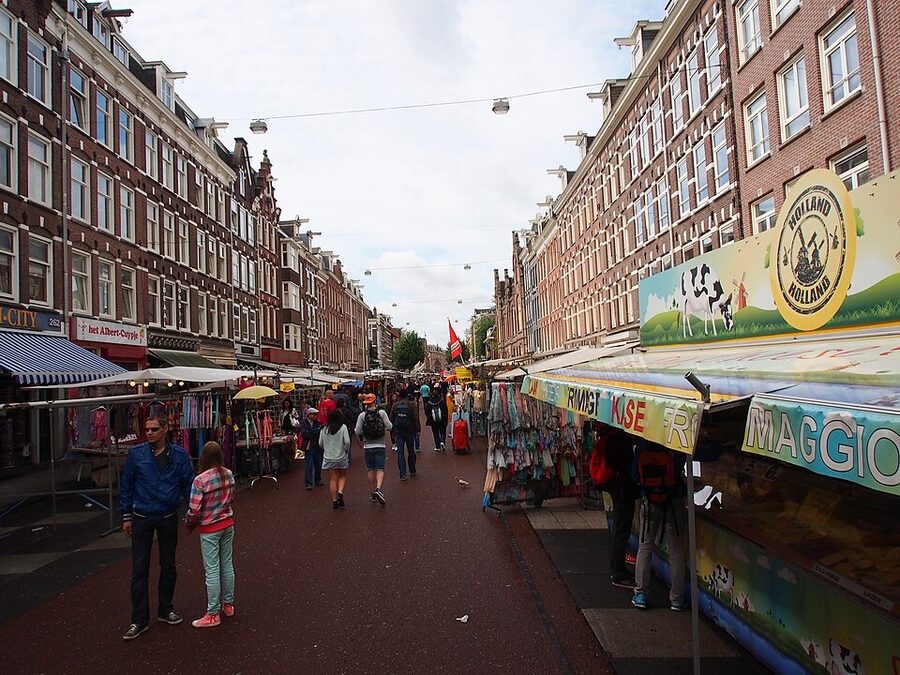
Driving in is a bad call. De Pijp parking is metered, expensive, and tight. The closest car parks are Q-Park Heinekenplein (six minutes walk) and the underground at De Boerenmarkt. Trams 4 and 24 also stop at Stadhouderskade if metro is not your routing.
Picking a workshop: which booking is best
Two things to decide: are you making cookies or eating them, and are you doing it in Amsterdam or somewhere else. There are five practical options listed across GetYourGuide and Viator. The flagship Amsterdam workshop is by some distance the most-booked of the lot and is the one that delivers what the search query suggests. The other four are companions or alternatives.
If you want a hands-on workshop in Amsterdam, the GetYourGuide listing for the De Pijp venue is the right pick. If you want the cookie in your hand without the apron, the canal cruise version is a third of the time commitment. If you are willing to leave Amsterdam for a half-day, Gouda is the home town of the cookie and the factory ticket includes a fresh one. Volendam is a tasting only and best as an add-on to a coastal-villages trip.
1. Amsterdam: Traditional Dutch Syrup Waffle Making Workshop: $23
This is the workshop most visitors are looking for and the one I would book first. Our full review covers the bench format, the takeaway box quantity, and which slots run quieter. The instructors run sessions in English and the format genuinely puts you on the iron rather than watching from a stool.
2. Amsterdam: Canal Cruise with Free Dutch Stroopwafel: $15

If you have already done a workshop somewhere, or you genuinely just want the cookie in hand without the bench, the canal cruise + cookie combo is the cheaper, faster pick. It is a proper canal cruise first and the stroopwafel second. Pair it with the workshop on a longer trip and you get both ends of the cookie experience for under $40 total.
3. Gouda: Syrup Waffle Factory Ticket With a Waffle: $14
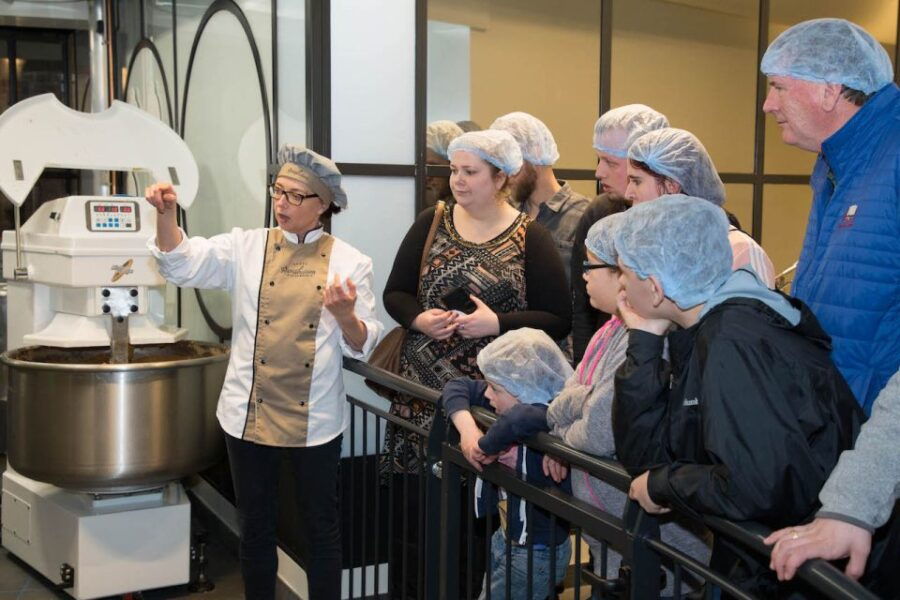
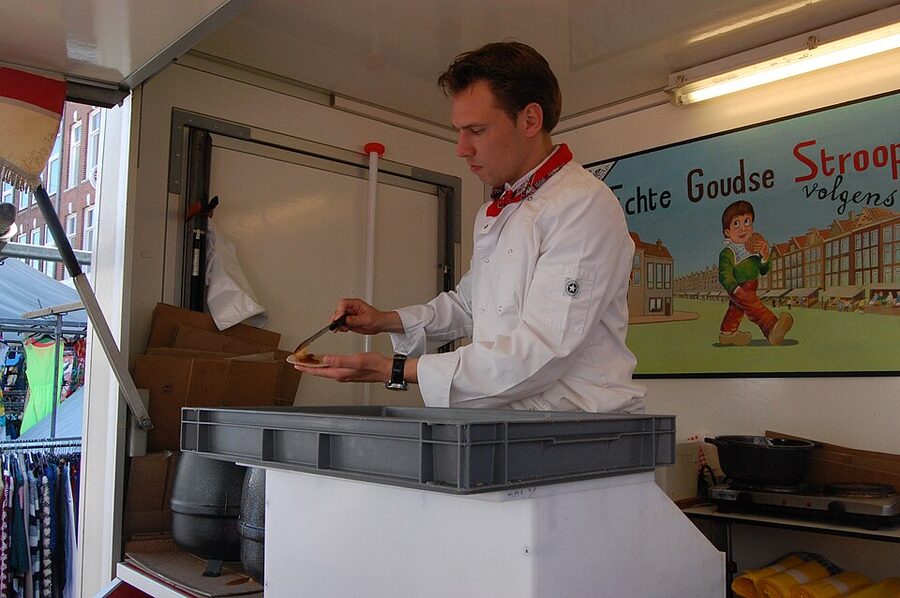
For travellers who want the origin story rather than the workshop, the Gouda factory ticket is genuinely the better history lesson. The exhibits cover the 1810 origin, the family bakery lineage, and the technical evolution of the iron. Day-trip from Amsterdam is 50 minutes by direct train from Centraal to Gouda Station. Pair with cheese-market morning if your dates align.
Two more to know about
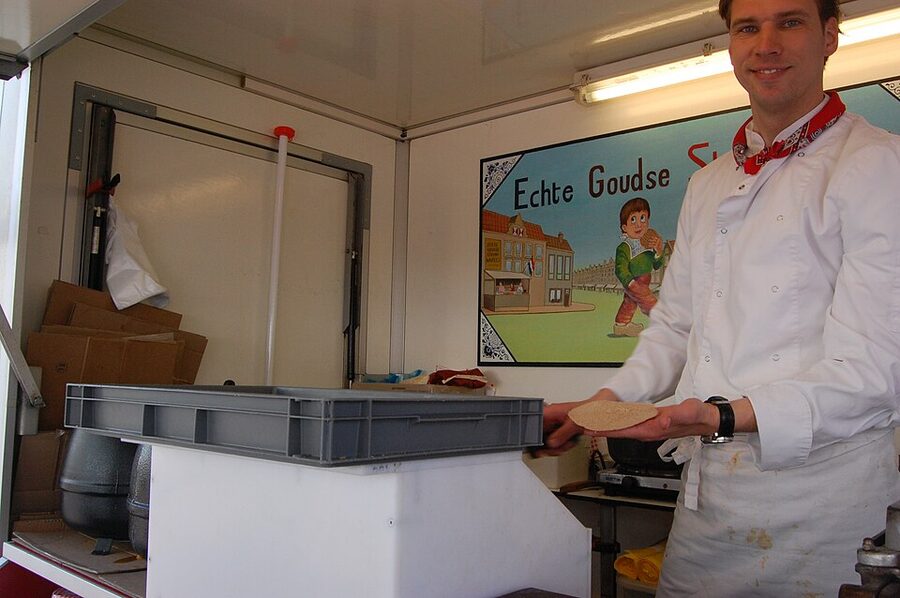
The other Amsterdam listing on Viator is the Traditional Dutch Stroopwafel Making Workshop. It is an alternative GetYourGuide-equivalent run by a different operator on a slightly different schedule. Roughly the same format, similar duration, similar price point. Worth checking if the flagship listing is sold out for your dates.
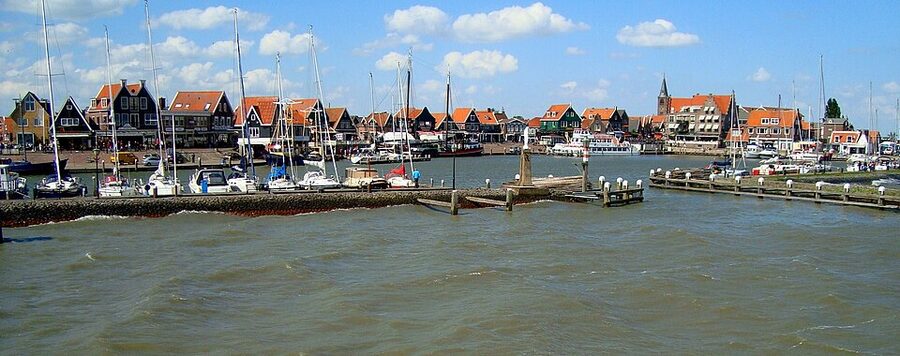
The other option a lot of travellers stumble onto is the Volendam stroopwafel tasting. This one is not a workshop. There is no iron, no dough, no press. You watch a short demonstration and you eat a fresh one. It runs in the fishing village of Volendam, twenty minutes by bus from Amsterdam Centraal. If you are already going to Zaanse Schans and Volendam on a coastal-villages day, this is a sensible bolt-on. As a standalone trip from Amsterdam, the workshop in De Pijp is the better use of your time.
What it costs and what is included
The flagship Amsterdam workshop is around $23 per adult on GetYourGuide. Children pay the same flat ticket; there is no kid discount because they take up an iron the same way an adult does. Free cancellation up to 24 hours before your slot is included on the platform listing, which is the main reason I would book through GetYourGuide rather than direct.
The price includes:
- The 75-minute workshop itself with an English-speaking host
- An apron and all of the tools (irons, dough cutters, syrup ladle)
- All ingredients (you will not need to top up at the bench)
- Tea, coffee, and water during the session
- Six to eight finished stroopwafels in a takeaway box
The price does not include hotel pickup (there is none, you make your own way to De Pijp), and there is no upsell at the end. The takeaway box is the takeaway box. If you want more, the small adjacent shop sells packets at standard supermarket prices, around €3 for a sleeve of eight.
Compared with other Amsterdam food-and-drink experiences, this is at the cheaper end. The Heineken Experience is roughly $25 with a beer at the end. The Icebar is around $30. The stroopwafel workshop sits below both for a longer hands-on session and you take home cookies. Hard to beat that on a per-hour basis.
The history bit (genuinely worth knowing)
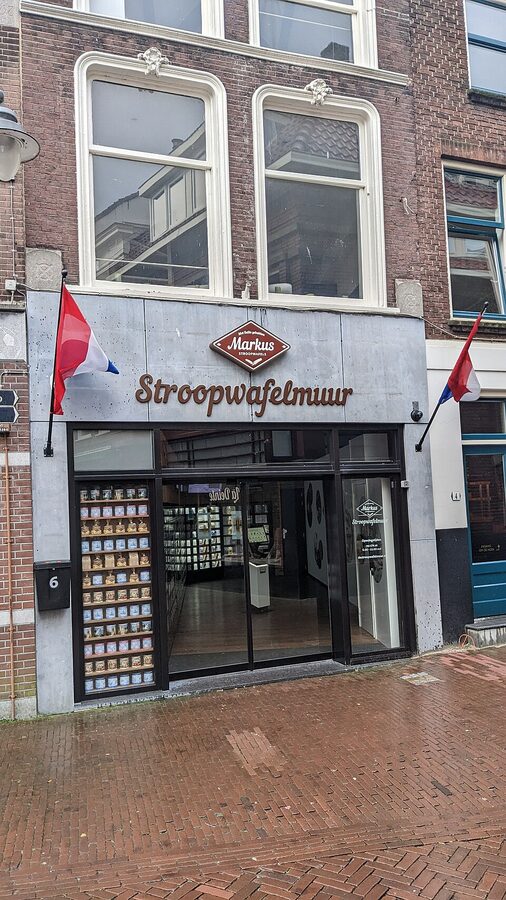
The stroopwafel did not start in Amsterdam. It started in Gouda, around 1810. Different sources name slightly different bakers, but the general story is consistent: a Gouda baker had leftover bread crumbs and excess syrup, pressed the crumbs thin, sandwiched the syrup, and sold them cheap to factory workers. Within a generation the cookie had spread across South Holland; by 1900 there were over a hundred bakers in Gouda alone making stroopwafels.
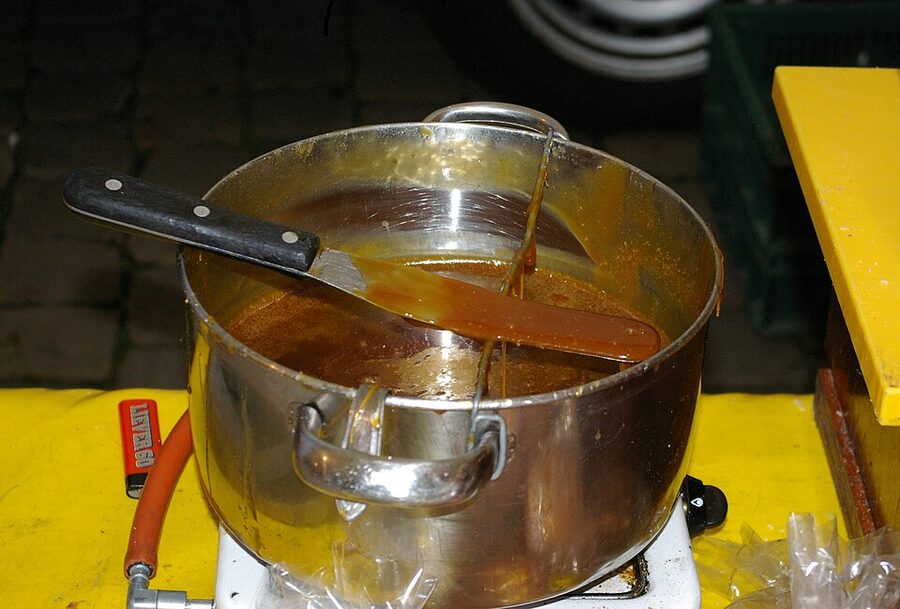
The recipe has barely changed. Wafer dough is still flour, brown sugar, butter, yeast, cinnamon, and an egg. The syrup is still slow-cooked sugar with butter and a little corn syrup or treacle. The iron pattern, the size, the order of operations, all the same. What did change was distribution. By the 1960s factory production turned the cookie from a regional Gouda thing into a national supermarket staple, and by the 1990s the European tourist version was already well established.
The Amsterdam workshop hosts will tell you a version of this in the first five minutes. It is short and not preachy. But knowing it before you go does make the workshop feel less like a kitschy souvenir activity and more like a tiny piece of South Holland industrial history. Travel writers do not usually frame stroopwafels that way. They are mostly written up as a snack. They were a working-class food for a long time, and that frame holds.
What to expect step by step
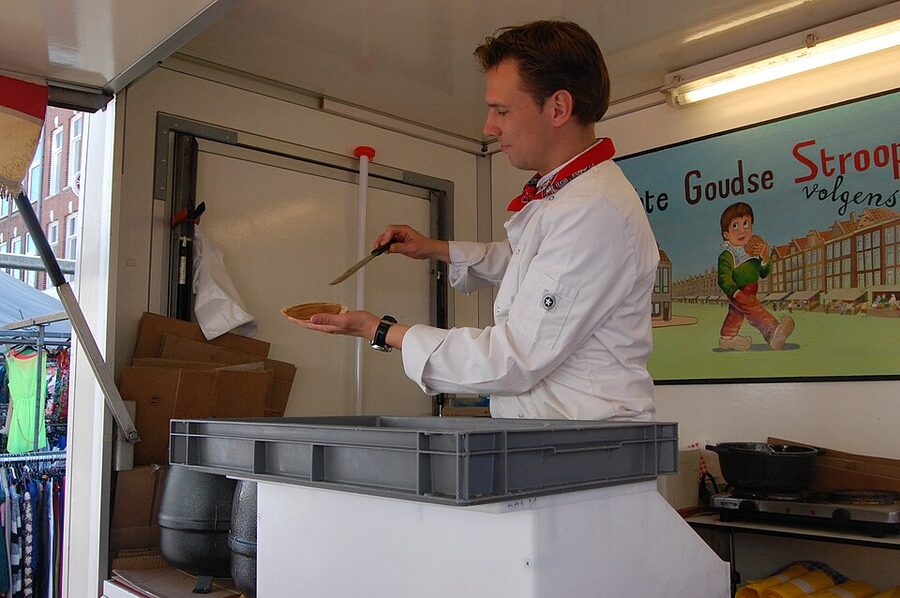
If you like a rough timeline before booking, here is what a 75-minute slot looks like in practice. Times are approximate but match what most groups experience.
0-5 minutes: Welcome, apron, the short history bit, the safety brief on the irons. The host will show you their own wafer in advance so you know what good looks like.
5-20 minutes: Mixing and kneading the dough. Most groups skip the slow-rest step that traditional bakeries use, because the workshop is on a clock. Modern recipes work fine without it.
20-45 minutes: The press station. You roll your dough into golf-ball portions, drop one onto the iron, close, count, lift. You will press five or six wafers in this stretch. Fastest pressers finish first and stand around helping the slower ones.
45-65 minutes: Slice and assemble. Each wafer is split horizontally with a serrated blade or hot wire, syrup goes in the middle, top half goes on. You decorate the lid (chocolate stripes are the classic; the workshop usually has a few seasonal toppings).
65-75 minutes: Boxing up. You take six to eight finished cookies in a cardboard box. Eat one warm at the bench. Save the rest for the hotel kettle and the train ride.
Best time to book
Slots run hourly between 9:30 and 18:30 most days, with extra slots on weekends. The first slot of the day (typically 9:30 or 10:00) is the quietest and you tend to get more time on the iron. Late afternoon is busiest, partly because tour groups feed in from the Albert Cuyp Market lunch crowd.
Bookings tighten four or five days out in summer and around weekends and Dutch school holidays. King’s Day (27 April) and the late-October half-term week are particular pinch points. If you are on a fixed Amsterdam date in those windows, book the moment your hotel is locked. Free cancellation gives you a 24-hour out, so there is no real cost to booking early.
Off-season (November to early March, excluding Christmas week) you can usually walk up the day before and find space. The market itself is quieter then too, which makes the morning routing more pleasant.
Dietary notes
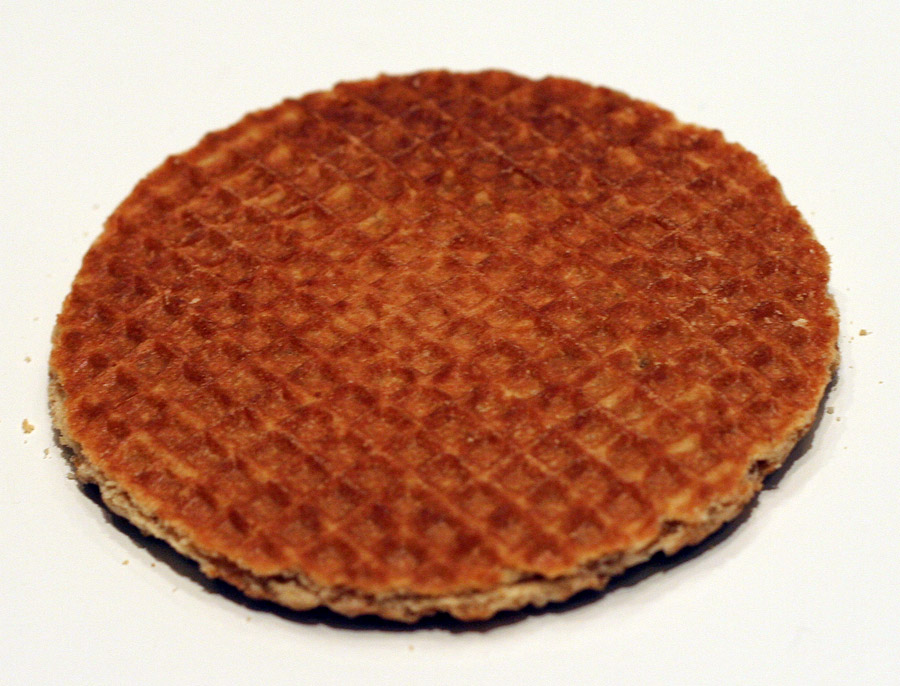
The standard recipe contains wheat (gluten), dairy (butter and a splash of milk), and eggs. If you have a coeliac diagnosis or a serious egg allergy, this is not the workshop for you. The kitchen is shared and there is flour airborne for most of the session. The team will tell you the same thing if you ask at booking.
Vegetarians are fine. There is no meat anywhere in the recipe. Vegans will need to skip; both butter and egg are structural ingredients that you cannot easily swap. Lactose-intolerant guests in my last group ate the cookies without any obvious issue, but that is anecdotal and you know your own situation better than I do.
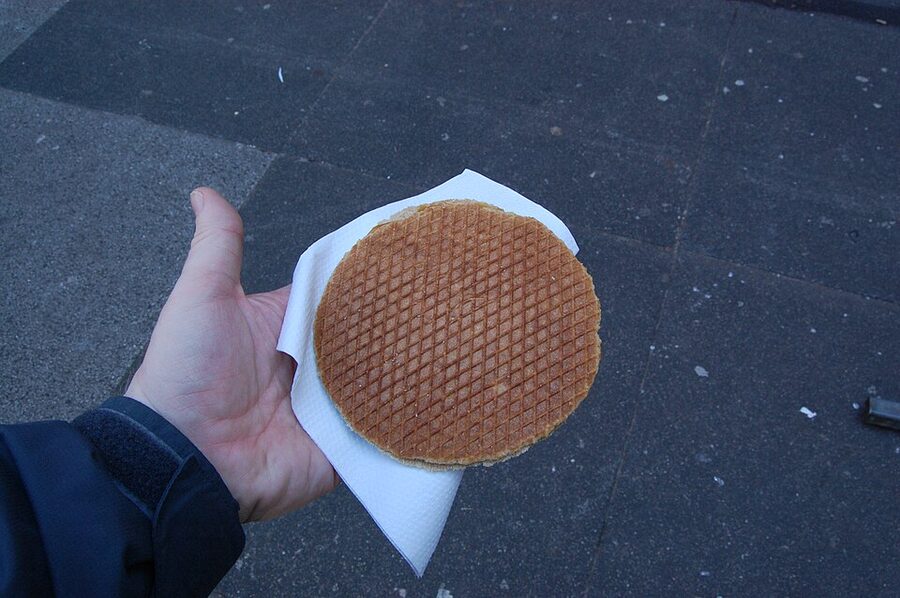
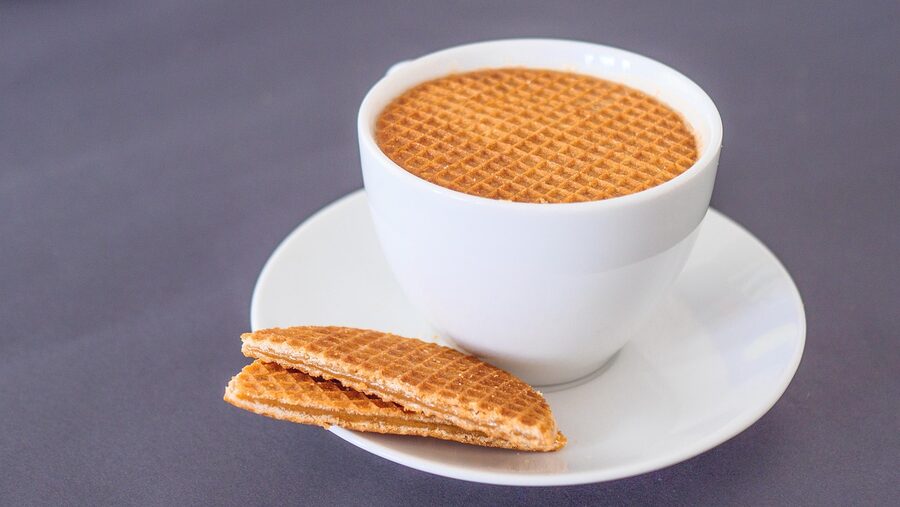
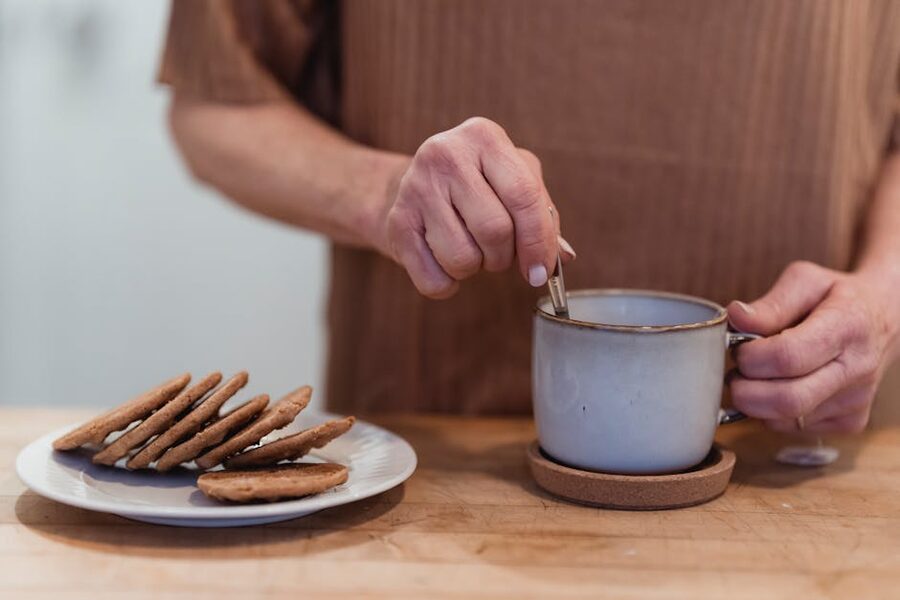
Tea, coffee, and water are available throughout. Most groups end up drinking coffee with the warm cookie at the end, and the warm wafer balanced over the lip of the cup is the trick locals will demonstrate without prompting. Heat softens the syrup again. It is the right way to eat one.

How it compares to other Amsterdam food workshops
If you have already done a food workshop on this trip and you are weighing whether to add another, here is the take. The stroopwafel workshop is shorter and cheaper than most equivalents. A Dutch cheese tasting runs longer (often 90 minutes) and gets deeper into agricultural context. The Edinburgh Chocolatarium in Scotland is the closest cousin format-wise. Single-product, hands-on, ends with a takeaway. Edinburgh runs about 90 minutes and is a touch more polished.
What the stroopwafel workshop has over both is portability. You leave with a box of cookies that survives a flight home and lasts a week. The cheese tasting gives you the experience but not really the souvenir. The chocolate workshop gives you a bar but in smaller volume. Six to eight stroopwafels is a real gift to bring back.
If you are travelling with kids, the iron-pressing format is the most genuinely interactive of the three. Kids who watched a chocolate guide work the tempering machine will get to actually press a wafer here, which is the difference between a memorable activity and a passive one.
Pairing it with the rest of your Amsterdam day
The 75-minute workshop fits cleanly into a morning. Book the 10:00 or 10:30 slot, walk in via the metro at De Pijp, finish around 11:30, and you still have lunch and a museum afternoon ahead of you. The Albert Cuyp Market itself is open straight after, and the herring stand at the east end of the street is the local lunch most workshop guests end up at.
If you want a fuller food day, pair the workshop with a canal cruise in the afternoon. The cookie-included version of the cruise overlaps a little with the workshop content, so if you have made your own already that morning, the standard canal cruise is the smarter pick. The Keukenhof gardens in spring add a third stop without any food fatigue.
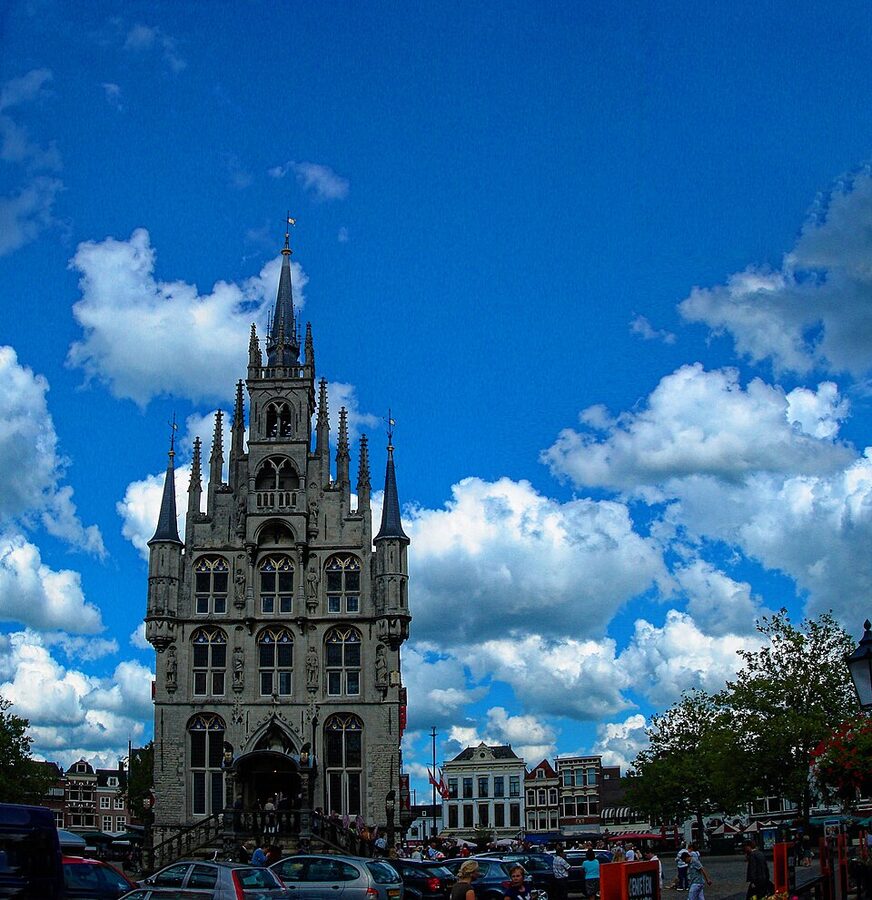
For a longer trip, the Gouda day-trip works best on a Thursday. That is the cheese-market day in Gouda, which means the historic Markt square is full of cheese rounds, costumed traders, and the Stadhuis open for tours. Add the Kamphuisen factory ticket in the afternoon and the route makes a good full-day from Centraal.
What I would skip
One small note. The “Volendam stroopwafel experience” listing is a tasting only. If your search query was “make my own stroopwafel” then this is not it. Volendam works as part of a coastal-villages day, but as a standalone Amsterdam-area stroopwafel activity it underdelivers compared with De Pijp.
Also: avoid the tourist stalls on Damrak that sell fresh stroopwafels at €4.50 each. They are fine, but you will pay three times the supermarket rate for a cookie that the workshop sends you home with eight of for the same price. Walk an extra fifteen minutes south to Albert Cuyp and the maths flips.
And the supermarket version is genuinely good. Albert Heijn sells the standard Daelmans pack for around €2.50. After the workshop you will appreciate why they are not the same as the bench version, but they are also not bad. They are just different. Both have a place in your suitcase home.
If you only do one Dutch food thing
Take the workshop. Pay the $23. Eat the warm one at the bench. Take the box. The cookie travels home, survives a flight, and gives you a small gift to hand out to half a dozen people. No other Amsterdam food activity gives you that combination at that price point.
The food workshop genre across Europe is uneven. Some are well-paced and hands-on, some are demonstration-heavy and dull. The Amsterdam stroopwafel workshop sits firmly on the hands-on side, which is the half of the genre I would always pay for.
More Netherlands ideas to round out your trip
If you have already booked the workshop and you are filling out the rest of the days, the obvious companions are a standard canal cruise and the Zaanse Schans windmills for the postcard Netherlands set. The chocolate-workshop cousin in Edinburgh is the closest format match if you are continuing on a UK leg.