
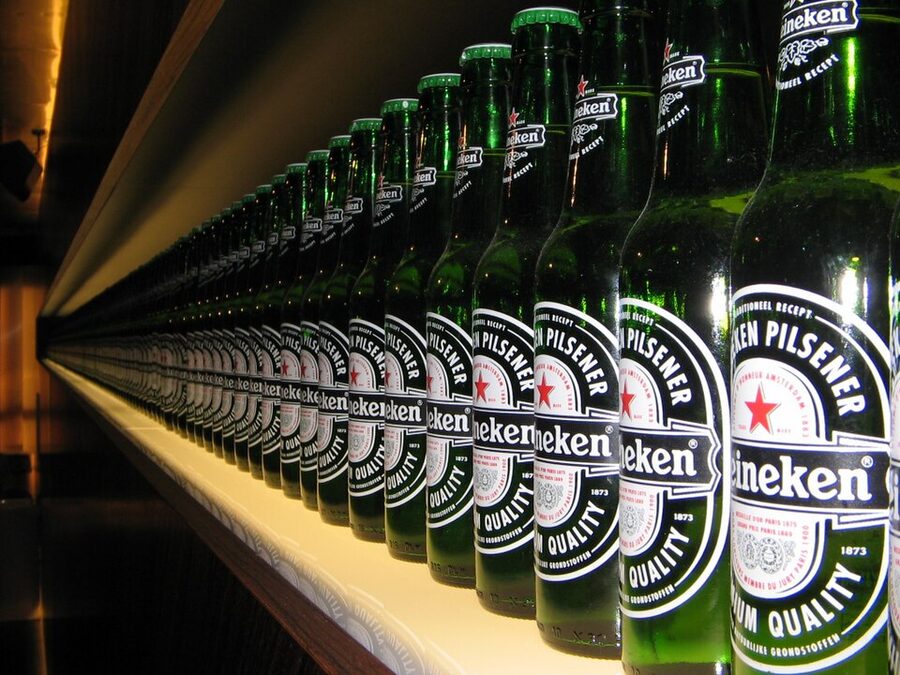
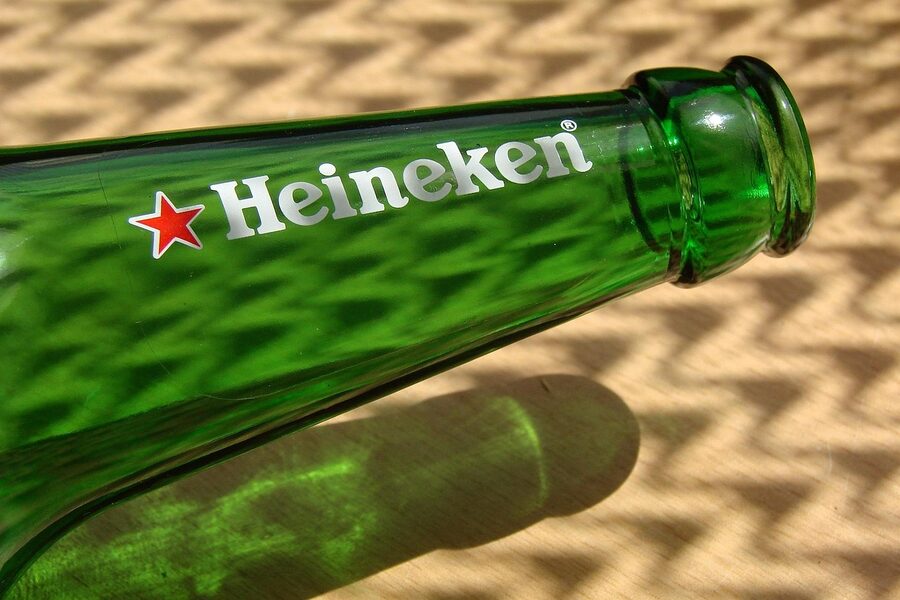
The green Heineken bottle is green for one reason most people get wrong. It has nothing to do with brewing or hops or oxidation. In 1949 Heineken bought the only green-glass plant in Holland and standardised every bottle that left the Stadhouderskade brewery. Cleaner supply chain, instantly distinctive shelf presence, and ninety years later you still spot the colour from across a bar.
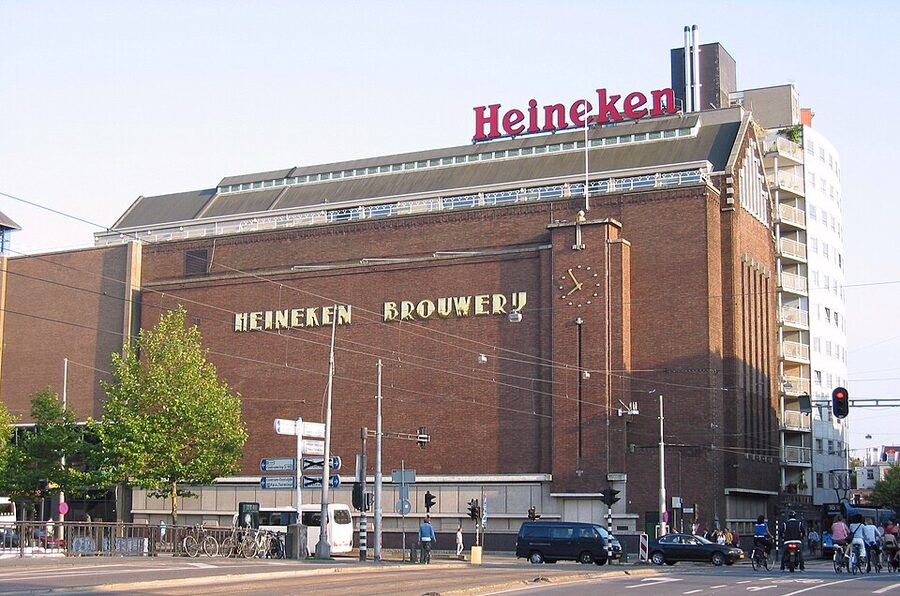
That kind of detail is what makes the Heineken Experience worth the ticket. The 90-minute self-guided walkthrough on Stadhouderskade fills in the bits the bottle label never tells you, and the brewery building itself has been on that corner since 1867. I’ll walk you through the ticket variants, what you actually see across the eleven floors, and which pick suits your trip.
In a hurry? Top 3 Heineken Experience tickets
- Standard ticket with 2 drinks ($29). The default for most visitors, includes the full self-guided walkthrough and two fresh-pours at the upstairs bar. Book on GetYourGuide
- Heineken + Canal Cruise combo ($47). Pairs the brewery with a 75-minute Amsterdam canal loop, both bookable in one slot. Book on GetYourGuide
- Standard ticket without drinks ($28). Same walkthrough, no tasting at the end, useful if you have a non-drinker in the group. Book on GetYourGuide
- In a hurry? Top 3 Heineken Experience tickets
- The 1949 green-glass story (and why the building still matters)
- How the ticket actually works
- The 11-floor route, in order
- Choosing the right ticket
- Top picks: 3 Heineken Experience tickets worth booking
- 1. Heineken Experience Ticket including 2 Drinks:
- 2. City Canal Cruise + Heineken Experience:
- 3. Heineken Experience + 1-Hour Canal Cruise:
- What I’d skip and what I’d add
- How it compares to other brewery and distillery experiences
- Practical notes most articles skip
- Getting there and around
- What to do nearby
- More Amsterdam guides
The 1949 green-glass story (and why the building still matters)
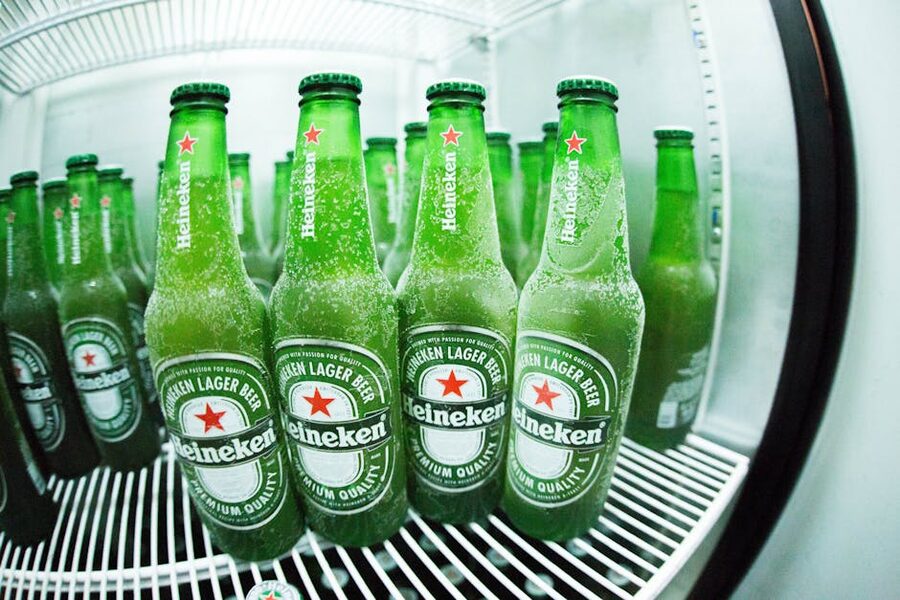
Most beer brands tell you a green bottle protects the hops from light. That’s true for some lagers, but it isn’t why Heineken is green. The brewery standardised on green in 1949 after acquiring the only Dutch glass works producing that colour at industrial volume. Once the supplier was in-house, switching back to brown would have meant retooling the whole bottling line. So green stayed.
You learn this kind of thing on the Bottling Hall floor. The exhibit walks through the standardisation moment with original 1950s bottle samples and a short film about how the green became the brand. It’s the kind of corporate detail you don’t expect to find interesting and then can’t stop thinking about. Tell someone at dinner that night and watch them not believe you.
The 1867 founding is the other anchor. Gerard Adriaan Heineken was 22 when he bought the existing De Hooiberg (“Haystack”) brewery on this site, and the building you walk into today still has the original brick facade plus the 1860s extension. Production moved to Zoeterwoude in 1988 because the central Amsterdam plot couldn’t grow any larger. The building sat empty for over a decade before reopening as the visitor experience in 2001.
How the ticket actually works
You pick a 30-minute timed-entry slot when you book. After 2017 the Experience stopped selling walk-up tickets at busy windows, so booking online is the only safe way to lock in your visit. Once inside, you’re free to go at your own pace, and the eleven floors take most people about 90 minutes to clear. Bigger drinkers stretch it to two hours by parking at the rooftop bar.
The standard ticket bundles the entire self-guided route plus two beer pours at the end. Add-ons (rooftop bar, VIP guided tour, canal cruise pairing) come at separate price points. Every ticket includes the welcome film, the brewing exhibit, the Brew U 4D ride, and the upstairs Best Bar in Town.
One thing that catches people out: the entry queue can be 10 minutes long even with timed tickets when school groups stack up. Aim for the first slot of the day (10:30 most days) or the last entry around 19:00 in summer if you want it quieter. Friday and Saturday afternoons are the busiest by a wide margin.
The 11-floor route, in order
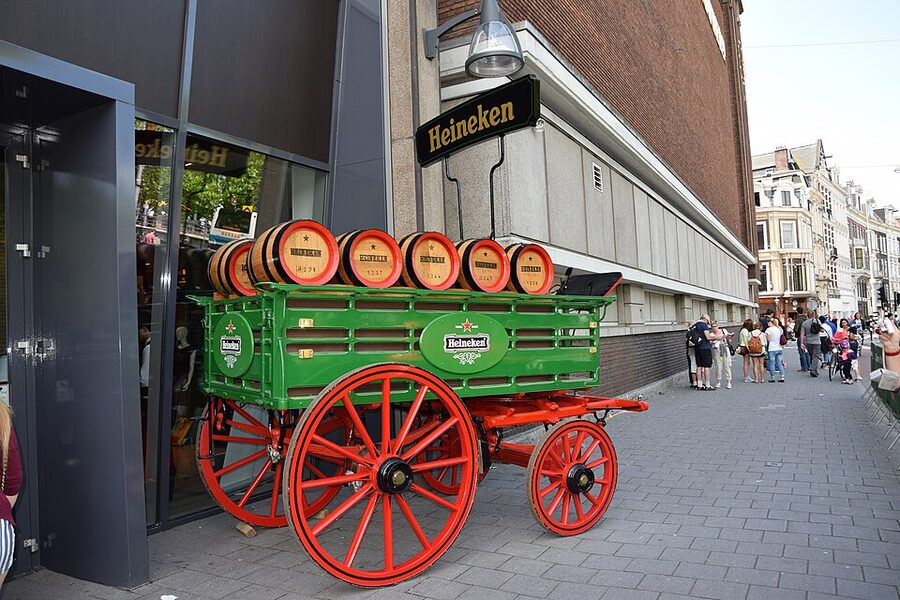
The route is one-way. You start at ground level with the Heineken family timeline and end on the rooftop bar four floors up (with a bunch of switchbacks and a basement-level brewing exhibit in between). Highlights I’d actually slow down for:
The brewing floor. This is where they explain the four ingredients (water, malted barley, hops, yeast) and why the A-yeast strain bred in 1886 by Heineken’s chief brewer Dr H. Elion still gets used in every Heineken brewed today. They keep a sample at the Zoeterwoude plant under temperature lock. Every new batch is propagated from that mother culture. It’s the closest thing global beer has to a sourdough starter.
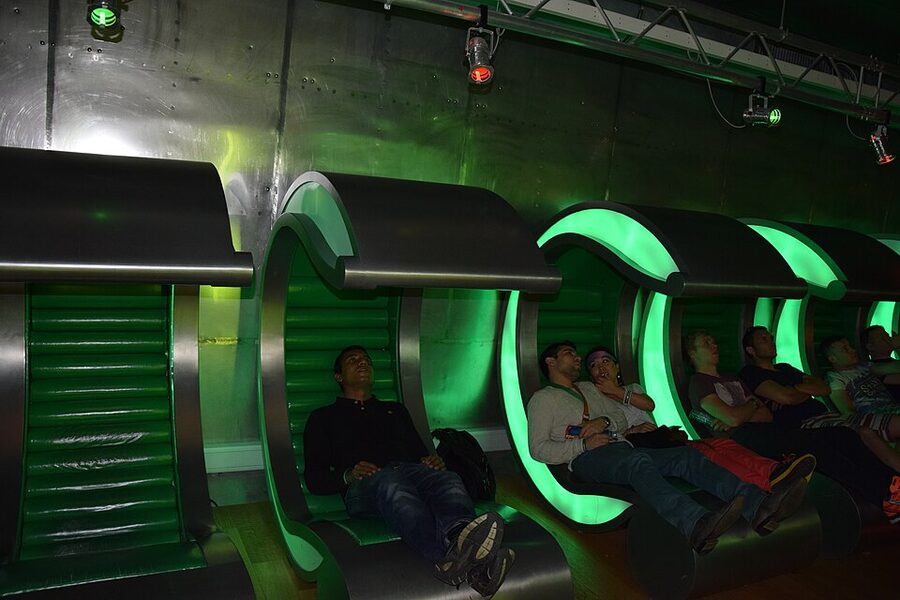
The original copper kettles. The kettles in the back hall are the actual 1860s Krupp-built mash tuns from when the brewery was running. They’re polished now, but the rivets and seam welds are the original work. You walk between them and read the temperature plates that brewers used to set by hand.
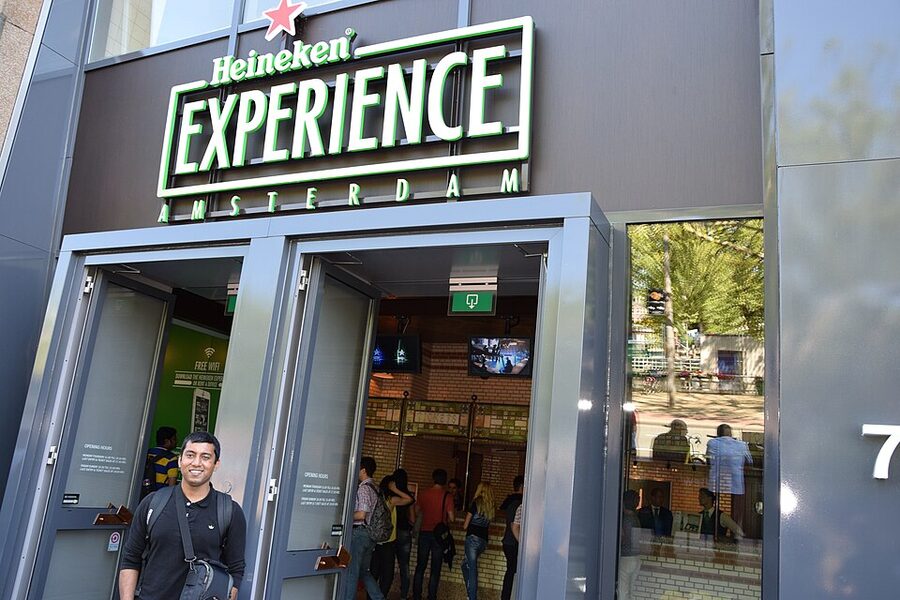
Brew U. A 4D ride where you become the beer. You stand on a moving platform, get sprayed with water (mash temperature), shaken (fermentation), and rattled (bottling). It sounds gimmicky and it is. It’s also legitimately fun and lasts about 4 minutes. Do it. The kids in front of you will be screaming and you’ll laugh anyway.
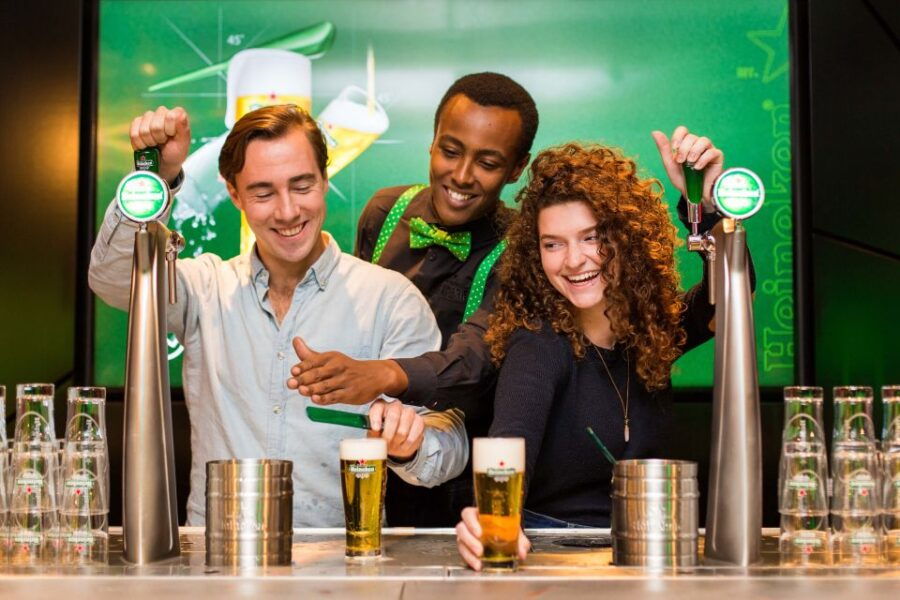
The Pouring Lesson. A staff member walks you through the official Heineken five-step pour at a small bar. Tilted glass, slow pour, skim the foam with a spatula, top it off, present. You then pour your own and they critique it. You get to keep and drink that beer. So you’ve already had one of your two before reaching the proper bar.
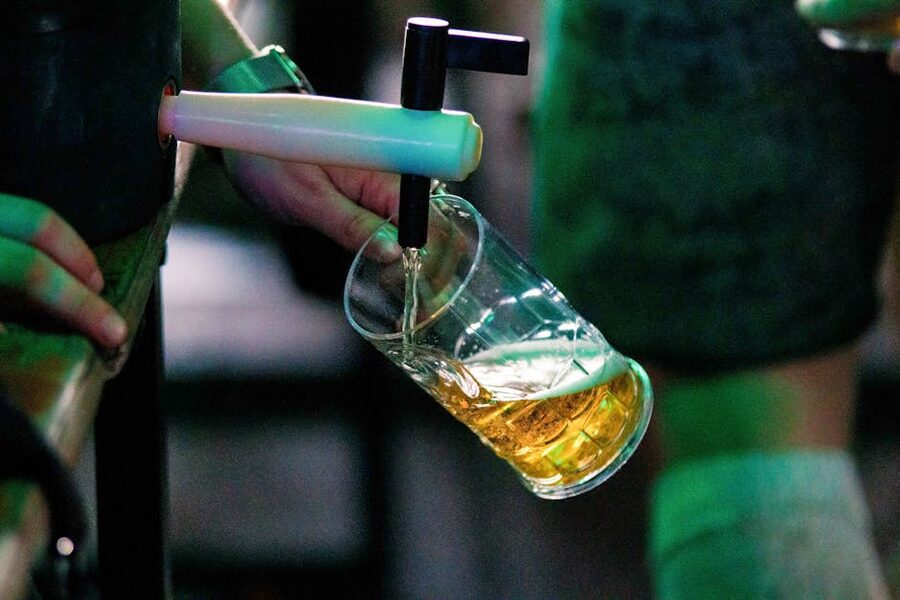
The Bottling Hall. Real bottles run on a smaller-scale demo line behind glass. This is also where the green-glass display sits, and where you’ll find the personalised bottle station (you can engrave a label with your name for an extra fee, which my sister did and then drank in two days).
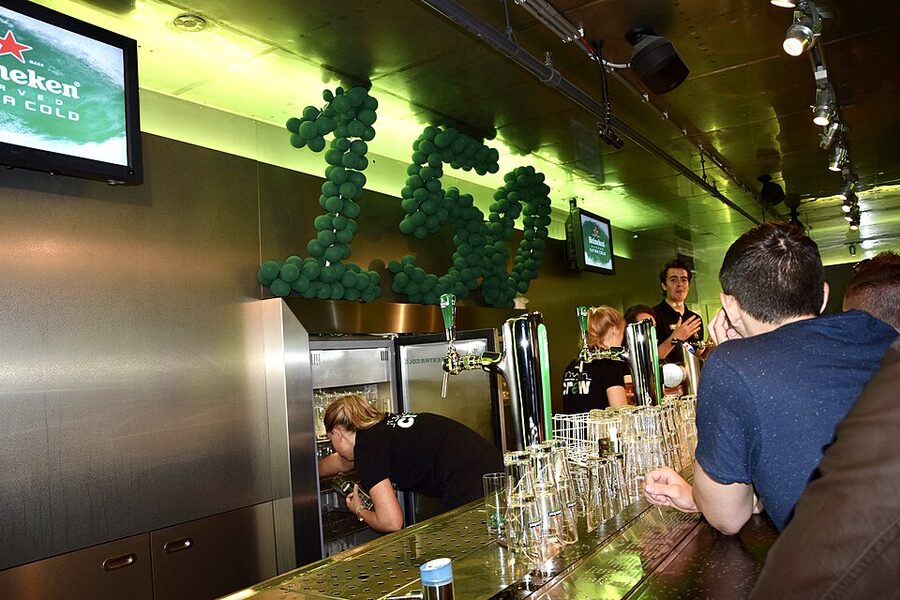
The Best Bar in Town. Top-floor rooftop and lounge. This is where you redeem your two pours. Decent views over the Singelgracht and the De Pijp rooftops. The bar staff are quick and they top up properly. If you upgraded to the rooftop ticket you also get cheese pairings here.
Choosing the right ticket
The standard ticket with two drinks does the job for most people. If you’re light on Amsterdam time, the canal cruise combo is the smartest single-ticket purchase in the city because it knocks off two top-ten attractions in one slot. The 1-hour cruise variant is shorter and cheaper if you’ve already got bigger plans. Skip the VIP route unless you’re a real beer person, the upgrade is mostly a private guide and a deeper tasting flight, not new content.
If you’ve got more than half a day in this part of town, pair the Heineken stop with a sibling visit. Both the Rijksmuseum and the Van Gogh Museum are a 15-minute walk west on Museumplein, so a “morning museum, afternoon brewery” plan is a clean way to use the day.
Top picks: 3 Heineken Experience tickets worth booking
1. Heineken Experience Ticket including 2 Drinks: $29
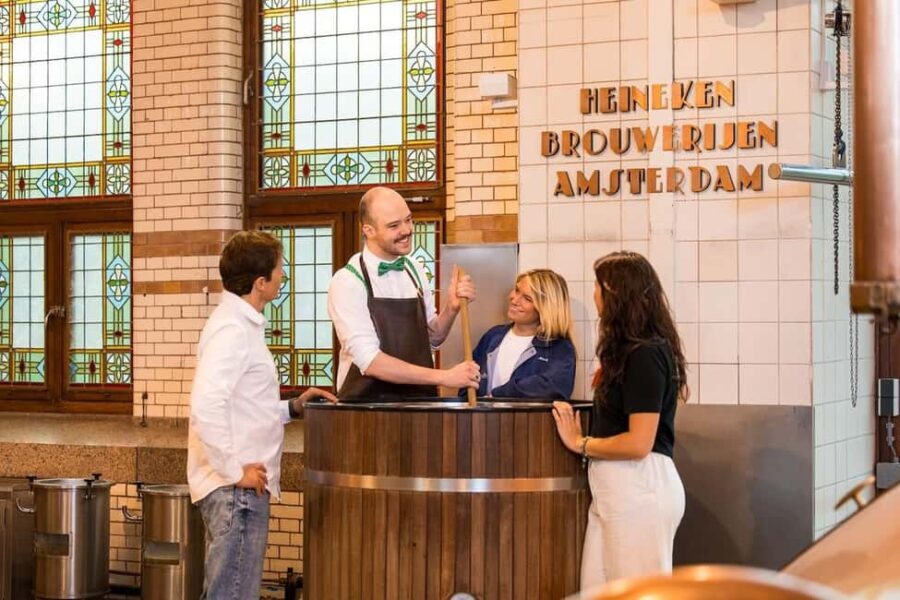
This is the version I’d book first time. The 90-minute walkthrough covers all 11 floors, the Brew U ride is included, and the two beers at the rooftop bar mean you finish the visit with a cold one in hand. Our full review of this ticket breaks down the entry process and the pouring lesson timing.
2. City Canal Cruise + Heineken Experience: $47
Pairs the 75-minute Damrak canal loop with full Heineken Experience entry. The order is flexible (most people do cruise first, brewery after lunch), and it’s the cheapest way to bundle two of Amsterdam’s biggest paid attractions. Our canal-and-brewery combo review covers the meeting point logistics, which catch a lot of first-timers out.
3. Heineken Experience + 1-Hour Canal Cruise: $44
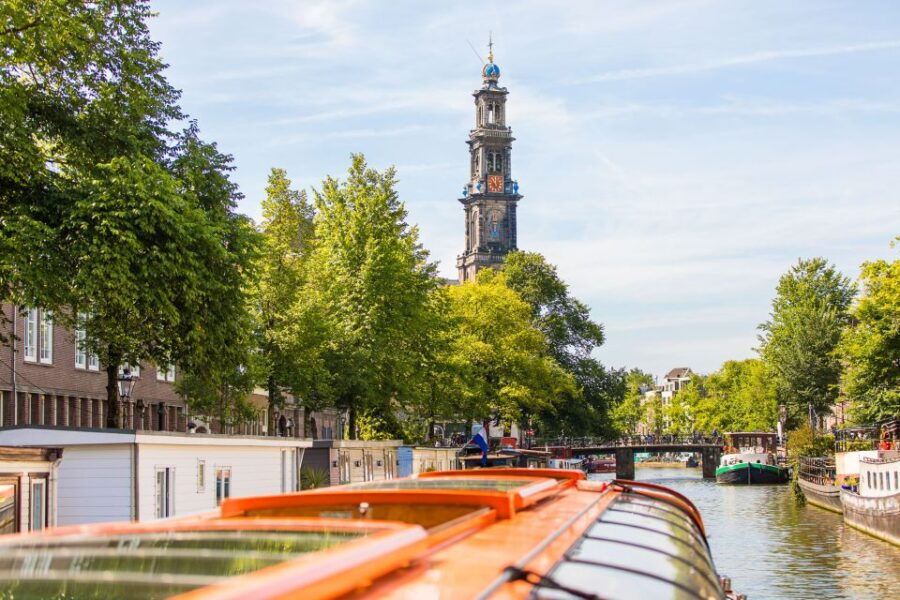
If you’ve already got a packed Amsterdam day, the 1-hour cruise version trims 15 minutes off the boat segment without changing the brewery experience. Good pick when you want both attractions but have an evening dinner booked. The full breakdown of this combo covers the boat departure timing and what changes between the 60 and 75 minute loops.
What I’d skip and what I’d add
Skip the gift shop on the way out unless you actually want a $40 branded glass set. The pricing is the kind of thing you’d find at any major theme-park exit. The personalised bottle is borderline. Cute keepsake, but it’s $14 for a single 33cl bottle and you can’t carry it on a flight.
Add the rooftop bar upgrade if you’re visiting between May and September. Sunset hits the De Pijp rooftops nicely and the cheese pairing is genuinely good (it’s De Bourgogne, sharp aged Gouda, and a Dutch goat). Add the official souvenir bottle opener for $4 if you’re a key-on-cap person.
How it compares to other brewery and distillery experiences
If you’ve done the Guinness Storehouse in Dublin already, the Heineken Experience will feel familiar in shape: founder story, brewing process, sponsorship wall, rooftop pour. The differences are in tone. Guinness leans dramatic and stout-heavy. Heineken leans clean, lager-bright, and corporate-confident, with that 1949 green-glass story sitting at the centre.
The closer cousin is the Scotch Whisky Experience in Edinburgh. Both run a self-guided process loop that ends in a tasting bar with a city view. Heineken has the better building (real 1860s brewery vs purpose-built museum). Edinburgh has the better tasting flight. If you’ve got time for both on different trips, do both.
Practical notes most articles skip
Age policy. Under-18s can enter with an adult but get soft-drink tokens instead of beer. The Brew U ride has a minimum height of 1.0m. Babies in carriers are fine. Strollers fit through everything but the spiral stair to the bottling line.
Photography. Allowed everywhere except the brand-asset rooms (about three small galleries are no-camera). Tripods are not. Phone shots of the copper kettles look great with low ISO because the lighting is bright.
Food. No proper restaurant inside. The rooftop bar serves bitterballen, fries, and small plates if you need a snack. Marie Heinekenplein outside has half a dozen lunch spots. I’ve used Bar Spek and Avocado Show before, both good.
Accessibility. Lifts run between every floor. The brewing exhibit floor (floor 2) has a slightly raised threshold but it’s flat after that. Wheelchair-friendly entry is via the side door on Marie Heinekenplein, not the main Stadhouderskade entrance.
Cancellation. Most GetYourGuide bookings are free-cancel up to 24 hours before the slot. Day-of changes need to go through customer support and aren’t guaranteed.
Getting there and around
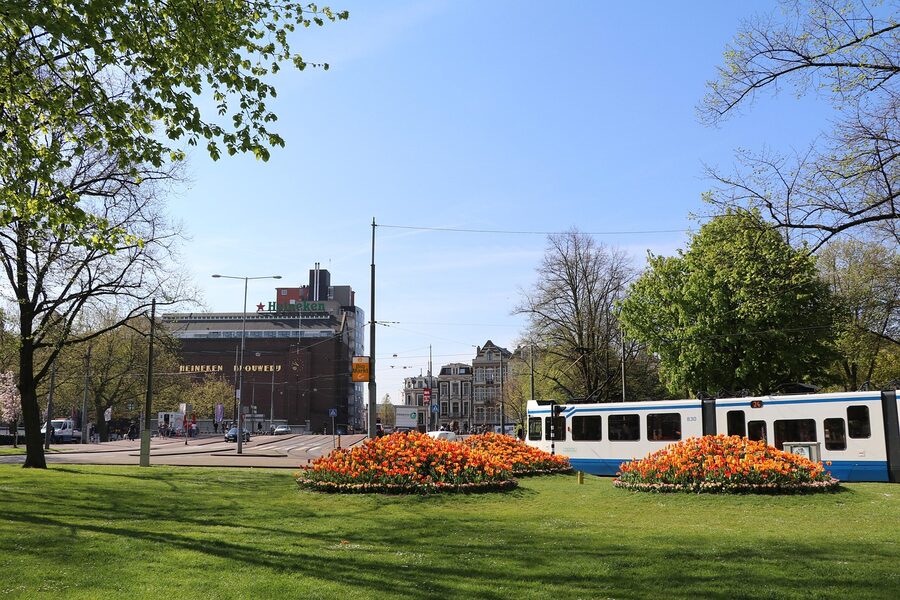
Stadhouderskade 78 is the address. Tram 24 from Centraal stops at Marie Heinekenplein right outside, and that’s the easiest route from anywhere central. From Museumplein it’s a 12-minute walk east. From Anne Frank House it’s 25 minutes on foot or one quick tram. The closest metro station is Vijzelgracht (line 52, the new north-south line), about 8 minutes walk.
Don’t drive. Parking around De Pijp is brutally expensive (roughly 7 to 8 euros per hour) and there’s no dedicated visitor lot. If you’re staying outside the canal ring, take the tram in and walk back through Vondelpark afterwards. The post-Heineken stroll along the Singelgracht is one of the better small pleasures of the city.
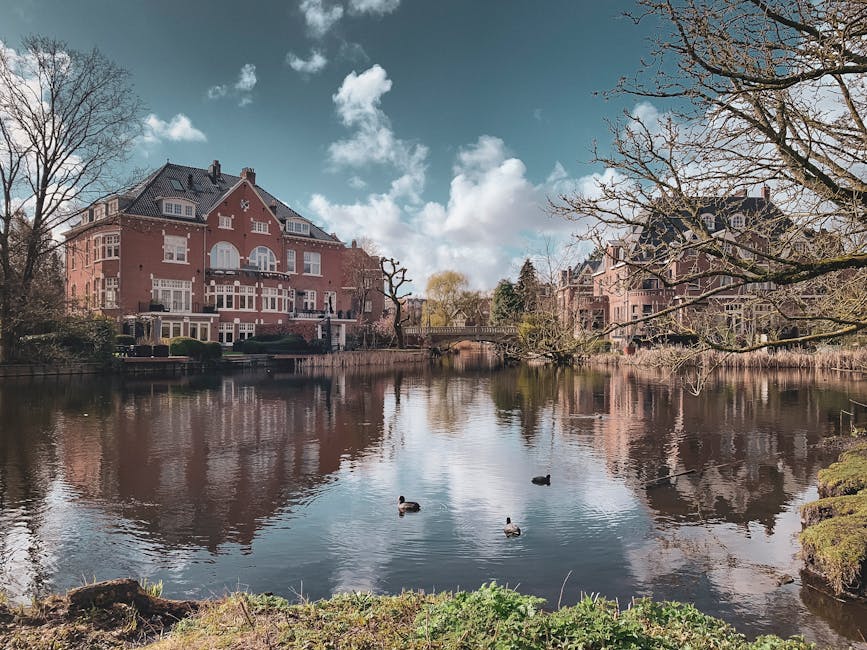
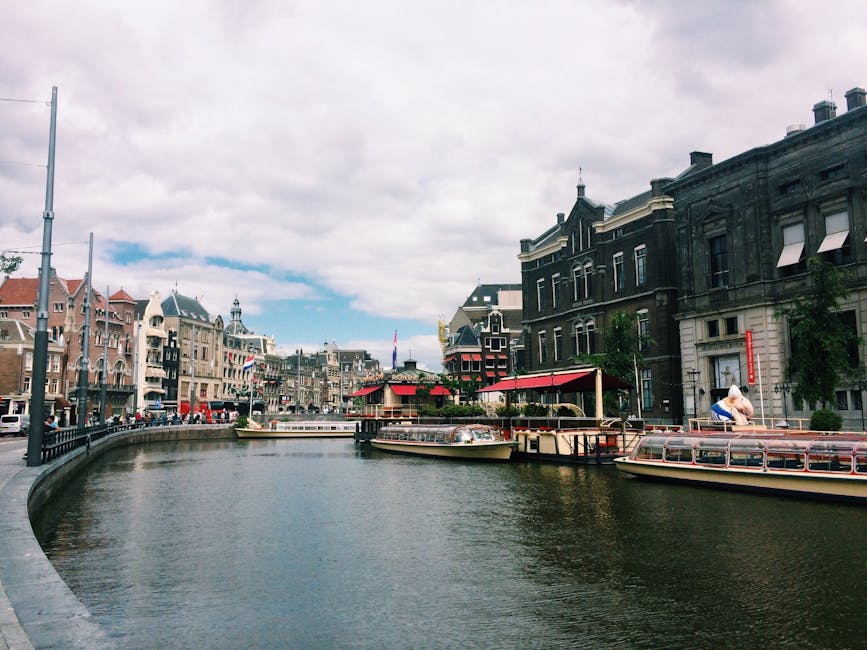
What to do nearby
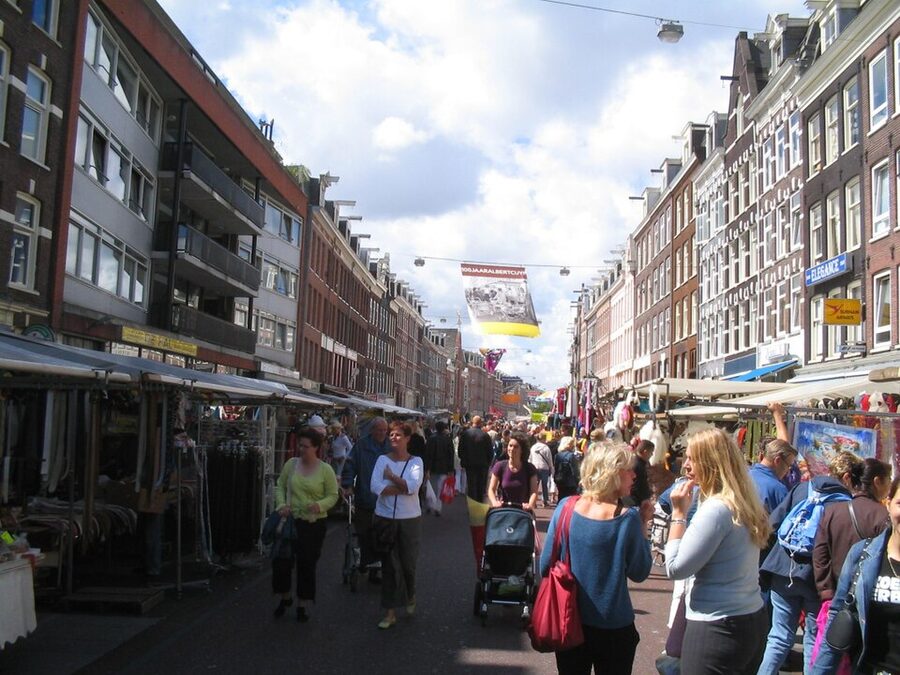
De Pijp is the neighbourhood you’ve stepped into. Albert Cuypmarkt runs Monday through Saturday, three blocks east, and it’s the best street market in the city. Stop for stroopwafel made in front of you. Marie Heinekenplein itself has terraces on every side; in summer the whole square is one big drinking patio.
For art after beer, walk 12 minutes west to Museumplein and pick between Rijksmuseum and Van Gogh. Both run timed-entry the same way Heineken does, so book before you set off.
More Amsterdam guides
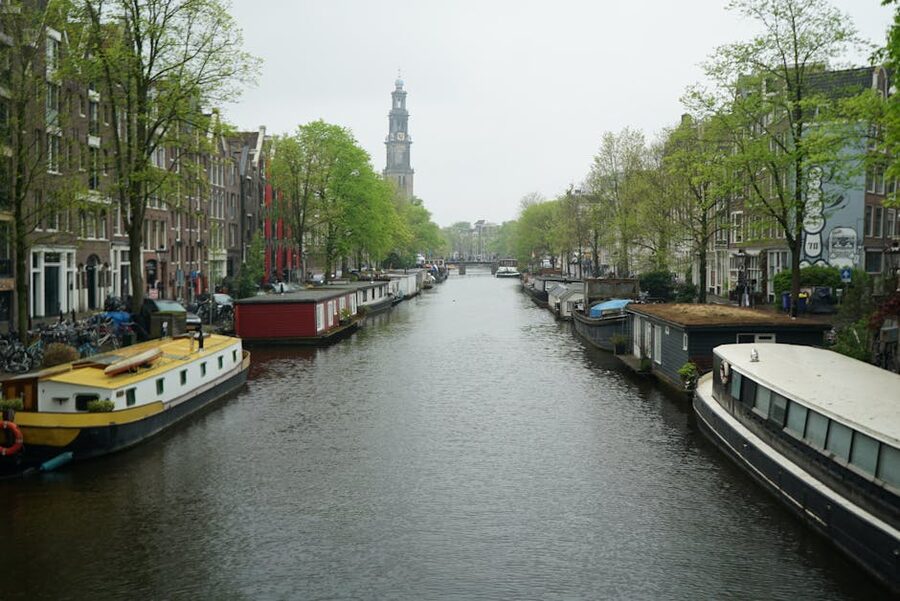
If you’re stacking Amsterdam attractions, my canal cruise breakdown is the next read for picking which boat operator suits your evening. The Rijksmuseum guide walks through Operation Night Watch viewing slots, and the Van Gogh ticket guide covers the Almond Blossom and Wheatfield with Crows positioning. Brewery-cousin guides for the Guinness Storehouse and the Scotch Whisky Experience sit next to this one if you’re working through process-attractions across Europe.