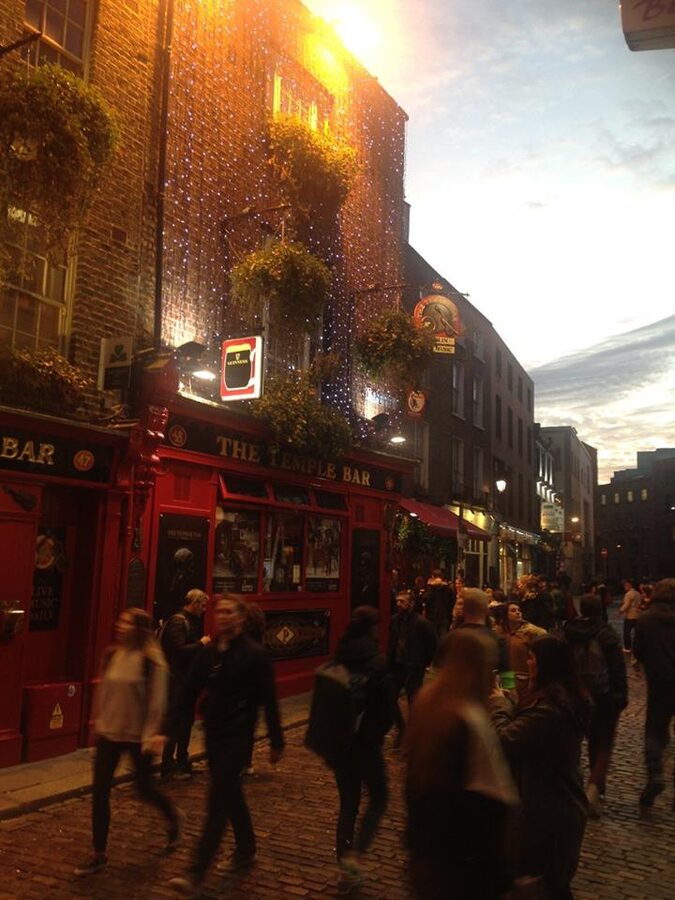
Most people picture the Irish Rock ‘N’ Roll Museum and imagine something the size of Liverpool’s Beatles Story. Three floors, escalators, a gift shop the size of a small Tesco. That’s not what this is.
This is a 75-minute guided walk-through of the actual rehearsal rooms where U2 worked out the songs on Boy, plus the recording space Sinéad O’Connor used, plus a few small exhibit rooms and a stretch of outdoor Temple Bar history. It’s tucked above the Button Factory venue on Curved Street. If you arrive expecting Smithsonian-scale, you’ll leave grumpy. If you arrive expecting a working musicians’ clubhouse with a tour guide who plays in a band themselves, you’ll have a great time.
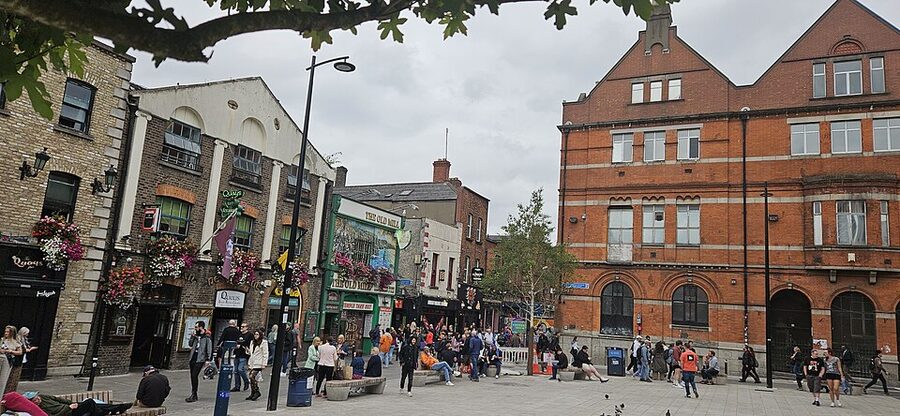
Below is what I’d actually book, what to expect once you’re inside, and how this stacks up against the bigger Beatles-style museums people often compare it with.
In a Hurry? Here’s What to Book
- In a Hurry? Here’s What to Book
- What the Irish Rock ‘N’ Roll Museum Actually Is
- Why People Mistake This for a Bigger Museum
- How Booking Actually Works
- Best Tours to Book
- 1. Dublin: Irish Rock ‘N’ Roll Museum with Tour in English ()
- 2. Dublin: Irish Music Walking Tour with Live Performance ()
- 3. Dublin: Music and Dance Show at The Irish House Party ()
- What You’ll Actually See Inside
- Where the Tour Sits in a Dublin Day
- Phil Lynott, Thin Lizzy, and the Outdoor History Bit
- Who This Is Right For (and Who Should Skip)
- Practical Tips from Someone Who’s Helped Plan These Visits
- How It Compares to Liverpool’s Beatles Story
- Practical Stuff: Hours, Location, Getting There
- Common Questions
- Other Dublin Music and Cultural Picks
What the Irish Rock ‘N’ Roll Museum Actually Is
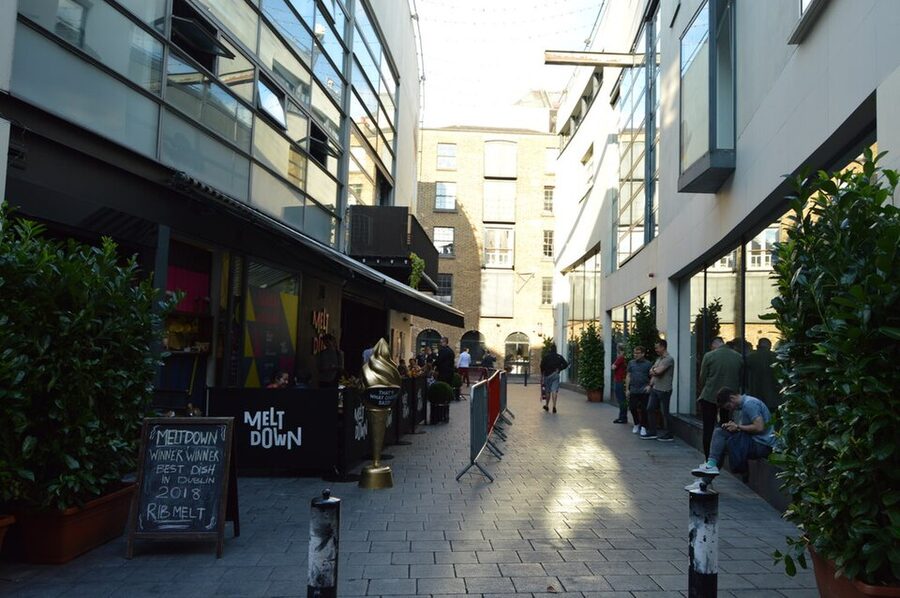
The full name is the Irish Rock ‘N’ Roll Museum Experience, and the word “Experience” matters. This is not a self-guided exhibition. You can’t just buy a ticket and wander. You join a small guided group, you stay with that guide for 75 minutes, and you leave when they’re done.
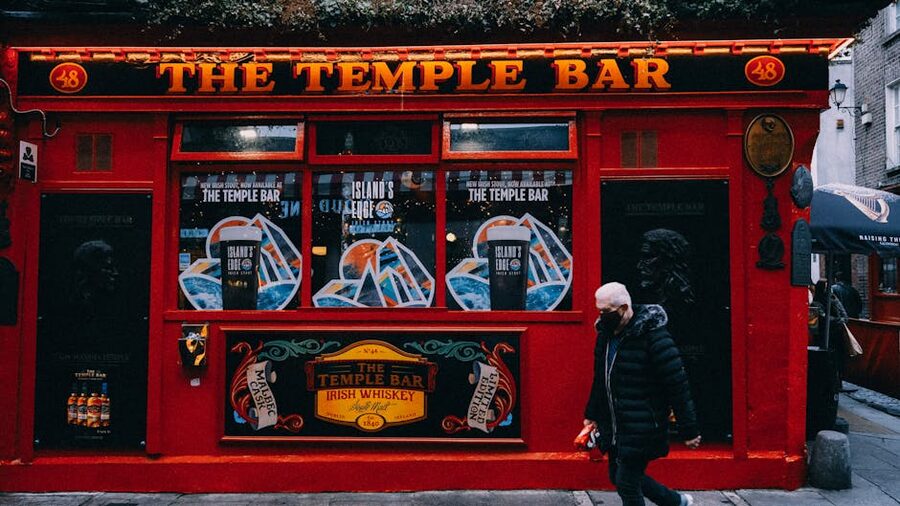
The venue is the Button Factory, a working music club on Curved Street that hosts gigs most nights. Above and around the venue are the Temple Lane rehearsal rooms. U2 used these rehearsal spaces in their early years, before The Joshua Tree, when they were rehearsing songs that ended up on Boy and October. Sinéad O’Connor used the recording space for vocals on The Lion and the Cobra. That’s the actual selling point. You’re standing in rooms where Bono, The Edge, Adam Clayton, and Larry Mullen Jr. argued about chord progressions in 1979.
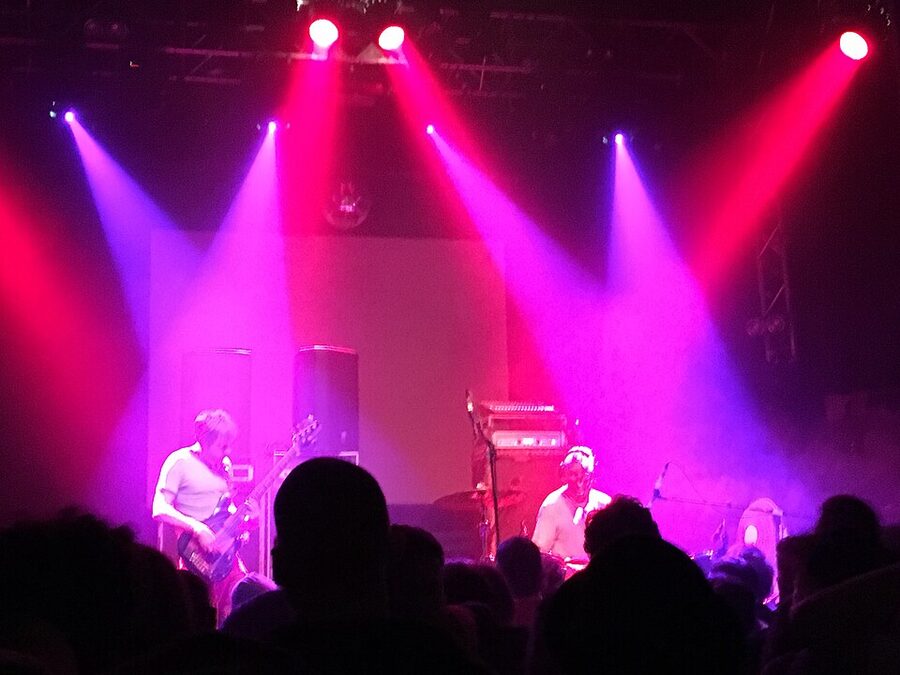
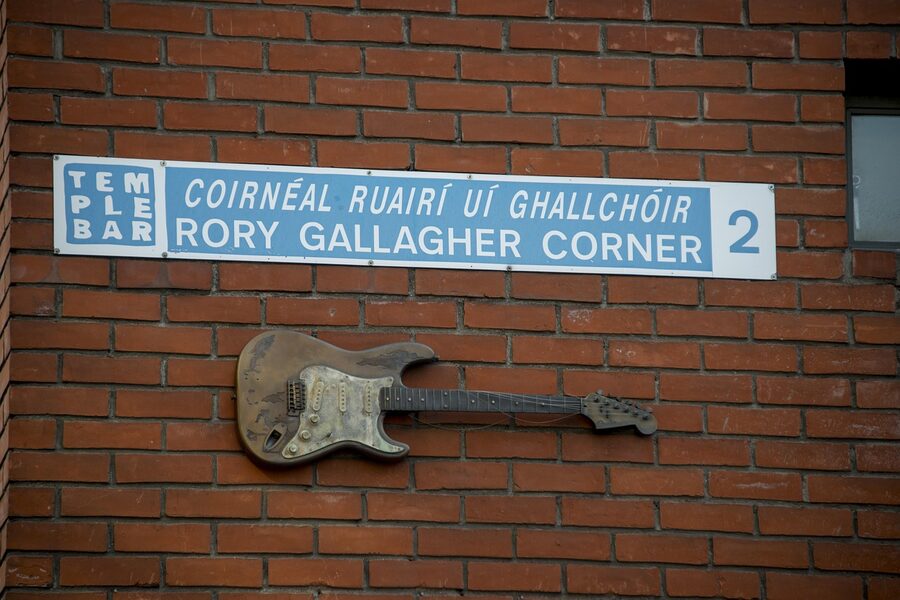
Other rooms hold memorabilia. There’s a Rory Gallagher corner, a Thin Lizzy room, framed vinyl from the Hot Press magazine archives, a vinyl wall said to be one of the largest in Ireland, and a glass case displaying Michael Jackson’s pyjamas (long story). A small cinema room shows a short film tracing Irish rock history from Phil Lynott to Hozier. The closing piece is the Wall of Fame, an outdoor mural at Curved Street that you’ve already walked past on the way in.
Why People Mistake This for a Bigger Museum
The name doesn’t help. “Irish Rock ‘N’ Roll Museum” sounds institutional. Tourists land in Dublin, see “museum” in the listing, picture the Beatles Story in Liverpool with its 8,000 square metre footprint and full-scale Cavern Club replica, and assume a similar scale here. Wrong scale.
The IRRM is small, deliberately. It’s run by people who work in Dublin’s music scene, often with a guide who plays in a band, and the whole point is that you’re being walked through working spaces by someone with skin in the game. The trade-off: there’s not much to do without a guide, the artefact rooms are modest, and the tour ends quickly. Compared to the Liverpool experience I wrote about in our Beatles Story booking guide, this is one-tenth the floor space and one-third the price. Different beast entirely.
If you want the deeper Beatles-equivalent comparison, the closest match in Liverpool is the Beatles taxi tour, which puts you in a black cab with a driver who’ll show you Penny Lane, Strawberry Field, and Mendips. That’s the Liverpool format that comes closest to the IRRM’s “guide-led, story-rich, artefact-light” feel. Both are about the storyteller more than the building.
How Booking Actually Works
You can’t walk in. The museum sells timed-entry tickets only, in 75-minute blocks, with limited group sizes. Book ahead. In summer (June through August) and around St Patrick’s Day weekend, slots sell out two or three days in advance. Off-season you can usually grab same-day tickets, but that’s not a strategy I’d rely on.
The booking flow on the official site is fine, but most travellers I know book through GetYourGuide or Viator because it’s simpler if you’re booking other Dublin tours at the same time. Same price, same slots, same museum. Our full review of the standard English-language tour covers what’s included and what isn’t.

Three things to know about ticket types:
- Standard tour (~$25) covers English-language guide, all rehearsal rooms, the U2 room, the cinema, and the Wall of Fame walk-out. This is what most people book.
- Group rates kick in around 10+ people, useful if you’re doing this as part of a stag/hen weekend or a school trip. Email the museum directly for these, the tour platforms don’t surface group pricing.
- Private after-hours tours exist but cost roughly five times the standard rate. Skip unless you’re a U2 superfan.
Best Tours to Book
Three options below. The first is the museum itself. The second and third are alternatives if you decide the museum-format isn’t your thing. All three book on GetYourGuide.
1. Dublin: Irish Rock ‘N’ Roll Museum with Tour in English ($25)
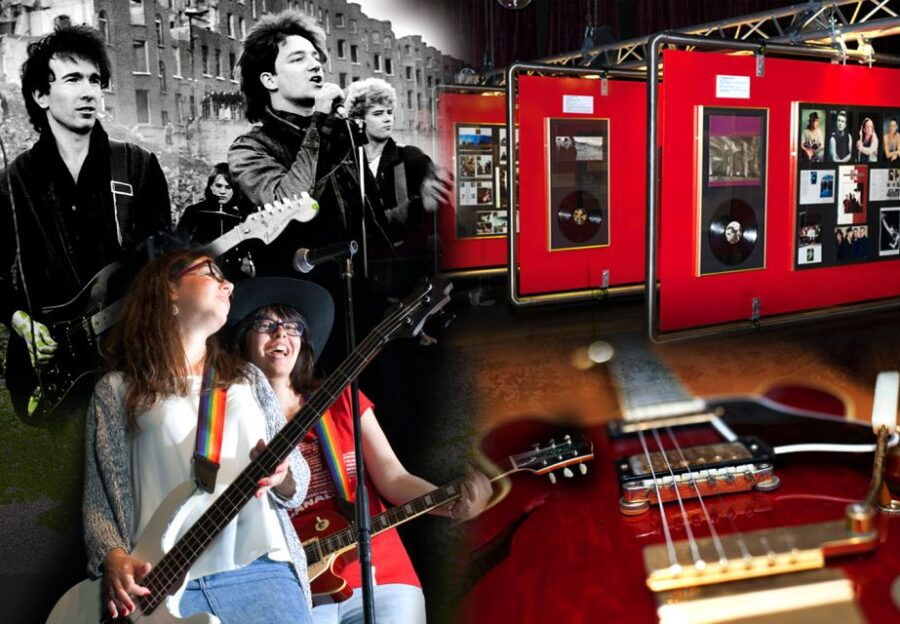
This is the standard format. English-language guide, small group, 75 minutes. The guide is usually a working musician, which lifts it out of “regurgitating facts” territory and into actual stories. Our full review walks through what each room covers and where the tour drags. Worth it for any U2 or Sinéad fan, fine but not a must-do for casual visitors.
2. Dublin: Irish Music Walking Tour with Live Performance ($27)
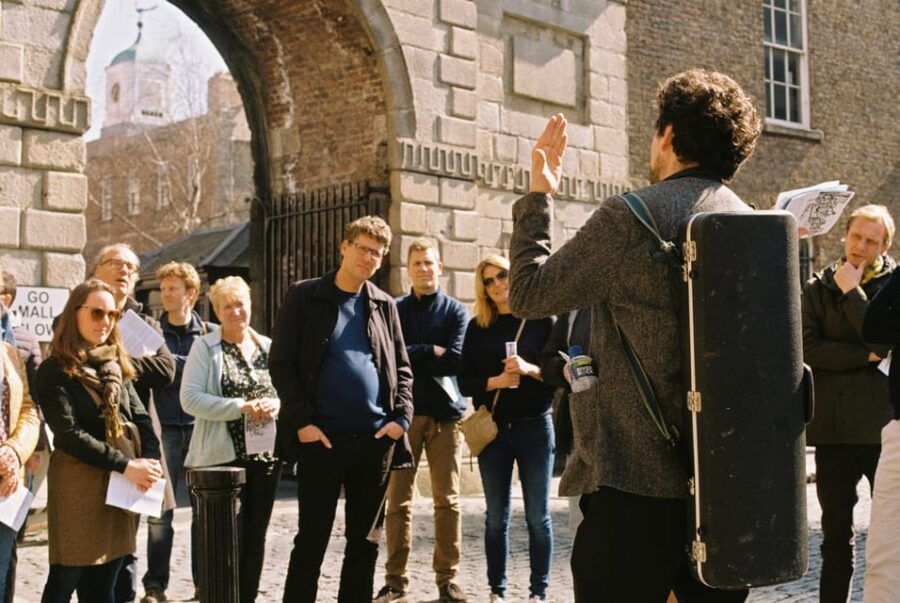
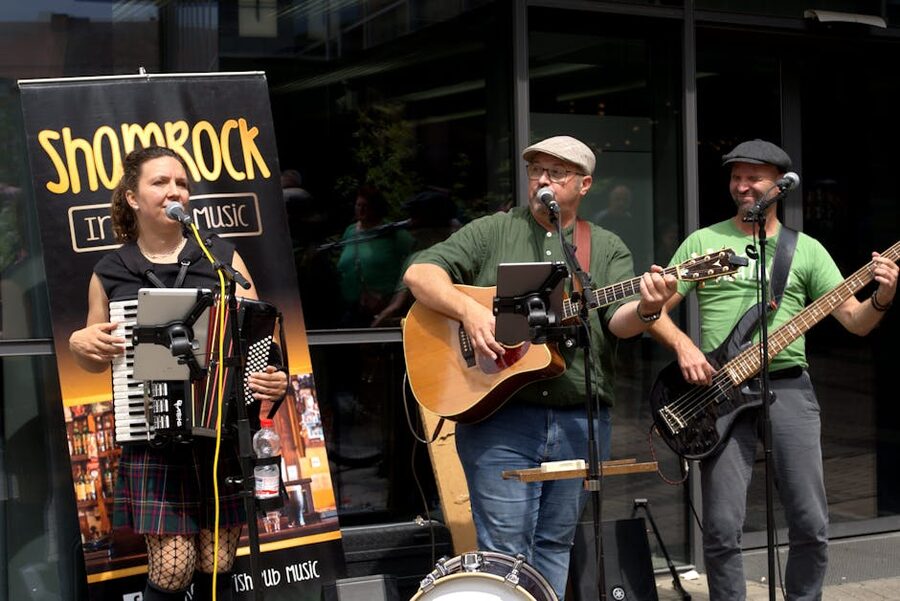
If the museum format sounds too static, book this instead. You walk Temple Bar with a working musician, hear three or four short live performances, and learn the real history behind venues like Whelan’s and the International Bar. Our walking tour write-up covers route timing and weather backup. I’d pick this over the museum if you’re already doing a separate Dublin walking tour and want music-led context.
3. Dublin: Music and Dance Show at The Irish House Party ($34)
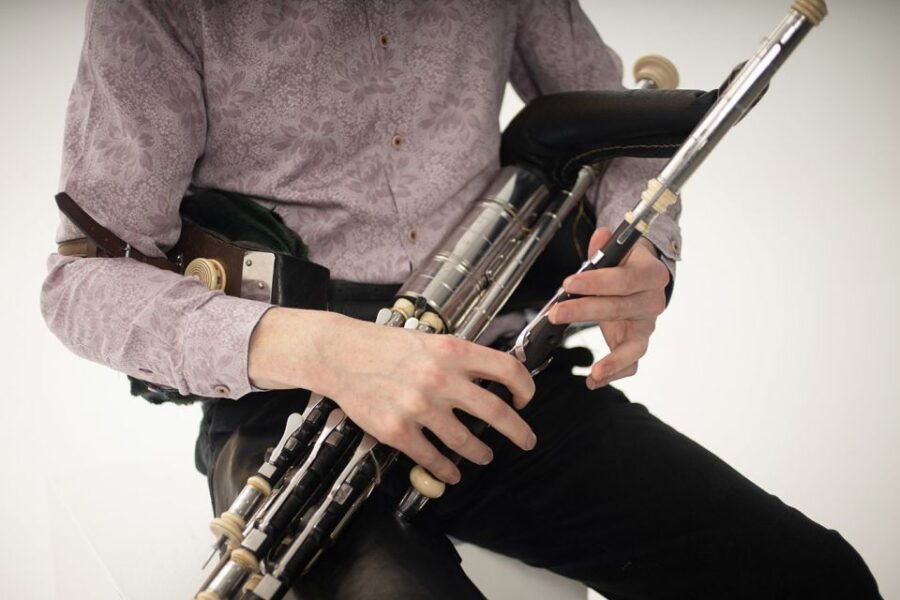
This is the loud, full-evening alternative. Skip the museum if you want a full night out instead of a 75-minute history walk. The dancers compete at world-champion level, the musicians are pros, and you’ll be home with a louder story to tell. See our full Irish House Party review for what’s included with food vs show-only tickets.
What You’ll Actually See Inside
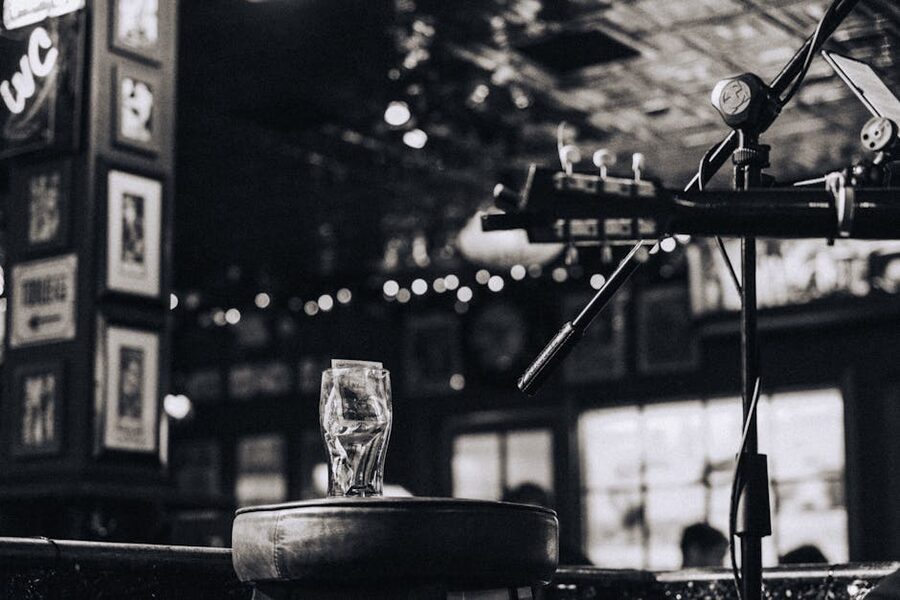
The tour route runs roughly like this:
- Reception and intro at the Button Factory street level. The guide gives you the building’s history (sound training school, music venue, rehearsal block) and walks you upstairs.
- Temple Lane Rehearsals, the actual rooms used by U2, Sinéad, Hozier, and many lesser-known acts you’ve probably heard on the radio. The vinyl wall is here.
- The Cinema. A 10-minute film covering Irish rock from the showband era through Thin Lizzy, U2, Boomtown Rats, Sinéad, Cranberries, and onwards. Decent, not unmissable.
- The U2 Room. Memorabilia, photographs, handwritten lyrics, and the most popular photo op in the building.
- The Jam Room. You can pick up an instrument and play. Most people don’t, which means if you do, you get the room to yourself.
- The Wall of Fame. Outdoor mural at Curved Street. The last stop, and the moment most groups break up to head for a pint.
Worth flagging: there’s not much for kids under 10. The exhibits are talking-head heavy, the Jam Room is the only hands-on bit, and the cinema short skews adult in tone. Family with teens, fine. Family with primary-school kids, I’d skip.
Where the Tour Sits in a Dublin Day
The 75-minute slot makes this a great filler. It works as:
- A morning warm-up before the Guinness Storehouse afternoon. Plan for our Guinness Storehouse booking guide to fill the slot after lunch.
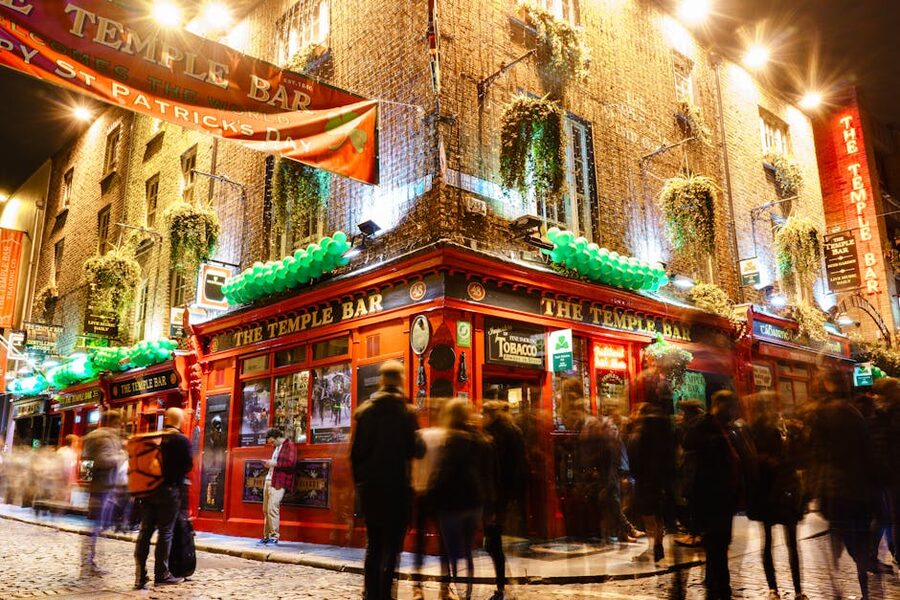
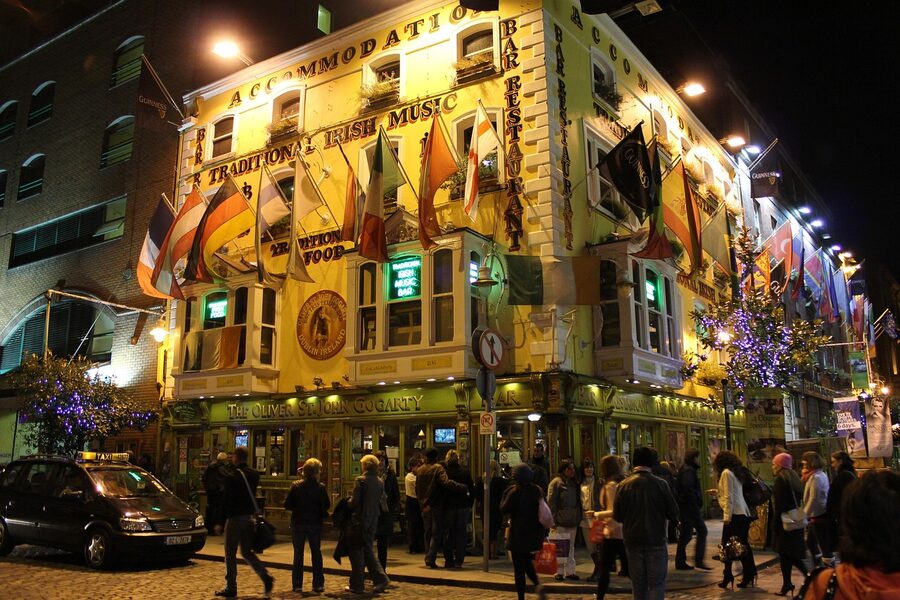
- A pre-dinner activity before the Irish House Party show or before a Temple Bar pub crawl. Those venues sit two minutes from the museum exit.
- A rainy-day plug if your Cliffs of Moher day trip got cancelled by weather, which it does about one trip in five.
What it does NOT pair well with: a long Northern Ireland day trip. By the time you get back from Giant’s Causeway and Belfast, you’ll have done 13 hours on a coach and won’t want any more guided anything. Save the museum for a different day.
Phil Lynott, Thin Lizzy, and the Outdoor History Bit
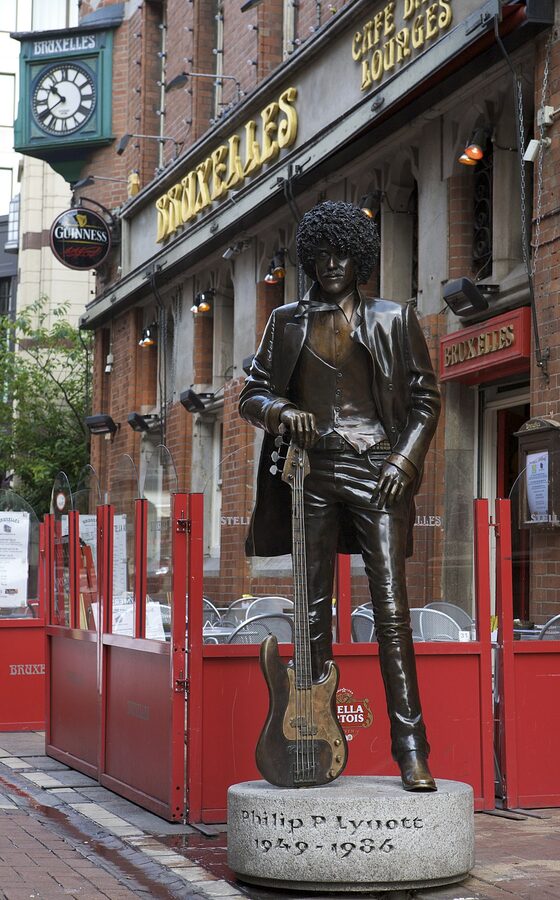
The museum tour technically ends at the Wall of Fame, but the guide will often point you toward the Phil Lynott statue at Bruxelles pub on Harry Street. It’s a 12-minute walk, easy to add. Lynott fronted Thin Lizzy, wrote “Whiskey in the Jar,” and is buried in Dublin. The statue gets fresh flowers most weekends from fans who still show up. If you’re a fan of Lynott or Thin Lizzy in any form, the statue stop is a more emotional moment than anything inside the museum.
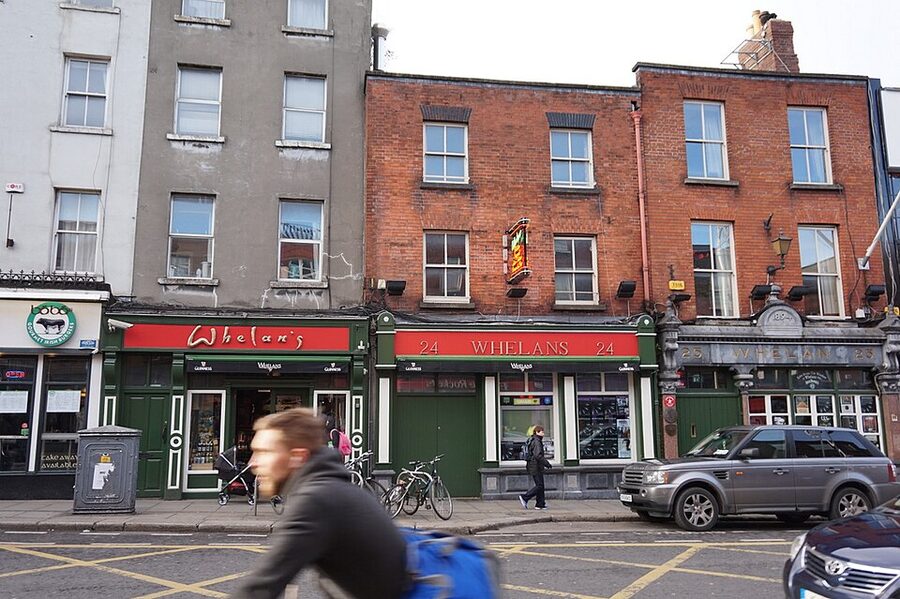
The walking tour I covered in option 2 above always includes Lynott’s statue plus a stretch past Whelan’s, which is the Camden Street pub where every emerging Irish act plays before they break out. It’s not on the museum route, but it should be on your Dublin music itinerary.
Who This Is Right For (and Who Should Skip)
My take, after comparing this to bigger music museums in other cities:
Book it if: you’re a U2 fan, a Sinéad O’Connor fan, a Thin Lizzy fan, a serious Irish music nerd, or a working musician yourself. The rehearsal rooms hit harder if you’ve ever stood in one. You’ll walk out of the U2 room and want to find a pub.
Skip it if: you’re expecting a Beatles Story scale build with audio guides, escalators, and three hours of self-paced viewing. You’ll feel short-changed. You’re better off booking the music walking tour for the outdoor format, or the Irish Dance Party for a louder evening.
Skip it if you’ve got young kids: the venue is small, the rooms are quiet, the artefacts behind glass don’t hold attention. Better choice for families: the classic Dublin walking tour, which moves more, or a Dublin Zoo half-day.
Practical Tips from Someone Who’s Helped Plan These Visits
- Arrive 10 minutes early. Curved Street is short and the entrance is unmarked. First-timers walk past the door.
- Bring cash for the bar. The Button Factory’s downstairs bar is open during museum hours and the staff are usually good for a pint and a chat after the tour. Card works too but the cash queue moves faster.
- Ask the guide about the night’s gigs. Most guides know what’s playing at Whelan’s, the Workman’s Club, the International, and the Button Factory itself that evening. This is the closest you’ll get to local-level music programming.
- Don’t bother with the photo ops. The U2 room looks better in person than on camera. Phone shots through the glass are flat. Just look.
- Book a morning slot if you want quiet. Temple Bar tour traffic peaks 2pm to 6pm.
How It Compares to Liverpool’s Beatles Story
Worth saying plainly because so many people make this comparison. The Beatles Story in Liverpool is built around the four lads, runs about three hours self-paced, includes the Magical Mystery Tour bus add-on, and feels like a proper museum visit. Different format entirely.
The IRRM is a 75-minute guided walk through working spaces. The exhibits are smaller, the artefact count is smaller, and the building is about one-tenth the size. What you’re paying for is the guide and the rooms, not the floor space.
If you’ve got a half-day in Dublin and you’ve already done Liverpool’s Beatles Story, you might find this underwhelming. If you’ve never done a music museum and you want to know what walking through a real rehearsal room feels like, this beats Liverpool for atmosphere. Different reasons to book each.
Practical Stuff: Hours, Location, Getting There
- Address: The Irish Rock ‘N’ Roll Museum Experience, Curved Street, Temple Bar, Dublin 2.
- Hours: daily, roughly 10am to 5pm last entry. Check the booking page for your date.
- Walk from Trinity College: about 8 minutes via Dame Street and Eustace Street.
- Walk from O’Connell Bridge: about 5 minutes south across the bridge then west along the Liffey.
- Tram (Luas): Jervis stop is closest, about 7 minutes’ walk via Ha’penny Bridge.
- Parking: don’t drive. Temple Bar is pedestrianised in patches and the nearest car parks are pricey.
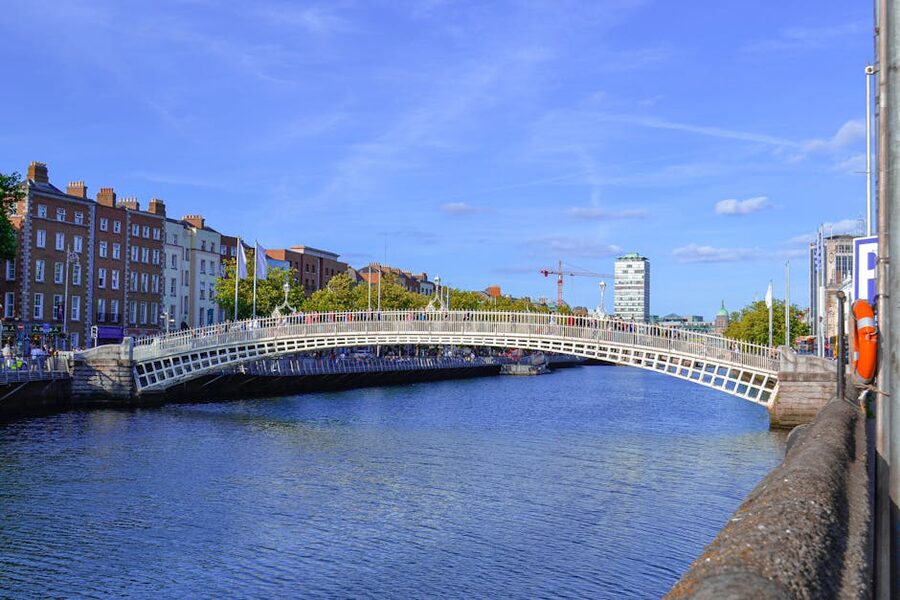
One last logistical note: the venue holds gigs most evenings. If you book a 6pm museum slot, you’ll exit straight into the venue’s pre-gig setup. That can either be a great glimpse behind the scenes or a hassle if the security folk are doing a sweep. Aim for earlier slots if you want a calmer wrap.
Common Questions
Do I need to be a U2 fan to enjoy this? No, but it helps. If you don’t know the bands, the rehearsal rooms feel like rehearsal rooms. If you do, they feel like history.
Can I take photos? Yes, in most rooms. The U2 room and the cinema are the only photo-restricted areas, and even there the guide will usually let you grab one shot.
Is it accessible? Partial. The building is old. Some rehearsal rooms have steps. Email the museum if mobility’s a concern, they’ll route a custom tour.
Are the guides actually musicians? Most are, yes. They rotate, but the tour quality depends on getting a guide who plays. Ask before you commit if you want to verify.
Is there a gift shop? A small one. T-shirts, vinyl, branded picks. Not a full retail wing.
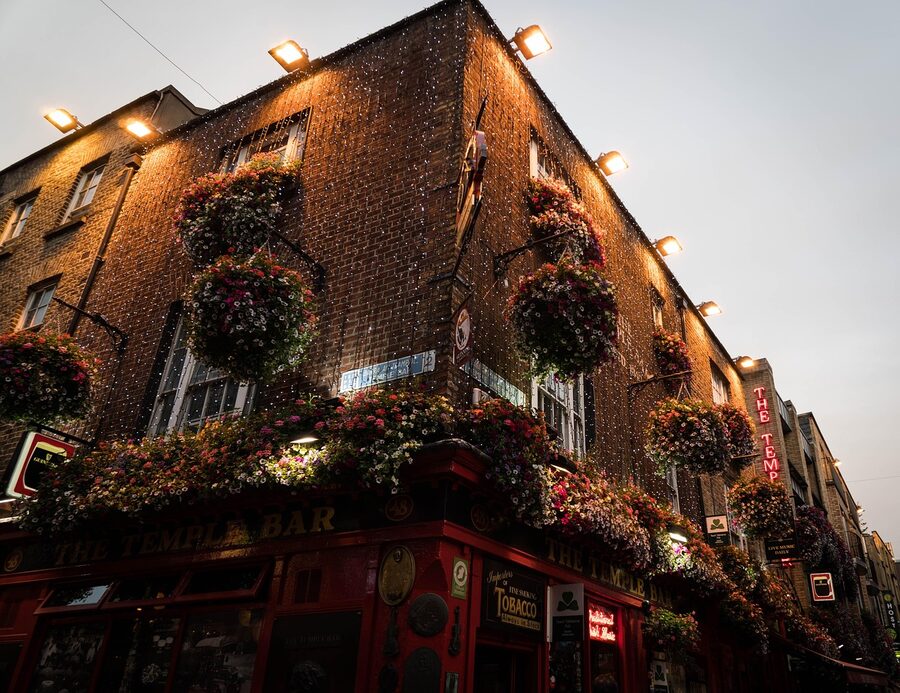
Other Dublin Music and Cultural Picks
If you want to build a proper music-themed Dublin trip, pair the museum with the Irish music walking tour and an evening at the Irish House Party show or the Irish Dance Party. Add the Temple Bar night tour for the pub-crawl element if you’ve got the energy. For the broader Dublin context that puts the music scene in its city setting, the general Dublin walking tour is the right starter. And if music history is the angle that pulled you to Dublin in the first place, the Liverpool Beatles Story and the Beatles taxi tour are the obvious follow-ups.