
Dusk on Crow Street smells of coal smoke. The cobblestones are still wet from a Tuesday shower, a busker outside Dublin Castle is pulling something slow out of a harp, and somewhere down by Temple Bar a pub door swings open and a wave of warm air and noise rolls out. That is the moment you realise you should have just booked the walking tour.
Dublin is a city you read with your feet. Most of the good stuff sits inside one square mile, and a guide who knows where the bullet holes are turns a brisk afternoon into a story you will retell for years.
- In a Hurry? Three Walking Tours Worth Booking Right Now
- The Four Flavours of Dublin Walking Tour
- What a Standard Two-Hour Tour Actually Covers
- Free Walking Tours: Are They Worth It?
- The 1916 and Historical Walking Tour
- The Tours I Would Actually Book
- 1. Dublin: Highlights and Hidden Gems Walking Tour: from
- 2. Dublin: Fast-Track Book of Kells Ticket and Dublin Castle Tour: from
- 3. 2-Hour Historical Walking Tour From Dublin: from
- 4. The Dublin Ghost Bus Tour With Christ Church Cathedral: from
- The Book of Kells: What You Are Actually Looking At
- Dublin Castle: It Is Not What You Think
- Temple Bar at Dusk: Worth the Tourist Reputation?
- What About the Themed Evening Tours?
- Booking Logistics: Tickets, Cancellation, Meeting Points
- When to Go (and When Not To)
- What to Wear and Bring
- Christ Church and the Other Cathedral
- Bike Tours, Food Tours, and the Slower Options
- Comparing Dublin to Edinburgh and London Walking
- What I Would Do With Two Days in Dublin
- More Ireland and UK Walking Reading
In a Hurry? Three Walking Tours Worth Booking Right Now
- Highlights and Hidden Gems (about $27): the all-rounder, two hours, ticks Trinity, Temple Bar and Dublin Castle. Book on GetYourGuide.
- Book of Kells + Dublin Castle Combo (about $90): fast-track entry plus a guide who actually explains the Long Room. Book on GetYourGuide.
- Dublin Ghost Bus Tour (about $42): the after-dark option. Christ Church, body snatchers, Bram Stoker. Book on Viator.
The Four Flavours of Dublin Walking Tour
Before you book anything, work out which kind of tour you actually want. Dublin walking tours fall into four buckets and they are not interchangeable.
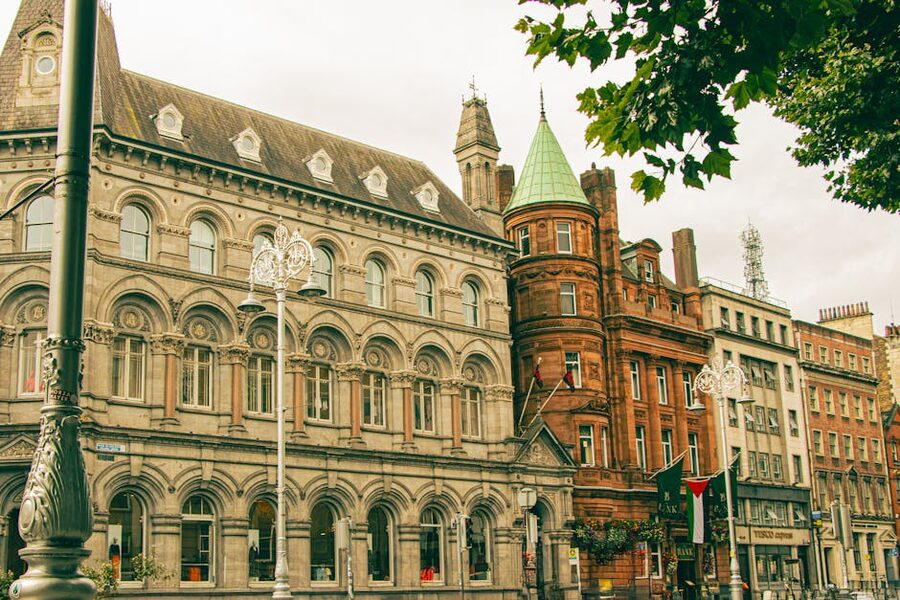
1. Highlights and hidden gems. The classic two-hour intro. Trinity College, Grafton Street, Molly Malone, Temple Bar, Dublin Castle, Christ Church, St Patrick’s. A good guide will throw in a few alleys you would not find on Google Maps. This is the one to book first if Dublin is new to you.
2. Historical deep-dive. Usually two hours, focused on 1916 and the Easter Rising. You will stand outside the General Post Office and have someone point at the bullet holes in the columns. Liberty Hall, the Ha’penny Bridge, the spot where Michael Collins was almost cornered. Heavier on dates, lighter on pubs.
3. Ticket-included combos. The Book of Kells plus Dublin Castle ones. Two and a half hours, fast-track entry, and the kicker is the guide inside the Long Room library who can actually explain what you are looking at. Costs three to four times more than a basic walking tour but worth it if you only have one day in the city.
4. Themed evening. Ghost bus, food trail, music and dance show. These run after the standard tours have wrapped and they are the social option. Bring an appetite or a tolerance for theatrical scares depending which one you pick.
What a Standard Two-Hour Tour Actually Covers
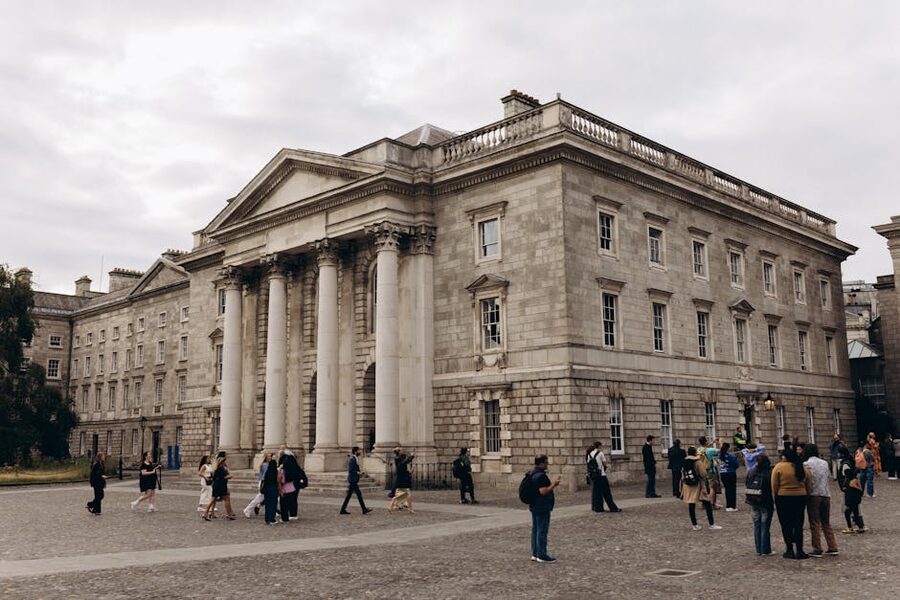
If you have done one walking tour anywhere in Europe, the rhythm is familiar. Tour starts at 10am or 2pm, runs about two hours, covers maybe two miles of flat-ish ground. What is different in Dublin is how dense the route is. You barely walk at all between stops.
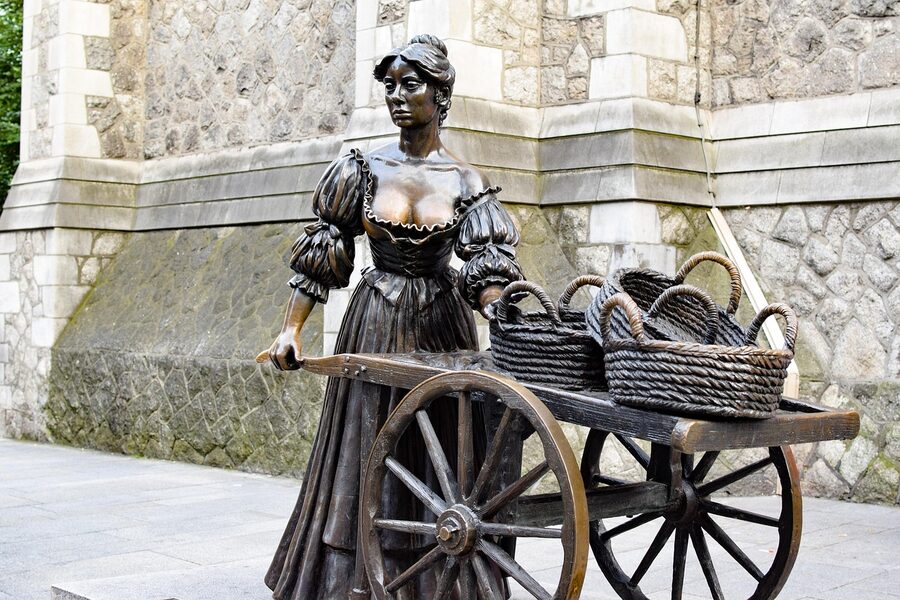
A typical loop: Trinity College front gate, the Bank of Ireland (which used to be the Irish Parliament), Grafton Street, Molly Malone (yes, you will get the song), Powerscourt Centre, Dublin Castle’s upper yard, Christ Church Cathedral exterior, the Brazen Head if your guide swings west, then a lap of Temple Bar before finishing near the Ha’penny Bridge. Some routes flip and start at the GPO on O’Connell Street instead.
Most guides will not actually go inside Trinity College Library. That costs a separate ticket and they cannot wait for everyone to file through. If you want the Long Room, book the combo tour instead.
Free Walking Tours: Are They Worth It?
Yes, with caveats. Dublin’s tips-based free tours run several times a day and cover the same ground as a paid two-hour. Sandeman’s, Generation Tours, and the Original Dublin Free Walking Tour all do them. Quality is genuinely good. Guides are usually history students or out-of-work actors and the energy is high.
The catch is the tip. The done thing is €10-€15 per person if the tour was good. Pay less and you are basically stealing the guide’s lunch. Pay €0 and they remember.
The other catch is group size. Free tours can balloon to forty people. If you are at the back you will hear half of what the guide is saying. For a busy weekend in summer I would actually pay for a smaller group rather than save the money on the free one.
The 1916 and Historical Walking Tour
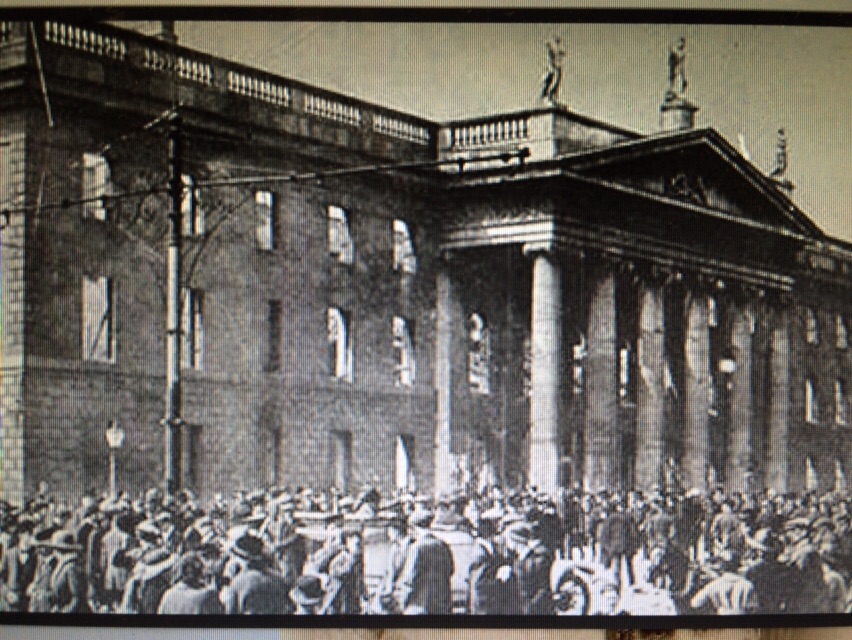
If you only know one date in Irish history, make it 1916. The Easter Rising kicked off on Easter Monday that year when a few hundred volunteers occupied the GPO and a handful of other buildings around the city. They held out for six days. The British Army shelled the GPO from a gunboat parked on the Liffey.
The historical walking tours of Dublin spend serious time on this. Good ones go beyond the GPO: Liberty Hall, where the rebels printed the Proclamation. Moore Street, where they made their last stand. Kilmainham Gaol if the route stretches that far, though most two-hour tours will not get out there.
The 2-Hour Historical Walking Tour From Dublin is my pick for this if you want the rising plus the older stuff. Vikings, Anglo-Normans, the 1798 rebellion, the famine years. Two hours sounds short for a thousand years of Ireland but a good guide makes it work.
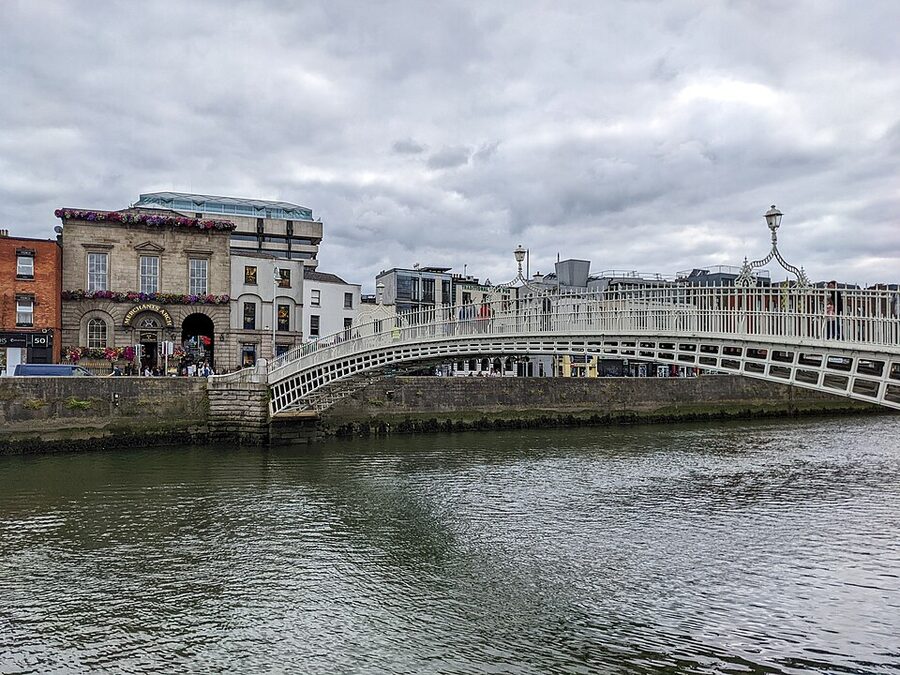
Dublin is dense with this kind of layered history, which is part of why the walking format works so well here. It is the same reason Edinburgh’s dark-side walking tour works as a sister experience: a small old city with a lot of skeletons in the cellar.
The Tours I Would Actually Book
I picked four below to cover the four flavours. One classic, one historical, one combo, one themed evening. Sorted by what tends to sell out fastest.
1. Dublin: Highlights and Hidden Gems Walking Tour: from $27
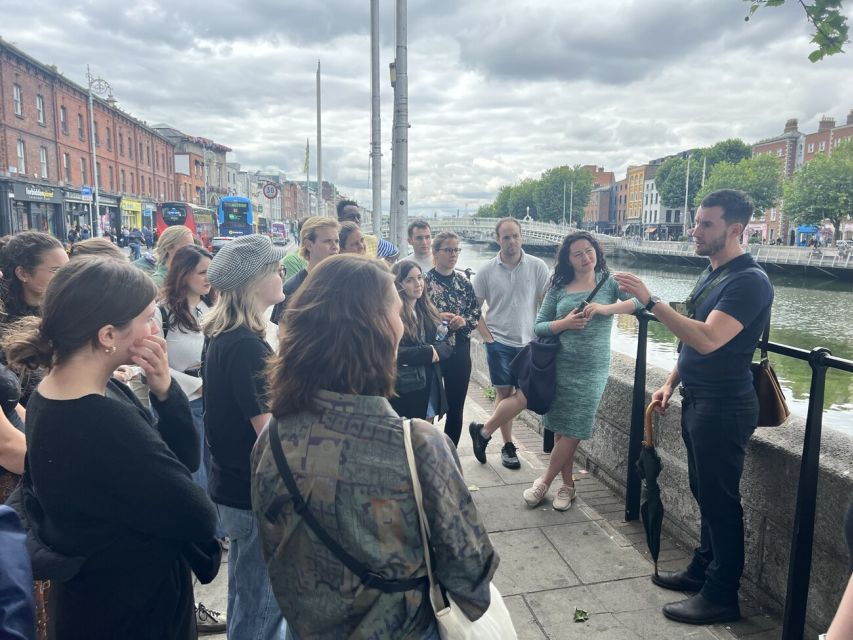
This is the one I send first-timers to. Two hours, Trinity to Temple Bar, with hidden corners thrown in that you will absolutely walk straight past on your own. Our full review of the Highlights and Hidden Gems tour covers the meeting point logistics and which guides to ask for if the booking lets you pick.
2. Dublin: Fast-Track Book of Kells Ticket and Dublin Castle Tour: from $90

If you only have a day in Dublin, this is the move. The Book of Kells queue alone can swallow ninety minutes in summer. Our deeper write-up of the Kells and Castle combo walks through what is included at each stop and the alternate St Patrick’s plus Kells plus Castle version if you want to add the cathedral.
3. 2-Hour Historical Walking Tour From Dublin: from $23
This is a smaller-group format and the guides are tight on the dates without being dry. Worth booking ahead in summer because the cap is low. Our review of the historical 2-hour tour compares it to the alternate guided 2-hour version running on a similar route.
4. The Dublin Ghost Bus Tour With Christ Church Cathedral: from $42
The themed evening option. Two hours of Bram Stoker, body snatchers, and the cellar of Christ Church Cathedral. It is more theatrical than scary, which is the point. Read our full Ghost Bus Tour review for what to expect at each stop and how kids tend to handle the spookier bits.
The Book of Kells: What You Are Actually Looking At
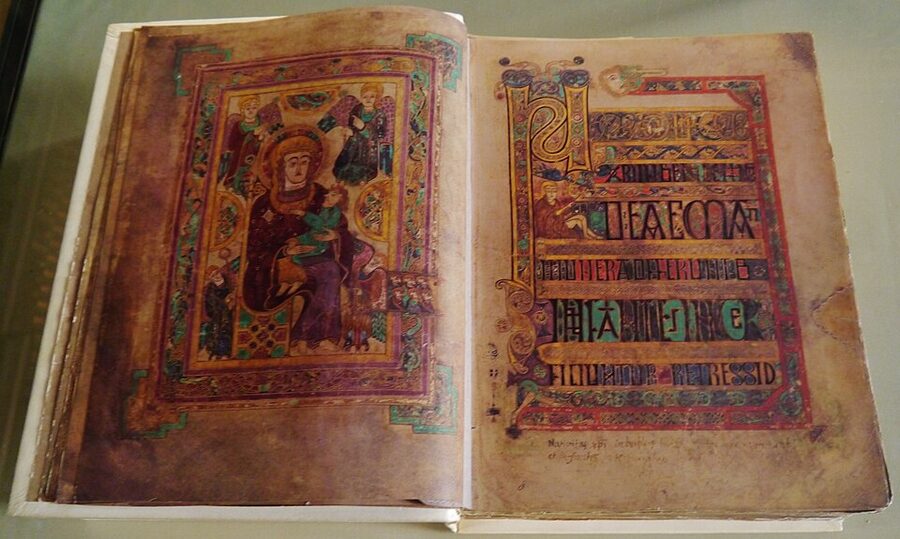
People come for the manuscript and stay for the room. The Book of Kells is a 9th-century illuminated copy of the four Gospels, made by Irish monks probably on Iona and brought to Kells when the Vikings made island life untenable. Two pages are turned each day. You will not see all of it, no one ever does.
The display case is dim and the queue moves quickly through it. The room you walk into next, the Long Room, is the actual showstopper. Sixty-five metres of barrel-vaulted oak, busts of philosophers down both sides, the Brian Boru harp at the far end. It looks like the inside of a cathedral built for books.
If you book a tour with fast-track entry you skip the worst of the queue. If you book the basic timed-entry ticket, get the earliest slot of the day. By 11am the Long Room is wall to wall.
Dublin Castle: It Is Not What You Think
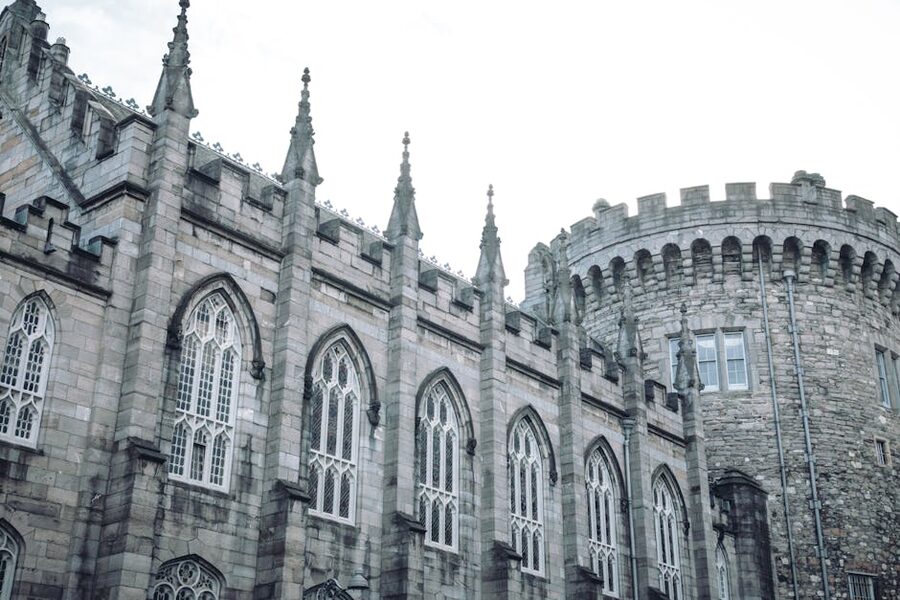
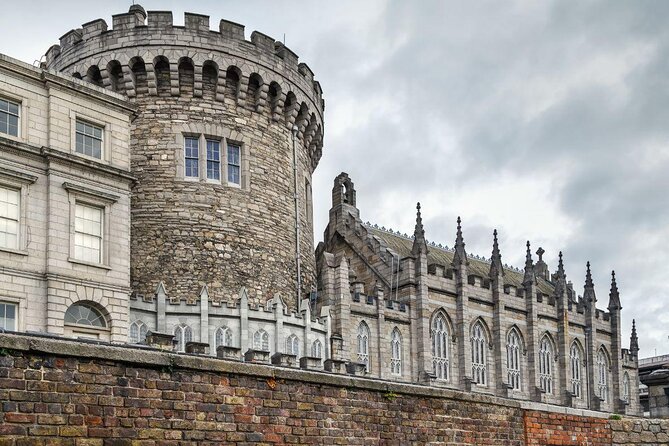
If you are picturing battlements and a moat, recalibrate. Dublin Castle is a working government complex. Most of what you see is 18th-century administrative buildings on the footprint of the medieval fortress. It was the seat of British rule in Ireland for seven centuries.
The bits worth seeing on a tour: the Upper Yard, the Chapel Royal (which is the most ornate small church you will ever fail to take a decent photo of), the State Apartments where state visitors are still hosted, and the Undercroft where they have excavated parts of the original Viking-era walls. It is more interesting than the exterior suggests.
Most basic walking tours stop in the Upper Yard for ten minutes and move on. If you want the State Apartments and the Undercroft, you need a tour that includes Dublin Castle entry like the Kells and Castle combo.
Temple Bar at Dusk: Worth the Tourist Reputation?
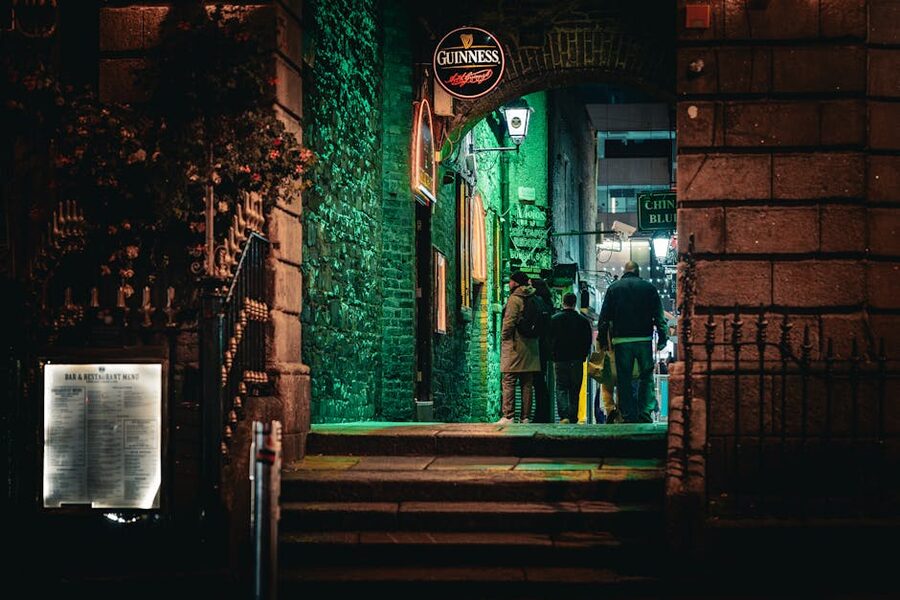
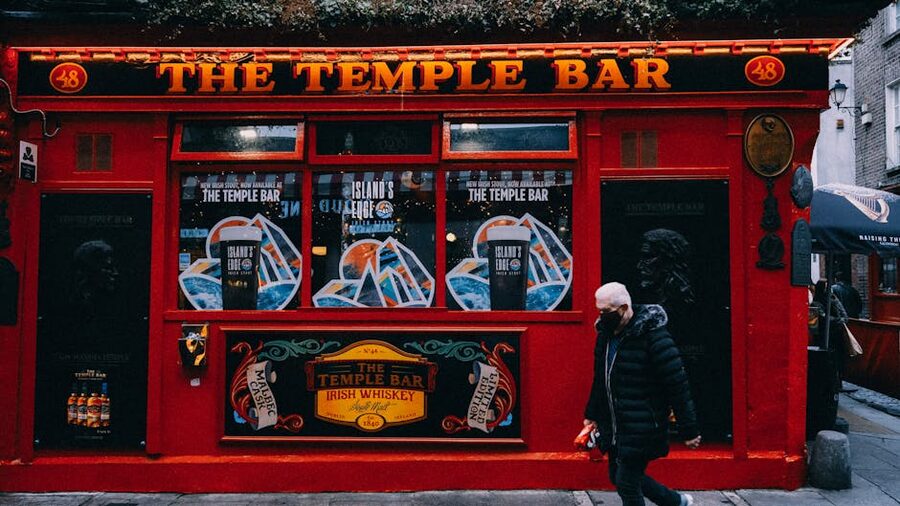
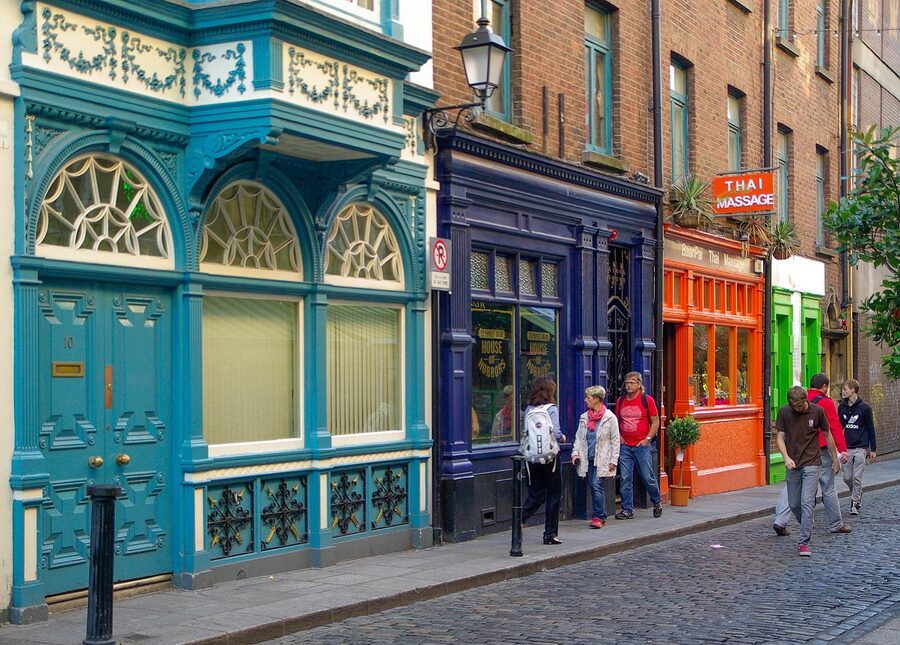
Yes and no. Temple Bar in the daytime, on a walking tour, is genuinely lovely. Cobbled lanes, the Italian-quarter feel of Meeting House Square, decent secondhand bookshops. The architecture along Crow Street is some of the prettiest in Dublin and most tours wander through there before pushing on.
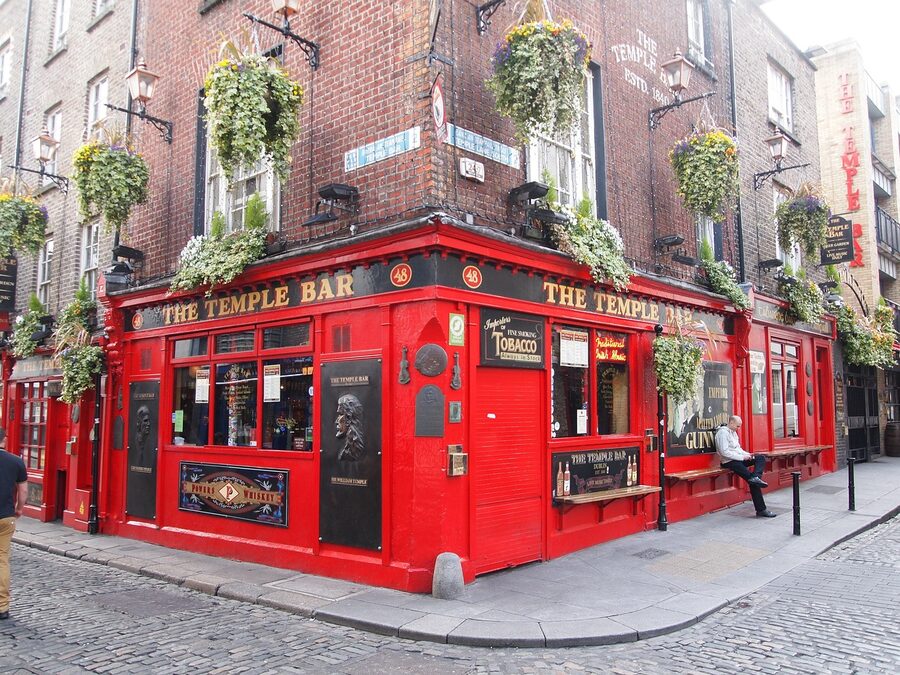
Temple Bar after dark is the version everyone complains about. Pints cost more than they should, the crowd is mostly stag dos, and the live music in The Temple Bar pub itself is on a four-song rotation. Locals do not drink there.
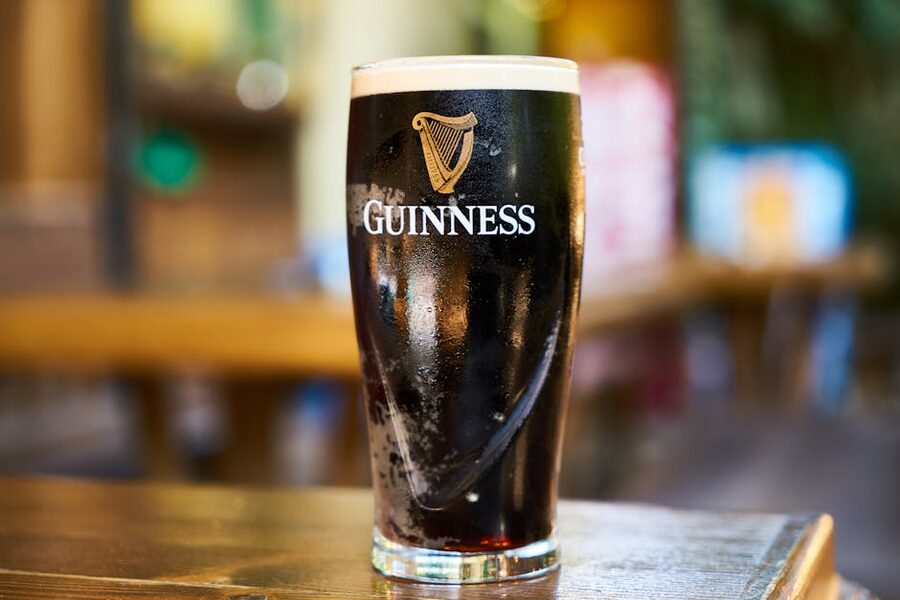
That said, go once. Genuinely. Pay the €9 for a Guinness, watch the bar staff pour it in two stages, listen to a fiddle player work through The Wild Rover for the third time that hour, and then leave and find a real pub on Capel Street. The tourist-trap version is part of the Dublin experience even if the locals roll their eyes.
What About the Themed Evening Tours?
Beyond the Ghost Bus, you have a few options for filling the post-walking-tour evening slot. They are all worth considering and they overlap less than you would think.
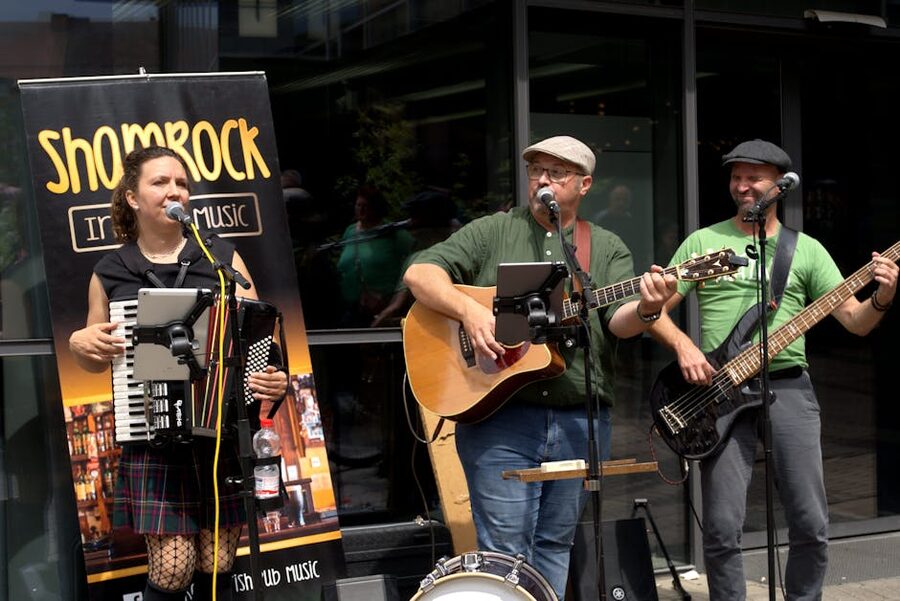
Music and dance shows. The Irish House Party near Smithfield runs a dinner-plus-show format with traditional music, step dancers, and audience-singalong sections. It is touristy in the best sense. If you want a real session, walk down to the Cobblestone in Smithfield instead and order a pint.
The Irish Food Trail walking tour is the eat-and-walk hybrid. Three hours, half a dozen stops, ranges from soda bread and Irish stew to a fish-and-chip place that has been there since the 1930s. It is a long tour but you finish full and you have walked off most of the dinner.
For something faster on wheels, the small-group bike tour covers more ground than a walking tour without losing the personal feel. Two and a half hours, e-bikes available, takes you out to Phoenix Park which most walking routes never reach.
Booking Logistics: Tickets, Cancellation, Meeting Points
Most Dublin walking tours book through GetYourGuide or Viator. Both let you cancel free up to 24 hours before, which matters more than you would think because Irish weather will sometimes stop you wanting to be outside for two hours.
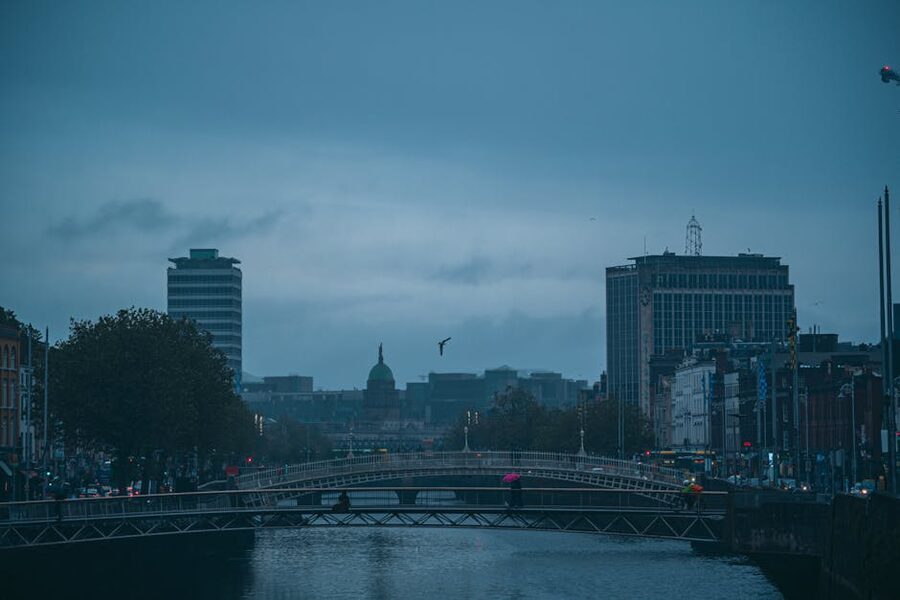
Meeting points cluster in three places. Trinity College front gate is the most common (look for the umbrella, not the board). The Spire on O’Connell Street is the second. The Molly Malone statue near Suffolk Street is the third. Your booking confirmation will tell you which one and they are all within a five-minute walk of each other anyway.
One small thing: Dublin walking guides do not usually take card tips. Bring a tenner in cash. They will not ask but it is the done thing if the tour was good.
When to Go (and When Not To)
April through October is the obvious window. Daylight stretches to 9pm in June, the rain is lighter, and the outdoor café tables on South William Street open up. July and August are crowded, especially around Trinity. Book the morning slot if you are going then.
March is St Patrick’s week. Do not try to do a walking tour on the day itself. The parade route closes the entire spine of the city and the route most tours take is unwalkable. The week either side is fine.
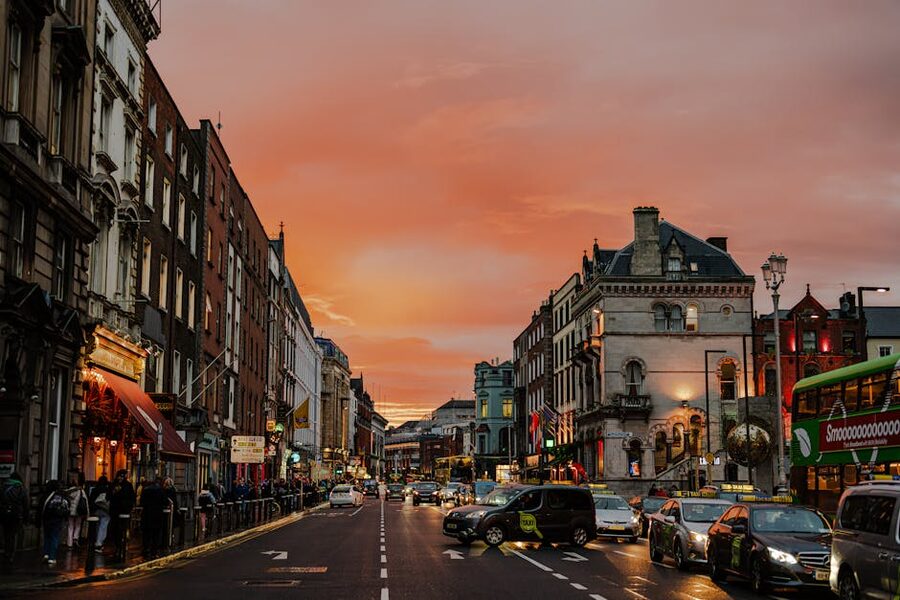
Winter is underrated. November to February is grey and damp but the city is quiet, the pubs are lit up, and a two-hour walking tour with a hot whiskey at the end is hard to beat. The Christmas markets at Smithfield run through December and most tours add a loop through them. Bring a hat. The wind off the Liffey will take your ears off.
What to Wear and Bring
Layers, because the weather will change inside two hours. A light waterproof, even in summer. Shoes you can stand in for two hours that grip on wet cobbles. Heels do not work, period.
You do not need much else. A bottle of water if you are doing the longer combo tours. Your phone for photos. A few coins for the tip if you are doing a free tour. Skip the umbrella. Dublin wind kills umbrellas.
Christ Church and the Other Cathedral
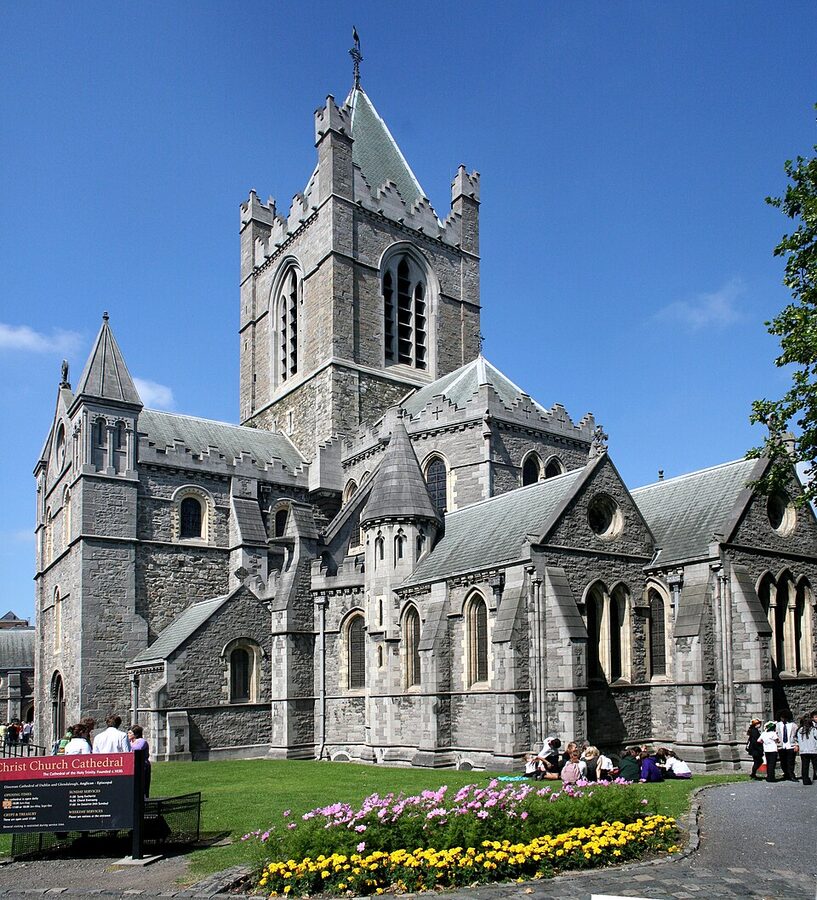
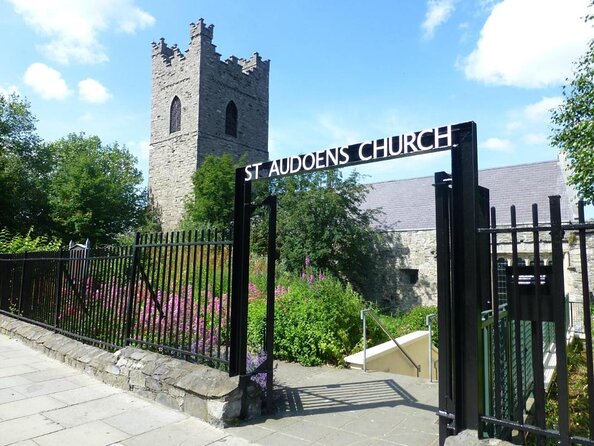
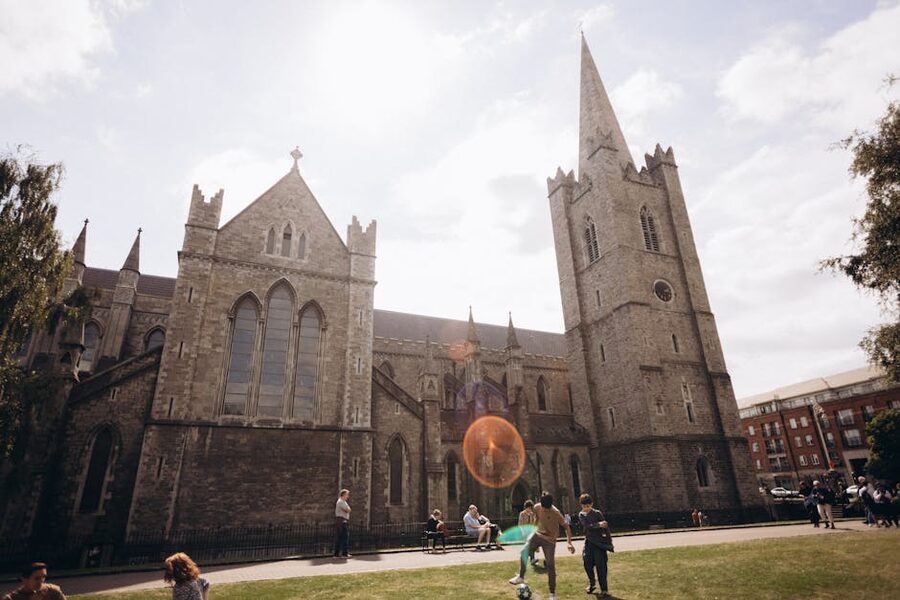
Dublin has two cathedrals and they are both Church of Ireland (long story involving Henry VIII). Christ Church is the older one, founded in 1030. St Patrick’s is bigger and grander. Most walking tours pass both exteriors but only stop at one for any length of time.
If you can only see inside one, make it Christ Church. The crypt is the highlight, not the nave. It runs the full length of the cathedral, vaulted stone, dimly lit, with a small museum at one end and the famous cat-and-rat at the other. Entry is about €11 and worth it.
Bike Tours, Food Tours, and the Slower Options
If two hours of standing-and-listening is not your format, there are alternatives. Bike tours cover more ground in the same time and are a better fit for active travellers. The downside is you cannot really stop and look up while you are pedalling.
Food tours like the Irish Food Trail are slower and chattier. You stop more and walk less. Three hours, six tasting stops, and you genuinely eat enough that you can skip dinner. They cost more but they replace a meal so the net is closer than it looks.
The 90-minute Dublin walking tour is the express version of the highlights tour. Useful if you have a long layover or you are squeezing it in before a Cliffs of Moher day trip. Less depth but the route still hits the core stops.
Comparing Dublin to Edinburgh and London Walking
If you have done the British equivalents, Dublin lands somewhere between them. Edinburgh’s Mary King’s Close is the closest atmospheric cousin: small, dark, story-driven, the same gritty-historic feel. Dublin’s historical walking tour scratches that same itch above ground rather than below.
The London historic pub walking tour is a different beast: longer routes, less continuous narrative, more pints. Dublin’s food trail is closer to that one. If you liked the London format you will probably prefer the Irish Food Trail to a straight historical walk.
Dublin’s headline edge is the talkers. Irish guides tend to be funnier than their Scottish counterparts and more politically blunt than their English ones. That is a generalisation and a fond one. The best guide I had in Dublin was a former secondary-school history teacher who could not help digressing into who-slept-with-whom in 1916. Worth every cent of the tip.
What I Would Do With Two Days in Dublin
Day one, morning: book the Highlights and Hidden Gems walking tour for 10am. Two hours, lunch in Powerscourt or one of the cafés on South William Street. Afternoon: drift around Trinity if you have not got the combo tour, otherwise go to the National Gallery (free, and properly good). Evening: a session pub in the Liberties or Smithfield, not Temple Bar.
Day two, morning: Book of Kells and Dublin Castle combo tour. Two and a half hours, leaves you at the castle for the lunch hour. Afternoon: walk along the Liffey to Kilmainham Gaol if the rising got under your skin, or out to Phoenix Park if it did not. Evening: Ghost Bus Tour if you have one drinking-friendly evening left in you, or the Irish House Party if you are travelling with someone who wants a show.
More Ireland and UK Walking Reading
If Dublin is part of a wider Ireland-and-Britain trip, a walking tour pairs neatly with a Cliffs of Moher day trip from Dublin on a different day. The booking guides for the Guinness Storehouse and the Jameson Distillery tour cover the indoor city-centre attractions you will walk past on a tour but not actually go inside on one. For sister cities with similar gritty-historic walking energy, look at Edinburgh’s dark-side walking tour and London’s historic pub walking.