
The away dressing room at Stamford Bridge is smaller than you’d expect. Spartan benches, lockers labelled with chalk in someone’s hurried handwriting, and a layout that quietly pushes visiting players into corners. The home dressing room is twice the size and twice as comfortable, which is the point.
Two minutes’ walk from there sits the trophy room. The 2012 Champions League cup, won in Munich on penalties against Bayern in their own building, is the first thing you see, and it’s bigger in person than on television.
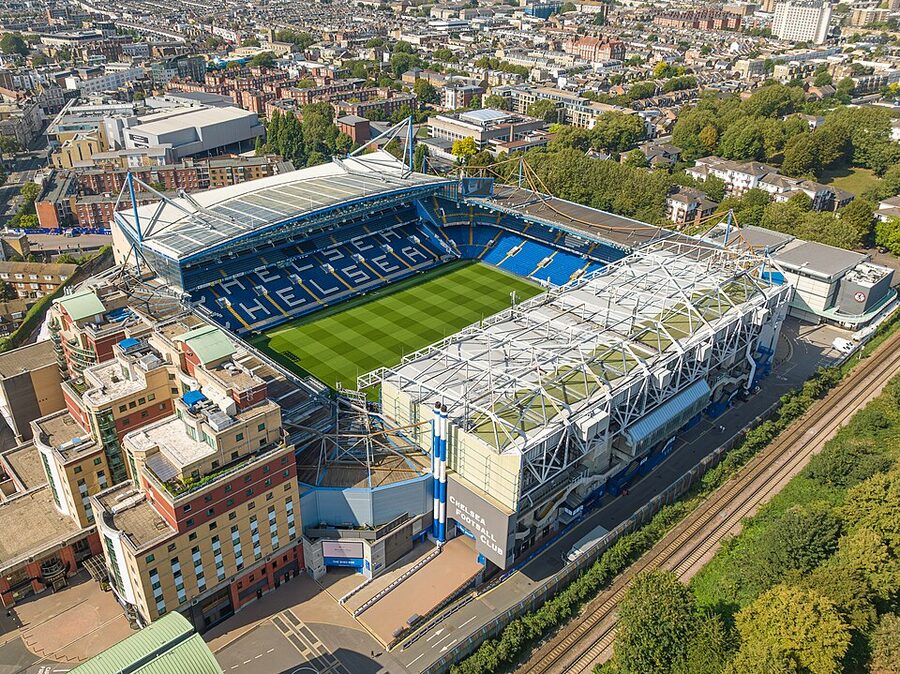
If you’ve been thinking about booking the tour, the options are more layered than they look. Standard guided tour, museum-only entry, matchday hospitality, and a couple of older variants still floating around third-party sites. I’ll walk through what each one actually gets you, what’s worth your time, and which three I’d book first.
- In a Hurry? My Three Picks
- Chelsea FC Stadium and Museum Tour: about
- Chelsea FC Stadium Tours and Museum: about
- Chelsea Football Match at Stamford Bridge: matchday hospitality
- What the Stadium Tour Actually Includes
- The Away Dressing Room Trick
- The Players’ Tunnel and the Pitch Walk
- The Trophy Room: 22 Years of Spending
- The Mourinho Era and Why It Matters Inside the Museum
- Roman Abramovich Years and the Money
- The Pitch and the Building Itself
- What’s in the Museum Beyond the Trophies
- The Three Tours I’d Book, In Order
- 1. Chelsea FC Stadium and Museum Tour: about
- 2. Chelsea FC Stadium Tours and Museum (Viator): about
- 3. Chelsea Football Match at Stamford Bridge: matchday hospitality
- How Stamford Bridge Compares to Other Stadium Tours
- Booking Logistics: Times, Days, and Languages
- Getting There
- What I’d Skip
- Pricing and What You Actually Pay
- What I’d Do Differently Next Time
- Where to Go After
In a Hurry? My Three Picks
Chelsea FC Stadium and Museum Tour: about $43
The flagship hour-long guided tour. Dressing rooms, tunnel, pitchside walk, press room, plus the museum and the trophy room. Book this one if you’re only doing it once.
Chelsea FC Stadium Tours and Museum: about $44
The longer 90-minute variant on Viator. Same route as the flagship but a bit more time at each stop, which matters if you want to actually read the trophy plaques rather than glance.
Chelsea Football Match at Stamford Bridge: matchday hospitality
Match ticket plus pre-match hospitality. Pricing varies wildly by opponent, from low three figures for a midweek League Cup tie to absurd numbers for Arsenal or Spurs. Book this only when you’ve already done the tour.
What the Stadium Tour Actually Includes
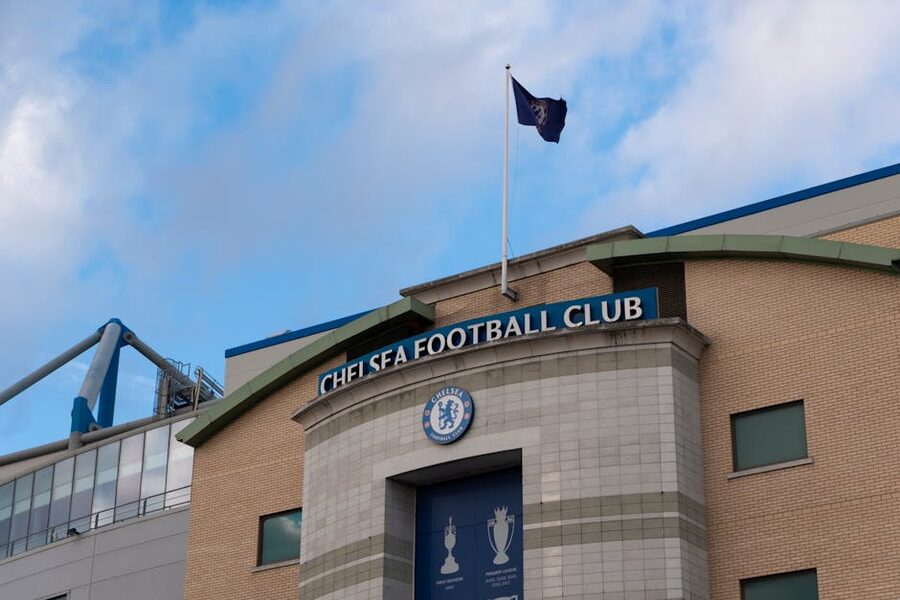
The standard tour is guided, runs every half-hour or so, and lasts about an hour. You’re walked round in a group of 20 to 25 people. The route is more or less the same regardless of which operator you book through, because there’s only one tour and Chelsea runs it themselves.
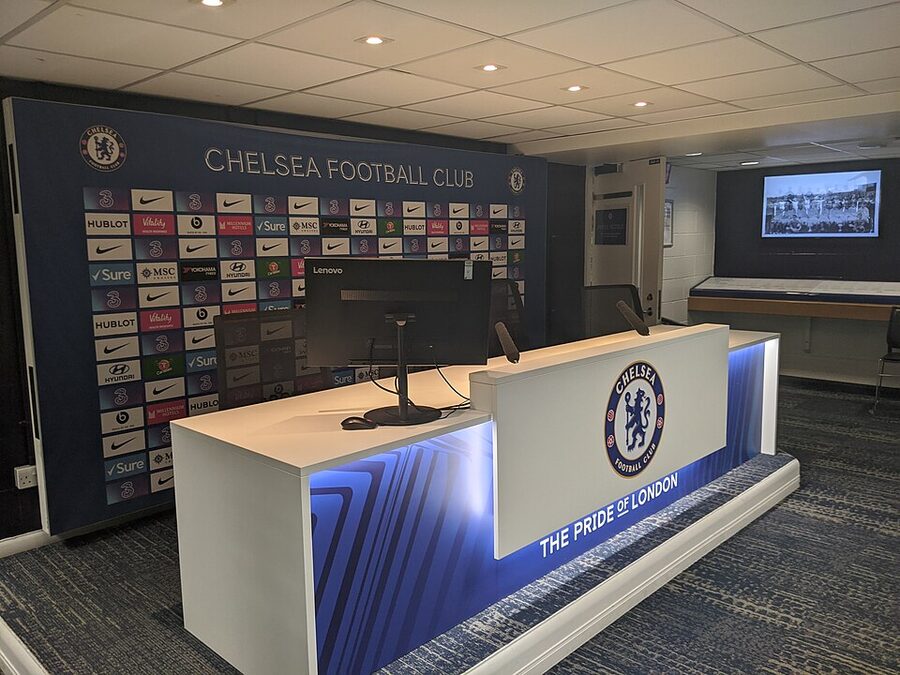
The stops are: the press conference room, the home dressing room, the away dressing room, the players’ tunnel, a pitchside walk along the touchline, the directors’ box, and the museum on the way out. The trophy room sits inside the museum and gets the most time of any single stop, because there’s a lot to look at.
What you don’t get on a self-guided basis is the freedom to wander. This isn’t the Bernabéu, where you can spend three hours exploring on your own and shoot endless footage. Chelsea keeps groups moving, partly because there’s another group every thirty minutes and partly because the building is genuinely smaller. If you want a slower experience and a more personal pace, the Bernabéu in Madrid is your tour. Stamford Bridge gives you a tighter, more focused hour. I prefer the focused version, but I know fans who don’t.
The Away Dressing Room Trick
This is the bit nobody warns you about. The away dressing room is small, deliberately spartan, and the lockers have visiting-team names scribbled on labels in chalk. Real chalk, on a metal label slot. It looks like a school gym from the 1970s and it’s meant to.
The whiteboard is the giveaway. It’s positioned behind a fire-door that has to remain open, by regulation, throughout. So when the visiting manager wants to draw out the corner-kick routine before kick-off or at half-time, the squad has to crowd around at an angle, with the door blocking half the view. Chelsea aren’t doing anything illegal. They’re following the rules. The rules just happen to be inconvenient if you’re the away side.
The home dressing room sits across the corridor and has individual leather chairs, a massage bed, and the kit pre-laid out for tour groups. Chelsea have done this since the early Abramovich years, when the squad was full of prima donnas and the marketing team realised the dressing room itself was a draw. The contrast with the away room is the entire point of the tour, and the guides don’t need to spell it out. You see it and you understand.
This is something the Emirates Stadium tour over at Arsenal doesn’t do quite as well. Arsenal’s away dressing room is also smaller than the home one, but the contrast is less stark and the Emirates is generally more open and modern in feel. Stamford Bridge keeps the old-fashioned cramped vibe on purpose. It’s part of the home advantage.
The Players’ Tunnel and the Pitch Walk
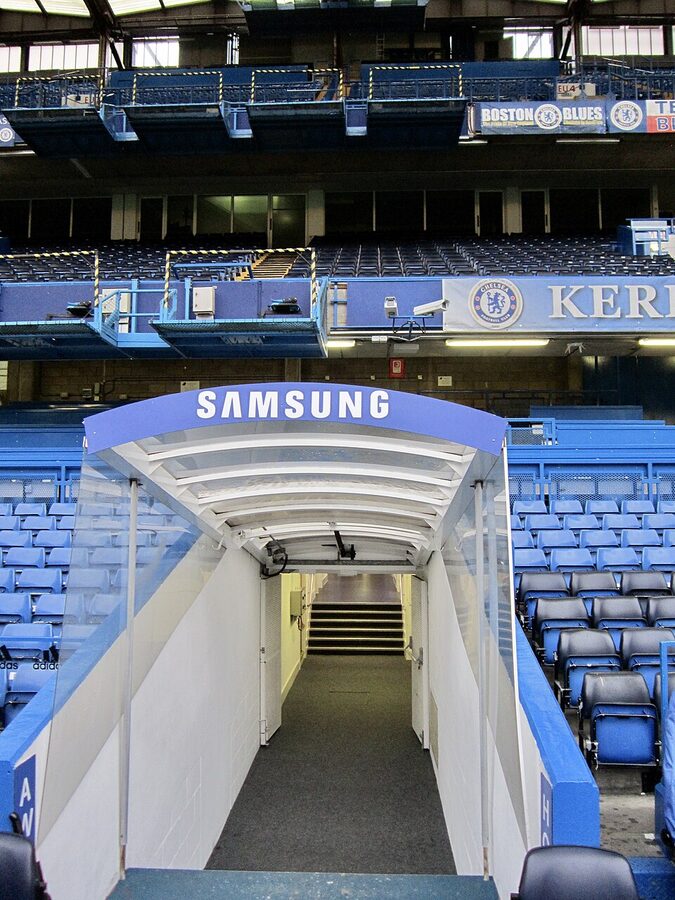
You walk the same tunnel the players walk. There’s no rope to keep you on a particular line, the lights are on, and the tour group shuffles through together while the guide explains where the home and away squads stand before kick-off. The tunnel itself is short, maybe twenty paces from the dressing-room corridor to the pitch.
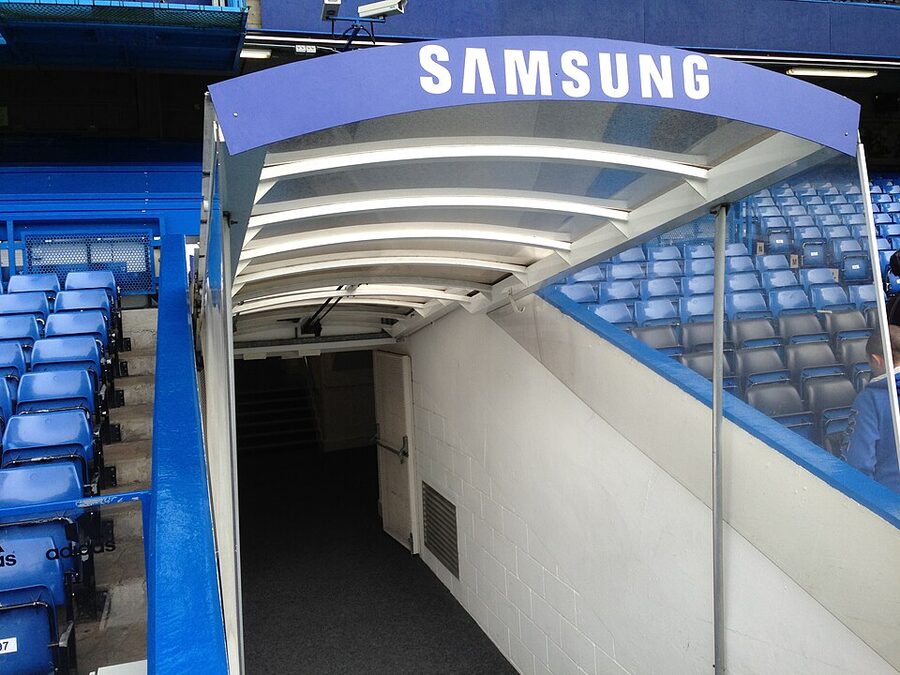
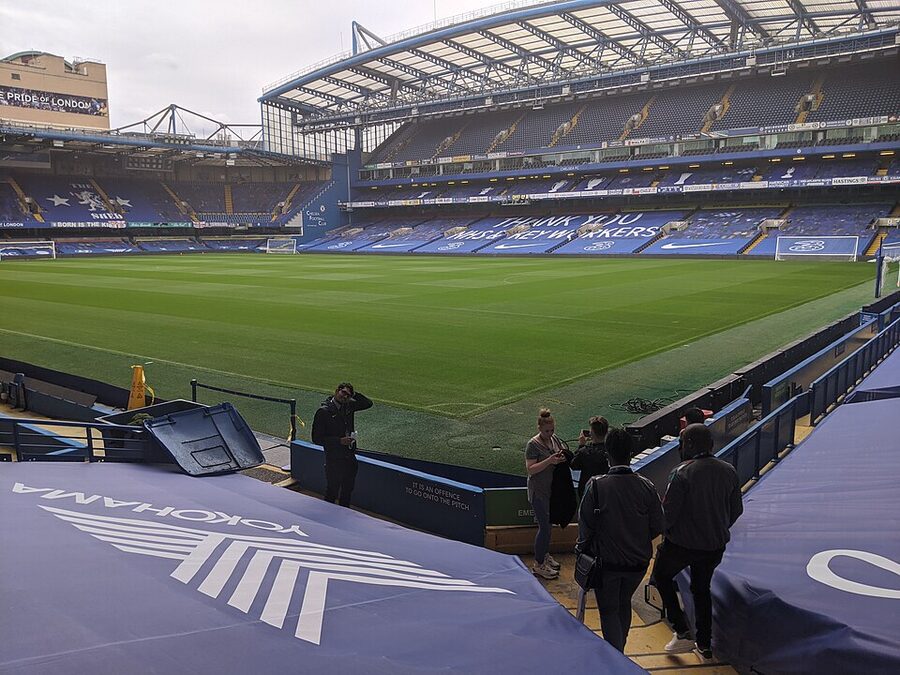
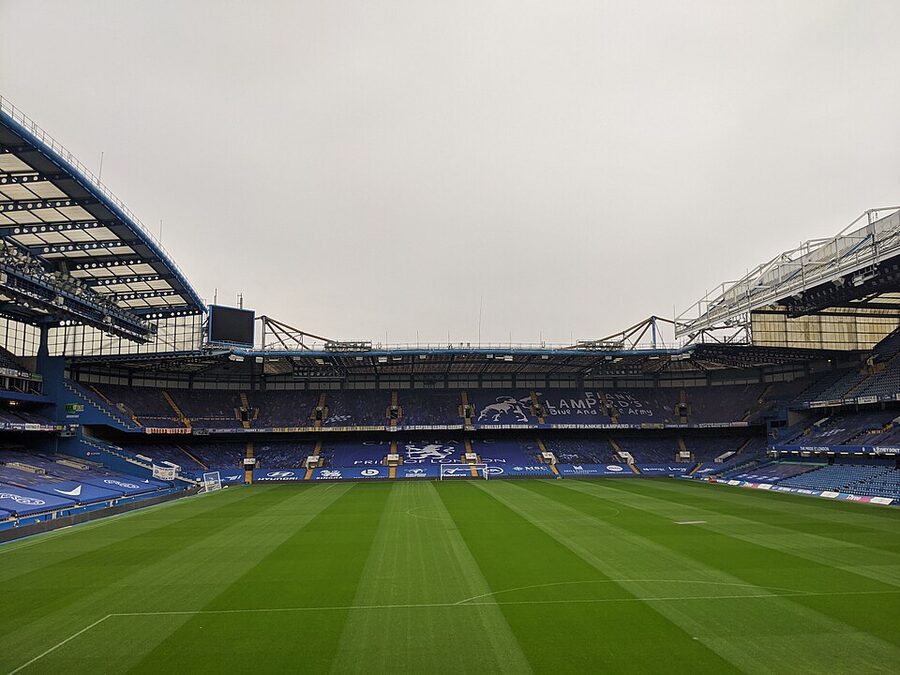
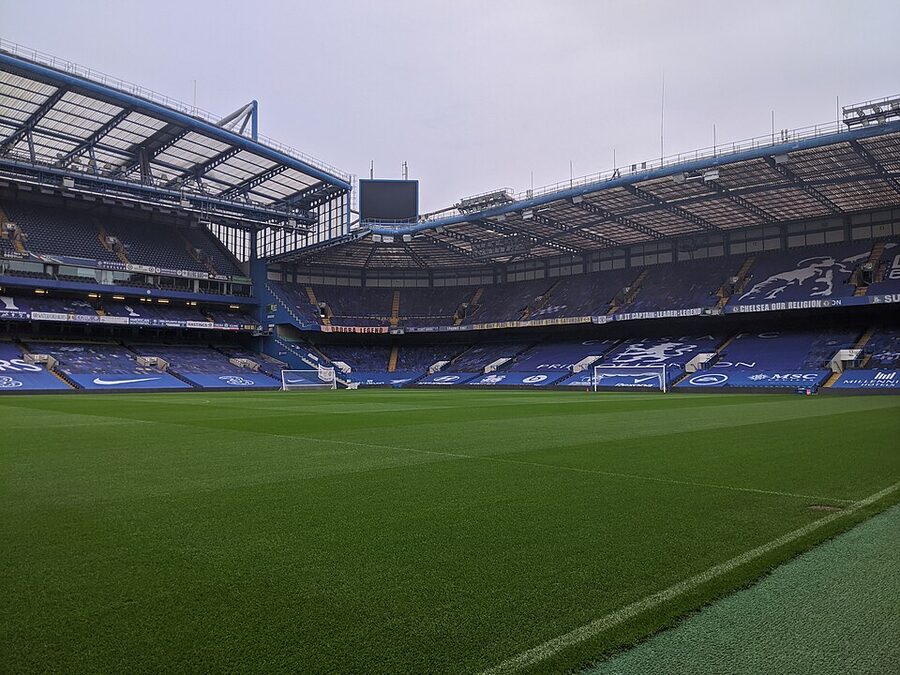
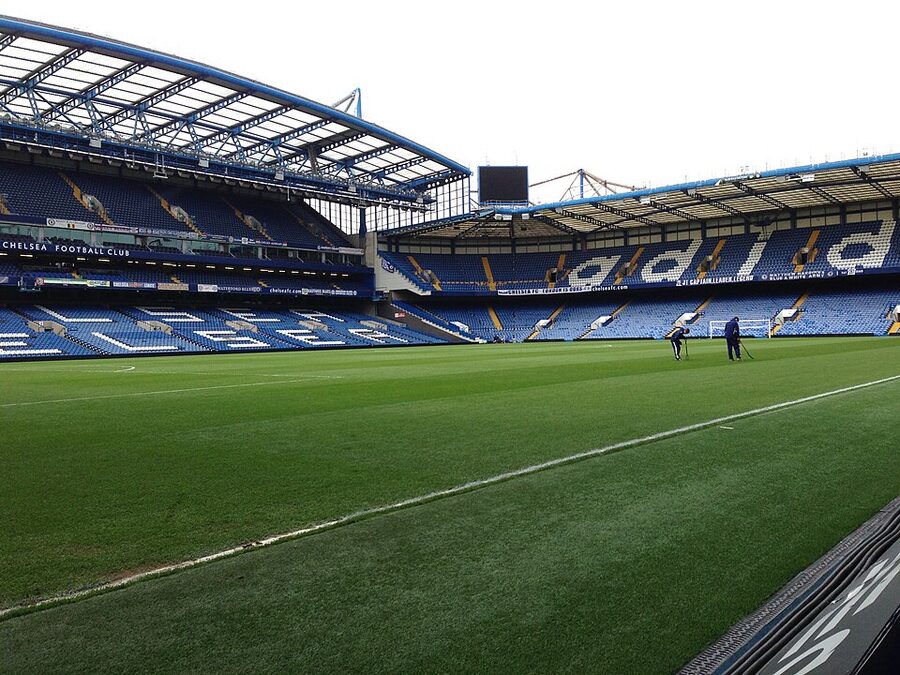
The pitch walk takes you along the touchline, not onto the grass. You stop at the dugouts and the guide will let you sit in the home one for a photo. The dugouts are deeper than they look on television, with proper individual heated seats for each squad member, and a small flat-screen for replays. Antonio Conte famously lived in this dugout for two seasons. You can sit where he sat.
The Trophy Room: 22 Years of Spending
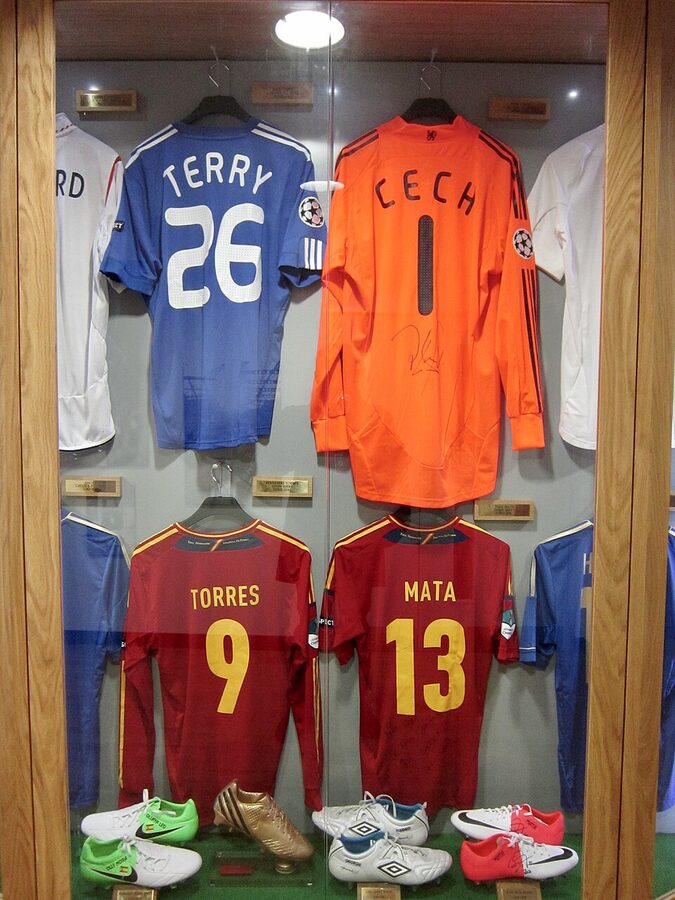
This is what most fans actually come for. The trophy room sits inside the museum and it’s the densest part of the tour. You’ll get about ten minutes here, which sounds like nothing but is actually plenty for what’s on display.
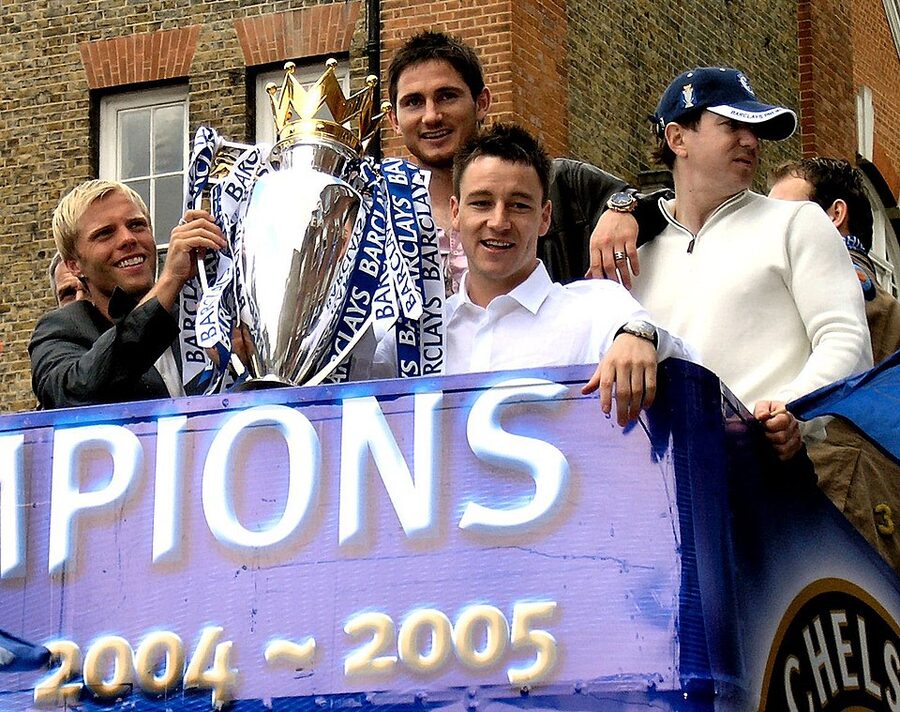
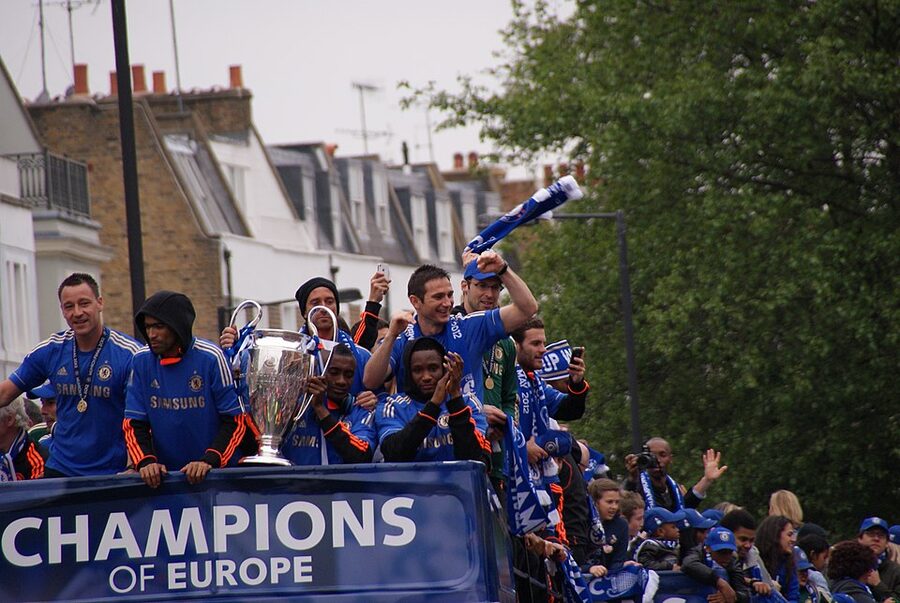
The headline pieces, in rough order of how the lighting hits them as you walk in: the 2012 Champions League trophy from Munich, the 2021 Champions League trophy from Porto, two UEFA Cups from 1971 and 1998, eight FA Cups stretching back to 1970, five Premier League titles from 2005 onwards, and a Carabao Cup or two for variety. The 2004-05 Premier League is the one to look hardest at. José Mourinho’s first season, fifty wins in all competitions, a defensive record that hasn’t been beaten since.
The 2012 Munich win is the trophy with the most narrative around it. Chelsea were sixth in the Premier League that year, on their fourth manager of the season, and beat Bayern Munich at the Allianz Arena on penalties after a Drogba header in the eighty-eighth minute saved them from defeat. It’s the most absurd Champions League win of the modern era, and the cup itself sits at the trophy room entrance to remind every visitor of that fact.

The 2021 Porto win, against Manchester City in the rescheduled final, is quieter in the museum. Younger fans will gravitate to it because it’s their cup. Older fans tend to linger longer at the 2012 piece. Both are objectively the same trophy. The story behind each is what changes.
The Mourinho Era and Why It Matters Inside the Museum
Most of the silverware on display was won under three managers: José Mourinho, Carlo Ancelotti, and Roberto Di Matteo. The bulk is Mourinho. The 2004-05 and 2005-06 Premier League titles, the 2007 FA Cup, the 2014-15 Premier League. He’s the most successful manager in the club’s history by a significant margin, and the museum knows it.
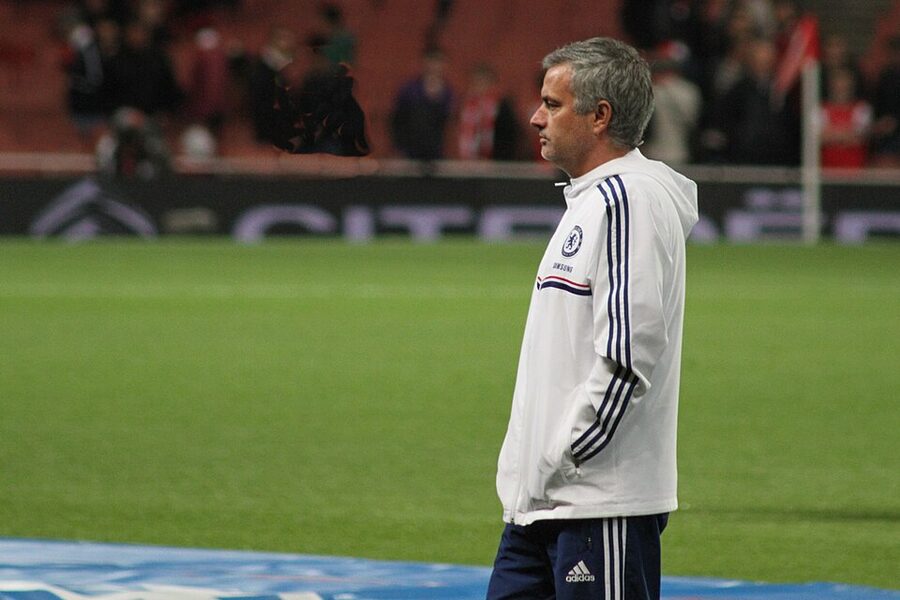
The 2004-05 title gets the heaviest exhibit space. That season Chelsea won the Premier League with a then-record 95 points, conceded 15 goals all season (also a record), and Mourinho introduced English football to a manager who openly described himself as the special one. The museum has the actual trophy, his match-worn coat, and a wall of newspaper front pages from the title-winning Sunday morning.
Roman Abramovich Years and the Money
You can’t talk about the trophy room without talking about Roman Abramovich. He bought the club in 2003 for £140 million, took it from a mid-table side that had won one league title in its history (1955) to the most successful English team of the late 2000s and early 2010s. The museum is more or less a monument to this period, even after his sale of the club in 2022.
The tour itself doesn’t dwell on the politics. Abramovich’s name comes up because his ownership produced the trophies on display, but the guides don’t editorialise about Russia or sanctions. The museum has a small section on the BlueCo era post-2022, which is too recent to have much in it. Give it five years.
The Pitch and the Building Itself
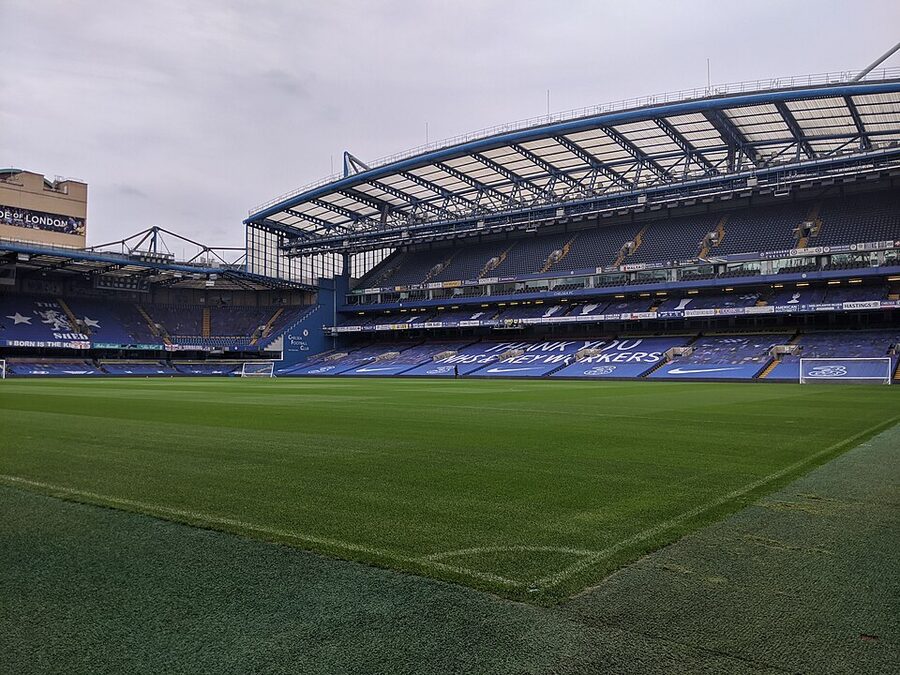
Stamford Bridge has been Chelsea’s home since the club was founded in 1905, which means everything about the building is older than it looks. The current bowl was redeveloped piece by piece between 1994 and 2001, but the footprint of the ground hasn’t moved. The pitch sits on the same patch of west London grass it always has.
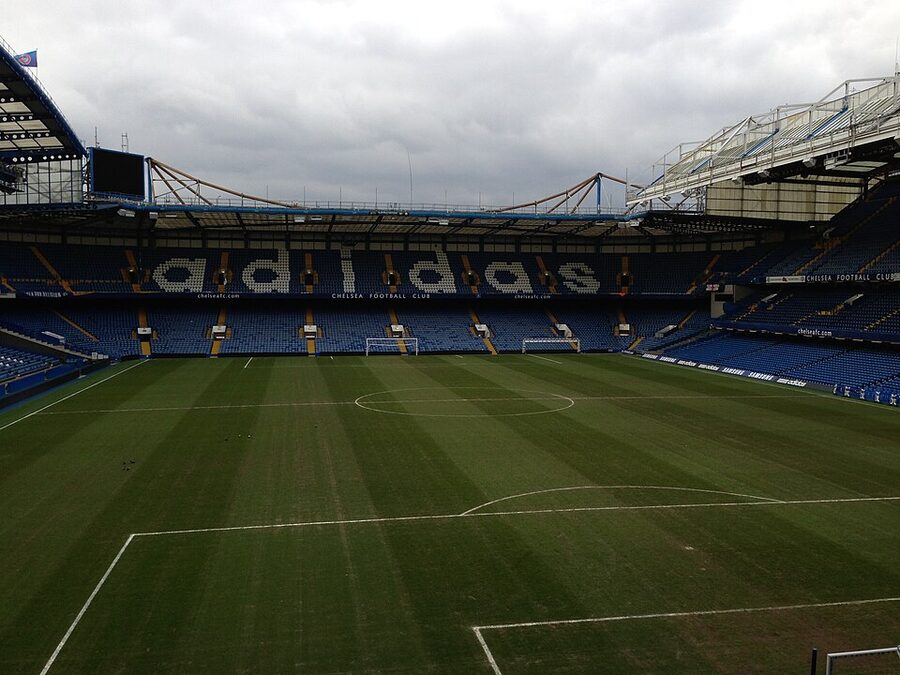
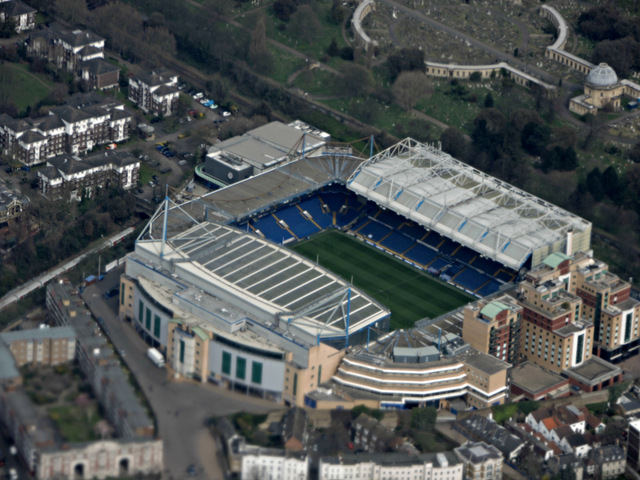
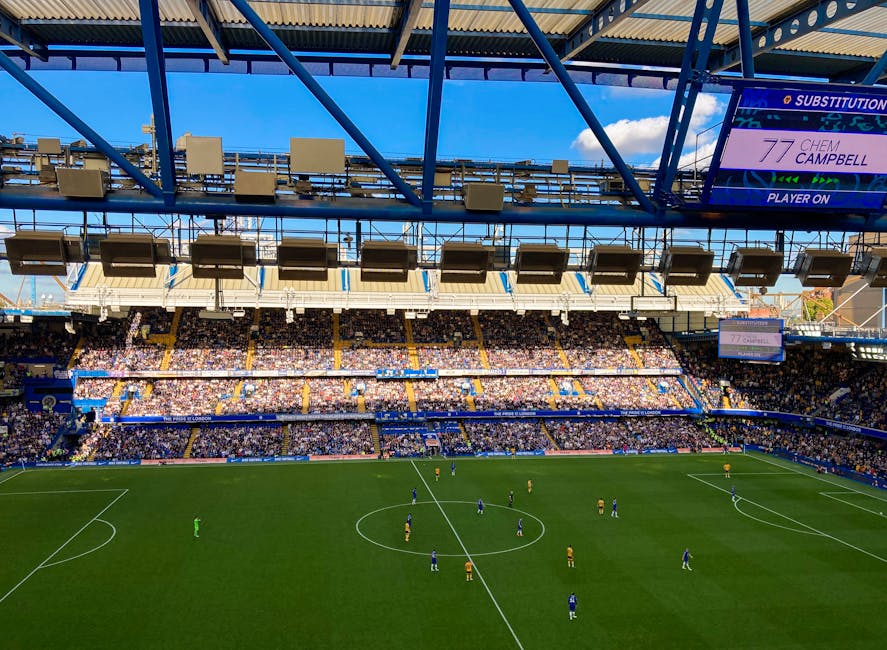
The 40,343 capacity makes Stamford Bridge a small ground by Premier League standards. Manchester United’s Old Trafford holds 74,000 and Tottenham’s new ground holds about 62,000. Even Arsenal’s Emirates Stadium up in north London seats over 60,000. Chelsea have been planning a bigger stadium for the better part of two decades. Nothing has been built. The constraints of the site keep biting.
What’s in the Museum Beyond the Trophies
People rush past the non-trophy bits. Don’t. The museum has a chronological history wing covering the club from 1905 onwards, with shirt collections, ticket stubs, and programme covers from FA Cup finals dating back to the 1960s. There’s a small section on Peter Osgood, the King of Stamford Bridge, who scored the goal that won the 1970 FA Cup against Leeds and whose ashes are buried under the penalty spot at the Shed End.
That last fact is real and the guides will point at the spot from the touchline if you ask. Osgood’s family had his ashes interred under the centre of the goalmouth he scored most of his goals at. It’s the only Premier League ground where a player is permanently part of the pitch.
The Three Tours I’d Book, In Order
There are several ways to book the same tour. The differences are operator, group size, and language availability. The actual route is identical because Chelsea runs the tour and the operators are reselling the same slots.
1. Chelsea FC Stadium and Museum Tour: about $43

This is the one to book if you only do one. It’s the standard hour-long Chelsea-run tour resold via GetYourGuide, which I prefer for the free 24-hour cancellation. My full review of the flagship Chelsea FC stadium tour covers the language options and which time slots are quietest. The tour itself is the most-booked Chelsea tour on the market by a long way.
2. Chelsea FC Stadium Tours and Museum (Viator): about $44

The Viator listing is basically the same product on a different reseller, with a 60 to 90-minute window depending on how the guide paces the group. Our review of the Viator Chelsea FC stadium tour goes into how it differs from the GetYourGuide flagship in practice. The choice between them comes down to which platform you trust and which language is available on your date.
3. Chelsea Football Match at Stamford Bridge: matchday hospitality

This isn’t a stadium tour. It’s a match ticket with hospitality bolted on. My write-up of the Chelsea matchday hospitality option covers what’s included and where the price-versus-experience line sits. The big-match prices are eye-watering, the midweek-cup prices are reasonable, and the experience inside the ground is fundamentally different from the daytime tour. Book the tour first, this second.
How Stamford Bridge Compares to Other Stadium Tours
I’ve now done five major European football tours and Stamford Bridge sits in a particular place on the map. It’s not the biggest, not the prettiest, and not the longest. But it’s tightly run and the trophy density per square metre is higher than almost anywhere else.
The Bernabéu in Madrid is the most lavish. You wander on your own for as long as you like, the trophy room is the size of a swimming pool, and Real Madrid have fifteen Champions League cups to display. The Camp Nou tour in Barcelona is currently in flux because the stadium is mid-renovation and the tour visits a temporary museum, which is interesting in itself but isn’t the full thing. The Estádio da Luz in Lisbon is Benfica’s ground and is the Portuguese-language equivalent. Smaller trophies, bigger eagle, beautiful views over the city.
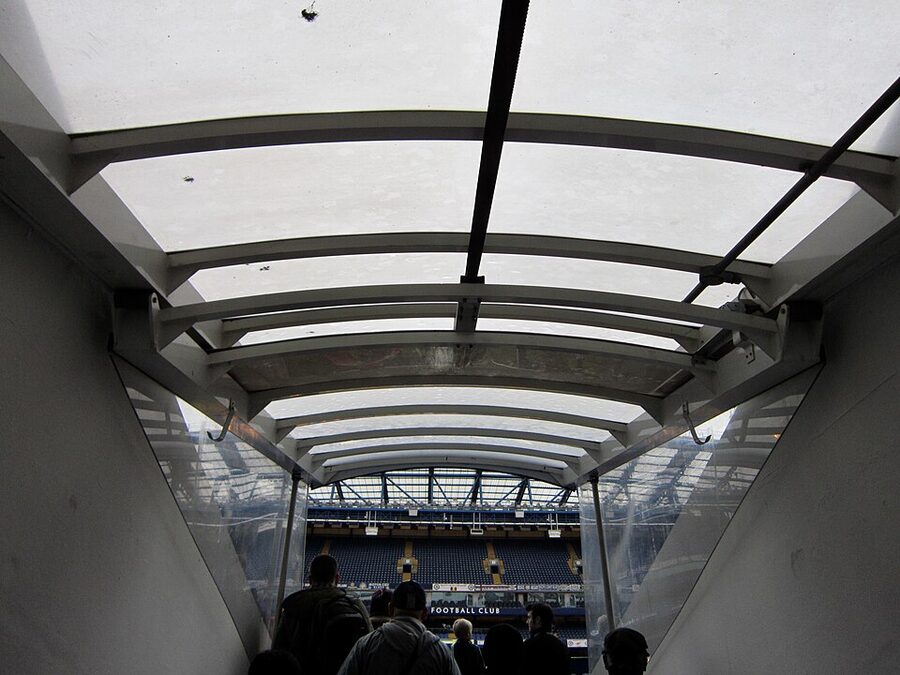
For Londoners doing both, the Chelsea tour and the Emirates Stadium tour are an interesting pair to do back-to-back over a weekend. Arsenal’s stadium is newer (2006), bigger (60,704), and feels glossier. Stamford Bridge is older, smaller, and tighter. Doing them in either order tells you a lot about how the two clubs see themselves.
Booking Logistics: Times, Days, and Languages
Tours run roughly every half-hour from 10:00 to 15:00 on non-matchdays. The last tour of the day finishes around 16:00. Tours don’t run on home matchdays at all, and they sometimes don’t run on the day before a Champions League home match either if the pitch needs to be set up. Always check the calendar.
English-language tours are the default. Spanish, French, Portuguese, and Italian tours run a few times a week, but you need to book the language slot specifically. The flagship GetYourGuide listing is the easiest place to filter by language. The Viator variant is harder to filter, which is one reason I’d default to GetYourGuide unless you have a specific reason not to.
Tours sell out for weekend slots two to three weeks in advance during summer and during international tournament breaks. Weekday morning slots have availability much closer to the date. If you can do a Tuesday or Wednesday at 11:00, you’ll get a smaller group and a less rushed pace.
Getting There
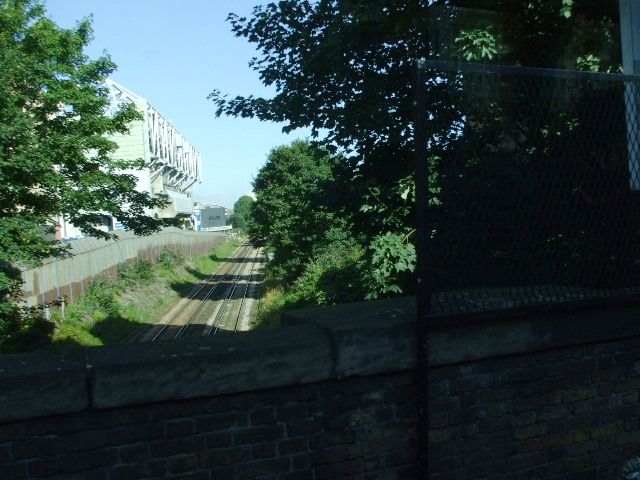
Fulham Broadway tube on the District Line is the closest station, about seven minutes’ walk. West Brompton on the District and Overground is a slightly longer walk and usually quieter on the way out. Both stations get hit hard on matchdays. On a tour day at 11:00, the walk is fine and the queue at the station is non-existent.
Driving is a bad idea. Parking around the ground is restricted, expensive, and impossible on matchdays. The Congestion Charge zone doesn’t extend this far west, but the Ultra Low Emission Zone does. Take the tube.
Combining the visit with other London bookings is easy. Fulham Broadway connects directly to the rest of the District Line, which gets you to Westminster, Tower Hill, and Embankment without changing. If you’re already planning a sightseeing afternoon, the Westminster to Greenwich Thames cruise works as a follow-up if you want to see central London from the water, or the Thames RIB speedboat experience if you want a fast version of the same.
What I’d Skip
The megastore. It’s enormous, it’s loud, and the merchandise is the same as you’d buy online for less. If you want a scarf or a programme as a souvenir, fine. If you’re thinking about a full kit for £80, buy it from the official online shop with the right sizing options.
The pre-match dining package on a regular tour day. There’s no match. The pre-match dining is just lunch in a hotel restaurant attached to the West Stand, and you can eat far better food at half the price within ten minutes’ walk. Save the dining package for the matchday hospitality option, where it makes sense.

Pricing and What You Actually Pay
The standard adult ticket is around £28 direct from Chelsea, which converts to roughly $43 USD. Marketplaces add a small fee but include 24-hour free cancellation. Children under 17 are about £18, under-5s are free. There’s no senior discount worth mentioning.
The matchday hospitality option starts at about £150 for a midweek League Cup tie and runs to £400 or more for marquee Premier League games. The best value is the Carabao Cup nights when Chelsea play a Championship side and the price stays sensible. The worst value is any Saturday three-o’clock kick-off against a top-six rival.
What I’d Do Differently Next Time
Book a Tuesday or Wednesday morning slot. The midweek mornings are quieter, the groups are smaller, and the guides have time to answer questions. Saturday and Sunday slots get the largest groups and the tightest pacing.
Skip the audio guide add-on. The standard tour is fully guided already and the audio guide just duplicates information you’ve already heard. Save the £5.
Combine the tour with the museum properly. The museum sits at the end of the tour and tour groups blow through it because they’re tired. Take a coffee break between the tour and the museum, then go back into the museum on your own with thirty minutes you didn’t know you needed.
Where to Go After
If the trophy room has earned a slot in your weekend, a few obvious follow-ups sit close by. The Emirates Stadium tour at Arsenal is the natural pair for a north-versus-west London football double over two days, and the London Dungeon on the South Bank flips the mood entirely with its 90-minute live-actor scares. If you’d rather close the day on the water, the Thames RIB speedboat runs from Embankment past Tower Bridge in under an hour and lands you back near the District Line for the trip home.