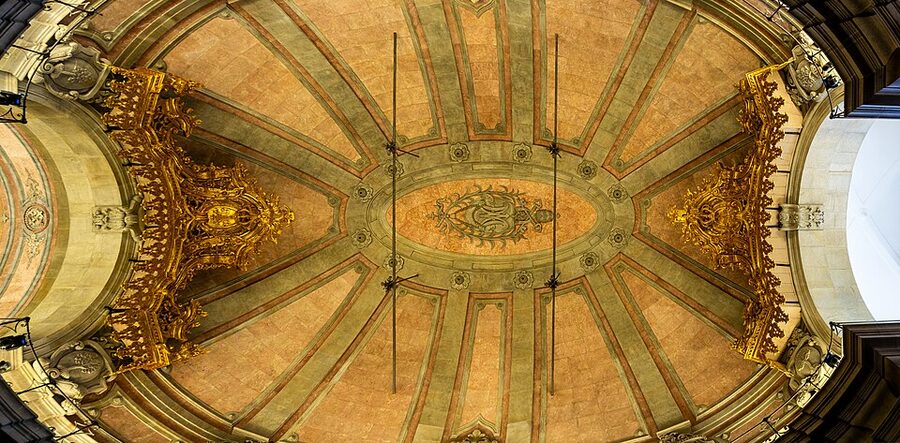
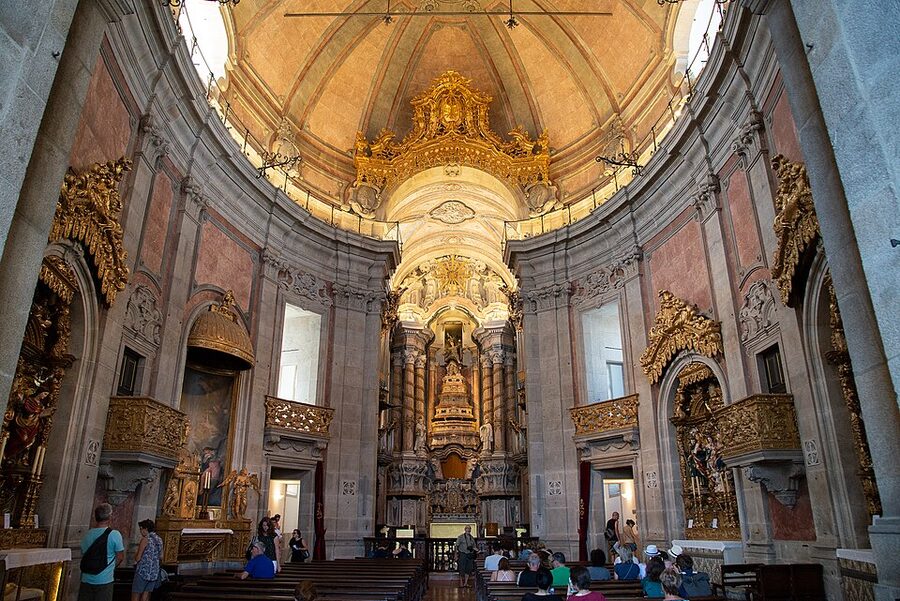
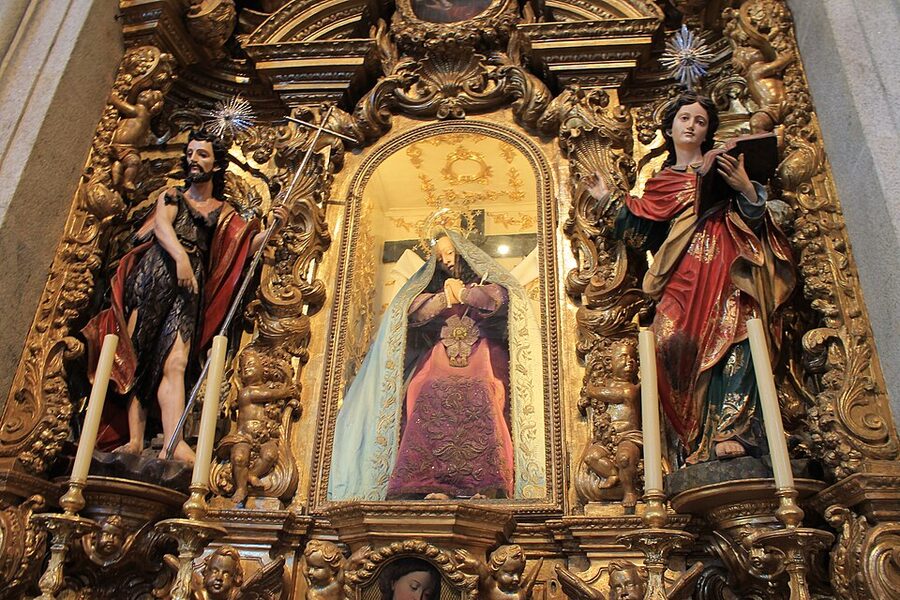
The pew is a wooden bench, not padded, and it pulls slightly cold under your hands. The doors close behind you. The lights go out, the nave goes black, and then the first note of sound fills the oval. A slow line of gold opens above your head where the painted vault used to be. Gilded saints. Sailors. Port-wine barrels. The ceiling of the Igreja dos Clérigos becomes the surface of a 360-degree projection that tells you the story of Porto in about thirty minutes.
This is the booking guide I wish I had before my first Spiritus session. I’ll cover what the show actually is, what time slots to pick, where to sit (it matters more than you’d think), and how Spiritus differs from the daytime Torre dos Clérigos ticket people often confuse it with. They share the venue. They are not the same ticket.
In a hurry? My top three Spiritus picks
Best overall, around $11: the Porto: Spiritus Multimedia Show Entry Ticket. The standard show, all evening sessions, instant QR.
Best alt if the first sells out, around $11: the Spiritus Multimedia Show Admission Ticket. Same show, same price, separate listing that sometimes has slots when the first is gone.
Best Viator option, around $12: the Spiritus Videomapping Show at Clérigos. Worth a look if you’re already booking other tours through Viator.
- In a hurry? My top three Spiritus picks
- What Spiritus actually is
- How to book and what it costs
- Showtimes and which slot to pick
- Where to sit (this matters)
- Spiritus vs the daytime Clérigos ticket: don’t confuse them
- What you actually see during the show
- Who it’s actually for (and who to skip it for)
- The tours I’d actually recommend
- 1. Porto: Spiritus Multimedia Show Entry Ticket:
- 2. Spiritus Multimedia Show Admission Ticket:
- 3. Spiritus Videomapping Show at Clérigos (Viator):
- Practical things to know on the night
- What to do before and after
- Other Porto guides worth a look
What Spiritus actually is
Spiritus is a 30-minute videomapping show staged inside the Igreja dos Clérigos in central Porto. It runs in the evening only. The show is produced by OCUBO, a Lisbon-based studio that does this kind of work across Europe, and the script is built around a line from the Portuguese poet Álvaro de Campos: “After all, the best way to travel is to feel.” That line is also the show’s tagline, and it gets spoken aloud, first in Portuguese then in English, when the lights go out.
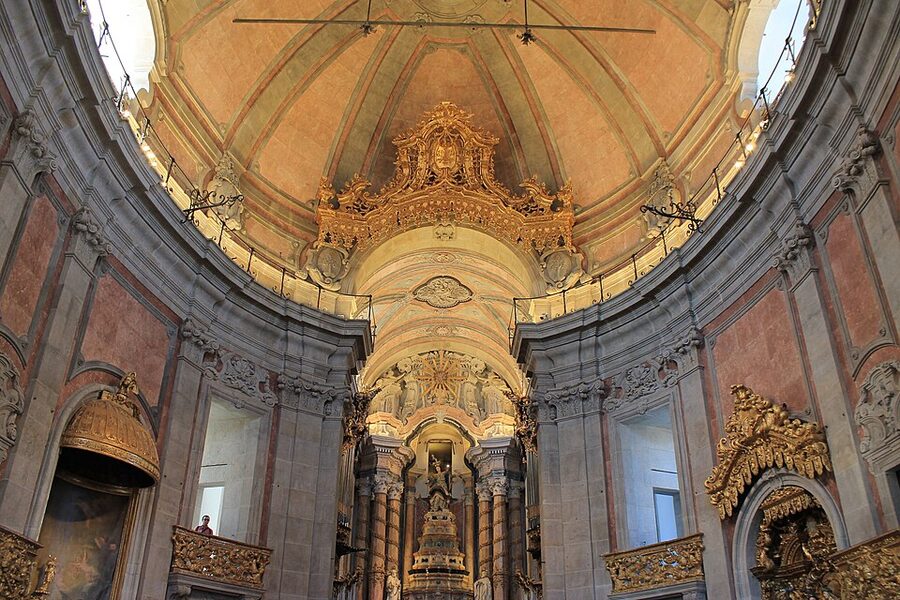
“Videomapping” sounds technical. What it means in practice: a set of projectors aimed at the ceiling, walls, columns, and altar of the church, with software that has been programmed pixel-by-pixel to fit the architecture. Light moves around carved stone. A saint’s halo turns into the sun. A pillar becomes the trunk of an oak. The whole nave is the screen, all 360 degrees of it.
The narrative arc is Porto’s history, told in chapters. It opens with the Roman Cale (the original riverside settlement that gave the city half its name). It moves through the medieval port and the rise of trade. Then the port-wine years. The Age of Discovery. A short, slow fado section. And finally the modern Porto: the bridges, the rooftops, the lights along the Douro at night. Each chapter has its own colour palette. Each one fits into the architecture in a different way.
One detail I didn’t expect: it’s loud. The sound design is the second half of the show, and the bass carries through the wooden pew under you. If you’ve been to a fado house in Lisbon, the volume is not dissimilar at the peaks. This is not a quiet experience. Skip it if you want a meditative evening.
How to book and what it costs
The show is a single ticket type at a single price. Around 10 euros for adults, about 7 for students and seniors, free for kids under six (which I’d actually steer away from, more on that below). There’s no premium tier, no front-row pass. Where you sit is first-come on the night, not pre-assigned.
Three booking routes, in order of how I’d actually use them:
- GetYourGuide, in English, with a QR ticket and free cancellation up to 24 hours before. The marked-up Spiritus Multimedia Show Entry Ticket tends to be the simplest. If that one’s sold out for your night, the admission alternative is the same show on a separate listing and sometimes still has slots.
- Viator works fine too. The price is a touch higher but the cancellation terms match. Useful if you’re consolidating other Porto activities under one Viator account.
- The official Spiritus site (spiritusporto.com). You can buy directly. The flow is in Portuguese first and the English toggle isn’t always smooth, but it’s the cheapest route by maybe a euro. Worth it if you’re already comfortable with Portuguese checkout pages.
The on-site ticket office is in the small white building next to the tower entrance, not at the church door. Hours are roughly 9am to 9:30pm Mon-Sat, 9am to 8pm Sun. If you’re trying to book on the day of the show, give yourself 90 minutes of buffer; the office sometimes runs a queue when a cruise ship is in town. Cash and card both work.
Showtimes and which slot to pick
Spiritus runs every evening except major holidays. Standard schedule:
- Monday to Saturday: sessions roughly every 45 minutes from 6pm onward. The last session typically starts at 9:45pm.
- Sunday: a shorter run, usually two sessions only, at 6pm and 7:30pm.
The 6pm session in summer happens while it’s still light outside. This sounds like a problem. It isn’t. The windows are blacked out from the inside, and the only light leakage is a thin line at the upper edges, not enough to wash anything out. I went 6pm in late June and the projection was clean. The bonus of the early slot is that you walk out of the church into golden hour on the streets of central Porto, which is its own thing.
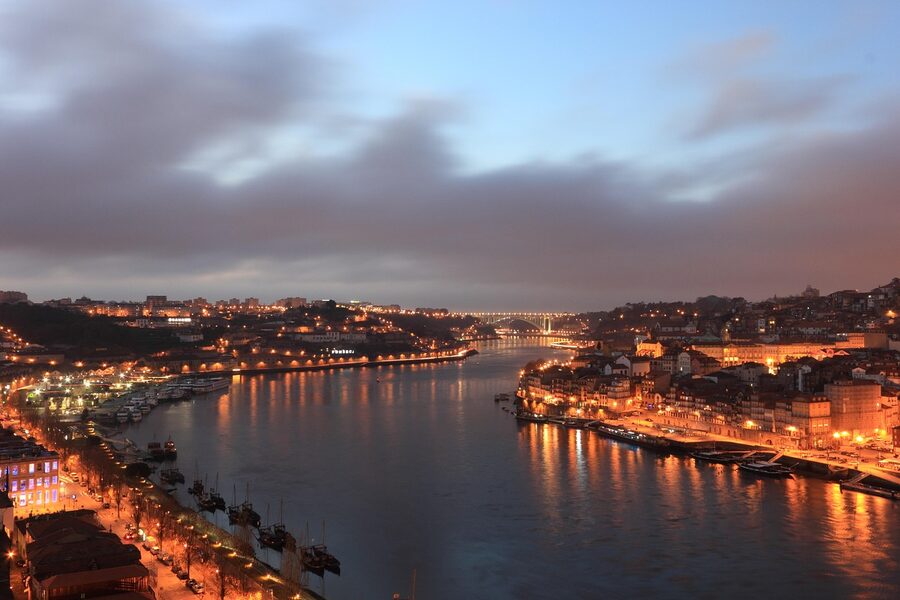
The later slots (8:45 or 9:45pm) are darker outside, and you leave the church into a fully lit-up city. Those sessions tend to fill up faster on Friday and Saturday nights. The 7:30pm slot is the sweet spot in winter, when sunset is already done by 5:30 and the show feels more “after dinner” than “before.”
One quirk: between editions, Spiritus sometimes pauses for a week or two while they swap content. The version I describe here is the third edition (the one that opened in March 2024 and has been running since). Always check the calendar on your booking page before you commit. If the date is greyed out, that’s why.
Where to sit (this matters)
Seating in the church is unreserved. Every pew has roughly the same view, but they don’t all give you the same experience. Three options, depending on what you’re optimising for:
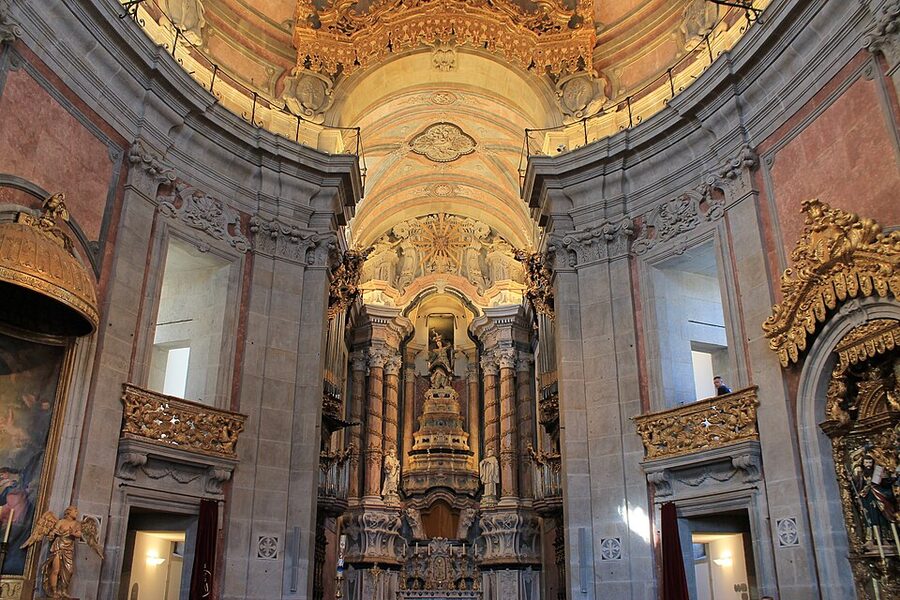
Back-wall pews (recommended for first-timers). The widest field of view of the ceiling, especially the apex of the vault. Sound is slightly quieter here but the acoustics are cleaner because the bass has more room to breathe. The ticket-office staff actually told me to sit at the back when I asked. They were right.
Middle of the nave. A balanced trade between view and sound. You feel the bass more here. The ceiling is still mostly visible above. Good if you’re going twice and want a different angle the second time.
Closer to the altar. The most immersive in terms of sound, since the speakers are weighted toward the front. But you have to crane your neck to see the apex of the vault, and the most intricate ceiling-mapping happens directly above the centre of the church, not at either end. Skip this row unless you came specifically for the audio.
Walk in 15 to 20 minutes early to get the seat you want. The doors open about 15 minutes before each show. Once they close (which is the moment the show starts, sharp), they stay closed. Late arrivals don’t get in. The Spiritus team is strict about this, partly because the entry of the audience is part of the choreography of the room going dark.
Spiritus vs the daytime Clérigos ticket: don’t confuse them
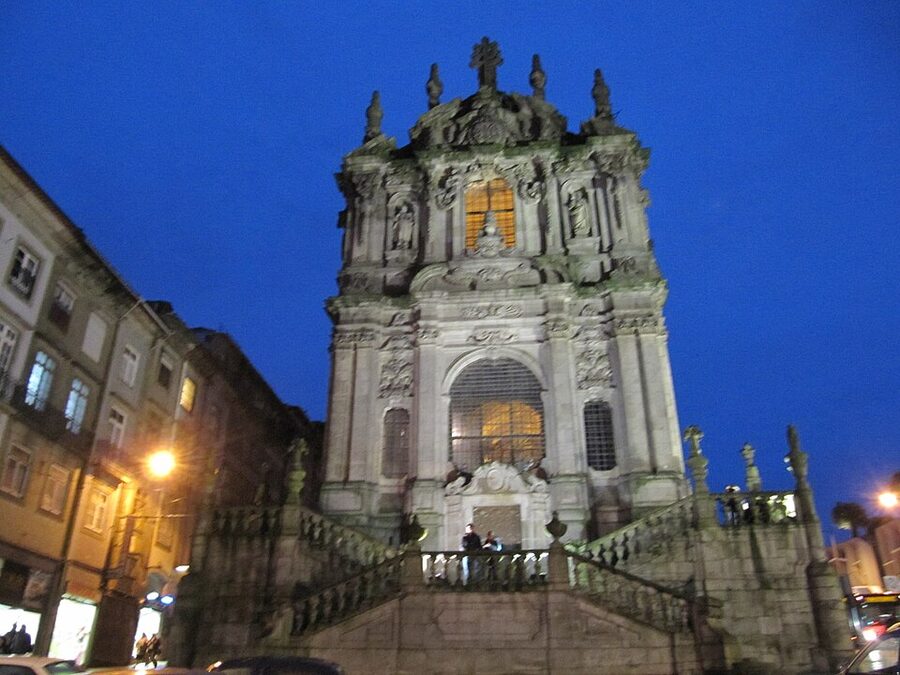
This trips a lot of visitors up. The Igreja dos Clérigos is a baroque church with a 76-metre tower next door, and the same building hosts two completely separate tickets:
- The daytime Clérigos ticket covers the tower climb, the church nave, and the small museum next door. Around 10 euros, sold by the building’s owners (the Brotherhood of Clérigos). Operates 9am to 7pm. Detailed in our Torre dos Clérigos booking guide.
- The Spiritus ticket is just the evening multimedia show. Around 10 euros, sold by OCUBO. Operates 6pm onward.
You can buy both. Many people do. One ticket does not include the other. If you want the tower climb plus Spiritus, you’ll pay roughly 20 euros across two purchases. Some combo packages exist on KKday and Living Tours that bundle them at a small discount, but the savings are usually a euro or two; not life-changing.
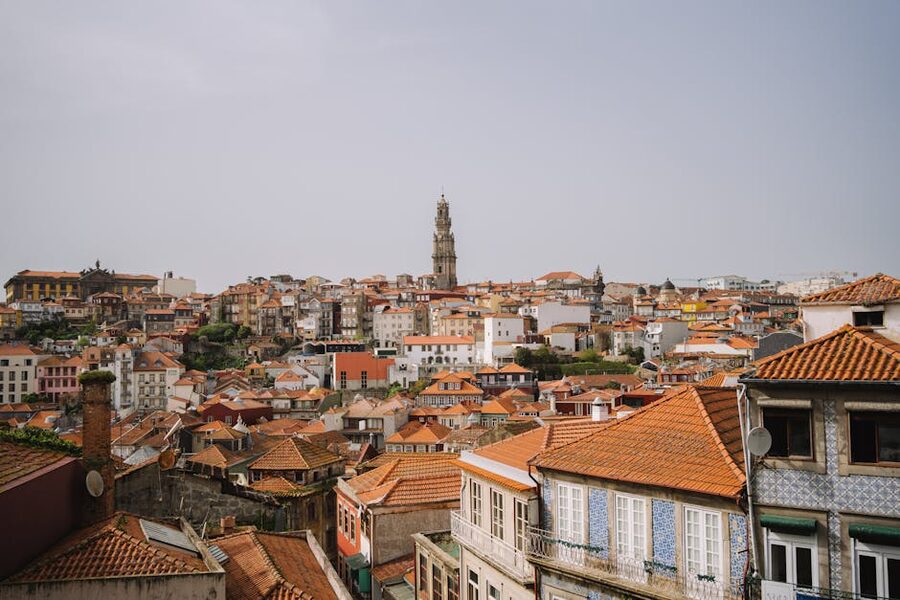
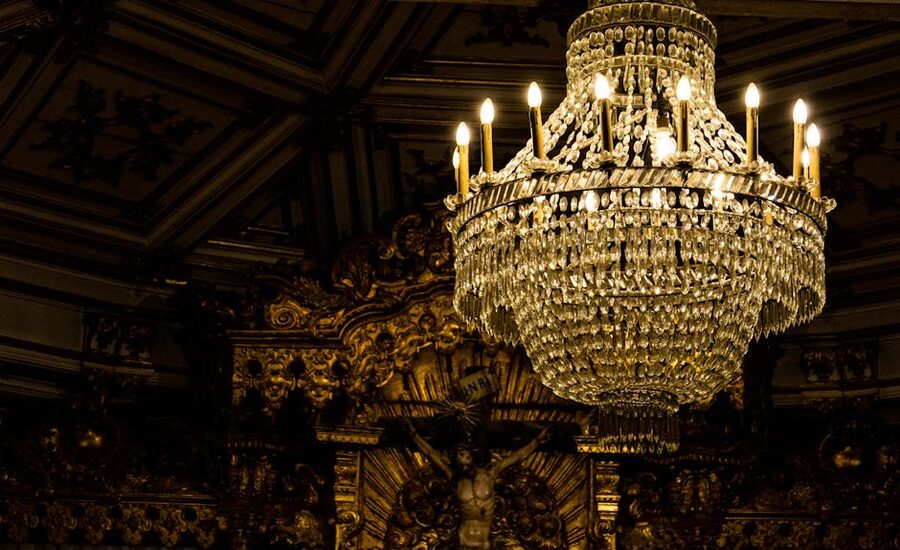
And you don’t have to do them in any particular order. If you want the full experience in one day, the play that worked for me was: tower climb in the late afternoon (the views are best with the low sun), dinner near Aliados, then the 8pm Spiritus session. It made for a long but cohesive evening. Skip the tower entirely if you’ve got mobility issues, and just do Spiritus; the church floor is flat and accessible.
What you actually see during the show
The show is in chapters. You don’t need to know them in advance, but it helps to know the structure if you want to anticipate the rhythm. Roughly:
Roman Cale. Opens with frescoes. Earth tones. A spoken line about settlement, ships, the river. The vault becomes a series of arched stone canopies that move slowly. About four minutes.
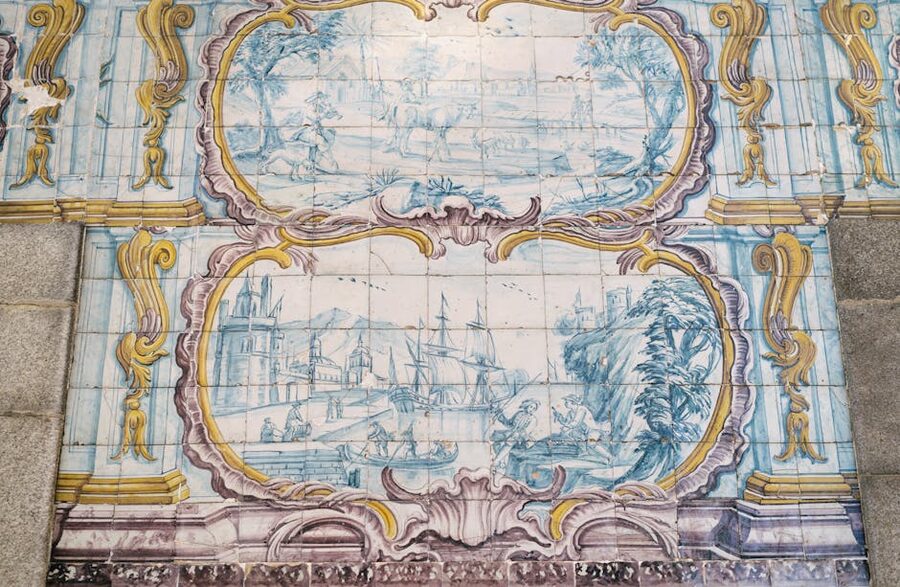
The medieval port and the rise of trade. Maps appear. Letters. The ceiling becomes parchment. The blue-white pattern of azulejo tile starts to climb the walls. Sound shifts from drone to a more rhythmic percussion. Six minutes or so, the longest middle section.
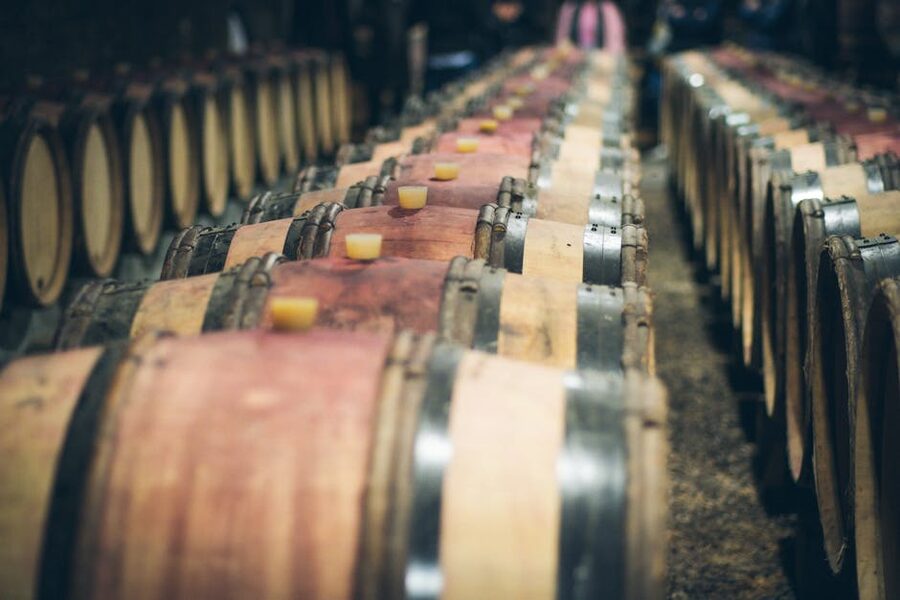
Port-wine years. The dominant chapter, and the one that gives the show its strongest visual hook. The whole nave goes deep red. Wooden barrels rotate around the columns. The smell isn’t real but you’d swear it was. This was my favourite stretch.
Age of Discovery. The most dramatic stretch in terms of imagery. Caravels. The Atlantic at night. Star charts. A line about leaving and returning. The light shifts to deep blue and silver. Three to four minutes.
Fado. Slows everything down. A solo voice in Portuguese over a single Portuguese guitar. The vault narrows visually to a single point of light. Two minutes. A breather.
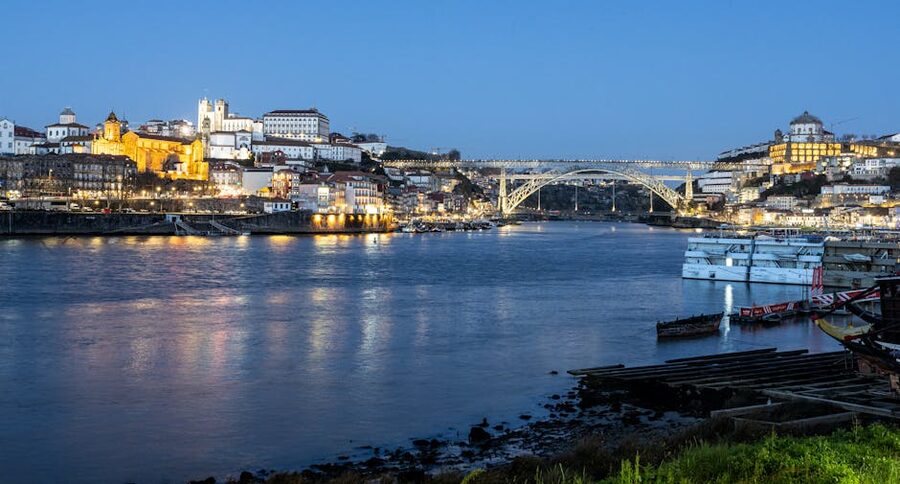
Modern Porto. The Dom Luís bridge. The lit-up rooftops. The Ribeira at night. Faster cuts, brighter colour, more recognisable Porto. About five minutes, and you finish on a held image of the city skyline before the lights come up.
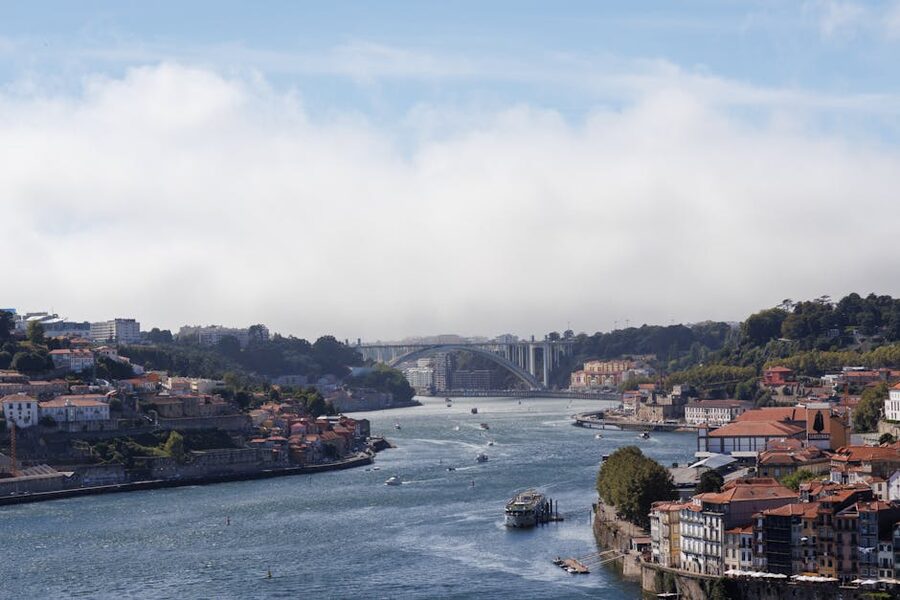
The total runtime is about 30 minutes. Some sources say 35; I timed mine at 31 from doors-closing to lights-up.
Who it’s actually for (and who to skip it for)
Honest take: Spiritus is one of the better-value evening activities in Porto for the price. But it’s not for everyone. A few things to know.
Skip it if: you have small kids under six. The volume and flashing lights are a lot, and the show isn’t really designed for them. There’s no break, no pause button, and the doors stay closed for the duration. I sat next to a child at one session who had a hard time with the bass. Not the family-friendly choice.
Skip it if: you’re sensitive to strobe-style flashing. The Age of Discovery and the modern-Porto sections both have rapid-cut sequences that can be uncomfortable for migraine-prone people.
Worth it if: you’ve already done the standard Porto checklist (Ribeira, Lello, Gaia cellars, a tuk-tuk loop) and want one more thing in the evening that feels different. Most of the daytime stuff in Porto is basically “look at the building.” Spiritus is the only one that uses the building as the medium.
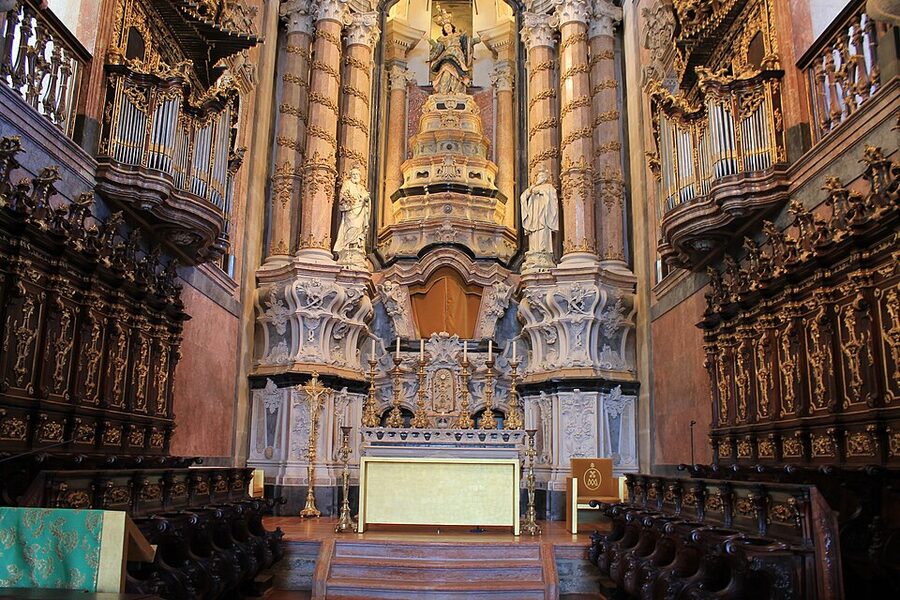
Worth it if: you’ve come to Porto for evening culture more broadly. Pair it with a fado dinner the same week and you’ve got a coherent two-night arc. The Spiritus fado section is short on its own; a real fado house gives you the full version.
If you’ve already booked a multi-day pass like the Porto Card, it’s worth checking for partner discounts at the ticket office. The card hasn’t always covered Spiritus, but it has at points; the staff will tell you yes or no in 30 seconds.
The tours I’d actually recommend
The pool is small. There aren’t dozens of Spiritus listings to compare. There are roughly three, and they all sell the same show. Differences come down to which marketplace you trust and which is easiest to refund. Here’s my ranking.
1. Porto: Spiritus Multimedia Show Entry Ticket: $11
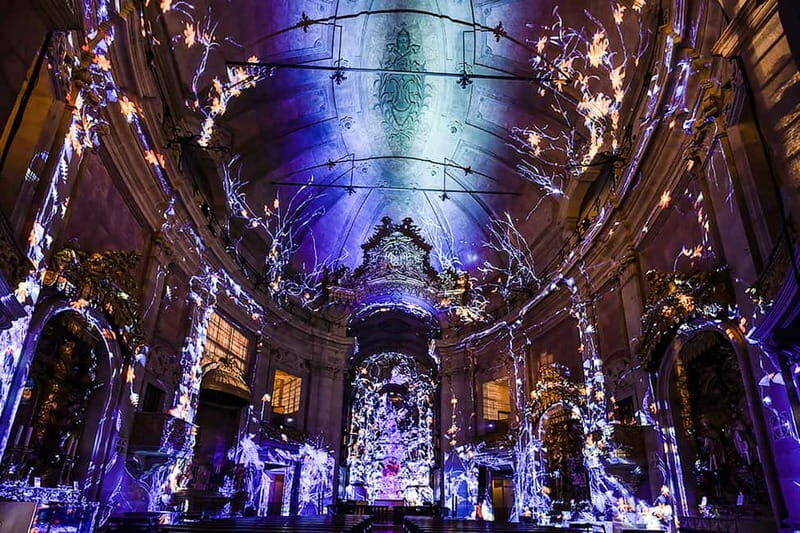
This is the listing that does the lion’s share of bookings, and it’s where I’d send anyone deciding tonight. Free cancellation up to 24 hours. Our full review covers a few details about the seating logistics that didn’t fit here. If your night isn’t on this calendar, try the next one.
2. Spiritus Multimedia Show Admission Ticket: $11

If the first listing shows your date as sold out, check this one before assuming Spiritus is full. I’ve watched it pop back online with availability when the entry-ticket version was greyed out for the same evening, and our admission ticket review notes this happens fairly regularly. Same cancellation terms as the first.
3. Spiritus Videomapping Show at Clérigos (Viator): $12
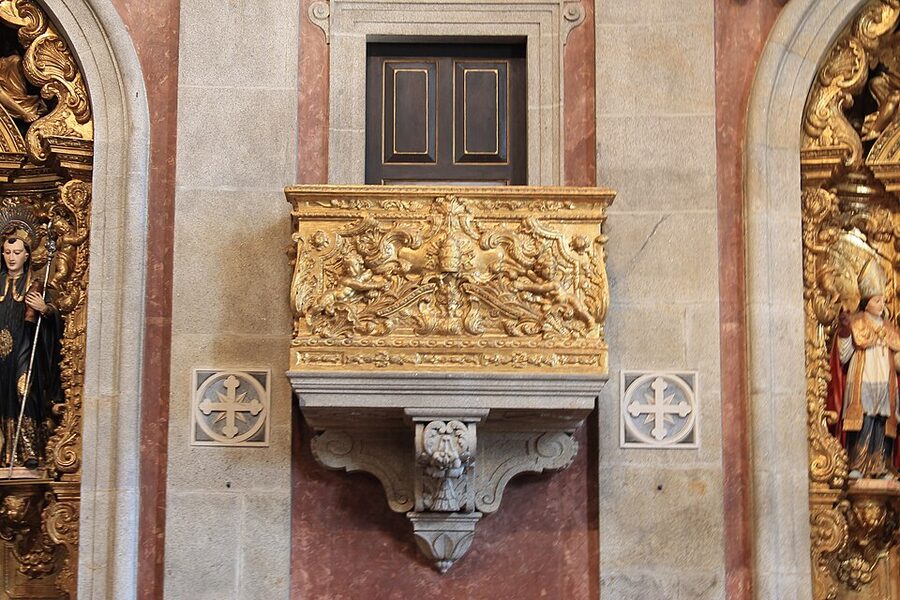
Worth knowing this exists if you’ve been bundling all your Porto activities under Viator already. The Viator listing uses slightly different language (“videomapping” instead of “multimedia show”), but the content and venue are the same. Pick this if everything else in your trip is on Viator anyway.
Practical things to know on the night
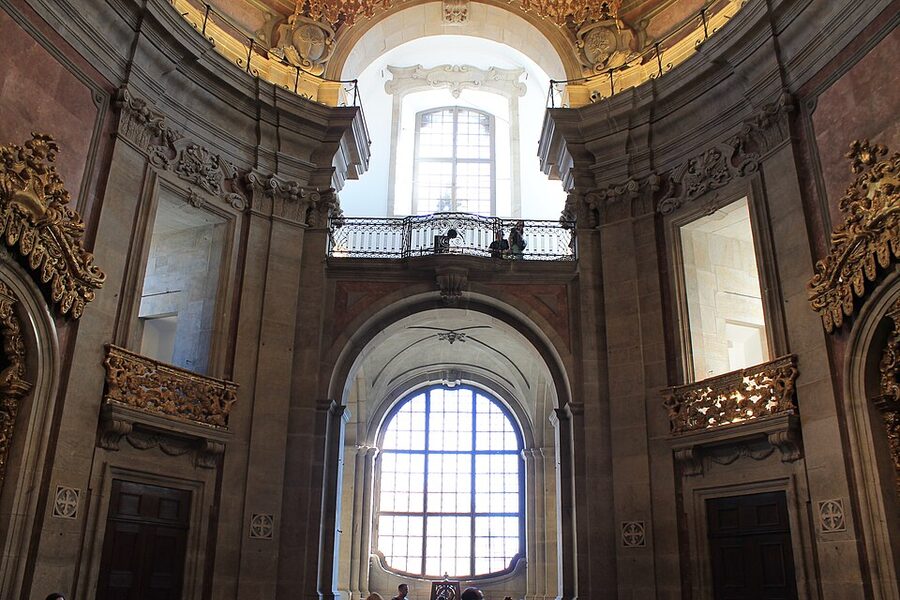
- Entrance. The Spiritus entry is the side door of the church (Rua de São Filipe de Néri side), not the main facade. Look for a small wooden sandwich board with the Spiritus logo. The staff hover near it from about 5:45pm.
- Bag rules. Small bags fine. No big rucksacks; you’ll be asked to leave them outside. There’s no formal cloakroom, just a low shelf inside the door.
- Photos. Allowed during the show. No flash. Your phone won’t capture it well in the dark anyway; I’d put it down and watch.
- Wheelchair access. The church floor is flat, with one small step at the side door. Spiritus staff will help. The pews can’t be moved, but you can park a wheelchair at the back where the view of the vault is best anyway.
- Toilets. Inside the building, before you sit down. Use them; once the doors close they stay closed.
- Language. The narration is sparse: about four short lines spoken in Portuguese first, then English, total. The bulk of the show is visual and musical. You don’t need either language to follow it.
What to do before and after
An evening Spiritus session anchors a half-day in central Porto well. Here’s how I’d arrange it.
Late afternoon, 4 to 6pm. Climb the Torre dos Clérigos while the sun is still high. The 240-step climb takes 15 minutes up and 10 down, and the views west toward the Atlantic at this hour are the city’s best. If a tower climb sounds awful (it’s a tight spiral), do an e-bike loop instead. The standard 3-hour route covers Ribeira, the Dom Luís bridge crossing, and Foz at the river mouth, and it gets you back to centre by 6:30pm comfortably.
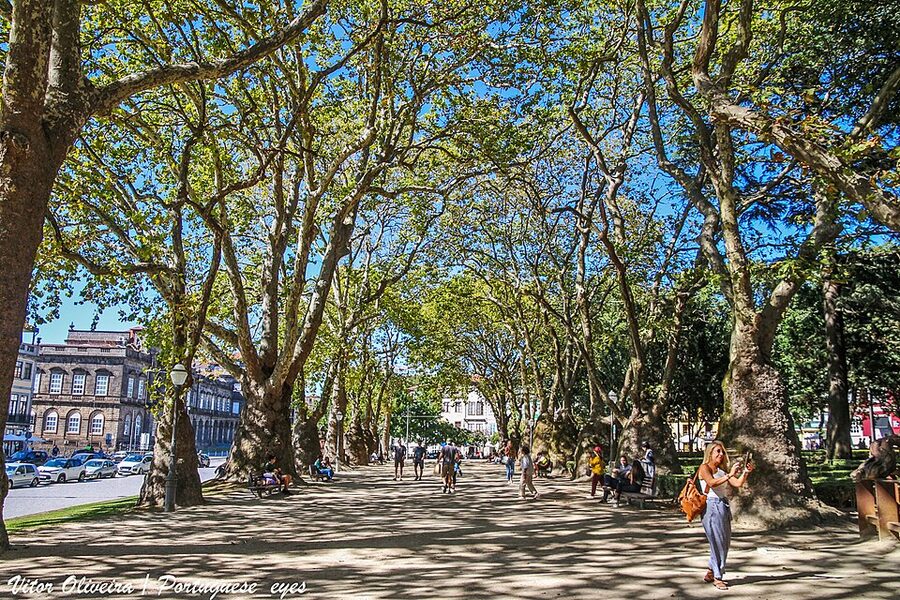
Dinner, 6:30 to 8pm. Pick something around Aliados or Cordoaria. You want to be no more than a 10-minute walk from the church. Avoid the touristy spots directly under the tower; one block north or east is much better value. Most local kitchens are still seating at 7:30, and you don’t want to be rushing.
Spiritus, 8 or 8:45pm. Either works. The 8:45 is darker outside when you exit, which feels more theatrical. The 8pm leaves you more evening to play with afterwards.
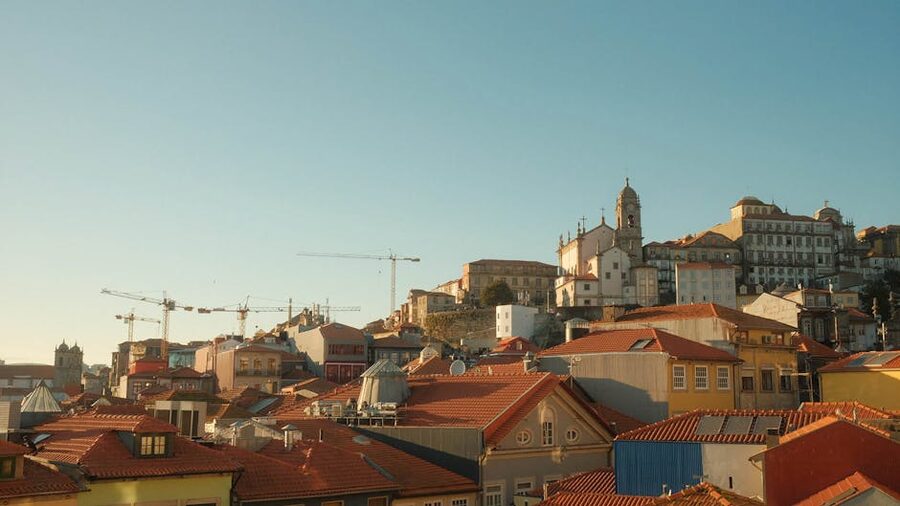
After the show, 9pm onward. Walk down Rua das Carmelitas to Praça da Liberdade, then on to the Ribeira waterfront for a port at one of the river-facing bars. The lights on the bridge are at full brightness by 9:30, and the contrast with what you’ve just watched on the church ceiling is the whole point.
Other Porto guides worth a look
If Spiritus is part of a bigger Porto plan, the daytime Clérigos ticket is the obvious pairing for the same building, and a fado evening picks up where Spiritus’s short fado section leaves off. For longer days, the Douro Valley day trip is the city’s other classic, and the new e-bike tour is a good way to cover central Porto in three hours without the hill problem.