
Loro Parque started in 1972 as a private aviary with about 150 parrots and a vague plan to entertain a few thousand holidaymakers in north Tenerife. Today it holds the world’s largest reserve collection of parrots (over 4,000 birds across 350 species), runs orca and dolphin shows out of one of the most modern marine facilities in Europe, and has been voted the best zoo on the planet on TripAdvisor for several years running. The catch is that almost everyone staying in Tenerife is in the south, and Loro Parque sits two hours’ drive away in Puerto de la Cruz, so booking is mostly about which transfer or combo to pick rather than picking a ticket type.
In a hurry? Here are the three Loro Parque tickets I’d actually book.
- Standard one-day entry, around $52: the flagship ticket if you’re already staying in or driving to Puerto de la Cruz. Check availability.
- Loro Parque + Siam Park twin ticket, around $92: the same group runs both parks, and the combo saves you a fair chunk over buying separately. Check availability.
- South Tenerife transfer + entry, around $75: if you’re staying in Costa Adeje, Las Americas or Los Cristianos and don’t want to deal with the drive, this is the easiest option. Check availability.
- What Loro Parque actually is (and why it doesn’t feel like a normal zoo)
- The four shows, in the order I’d pick them
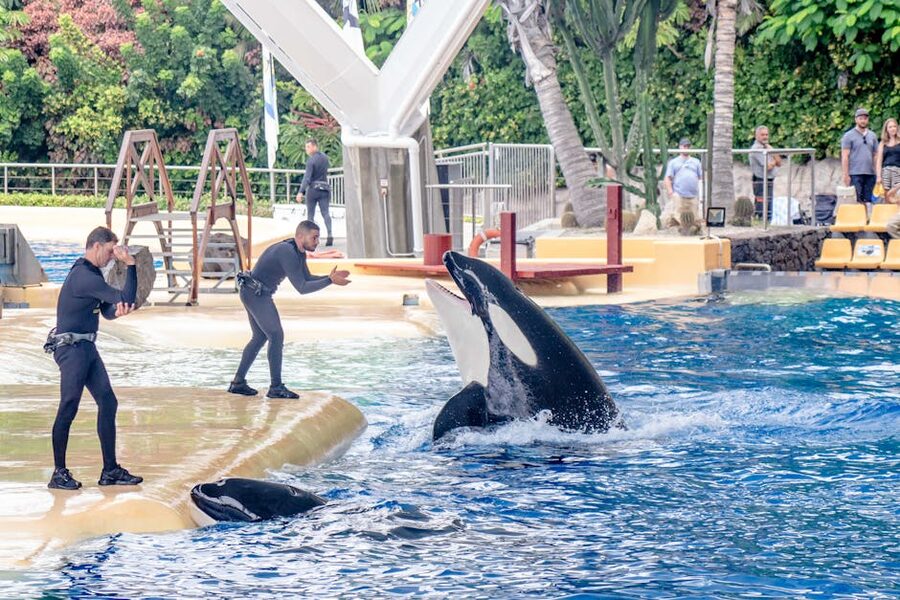
- Orca Ocean (the splash one)
- Dolphin show
- Sea lion show (the comedy one)
- Parrot show (the original act)
- How to actually book Loro Parque tickets
- Tour picks
- 1. Loro Parque Entry Ticket:
- 2. Loro Parque + Siam Park Twin Ticket:
- 3. Loro Parque Entry + South Tenerife Hotel Transfers:
- Getting to Puerto de la Cruz from the south
- The penguinarium and aquarium (don’t miss these)
- Gorillas, tigers, and the rest of the land animals
- Tickets, prices, and the small print
- How long to spend, and the perfect day plan
- What to bring, what to skip
- The conservation angle (genuinely interesting)
- Where to eat (inside and just outside)
- When to go, when to skip
- If you’re booking the trip itself
- More Spain Guides
What Loro Parque actually is (and why it doesn’t feel like a normal zoo)
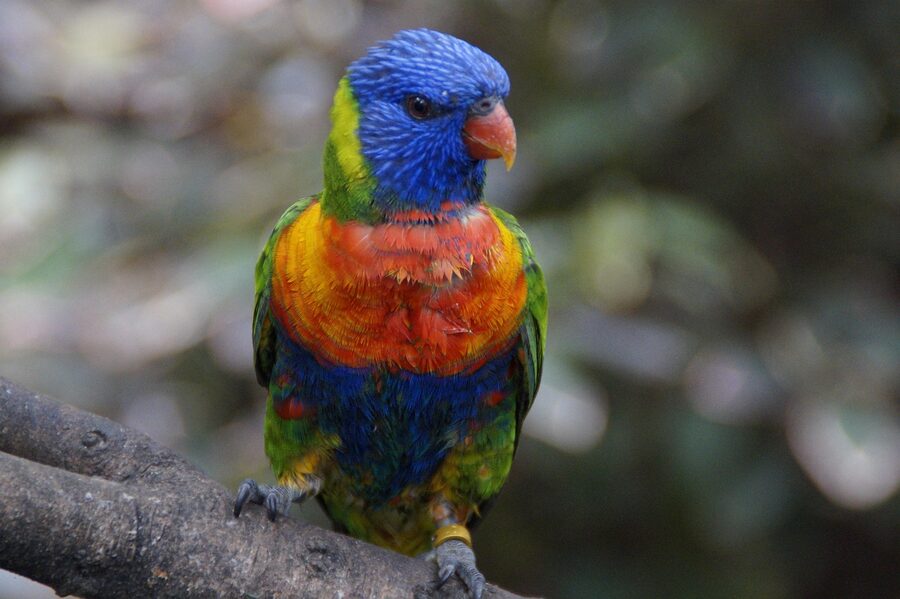
The name translates to “Parrot Park” and the parrots really are the founding act. Wolfgang Kiessling opened it on 17 December 1972 with about 150 birds in a coastal banana plantation and the explicit goal of building the world’s largest collection of psittacines. He pulled it off. The current count is over 4,000 birds across 350 species, kept in a mix of public aviaries and a closed reserve where breeding happens. The Loro Parque Foundation has hatched dozens of species in captivity that are critically endangered or already extinct in the wild, including the Spix’s macaw.
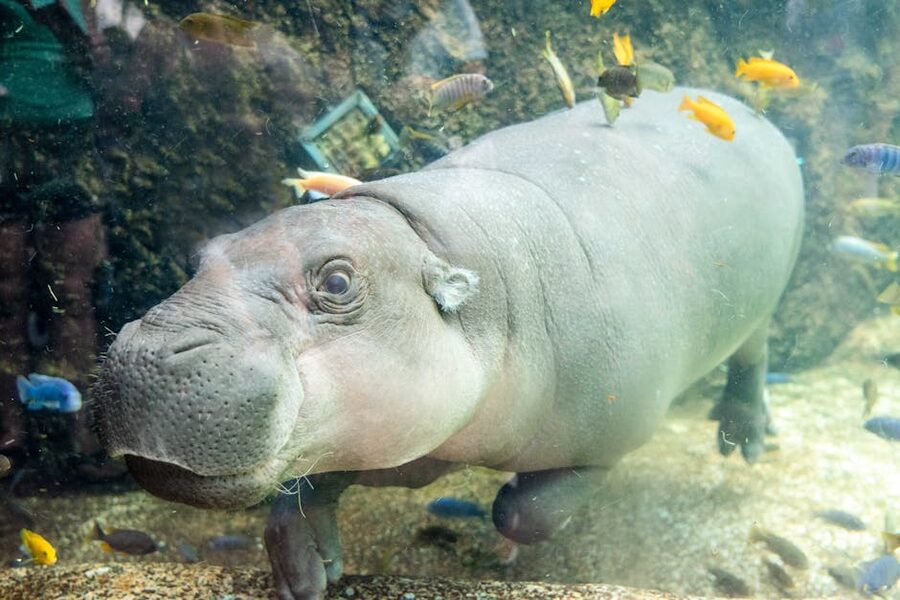
The bit that surprises first-timers is how big the rest of it has become. Orcas, bottlenose dolphins, sea lions, gorillas, chimpanzees, Sumatran and Bengal tigers, jaguars, alligators, sharks, manatees, hippos, koi, jellyfish, and a penguinarium that bills itself as the largest in the world. It’s a zoo, an aquarium, a botanical garden, and a marine show park stacked into 13 hectares right on the Atlantic. You can tell most of the budget has gone into the marine side. The orca facility alone (Orca Ocean) holds 22 million litres of seawater pumped fresh from the bay.
The other thing worth knowing up front: it’s not cheap. Standard adult entry is around the $52 mark online, child tickets sit around $35, and food and drink inside is priced like a theme park. Compared to a free hike up to Mount Teide or a beach-hopping boat trip in Ibiza, you’re paying real money for one day. I think it’s worth it. But go in with a plan so you actually get the value.
The four shows, in the order I’d pick them
The show schedule is the spine of the whole day. You can’t see all four in a row, they’re spread across different amphitheatres, and a couple of them clash if you don’t read the timings. Plan around them, then fit the animal walks in between.
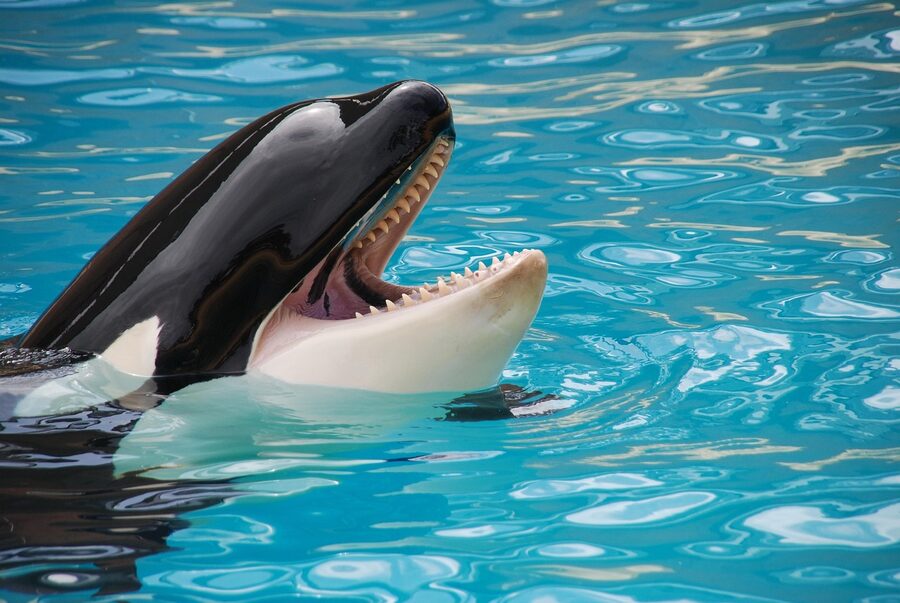
Orca Ocean (the splash one)
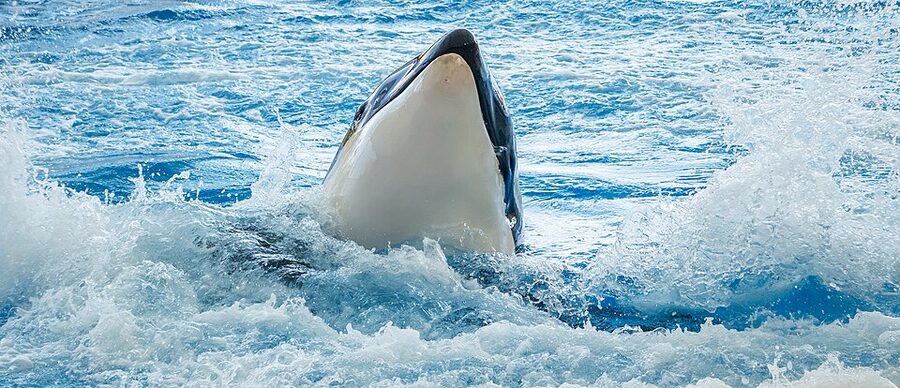
The orca show runs twice a day, usually around 11:45 and 15:15. It’s the most popular thing in the park by a long way. The amphitheatre fills 30 minutes before showtime in summer, and the doors close once the seats are gone. Be sitting (not queuing) by 11:15 if you want a guaranteed spot for the morning slot.
Two practical things. First, the front rows are a soaking zone. Not a “you might get a few drops” zone. A proper “your underwear will be wet” zone, because the orcas weigh several tonnes each and they hit the water hard. Sit in row eight or higher unless you’ve come specifically to get drenched. They sell €3 plastic ponchos by the entrance if you want to risk it. Second, the show is in Spanish. There’s an English voiceover on a small earpiece, but most of it is visual anyway, so it doesn’t really matter.
Dolphin show
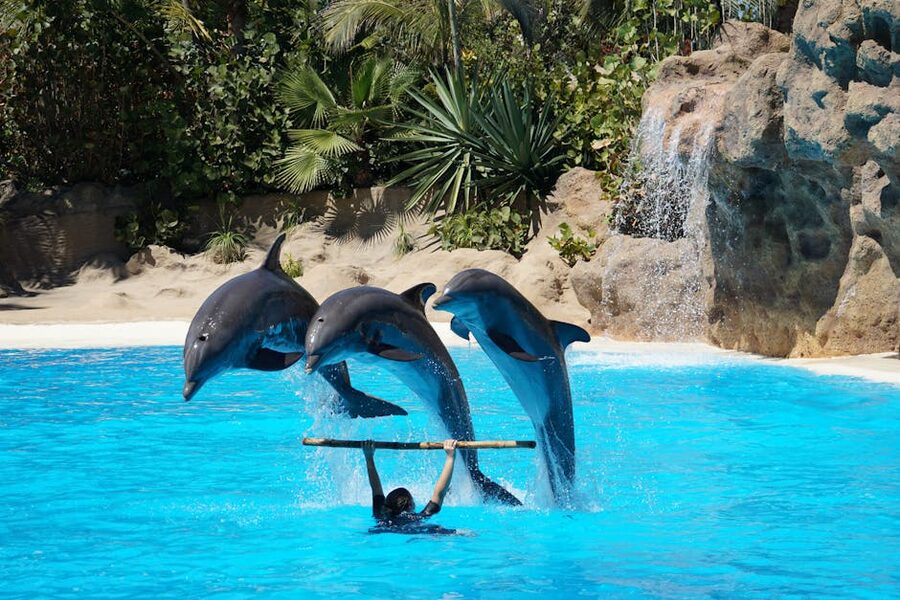
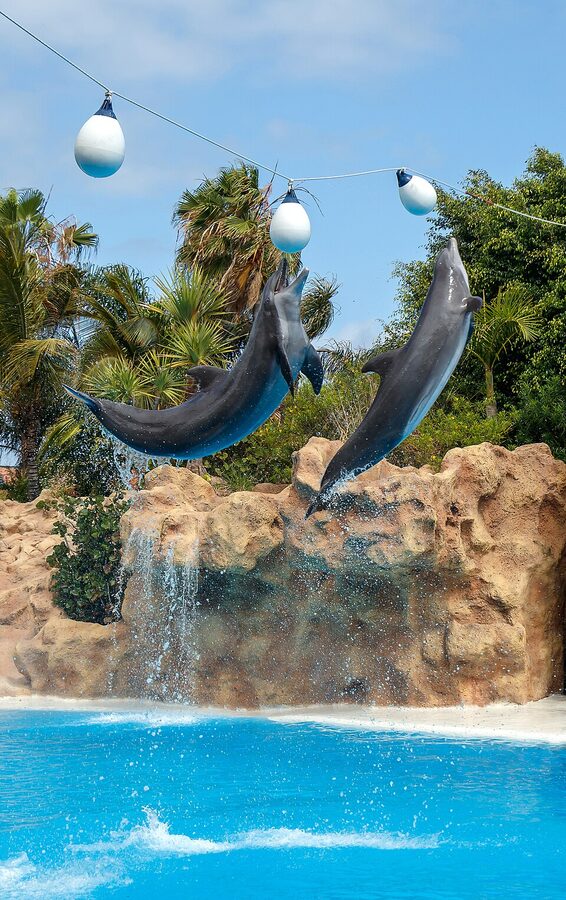
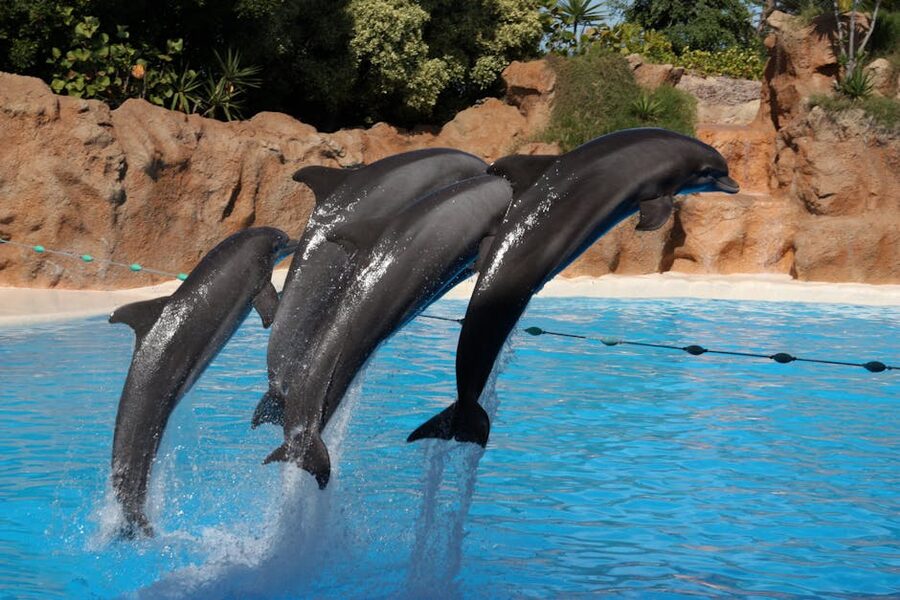
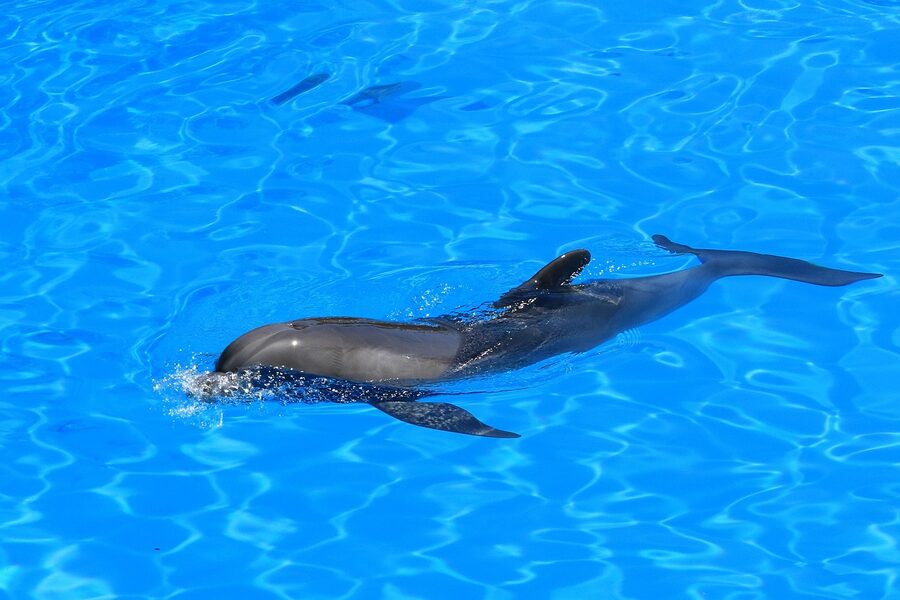
The dolphin show is gentler and more about choreography than orca-style power. It runs three times a day (roughly 11:15, 13:00 and 16:15) and the amphitheatre is right next to Orca Ocean, which makes it easy to do back-to-back if your timings line up. I’d actually pick the 16:15 if you can. It’s the least crowded slot, and the late-afternoon light over the pool is a different look. Reviews of the combined Loro and Siam ticket often mention the dolphin show as the surprise highlight, ahead of the orcas.
Sea lion show (the comedy one)
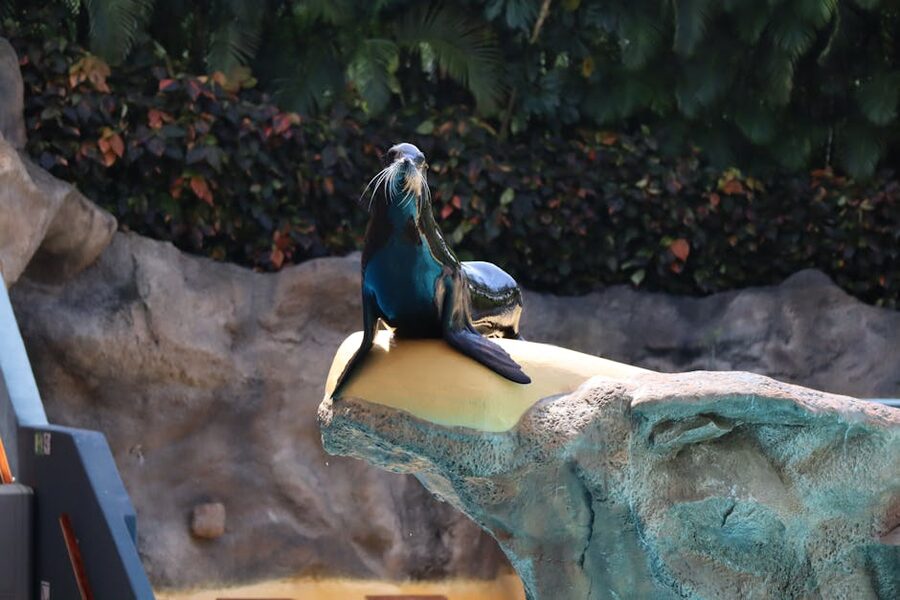
Don’t skip this one. It runs four or five times a day and most people treat it as a fill-in between the bigger shows, but the sea lions are genuinely funny. There’s a running gag with the trainers about a missing fish and the lions pretend to refuse, sulk, then steal one off-stage. My nephew laughed harder at this than at anything else in the park.
Parrot show (the original act)
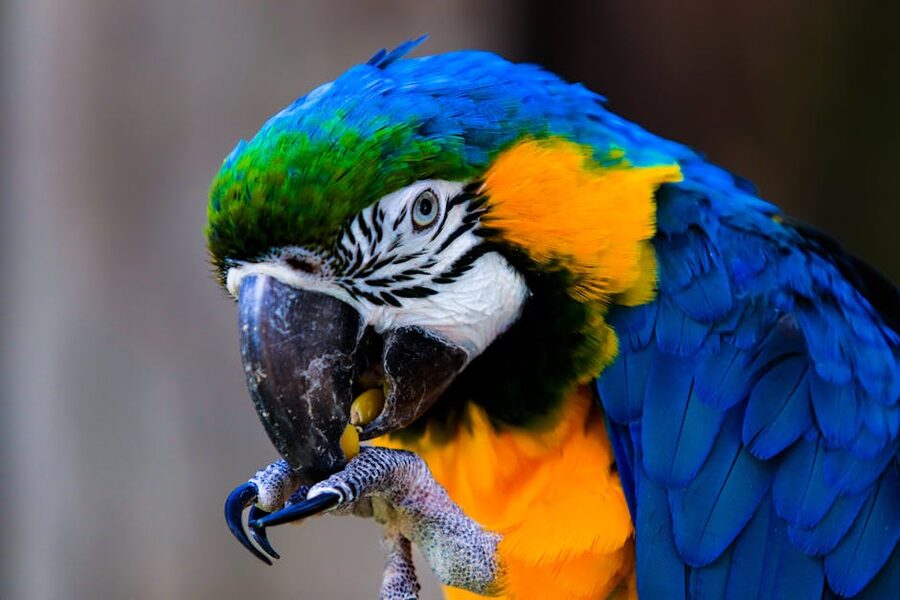
This is the one that started the park and it’s been on the same stage since 1972. It runs five times a day. The script is silly (parrots count, parrots steal hats, parrots ride bicycles) but the finale where dozens of macaws fly directly over your head is genuinely stunning. Sit in the first six rows. Anywhere further back and the birds are too small to see clearly.
How to actually book Loro Parque tickets
Here’s the bit that confuses first-time visitors. There are five-ish ways to buy a ticket and they cost roughly the same. The choice is mostly about logistics, not price.
The official Loro Parque website sells the standard one-day ticket plus a few packages. Adult is around €38 if you book a date 7+ days out, child €27. The site also sells multi-day tickets that I’d skip; they’re roughly twice the single-day price and the park’s own returnee ticket (sold inside the gate, on the day) costs about a third of a normal ticket and is valid for two weeks. Buy one entry online for arrival day, then if you’re enjoying it grab a returnee ticket on your way out.
GetYourGuide and Viator sell the same one-day entry for about the same price (sometimes a euro or two more, sometimes less, depending on the day). The advantage is free cancellation up to 24 hours before, which the official site doesn’t offer. Our full review of the standard entry ticket covers the booking flow and what to expect at the QR-scan gate. Pick whichever option has the cheapest cancellation terms for your trip.
Twin tickets with Siam Park. The same group owns both parks, and they sell a combined ticket valid for 14 days. It’s around $92 versus roughly $52 + $52 if you buy separately, so the saving is real. You don’t have to use both on the same day, you don’t have to use them on consecutive days, and you can book them on different visits. The combined admission ticket is the highest-value option if you’re staying long enough to do both, which most people on a week’s holiday are. If you’re already planning Siam Park as a separate day, just buy the combo from the start.
South Tenerife packages with transfer. This is the most-booked option for anyone staying in Playa de las Americas, Costa Adeje or Los Cristianos. The drive from south to Puerto de la Cruz is about 90 minutes each way on the TF-1 and TF-5, and parking at the park is fine but not free. A package with hotel pickup costs around $75 and includes return coach transfers plus the entry ticket. Our south Tenerife transfer review covers the pickup logistics; expect a 2-2.5 hour total transfer time door to gate, which is worth it if you don’t fancy driving.
Tour picks
1. Loro Parque Entry Ticket: $52
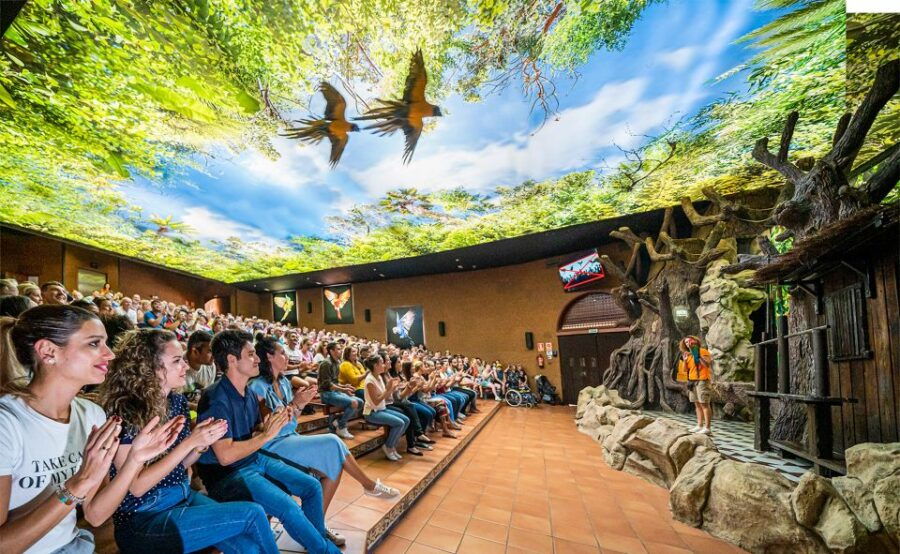
The flagship pick if you’ve got transport sorted (rental car, staying in Puerto de la Cruz, or doing the public bus from a north coast hotel). Our full review walks through the QR-gate process and the show timings. Free cancellation up to 24 hours before is the reason to book through GetYourGuide rather than the official site.
2. Loro Parque + Siam Park Twin Ticket: $92
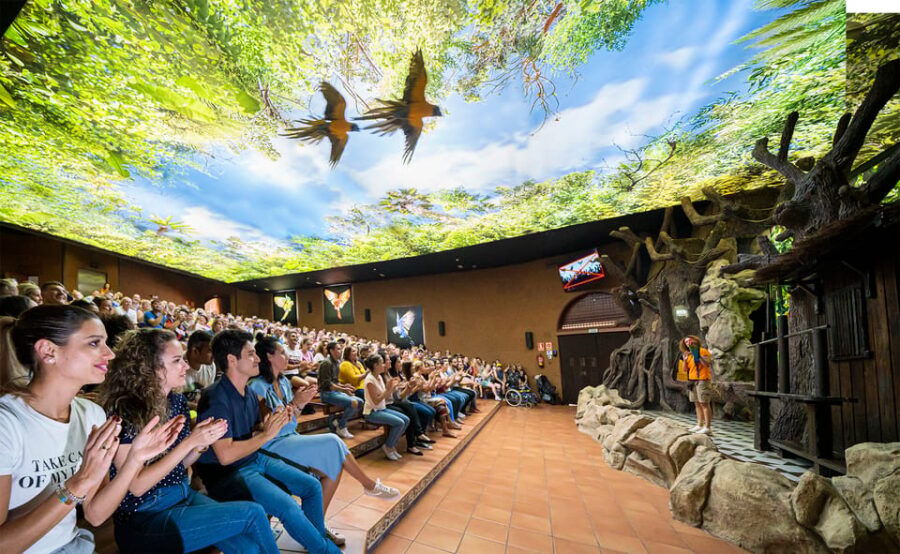
The combo is the one I’d pick if you’re in Tenerife for five days or more and staying anywhere on the island. It saves around 12% versus buying both separately, and the 14-day window means you can split them however you like. Our combined ticket review details how the QR codes work for each park.
3. Loro Parque Entry + South Tenerife Hotel Transfers: $75
If you’re south and don’t want to drive, this is the answer. Coach picks up from a long list of south-coast hotels, runs the TF-1/TF-5 to Puerto de la Cruz, drops you at the park gate and brings you back. The full review has the pickup point list and the timing, which matters because the return coach won’t wait if you’re late.
Getting to Puerto de la Cruz from the south
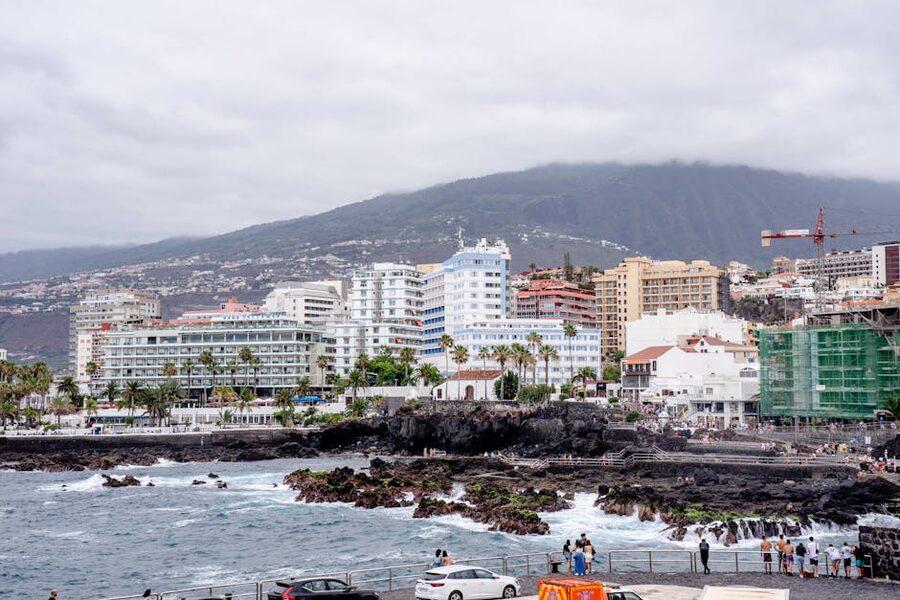
This is the part that catches people out. Loro Parque is in Puerto de la Cruz, on the north coast. Most Tenerife holidaymakers stay in Playa de las Americas, Costa Adeje, or Los Cristianos on the south coast. There’s a whole island in between.
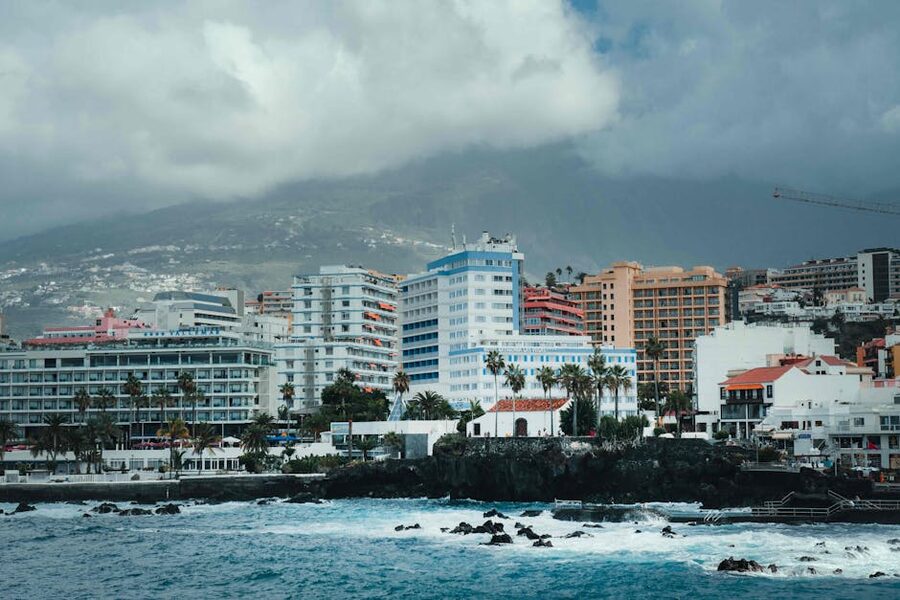
Driving. Take the TF-1 motorway south to north until it merges into the TF-5, then exit at Puerto de la Cruz. It’s roughly 90 minutes from Costa Adeje and 75 minutes from Los Cristianos, longer if you hit morning traffic into Santa Cruz around 8:30 am. Park in the dedicated Loro Parque car park (around €5 a day). The smaller overflow lot fills up first.
The TITSA bus. Public bus 343 runs direct from Costa Adeje to Puerto de la Cruz five times a day, takes about 90 minutes, and costs around €13 each way with a contactless card. From there you can take the free yellow Loro Express train (every 20 minutes from Plaza Reyes Catolicos) right to the park gate. It’s cheaper than a transfer package, but adds an hour each way and you’re tied to the bus timetable, which can be frustrating after a full day with kids.
The package transfer. Coach picks you up from your hotel between roughly 8:30 and 9:30, runs north on the motorway, drops you at the gate around 11, picks you up at 17:00, gets you back around 19:00. Around $75 including the entry ticket. This is what most first-time visitors do, and our south transfer review notes that the limiting factor is the fixed coach timing; you can’t extend your stay by an hour, and if you miss the return you’re paying for a taxi back.
If you’re already in Puerto de la Cruz staying at a north coast hotel, you don’t need any of this. The free Loro Express train runs from the town centre to the park every 20 minutes from 9:30 to 16:30. Walk if your hotel is near the seafront; it’s about 25 minutes from the centre.
The penguinarium and aquarium (don’t miss these)
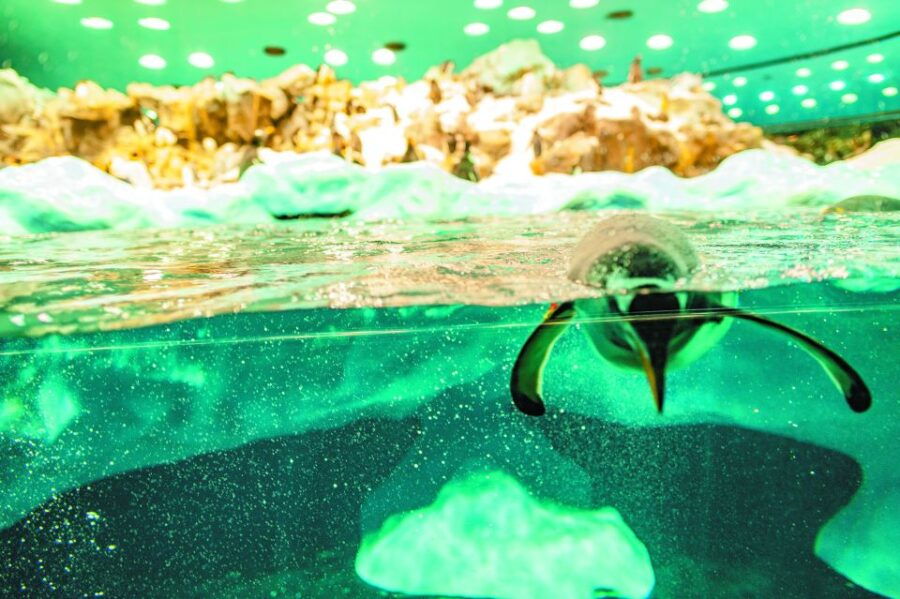
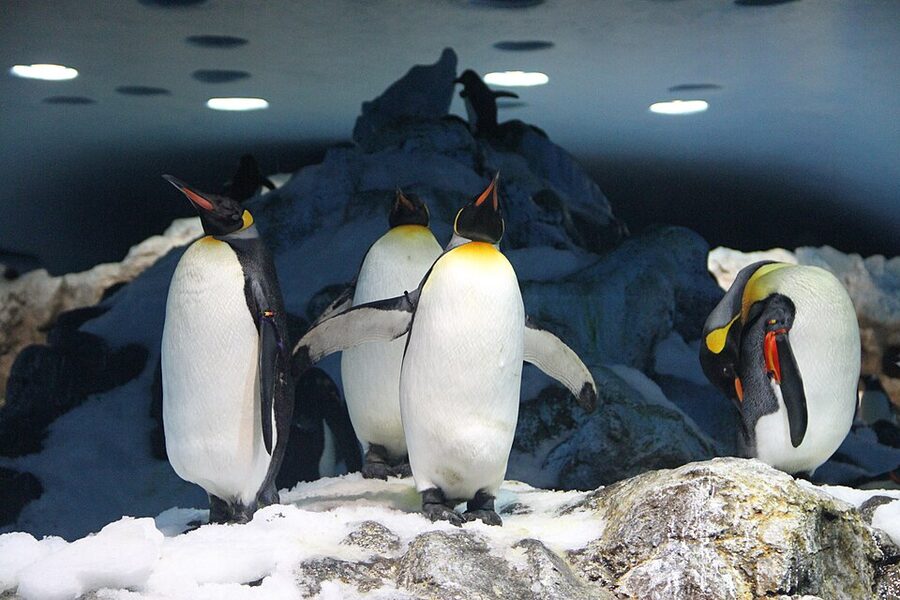
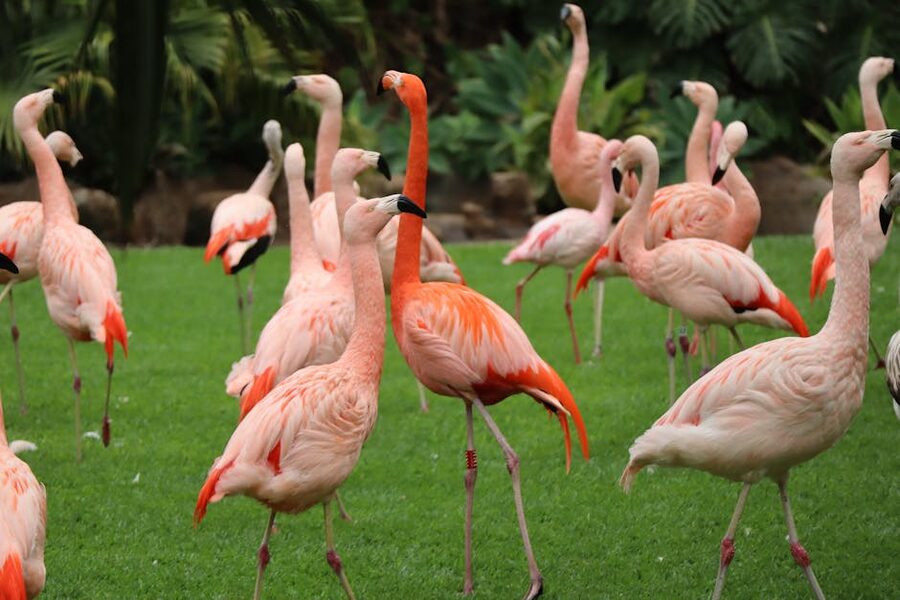
Most people show up for the orcas and treat the rest as filler. That’s a mistake. The Planet of Penguins is the largest penguin facility in the world by floor area, holds King, Gentoo, Macaroni, Rockhopper and Chinstrap penguins, and works on a moving walkway system so you don’t have to wait for someone in front to budge. The interior is kept at -2°C with simulated Antarctic snowfall every 30 minutes, and it’s a proper relief on a hot day.
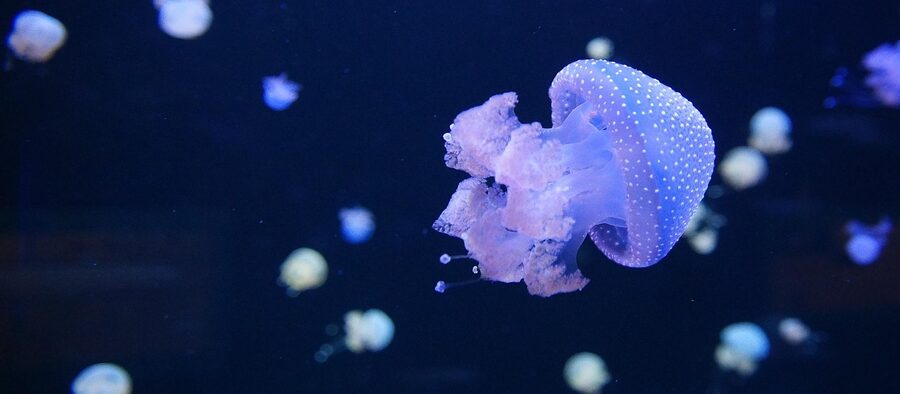
The aquarium runs along the same spine. There’s a shark tunnel, a manatee pool you can watch underwater, and a jellyfish room that doesn’t get crowded because most of the families have stampeded to the orcas already. The jellyfish section is genuinely beautiful in a quiet, almost-meditative way. Go right after a show when the rest of the park is empty.
Gorillas, tigers, and the rest of the land animals
The land-mammal sections are the part that feels most like a traditional zoo. There’s a gorilla family, a chimpanzee troop, white Bengal and Sumatran tigers, jaguars, alligators, Galapagos tortoises, meerkats, and red pandas. The enclosures are big by European standards, particularly the gorilla island, which is set up so the animals can choose to be hidden or visible.


One thing worth flagging. The tiger enclosure is divided into two and the tigers rotate between them every couple of days, so depending on when you visit, one half is empty. Don’t waste 20 minutes searching the empty side. If you see no tigers in the first viewing window, walk to the next one before assuming you’ve missed them. If you’re into animal-focused experiences elsewhere in Spain, the Andalusian horse show in Jerez is a similar standard of training and choreography on the equine side, and the Valencia Oceanografic is the obvious comparison for the marine half.
Tickets, prices, and the small print
Here’s the bit nobody puts on the front page.
Standard prices. Adult one-day around €38-€42 official, $52 on GetYourGuide. Child (6-11) around €27 official, $35 GetYourGuide. Under 6s free. The GetYourGuide markup is small and you get free cancellation, which the official site doesn’t.
Annual passes exist (Twin Pass for both parks runs around €185 adult) and pay for themselves on visit three. If you’re a resident or seasonal visitor, that’s the route. If you’re a one-week tourist, ignore it.
Returnee tickets. The single best-value secret. Buy your standard ticket online, use it on day one, then on your way out of the park grab a returnee ticket at the customer service window. It costs roughly a third of a regular ticket and is valid for two weeks. Two days at Loro Parque is genuinely doable, and a lot of people end up wanting more time after the first visit.
Discounts. Tenerife residents get around 30% off with proof of residence. Disability cards get reduced rates. Under 6s free as mentioned. There aren’t really student or senior discounts the way some European attractions have.
Skip-the-line. There’s no separate fast-track ticket because everyone with a printed or digital ticket walks through the dedicated lane. The booth queue is for people buying on the day, and that’s the queue you want to skip. Buy online, any source, and you skip it. Compare this with the Barcelona Aquarium where skip-the-line is a separate paid upgrade; at Loro Parque the basic online ticket already does the job.
How long to spend, and the perfect day plan
One day is the minimum. Two days is the comfortable amount. I’ve been with people who tried to do it in four hours and felt cheated; I’ve been with people who did two full days and still missed the parrot show. Here’s the plan I’d run if you’ve got a single day.
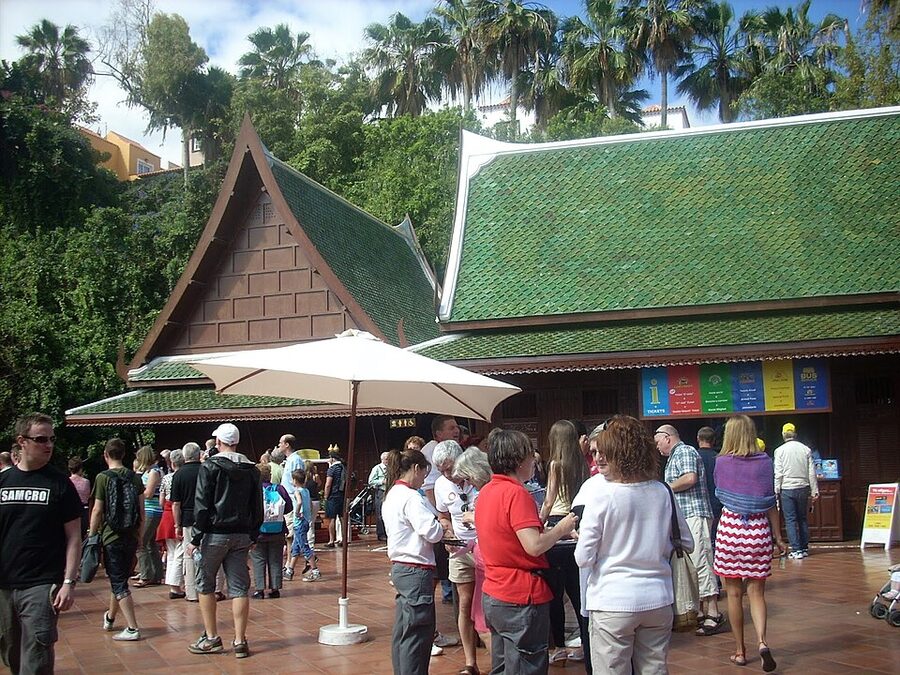
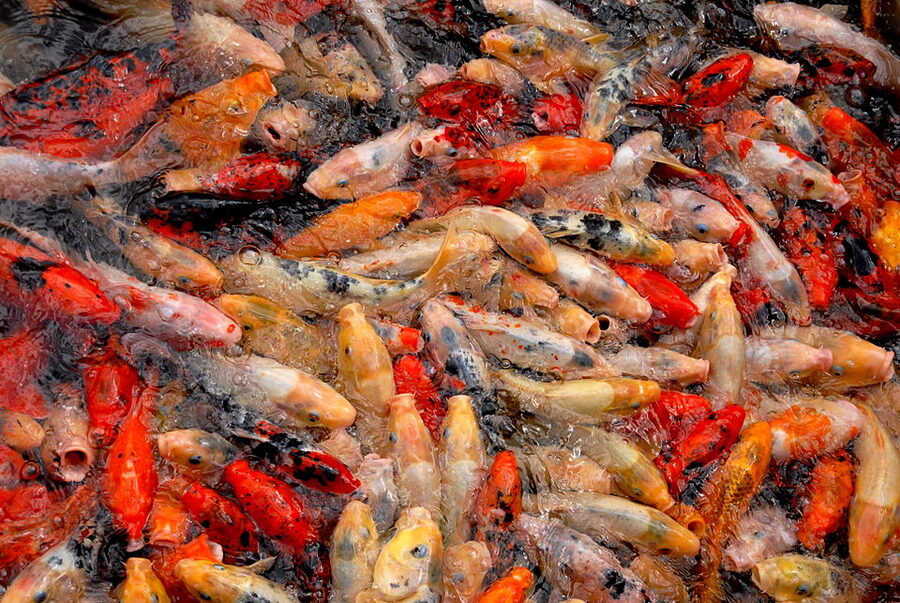
9:30, gate opens. Walk straight past the koi pond and head to the Sea Lions show at 10:00. It’s the smallest amphitheatre and fills first.
10:30, Planet of Penguins. Same building as the sea lions. Hit it before the post-show crowd arrives.
11:00, walk through the parrot gardens while the gorilla and chimpanzee enclosures are quiet. Most groups are in the show queues at this hour.
11:45, Orca show. Be sitting by 11:15 in row eight or higher. Stay in the seat, the dolphin show is right next door at 13:00 if you want the back-to-back.
13:00, lunch break. The picnic areas are scattered around the gardens and you’re allowed to bring your own food. The on-site restaurants are fine but pricey and the queues are long. Bring a sandwich and a flask of coffee from your hotel.
14:00, aquarium and shark tunnel. Calm and air-conditioned, perfect post-lunch.
14:30, parrot show. Sit close. The finale is the bit you came for.
15:30, gorilla, tiger, jaguar, alligator walk-through. Most of the morning crowd is leaving by now, so you get the enclosures to yourself.
17:00, last hour. Anything you missed plus the jellyfish room, which is best when it’s quiet.
17:30, gate closes. Grab a returnee ticket at customer service if you’ve enjoyed it and want to come back later in the trip.
What to bring, what to skip
Bring a hat. The amphitheatres are mostly outdoor and the Tenerife sun is harsher than the temperature suggests. Sunscreen, especially for the parrot show where the seats face direct south. Comfortable shoes, the park is hilly. A small backpack with snacks, water, and a thin layer for the penguinarium (it’s actually cold inside).
You don’t need to bring a stroller if you’re already renting one in the south, the park rents them at the entrance for around €4. Same with wheelchairs.
Skip the photo packages. The on-ride photographers and the show-end photo desks charge €15-€20 for prints that are the same shots you’ve already taken on your phone. The exception is if you’re doing the gorilla feeding experience, which has a real photographer; that’s worth the print.
The conservation angle (genuinely interesting)
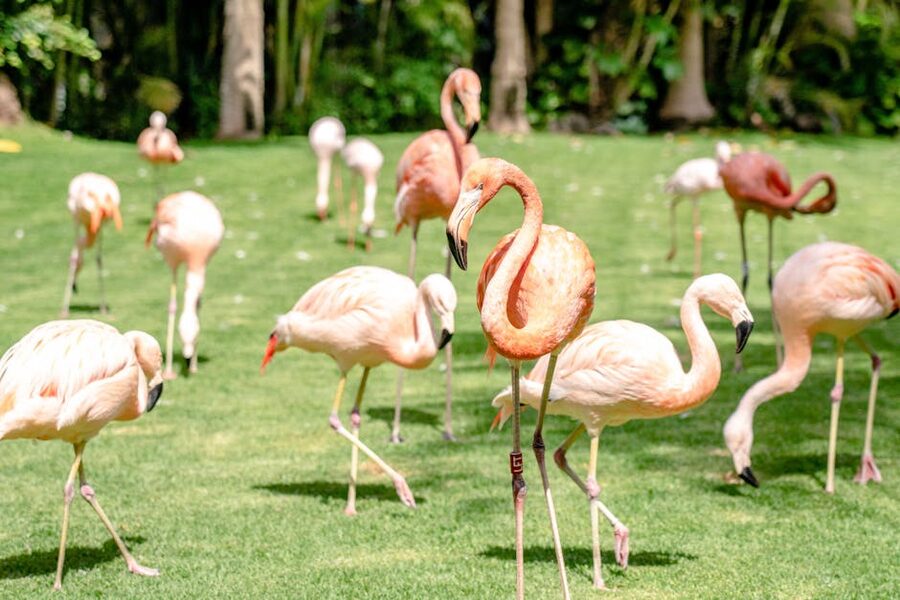
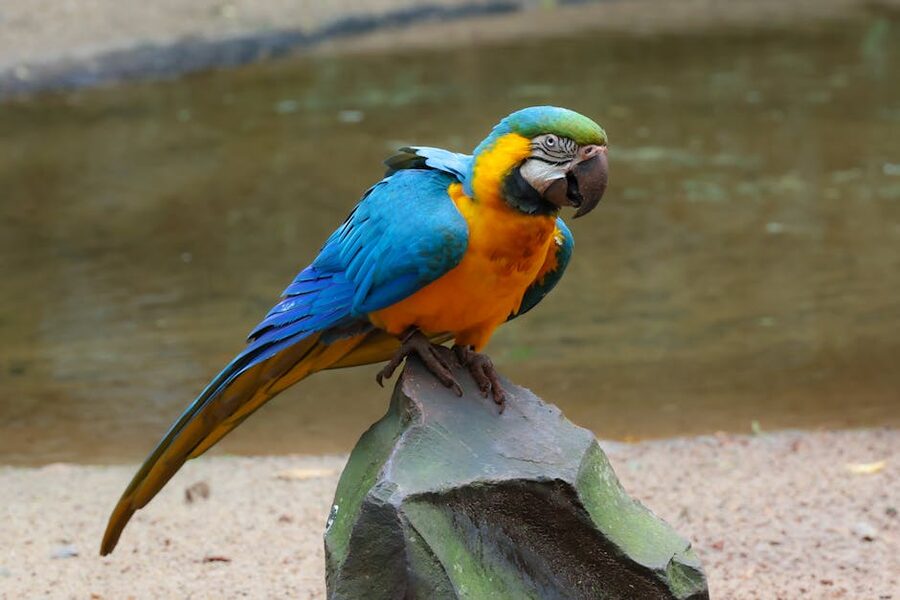
Loro Parque takes a hard line on its conservation work and it’s worth knowing about. The Loro Parque Foundation, the park’s non-profit arm, has spent over $24 million on parrot conservation since the early 1990s. They run breeding programmes for the Spix’s macaw (extinct in the wild as of the early 2000s, with the last few hundred individuals now being bred for reintroduction), Lear’s macaw, the indigo macaw, and the Cuban Amazon. The dedicated breeding centre, La Vera, is closed to the public; what you see in the public aviaries is only a fraction of the collection.
On the marine side, there’s an active orca-vs-tank ethics debate. The orcas at Loro Parque were originally on loan from SeaWorld San Diego, and the park has not bred orcas since 2017. The park argues for its rescue and rehabilitation programmes, which include manatees, sea turtles, and stranded cetaceans. You can decide where you stand on this. I’ll just note it’s worth knowing the actual situation rather than assuming either way.
Where to eat (inside and just outside)
Inside the park, the food is forgettable. Burger meals run around €12-€14, pizza €10-€11, kids’ meal boxes €8. There’s a Brunelli’s steakhouse near the main concourse that’s a step up but properly priced (around €25 a main). Most days I’d skip the inside food entirely and either picnic or walk out for lunch.
Just outside the gate there are a couple of better options. La Tasca de Mi Abuelo is a five-minute walk east on Avenida Loro Parque, family-run, serves proper canarian papas arrugadas with mojo for €4 and grilled octopus for €11. El Maná is even closer and does a strong tapas selection. Both are way cheaper than the in-park restaurants and you can re-enter the park within the same day with your QR code.
If you’ve got the time, walk into Puerto de la Cruz proper for lunch. It’s about 25 minutes from the park to Plaza del Charco and you’ll find a dozen good casual spots around the square. Compare to the food scene in Barcelona’s tapas neighbourhoods if you’ve done both, although Puerto’s pace is much slower.
When to go, when to skip
Best months: October to May. The park is open year-round, but summer (July-August) brings Spanish school holidays plus the European tourist peak, and the orca amphitheatre fills 45 minutes before showtime. Weekends are noticeably busier than weekdays year-round.
Worst days: Saturday in summer, plus any day during Christmas week and Easter week. Spanish residents fly to Tenerife for short breaks, and they all bring kids to Loro Parque on the same days.
Best day of the week: Tuesday or Wednesday, October to April. The park is roughly 60% full versus 95% on a summer Saturday, the show seating is unhurried, and you can do a relaxed two-show day without queuing.
If it rains: Loro Parque is largely outdoor. Some attractions (penguinarium, aquarium, jellyfish, parrot show theatre) are covered, but the main shows and the gardens are not. Show up with rain jackets and a sense of humour, or postpone.
If you’re booking the trip itself
Most Tenerife packages bundle you into a south-coast resort. That’s fine. If you can stretch one or two nights to the north (Puerto de la Cruz, La Orotava, or Garachico), you’ll be closer to Loro Parque, you’ll see a side of Tenerife that the south doesn’t show, and you’ll be in striking distance of Mount Teide for the cable car or the sunset stargazing. The north is greener, slower, more Spanish-feeling, and the food is better.
If you only have a south base, the package transfer is the path of least resistance. Pair Loro Parque with Siam Park on a separate day (it’s right by Costa Adeje, walk or short bus), and you’ve got the two flagship Tenerife attractions handled in two days.

More Spain Guides
Loro Parque pairs naturally with the rest of Tenerife (the Siam Park combo is the obvious next step, and a day on Mount Teide rounds the island out). If you’re enjoying the marine side, the Oceanografic in Valencia is the only Spanish aquarium on a similar scale. And for a different kind of animal-watching, the Andalusian horse show in Jerez is the closest thing on the mainland to the choreography you’ll see at the parrot finale.