
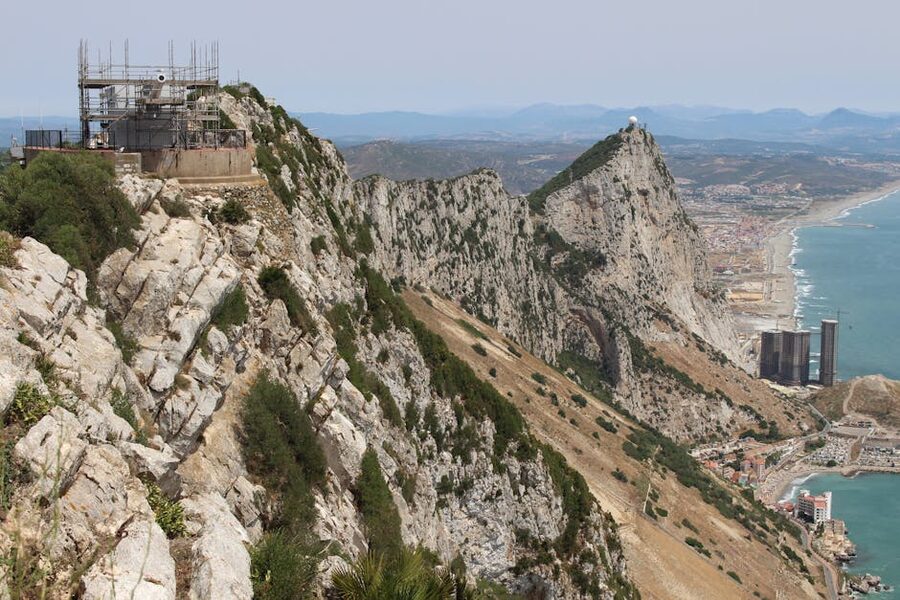
Two and a half hours after leaving Málaga you walk across the live runway of an international airport, on foot, with a uniformed officer waving you on and a 747-shaped windsock turning over your shoulder. That is the moment Gibraltar stops being an idea and starts being the strangest border crossing in Europe. Six square kilometres of British soil, glued to the bottom of Spain, with red phone boxes, fish and chips, pounds sterling, and the only wild monkeys on the continent.
It’s the kind of day trip that genuinely surprises people. Pack your passport, even from inside the EU, and bring a sense of humour about the queues.
In a Hurry? Top Picks
- Best all-rounder from Málaga and the Costa (around $38): the direct bus tour from Málaga and Costa del Sol is the most-booked Gibraltar option from this side of Spain, leaves daily, and gives you about five hours of free time on the Rock.
- Best for monkeys-and-views without the boat (around $35): the 9-hour Gibraltar excursion from Málaga covers the same Rock loop but runs slightly tighter on time and tends to score better with first-time visitors.
- Best add-on if you love wildlife (around $73): the Gibraltar plus 90-minute dolphin boat tour bolts a strait cruise onto the standard day. Three dolphin species live in the bay and you’ll see them most trips.
- In a Hurry? Top Picks
- The drive, and why three hours is realistic
- The border, and why your passport matters
- Walking the runway
- The Rock tour: what the mini-coach actually does
- St Michael’s Cave
- The Apes’ Den and the macaques
- Europa Point and looking at Africa
- The Great Siege Tunnels
- Windsor Suspension Bridge
- Main Street, Casemates Square, and the shopping bit
- Three tours from Málaga that I’d actually book
- 1. From Málaga and Costa del Sol: Gibraltar Tour:
- 2. Excursion to Gibraltar from Málaga:
- 3. From Málaga: Day Trip to Gibraltar and Dolphin Boat Tour:
- Should you add the dolphin boat?
- Tour bus vs hire car: which way to do it
- Best time of year, and worst
- Practical bits I wish I’d known
- Where Gibraltar fits in a wider Spain trip
- More Andalusia day-trip ideas
The drive, and why three hours is realistic
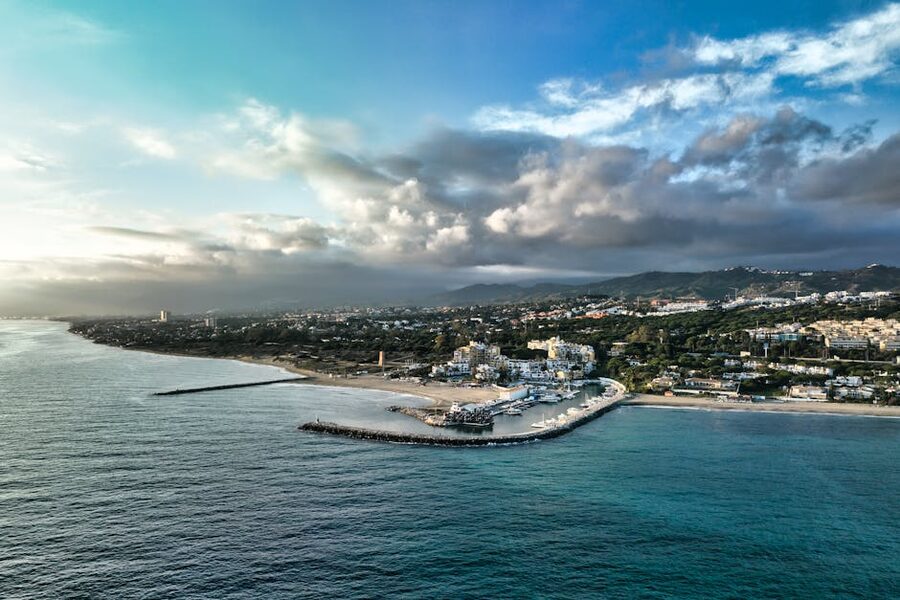
Google says Málaga to the Gibraltar border is 130 kilometres and 90 minutes. In practice, plan for closer to two and a half hours each way, and three on a bad day.
The toll route is the AP-7 and it’ll take you 1h45 in clean traffic. The free A-7 is the parallel road that runs along the coast through Torremolinos, Fuengirola, Marbella, and Estepona, and that one is closer to two hours fifteen if nothing goes wrong. The trade-off is roughly 12 to 15 euros each way against the wear of more roundabouts and beach-town traffic. Coach tours almost always take the toll road both ways. Hire-car drivers usually take the toll going down (so you reach Gibraltar before the queue grows) and the coast going home (so you can see Marbella in daylight). For a similar logistics breakdown on a different route, our Ronda and Setenil day-trip guide covers the inland alternative, and the Caminito del Rey hike writes up the third option in the same Málaga radius.
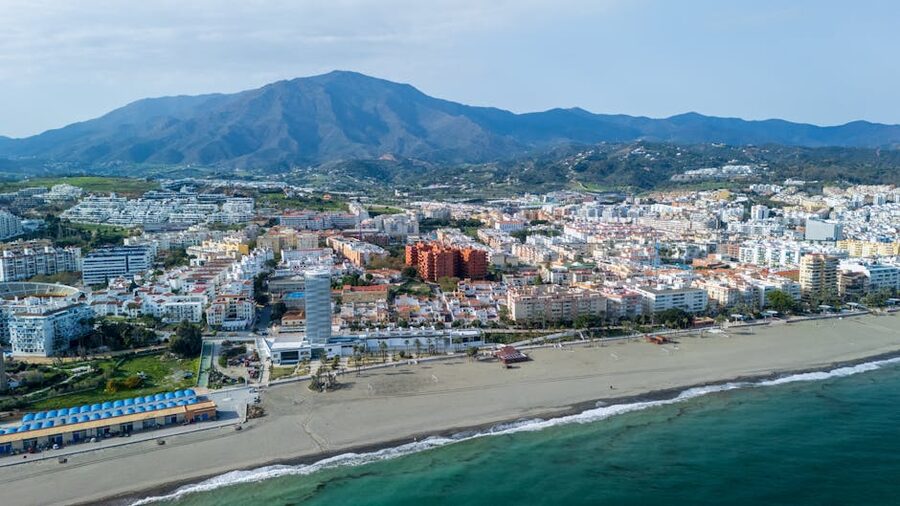
A note on hire cars. You can drive your rental into Gibraltar but almost nobody does. The queue at the vehicle border can run an hour each way in summer, parking inside Gibraltar is awful and expensive in pounds, and most rental contracts technically require a written border-crossing permission you have to ask for at pickup. The standard play is to park in La Línea de la Concepción on the Spanish side, ideally in the underground car park on Calle Aurora de Albornoz or the open lot off Avenida Príncipe de Asturias, and walk across. It’s a seven-minute walk from the car parks to passport control.
The border, and why your passport matters
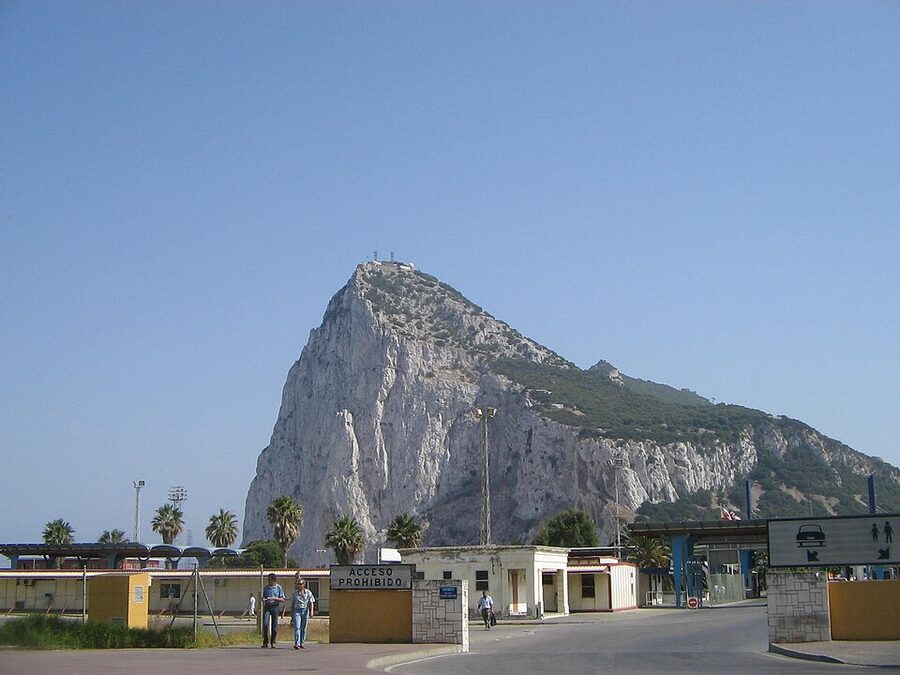
Gibraltar is not in Spain. It’s not in the EU either. It’s a British Overseas Territory, with its own government, its own laws, and its own currency. That’s why every guide tells you to bring your passport, and why you should actually do it.
Right now, on a 2026 day trip, here is what you need to know.
- Bring your passport. Not just an EU national ID. Schengen ended at the border the day Gibraltar voted to leave the EU with the rest of the UK in 2016. Spanish nationals are the only EU citizens who can use a DNI to enter, and even that comes with caveats.
- UK and EU passport holders get stamped through quickly on a tourist day trip. Non-EU, non-UK passports follow the same Schengen-style rules they would at any external border.
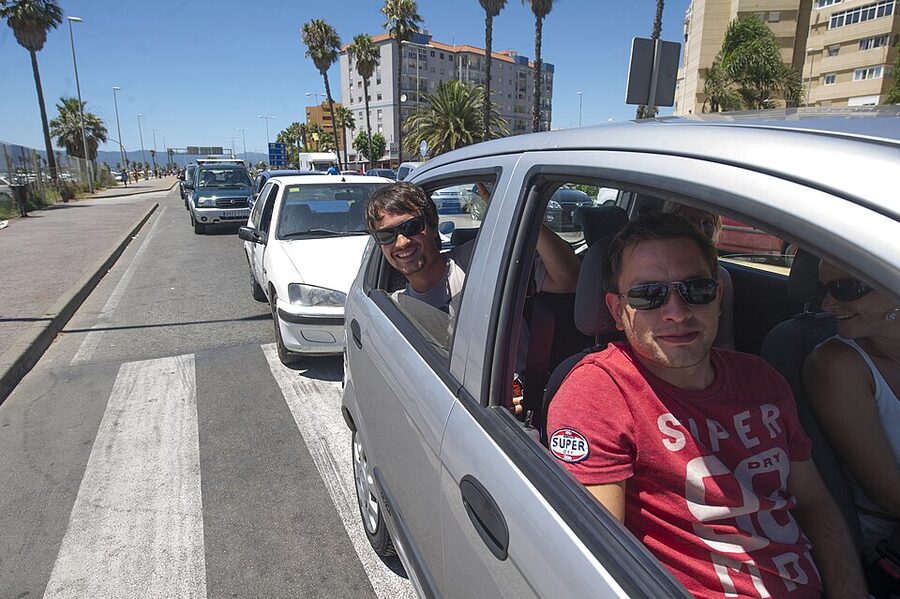
- The queue is the queue. Cruise-ship days and Saturday mornings are the worst. Arriving on a coach tour before 10 am is the single best thing you can do for your day.
Walking the runway
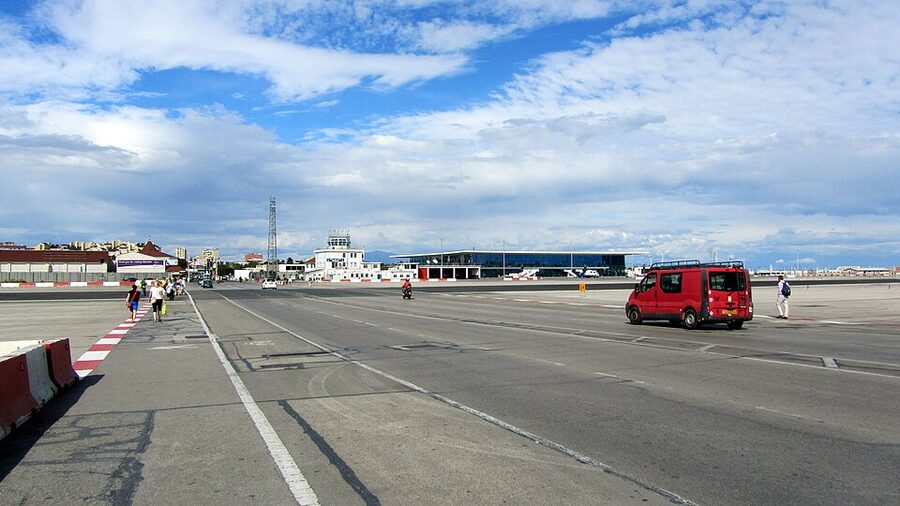
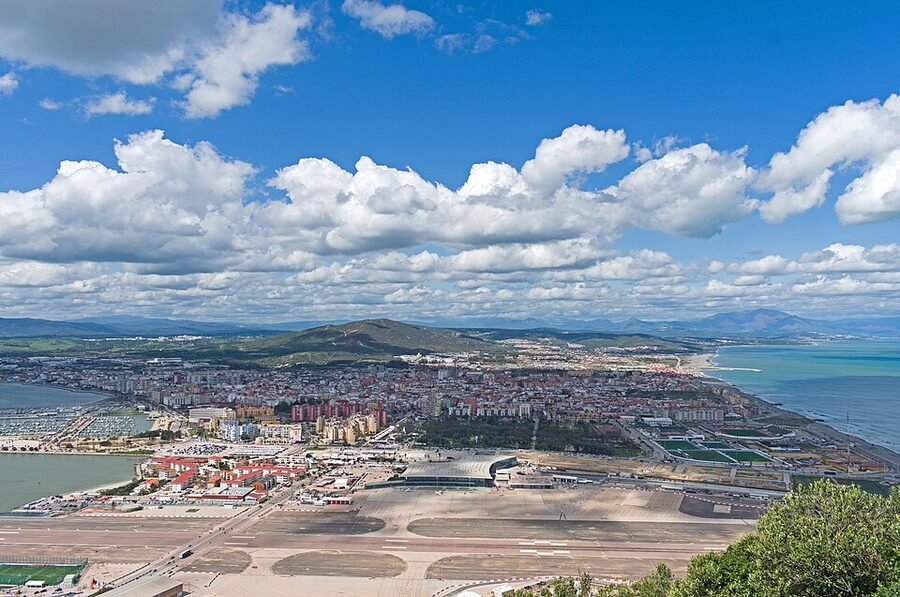
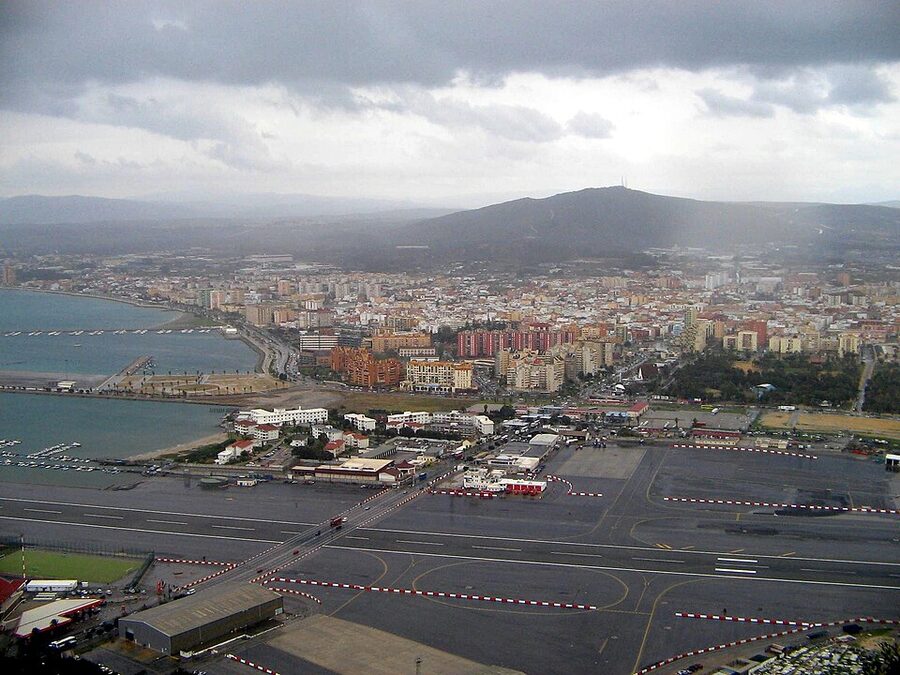
This is the part nobody quite believes until they do it. After passport control you walk straight onto the runway of Gibraltar International Airport. There’s a marked pedestrian crossing painted on the tarmac. There are warning lights and a barrier. And there is a uniformed officer who closes the whole thing for around 10 to 15 minutes whenever a plane is taking off or landing.
Flights operate maybe a dozen times a day, mostly to London Heathrow, Gatwick, Manchester, and Bristol. If your timing is good, you’ll see one come in over the bay at low altitude while you’re standing in the queue. If your timing is bad, you’ll wait. Either way it’s the only place in Western Europe where you do this.
The Rock tour: what the mini-coach actually does
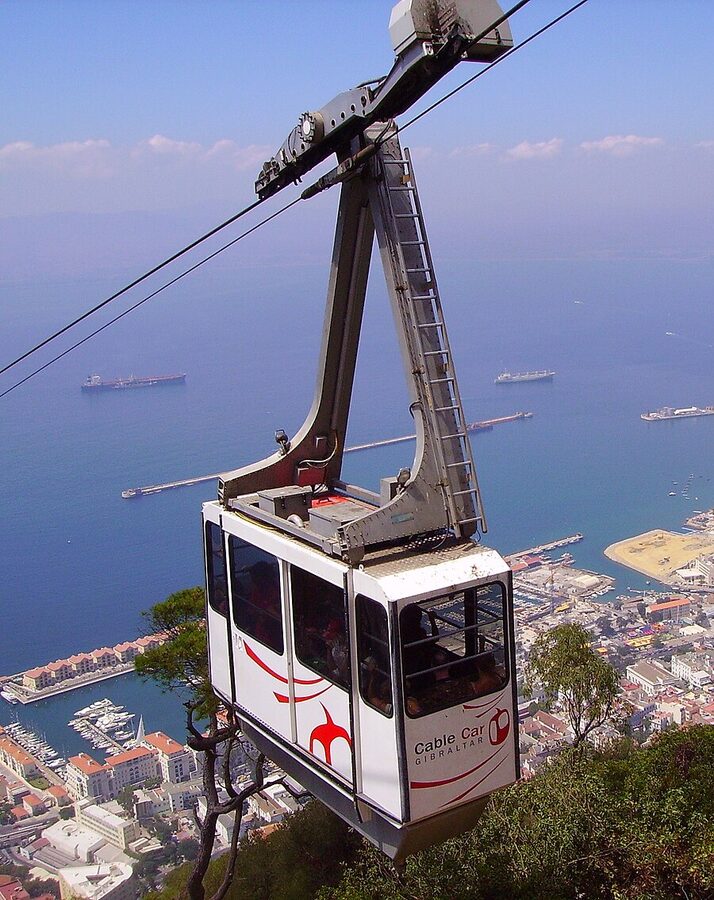
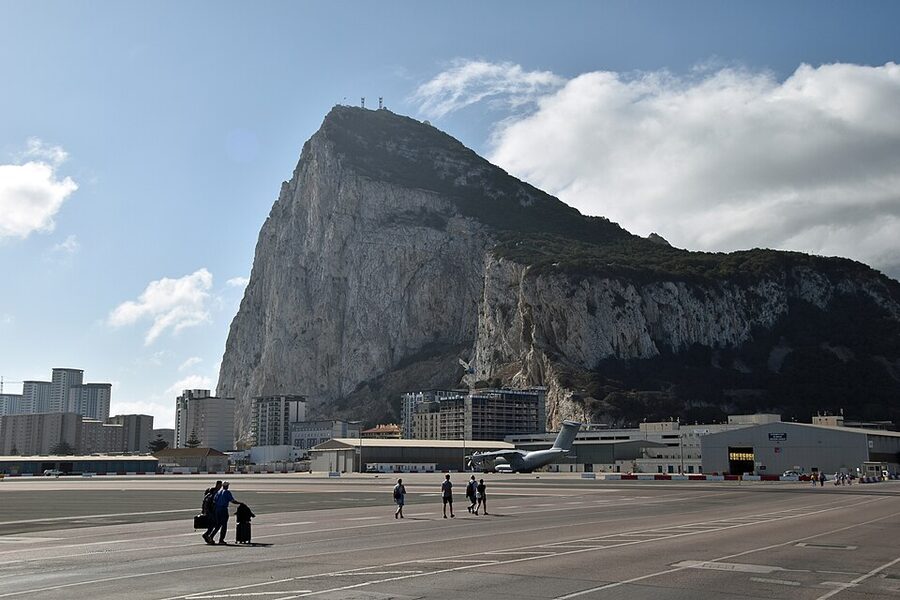
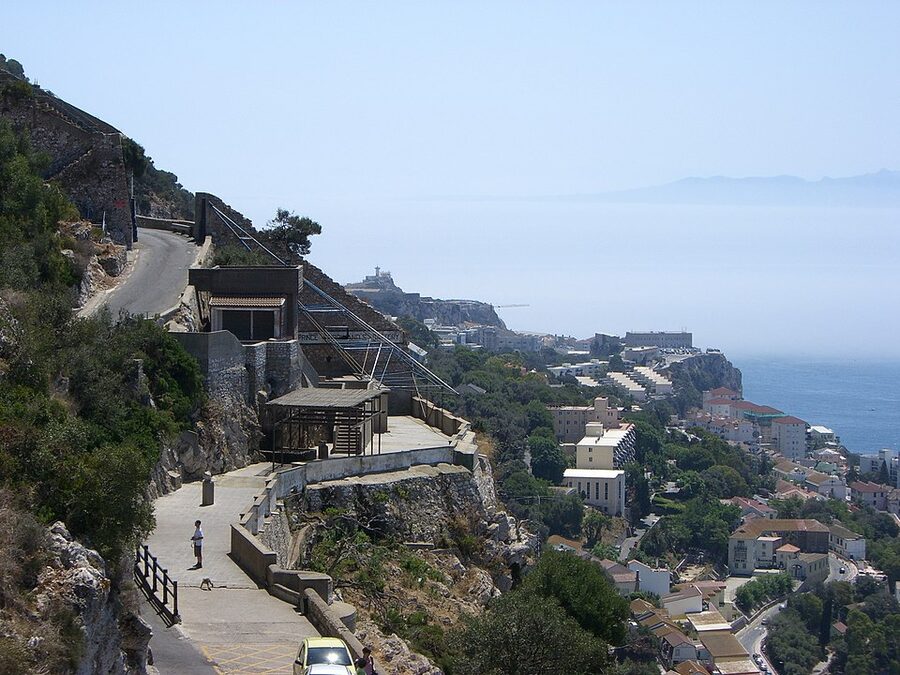
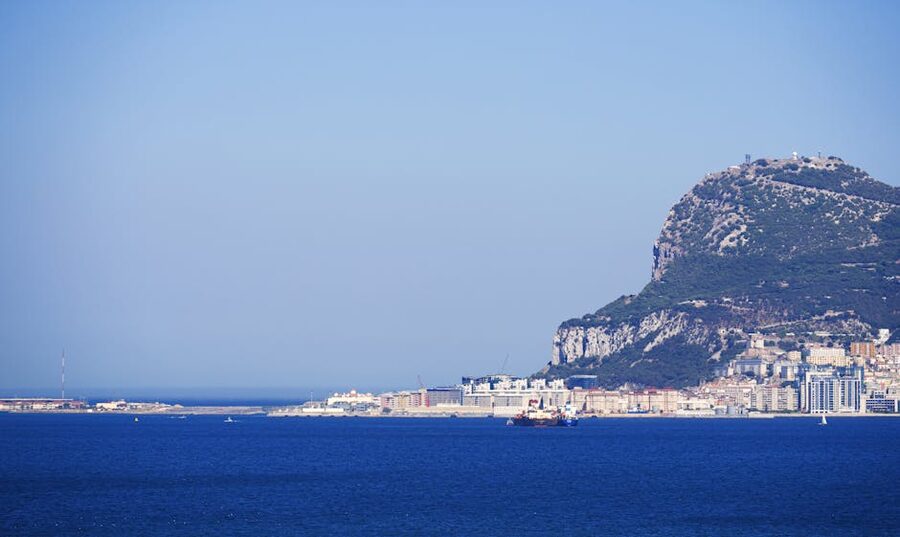
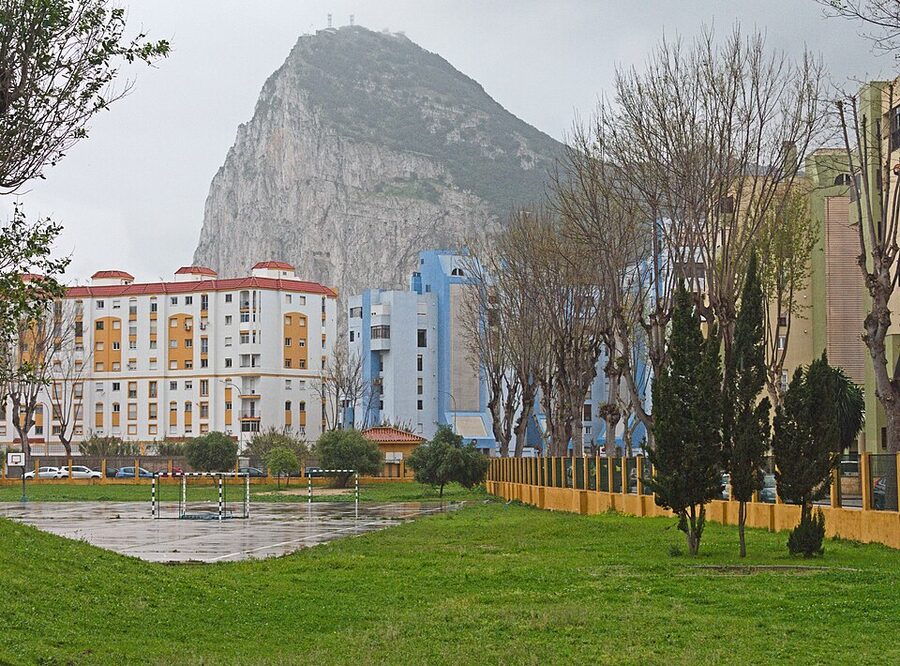
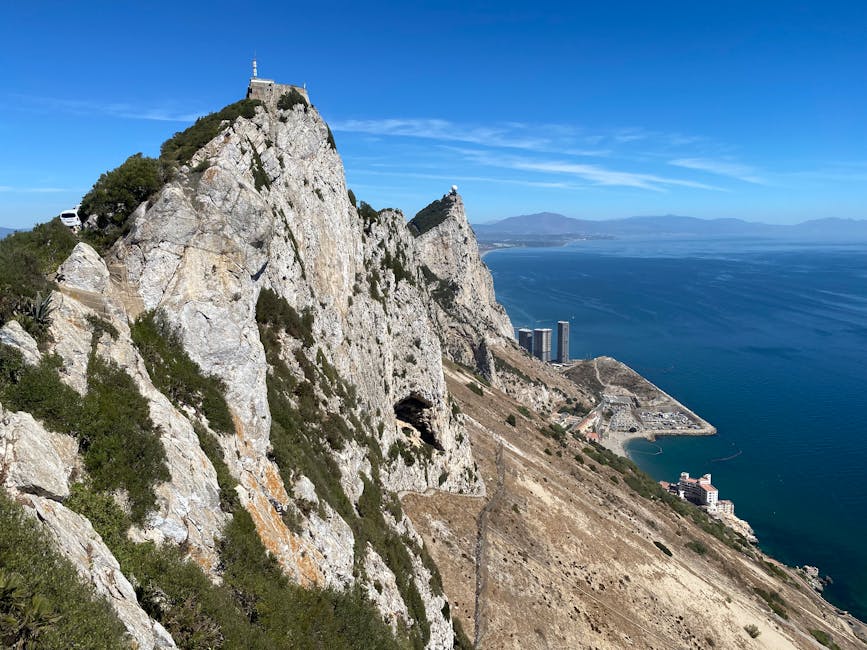
The Upper Rock Nature Reserve covers about 40% of Gibraltar’s surface and contains every single thing people come for: the macaques, St Michael’s Cave, the Apes’ Den, the Great Siege Tunnels, Europa Point, the Windsor Suspension Bridge, and the views across the strait to Africa. There are three ways to do it.
- Mini-coach tour: a licensed guide picks you up just inside the border in an 8 to 16 seater van and drives the entire loop. Stops are roughly 15 to 30 minutes each. This is what your Málaga coach tour switches you onto. It’s also what the flagship Gibraltar tour from Málaga and the Costa del Sol includes by default.
- Cable car: goes from Alameda Botanical Gardens to the top in around six minutes. Lovely ride. But you only get the top station and the immediate paths, no St Michael’s Cave, no Siege Tunnels.
- Walk it yourself: a serious hike from Jews’ Gate, Devil’s Gap, or the Moorish Castle. Allow most of a day for the full loop. Ticket is around £19.
If you’ve come from Málaga on a single-day excursion, the mini-coach is the only sensible call. It’s what the Gibraltar excursion from Málaga uses, what the Costa del Sol day tour uses, and what the Gibraltar with St Michael’s Caves tour uses. The differences between those operators are tiny in practice. They all do the same loop in roughly the same order.
St Michael’s Cave
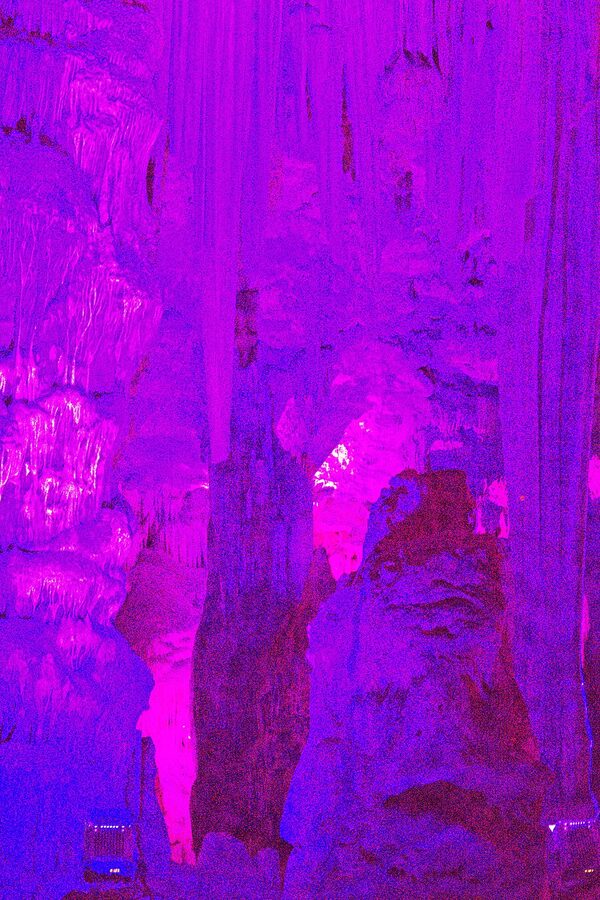
This is the surprise of the loop. Most people come for the monkeys and the views and assume the cave is a five-minute novelty. It is not. The main chamber, called the Cathedral Cave, is genuinely huge, with stalactites reaching the floor, a working amphitheatre, and an audio-visual show that runs every 30 minutes or so on a coloured-lighting cycle. Allow 20 minutes inside even if you only want a quick look.
One thing to know: the air is humid and the floor stays slick year-round. Trainers are fine. Heeled boots are not. The toilets at the entrance are the cleanest on the Upper Rock, which sounds petty but matters by lunchtime.
The Apes’ Den and the macaques
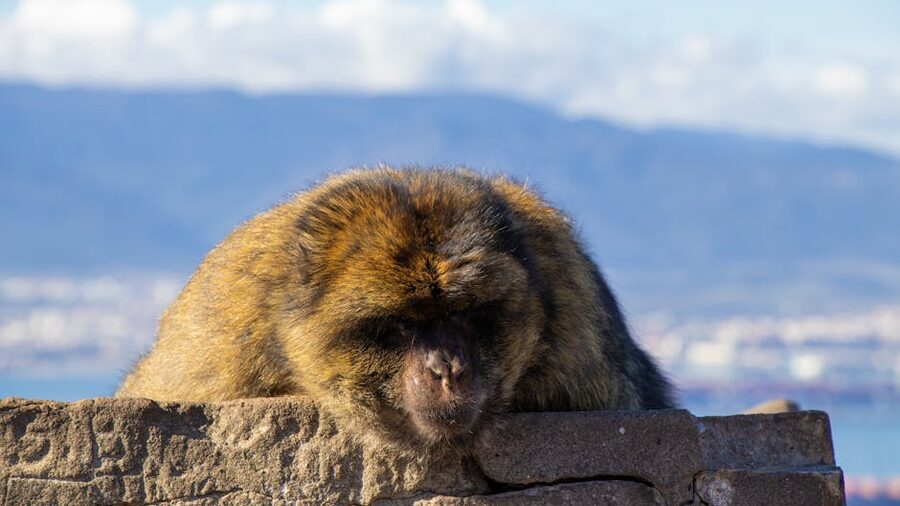
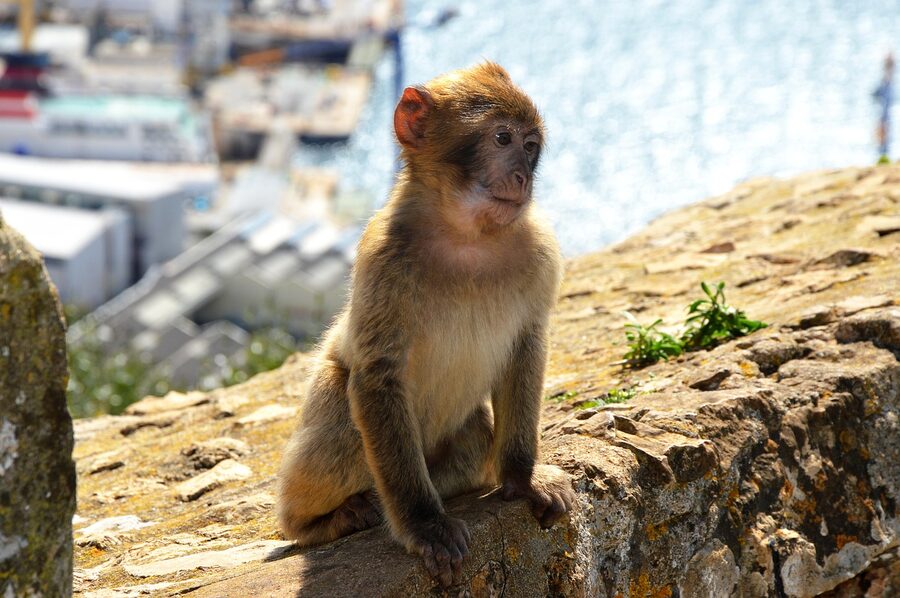
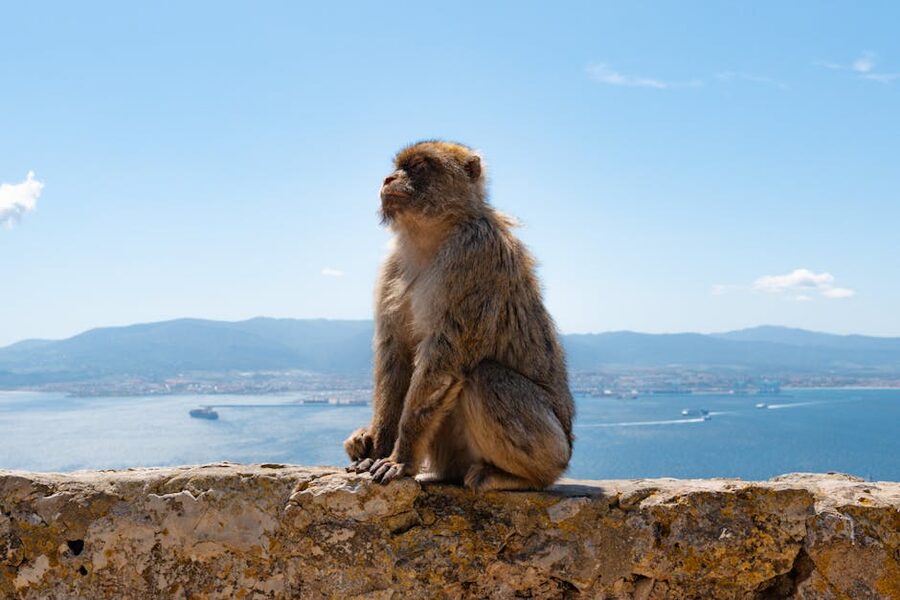
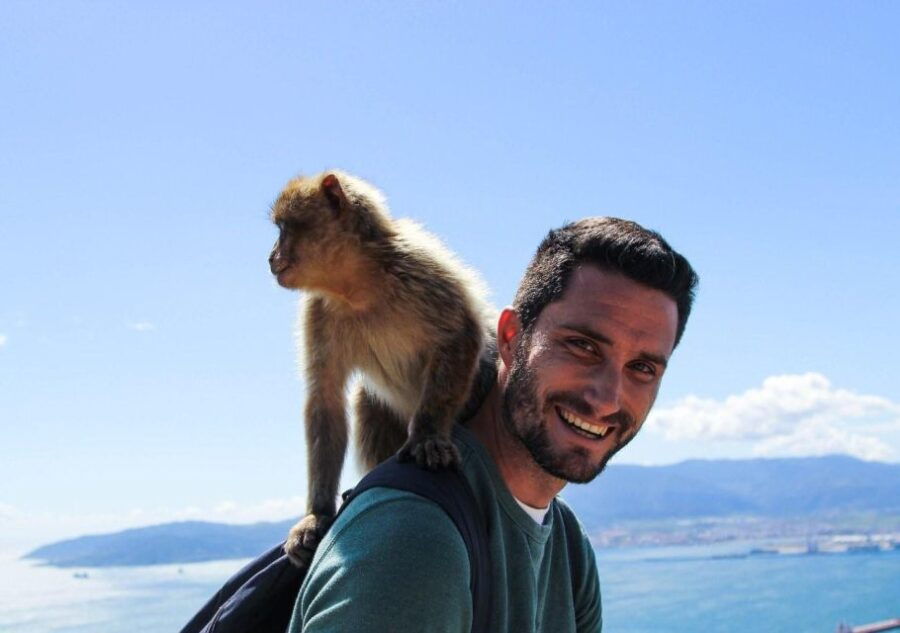
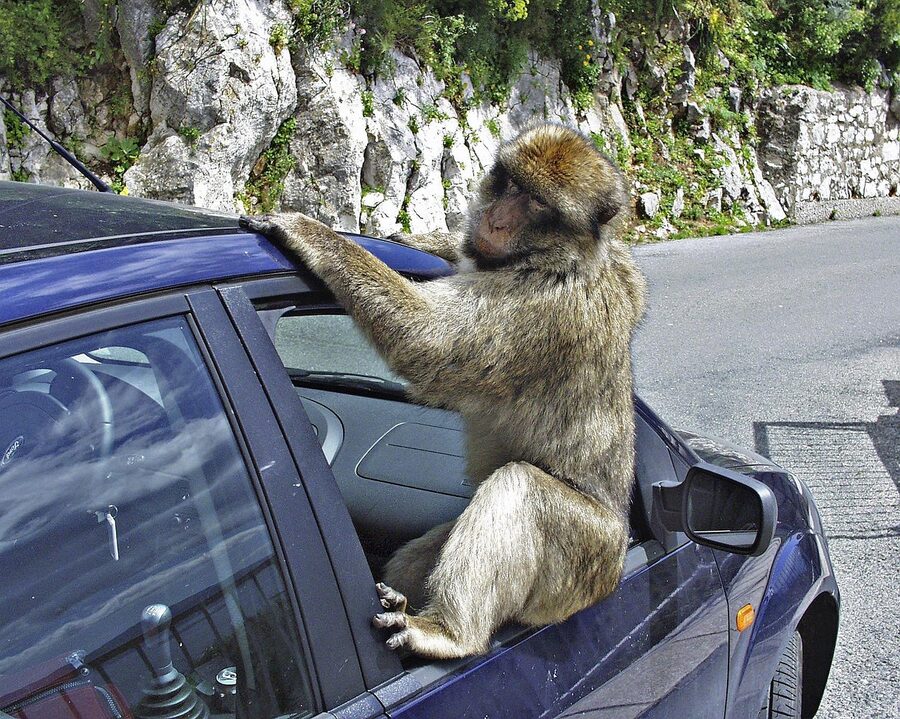
The Barbary macaques on the Rock are the only wild monkey population in Europe. Around 300 of them live across the reserve, divided into about seven troops. The Apes’ Den is the troop closest to the cable car upper station, which is why every coach stops there.

Some hard rules I’d give you about the macaques.
- Do not feed them. It’s a £4,000 fine if you’re caught and the troops have an obesity problem because of it.
- Do not touch them. They bite. The bites tend to be shallow but you’ll need a tetanus check at St Bernard’s Hospital, which kills your day.
- Hide your food. Sandwiches in clear bags are seen as offerings. They will take the bag.
- Sunglasses on heads get stolen all the time. Take them off and put them in a zipped pocket.
Europa Point and looking at Africa
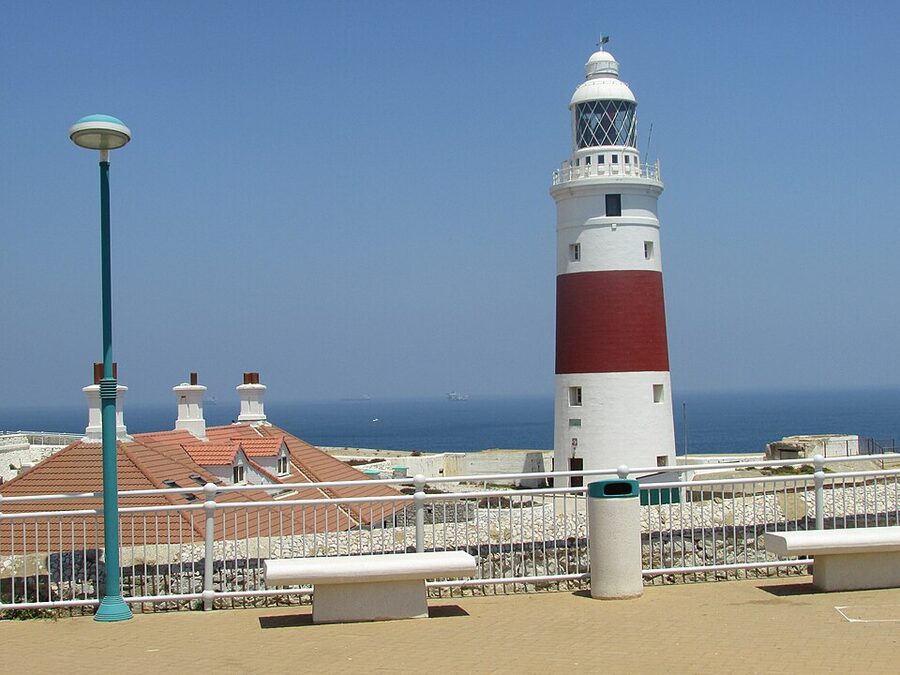
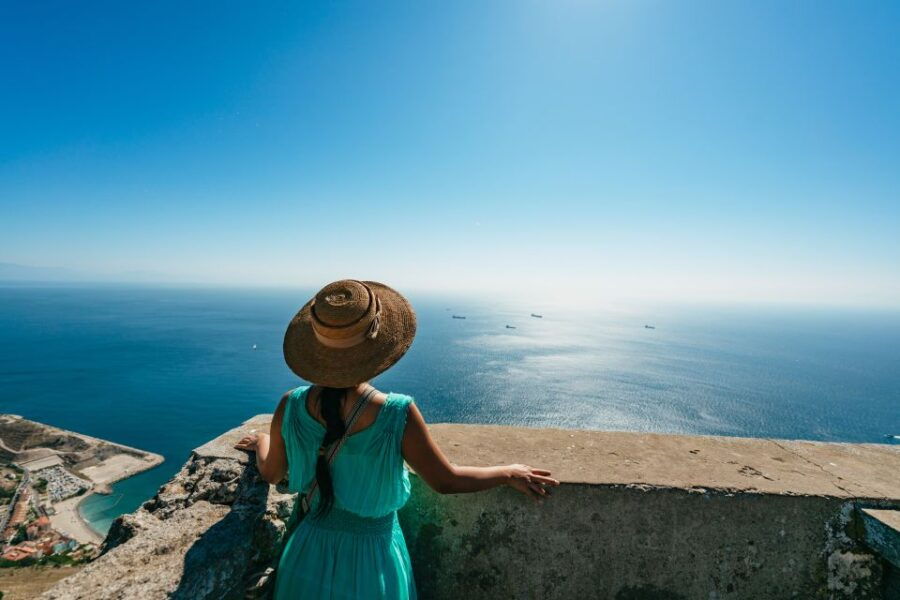
Europa Point is the kind of place where the description sounds boring and the reality is genuinely strange. You stand at a lighthouse, you look due south, and across about 14 kilometres of open water you can see the mountains of Morocco. Africa, properly visible to the naked eye, on a clear day. Tangier is the lit-up town to the south-west.
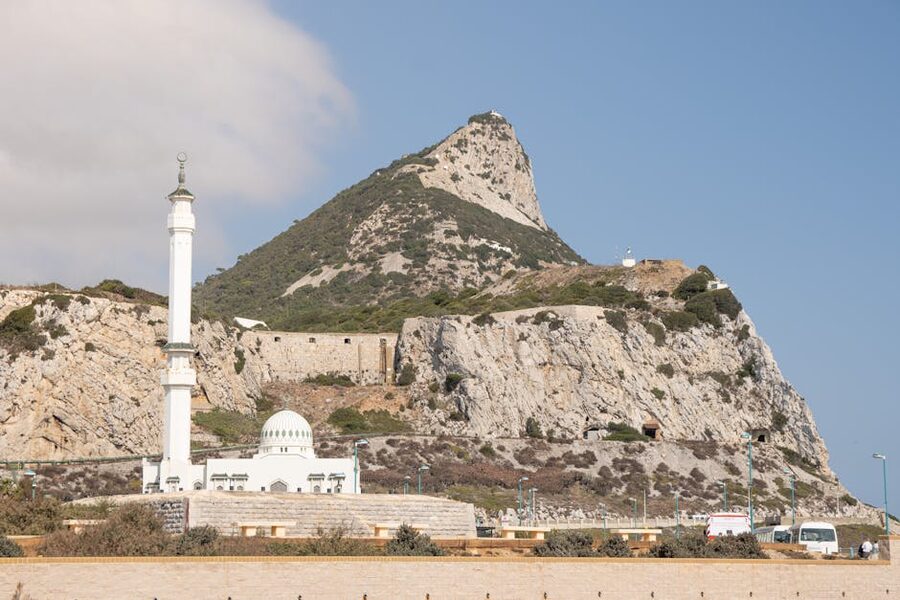
The point itself is small. The lighthouse, a shrine, a mosque (the Ibrahim-al-Ibrahim, gifted by Saudi Arabia in 1997), and a viewpoint. Most coach tours give you 15 minutes here. If you have a hire car, you can spend longer, but 30 minutes is plenty.
The Great Siege Tunnels
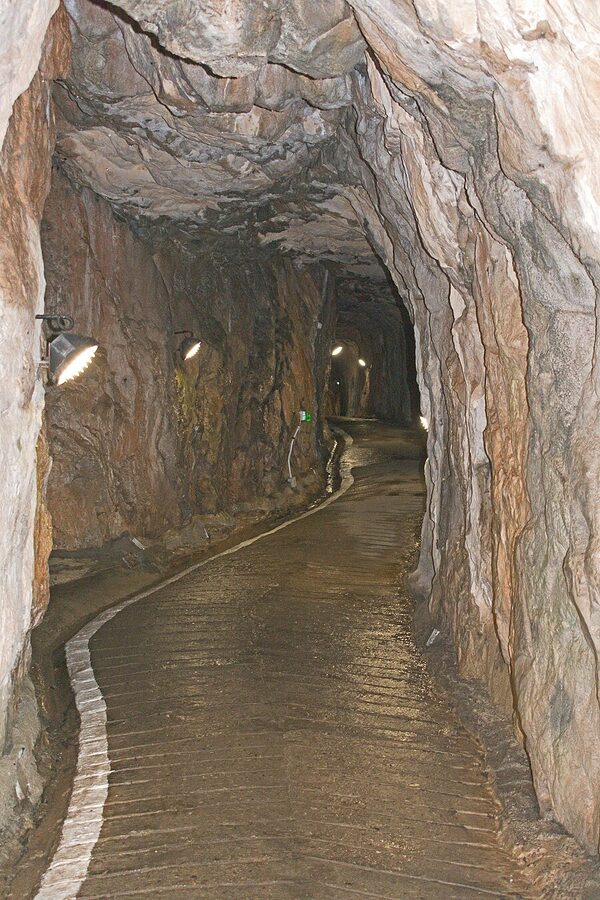
The tunnels are a 40-minute stop on most loops and they sneak up on people. From the outside it looks like a fortified balcony with cannons. Inside it’s a network of corridors blasted through the rock by sappers in the 1780s, with display rooms set up like military quarters and cannon embrasures pointing out across the airfield to the Spanish coast.
What’s good: the views from the embrasures are a different angle on the same runway you walked across two hours earlier. What’s worth knowing: this is the dustiest stop on the loop. People with serious dust allergies should bring a mask.
Windsor Suspension Bridge
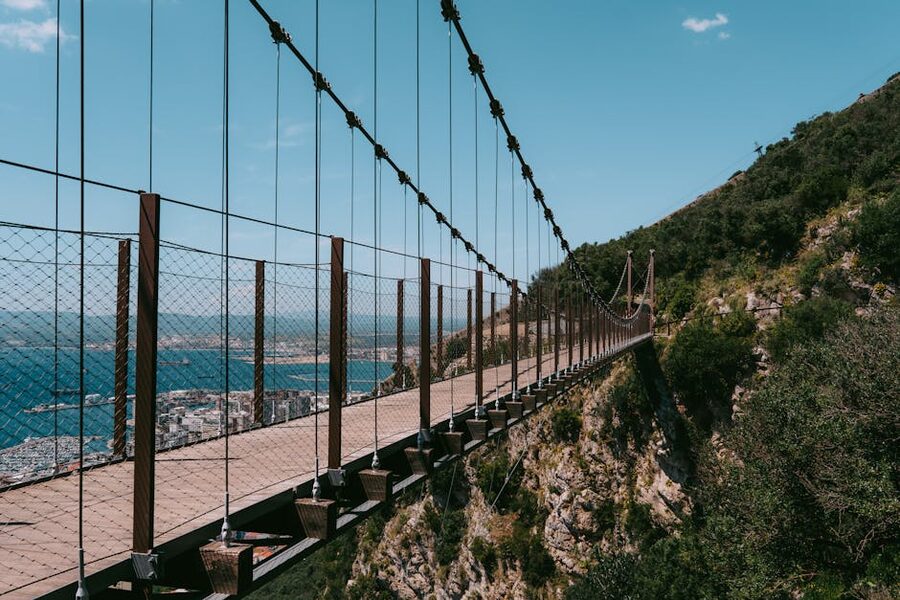
The bridge is a small extra most loops include for free. It’s not Capilano. It wobbles a bit, takes maybe two minutes to cross, and if you’re not great with heights you can walk around it on the same path. The views from the middle look out over the bay toward Algeciras, which is genuinely worth the 60 seconds.
Main Street, Casemates Square, and the shopping bit
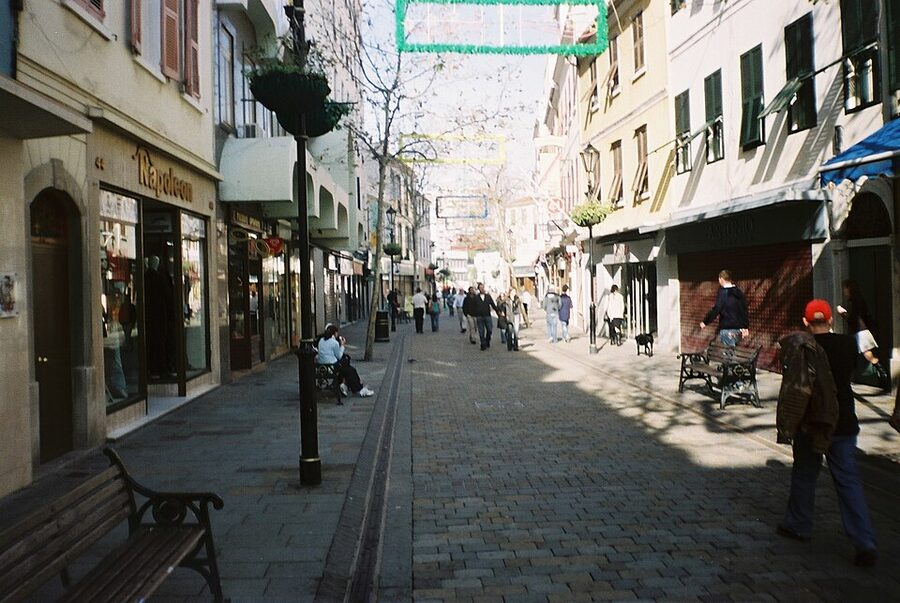
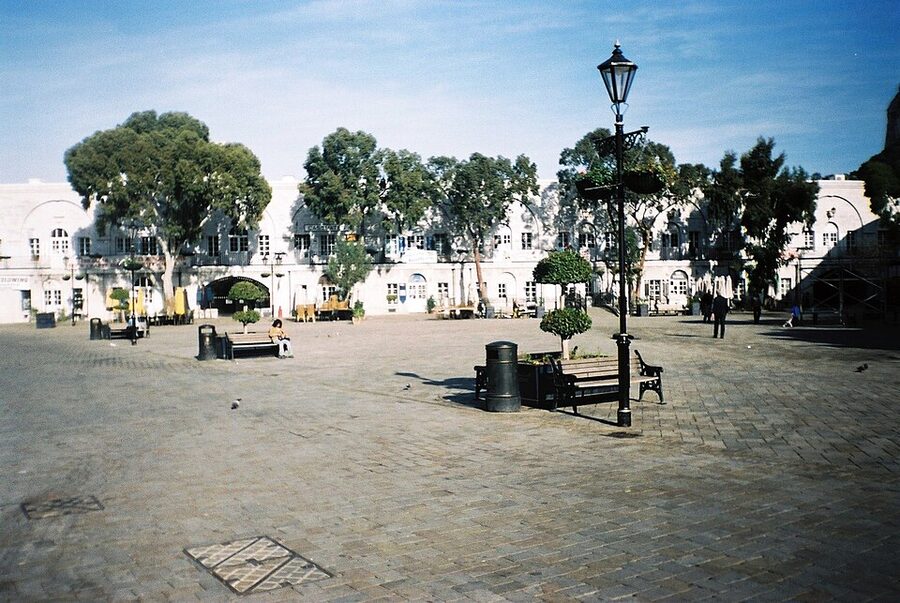
Most coach tours give you about 90 minutes of free time after the Rock loop, dropped at Casemates Square or near Main Street. This is when you eat, buy something, and pick between a sit-down pub lunch or a takeaway.
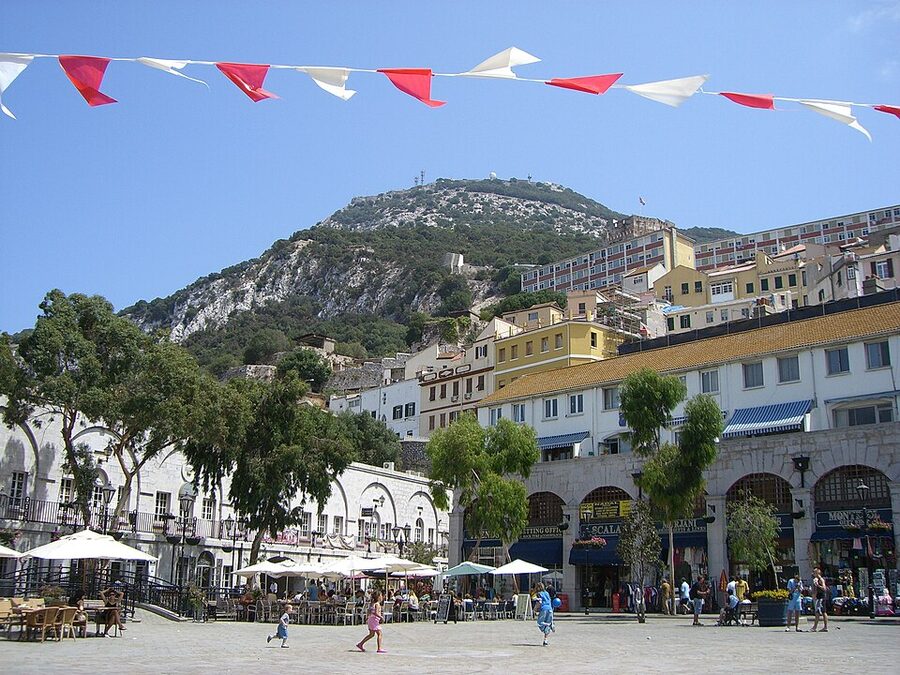
What to know about money. The official currency is the Gibraltar pound, which is pegged 1:1 to the British pound. Almost everywhere on Main Street accepts euros at a poor rate (usually around 1:1, which loses you about 15%). Card payment is universal. ATMs dispense pounds by default. If you’re heading back to Spain straight after, do not take cash from the ATM, you’ll need to spend it before you cross or change it back at a loss.
VAT does not apply in Gibraltar, which is why the alcohol, tobacco, and electronics shops exist at all. Spirits are about 30% cheaper than in mainland Spain. Cigarettes about 40%. There’s a tobacco import limit at the border (currently 200 cigarettes or one litre of spirits) so don’t get carried away. Spanish customs at La Línea do check, periodically.
Three tours from Málaga that I’d actually book
The big calls between Gibraltar tours from Málaga are: do you want a dolphin boat add-on, do you mind the Costa del Sol pickup loop adding 45 minutes each way, and how strict do you want the structure to be. Below are the three I’d push you towards based on actual booking patterns and what people end up doing with the day.
1. From Málaga and Costa del Sol: Gibraltar Tour: $38
This is the pick if you want the simplest possible day. Pickup along the Costa del Sol coast, direct coach to La Línea, walk across the border with the guide, mini-coach loop on the Rock, free time on Main Street, back on the coach by late afternoon. Our full review covers the timings, the meeting points, and what the entry tickets do and don’t include.
2. Excursion to Gibraltar from Málaga: $35
If you want the same day but with a guide who’ll explain why the runway crosses the road and who built the Siege Tunnels, this is it. Same Rock loop, slightly leaner free time on Main Street, and a meeting point in central Málaga rather than a long pickup chain. Our review of this tour goes into the booking flexibility and what to expect at the meeting point.
3. From Málaga: Day Trip to Gibraltar and Dolphin Boat Tour: $73
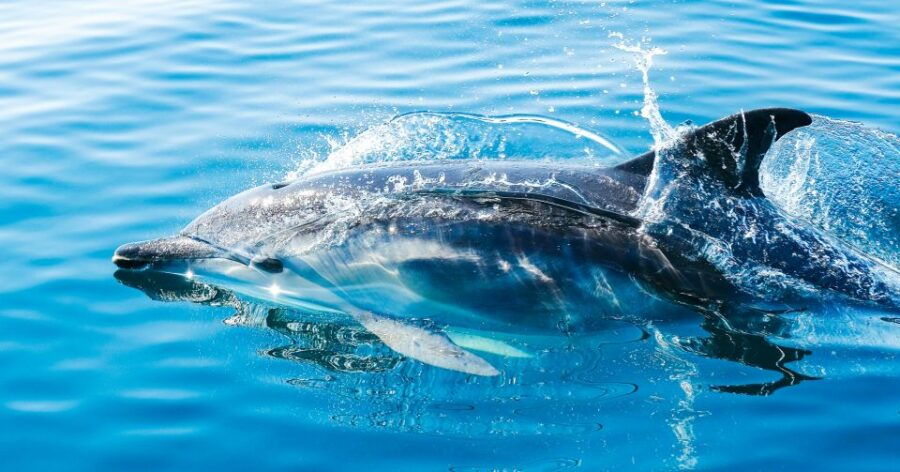
This combines the standard Rock loop with a 90-minute dolphin boat from Marina Bay, and you’ll see common, striped, and bottlenose dolphins on most trips. The trade-off is less free time on Main Street and a tighter overall schedule. The boat is the main reason to book this, see our full review for what gets cut and what stays.
Should you add the dolphin boat?
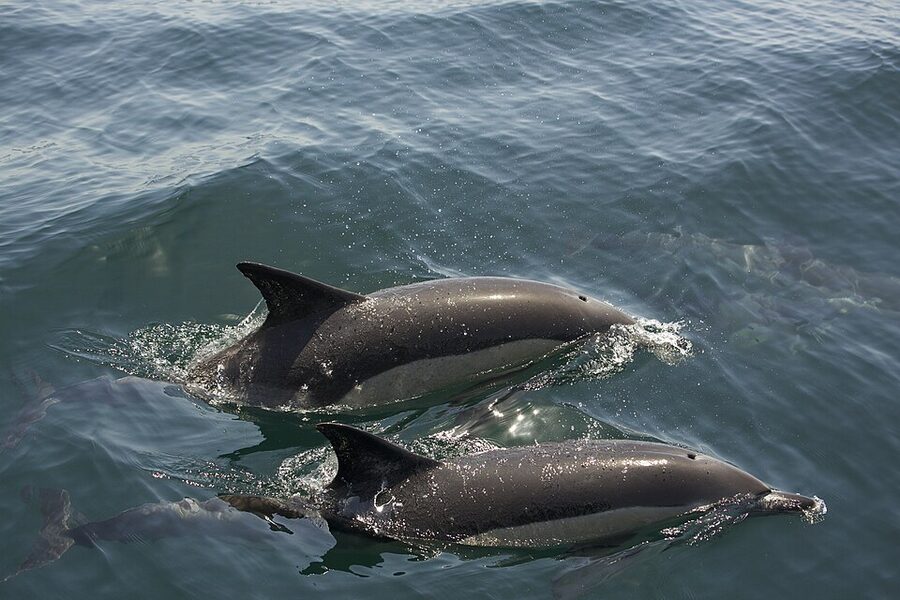
The Bay of Gibraltar is one of the best dolphin-watching sites in Europe. Three resident species use it year-round: common, striped, and bottlenose. Sightings are reliable enough that most operators offer a free second trip if you don’t see anything, which almost never gets used.
The real trade-off: a dolphin add-on costs you about 90 minutes of Rock or shopping time. If you’re a wildlife person, take it. If you came primarily for the British-overseas-territory weirdness, skip it. The Rock is the one-of-a-kind experience and the boat is, while still excellent, the kind of dolphin trip you can do from many coasts.
Tour bus vs hire car: which way to do it
I’d take the coach tour for a one-day visit. Here’s the maths.
Coach tour from Málaga (around $38): covers transport both ways, border-crossing logistics, the mini-coach Rock loop, and entry tickets where included. About a 12-hour day door to door. You don’t have to think about parking, queues at the vehicle border, the runway hold, or where to leave the car. The Costa del Sol pickup chain adds about 45 minutes each way but you get a sleep-friendly seat.
Hire car DIY: car rental from Málaga roughly 35 to 60 euros for the day depending on season. Tolls about 30 euros round trip. Diesel about 30 euros. Pedestrian car park in La Línea about 15 euros for the day. Upper Rock entry ticket £19 per person. So before you’ve eaten lunch you’re at about 100 to 120 euros plus the £19 ticket, and you still have to drive both ways. The advantage is total flexibility on what to do on the Rock and how long to stay. The disadvantage is you can’t drink, you have to deal with parking, and any traffic on the way back means you arrive at your Málaga hotel exhausted.
The coach tour wins for a one-shot day trip. A hire car wins if you’re combining Gibraltar with Tarifa, Tangier, or a wider Andalusia loop. For a sense of how the wider day-trip-from-Málaga options stack up, our Caminito del Rey guide covers the inland adventure alternative on the same drive radius.
Best time of year, and worst
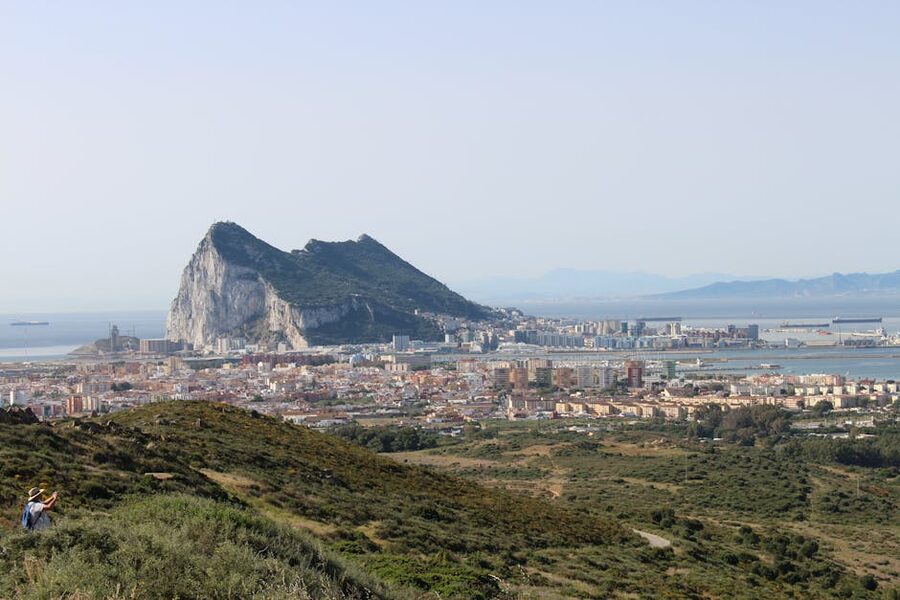
April to early June is the best stretch. Long days, no school holidays from northern Europe, the macaques have just had their cubs, the strait is clear of summer haze, and the queue at the border barely exists before 10 am.
July and August are workable but the heat on the exposed Rock is real. The Upper Rock has almost no shade, and a 15-minute mini-coach stop in 35°C with no breeze is harder than it sounds. Bring water, expect to drink double what you think.
October and November are quietly excellent. Migrating raptors come over the strait in their thousands, the dolphin trips are at their best (the food chain is unusually active), and the queues are gone.
December and January are the surprise. Quiet, mild (15-18°C most days), and Main Street goes full Christmas-lights from late November. The downside is the cable car closes for maintenance for about three weeks in January.

Practical bits I wish I’d known
A short list of the things that would have made my first visit easier.
- Phone signal. Your Spanish SIM will roam onto Gibtelecom and most operators charge UK roaming rates. Turn off data roaming at the border or use a UK eSIM if you have one. iPhones in particular like to flicker between Spanish and Gibtelecom networks at the border itself, which can cost you.
- Toilets on the Rock. St Michael’s Cave and the Apes’ Den have public toilets. The Siege Tunnels do not. Plan accordingly.
- Children. The mini-coach loop is fine from about age six. Younger and they’ll be tired by the third stop.
- Mobility. The cable car has step-free access. The mini-coach tours are not very wheelchair-friendly because of the cave and tunnel sections. If mobility is an issue, ask the operator before booking, this is the kind of detail that varies by week and guide.
- Weather. The Rock is its own microclimate. Even on a clear day the cable car can be cancelled because of wind. Mini-coach tours run almost regardless.
- Lunch. The pubs around Casemates Square get rammed at 1 pm. Eat at noon or 2 pm to avoid it.
Where Gibraltar fits in a wider Spain trip
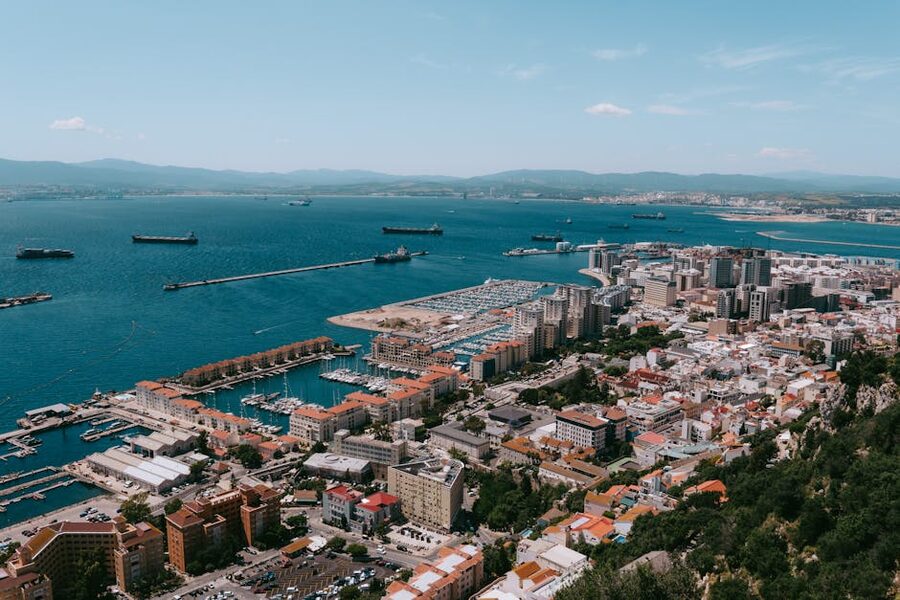
If you’re basing in Málaga for several days, Gibraltar is the most distinctive single day-trip on the menu. It pairs especially well with a different second day-trip rather than two long-distance ones in a row. If your trip stretches west toward Seville, the Gibraltar day trip from Seville is the cross-cluster alternative I’d consider, although it’s a longer drive than from Málaga. If you’re basing in Seville, pair Gibraltar with the Seville Cathedral and Giralda for a lighter second-day in the city itself.
For a contrasting culture-heavy day, the Alcazaba and Roman Theatre tour in Málaga itself is a half-day inside the old city walls, no border crossing, no monkeys. The Picasso Museum sits 90 metres further along the same street if you want to back-to-back the city’s two big indoor sights. And if you’re combining your Costa del Sol week with another region, the Alhambra in Granada is the obvious second pillar of an Andalusia trip.
More Andalusia day-trip ideas
If Gibraltar has whetted your appetite for the more unusual day out from Málaga, the Ronda and Setenil de las Bodegas day trip takes you inland to the famous bridge over the gorge and a village built into the rock face. The Andalusian horse show in Jerez is the weirdest sister-day-trip in the same week, choreographed dressage in a 19th-century arena. And if you’re moving on to Madrid, our Madrid to Toledo guide handles the equivalent UNESCO day trip from the capital.