
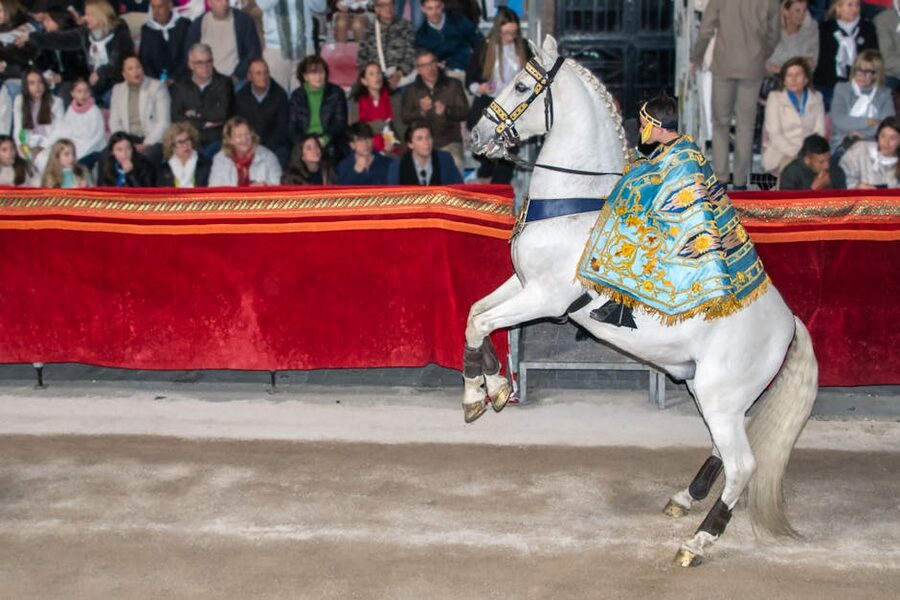
Eight grey stallions enter the white sandbox arena one nose-length apart, hooves measuring out the canter in time with a lone Spanish guitar. The smell hits you next, hot sand, leather, and the sharp tang of the horses themselves, layered under the perfume of whoever’s sitting in row two. Then the riders pick up the reins and the horses start to dance.
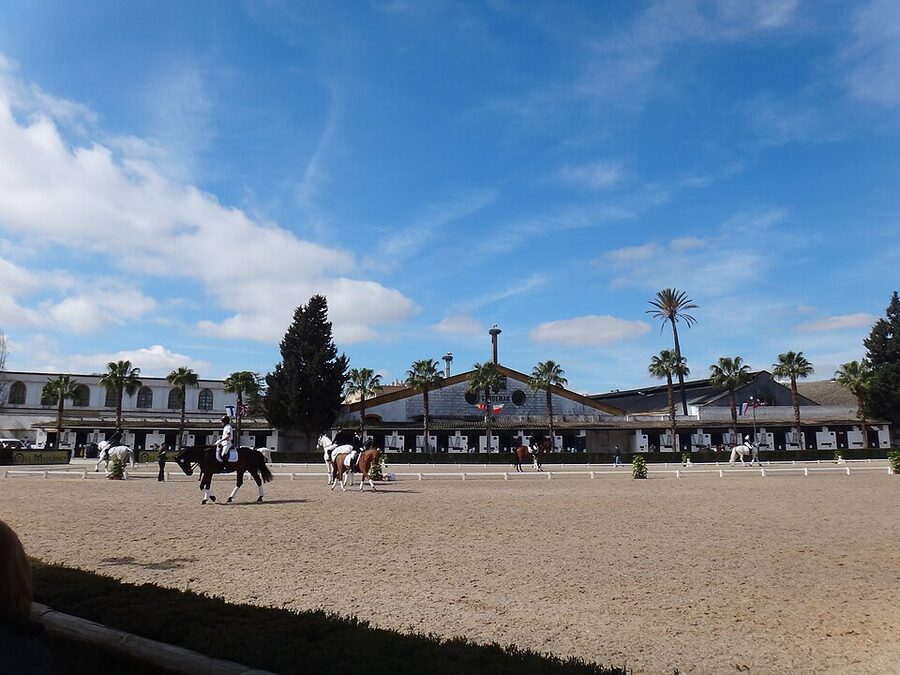
The show is called Cómo Bailan los Caballos Andaluces, “How the Andalusian Horses Dance,” and it runs at the Real Escuela Andaluza del Arte Ecuestre in Jerez de la Frontera. It’s the most booked equestrian performance in Spain. It’s also genuinely strange to attend, because the format is closer to ballet than rodeo, and you have to learn to watch it the way the locals do.
- In a Hurry? Top Picks
- What “How the Andalusian Horses Dance” actually is
- Show days and times: it’s not every day
- What happens on training-only days
- Museums, tack room, and the palace
- The three tours I’d actually book
- 1. How the Andalusian Horses Dance Show Ticket: from
- 2. Andalusian Horse Dance and Museums Combo: from
- 3. Yeguada de la Cartuja Carthusian Horses Tour: from
- Where Jerez sits, and how to get there
- The from-Seville day trip option
- Pairing the show with a sherry bodega
- What it costs, all in
- Eating and drinking around the school
- A short history of the school
- Practical tips for your visit
- The Feria del Caballo and other horse weeks to avoid (or seek out)
- How Jerez fits into a wider Spain trip
- Common mistakes I see at the school
- Other places to see Andalusian horses if Jerez doesn’t fit
- Where else to spend your Andalusia time
In a Hurry? Top Picks
- How the Andalusian Horses Dance Show Ticket: from $31. The flagship show entry. Performance days vary by month, always at noon, ticket office opens at 9:30 if you didn’t pre-book.
- Andalusian Horse Dance and Museums Combo: from $38. Same show plus the Carriage Museum, the Tack Room, and the Palace State Rooms. The version I’d actually pick if it’s your first visit.
- Yeguada de la Cartuja Carthusian Horses Tour: from $22. A separate stud farm 20 minutes outside town where the bloodline is bred. Saturday-only, and it pairs perfectly with a Friday show.
What “How the Andalusian Horses Dance” actually is
It’s an equestrian ballet. Six to eight choreographies performed back-to-back over roughly ninety minutes, set to live recorded Spanish classical music, riders in 18th-century costume, no narration. The horses do classical dressage moves (piaffe, passage, pirouettes, the airs above the ground) interleaved with doma vaquera, the Spanish working ranch tradition that came out of cattle herding on the Andalusian plains. There’s also a harness section with carriages, and a section that demonstrates the long reins where one rider works two stallions at once on the ground.
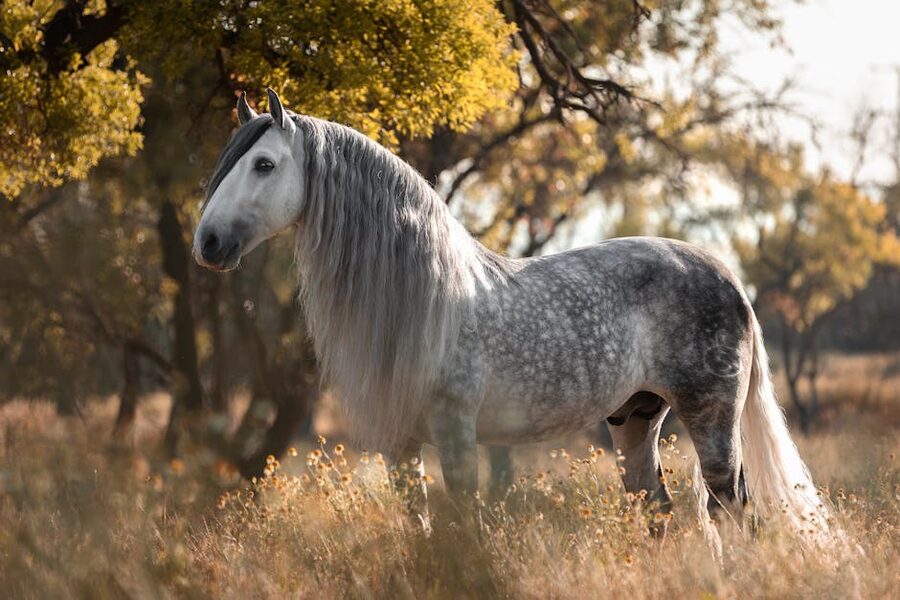
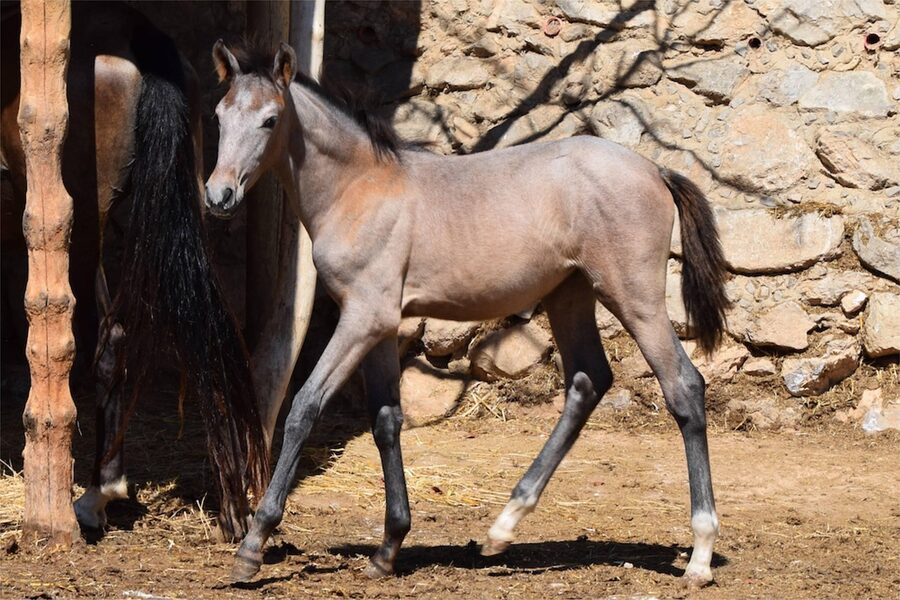
The horses themselves are pure Andalusian, also called PRE (Pura Raza Española). Almost all of them are grey, which means they were born black or bay and turned white as they aged, the way the breed does. They are not Lipizzaners, despite what the show looks like to anyone who’s been to Vienna. The Lipizzaner stock at the Spanish Riding School in Vienna was originally bred from these Andalusian horses in the 16th century, so the family resemblance is real, but the Jerez performance is the older tradition.
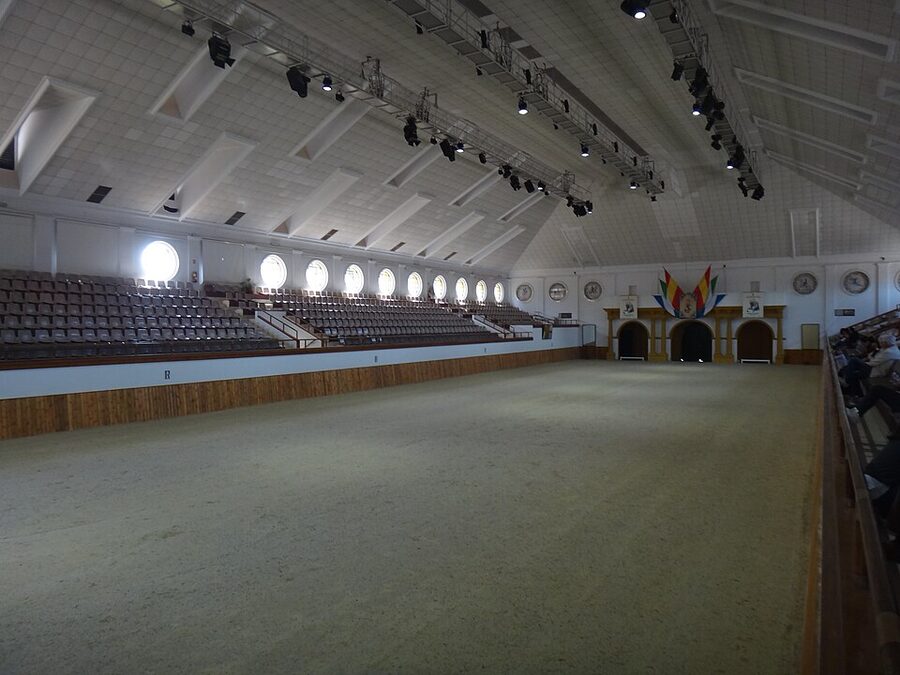
The show is about ninety minutes including the pause between numbers. There’s no interval. No food or drink inside the arena, no photography (this is enforced, and the staff will stop the show if anyone keeps trying), and no clapping mid-number, only at the end of each choreography. The whole thing ends with all eight horses in formation and a bow from the riders. People stand. The horses leave. That’s it.
Show days and times: it’s not every day
This is the part competitor articles get wrong, so pay attention. The show does not run daily. It runs on rotating weekdays that change by season, and the rest of the time the school is doing closed training with the public allowed to watch a different (cheaper) experience. Booking the wrong day is the single most common mistake.
The rough schedule, which the school updates monthly on its calendar, is:
- January to April: Thursdays only.
- May: Tuesdays and Thursdays.
- June: Thursdays.
- July: Tuesdays and Thursdays.
- August to October: Tuesdays, Thursdays, and Fridays. This is the peak window.
- November and December: Tuesdays and Thursdays, with December tightening to Thursdays only around the holidays.
The show always starts at 12:00 sharp. Doors open about thirty minutes before. The on-site box office runs 9:30 to 11:45 the morning of the show, but if you turn up cold without a ticket on a peak summer Tuesday you have a real chance of being turned away. Pre-book. The official school site sells direct, and so do the resale platforms, and the price difference is small enough that the convenience usually wins.
If you can only spend one day in Jerez, build your day around a show date. Don’t reverse-engineer it. The town is good but it’s the school that’s worth the trip.
What happens on training-only days
Mondays, Wednesdays, Saturdays, and any non-show day still let you visit. The school sells what it calls a Full Visit ticket, around €11 for adults, that gets you an audio-visual presentation, a session watching the riders train in the indoor arena, and entry to the Palace State Rooms, the Equestrian Art Museum, the Carriage Museum, the stables, and the tack room. Visiting hours are 10:00 to 14:00.
The training session is the under-rated half of this. You’re sitting in the same arena watching the same horses learn the moves you’d otherwise see polished. Riders stop, repeat, correct, and the horse master walks the floor giving instructions. It’s a lot quieter than the show, no costumes, no music, just sand and breathing and the click of a riding crop on a boot. If you’ve ever been curious about how dressage actually gets coached, this is the cheaper, longer, more interesting way to see it.
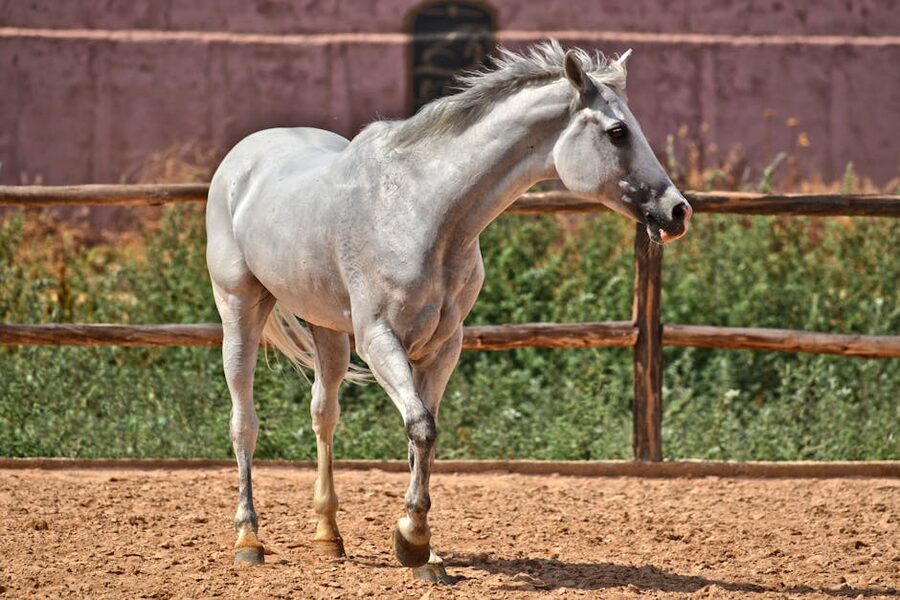
The trade-off: no choreography, no costumes, no music. If you want the spectacle, come on a show day. If you want to understand the spectacle, come on a training day. People who only have one day in Jerez should pick the show. People with two days could realistically do both.
Museums, tack room, and the palace
This is the part I’d add a fifteen-minute buffer for either side of the show. The combo ticket that bundles the show with the museums is the sweet spot. It’s a small price bump on the show-only ticket and you get access to four buildings on the grounds you’d otherwise rush past.
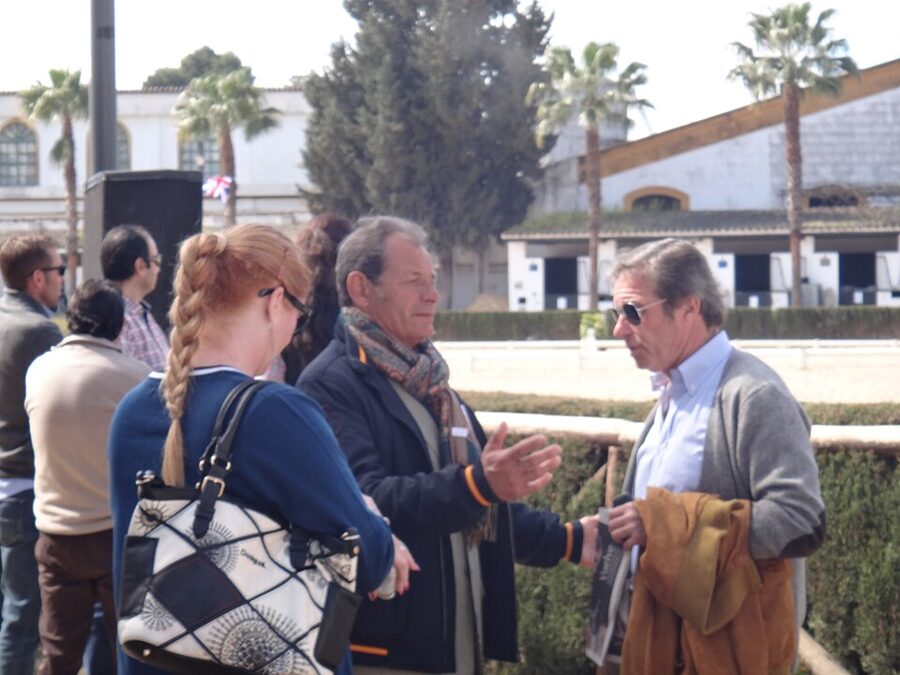
The four buildings:
Museum of Equestrian Art. The history of Spanish horsemanship from Roman cavalry through the Reconquista to the Bourbon court. There’s a strong section on the breeding programs of the 16th century that produced both the modern PRE and the Lipizzaner stock the Habsburgs took to Vienna. The video room shows the choreographies you can’t film yourself. Forty-five minutes if you read everything, fifteen if you don’t.
Carriage Museum. Self-explanatory, but better than I expected. The 18th-century state carriages are still functional. Some are still used by the school for ceremonial outings. Look for the carved royal coat of arms on the lacquered side panels, that’s where the Bourbon connection becomes visual rather than written.
Stables and tack room. About sixty stalls arranged around a cobbled courtyard. You can walk past the front of each stall while the stallions look at you. The tack room is the room I always tell first-timers to slow down in. The harnesses, bridles, and ceremonial bits hanging on the walls go back to the 18th century in some cases, and a lot of them are still in active rotation for the show.
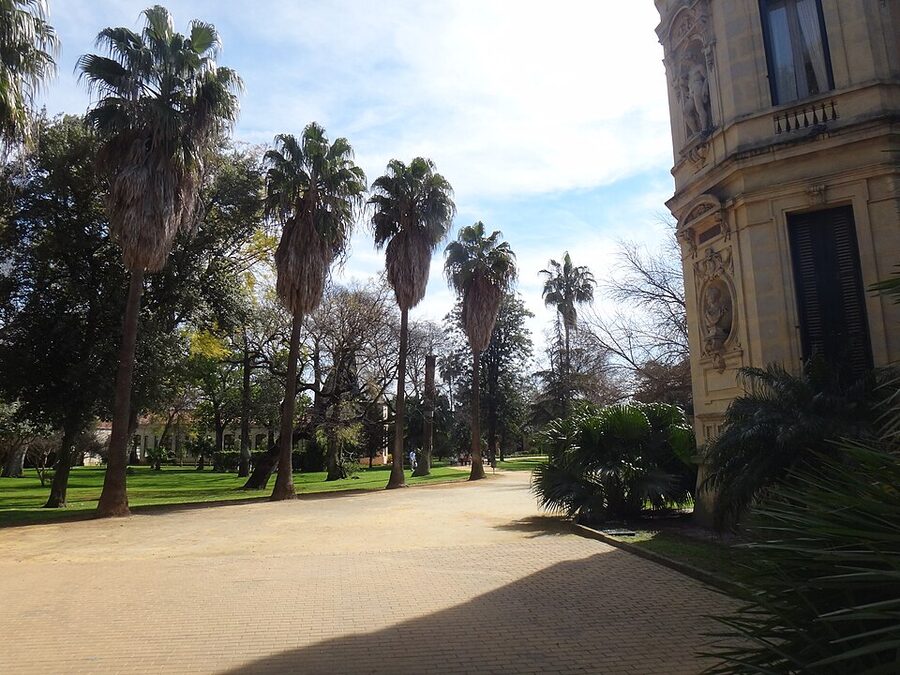
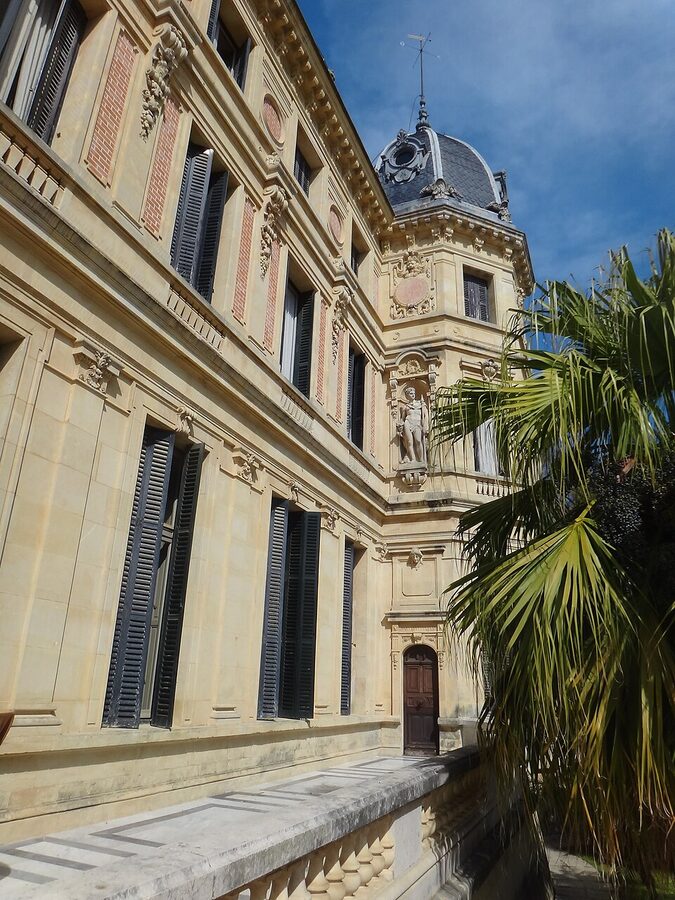
Palace State Rooms (Palacio de las Cadenas). The 19th-century palace next to the arena, in French Second Empire style, used for the school’s formal functions. Worth ten minutes. The painted ceilings and the chained iron entrance gate (which is what cadenas means in Spanish) are the highlights.
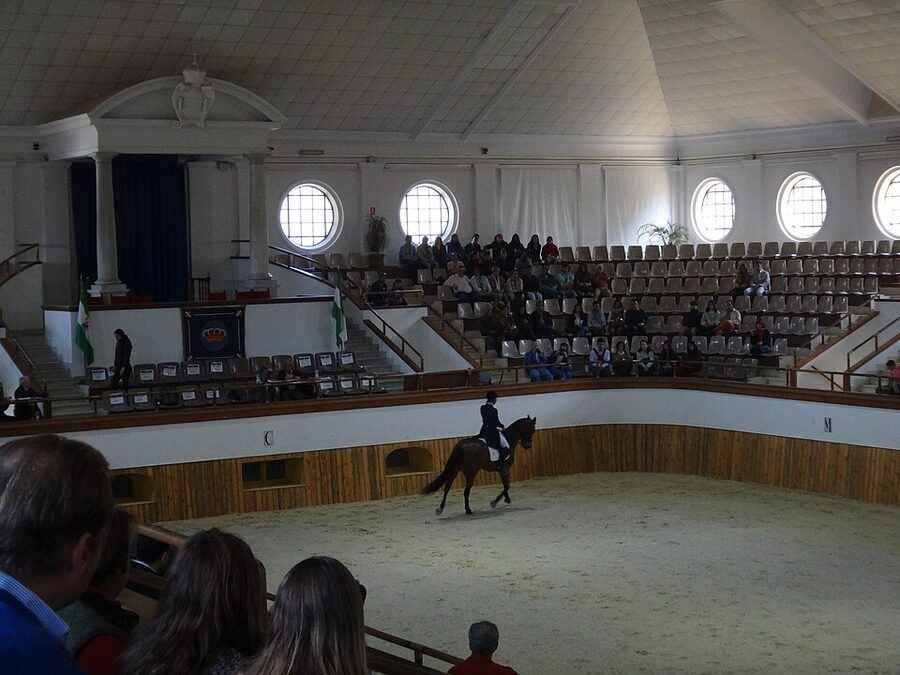
If you’re picking between a show-only ticket and the show-plus-museums combo, I’d take the combo unless you’re on a day trip with a tight return train. The show ends at about 13:30. You can do all four buildings in the afternoon and still leave Jerez by 17:00.
The three tours I’d actually book
There are about a dozen ways to book this experience. I’ve narrowed it to three based on review volume, what’s actually included, and whether the price reflects what you actually get. The flagship is the show-only ticket. The combo is the upgrade I’d recommend to most first-timers. The Carthusian farm visit is the bonus add-on for anyone who’s coming back for a second day or already a horse person.
1. How the Andalusian Horses Dance Show Ticket: from $31
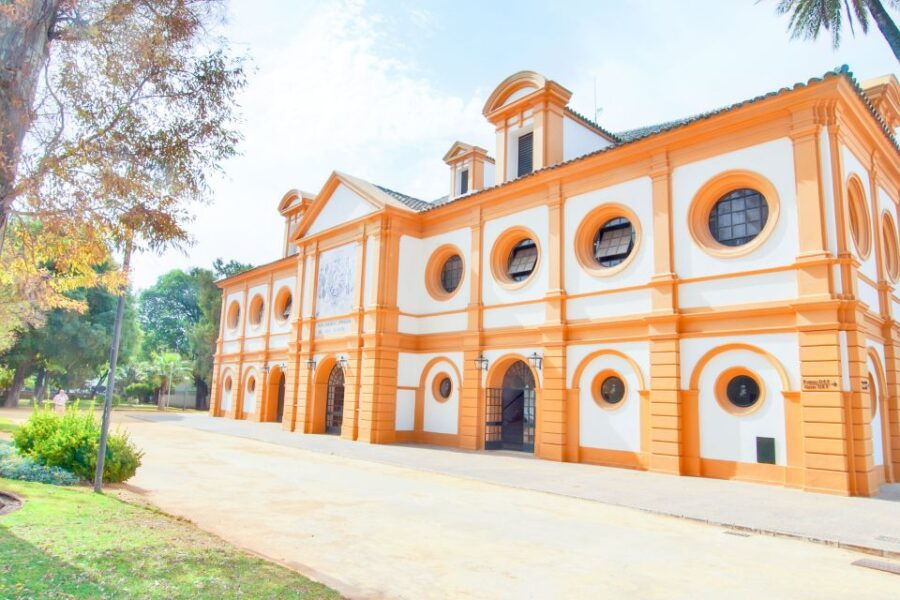
This is the standard entry. You get a numbered seat for the noon show, the ninety-minute choreography program, and access to the arena seating area. Our full review of the show ticket covers seat tier differences (preference rows are closer to the arena floor) and what to expect on busy summer dates. Skip the extras if you only have a few hours in Jerez and just want the spectacle.
2. Andalusian Horse Dance and Museums Combo: from $38
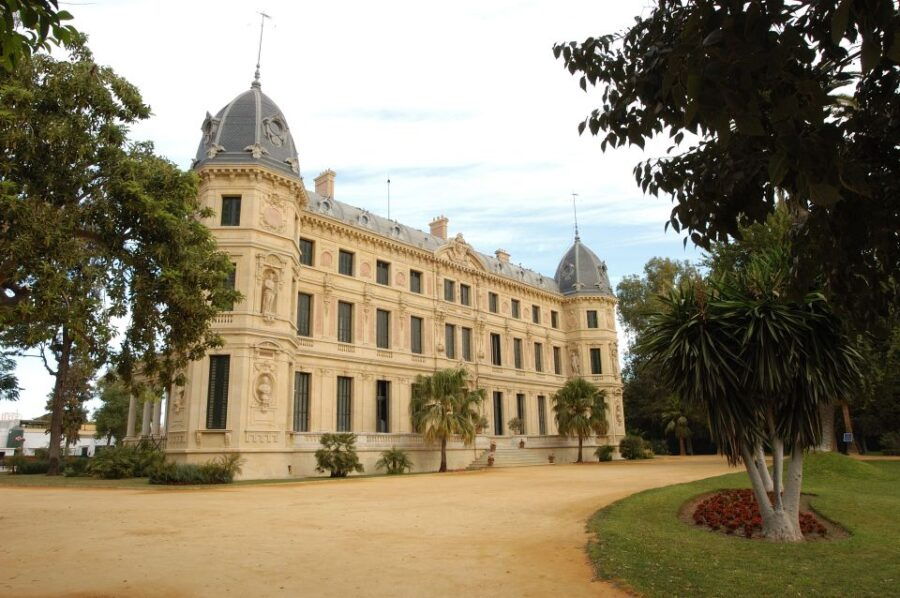
For an extra few euros you get the show plus access to all four buildings on the grounds. I think this is the version most visitors should book, the museums are quietly excellent and the school grounds reward an unhurried walk. Our combo ticket review goes deeper on what’s in each museum and how to plan the afternoon. Bring a bottle of water, the carriage museum gets warm in summer.
3. Yeguada de la Cartuja Carthusian Horses Tour: from $22
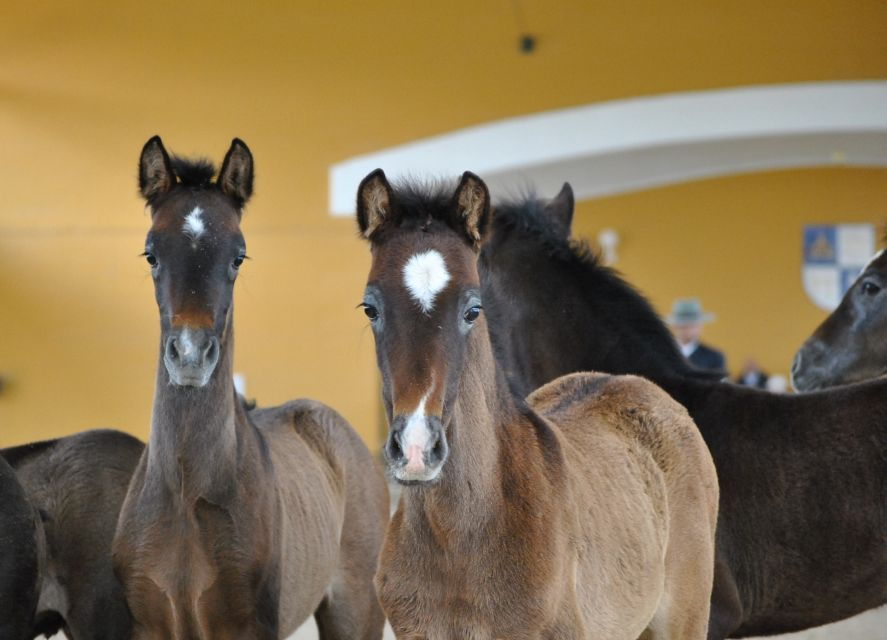
This is the second visit, not the first. Yeguada de la Cartuja is the state stud farm where the rarest line of the PRE bloodline (the Cartujano) is bred and conserved. Saturdays only, with a guided two-and-a-half hour tour and a final dressage exhibition in their own arena. Our Carthusian farm review covers transport and the difference between the broader PRE breed and the Cartujano sub-line. Pair this with a Friday show in August or October for a perfect two-day Jerez weekend.
Where Jerez sits, and how to get there
Jerez de la Frontera is the inland sherry capital of Cádiz province, about 90 km south of Seville and 35 km north of Cádiz city. It has its own airport (XRY) with a few low-cost European routes, a train station on the Madrid-Seville-Cádiz line, and a bus station with regional links. Most visitors arrive by train from Seville, by car from the Costa del Sol, or as a day trip from a cruise stop in Cádiz port.
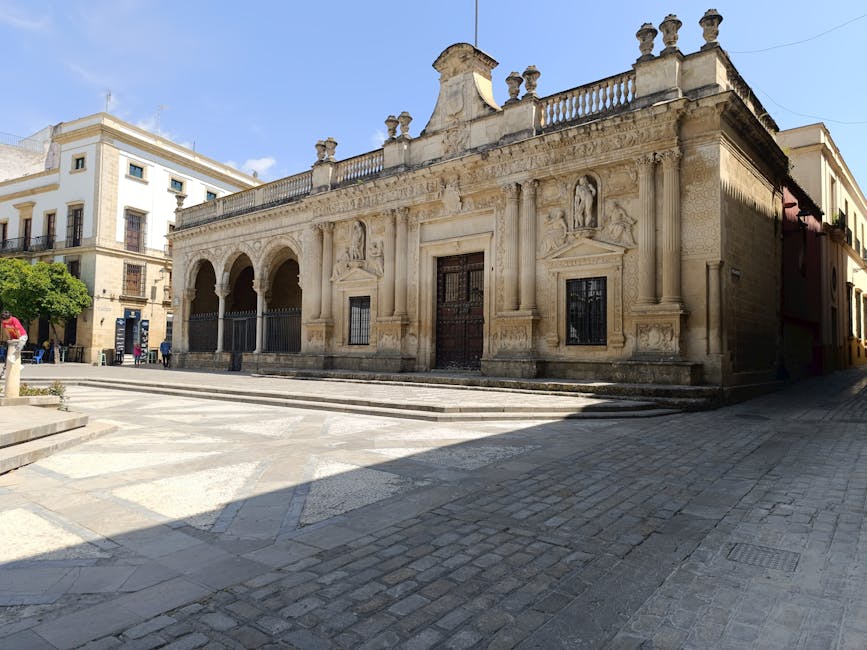
From Seville: the Renfe MD train runs about every two hours, takes 70 to 90 minutes, and costs around €13 one way. The high-speed Avant is faster (45 minutes) and slightly more expensive. From the Jerez train station to the Real Escuela is a 10-minute taxi or a 25-minute walk. If you’re combining Jerez with the rest of Andalusia, our Seville cathedral guide and Alcázar booking notes are useful for the same trip, both attractions are walkable from the same station you’d leave from.
From Cádiz city: 30 to 40 minutes by train, more frequent than the Seville service. Cheap. Easy. Cádiz also has a cruise terminal, so if you’re docked there for a day, Jerez is the most rewarding day-out option short of doing the city itself.
From Málaga or the Costa del Sol: longer. Three hours by car, or you change trains in Seville. If you’re already in Málaga it’s a real day’s commitment, and frankly I’d usually point Málaga-based readers at Ronda and Setenil instead, the Alcazaba and Roman Theatre in town, or the Gibraltar day trip for something different. But if horses are the reason you came to Spain, do the drive.
From Madrid: not a day trip. Take the AVE to Seville and use Seville as your base.
The from-Seville day trip option
Most visitors who book the show as part of a wider Spain trip do it from Seville. The standard format is an organised coach day-trip that combines Jerez (the school plus a sherry bodega) and Cádiz (a walking tour of the old town) into a single long day, leaving Seville around 8:00 and returning by 19:00.
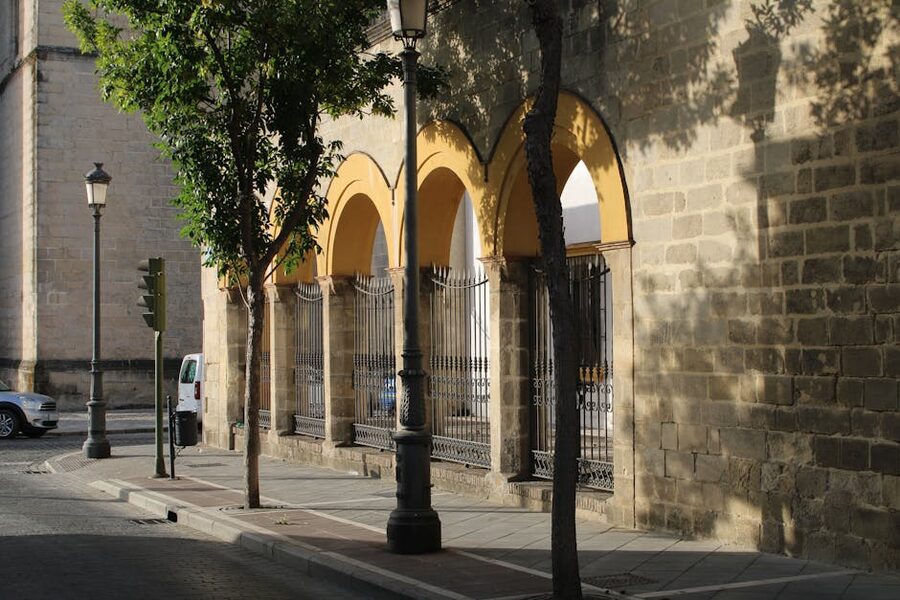
The trade-off: a structured coach day means you don’t pick the show date, the operator does. If your dates align with a Tuesday or Thursday in season, the day-trip is genuinely good value. If they don’t, you’ll see the school but not the show. Read the fine print before you book, and check whether the show is included or “if available.” If it isn’t, do it independently.
Coming from Seville on your own (DIY) is also straightforward. Catch the 8:35 train, arrive Jerez 9:50, walk to the school by 10:30, see the show at 12:00, do the museums after, eat lunch in the centre, train back by 17:00. That’s the standard solo plan. People who want flamenco the same evening can fit it in if they get the 17:00 train back, our Seville flamenco show guide has the venues clustered close to the station.
Pairing the show with a sherry bodega
Jerez is the global home of sherry. The town gives the wine its name (from Xeres, the Moorish version of Jerez, which became sherry in English). Almost every major sherry brand has a bodega within walking distance of the Real Escuela: Tio Pepe, Sandeman, Lustau, Williams & Humbert, Bodegas Fundador, González Byass.
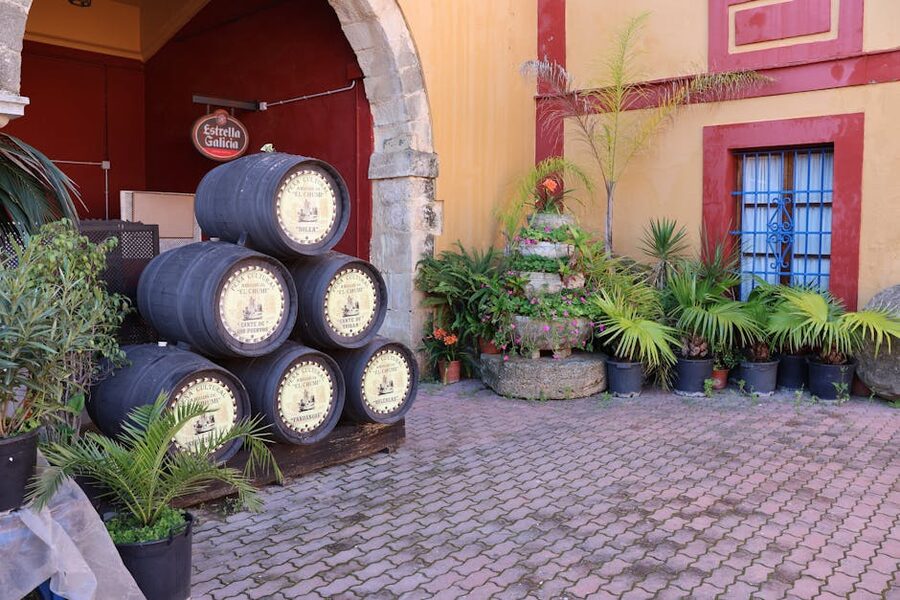
The standard bodega tour runs 60 to 90 minutes, includes a tasting of three to five sherries (fino, manzanilla, amontillado, oloroso, palo cortado, sometimes a Pedro Ximénez at the end), and finishes around 14:30 if you do an early one. Which means you can absolutely fit a sherry tasting between the show (ends 13:30) and your train back to Seville (most useful one is around 17:00).
The match works the other way too. Pre-show sherry, ten in the morning at González Byass on the way to the school, sets you up oddly well for a noon show. The sherries are smaller pours than wine, the alcohol is similar to wine, and the tasting is structured rather than indulgent. Just don’t book a bodega that finishes after 11:30 if your show is at 12:00, you won’t make it across town in time.
Bodegas Fundador is the closest to the school, a five-minute walk, and it’s the bodega the school staff usually recommend. The historic Tio Pepe complex (González Byass) is bigger and more touristy but worth the visit if you want the famous bottle photos and the wider tasting set.
What it costs, all in
The school’s own ticket prices, in euros, before resale platforms add their margin:
- Show entry, General (rows 3 to 7): around €27 adult.
- Show entry, Preference (rows 1 and 2): around €21 adult.
- Show plus Short Visit combo: a few euros more than the show alone.
- Show plus Full Visit combo: about €38, the version I’d recommend.
- Training day, Full Visit only: €11 adult, €6.50 child.
- Carriage Museum on its own: €4.50 adult.
Resale platforms add their own service fee but lock in your seat in advance, which on busy summer dates is the difference between attending and being turned away. The price difference is usually small. The biggest variable is row tier, the front two rows (Preference) sell out first because the angle on the dressage moves is better.
Add a coach day-trip from Seville on top of the ticket and you’re at €70 to €100 all in for the full day with sherry and Cádiz included. Versus the DIY solo trip from Seville (€13 train return + €38 combo + €15 sherry tasting = around €70), the organised day-trip is similar money for less flexibility. I default to DIY unless you don’t want to handle the logistics or the show date doesn’t align with your calendar.
Eating and drinking around the school
The Real Escuela is in the north of the historic centre, which means you’re a five-to-ten minute walk from a cluster of tabancos (sherry taverns) and traditional Andalusian restaurants. After the show, walk south toward Plaza de la Asunción and Calle Larga and you’ll hit the main eating streets.
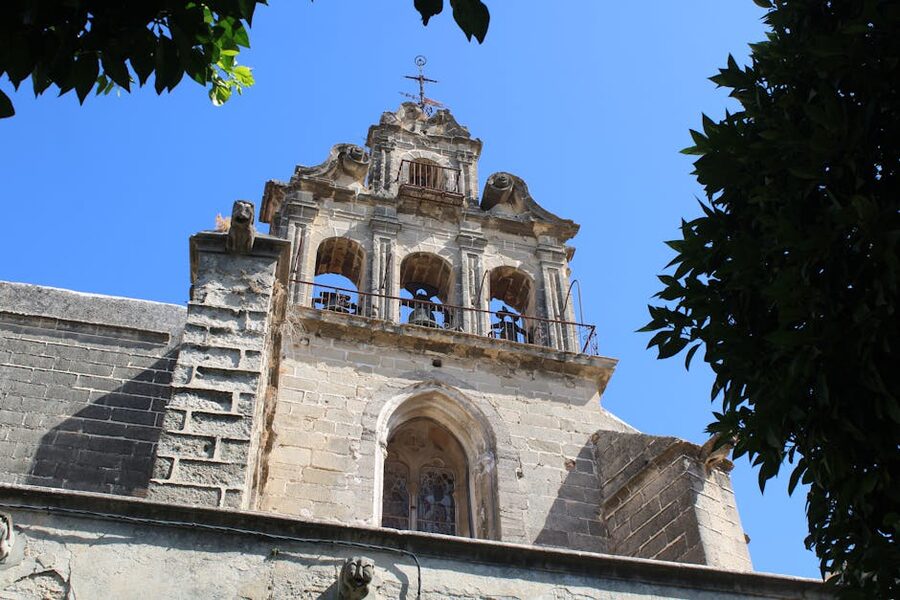
Tabanco El Pasaje is the standard recommendation. It’s a flamenco-pluse-sherry tabanco that runs short performances at lunchtime and dinner, sells fino by the small glass for around €1.50, and serves classic tapas. La Carboná, in a converted bodega building, is the upmarket pick if you want a sit-down lunch with a proper sherry pairing menu. Both close one day a week, check before walking over.
If you only have time for one drink, make it a chilled fino or a manzanilla at the nearest tabanco. The pairing of sherry plus the show, eaten in the same district where the wine is made and the horses are bred, is the single best afternoon Jerez offers.
A short history of the school
The Real Escuela Andaluza del Arte Ecuestre was founded in 1973 by Álvaro Domecq Romero, a Spanish horseman from the Domecq sherry family, and granted the “Real” (Royal) designation by King Juan Carlos in 1987. The school’s stated mission is to preserve the classical Spanish equestrian arts, breed and train PRE stallions, and present the resulting work in the choreographed show.
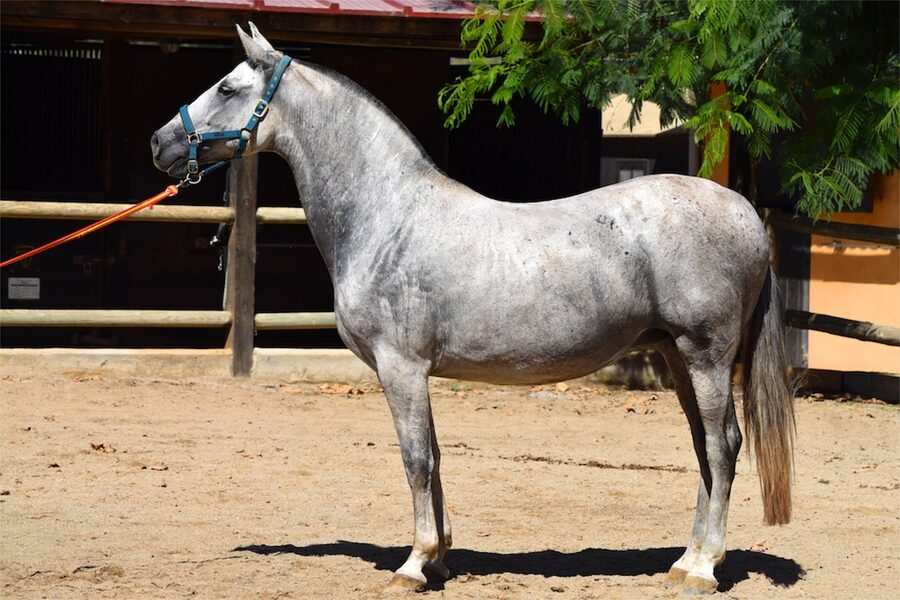
The school sits on the grounds of the Recreo de las Cadenas, a 19th-century estate that was the country residence of the Marquis of Casa Domecq before passing to the Spanish state. The Palacio de las Cadenas (1864) is a French Second Empire-style country palace and now houses the State Rooms you can tour. The arena and stables were built later for the school itself.
Domecq’s choreography is what you watch today, more or less unchanged since the 1970s. The original idea, that classical dressage and Spanish folk equestrianism could be set to music and presented as a ballet, was new at the time. It became the template for the touring shows that came afterward, including the ones you might have seen at horse fairs across Spain. The Jerez version is the original and still the best produced.
The state has UNESCO recognized intangible heritage status for several elements of the Andalusian horse tradition. The school is the institutional anchor for that recognition. It also runs a respected riding academy, training the next generation of Spanish riders in classical dressage and doma vaquera.
Practical tips for your visit
Photography. Forbidden inside the arena during the show. They mean it. Phones away, cameras away. The audio-visual room in the museum will give you the footage you can’t film yourself.
Seating. Preference (front two rows) is the best angle for the airs above the ground and the long-rein work. General (rows 3 to 7) is fine for everything else and cheaper. Avoid the very last rows if your eyesight at distance is poor.
Timing. Arrive 30 to 40 minutes early. The walk-in queue is slow, and you want time to use the bathroom (no exit and re-entry mid-show).
Dress. Casual is fine. Locals dress smarter for the noon show in summer because they’re going on to lunch afterward. No dress code.
Children. The show is fine for children over about five who can sit still for ninety minutes. Under-fives, I’d skip it, the music gets loud and there’s no exit and re-entry. The training-day visit is more child-friendly because you can leave when you need to.
Wheelchair access. The arena has accessible seating, book direct with the school for the location. The grounds are mostly flat. The Palace State Rooms have one staircase the wheelchair circuit avoids.
Parking. None on site. Use the public car park on Calle Caballeros or Calle Sevilla and walk in. About €1.50 per hour.
Language. Tickets and signage are in Spanish, English, French, and German. The audio-visual presentation rotates between languages, check the day’s schedule. The show itself is non-verbal so language doesn’t matter once you’re in.
Booking lead time. In peak season (April, May, August to October) book at least a week ahead. Off-peak you can usually book the day before. Holiday weekends (Semana Santa, Feria de Caballo in May) sell out completely.
The Feria del Caballo and other horse weeks to avoid (or seek out)
Two weeks a year Jerez is taken over by horses. The first is the Feria del Caballo, the Horse Fair, in early May. The second is the Concurso Internacional de Doma Clásica, the international classical dressage competition, in March. Both bring the city to a standstill in the best way and the worst.
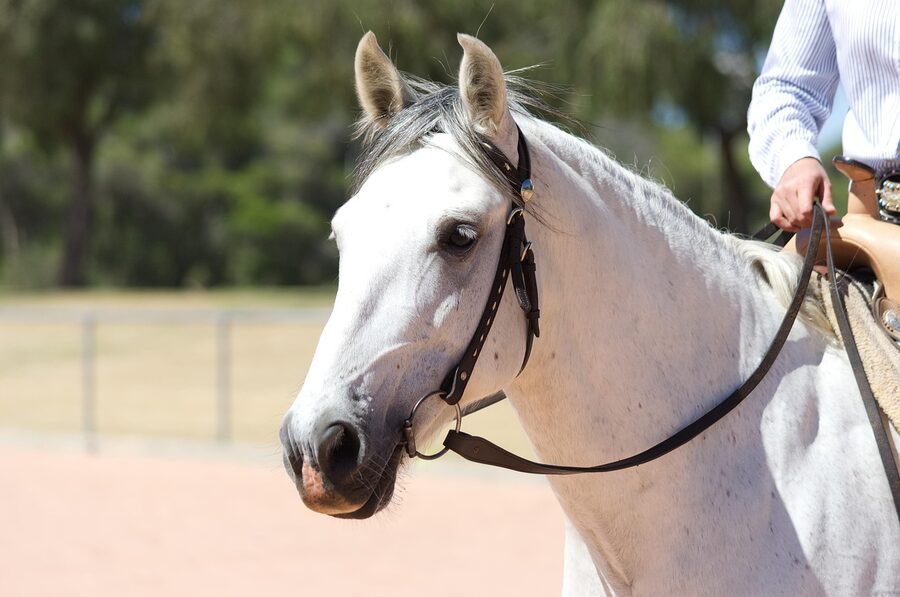
If you’re a horse person, the Feria is the trip. The whole town is in the festival grounds, every caseta (festival tent) has flamenco and sherry, and you’ll see more good horsemanship in a single afternoon than most countries see in a year. The school still runs its show during Feria week but tickets are scarce.
If you’re not a horse person, avoid Feria. Hotels triple their rates, the train is full, and the historic centre is too crowded to enjoy. Come either side instead.
Same logic for Semana Santa (Holy Week, late March or April). Beautiful, intense, hotels expensive, the school usually closes for the religious holidays. Plan around it.
How Jerez fits into a wider Spain trip
Most visitors slot Jerez into a Seville-Cádiz-Jerez triangle and treat it as a half day or a long day trip. Done well, it’s three days. Done minimally, it’s six hours and a train ticket. Either is fine.
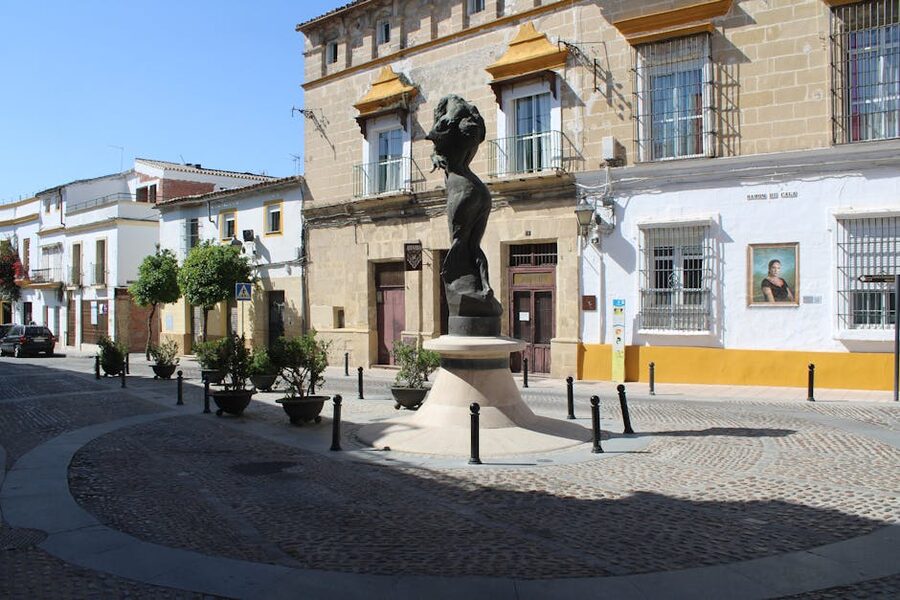
For a Seville-based week I’d recommend doing Jerez as a Friday in August or October so you can hit the show, eat lunch on Calle Larga, get back to Seville for an evening flamenco show, and not feel rushed. Friday show + Saturday Carthusian farm + Sunday Cádiz makes a strong three-day Andalusia south-west loop.
If you’re chaining the bigger Andalusian sights, Jerez sits naturally between Seville and Cádiz. Granada (with the Alhambra) is too far east to combine in the same day. Córdoba is too far north. Both deserve their own day. Our Alhambra booking guide and Mezquita ticket guide cover the booking quirks of those two if you’re sketching a longer route.
Common mistakes I see at the school
People show up on a Wednesday in February expecting a show. The show isn’t running. They’ve planned the trip around it. This happens more than you’d think because the calendar is monthly and the school’s official site can be slow to update. Always check the school’s calendar within a week of your visit.
People book the show without the museums and then wish they’d had the combo. The combo is small money for a lot more content. Book the combo unless you’re rushed.
People take photos in the arena. The staff stop the show. Everyone hates it. Phones away.
People skip the training day because “it’s not the real thing.” The training day is the real thing, just unedited. If you have two days in Jerez do both.
People drive in and waste 45 minutes finding parking. There’s no on-site parking. Drop passengers at the gate and find parking after.
Other places to see Andalusian horses if Jerez doesn’t fit
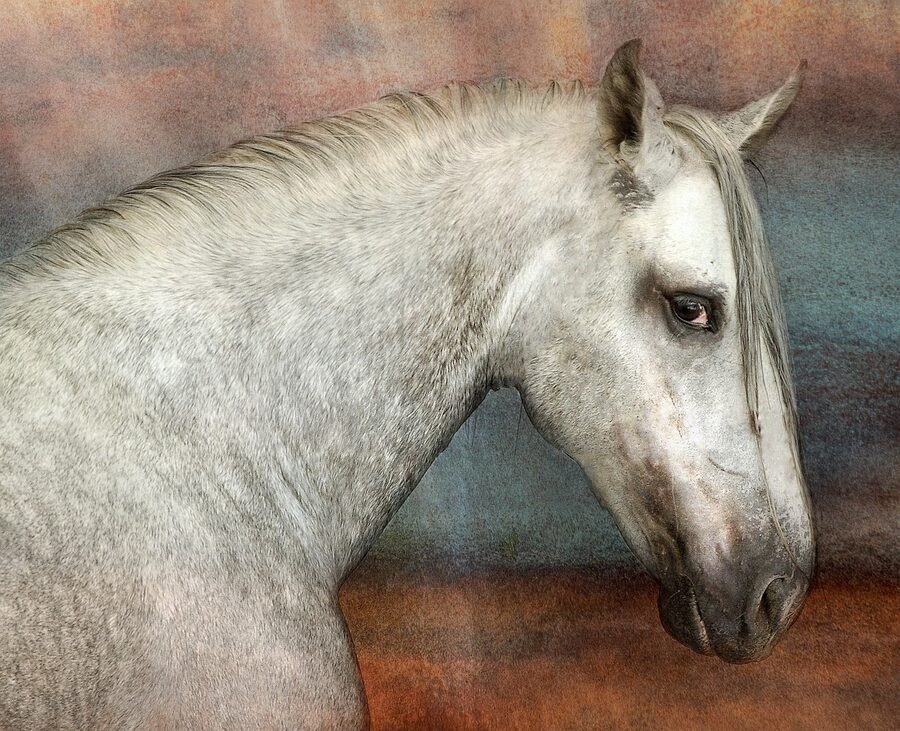
The Real Escuela in Jerez is the gold standard, but Andalusian horsemanship runs through the whole region. If your dates don’t align, here’s where else to look.
Yeguada de la Cartuja (the Cartujano stud farm), 20 minutes from Jerez, runs a Saturday tour of the bloodline with a final dressage exhibition. Not the same as the show but cheaper, smaller, and more intimate.
Córdoba’s Caballerizas Reales, the Royal Stables of Córdoba, run a daily evening show called Pasión y Duende del Caballo Andaluz that combines flamenco dancers and Andalusian horses on the same stage. Different format, and good if you’re already in town for the Mezquita. The Málaga coast has a similar combined performing-arts circuit, our Málaga flamenco show guide covers the equivalent venues there.
Touring shows at Andalusian horse fairs (Feria del Caballo Jerez, Sevilla April Fair, Ronda) put on free informal demonstrations across the region between April and October. Less polished, but you’re closer to the horses and the riders than the school’s seated arena allows.
Riding lessons at private equestrian centres around Jerez and the Costa de la Luz let you actually ride a PRE for an hour or so. Worth the half-day if the closest you’ve come to a horse before is a Sunday park pony.
Where else to spend your Andalusia time
If you’ve enjoyed Jerez and have a few more days in the region, the rest of Andalusia is right there. The closest day from here is Seville, where you can still pair the show afternoon with an evening at a Santa Cruz flamenco tablao if you catch the 17:00 train. The big Seville landmarks (the cathedral and Giralda, the Royal Alcázar) round out the same trip without much extra logistics. The horses are the best argument for Jerez specifically. Everything else is the bonus.