
The cave smells of damp limestone and old smoke. You’re sitting on a low rush-bottomed chair pressed against a whitewashed wall, the ceiling so close you could reach up and touch the curve of it. Then a hand cracks down on a wooden box, the singer lets out a long broken cry from the dark end of the room, and the woman two metres in front of you starts to stamp.
Granada is not the same as Seville. Our Seville flamenco booking guide walks through the tablao circuit and the small palace courtyards there, and it’s a completely different format. Granada has those too, up in the Albaicín, but the thing that pulls travellers off planes is what happens on the other hill. Sacromonte. Cave shows. A style called zambra gitana that you’ll only find here.
- In a Hurry? Top Picks
- Why Granada flamenco is its own thing
- Sacromonte cave shows: what they actually are
- Albaicín tablao shows
- The downtown theatre option: La Alboreá
- My picks
- 1. Granada Flamenco Show in La Alboreá: from
- 2. Sacromonte Flamenco Show at Cuevas Los Tarantos: from
- 3. Granada Flamenco Show in Albaicín – Jardines de Zoraya: from
- How booking actually works
- Combining flamenco with the Albaicín walk
- What zambra actually is
- When to go
- Tickets, pricing, what to actually pay
- Other Granada planning to do
- Things I’d skip
- Around Granada and beyond
In a Hurry? Top Picks
- Flamenco Show at La Alboreá: from $21. The most-booked show in Granada. Polished theatre format, central downtown location, easy to slot in after the Alhambra.
- Sacromonte Cave Show at Cuevas Los Tarantos: from $33. The original cave venue, running since 1972. This is the real Sacromonte zambra in a real cave, not a venue dressed up to look like one.
- Jardines de Zoraya in the Albaicín: from $22. The intimate Albaicín tablao option. Open-air patio in summer, indoor sala the rest of the year, a five-minute walk down from Mirador San Nicolás.
Why Granada flamenco is its own thing

Flamenco didn’t all come from one place. The whole art form grew out of Romaní (gitano) communities across Andalusia in the 18th and 19th centuries, but each major city kept its own dialect of it. Seville built tablaos and small palace shows, polished and theatrical. Madrid took the format and scaled it up. We cover that scene in our Madrid flamenco guide, where the rooms get bigger and the choreography gets glossier.
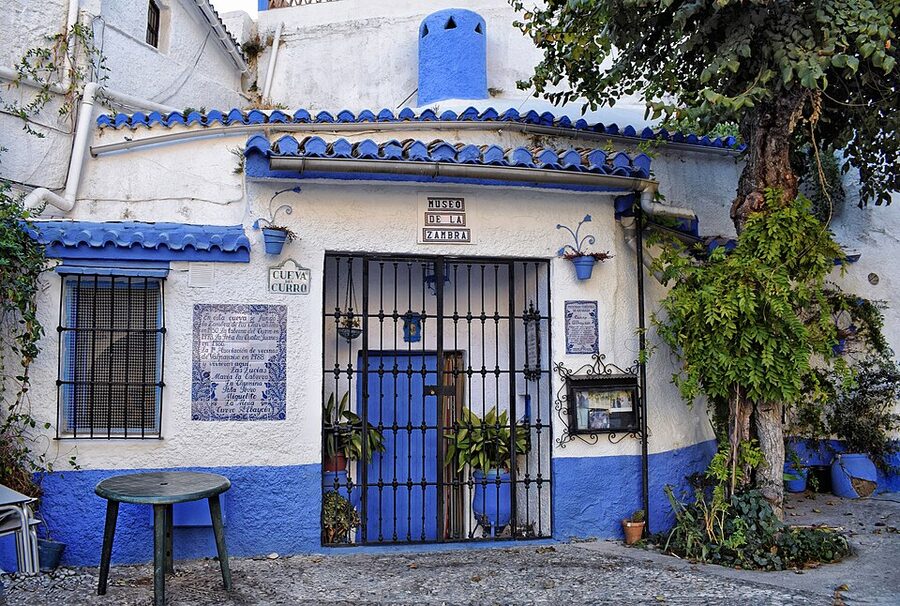
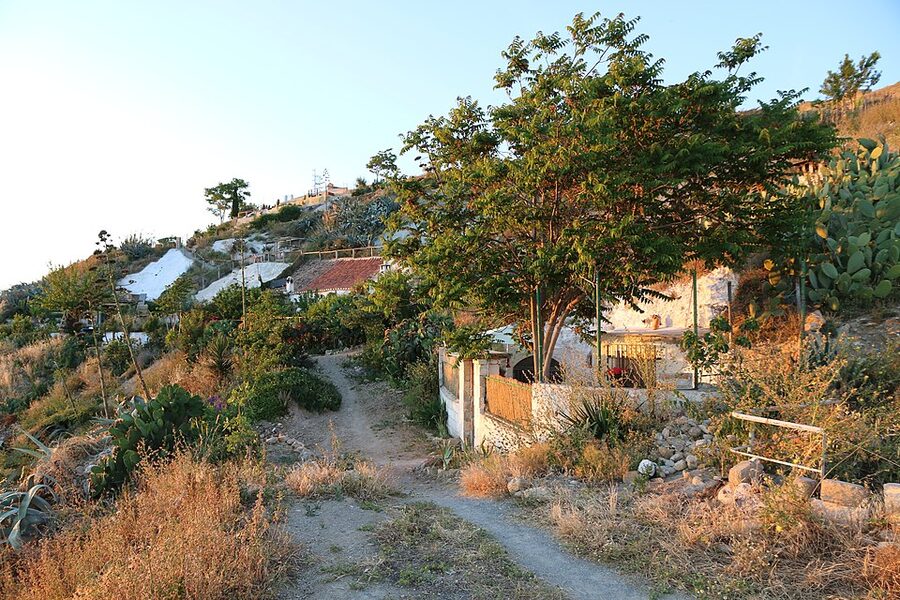
Granada took a different fork. The Roma families that settled in Sacromonte in the 16th century carved their houses into the soft tufa rock of the hill, and they developed a wedding-party form called zambra. It’s flamenco, but the sequence is fixed (alboreá, cachucha, mosca), the dancers pull audience members in, and the whole thing happens in a domestic-scale room rather than on a stage. The first commercial cave shows opened in the 1950s. Cuevas Los Tarantos, where I usually send people first, has been running since 1972. The same families perform.
So if you’re in town for two nights, you can actually see two completely different performances. A polished Albaicín or downtown tablao on one night, a cave zambra on the other. They feel nothing alike. Most travellers booking blind end up at one and assume that’s all Granada has, which is a shame.
Sacromonte cave shows: what they actually are
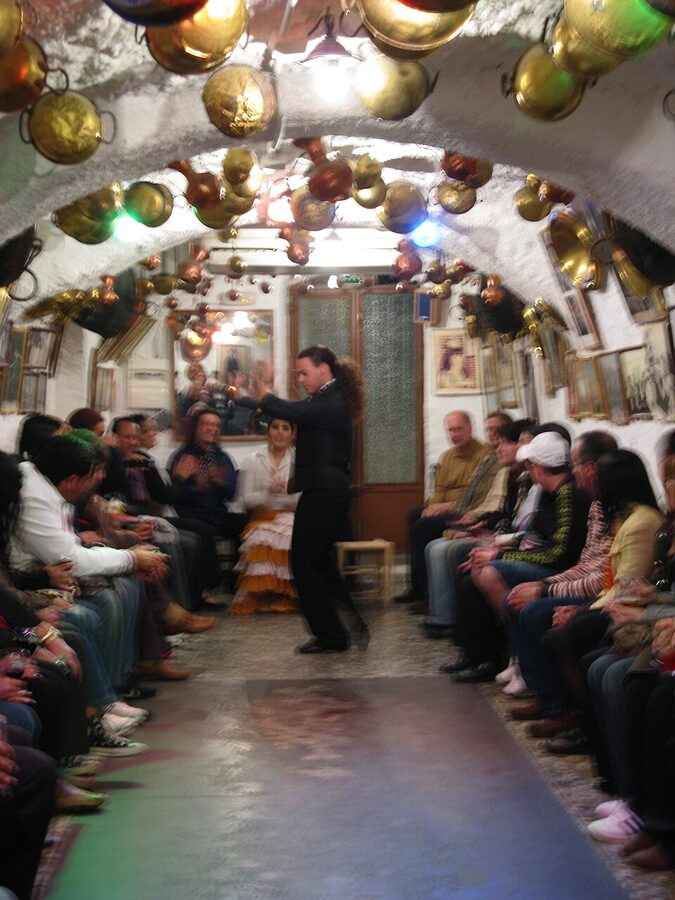
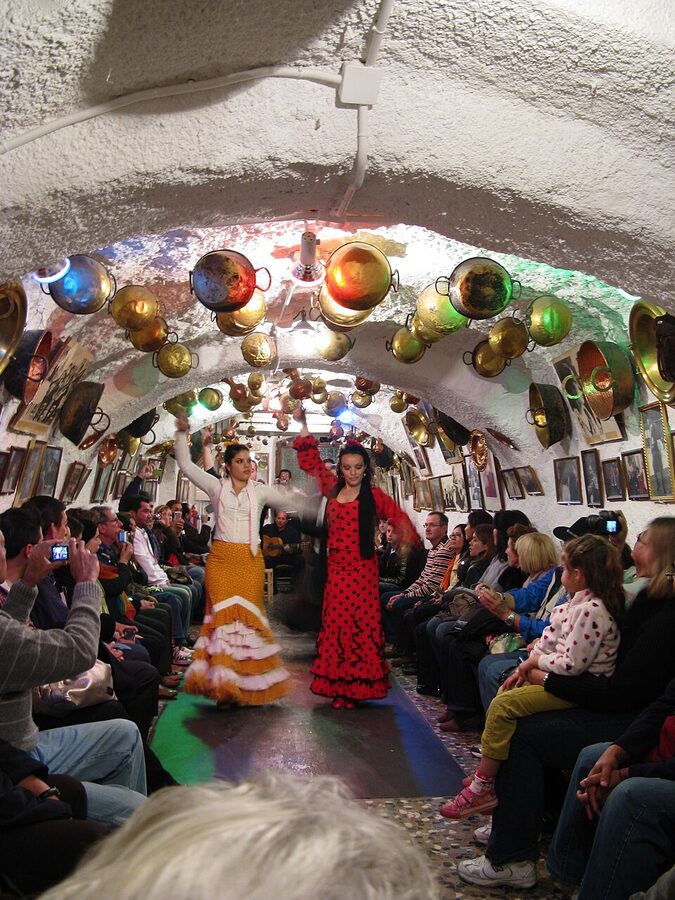
A cave venue is a long, narrow room hollowed into the hillside. Whitewashed walls, copper pots hanging in rows, a packed-earth or tile floor. The audience sits on chairs along both side walls. The dancers work in the strip of floor between, sometimes a metre away from the front row. There’s no stage, no lighting rig, no microphone on the dancers, and frequently no real PA at all. The acoustics are the room.
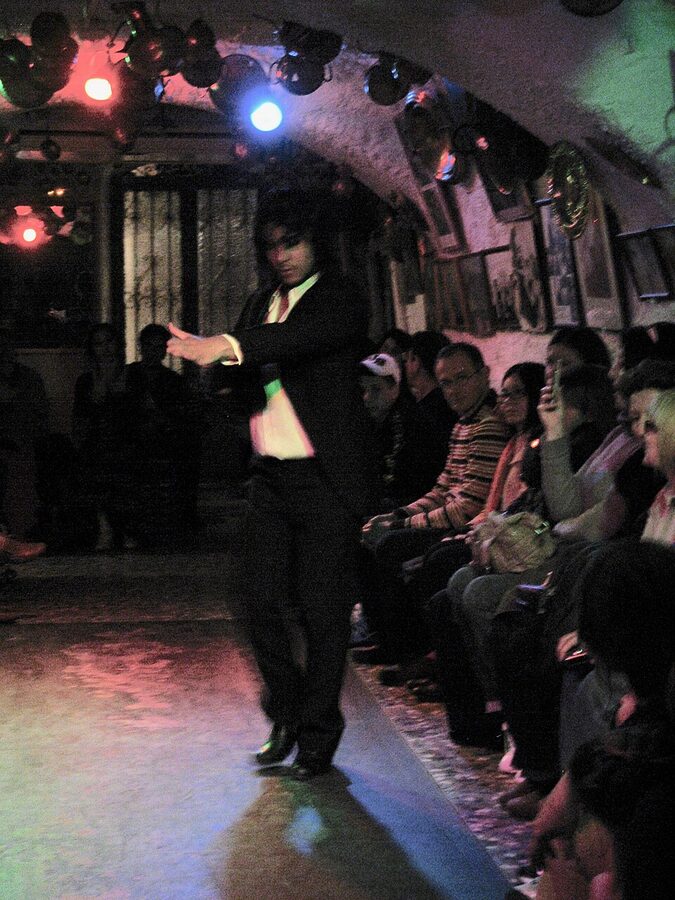
Most cave shows run sixty to seventy-five minutes with no interval. You’re served a drink at your seat (usually included), no food. The artists work their way through five or six numbers, and a zambra-format show will follow the traditional sequence: alboreá first (the wedding-morning piece), then cachucha (a couple’s dance), then mosca (a circle dance with the bride and groom). When the dancer pulls a tourist up to spin them around at the end of the mosca, that’s authentic. It’s how a real Sacromonte wedding zambra has worked for two hundred years.
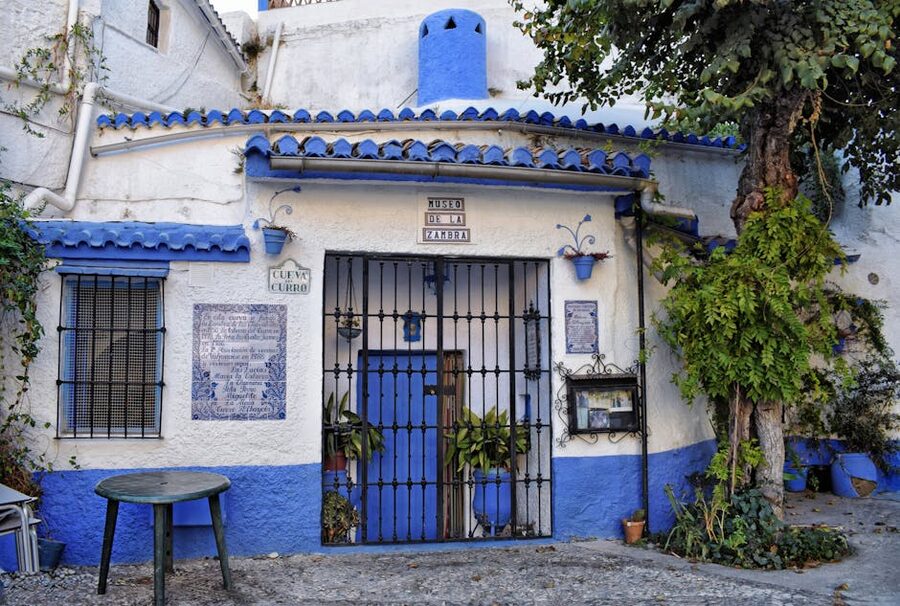
The big four cave venues are Cuevas Los Tarantos, Templo del Flamenco, Cueva de la Rocío, and Los Amayas. Tarantos is the oldest and the easiest first booking. Los Amayas is smaller, family-run, and tends to feel more intimate (it also draws a lot of repeat visitors who didn’t like Tarantos’s slightly more produced format). They’re all on Camino del Sacromonte within about 400 metres of each other.
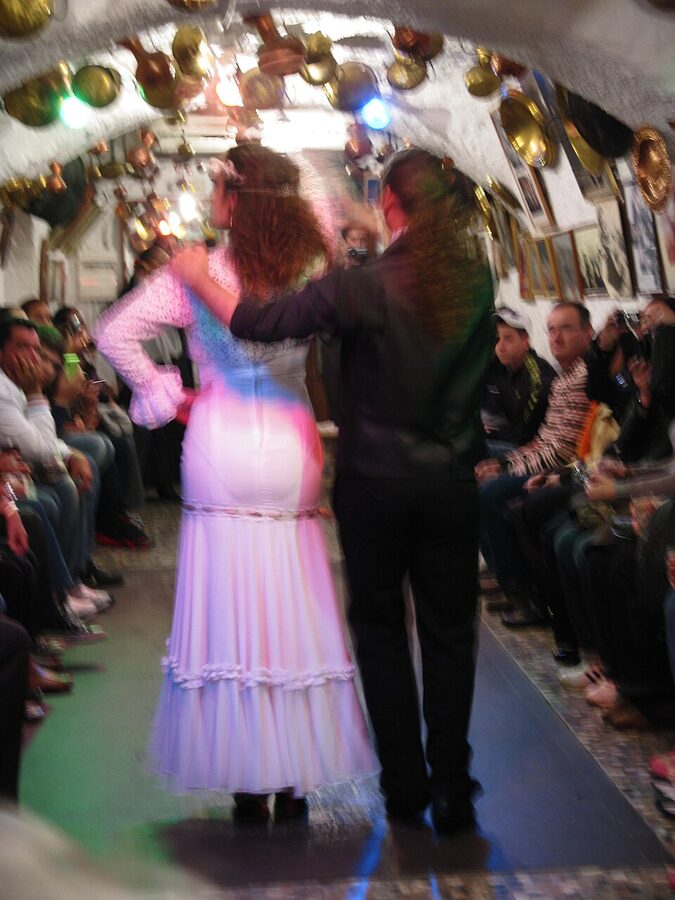
One warning. The cave format depends on the room being full and warm, and on a specific kind of energy from the audience. Sometimes you get a tour-bus night where half the room doesn’t know what it’s looking at and the artists work a bit harder to bring the temperature up. It can still be excellent. But if you have the choice, book the later show (10pm rather than 7pm). The 10pm crowd skews more local-Spanish and it lands differently.
Albaicín tablao shows
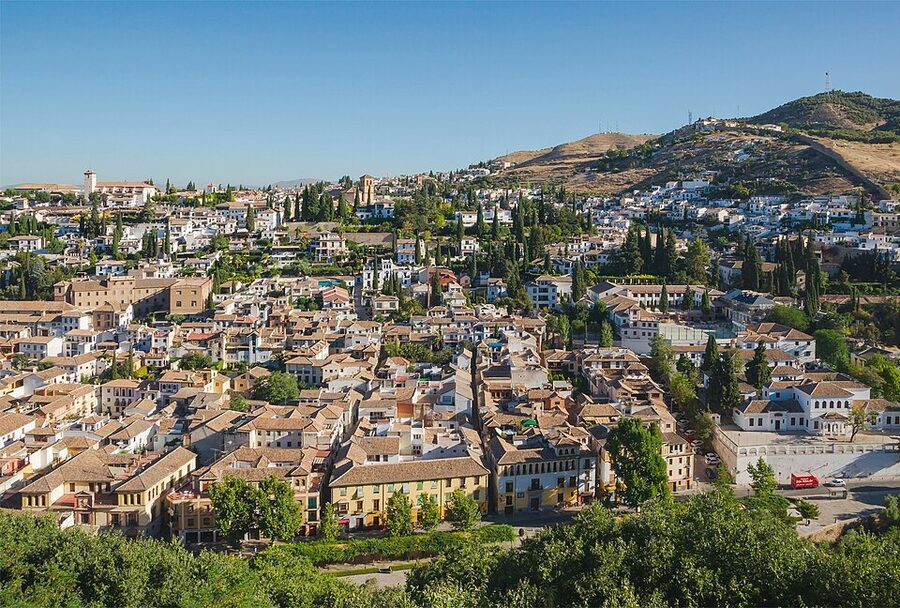
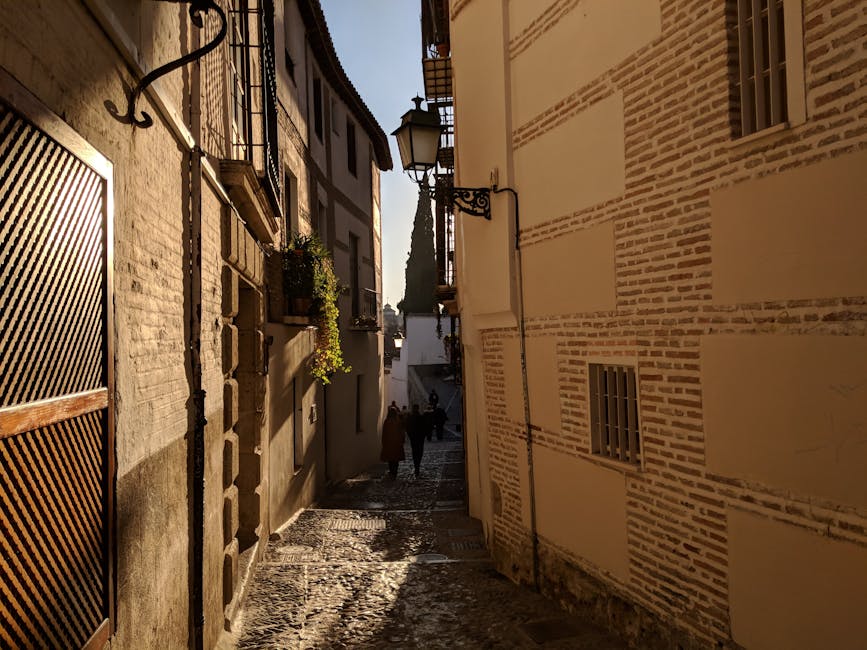
If a cave isn’t your thing, the Albaicín tablao circuit is what you want. The Albaicín is the old Moorish quarter directly across the river from the Alhambra, with whitewashed lanes that climb steeply up to the famous Mirador San Nicolás viewpoint. Several tablaos sit in old houses tucked into those lanes. The format is closer to what you’d see in our Seville guide, just smaller and more domestic-feeling.
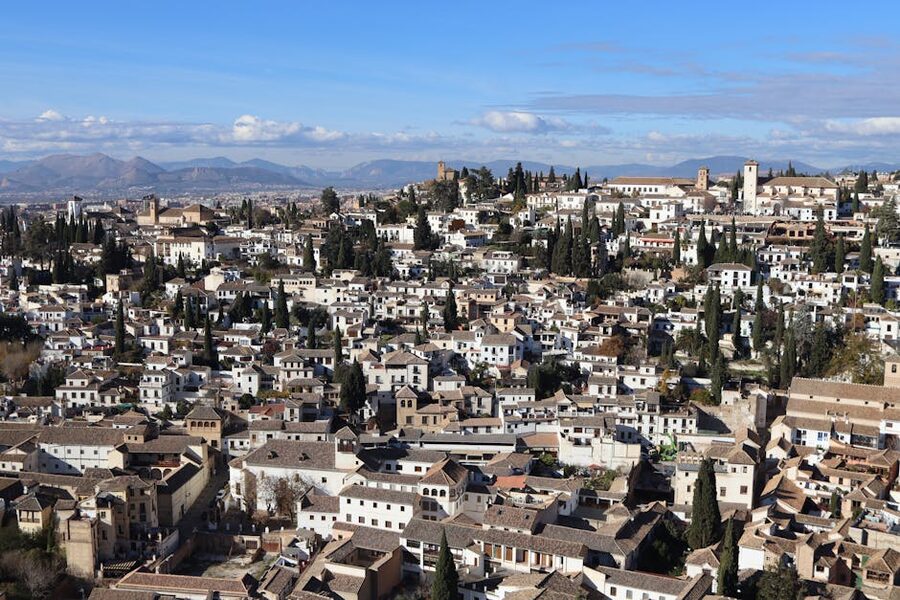
The pick of the Albaicín tablaos is Jardines de Zoraya on Calle Panaderos. It runs three shows most nights (7pm, 8.30pm, and 10pm), seats about a hundred, and has an open-air patio for the warmer months that’s properly atmospheric. The other one to know is Tablao Casa Ana, much smaller (around forty seats), with shorter sets and a more purist musical programming. Templo del Flamenco, while technically classed as a Sacromonte cave, sits at the Albaicín end of Camino del Sacromonte and is the easiest cross-over option if you can’t decide.
Albaicín shows lean a bit more theatrical than the caves. The dancers will have a wider repertoire (alegrías, soleá, bulerías, tangos), the singer is usually mic’d, and you’ll get more set pieces. They also tend to be cheaper than the cave shows because the venues seat more people.
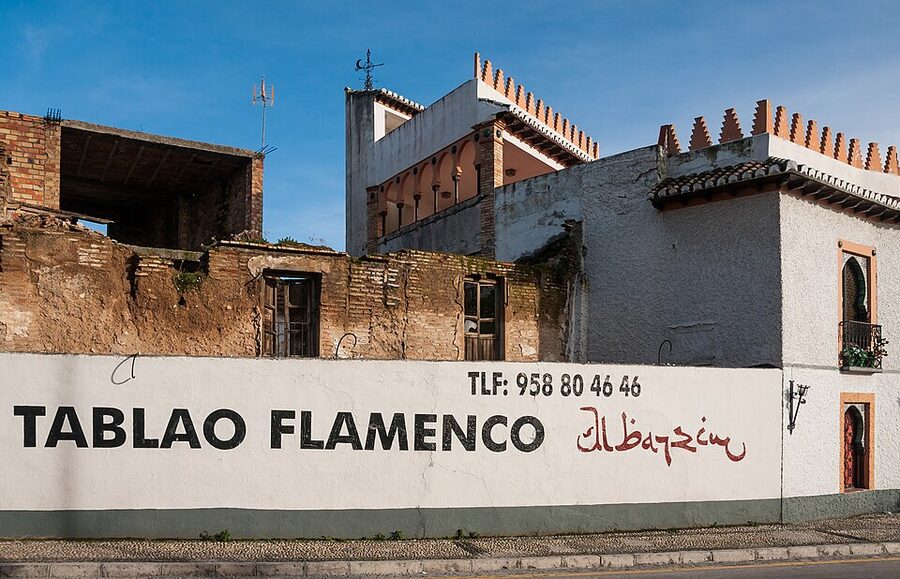
The downtown theatre option: La Alboreá
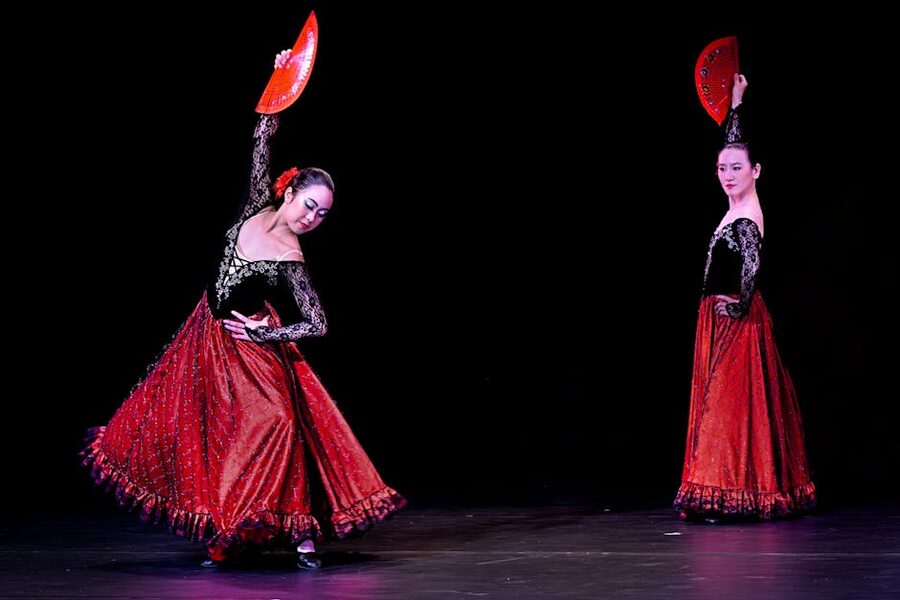
The third format is a proper indoor theatre in the city centre. The standout here is La Alboreá, a few minutes from the cathedral, which has become the default booking for travellers who don’t want to climb the Sacromonte hill at night and don’t fancy the cobbles of the Albaicín either. It’s a tiered seating room (so every seat has a view), the show runs about an hour, and the price point is the lowest of the three formats.
Think about what you actually want. If you’ve never seen flamenco before and you only have one night, La Alboreá is the path of least resistance. If you’ve already seen a tablao in Seville or Madrid and you want the format you can’t see anywhere else, skip it and go to Sacromonte. Comparisons across cities are a fair way to plan: I usually point repeat travellers at our Barcelona flamenco guide for context, since Barcelona’s circuit is the most theatrical of the lot. Granada’s caves are the opposite end of that scale.
My picks
Three shows worth booking. Different formats, different price points. If you only have one night, pick the one that sounds like you.
1. Granada Flamenco Show in La Alboreá: from $21
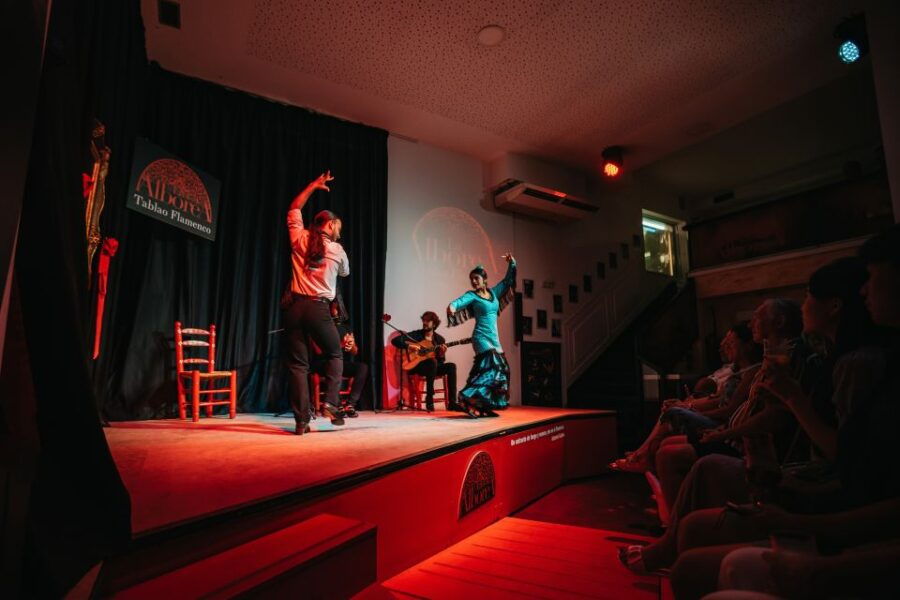
This is the busiest flamenco booking in Granada by a long way. It’s a one-hour show with reserved seating in a tiered theatre on Calle de Pavaneras (a short walk from Plaza Nueva), and they pair it with an Iberian ham and chorizo plate plus a glass of wine. Our full review covers the seating layout and what to expect from the artist roster, but in short: it’s the easiest, most-polished introduction. If you’ve never seen flamenco live before, start here.
2. Sacromonte Flamenco Show at Cuevas Los Tarantos: from $33
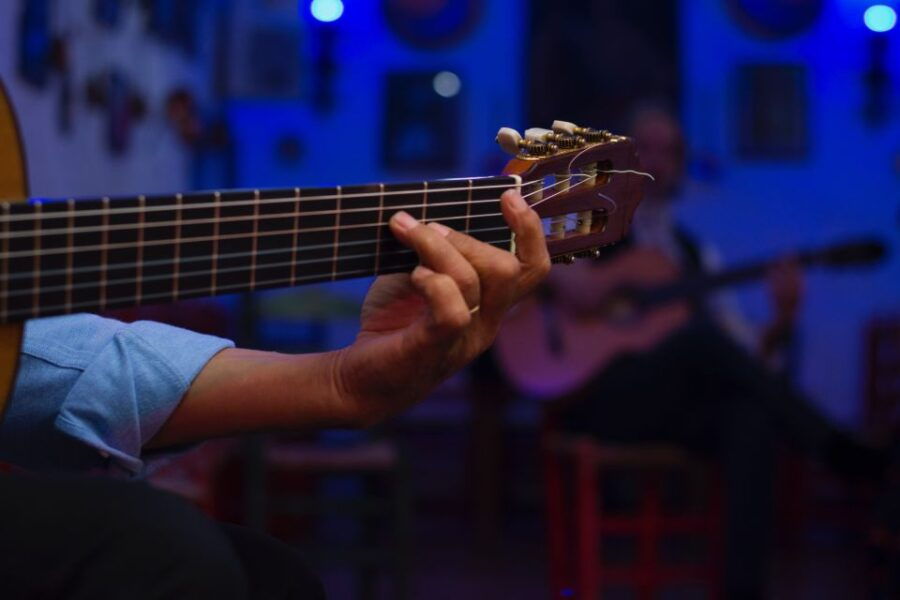
Tarantos is the oldest and most consistent cave venue, opened in 1972 and run by the same family. The show is one hour, drink included, and the format is true zambra (alboreá, cachucha, mosca, plus extra numbers). Our review walks through the late-show energy difference and the walk up Camino del Sacromonte after dark. If you only book one cave, book this one. The 10pm slot is the better one if you can swing the late night.
3. Granada Flamenco Show in Albaicín – Jardines de Zoraya: from $22
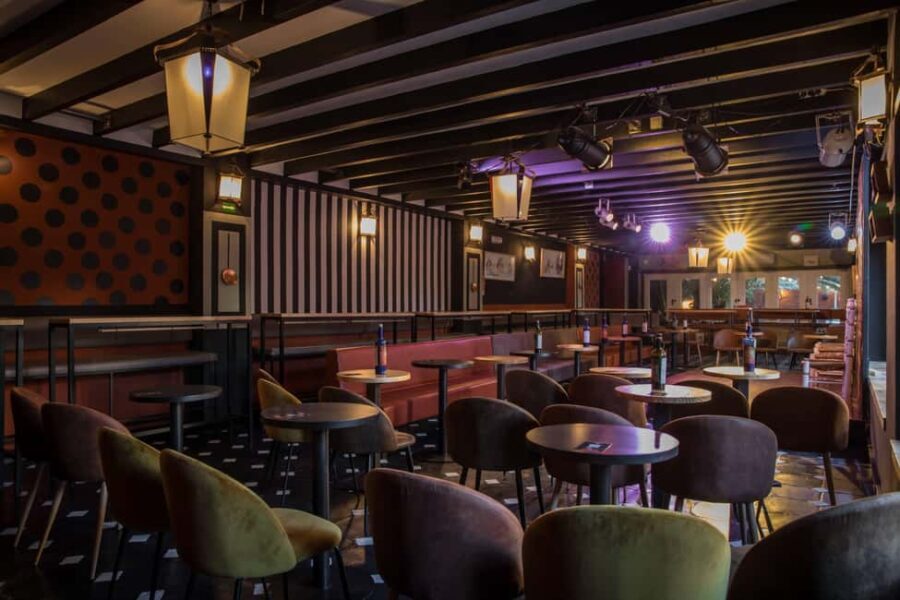
Jardines de Zoraya sits in a converted Albaicín townhouse on Calle Panaderos and is the right pick if you want something between La Alboreá’s polish and Sacromonte’s rough edges. Three shows a night, decent reserved seating, an open patio in summer that’s properly magical. Our full review goes into the dinner-add-on (skip it, eat tapas in Albaicín first instead) and the walk-up routine. Kid-friendly, which the cave shows aren’t really.
How booking actually works
Most Granada flamenco shows sell tickets through the major platforms (GetYourGuide, Viator) plus their own websites. The platforms are usually the same price or cheaper than the door. Cave shows in particular sell out two or three days ahead in summer, so book before you arrive if you can, the same way the Alhambra ticket release demands two-month forward planning. La Alboreá and the bigger Albaicín tablaos can sometimes be booked same-day, but you’ll get the worst seats.
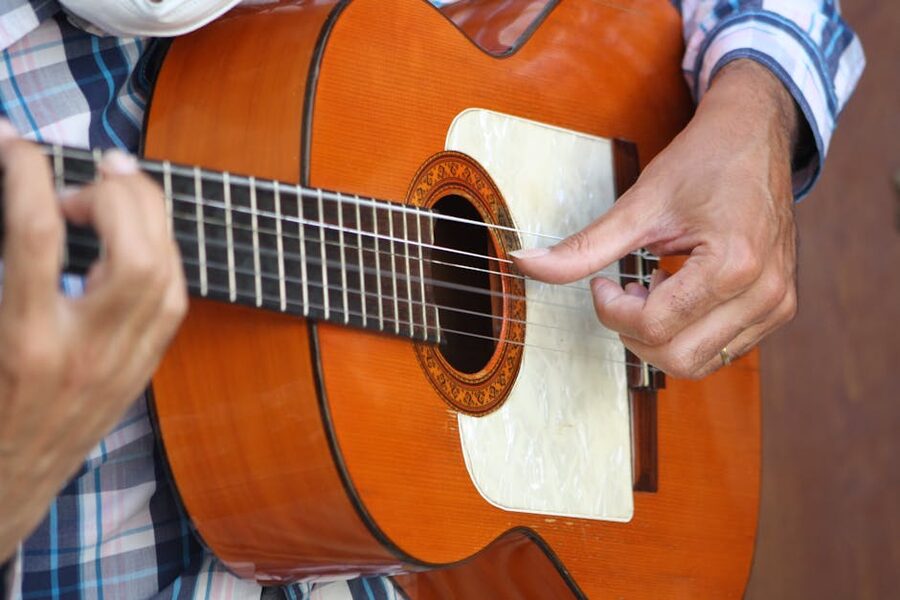
A few practical things. Most shows include a drink (one beer, sangría, or soft drink). Almost none include food worth paying for, so eat tapas in the Albaicín or near Plaza Nueva first. Photography during the performance is usually fine without flash, but check at booking. Children are allowed at almost all venues but the late shows (after 10pm) are not really kid hours. Doors open thirty minutes before the show and seating is often general (first in, best seats), even on bookings labelled “reserved.”
The walk to Sacromonte from central Granada is uphill, takes about twenty-five minutes from Plaza Nueva via the Carrera del Darro, and is poorly lit at night. It’s safe but it’s not pretty in the dark. Most cave-show packages include hotel pickup or a meeting point near the cathedral with a guided walk up. Take it. The same applies to coming back down after the 10pm show, which finishes around 11.15pm.
Combining flamenco with the Albaicín walk
The single best evening I’ve had in Granada was a sunset walking tour through the Albaicín and Sacromonte that ended at a cave show. You spend two hours climbing through the Moorish quarter, hit the Mirador San Nicolás for the famous Alhambra view at sunset, then walk over the ridge to a Sacromonte cave for the late show. The full evening runs about four hours.
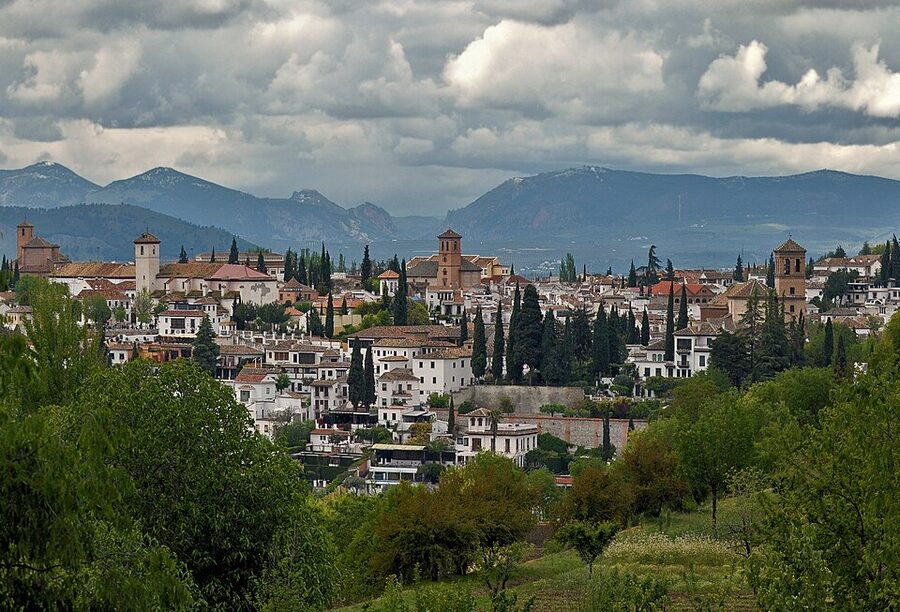
The combo tour is a sensible way to do it on a tight schedule because the navigation is genuinely confusing at night. The Albaicín lanes don’t appear on most map apps with any reliability, and Sacromonte even less so. A guide also gives you the cave-show ritual context (what’s happening in each piece of the zambra) which is hard to get from the show itself. If you’ve already booked the Alhambra for the day before or after, this is the natural second-night plan. We cover the booking side of the Alhambra in our Alhambra ticket guide for context, since it’s worth thinking about both as one block.
What zambra actually is
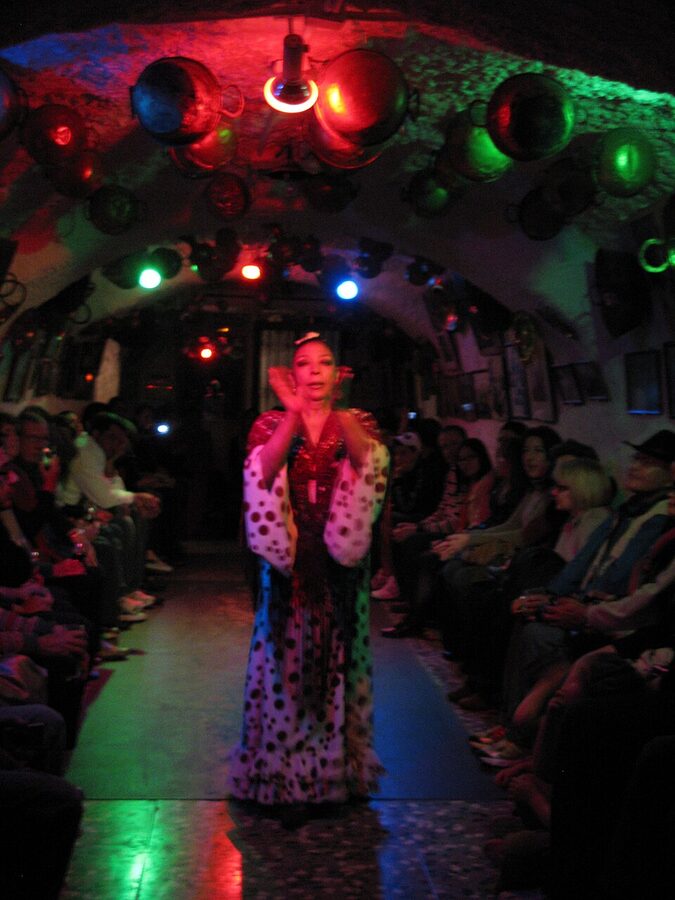
Worth a paragraph on its own because most travellers I’ve sent to Sacromonte didn’t know going in. Zambra is a flamenco wedding form. The Sacromonte gitano communities developed it as a domestic ritual in the 16th and 17th centuries when actual Roma weddings were forbidden under Spanish law and the families had to disguise the wedding inside what looked like a regular family party.
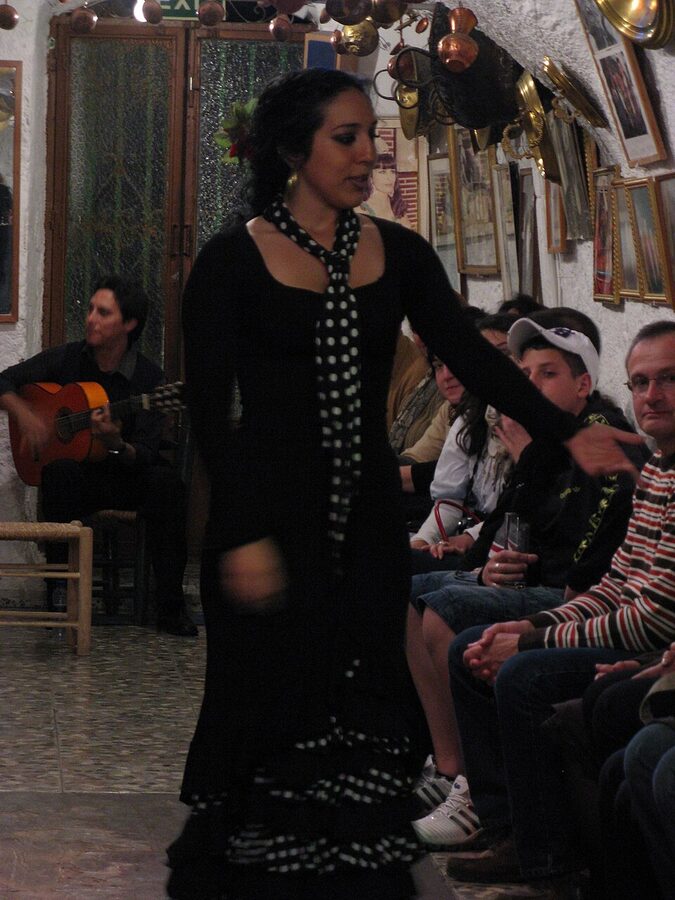
The form has three set numbers in a fixed order: alboreá (the morning of the wedding, slow and incantatory), cachucha (a couple’s flirtation dance), and mosca (the wedding party, fast, audience-participation). A real Sacromonte show will frame those three numbers as the spine and add other flamenco palos around them. A “flamenco show” venue that doesn’t include the zambra structure is technically just a tablao that happens to be in a cave. Tarantos, Templo del Flamenco, La Rocío, and Los Amayas all do proper zambras. If you want to be sure, the booking page will say so explicitly.
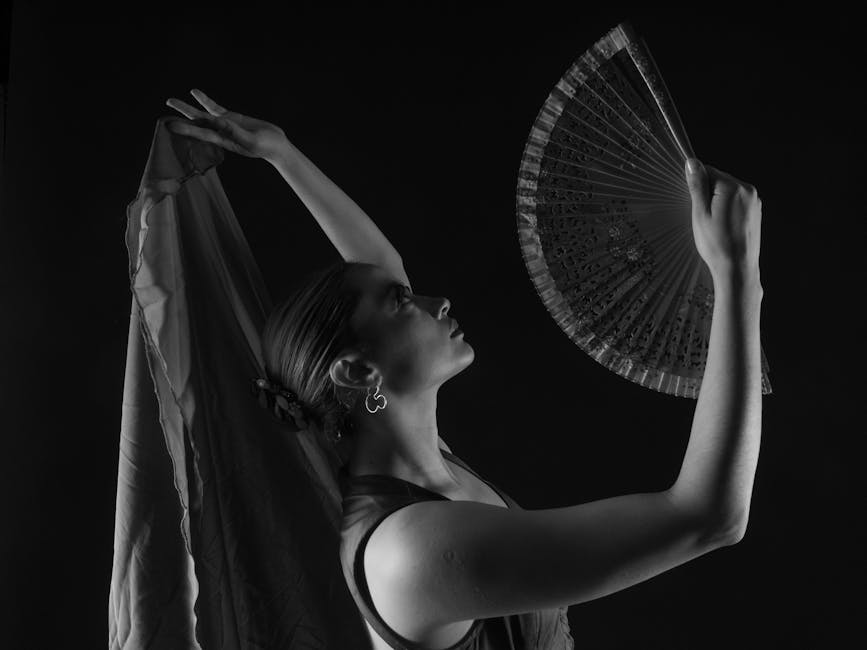
The reason it matters is the dancing is different. Zambra dancers use shoulders and hips more than the foot-work-driven Seville style, and the choreography is older and stranger. You may not consciously notice the difference if you’ve never seen another tablao, but if you’ve already seen flamenco in our Seville or Madrid guides, the zambra reads as a related but separate art form. That separation is the whole reason to book Granada.
When to go
Year-round shows. Granada doesn’t really have a flamenco off-season because the city itself is small enough that the venues need consistent business. That said, July and August are loud and packed, and the cave shows can hit thirty-plus degrees inside a sealed limestone room with sixty bodies. Bring water, dress light, sit near the door if you can.
September to November is my pick. The temperature drops, the room feels right, and the audiences thin enough that you can usually pick which night you want without booking weeks ahead. April and May are similar but Easter and the Cruces de Mayo festival can scramble the schedule. February is fine if you can handle a colder walk back down the hill.
One festival to know: the Festival Internacional de Música y Danza de Granada runs late June through early July and brings flamenco programming into bigger venues including the Alhambra’s Generalife auditorium. If your dates fall there, look at that programme separately. It’s a different beast from the regular tablao circuit.
Tickets, pricing, what to actually pay
The price gap between the formats is smaller than you’d think. La Alboreá tends to be the cheapest at about $21 with a tapa and drink. Albaicín tablaos like Jardines de Zoraya start around $22 for the show only, $40-50 with dinner. Sacromonte caves are the most expensive in absolute terms (Tarantos starts around $33), but you’re paying for a smaller room and the only-here format.
I would not book the dinner upgrade at any of these. The kitchens are doing volume catering, the food is fine but not memorable, and Granada has some of the best free-tapas-with-drinks culture in Spain. Eat in the Albaicín on the way up. Bar Aliatar near Plaza Aliatar is the easiest tapas crawl base. The Realejo neighbourhood (south of the cathedral) is the better food bet if you want to eat properly first.
Refunds and cancellations are generally generous on the platform bookings (24 hours’ notice for free cancellation on most), tighter at the door. Same-day moves between shows are usually possible if a venue has space, but it’s not guaranteed. Don’t assume you can roll up at 9.45pm for the 10pm Tarantos show in July and walk in.
Other Granada planning to do
Flamenco is a two-hour evening, not a whole-day plan. If you’re spending two or three nights in Granada, the obvious pairing is the Alhambra in the morning and a tablao or cave show that evening. Our Alhambra booking guide covers the brutal ticket-window reality (you really do need to book sixty days out) and the walking distances inside the complex. The two together make a clean two-day Granada plan.
Day-tripping from Málaga is also doable but you’ll struggle to do flamenco the same day unless you stay over. The Málaga-to-Granada coach is two hours each way and the late shows finish past midnight. Better to plan a single Granada night and bookend it with the Alhambra in the morning, then catch the late train back. If you’re slotting Granada into a wider Andalusia trip, our Seville cathedral guide, the Royal Alcázar walkthrough, and the Casa de Pilatos guide are useful sibling reads. Granada gets the cave flamenco, Córdoba gets the mosque-cathedral, Seville gets everything in between.
Things I’d skip
A few don’ts. Flamenco-and-dinner packages at any of the cave venues. The dinner is mediocre and you can eat better tapas for a third the price two streets away. Pickup services from beach hotels in the Costa del Sol that promise “Granada flamenco evening.” The bus journey eats most of your night and you end up at the most touristy show by default. Standalone Sacromonte walking tours that don’t end at a flamenco show; do the combined sunset-walk-and-show tour instead, it’s the same price.
I’d also skip the very first show on a Sunday night in low season. The audience tends to be small and the energy harder to lift. Tuesday through Saturday, second show, is the consistent pick across all four cave venues.
Around Granada and beyond
If you want the wider Andalusia version, the Seville circuit is the closest sibling and the easiest comparison, same roots, no caves, more tablao variety. Pair Granada with the Alhambra in the morning, then carry on west for the Córdoba Mezquita on a separate day. The cave format only exists here though, so don’t leave Granada thinking you’ll find it later.