
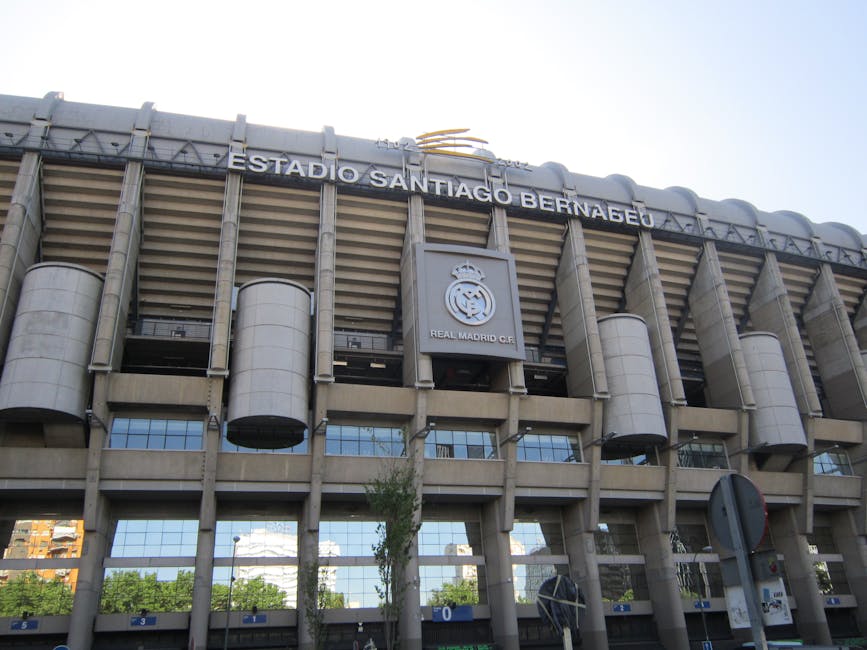
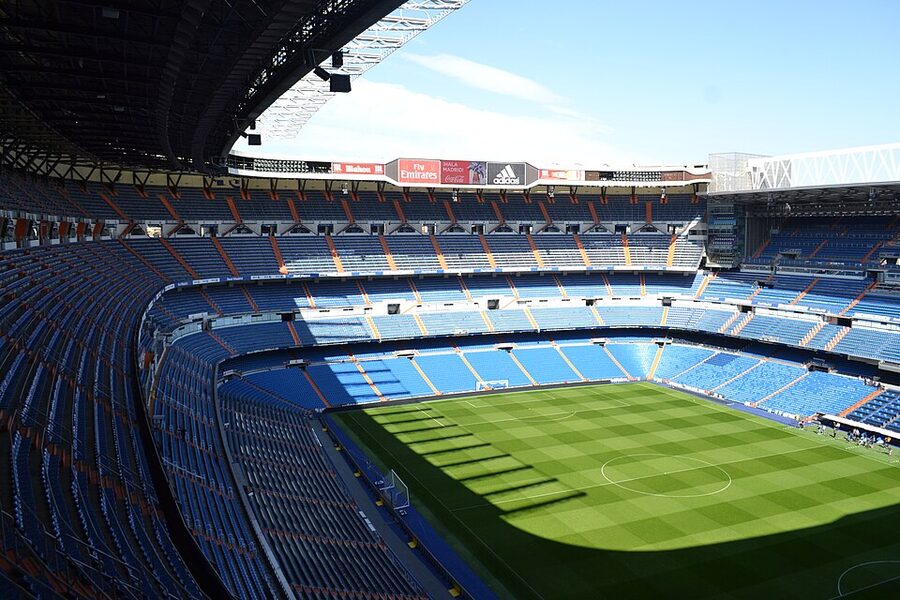
You walk up the curving silver flank of the stadium, take the lift to the top tier, and step out onto a concourse where the whole pitch suddenly opens up below you. That’s the moment the Bernabéu tour earns its money. The hundred-and-something euros you might spend on a match seat doesn’t matter at this point. You’re in.
In a hurry? Book one of these
- Tour Bernabéu Entry Ticket from $41. Go at your own pace, all the headline areas. Book on GetYourGuide
- Guided Tour of Bernabéu Stadium from $66. Small group with a Real Madrid storyteller. Book on GetYourGuide
- Bernabéu Stadium Private Tour from $94. Just your group and a guide. Book on GetYourGuide
- In a hurry? Book one of these
- What a Bernabéu ticket actually gets you
- Prices and where to actually buy
- How to book the tour
- Three Bernabéu tickets we’d actually book
- 1. Tour Bernabéu Entry Ticket: from
- 2. Guided Tour of Bernabéu Stadium: from
- 3. Bernabéu Stadium Private Tour: from
- Inside the tour: what you’ll actually see
- The 360° concourse
- The Real Madrid Museum
- The press room and mixed zone
- The dressing room and tunnel
- Pitchside and the dugout
- The new immersive zones
- Getting to the stadium
- When to go
- Bernabéu with kids, and a few accessibility notes
- Adding a Real Madrid game on top
- A short history, because you’ll want context in the museum
- Things I’d skip
- Pairing the Bernabéu with the rest of your Spain trip
What a Bernabéu ticket actually gets you
The standard ticket is called the Tour Bernabéu, and it’s self-guided. You walk in through the main entrance on Avenida de Concha Espina, scan your phone, and start at the top of the stadium with a 360-degree view of the pitch. From there you wind down through the museum, the trophy room, the pressroom, the visitors’ dressing room, the players’ tunnel, and finally pitchside before exiting through the official store and the food market in the basement.
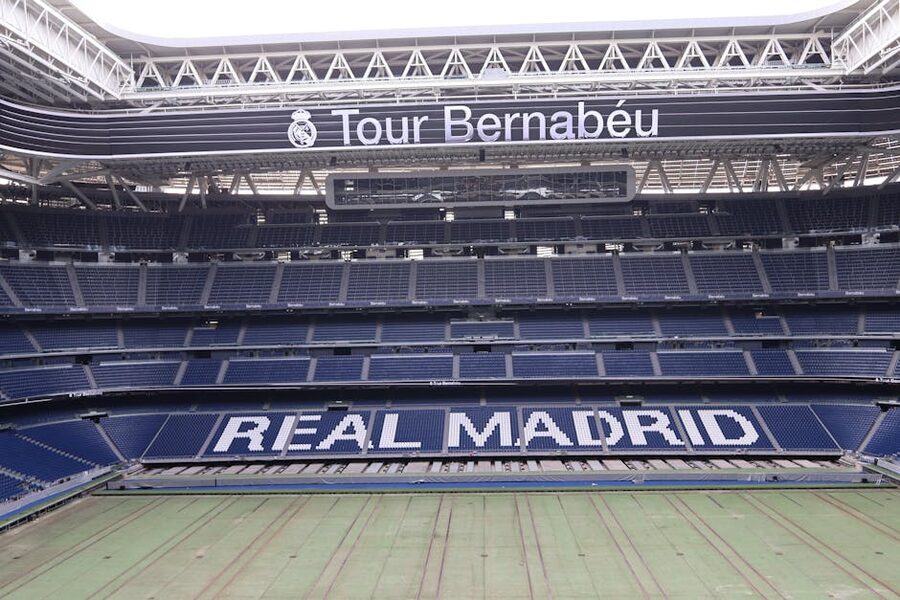
It’s a long route. Most people take 90 minutes to two hours. If you stop for photos in the trophy room and grab a coffee at the café overlooking the pitch, you can stretch it to two and a half. There’s no rush and no fixed pace, which is the main thing self-guided tickets get right.
One thing to know upfront: on match days and the day before big games, parts of the tour close. The home dressing room is almost always restricted (you only get to see the visitors’ room), and during maintenance the pitchside access can be cut off too. The official site flags closures by date once tickets are released, so check before you book if seeing the tunnel matters to you.
Prices and where to actually buy
An adult Tour Bernabéu starts at €35 online and €38 if you walk up to the ticket office. Children from 5 to 14 get a discount, under-fives are free. Real Madrid members (Madridistas) get a member rate of around €27 online if they’re on a Premium or Platinum tier. The combo tickets are pricier: pairing the tour with a Real Madrid game is around €57, and the new “Bernabéu Experience” with VR add-ons sits in the €40 to €55 range depending on the day.
Buying directly from the official site is fine, but it has two quirks. First, the calendar only opens about two months out, so if you’re booking far in advance you might not see your dates. Second, the official cancellation rules are stricter than most third-party platforms. Book through GetYourGuide or Tiqets and you usually get free cancellation up to 24 hours before, plus mobile tickets that go straight into your Apple Wallet or Google Pay. For the headline self-guided Tour Bernabéu Entry Ticket, the GetYourGuide listing is consistently the busiest seller on the market and pricing matches the official site.
Don’t bother with resellers you’ve never heard of. The Bernabéu tour is one of the most-booked attractions in Madrid, which means cloned-looking ticket sites pop up constantly. Stick to GetYourGuide, Tiqets, Civitatis, or the official site. The same advice applies to other big-ticket Madrid attractions: the Royal Palace booking guide covers the same trustworthy platforms for that one.
How to book the tour
The booking flow itself is short. Pick your date, pick a 30-minute time slot, choose adult or child, hit pay. You’ll get a QR code by email within a few minutes. You don’t need to print it. The entrance scanners read straight off your phone.
A few practical things that aren’t obvious from the booking page:
- Slots get tight in summer and around El Clásico. July, August, and the week before any Real Madrid–Barcelona match are the worst. Book ten days ahead minimum if you’re travelling in those windows.
- Mornings are the move. The first slot of the day (usually 09:30 or 10:00) is dramatically quieter than the afternoon. By 13:00 the trophy room is shoulder-to-shoulder.
- Plan for two hours minimum. The ticket page says 90 minutes; that’s only realistic if you skip the museum and don’t stop for the café.
- The Bernabéu Experience and VR add-ons book separately. They’re not bundled into the standard tour. If you want the immersive zones, buy the upgraded ticket type up front.
If you’re in a group of six or more, the private tour route is worth pricing out. Per-person it’s higher, but you get a real guide for two hours instead of self-pacing through audio panels, and you get access to a few areas the self-guided ticket skips. Our breakdown of the flagship Bernabéu entry ticket covers when each format is worth the upgrade.
Three Bernabéu tickets we’d actually book
Out of the dozen-plus Bernabéu products on the market, these are the three I’d put my own money on. They cover the three real use cases: cheapest in, deeper context, and small-group privacy. There’s a fourth option (matchday hospitality), but unless you have a specific game you’re set on, ignore it for now.
1. Tour Bernabéu Entry Ticket: from $41
This is the one most people book and the one I’d start with. You go at your own pace, hit every headline area, and skip the queue at the box office. Our full review of the entry ticket walks through what each section feels like and how long to allow. Best for first-timers, families, and anyone who’d rather not be herded.
2. Guided Tour of Bernabéu Stadium: from $66

An English-speaking guide who actually knows the club takes you through in around two hours. The trophy room and the museum are where the difference shows up; on the self-guided ticket you’re reading panels, on this one you’re getting stories. Our flagship review compares the two formats side by side. Best for football fans, first-time visitors who want context, and anyone travelling with a partner who isn’t a Real Madrid obsessive.
3. Bernabéu Stadium Private Tour: from $94
Just your group, your guide, and a route that bends to whatever you actually want to see. It’s the most expensive of the three, but if you’re four people splitting it the per-head cost lands close to a guided group tour. Best for diehards, photography-focused visitors, and birthday or anniversary trips.
Inside the tour: what you’ll actually see
The route is set, but you can stop where you like. Roughly in order:
The 360° concourse
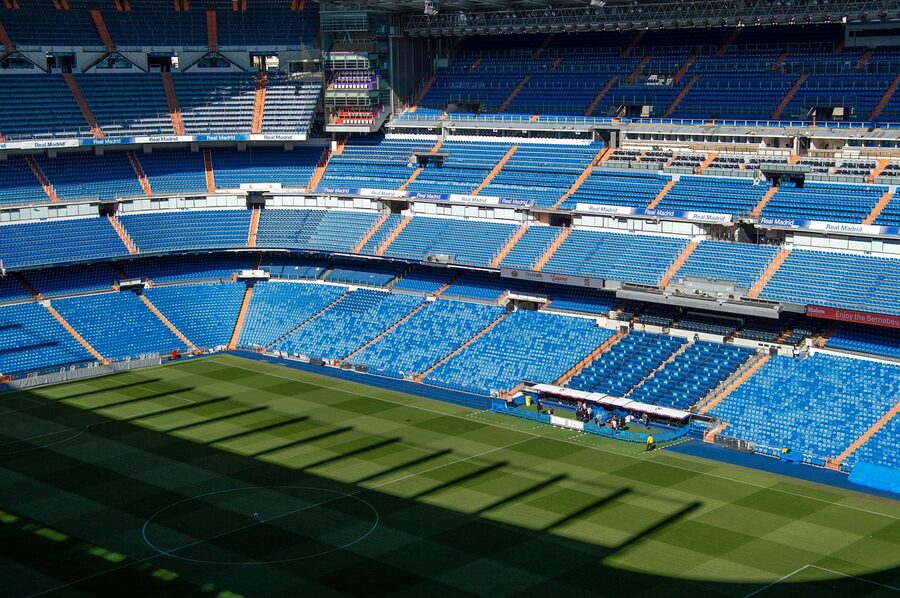
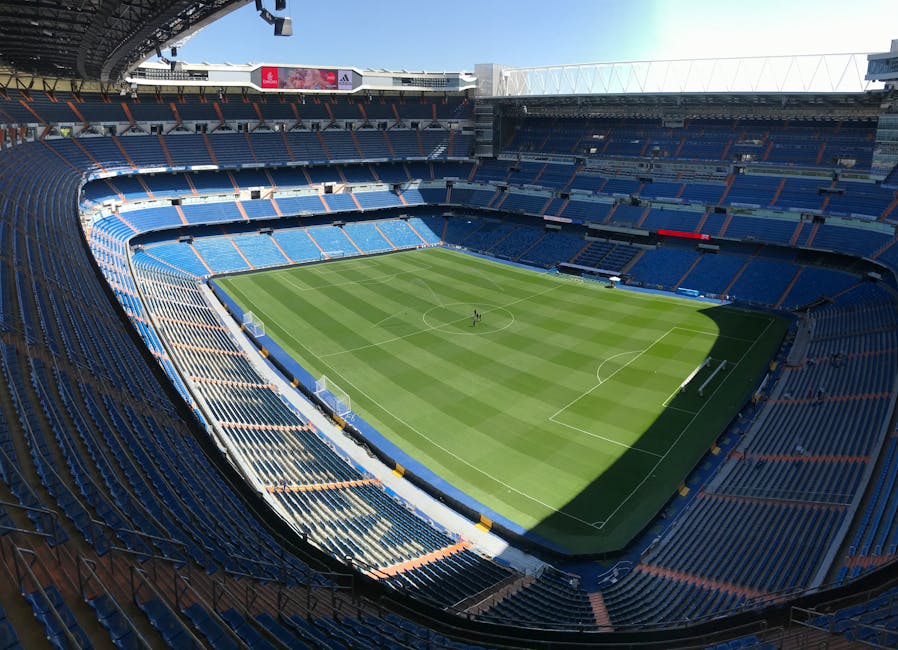
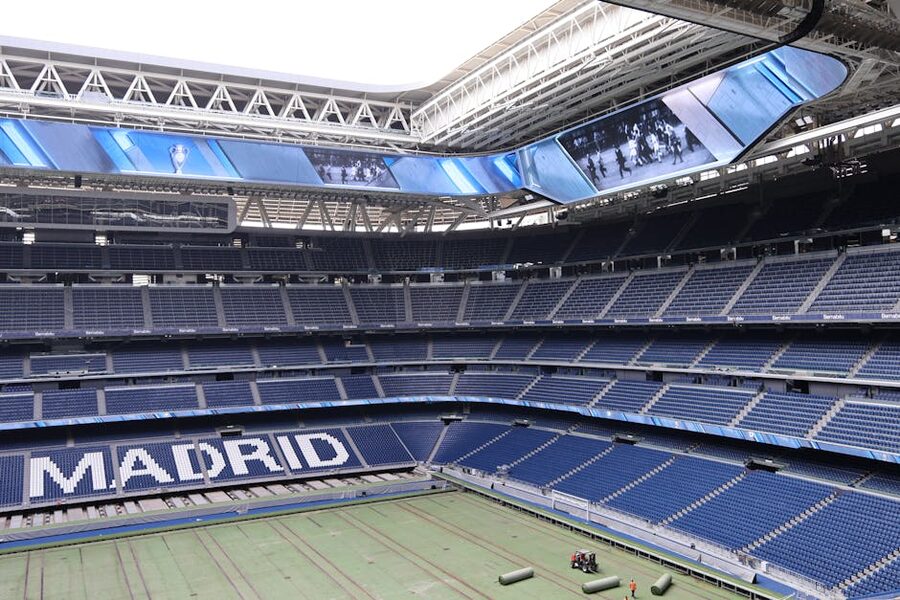
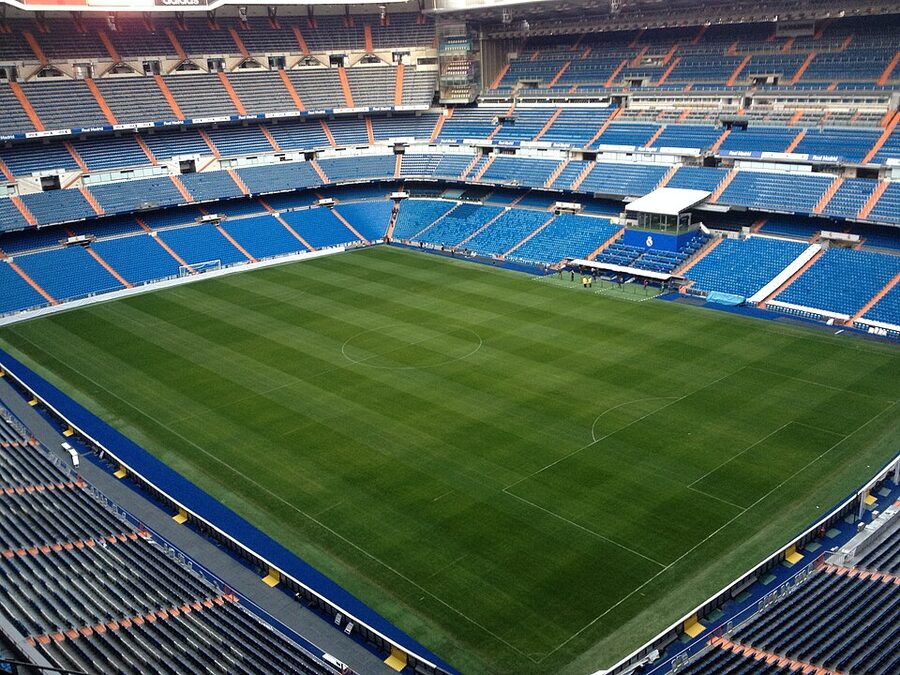
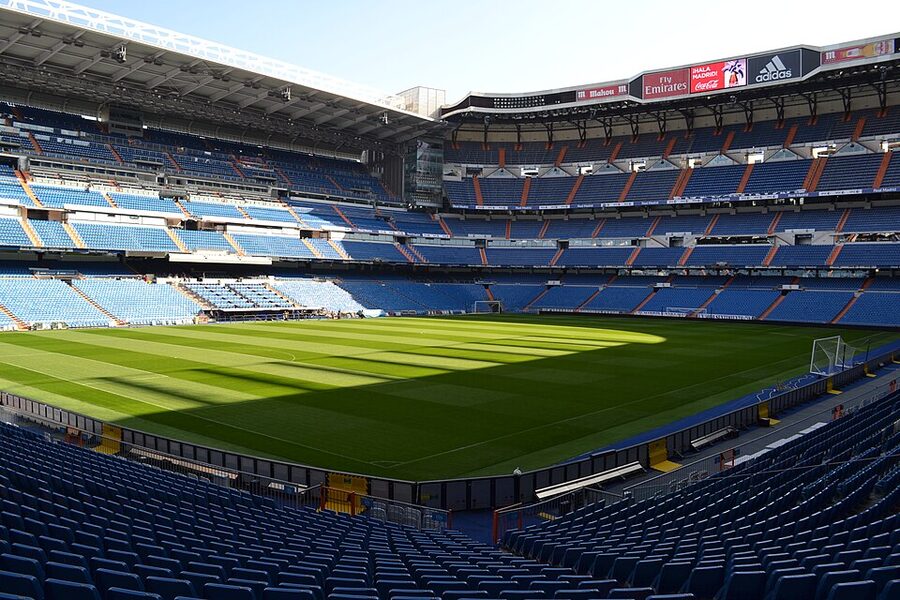
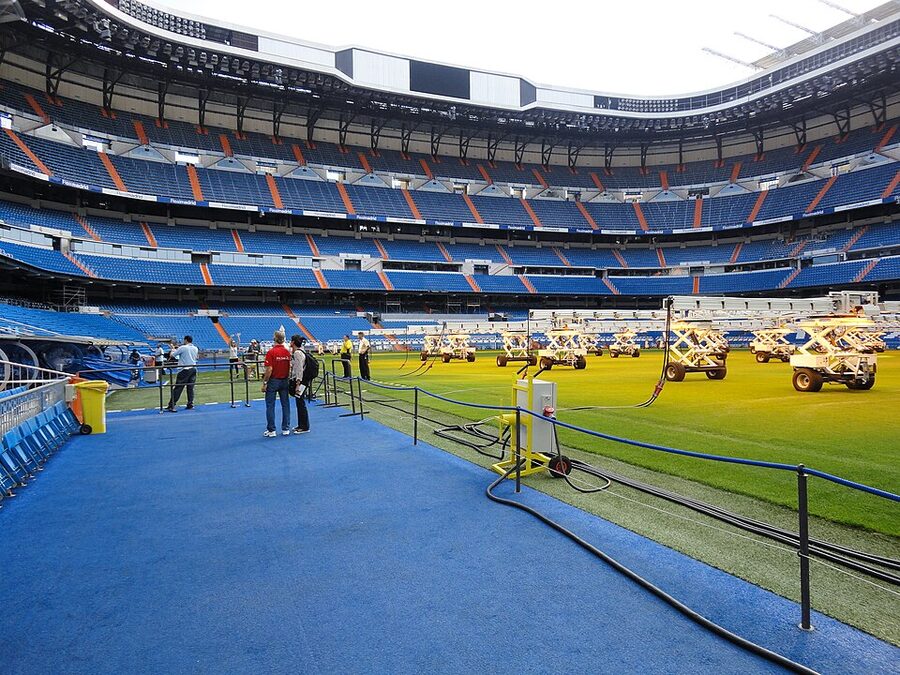
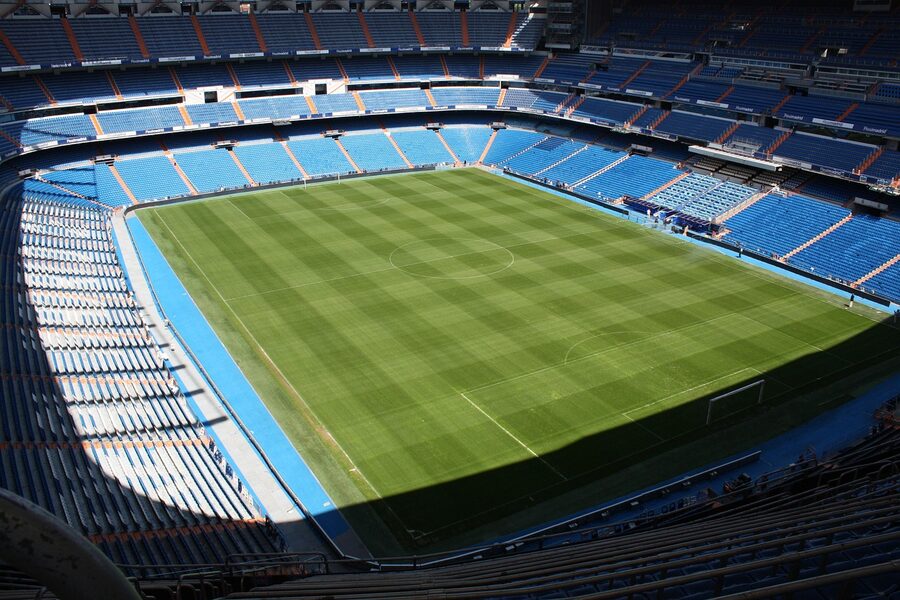
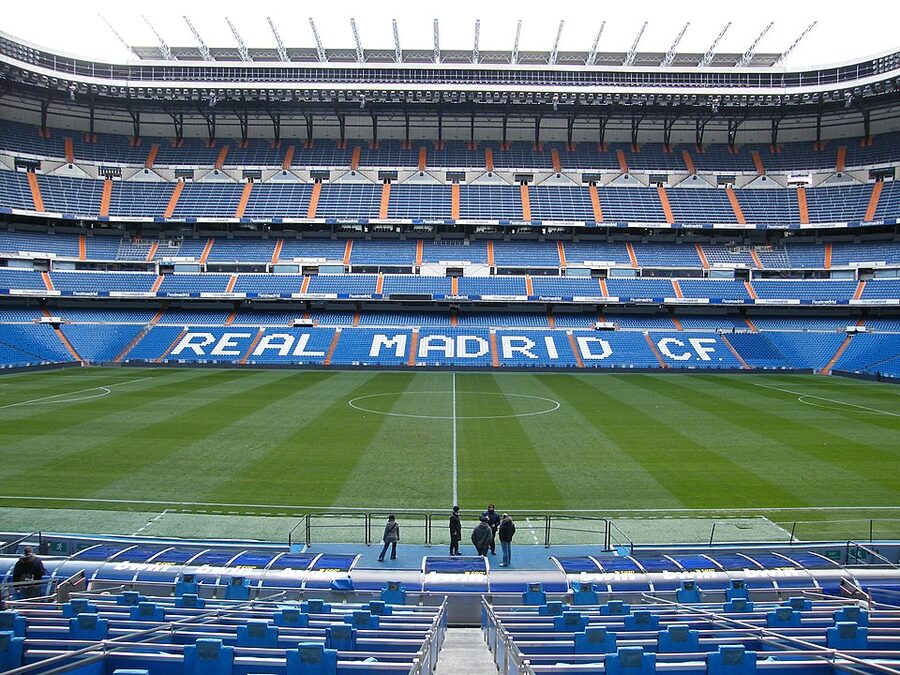
Top tier, panoramic. This is the first stop and easily the best photo spot in the whole tour. On a clear day you see all the way out to the Sierra de Guadarrama in the north. Stand still for a minute and watch the new retractable roof; it sometimes opens during the day for ventilation tests.
The Real Madrid Museum
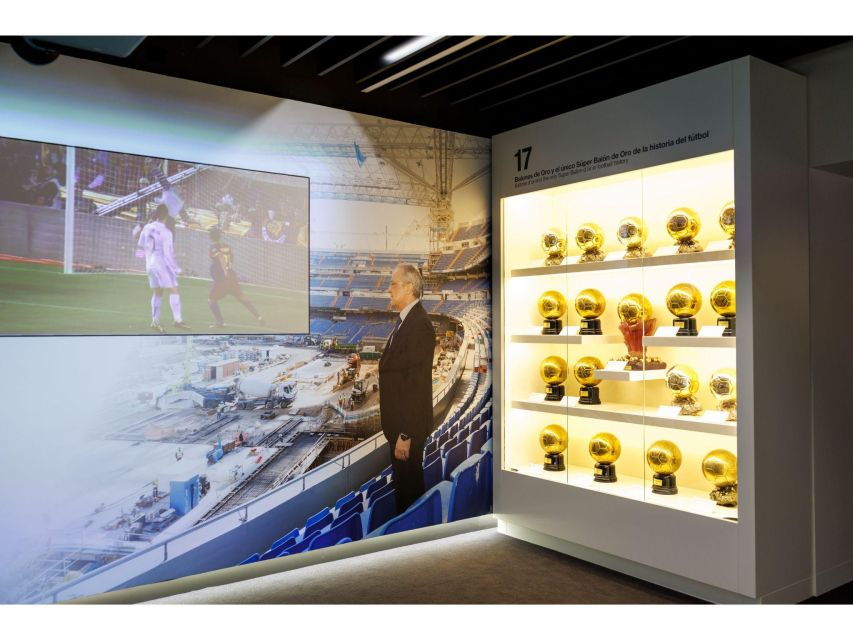
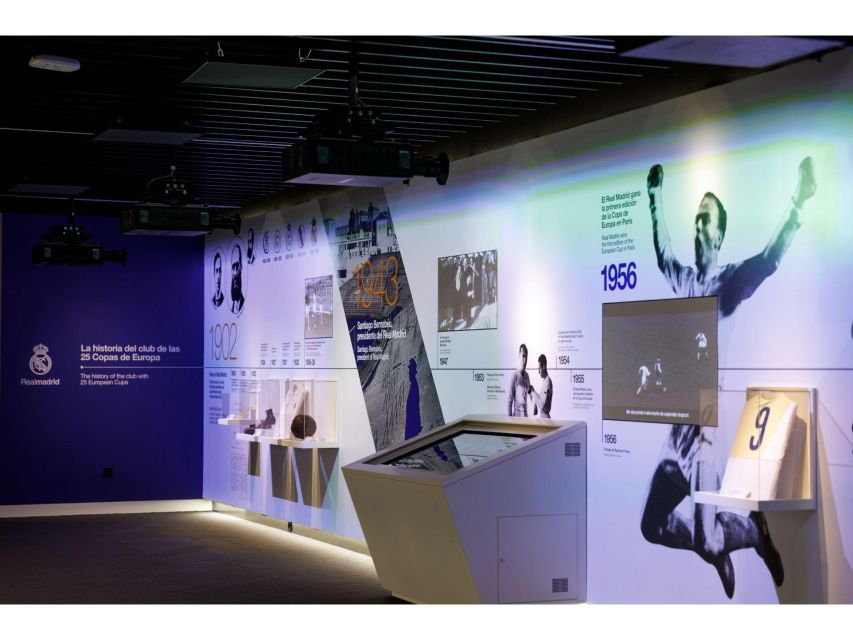
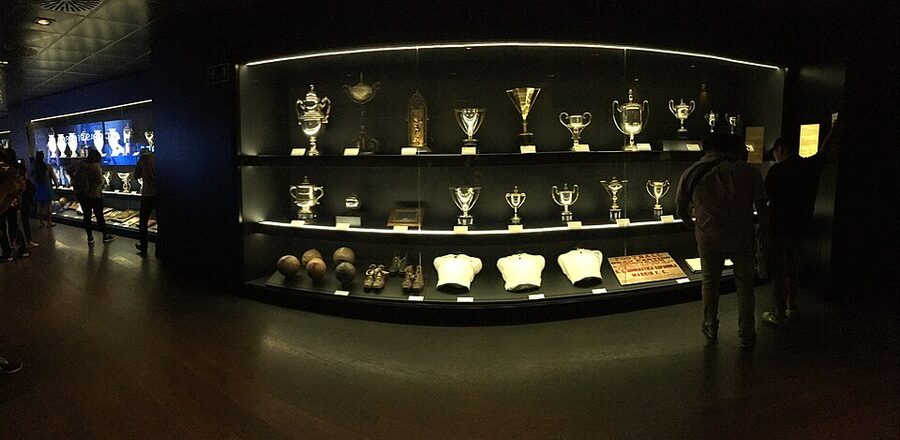
This is the section everyone slows down for, even if they’re not Real Madrid fans. Fifteen Champions League trophies are arranged in a circle around a central display, and the lighting is dramatic in a way that makes for surprisingly good phone photos. There are also Cristiano Ronaldo’s actual shirts, Zidane’s medals, the original 1956 European Cup, and a touchscreen wall where you can pull up any goal in the club’s history. Allow at least 30 minutes here. Most people allow 15 and regret it.

The press room and mixed zone
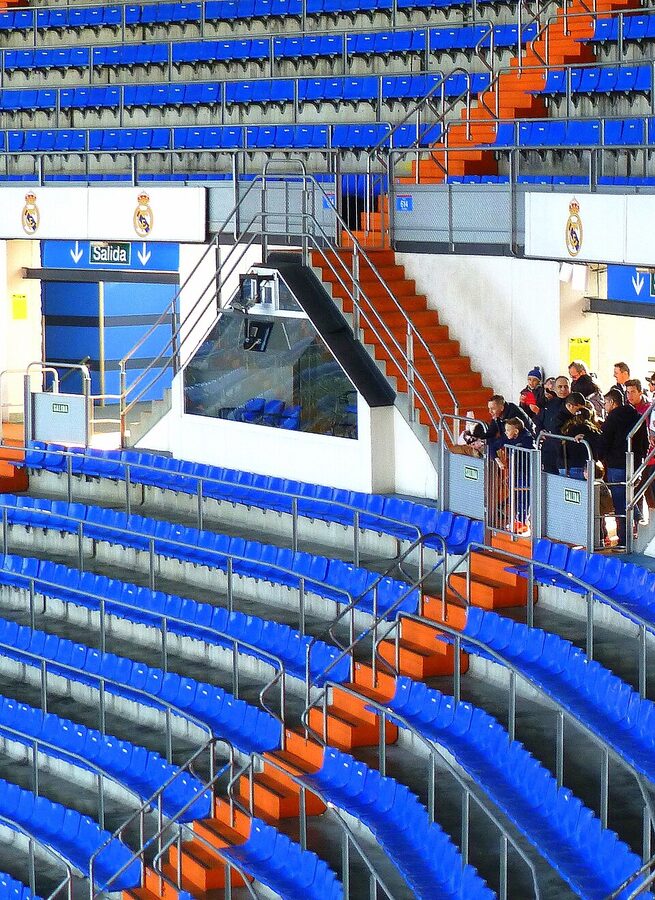
This is the room you’ve seen in a hundred post-match interviews. You can sit in the manager’s chair, which staff are surprisingly relaxed about. The mixed zone (where players walk past journalists after games) is pretty bare, but the Real Madrid badge on the wall is the photo everyone takes.
The dressing room and tunnel
Important caveat: this is usually the visiting team’s dressing room. The home dressing room is almost always closed. The tunnel itself is short but emotionally weighted; you walk the same fifteen steps the players do, with the away-team graphics still painted on the wall. From here you exit straight onto the pitch perimeter.
Pitchside and the dugout
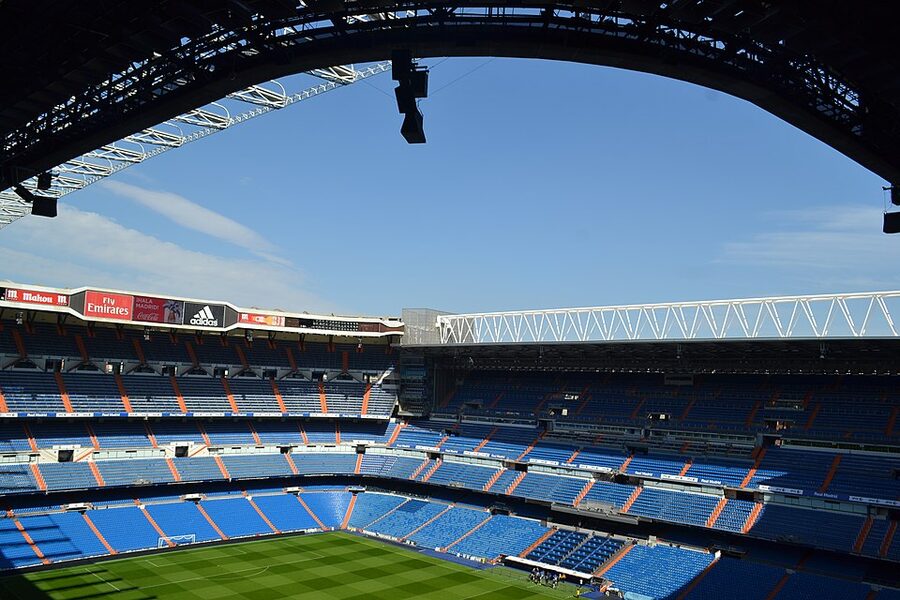
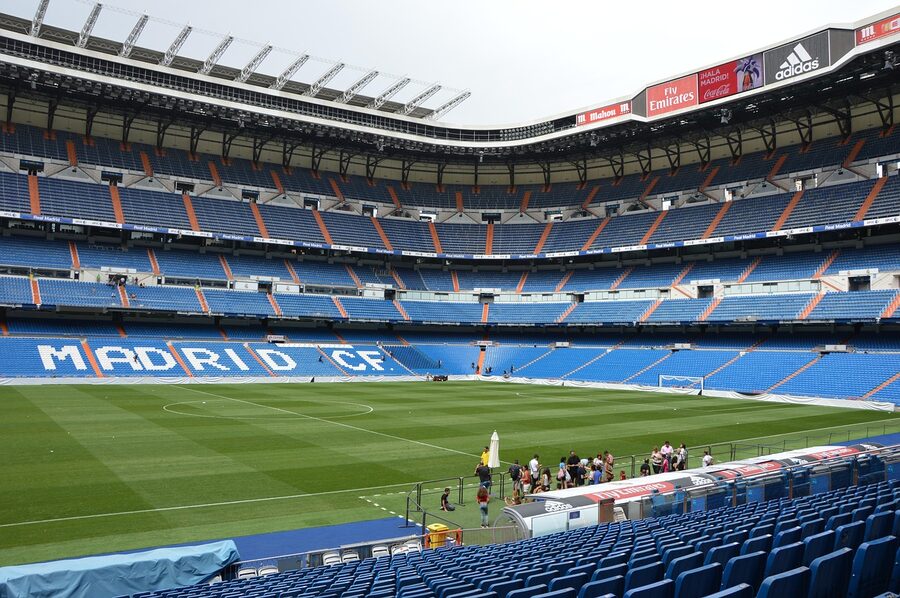
You can sit in the team bench. There’s no time limit, and staff don’t hurry you. Take your photo, sit for a minute, look up at the stands. This is what most visitors say is their favourite moment. It’s also the spot that closes first if there’s a match tomorrow, so plan around it if it matters.
The new immersive zones
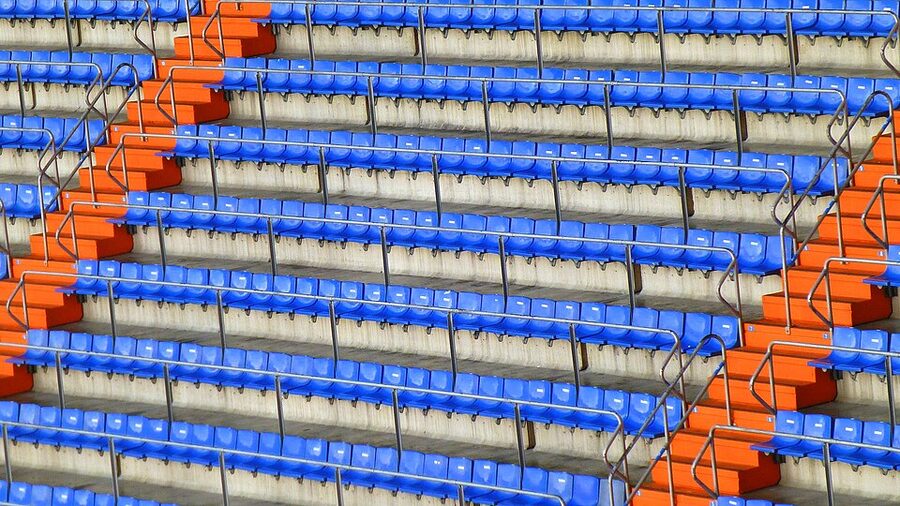
The Bernabéu’s 2024 renovation added VR booths, holographic displays, and a giant LED room where archive goals replay around you. They’re included in the upgraded “Bernabéu Experience” ticket but not the standard entry. If you have kids over eight, the immersive ticket is worth the extra €5–15. Adults travelling alone can usually skip it; the museum already does most of the storytelling.
Getting to the stadium
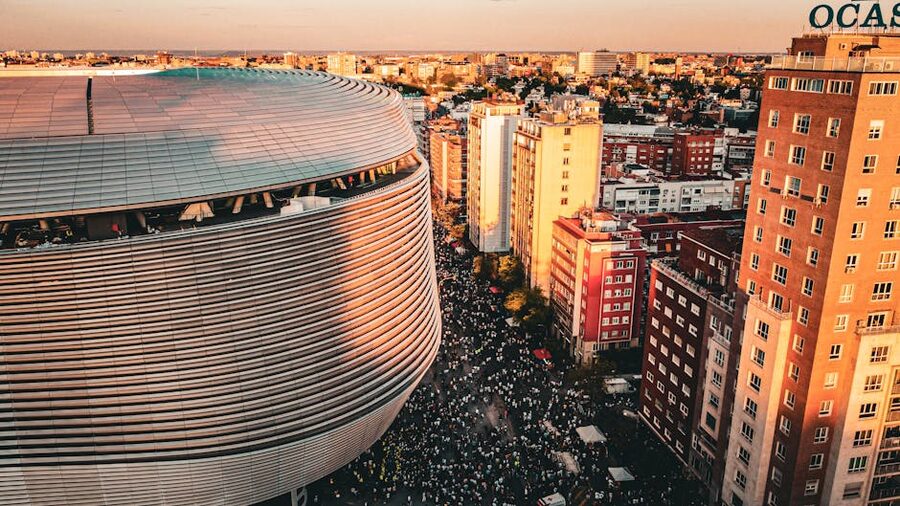
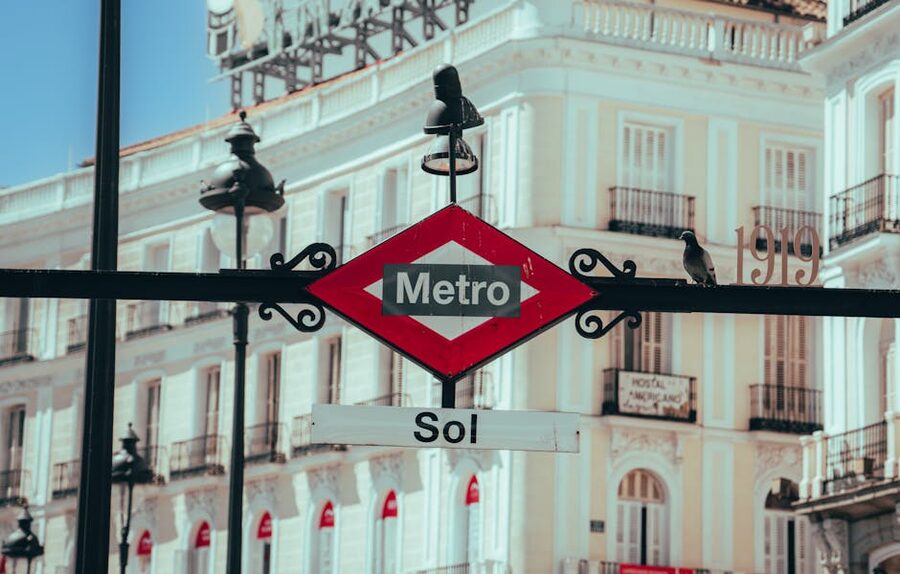
The address is Avenida de Concha Espina 1, in the Chamartín district. Three quick options to get there:
- Metro: Line 10, Santiago Bernabéu station. Exit and the stadium is right there. About 12 minutes from Plaza de España, 18 from Sol.
- Bus: lines 14, 27, 40, 43, 120, 147, 150 all stop nearby. Useful if you’re coming from a hotel that’s not on the Metro.
- Walking from Salamanca: the Goya/Serrano shopping area is about 25 minutes on foot up Paseo de la Castellana. It’s a flat, straight walk past the financial towers; surprisingly pleasant in spring and autumn.
Don’t drive. Parking around the stadium is awful and the Metro is faster than any taxi at peak hours. If you’re heading on to the Prado after the tour, the Metro from Santiago Bernabéu to Banco de España is one line change and 18 minutes total. Our guide to booking the Prado covers timing if you’re chaining the two in one day, and the Reina Sofía guide does the same if you’re going for the Picasso route.
When to go
Open seven days a week, including most public holidays. Closed Christmas Day and 1 January, plus matchday afternoons (the building shifts to event mode about four hours before kickoff). Hours are roughly 09:30 to 19:00, with the last entry around 17:30.
Best slots, ranked: first thing in the morning is quietest, late afternoon is second-best, and lunchtime is the worst. School holiday weeks (Easter, late July through mid-August, the Christmas break) double the traffic. If you have any flexibility, book a Tuesday or Wednesday morning.
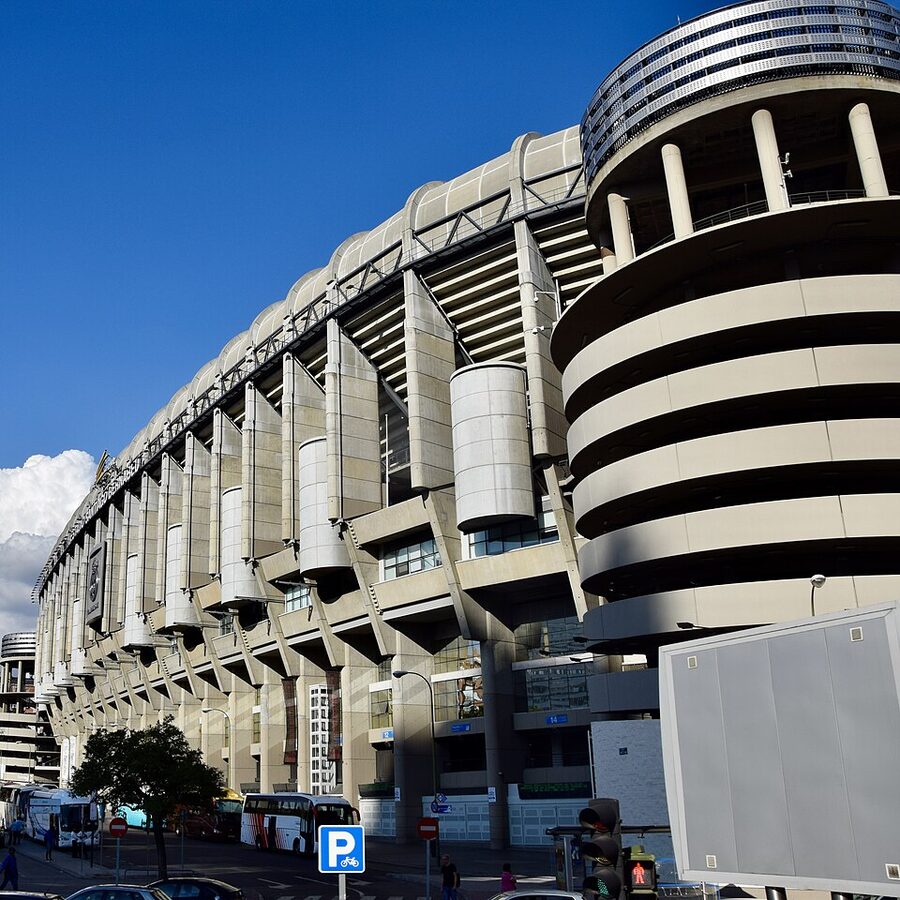
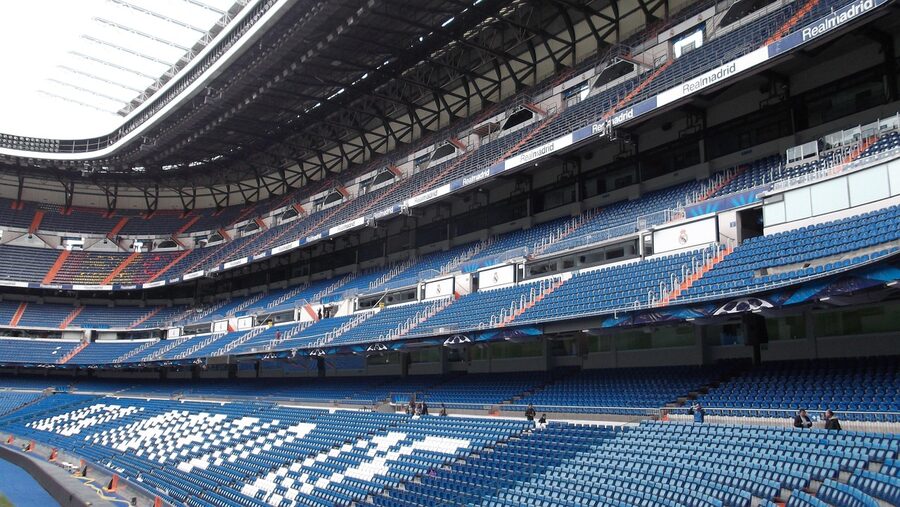
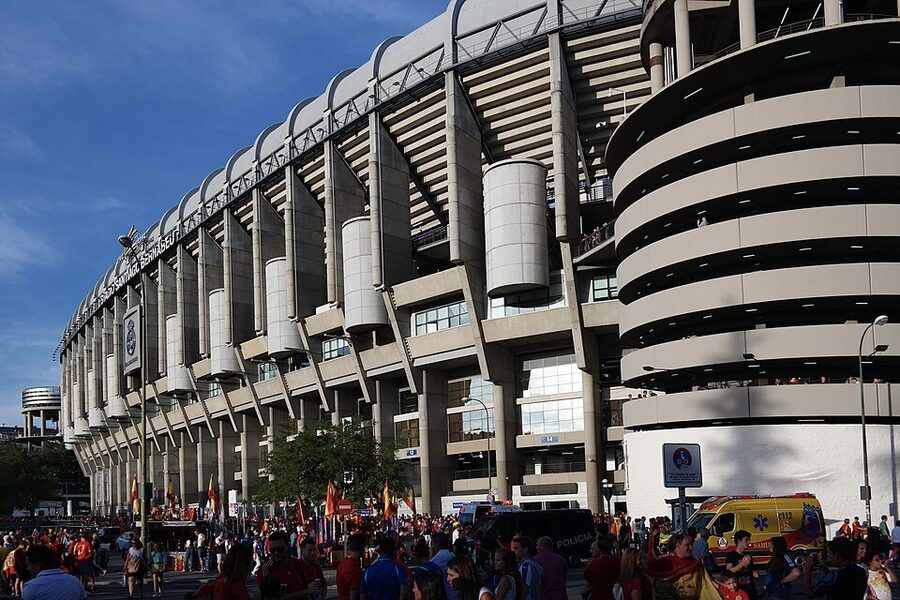
For the building itself, the renovation was completed in 2024 and the place looks new. Photos online from before 2023 don’t reflect what you’ll see. The curving exterior skin, the retractable roof, the underground food market, all of it is recent.
Bernabéu with kids, and a few accessibility notes
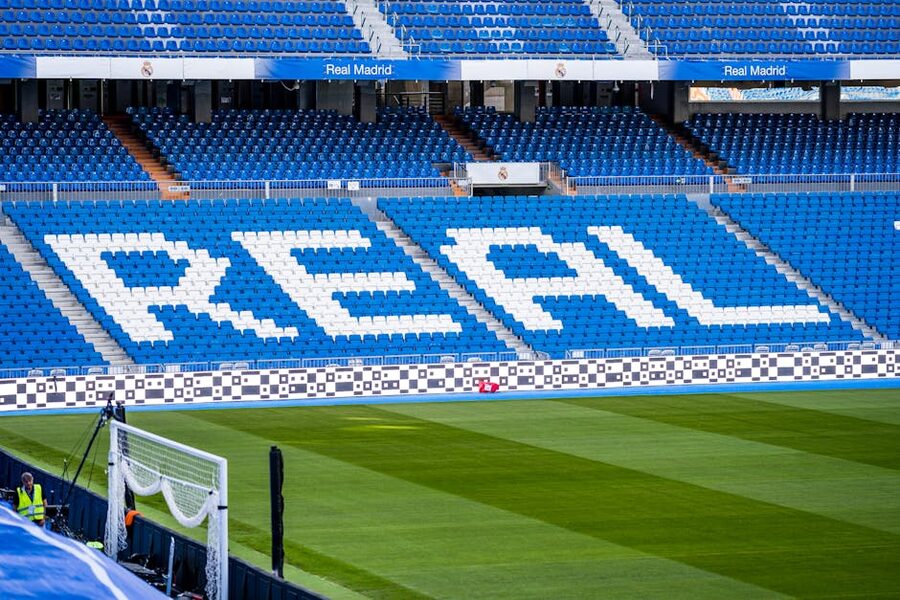
This is one of the more kid-friendly attractions in Madrid, which surprised me the first time I went. Children five to fourteen get reduced-price tickets, under-fives are free, and the route holds attention surprisingly well. Younger kids tend to like the dugout (sitting in the team bench), the trophy room (lots of shiny things at eye level), and the Cristiano Ronaldo display. Older kids and teenagers gravitate to the VR zones if you’ve got the upgrade, and to the press room.
Practical:
- Strollers are allowed on the standard route, though there are a few staircases. Lifts cover everything if you’re patient.
- Wheelchair access is fully sorted. Lifts go to every level and there’s a step-free route through the museum.
- Audio guides come in English, Spanish, French, Italian, German, Portuguese, Japanese, and Mandarin. Pick one up at the start; the route doesn’t have enough English signage on its own.
- Bottled water is allowed, food isn’t. There’s a café halfway through and a proper food court at the end.
- Bag restrictions are minimal compared to a match. A normal day pack is fine.
Adding a Real Madrid game on top
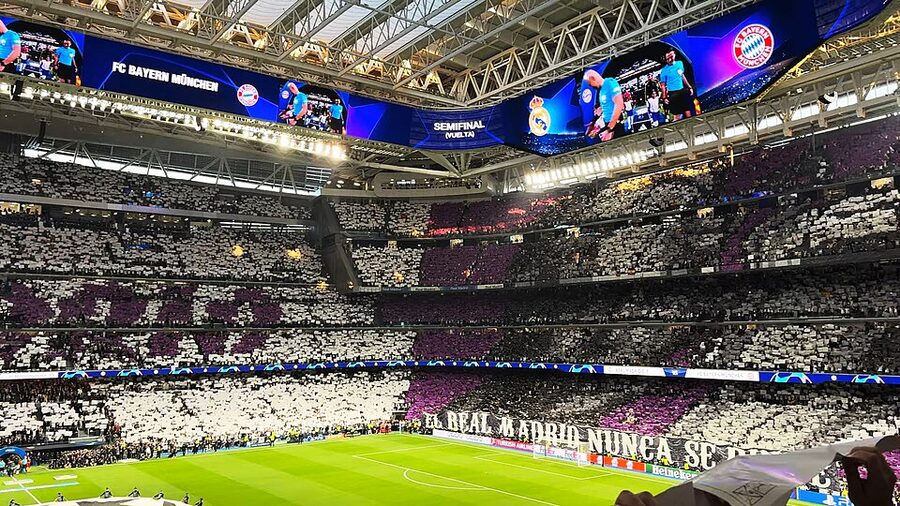
If your trip lines up with a home game, getting tickets is doable but not casual. The cheapest seats start around €60 for La Liga mid-table opponents, climb to €120+ for top-six visitors, and the Clásico against Barcelona regularly sells for €300 to €500. (If you’re heading to Barcelona instead, the equivalent stadium tour is at Camp Nou, and getting matchday tickets there follows almost the same pattern.) Champions League knockout games are the priciest of all and sell out within minutes of release.
Three things to know:
- The official ticket sale happens about ten days before each game. Set a calendar reminder.
- Real Madrid sometimes releases members’ returned tickets a day or two before. Check the official site at 9am Madrid time on matchday-minus-one.
- Avoid the touts outside the stadium. Tickets at face value plus 30% are common; tickets at face value plus 200% with a fake QR code are also common.
If you’re a serious fan and want VIP hospitality (catering, premium seats, dedicated entrance), Real Madrid’s Matchday Premium product runs from around €350 to €1,200+ per person depending on the opponent. It’s expensive, but if you’re flying in specifically for a game it’s the only way to guarantee you’ll be in.
A short history, because you’ll want context in the museum
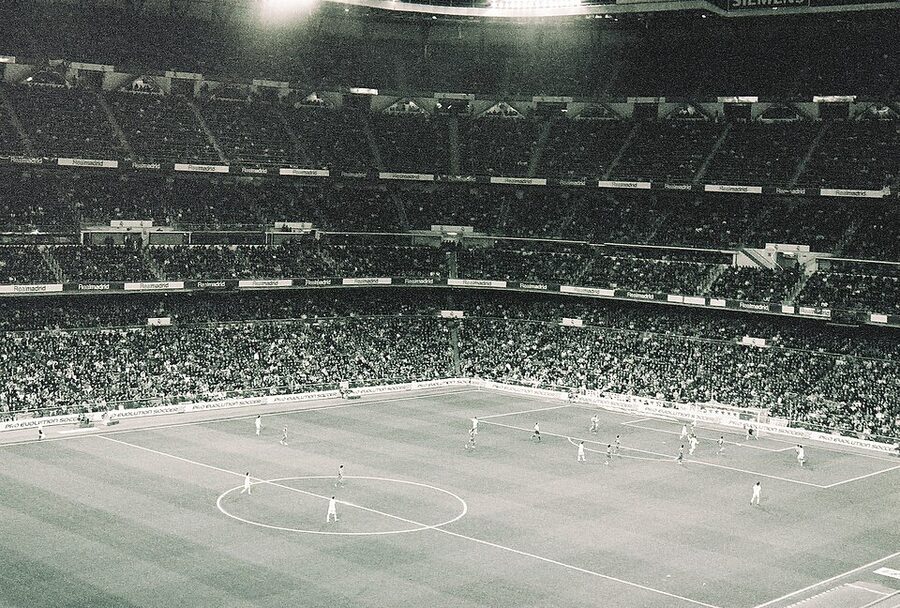
The original stadium opened in 1947 as the Estadio Chamartín, on a site that was then on the northern edge of Madrid. It was renamed in 1955 after Santiago Bernabéu, the club president who built it. From the 1950s to the 1980s it hosted three European Cup finals, a World Cup final (1982), and a Eurovision Song Contest. By the 2000s it was visibly aging.
The full reconstruction started in 2019 and finished in late 2024. The work added the curving metallic exterior, the retractable roof, a 360° video screen ringing the inside, the underground food court, and a complete museum overhaul. Some Real Madrid traditionalists hated the new look during construction. Most have come around now that it’s open.
If you’ve been to old stadiums in Europe like Anfield, Stamford Bridge, or San Siro, the renovated Bernabéu feels different in a way that’s hard to articulate. It’s more of an entertainment venue than a sporting cathedral now. Real Madrid traditionalists are split on whether that’s a good thing.
Things I’d skip
A few opinions, since most articles won’t say them:
- The basement food court is fine but overpriced. The food itself is decent (Spanish chains plus a couple of decent burger places), but you’re paying stadium markup. There’s better food a five-minute walk away on Calle de Padre Damián.
- The official store is a tourist trap on busy days. Same shirts, same prices as the smaller club stores in central Madrid, but with a 20-minute checkout queue. If you don’t need to buy in the moment, skip it.
- VR adds-ons aren’t transformative for adults travelling alone. Worth it for kids and teenagers, less so for solo or couples-only visits.
- Don’t book the “Madrid highlights with Bernabéu entry” combos. They cram you into a tour bus that wastes time on the cliché spots and gives you 90 minutes inside the stadium, when you really need two-plus.
Pairing the Bernabéu with the rest of your Spain trip
The Bernabéu pairs well with a slow afternoon at the Prado rather than another high-energy tour. Most people I know who’ve done both on one trip pace it as: Bernabéu morning, Prado afternoon, dinner near Plaza Mayor. The Prado collection is genuinely staggering and the tickets are easy to book.
If you’re doing more of Spain, Barcelona is three hours by AVE train. The two cities run very different days, and Sagrada Família and Park Güell are both worth a morning each. The hop-on hop-off bus is the best first-day move in Barcelona, which surprised me; in Madrid I’d skip it.