
You round the corner into Room 206, and the painting takes up the whole wall. Three and a half metres tall. Almost eight metres across. A bull, a horse, a screaming woman holding a dead child, all of it in greys and blacks and one piercing eye-shaped lightbulb in the centre. Nobody in the room is talking. Guernica does that.
Picasso’s anti-war masterpiece is the reason most people come to the Reina Sofía, but it’s only one piece in one of Europe’s heaviest 20th-century art collections. Here’s how to actually get in, what to see when you do, and which tour is worth booking if you want a guide.
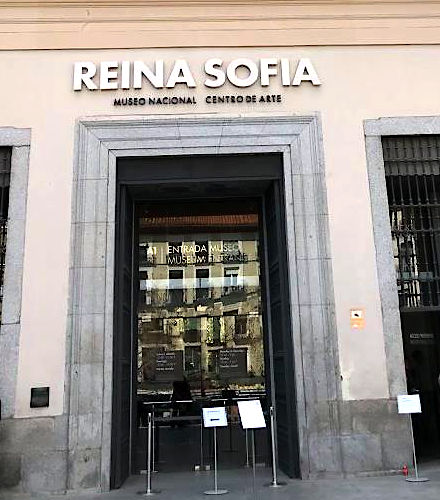
Short on time? Here are my top picks:
Cheapest in: Reina Sofía Museum Entrance Ticket. $14. Fixed entry slot, audio guide add-on optional. The default option for anyone who wants to see Guernica and explore at their own pace.
Best guided overview: Reina Sofía Museum Guided Tour. $38. 75 minutes with a guide who walks you through Picasso, Dalí, Miró and Tàpies in the order that actually makes sense.
Small-group splurge: Reina Sofía Small Group Tour with Skip-the-Line. $59. Six people max, 90 minutes, the closest thing to a private tour without paying private prices.
- Buying Tickets: Online vs On the Door
- Discounts
- The audio guide vs the guided tour
- The Three Tours Worth Booking
- 1. Reina Sofía Museum Entrance Ticket:
- 2. Reina Sofía Museum Guided Tour:
- 3. Reina Sofía Small Group Tour with Skip-the-Line:
- What’s Actually in Room 206
- Photography rule
- The Other Floors (and Why You Should Bother)
- How to Get There
- The Golden Triangle
- When to Go
- A Bit of History (Why It’s a Hospital)
- Eating Around the Museum
- Practical Things Nobody Tells You
- Madrid Beyond the Museum
Buying Tickets: Online vs On the Door
The official price is 12 EUR for adults, and that gets you into the permanent collection plus whatever temporary shows are running. Bookings on third-party sites usually run a couple of euros higher because they bundle in the booking fee, audio guide, or both. The Reina Sofía’s own ticket page is at entradas.museoreinasofia.es, which is the cheapest option if you don’t want any extras.
Buy ahead. The museum sells timed-entry slots, and weekends from spring through October regularly sell out by Friday. If you’re trying to walk up on a Saturday in May without a booking, you’ll be queuing for an hour, and there’s a chance the slot you want is gone entirely.
If your timing is flexible, the free hours are real and they’re worth knowing about. From 7pm to 9pm Monday to Saturday, and from 12:30pm to 2:30pm on Sundays, entry is zero euros. The catch: you still need to book the free ticket online ahead of time, slots disappear within hours of release, and the place is rammed. Two hours is also not enough for the full collection. If you’ve come all the way to Madrid for the Reina Sofía, pay the 12 EUR and give yourself half a day.
Discounts
Free admission applies, year-round, to under-18s, EU students under 25, anyone over 65, and visitors with a registered disability. Bring ID. There are also several free open days through the year, including 18 April (International Day of Monuments), 18 May (International Museum Day), and 12 October (Spain’s national day). On those dates, the queues are absurd. Pay the 12 EUR and skip them.
The audio guide vs the guided tour
The official audio guide costs about 5 EUR on top of your ticket and you pick it up at the desk. It’s fine. It hits Picasso and the major works with reasonable depth. The trade-off is that you’re moving at the audio guide’s pace, which is slow, and the device doesn’t know when you’ve already understood something or when you want to skip ahead.
A live guided tour is a different proposition. A guide can read the room, answer questions, and prioritise the things that interest you. For 75 minutes with a small group, you’re paying 38 EUR or so, but you’re getting Spanish art history compressed into a useful sequence rather than wandering hopefully.
The Three Tours Worth Booking
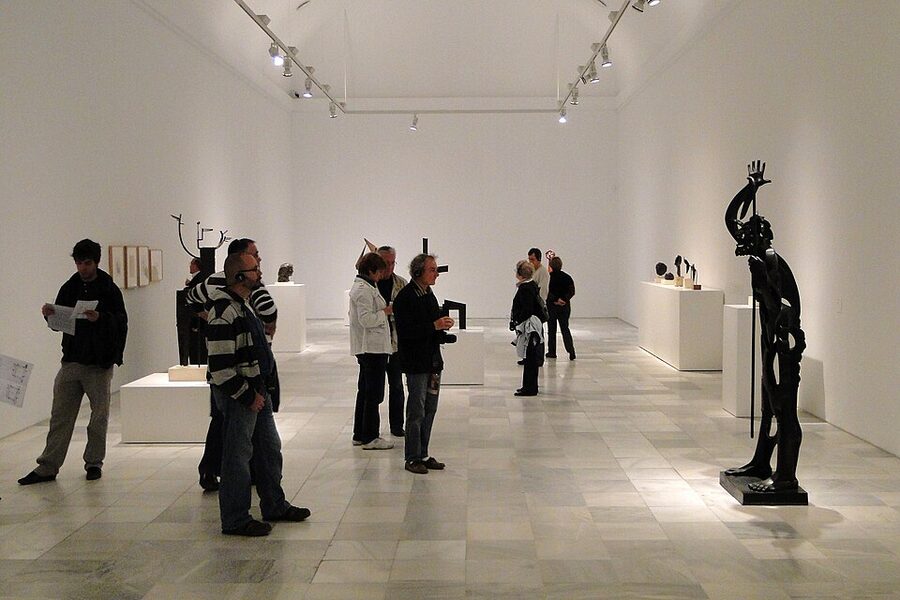
I picked these three because they cover the three real ways visitors actually approach this museum: as a self-guided ticket holder, as someone who wants a guide but doesn’t want to spend a fortune, and as someone who wants the small-group experience without going fully private.
1. Reina Sofía Museum Entrance Ticket: $14
The entrance ticket is the workhorse and the most-booked option on this list by a wide margin. Confirmed entry slot, mobile voucher, no need to print anything. You walk in, you see Guernica, you wander as long as you want until the museum closes. Our review of this ticket covers what to actually skip on the lower floors if you’ve only got two hours.
The trade-off is that there’s no curation of your visit. The Reina Sofía is huge. Without context, you’ll spend the first thirty minutes wandering the wrong floors and run out of energy before the post-1945 collection on the fourth floor. If you read up on the museum beforehand, the ticket is fine. If not, consider one of the guided options below.
2. Reina Sofía Museum Guided Tour: $38
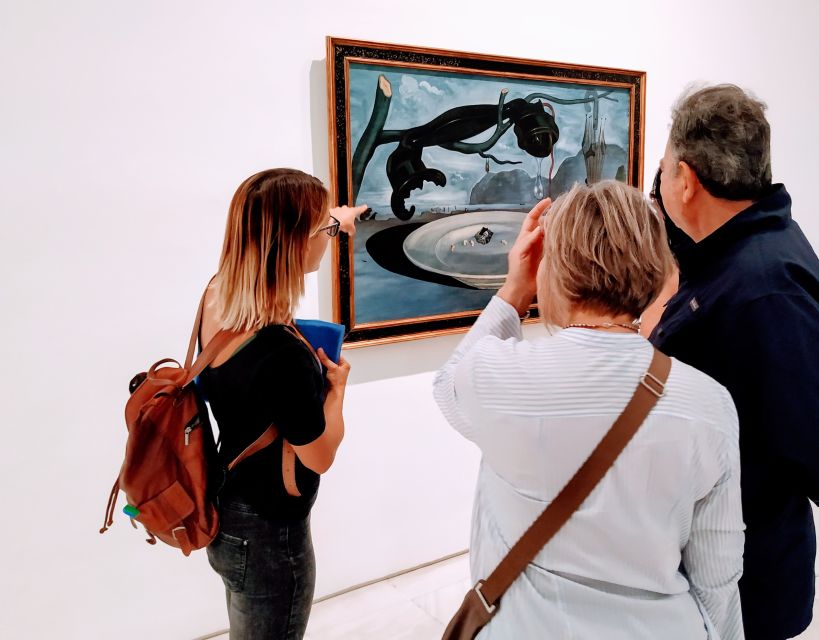
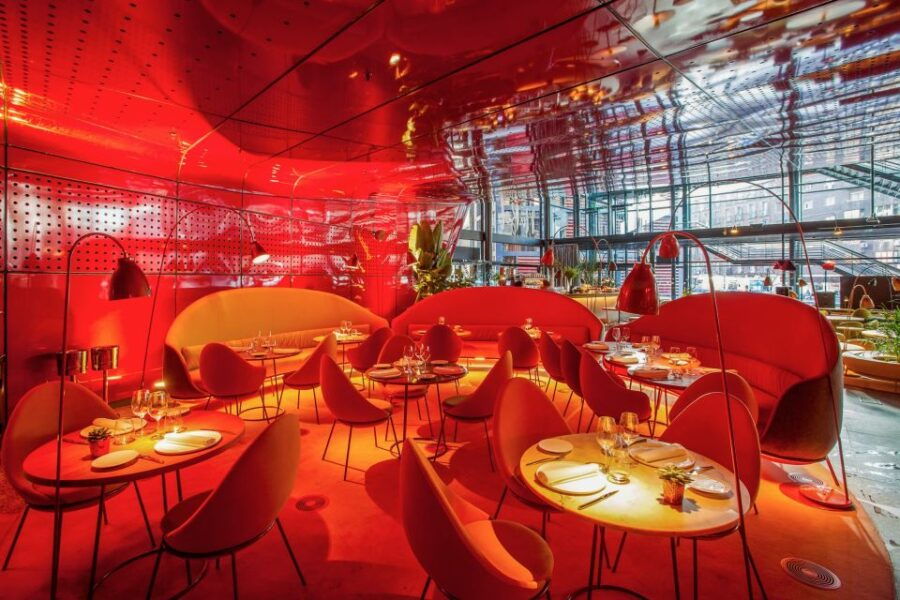
This is the standard public guided tour, 75 minutes, English or Spanish. The guides here tend to be art-history graduates who actually know the difference between a 1930s Dalí and a 1950s one, which matters more than you’d think. Our review of this guided option goes into what the standard route covers and what it skips. Reserve-now-pay-later is on by default, which is useful if your Madrid plans are still moving.
One caveat: 75 minutes ends, the guide leaves, and you can stay in the museum afterwards on the same ticket. Most people don’t realise that. Build in another hour after the tour to do the post-1945 floors at your own pace.
3. Reina Sofía Small Group Tour with Skip-the-Line: $59
The premium option. Six people maximum, 90 minutes, skip-the-line entry. What the consistently strong guest feedback really tells you is that the operator picks good guides and limits group size enough that the experience doesn’t fall apart. Our review covers how this differs from the standard guided tour.
Worth the upgrade if you’re travelling with one other person and would otherwise be in a 25-person crowd, or if you want time to ask questions without holding everyone up. Not worth it if you’d rather spend the extra 21 EUR on tapas.
What’s Actually in Room 206
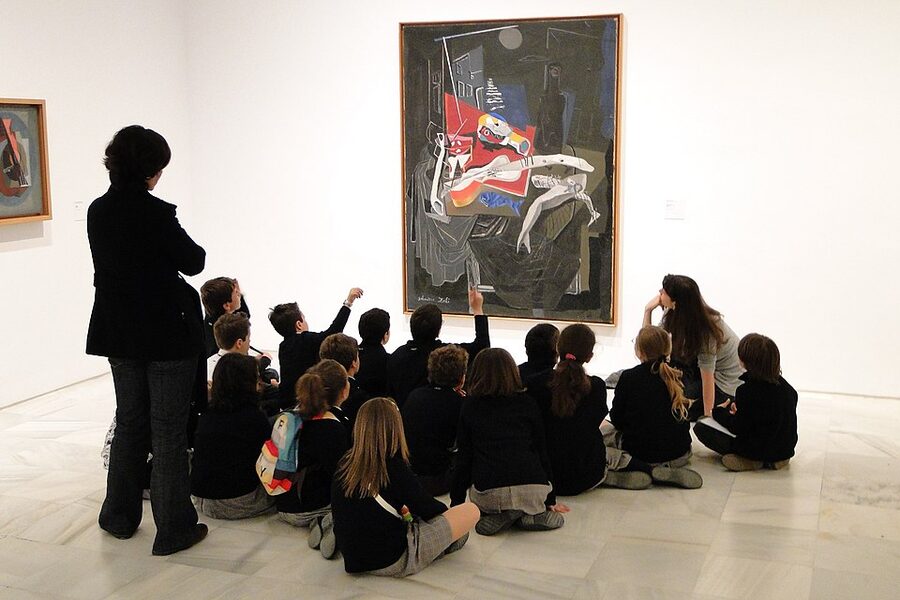
Guernica hangs on the long wall of Room 206, second floor of the Sabatini building. Picasso painted it in 1937 in Paris, in his studio on Rue des Grands-Augustins, in response to the bombing of the Basque town of Gernika by the Luftwaffe at Franco’s request during the Spanish Civil War. The commission came from the Spanish Republican government for their pavilion at the 1937 Paris International Exhibition. He finished it in five weeks.
The painting toured the world for decades. Picasso refused to let it return to Spain while Franco was alive, and even after Franco died in 1975, the legal handover took another six years of negotiation. MoMA, where the painting had lived since 1939, finally released it in 1981. It moved into the Reina Sofía in 1992.
Room 206 surrounds the painting with the rest of the 1937 Spanish Pavilion display: studies, photographs of the work in progress, sculptures by Alberto Sánchez, and the propaganda posters that hung alongside the original. The context matters. Guernica on its own is a stunning painting. Guernica with the wartime context the museum has rebuilt around it is something else: a war archive that you can actually walk through.
Standing in front of it, the dimensions are what hits first. It’s massive. The grey palette feels deliberate even though Picasso almost certainly painted it that way because the photographs of the bombing were also black and white. The bulb in the centre, the broken sword, the screaming horse, every element has been written about in books I’m not going to summarise here. What I will say is: don’t read about it before you stand in front of it for the first time. Let the painting hit you, and then read about it afterwards.
Photography rule
You cannot photograph Guernica. The room has guards who will tell you to put your phone away. This is not enforced everywhere in the museum, but it is enforced in 206, and arguing about it gets you escorted to the exit. Look at the painting. Don’t try to record it.
The Other Floors (and Why You Should Bother)
Most visitors come for Guernica, see the painting, photograph the rooms around it that they’re allowed to photograph, and leave. They miss the rest, which is a shame because the rest is genuinely good.
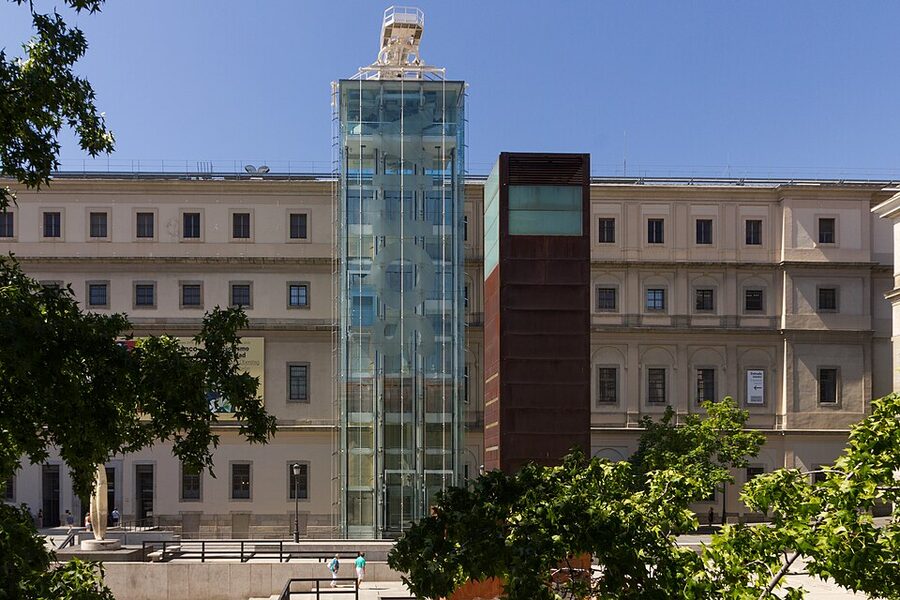
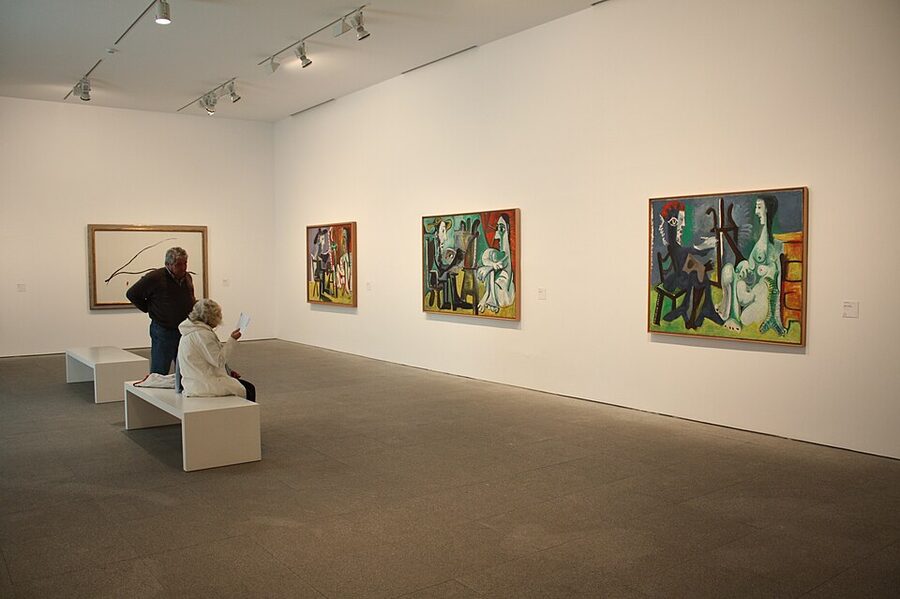
Floor 2 (Sabatini): This is where you start. Pre-1945 Spanish art, organised roughly chronologically. You’ll see early Picasso, the Cubist phase, the Civil War rooms (including 206), and the Surrealist rooms with Dalí, Miró, and Juan Gris. Plan on at least 90 minutes here.
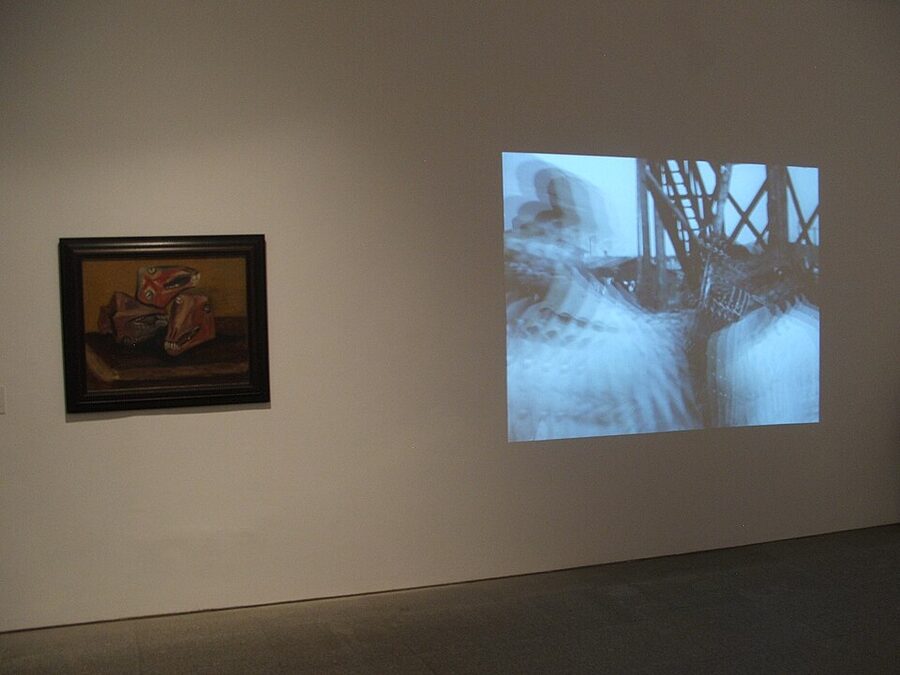
Floor 4 (Sabatini): Post-1945. This is where the museum gets less famous and more interesting if you’ve already seen the major works. Antoni Tàpies, the Dau al Set group, late Miró and late Picasso, plus a strong section on Spanish abstract painters of the 1950s and 60s. Tàpies’ textured, almost geological canvases are the highlight. Allow 45-60 minutes.
Floor 0 and Floor 1 (Nouvel): Temporary exhibitions and the more recent collection (1960s onwards). The Nouvel building is where contemporary art lives and the curation here changes regularly. Check the museum website before you visit to see what’s on. Sometimes the temporary show is the highlight of the whole visit. Sometimes it’s skippable.
The fourth-floor lift in the Sabatini is small and frequently full. If you have stairs in you, the staircase is faster.
How to Get There
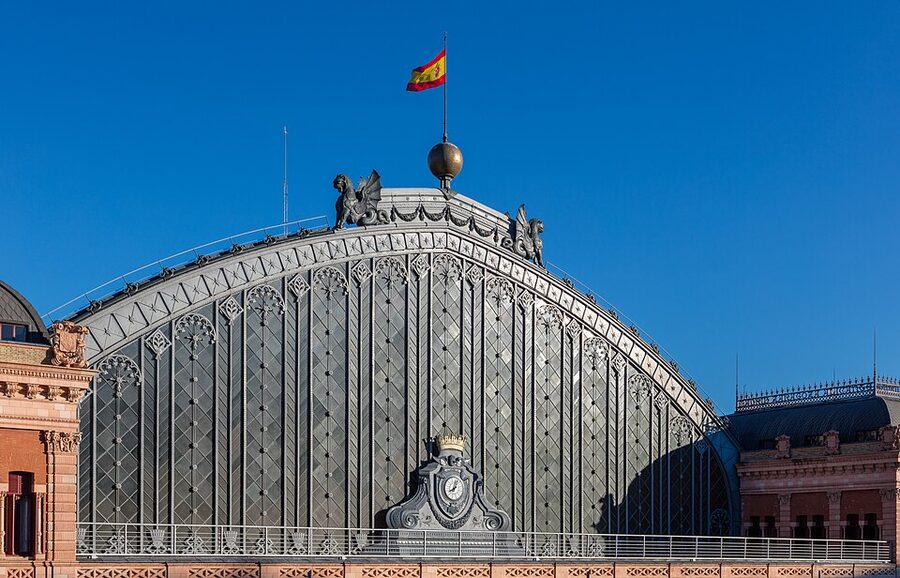
The museum sits on Calle de Santa Isabel and the main ticketed entrance is on the Nouvel side, off Ronda de Atocha. The closest metro is Atocha (line 1), two minutes’ walk. Lavapiés (line 3) is also under ten minutes if you’re coming from the south. Atocha Renfe, the high-speed train station, is one block away, which is useful if you’ve just arrived on the AVE from Seville or Barcelona and have an hour to kill before checking into your hotel. (If Barcelona is also on your itinerary, our Sagrada Família booking guide covers the equivalent ticket headache there.)
From Puerta del Sol, it’s a 15-minute walk down Calle de las Huertas (which is also one of the better tapas streets in central Madrid, if you’re combining the visit with lunch). From the Prado, it’s eight minutes south on foot.
The Golden Triangle
The Reina Sofía sits at the southern point of Madrid’s so-called Golden Triangle of museums. The Prado is at the north, the Thyssen-Bornemisza is in the middle. Combined, the three museums hold the most important Western art collection on the Iberian Peninsula. Doing all three in a day is technically possible, but I would not recommend it. By the third museum you’re not absorbing anything. Pick two if you have one full day, or stretch them across three half-days if you have the time.
If you’re trying to combine the Reina Sofía with the Prado on the same day, do the Reina Sofía first. The 20th-century collection is mentally easier than the Old Masters, and you’ll have more energy for Velázquez and Goya in the afternoon. If you want a guide for both museums on the same trip, the combined Prado and Reina Sofía art-fusion tour does both in roughly four hours and packages skip-the-line entries for the pair.
When to Go
The Reina Sofía is open Monday and Wednesday to Saturday from 10am to 9pm. Tuesday is closed. Sunday opens 10am to 12:30pm and reopens 2:30pm to 7pm. The split Sunday hours catch a lot of visitors out: if you turn up at 1pm on a Sunday hoping to walk in, you’ll find a locked door.
Best windows by experience:
- 10am opening: quiet for the first hour, light is best for the courtyard photos. Tuesday closed, so Wednesday morning is the genuine sweet spot if you can swing it.
- 5pm to 7pm: school groups have left, the late-afternoon crowd hasn’t built up yet, and the staff haven’t started shutting rooms early.
- 7pm to 9pm Mon-Sat: free admission window. Crowded, but the air is thinner if you can ignore the crowd, because the staff are mostly focused on closing-time logistics rather than monitoring rooms.
Avoid: late morning Tuesdays through Thursdays in March-May or September-October. School groups are everywhere, and Room 206 in particular gets pile-ups of 30-plus students at a time.
A Bit of History (Why It’s a Hospital)
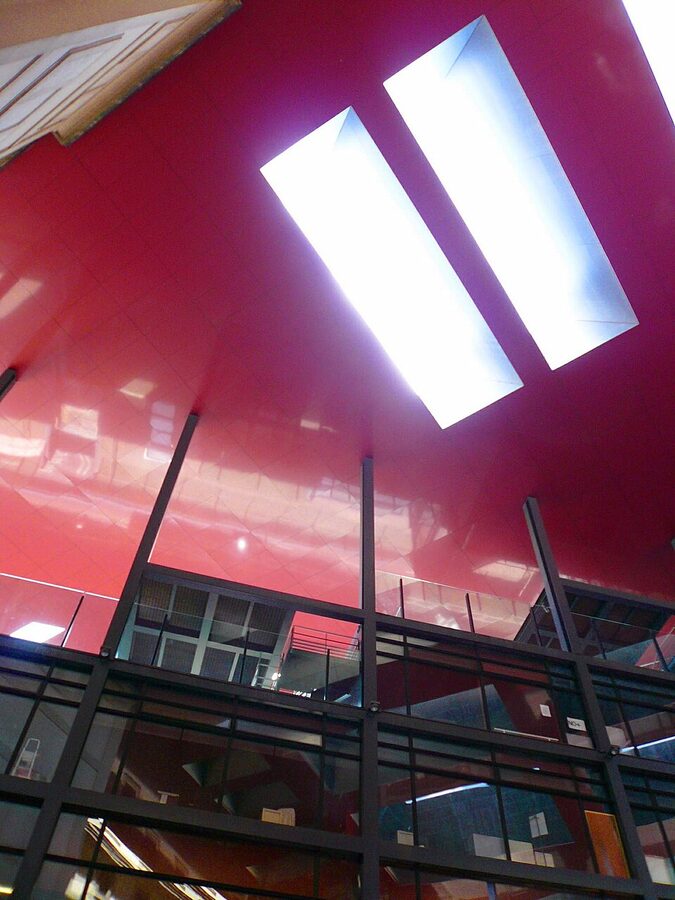
The Sabatini building wasn’t built as a museum. It was built in the late 18th century by Francesco Sabatini, the Italian architect Charles III imported to handle his major Madrid projects, as the General Hospital of Madrid. The building functioned as a working hospital for nearly two hundred years and only closed its medical operations in 1965.
It nearly got demolished in the 1970s. The site was earmarked for redevelopment and the building was decaying. In 1977, royal decree saved it as a national monument. Restoration started in 1980, the Reina Sofía Art Centre opened in 1986, the institution became a national museum in 1988, and Guernica finally arrived from MoMA in 1992.
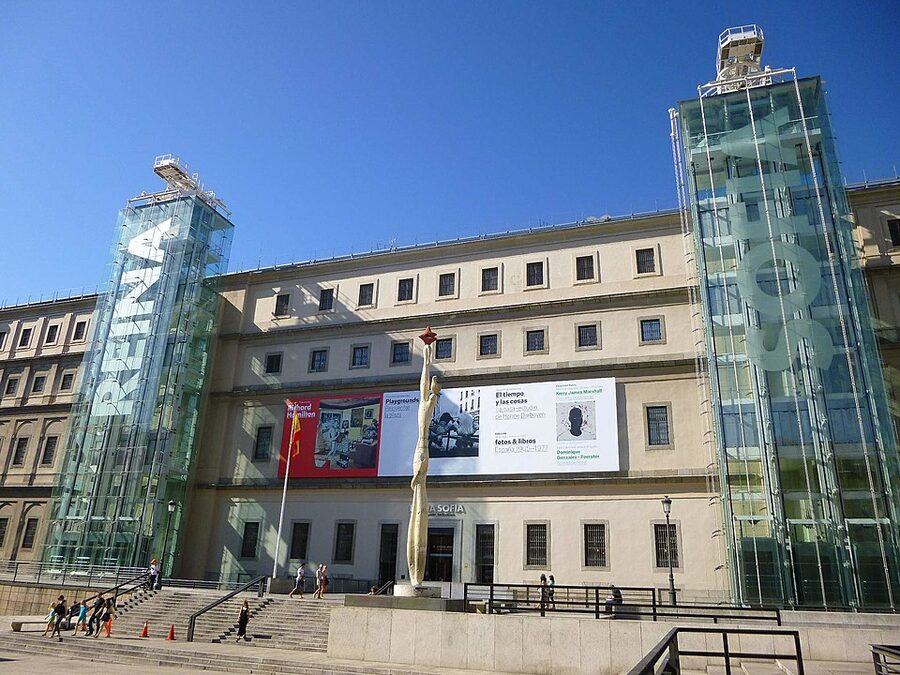
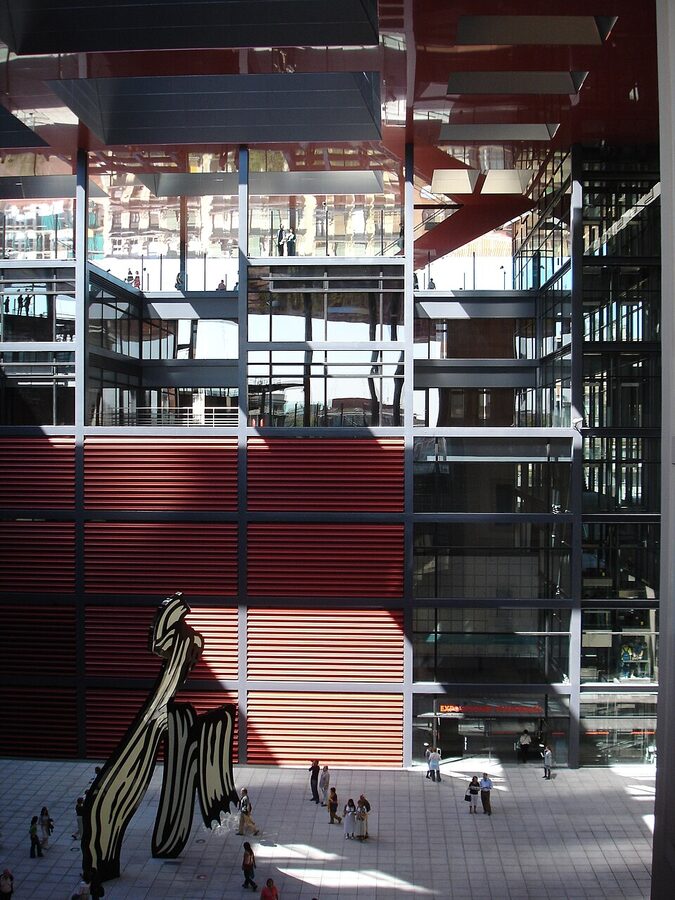
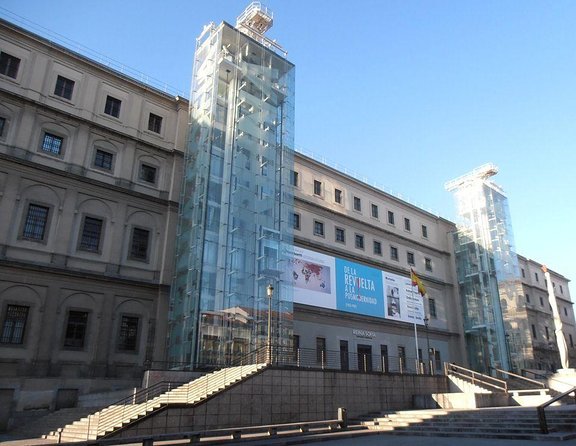
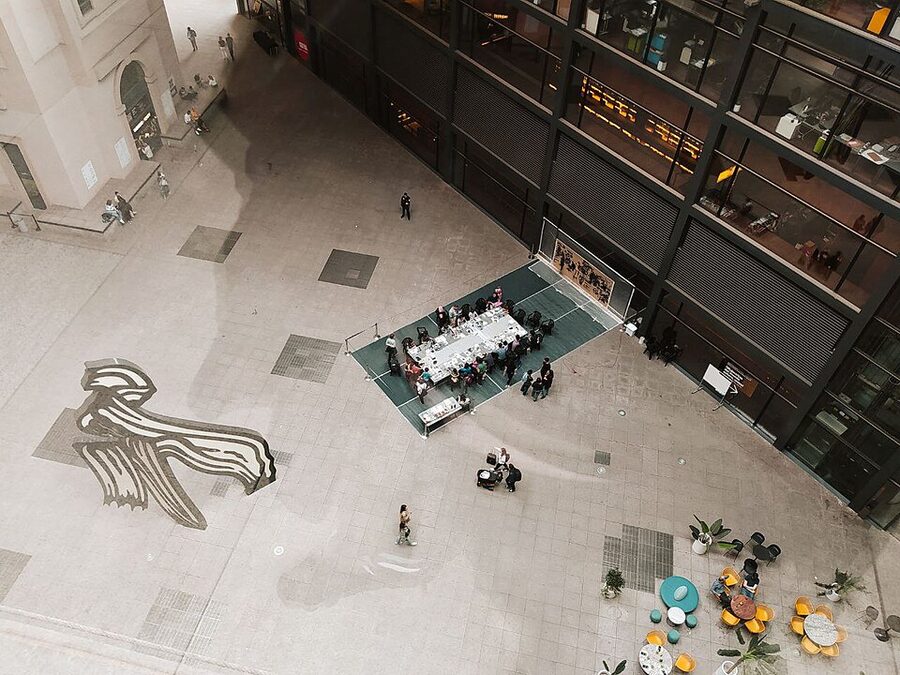
The Nouvel extension was the final piece. Jean Nouvel won the commission in 1999, the building opened in 2005, and the additional space let the museum expand its temporary-exhibition programme and properly display the larger contemporary works that had been crammed into the Sabatini’s old hospital wards. Walk through the Nouvel building and look up: the geometry is intentionally disorienting and you can feel the architect’s signature, the same restless angularity you see in his Louvre Abu Dhabi or his Paris Philharmonie.
Eating Around the Museum
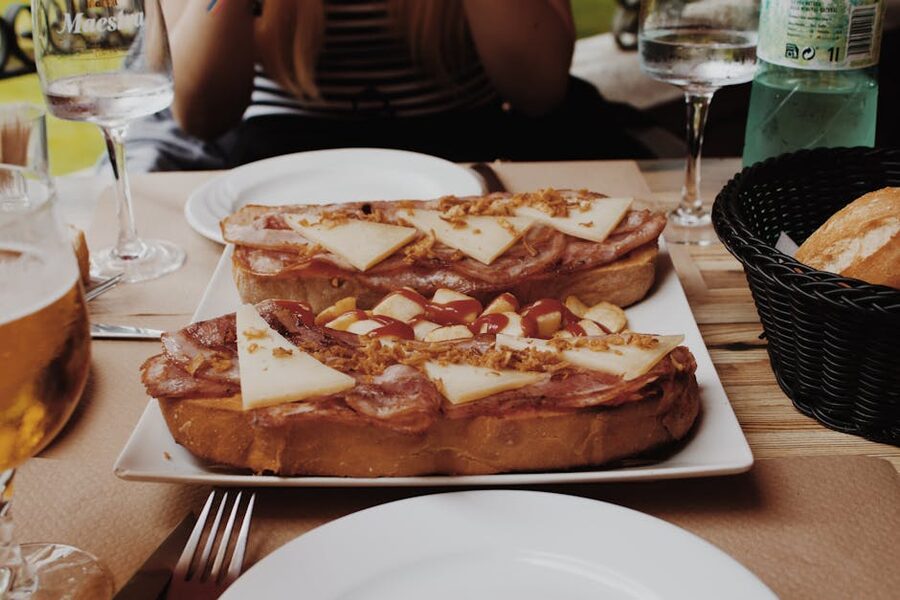
The cafe inside the Nouvel is fine for a quick coffee and a sandwich, but the real food is outside. Two streets in particular:
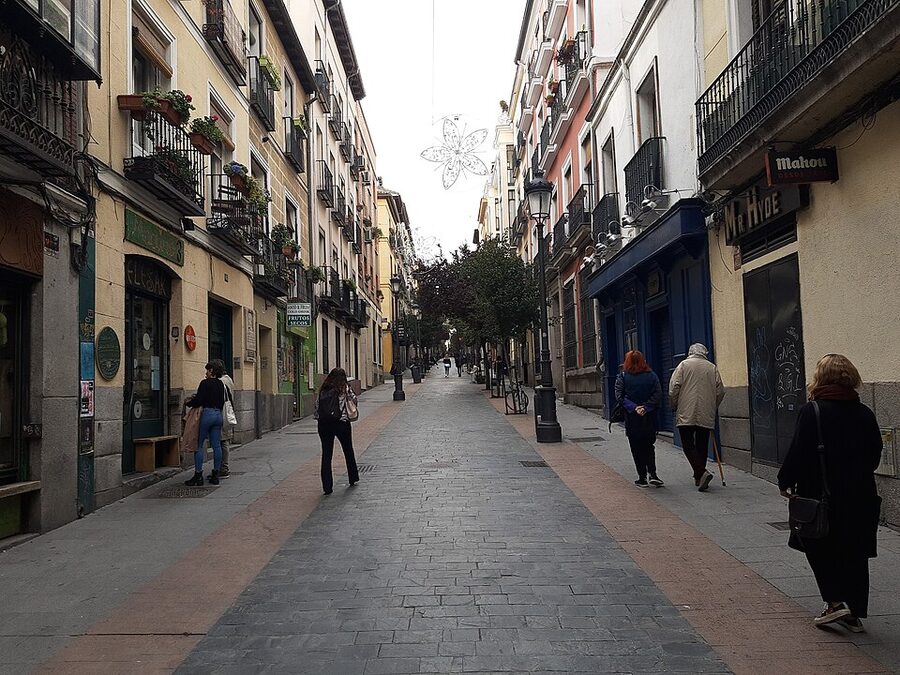
Calle de las Huertas runs north from the museum towards Puerta del Sol and is lined with traditional tapas bars, mostly fine, a couple genuinely good. Casa Alberto, near Plaza Santa Ana, has been serving since 1827 and the croquetas are above the tourist-trap baseline.
Lavapiés, immediately south, is the most multicultural neighbourhood in central Madrid. Bangladeshi, Senegalese, Moroccan, and Indian restaurants share blocks with old-school castizo bars. La Bicicleta on Plaza San Ildefonso for coffee and brunch, Bodegas Lo Máximo on Calle Olivar for vermouth and tinned-fish tapas at proper Madrid prices. Lavapiés is also where you’ll find the rastro flea market on Sundays, which is a separate half-day but can be combined with a Sunday-afternoon museum visit. If a guided crawl is more your speed, the closest format I’ve seen done well in Spain is the Barcelona tapas walking tour, which Madrid does not yet have a clean equivalent for.
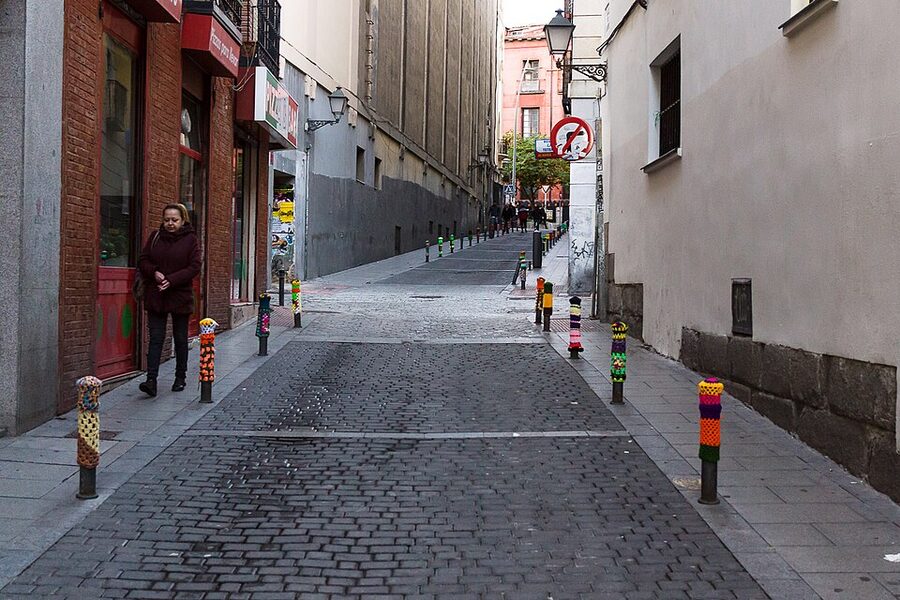
Avoid the chain restaurants directly opposite the Nouvel entrance. They exist to feed the museum overflow and the prices reflect that.
Practical Things Nobody Tells You
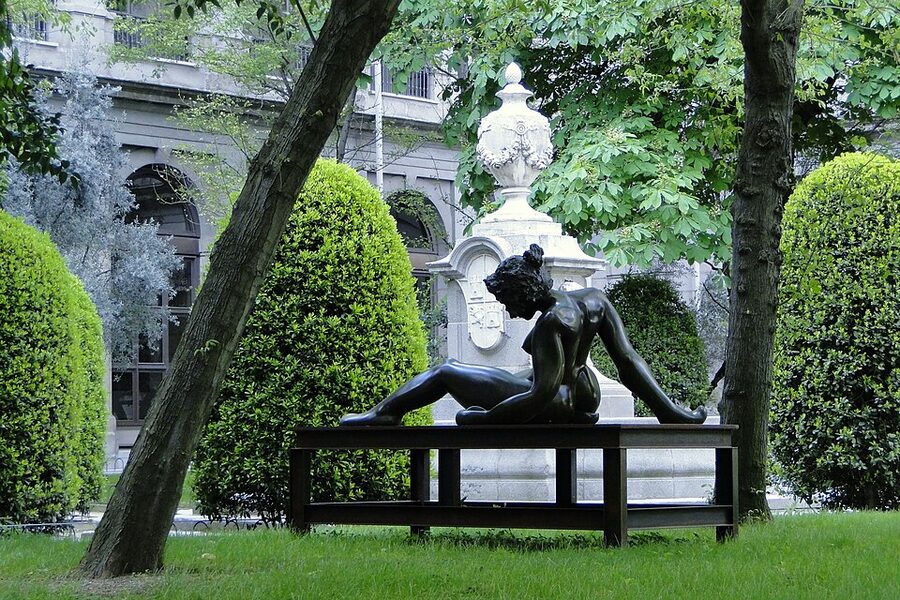
Floor plan: pick up the free paper map at the ticket desk. The museum is split across two buildings and four floors and the signage gets sparse in the older wings. The map saves you twenty minutes of wandering.
Bag policy: the cloakroom is free and large bags are mandatory there. Small day-bags can stay with you. If you’re bringing anything bigger than a 30-litre backpack, expect to leave it at coat-check.
Wheelchair access: the Plaza del Emperador Carlos V entrance has the flatter ramp and is the recommended access point for wheelchairs and pushchairs. Lifts inside connect all floors of both buildings. Visitors with a registered disability enter free, plus a companion.
Reentry: same-day reentry is allowed. If you want to break the visit with a tapas lunch in Huertas, leave through the main exit and ask for a reentry stamp at the desk.
Toilets: best ones are on the ground floor of the Nouvel. The Sabatini toilets are older, smaller, and queues form quickly when school groups are in.
Photography: allowed in most of the permanent collection without flash. Banned in temporary exhibitions and in Room 206. The rules are posted at room entrances and the guards enforce them.
Madrid Beyond the Museum
Most visitors who do the Reina Sofía also work in Barcelona on the same trip. The Catalan capital deserves its own chunk of time, and our Park Güell and flamenco guides are the two I’d start with for a first visit. Montserrat is the day trip worth building in if you have an extra morning.