
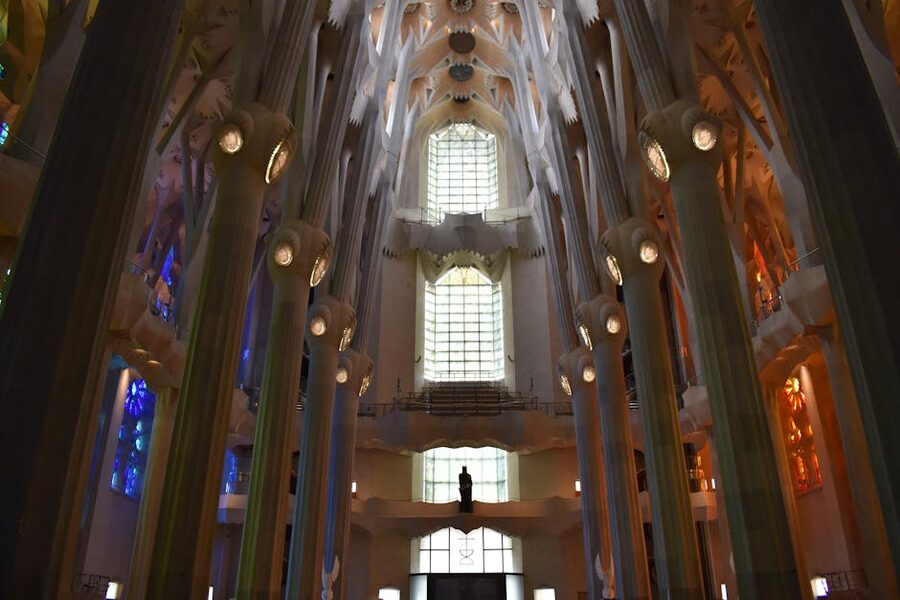
The first thing you notice inside the Sagrada Familia is not the height or the colour. It’s the quiet. Five thousand people are inside with you, and somehow the place still makes the sound of a forest at dawn. Soft footsteps. Distant murmurs. The faint shuffle of audio guides. The light comes down through the stained glass and lands on the floor in pools of green, blue, orange, and red, and it takes a minute to remember you came here for the architecture.
Booking tickets, on the other hand, is where most visitors slip up. The basilica caps daily entry, slots sell out two months ahead in summer, and the on-site ticket window can swallow half a day. This guide covers exactly which ticket type to book, when to book it, and the three tours we’d actually use ourselves. Cards prices below in dollars; the basilica itself charges in euros, and your provider may show either.
Short on time? Here are my top picks:
Cheapest entry that still includes audio: Sagrada Familia Entry Ticket With Audio Guide. The most-booked ticket on the market. $39, skip-the-line, audio guide app on your phone.
Best balance of price and depth: Sagrada Familia Skip-the-Line Entry Ticket & Tour. $67, 1.5 hours with a real guide, small group, the version most people end up wishing they’d booked.
Most popular guided option: Fast Track Sagrada Familia Guided Tour. $66, fast-track entry, English-speaking guide, the default Viator pick.
- The Real Reason to Book Online
- Ticket Types: What Each One Actually Includes
- When to Book (And Why “Two Months” Is Not Cautious Advice)
- The 3 Best Sagrada Familia Tickets and Tours
- 1. Sagrada Familia Entry Ticket With Audio Guide:
- 2. Sagrada Familia Skip-the-Line Entry Ticket & Tour:
- 3. Fast Track Sagrada Familia Guided Tour:
- Should You Pay Extra for the Towers?
- What You’ll Actually See Inside
- Practical Things Most Guides Skip
- The Story Behind the Building
- Pairing Sagrada Familia With the Rest of Gaudí Barcelona
- Last-Minute Tickets: Can You Still Get In?
- What to Do After
- More Barcelona Guides
The Real Reason to Book Online
The Sagrada Familia takes about 4.7 to 5 million visitors per year. That’s around 13,000 people per day, every day. Daily entry is capped, and tickets are sold in fixed time slots. If you turn up without a ticket in summer, you will probably not get in.
This is not a “you might wait a long line” problem. It’s a “tickets for today are gone by 11am” problem. Add weekends, Easter, summer, or any school holiday and the picture gets worse. Several travel forums in 2026 are full of people who flew to Barcelona for three days, didn’t book, and ended up looking at the basilica from the outside.
Online tickets fix this by letting you reserve a specific entry time up to two months in advance. The booking platforms also bundle in skip-the-line access by default and a free audio guide, which the basilica’s own website charges extra for in some ticket variants. There is genuinely no reason to use the on-site ticket window in 2026.
Ticket Types: What Each One Actually Includes
There are five live ticket products in 2026. Most visitors only need to choose between the first two.
Basic entry with audio guide. The cheapest option that’s still worth using. Includes skip-the-line access, an audio guide via the basilica’s own app on your phone, and access to the underground museum. About $39 from the major resellers. Around 70 percent of first-time visitors book this. If you’re on a tight schedule and don’t care about climbing a tower, stop here.
Entry plus tower access. Adds a lift to the top of one of the towers (Nativity or Passion façade), with stairs back down. Roughly $50-55. The towers are the only way to see the spires up close and the city from inside the basilica’s structure. The slot is short, about 15 minutes, and there are restrictions: ages 6+, kids under 16 must be accompanied, and the towers close in bad weather.
Guided tour. About $60-70. Includes fast-track entry plus a 90-minute guided walk in English (Spanish, French, German, Italian, and Dutch are also offered on bigger operators). Group size is capped around 30. This is the version we’d recommend to most adult visitors who care about Gaudí and the symbolism. Without a guide you’ll miss roughly half of what the basilica is doing.
Guided tour plus tower. The “do everything” ticket. Around $90-100. Same restrictions as the tower-only version. Best if it’s your only Barcelona day and you don’t plan to come back.
Combo ticket with Park Güell. Skip-the-line at both Gaudí sites in one purchase. Worth considering if you’re doing both on the same day, which most first-time visitors should. They’re 30 minutes apart by metro and pair naturally.
When to Book (And Why “Two Months” Is Not Cautious Advice)
Tickets typically open up to 60 days in advance. Here’s how that plays out by season, based on what we’ve seen across the last two years:
April, May, June, September: Book at least 4-6 weeks ahead. Mid-morning slots (10:00, 10:30, 11:00) are the first to go. Early afternoon and late afternoon slots tend to last longer.
July and August: Book the moment your dates open. Top European summer in Barcelona means cruise ships, school holidays, and Catalan weekend visitors all stacking on top of regular tourism. We’ve seen July weekends fully sold out three weeks before the first slot date.
Easter Week (Setmana Santa): The single hardest week of the year. Spanish national holidays plus religious tourism plus regular visitors. Don’t even try to walk up; book the day tickets open.
December (especially the week before Christmas to January 6): Surprisingly busy. The Three Kings holidays bring big domestic crowds.
Low season (mid-January to mid-March, November): You can usually get in within 7-10 days. Even so, weekday morning slots disappear faster than the rest. School groups and senior coach tours both default to mornings.
One small trick: avoid booking 10:00, 10:30, or 11:00. Those are the round-number defaults that everyone gravitates toward. Try 10:15, 10:45, 11:15. They’re often less crowded and feel more relaxed once inside.
The 3 Best Sagrada Familia Tickets and Tours
Out of all the live products on GetYourGuide and Viator, three options consistently sit at the top by booking volume. We’ve ranked them in the order most visitors should consider, not by price.
1. Sagrada Familia Entry Ticket With Audio Guide: $39
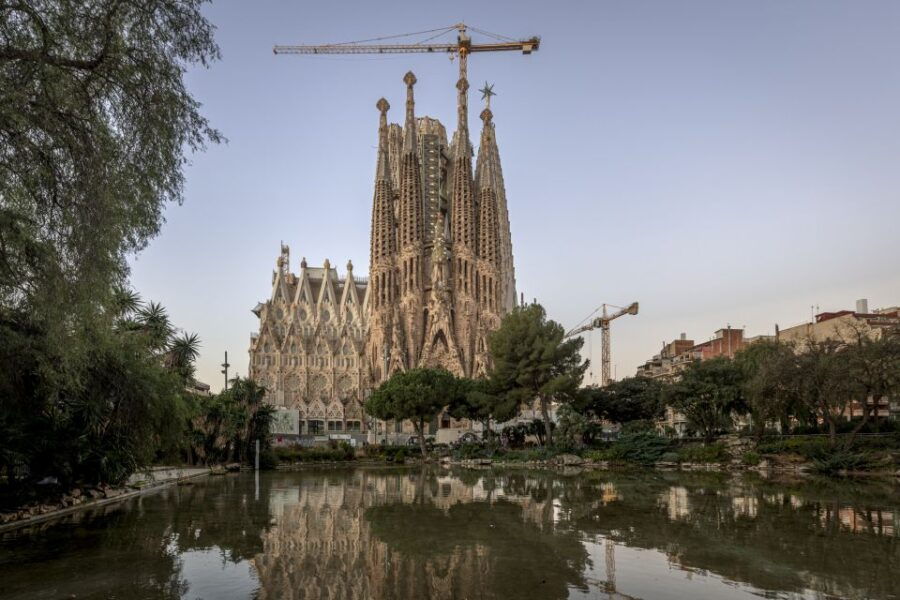
This is the ticket I’d start with if I had to pick one. Six figures of reviews speak for themselves; our full review of this ticket covers exactly what’s included on the audio app and how it compares to a live guide. It pays for itself if you arrive 15 minutes early and just walk slowly through the central nave.
2. Sagrada Familia Skip-the-Line Entry Ticket & Tour: $67
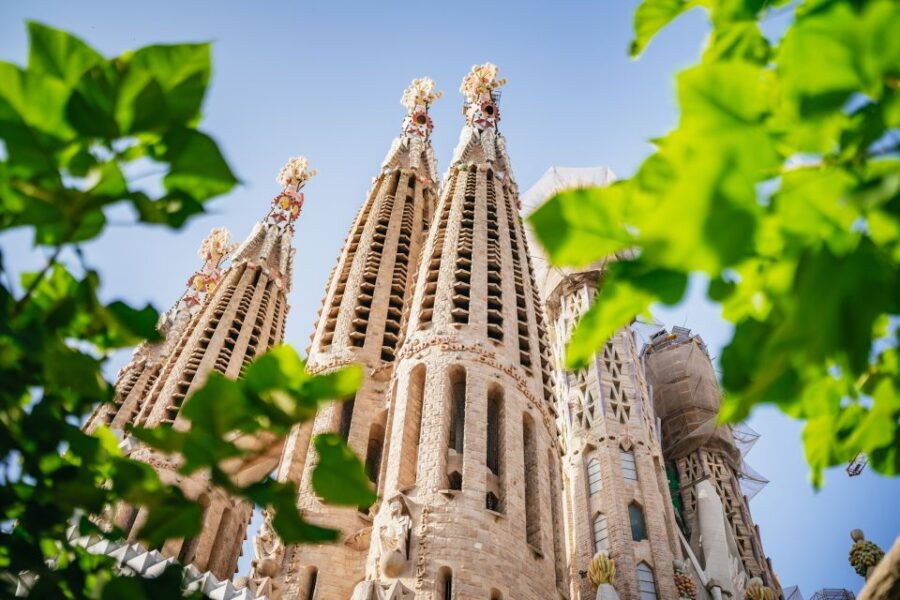
If your budget allows the extra $28, this is the version to pick. The guide unpacks the religious symbolism and the engineering tricks Gaudí built into the columns and vaults. Most of those are invisible without someone pointing them out. Our full review of this skip-the-line tour walks through what gets covered in the 1.5 hours.
3. Fast Track Sagrada Familia Guided Tour: $66
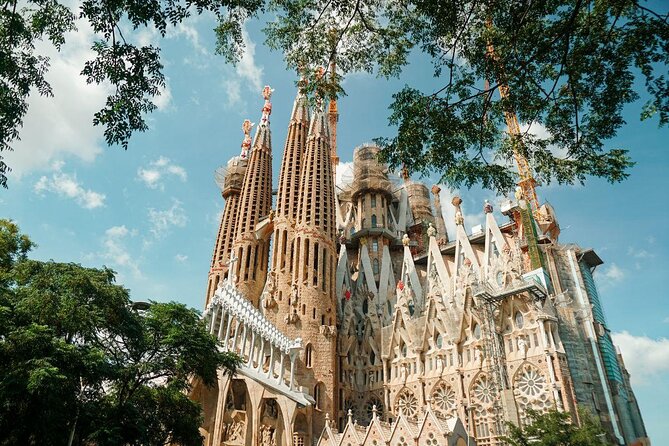
Practically identical experience to option 2 above, just sold through Viator instead of GetYourGuide. Pricing usually runs within $1-2 of each other. Our full review of the Fast Track Sagrada Familia tour covers the small format differences. Pick the platform you have an account on already; the tour itself is the same.
Should You Pay Extra for the Towers?
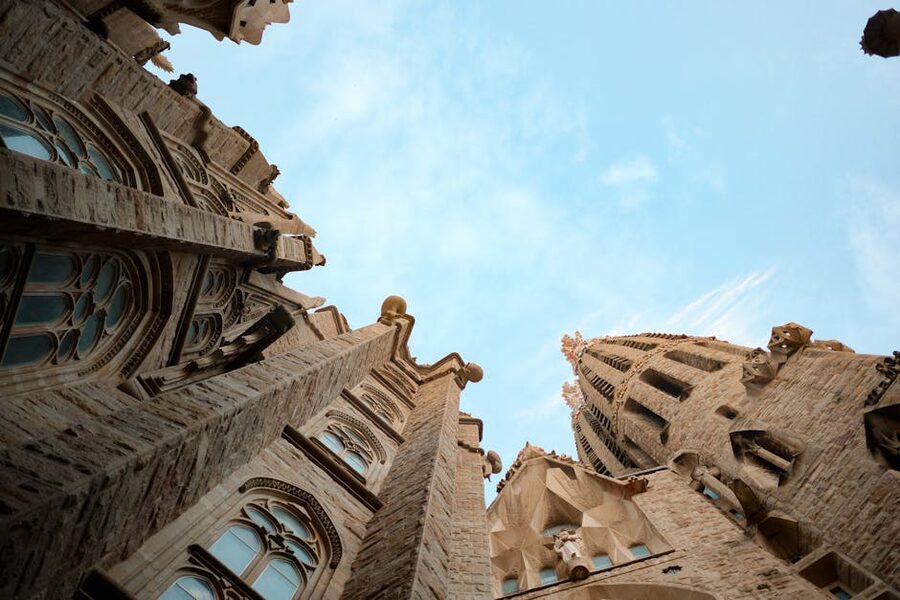
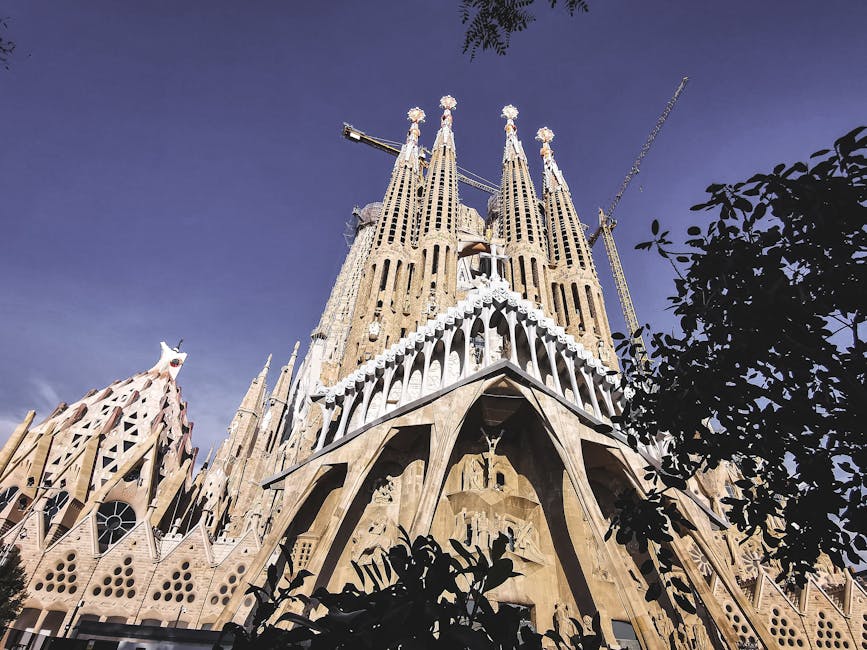
This is the question I get asked most. The answer depends on your stamina, your timing, and which façade is open.
The towers are a tight, fixed slot of about 15 minutes once you’re up. You take a small lift up and walk down a spiral stone staircase. The view from the top is among the better Barcelona views, not the best (Bunkers del Carmel and Tibidabo are higher and free), but the experience is unique because you see the spires from inside the basilica’s own structure.
Two towers are open: Nativity façade and Passion façade. If you can choose, pick Nativity. It’s the only façade Gaudí designed and finished in his lifetime, it’s UNESCO-listed, and the descent walks you past the older sculptural detail. The Passion façade has more abstract modern carvings and a slightly different city view.
Skip the towers if any of these apply: you have mobility issues (no wheelchair access, stairs on the way down), you’re travelling with kids under 6 (not allowed), the weather is windy or wet (towers close), or you’re already short on time. If you’ve got 90 minutes total at the basilica, spend them inside, not climbing.
What You’ll Actually See Inside
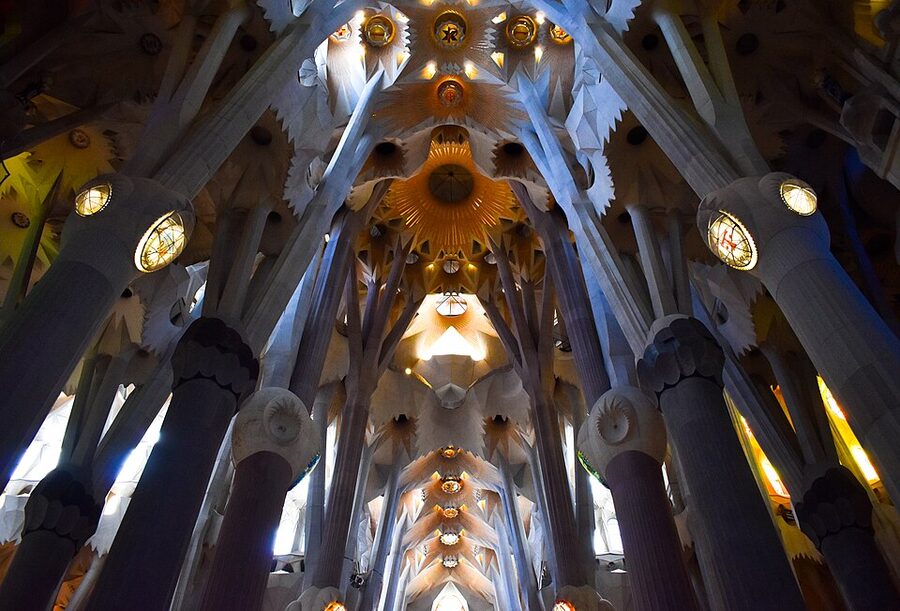
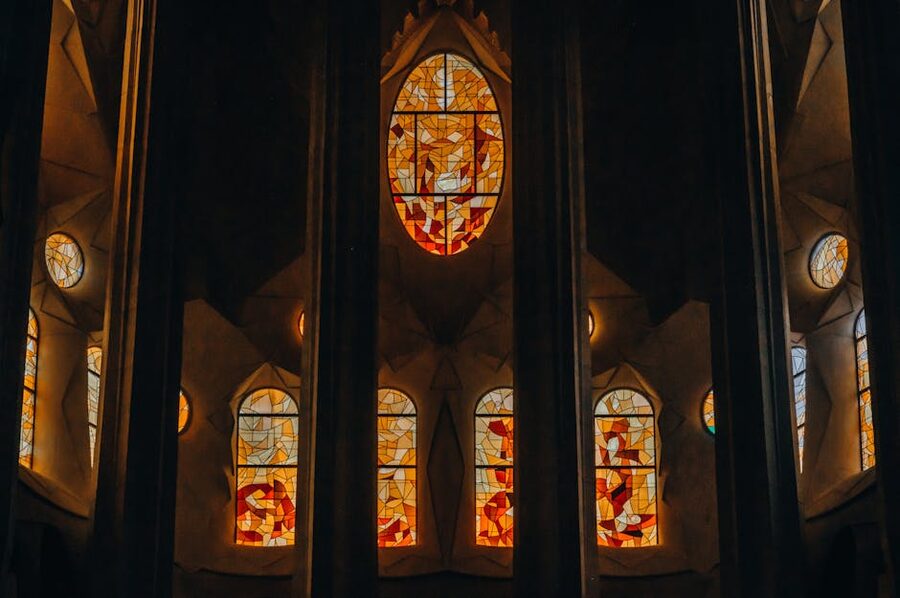
The basilica isn’t a museum and isn’t really a cathedral, technically. It’s a basilica minor, still under construction, still officially a Gaudí project a hundred years after he died. Walking it takes a structured 60 minutes if you rush, comfortable 90 if you don’t.
The central nave. This is the moment. Tree-like columns branching into a stone canopy, light pouring in through the stained glass and breaking into colour pools across the floor. Sit on one of the side benches for two minutes when you walk in. Most people miss this because they’re already taking photos.
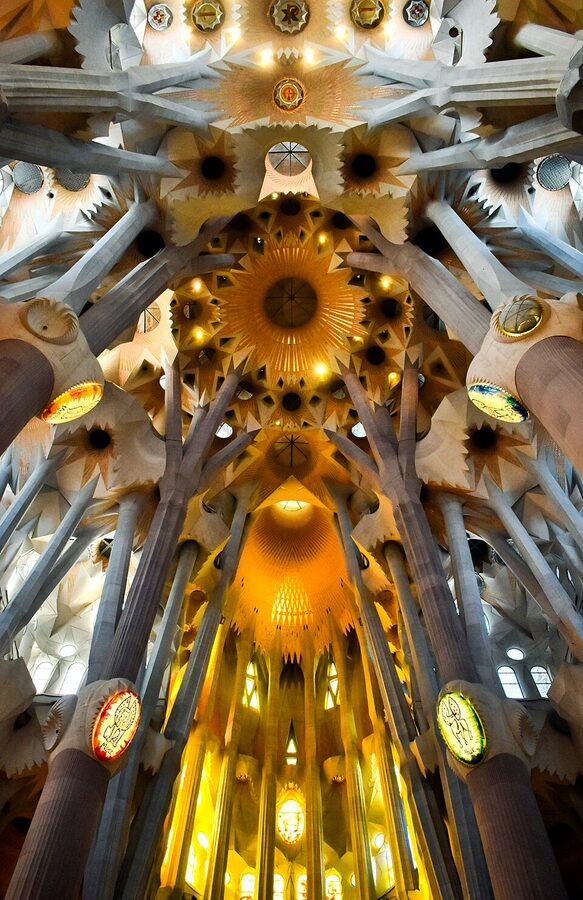
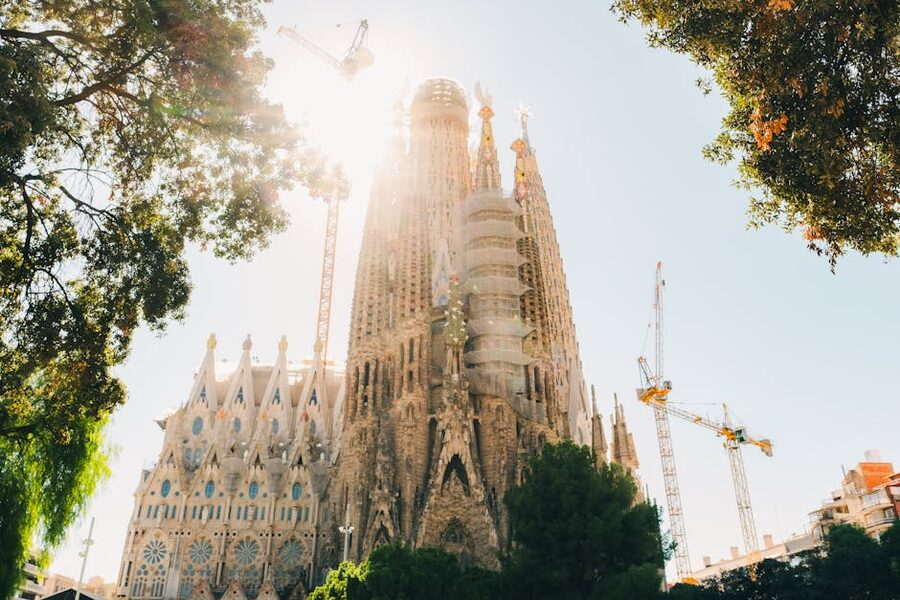
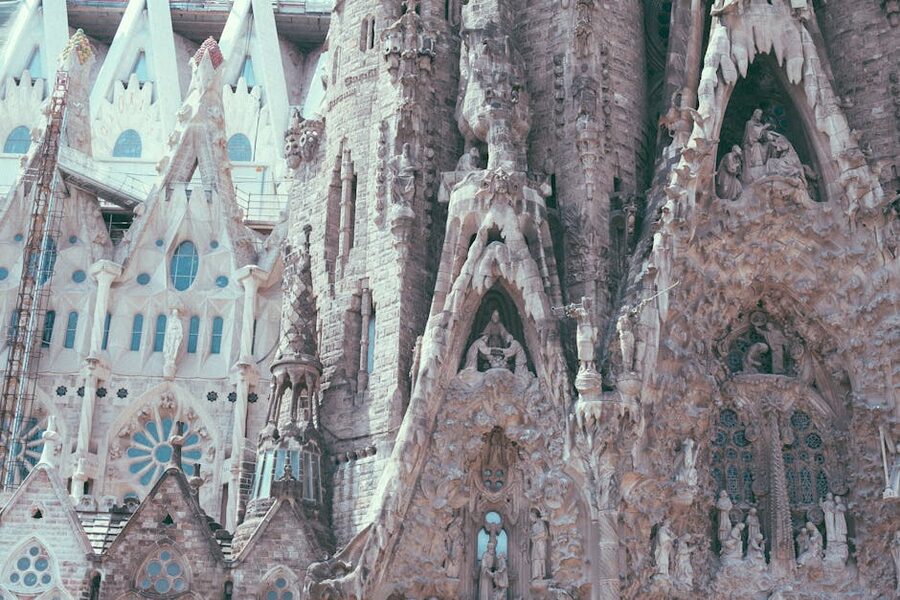
The Nativity façade (exterior, east side). The one Gaudí finished. Dense, almost overgrown stone carvings showing the birth and early life of Jesus, plus actual plant and animal sculptures. Look for the chameleons, turtles, and the tree of life on top. Step back across Plaça de Gaudí to see the whole thing.
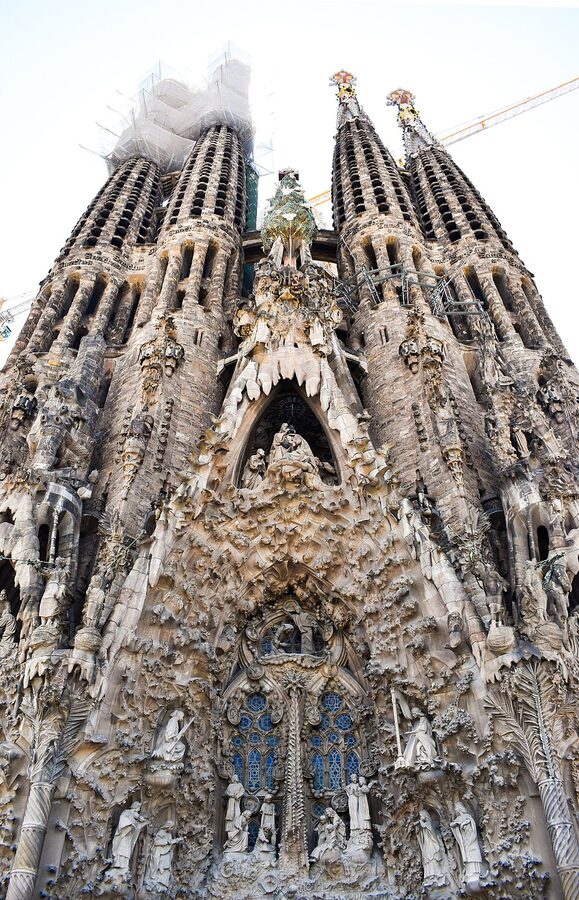
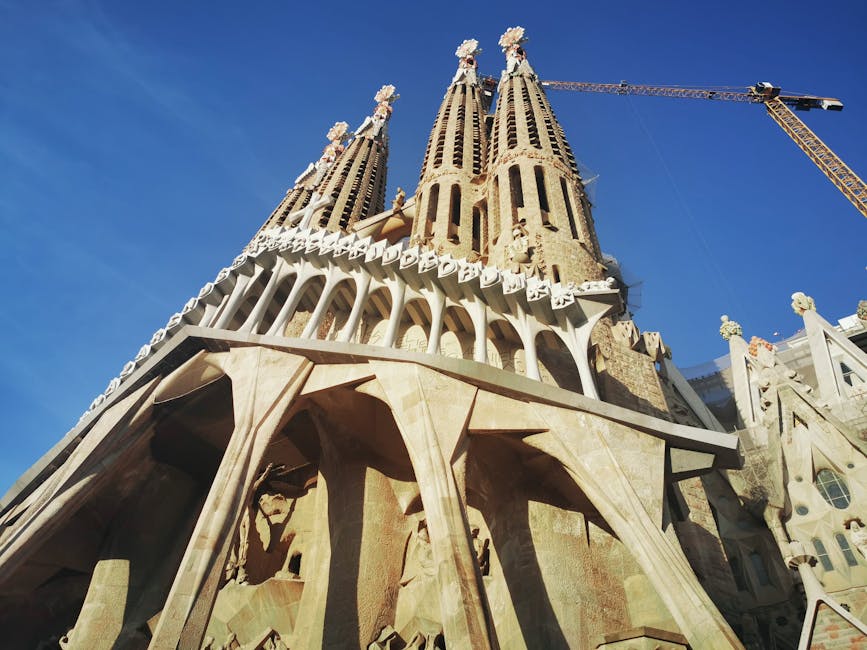
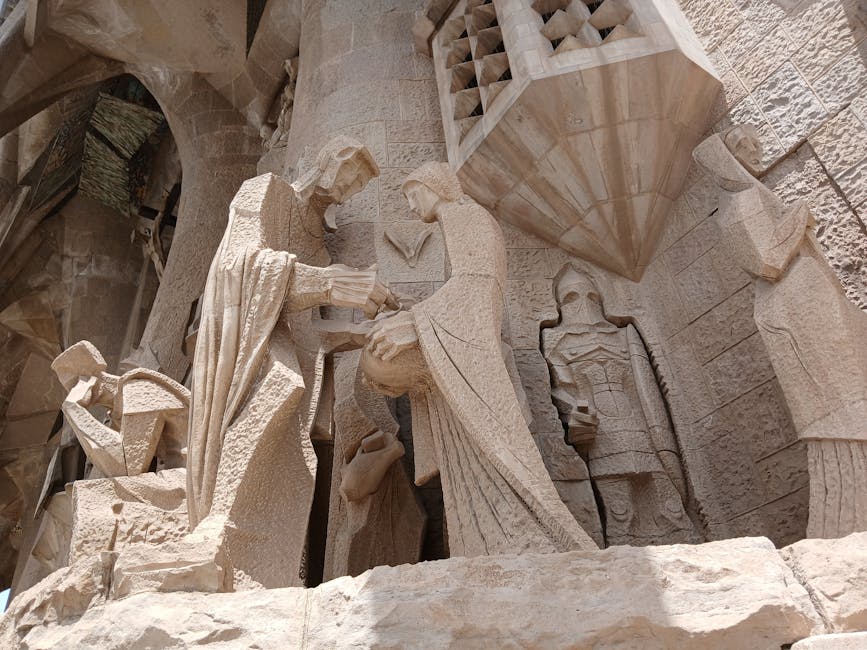
The Passion façade (exterior, west side). Carved by Josep Maria Subirachs starting in the 1980s. Stark, angular, deliberately stripped of ornament. Some visitors find it cold; others love the contrast with the Nativity side. It tells the story of Christ’s death and resurrection.
The crypt and museum. Below the basilica. Most ticket types include access. Worth 15 minutes. You can see the original models, scale plans, and the workshop where the ongoing construction is still designed.
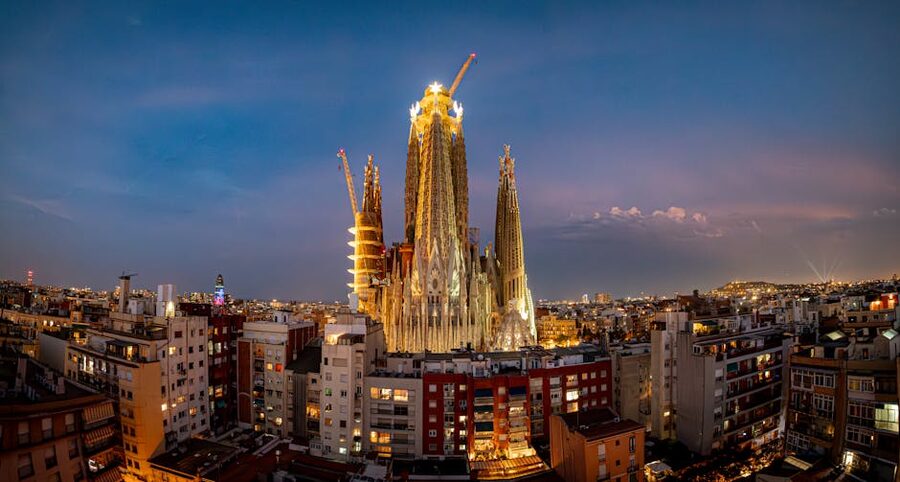
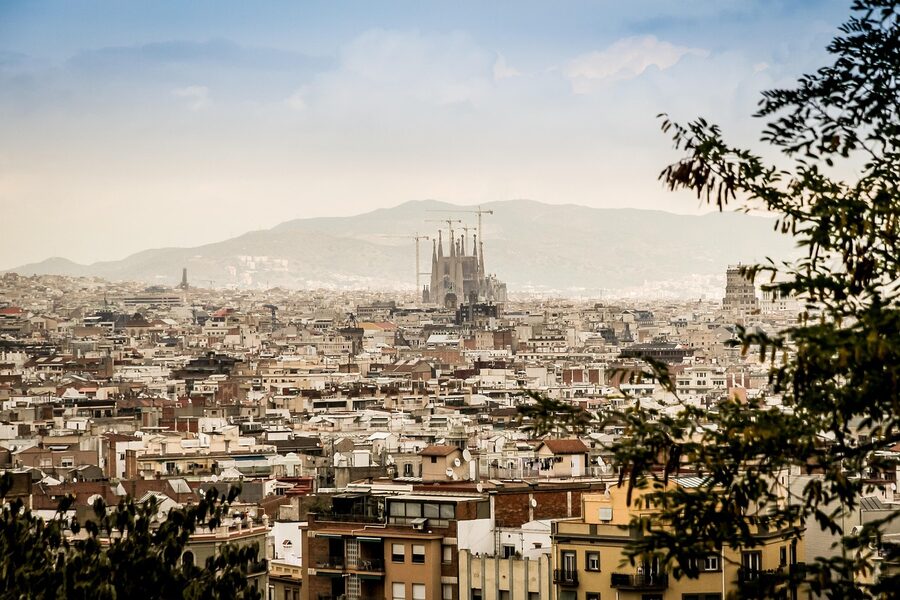
The Glory façade (south side, under construction). The main entrance once finished. Currently scaffolded. Don’t expect to see much except cranes.
Practical Things Most Guides Skip
Arrive 15-20 minutes before your slot. Security is airport-style: bag scan, metal detector. In summer the queue for security alone can run 10 minutes. If you arrive on the dot of your ticket time, you may use up half your slot just getting through the door.
The entry side depends on your ticket. Most general tickets enter on the Nativity side (Carrer de la Marina). Guided tours often meet on Carrer de Sardenya, 311 or Avinguda de Gaudí. Read the QR code email twice.
Bag rules. No large backpacks, no tripods, no selfie sticks. Small day bags fine. There is no cloakroom, so don’t bring anything you can’t carry around for 90 minutes.
Dress code. Officially modest dress (shoulders covered, no very short shorts). In practice, the rule is loosely enforced, but a thin scarf in your bag is a safe move and useful in the cooler interior.
Photos. Allowed inside. No flash, no tripods. The light is so good you don’t need either.
Audio guides. Download the official Sagrada Familia app before your visit, not on arrival. The interior wifi is patchy and the file is around 200MB. Bring your own earbuds.
Reentry. Once you exit, you can’t go back in. Plan accordingly: see the towers and the museum on your way out, not in.
The Story Behind the Building
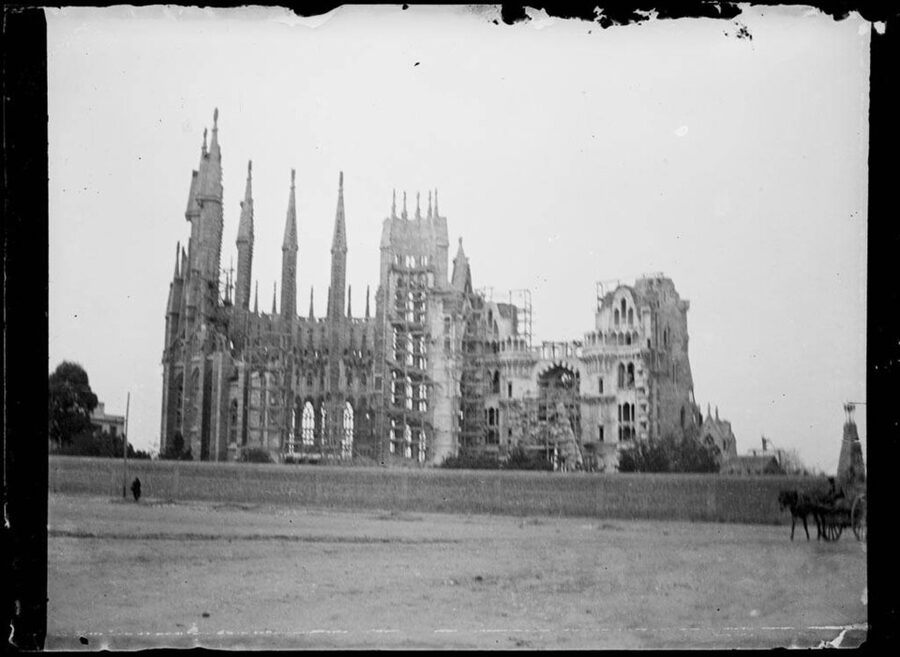
The Sagrada Familia broke ground in 1882. Gaudí took over the project in 1883 at age 31 and stayed on it for 43 years, until a tram hit him on Gran Via in 1926. He died three days later at the age of 73, with only the apse, crypt, and the lower half of the Nativity façade complete.

Construction has continued ever since. The Spanish Civil War set it back: in 1936, anarchists broke into Gaudí’s workshop, smashed the plaster models, and burned his original drawings. Reconstructing his intent from photographs and surviving plaster fragments took decades.
The basilica was officially consecrated by Pope Benedict XVI in 2010, even though the building wasn’t finished and still isn’t. The original target was 2026, the centenary of Gaudí’s death. Current estimates push completion of the central tower to around 2030 and the full Glory façade beyond that. So you are walking into a building that is older than your great-grandparents and still being built.
Pairing Sagrada Familia With the Rest of Gaudí Barcelona
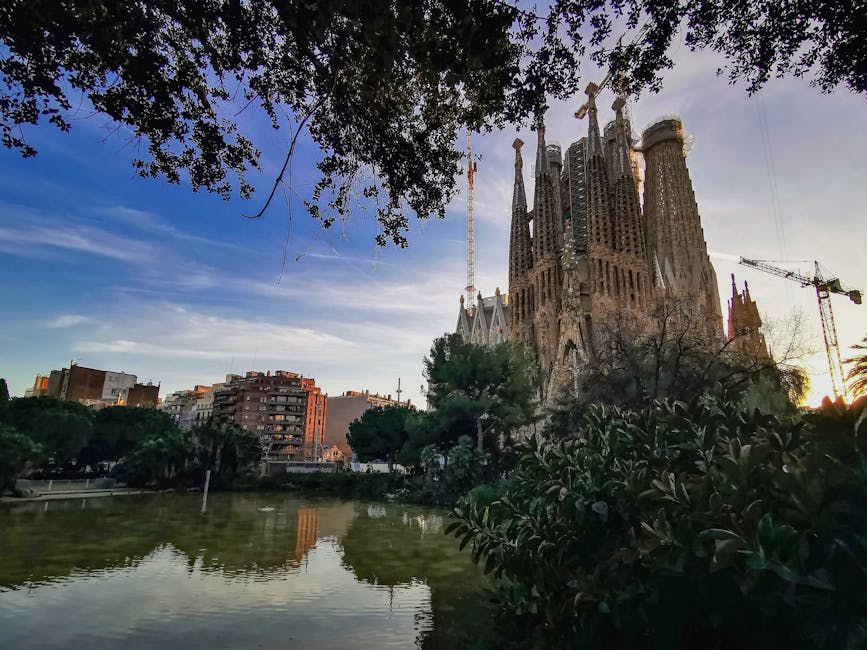
If Sagrada Familia is your first Gaudí stop, plan to do at least one more on the same trip. They’re scattered across central Barcelona and most are within a 20-minute metro ride of each other. Three obvious next steps:
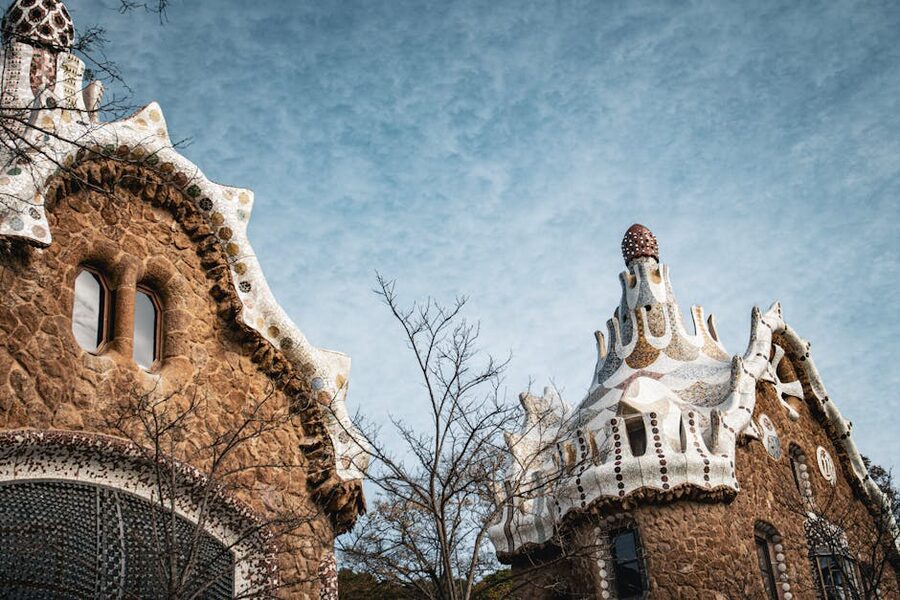
Park Güell is the closest pairing. Same architect, completely different mood: outdoor, hilltop, mosaics and benches and the famous lizard. The smart play is the combo ticket. Our review of the Sagrada + Park Güell skip-the-line guided tour covers the version that bundles a guide for both. There’s also a slightly cheaper Sagrada + Park Güell tour if you’d rather pay less and skip the dedicated guide. Read our complete Park Güell ticket guide for booking timing. Park Güell sells out almost as fast as Sagrada Familia.
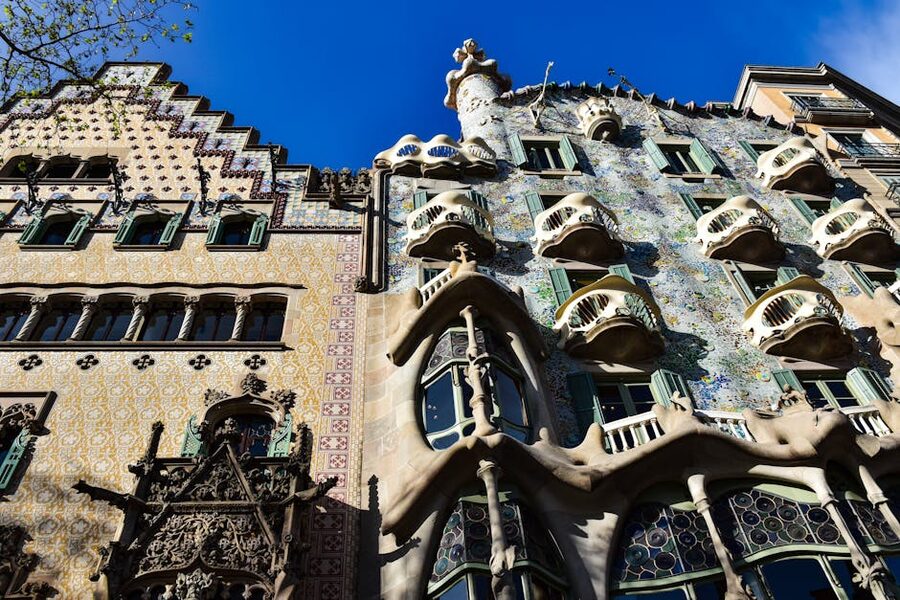
Casa Batlló and La Pedrera (Casa Milà) sit on Passeig de Gràcia, about a 10-minute metro from Sagrada Familia. Both are Gaudí apartment buildings, both still operate as ticketed museums. Our Casa Batlló guide walks through which Casa Batlló ticket actually makes sense. Our La Pedrera (Casa Milà) guide covers the night experience and the standard daytime visit. Casa Batlló is the more colourful and Instagram-friendly building; La Pedrera is the quieter, more architectural one.
Doing all four in a day is technically possible but exhausting. The smart compromise is Sagrada + Park Güell on day one, Casa Batlló + La Pedrera on day two. If you only have one full day, the Barcelona-in-a-day combo with Sagrada Familia, Park Güell, and Old Town handles the logistics for you with hotel pick-up.
Last-Minute Tickets: Can You Still Get In?
Sometimes. Tickets do get released back into the system: cancellations, no-shows, group rebookings. Two strategies that work:
Refresh the major resellers early morning and late evening. Slots tend to reappear around 8-9am the day before, and late at night when European bookings clear. GetYourGuide, Viator, and Tiqets often list returned slots before the official site does.
Try a guided tour instead of basic entry. Tour operators reserve blocks of tickets in advance. Even when general admission is “sold out”, a 1.5-hour skip-the-line guided tour may still have spots. This is the move I’d make 24 hours out from a planned visit. The guided tours tend to release tickets in chunks rather than continuously, so check repeatedly.
If nothing opens up: walk the exterior at sunset. Plaça de Gaudí (east) and Plaça de la Sagrada Família (south) are both free, both photogenic, and most visitors don’t realise the building is just as striking from outside. A hop-on hop-off bus stops within a block, and the upper deck gives you a different angle. Then book Casa Batlló, La Pedrera, or Park Güell instead. All three are genuinely worth a visit on their own.
What to Do After

The neighbourhood around the basilica is mostly residential Eixample with tourist-priced cafés. If you’re hungry after, walk 8 minutes north up Avinguda de Gaudí to Hospital de Sant Pau (also a Modernisme UNESCO site, also worth a ticket). The food gets better and cheaper that direction. Or take the metro back south to El Born or the Gothic Quarter for proper tapas. A small-group tapas and wine walking tour is the easiest way to land in the right places without guessing. A paella class with a Boqueria market visit is the alternative if you’d rather cook than eat out.
If you’re staying longer, day trips to Montserrat with tapas and wine or Girona and the Costa Brava with hotel pickup are the two pickups locals recommend most often. Either makes a strong day three. Football fans should fold in the FC Barcelona Camp Nou immersive tour while Spotify Camp Nou is back open.
More Barcelona Guides
If you’re putting Barcelona’s Gaudí circuit together, we’ve covered the other three flagship sites in their own posts: Park Güell tickets for the colourful hilltop park, Casa Batlló tickets for the dragon-roof house on Passeig de Gràcia, and La Pedrera (Casa Milà) tickets for the wave-fronted apartment block a few hundred metres up the same avenue. Most visitors do Sagrada and Park Güell on one day and the two Passeig de Gràcia houses on another. If you’d rather hand the planning to someone else, the Barcelona-in-a-day combo bundles the Old Town in too. And the hop-on hop-off bus is the easiest way to see the rest of the city in between Gaudí stops.