
Halfway down a stairway carved into the rock, my legs gave a small wobble. Two Vespa-riders chugged past me on the slope below, and a chestnut-coloured cat watched them from a doorway that may or may not have been a house. This is the part of the Matera Sassi nobody warns you about. The streets are not really streets, they are flights of stone, and you arrive in your hotel with calves that hate you.
I’m writing this guide because the booking process for the Sassi is much more confusing than it needs to be. There are official Casa Grotta tickets, audio-guided tours, small-group walks, private full-Sassi packages, and a cheery open-top eco-bus that loops the whole thing in 75 minutes. I’ll show you which ones earn the money.
- In a Hurry?
- What the Sassi Actually Are
- How Much Time You Need
- The Three Tours Worth Booking
- 1. From Matera: Sassi di Matera Tour with Entry to Cave Houses ()
- 2. Sassi di Matera Small-Group Walking Tour ()
- 3. Guided Tour of Matera Sassi ()
- Sasso Barisano vs Sasso Caveoso: Which Side First
- Casa Grotta: The Cave-House Museum You Should Visit
- The Underground Cistern Nobody Mentions
- The Rock Churches Most Tours Skip
- The Bond Bridge and Where It Actually Is
- The Eco-Bus Loop (And Why I Don’t Recommend It)
- What to Eat (and Where Not To)
- Walking the Ravine and the Belvedere
- Getting to Matera
- What to Wear and When to Go
- Sleeping in a Cave
- Practicalities Worth Knowing
- The Quick Booking Decision
- Some Honest Cons
- Pairing Matera With Other Trips
- While You Are in Italy
In a Hurry?
Three booking shortcuts for the Sassi.
- The most-booked guided walk ($31). Sassi di Matera tour with cave-house entry. Two hours, both Sasso districts, plus a real Casa Grotta visit at the end. Best all-rounder.
- Small-group walking tour with a five-star average ($36). Small-group Sassi walking tour. Capped at fifteen people, two to three hours, rock churches included.
- Cheapest decent option ($18). Guided tour of Matera Sassi. Two hours, no frills, a tasting of local snacks at one stop.
What the Sassi Actually Are
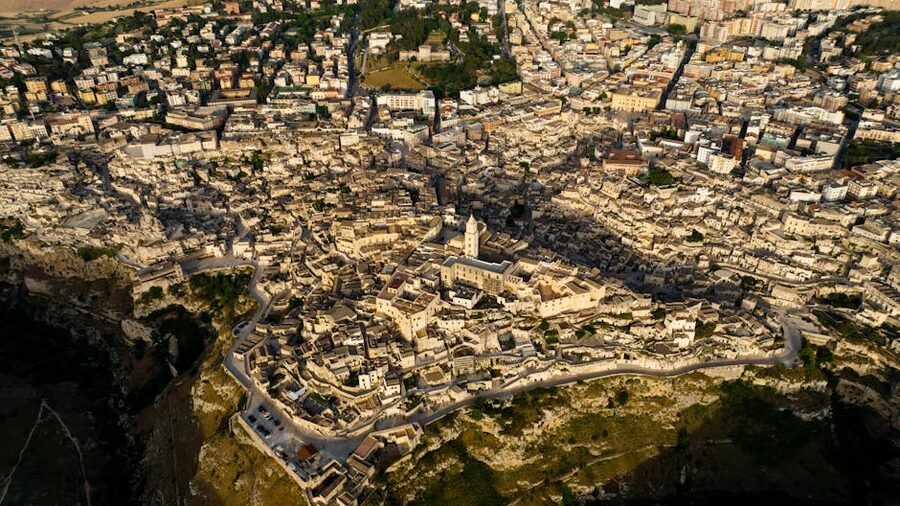
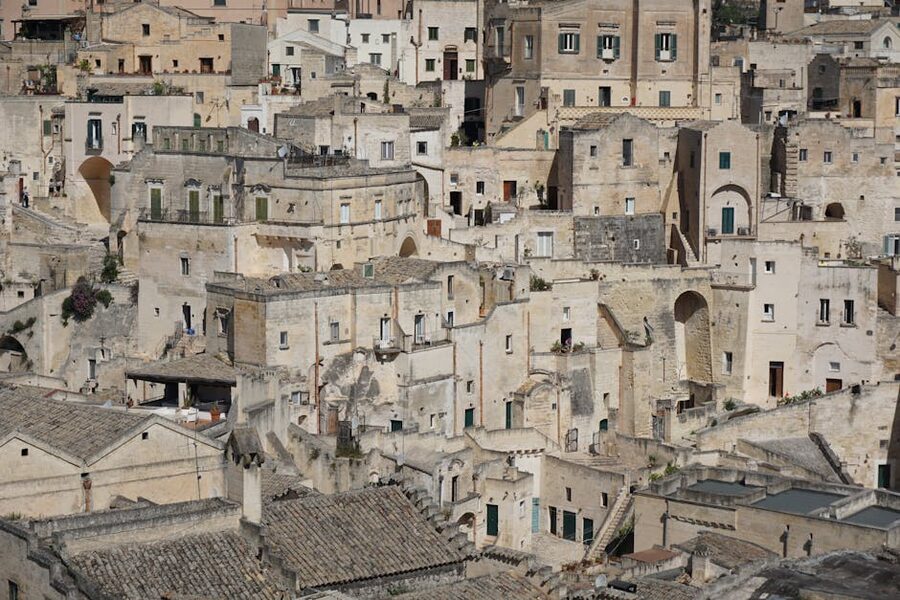
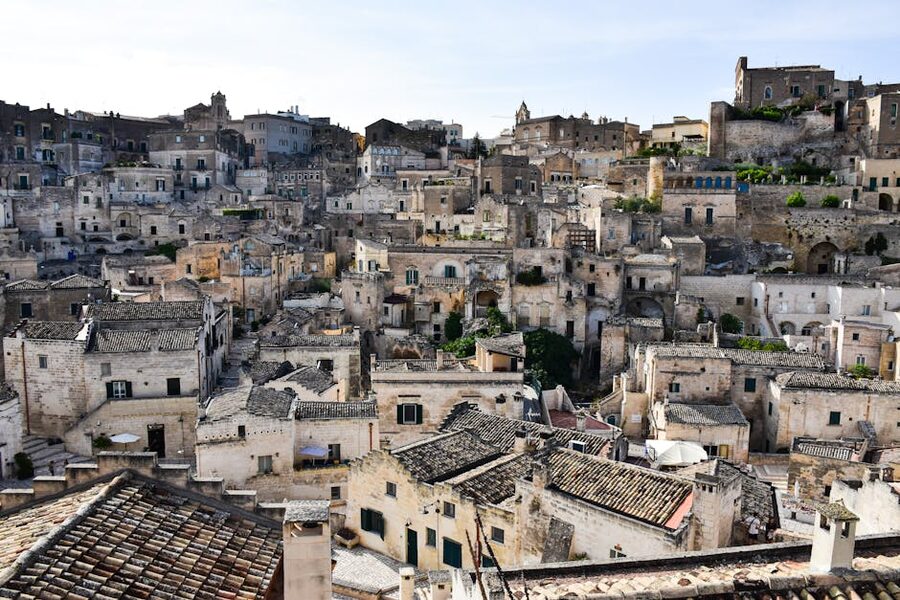
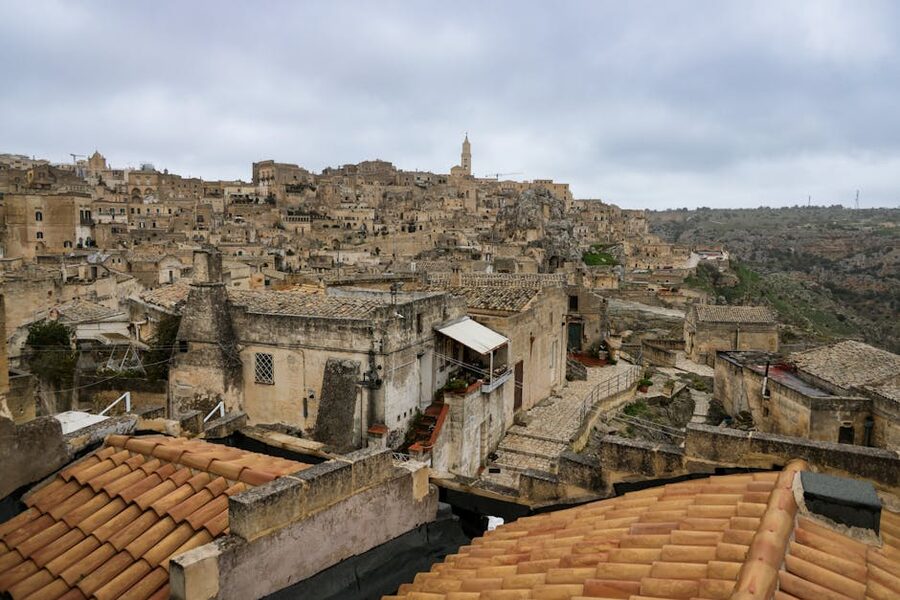
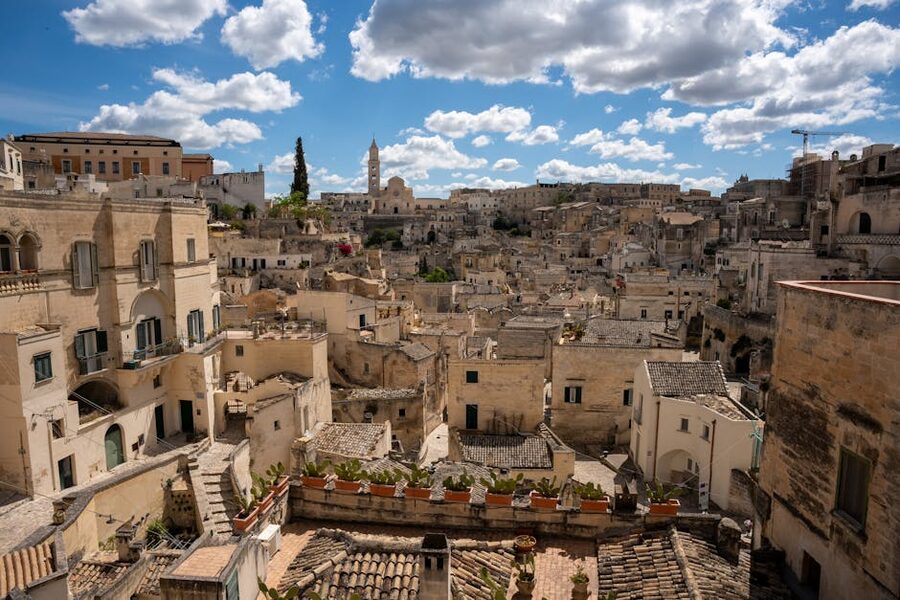
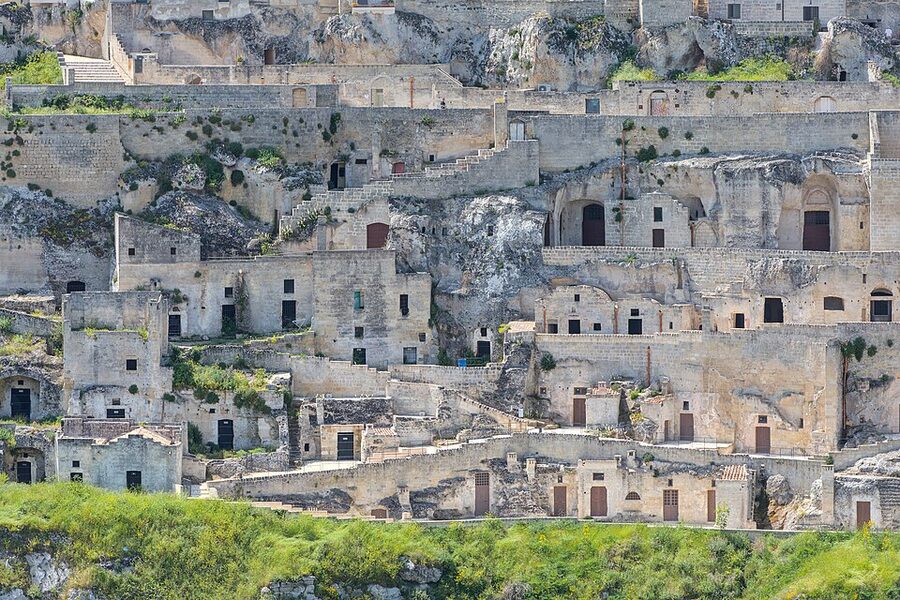
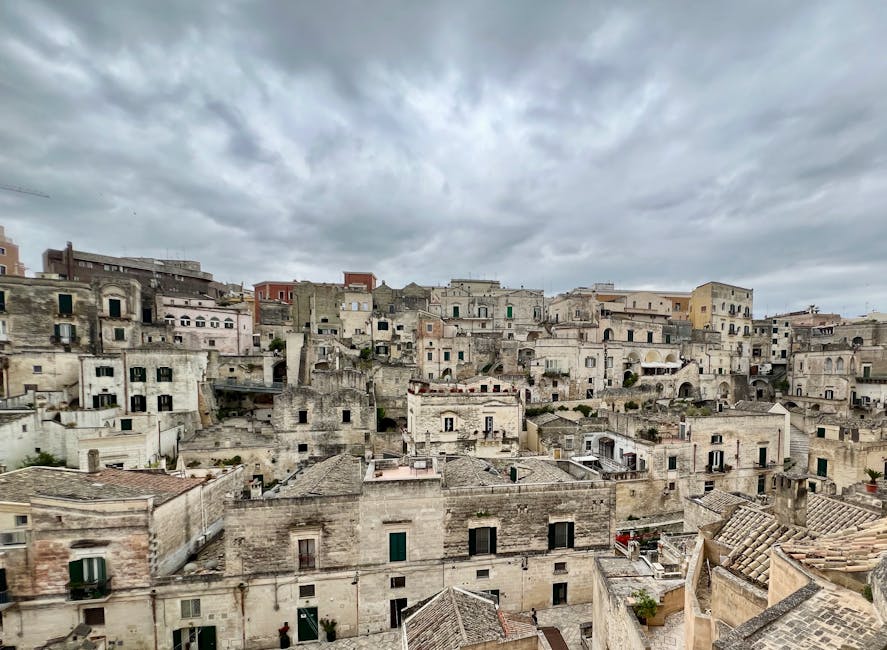
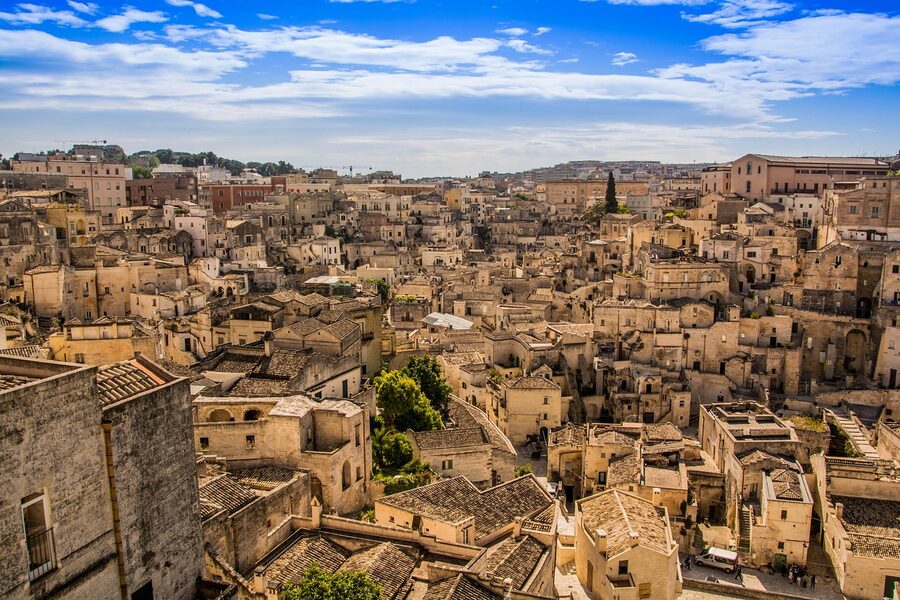
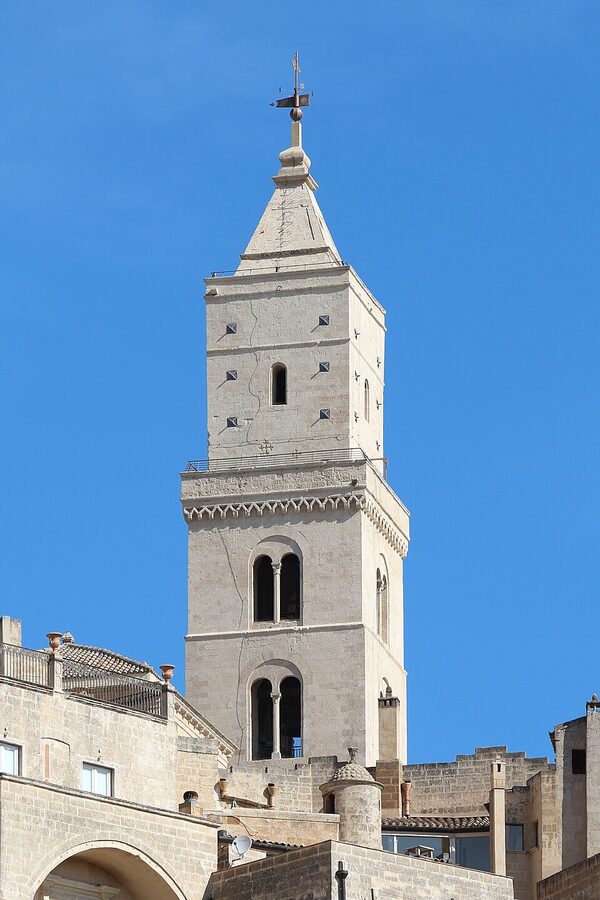
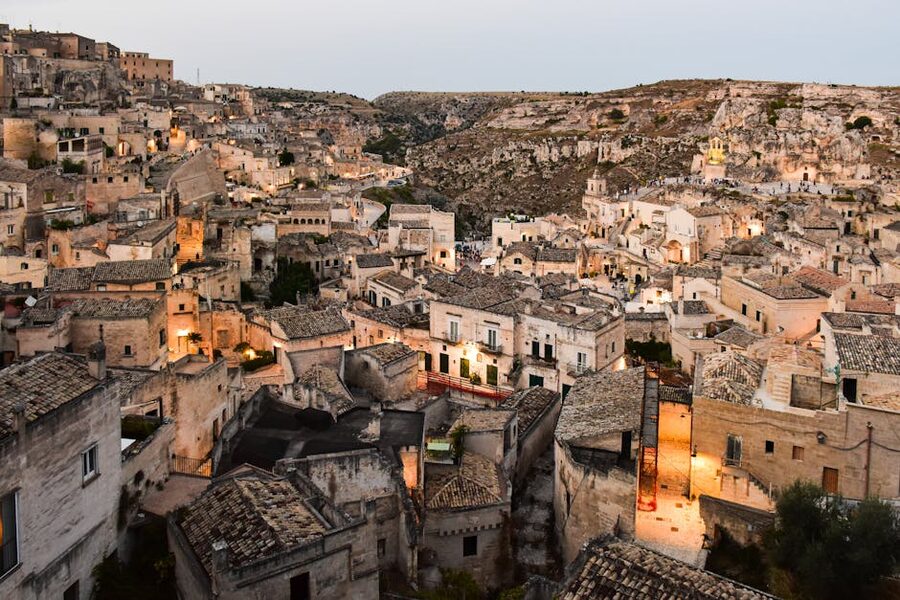
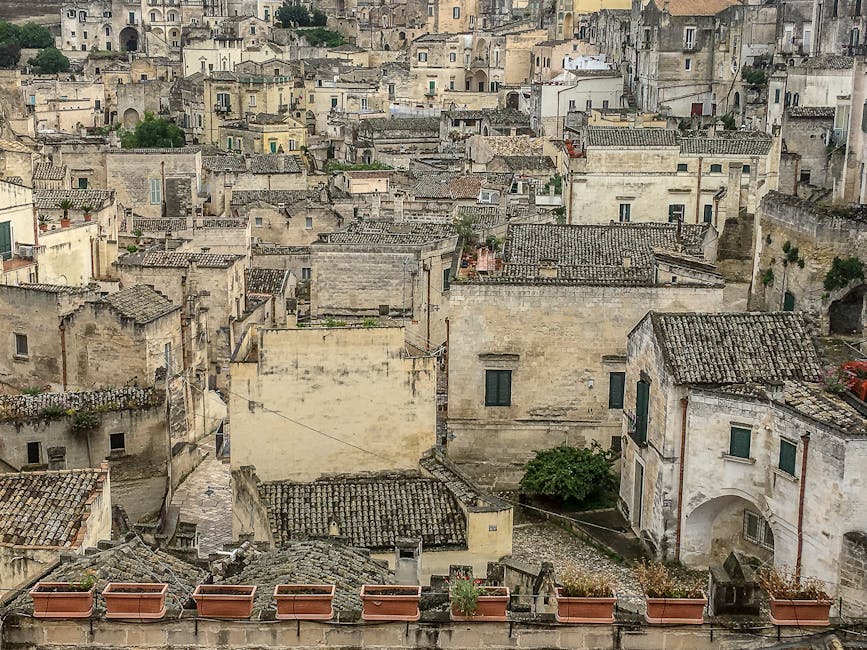
Matera is split into three parts. The new town on top is the modern bit, where the bus station and most of the chain hotels are. The Civita is the medieval ridge with the cathedral, and that’s where Matera technically began. The Sassi are the two old neighbourhoods that tumble down from the Civita on either side. Sasso Barisano on the north, facing Bari. Sasso Caveoso on the south, facing Montescaglioso. They are the cave-house districts that everyone comes to see.
The word Sassi just means “stones” in Italian. People have been living in the caves here since the Paleolithic. That is the line you’ll see in every brochure, and it sounds like marketing, but Matera really is one of the three oldest continuously inhabited cities on the planet, alongside Aleppo and Jericho. Of those three, it is by some margin the easiest to visit on a Tuesday afternoon.
How Much Time You Need
One full day covers the highlights. Two nights is the sweet spot. Less than a day and you skim. More than three nights and you’ll start running out of new corners.
If you arrive on a tight day-trip from Bari or Naples, the practical window is about five hours on the ground. That is enough for a guided two-hour walking tour, a Casa Grotta visit, the Palombaro Lungo cistern, and a slow lunch. Skip the cathedral interior and the rock churches over the ravine.
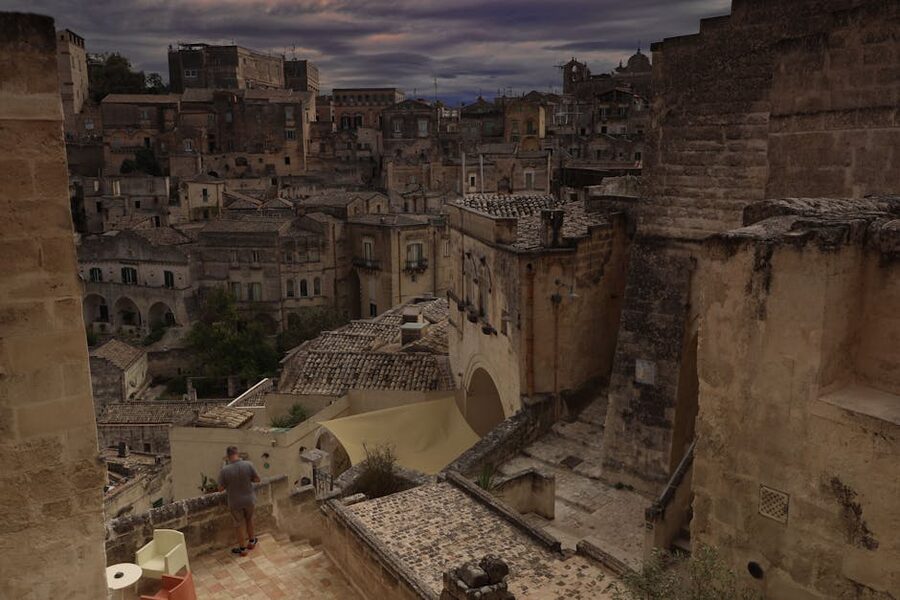
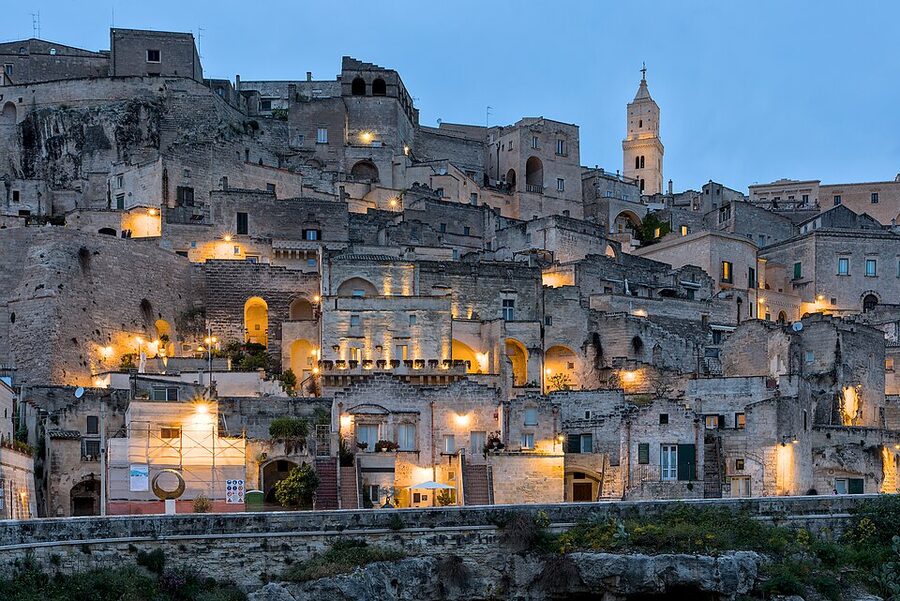
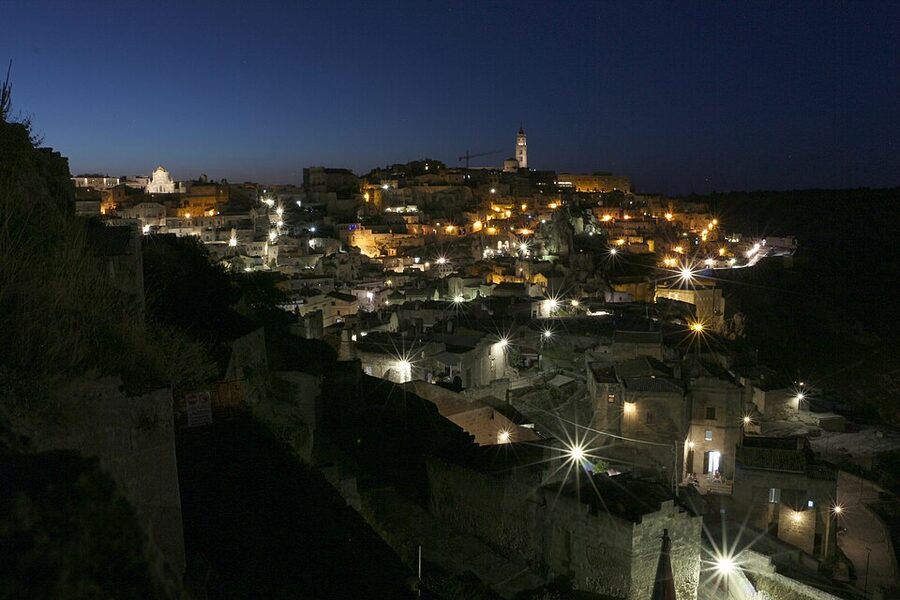
If you stay overnight, you also get the Sassi at night. Which matters. The lighting is genuinely dramatic. They flood-light the old buildings from below, the stairways turn warm yellow, and everyone goes quiet around 9pm because the day-trippers have left. Booking a cave hotel like Sextantio or Le Malve, even for one night, doubles the trip.
The Three Tours Worth Booking
I dug through our review database, sorted by review counts, cross-checked with what actually shows up on the GetYourGuide and Viator first pages. These are the three I’d bother with. They cover the spread, from cheapest to most thorough.
1. From Matera: Sassi di Matera Tour with Entry to Cave Houses ($31)

This is the workhorse. Two hours, both Sasso districts, an English-speaking guide, and the entry ticket to a real cave dwelling at the end. It books out faster than anything else on the listing because the price-to-content ratio is just better than the competition. Our full review of the cave-house tour spells out which meeting point you want and why the multilingual guide rotation can affect quality.
2. Sassi di Matera Small-Group Walking Tour ($36)
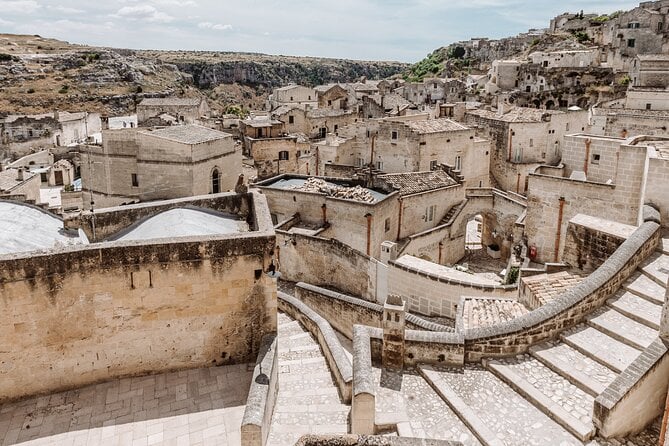
Slightly pricier than the headline option, but with a strict fifteen-person cap and a strong record of guides who actually know what they’re talking about. Great if you found the larger walking tours too herd-like elsewhere in Italy. The small-group walking tour notes get into how Gaetano (one of the regular guides) handles the hill section if you’ve got bad knees.
3. Guided Tour of Matera Sassi ($18)
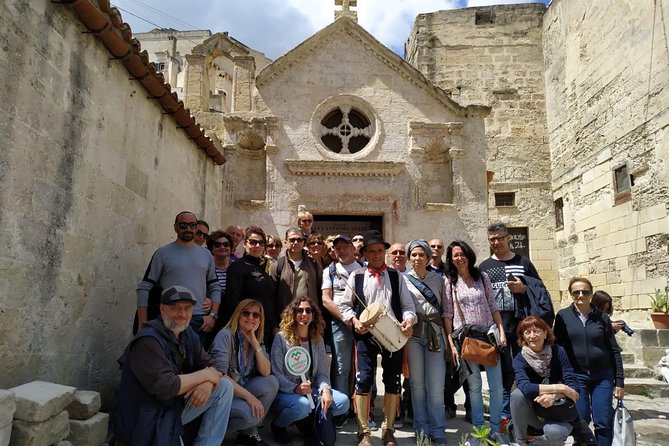
The budget pick. Two hours, a guide, a bite of local food at one stop. Skips the cave-house entrance, which is fine if you just want the streets and the views. Pair it with a self-guided Casa Grotta visit afterwards and you’ll spend less than the all-in tours. Our notes on this guided tour flag the meeting point in Piazza Vittorio Veneto if you’ve got a fussy GPS.
Sasso Barisano vs Sasso Caveoso: Which Side First
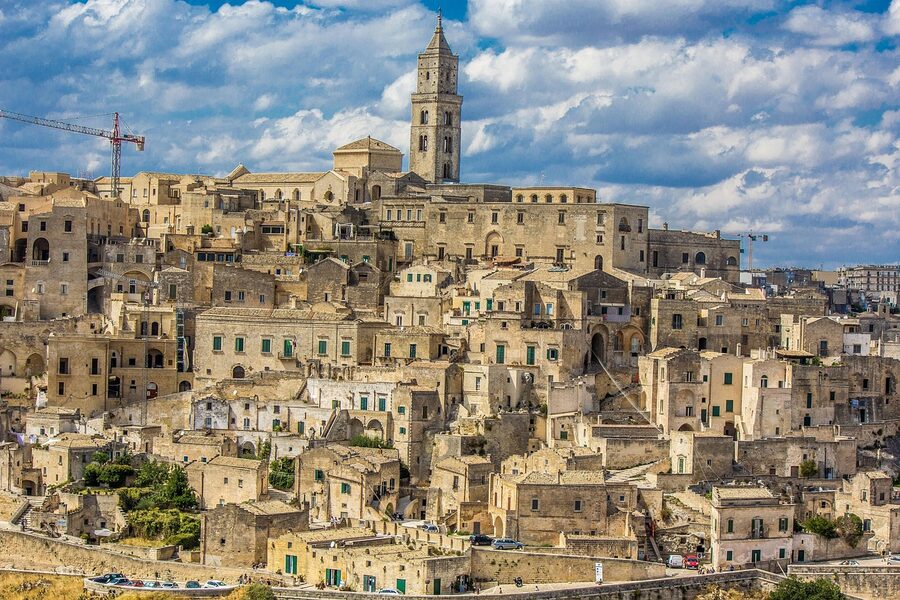
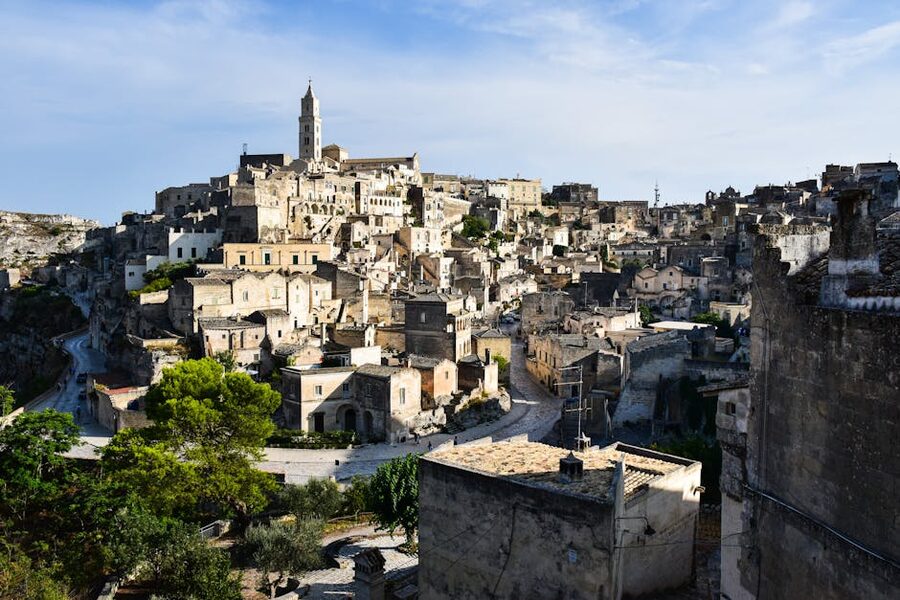
You will hear lots of opinions about which Sasso to do first. Here is my actual take. Sasso Barisano is the prettier one. Cleaner stone, more cafes, slightly less raw. It’s the side that has been most thoroughly restored, which is partly because it is the side that gets sun in the morning and partly because the boutique hotels colonised it first.
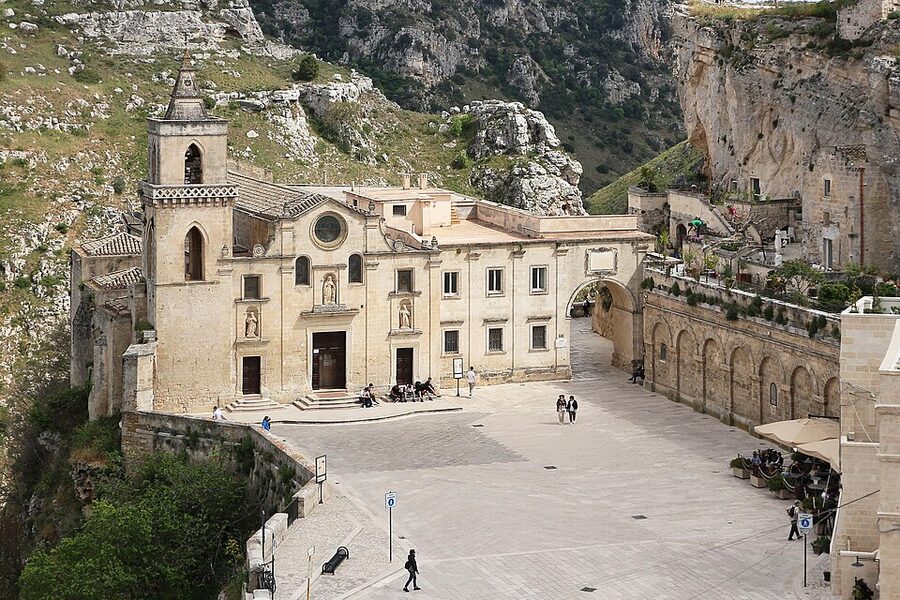
Sasso Caveoso is the rougher, more dramatic one. South-facing, more cave dwellings still visible as caves, and the side that delivers most of the cinematic wide shots. Both James Bond and Mel Gibson preferred this side, which is not a coincidence. The Casa Grotta and the rock church of San Pietro Caveoso are both here.
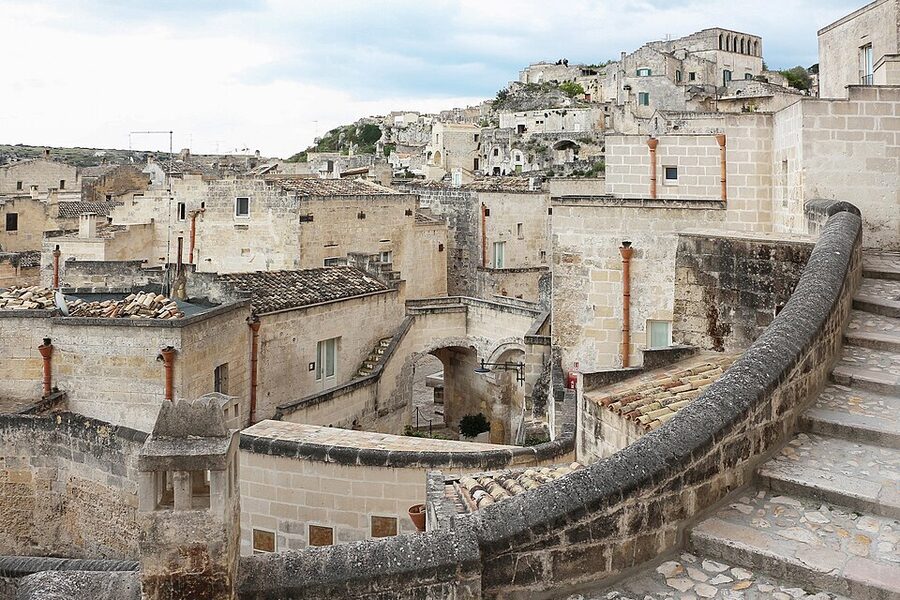
If I only had a half-day, I would skip Barisano and spend it all in Caveoso. If I had a full day, I would do Barisano in the morning when the light is on it, lunch in Civita, then descend into Caveoso for the afternoon and stay until the lights came on. Most guided tours run the loop in roughly that order anyway.
Casa Grotta: The Cave-House Museum You Should Visit
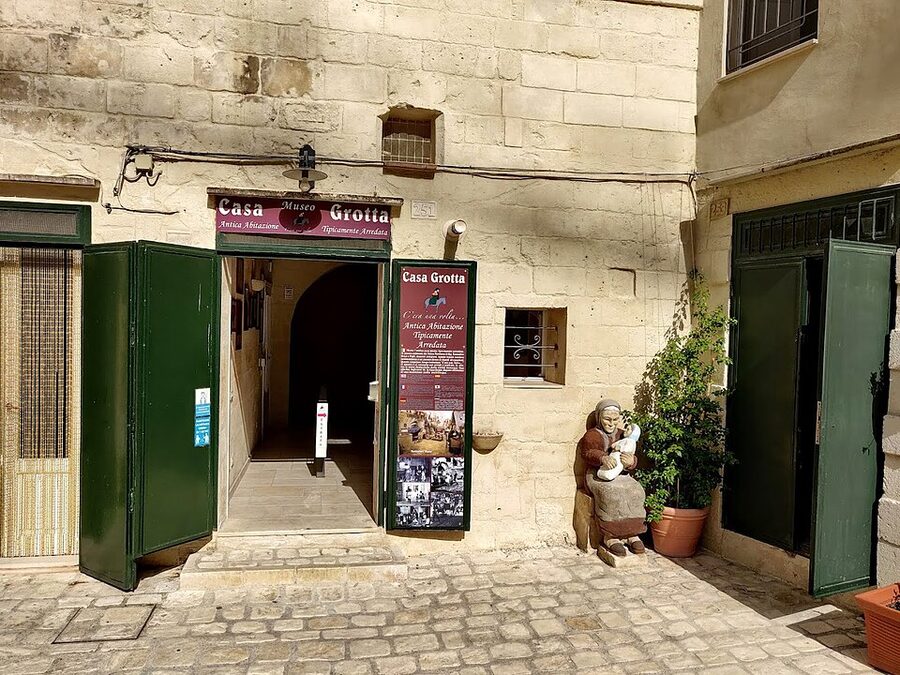
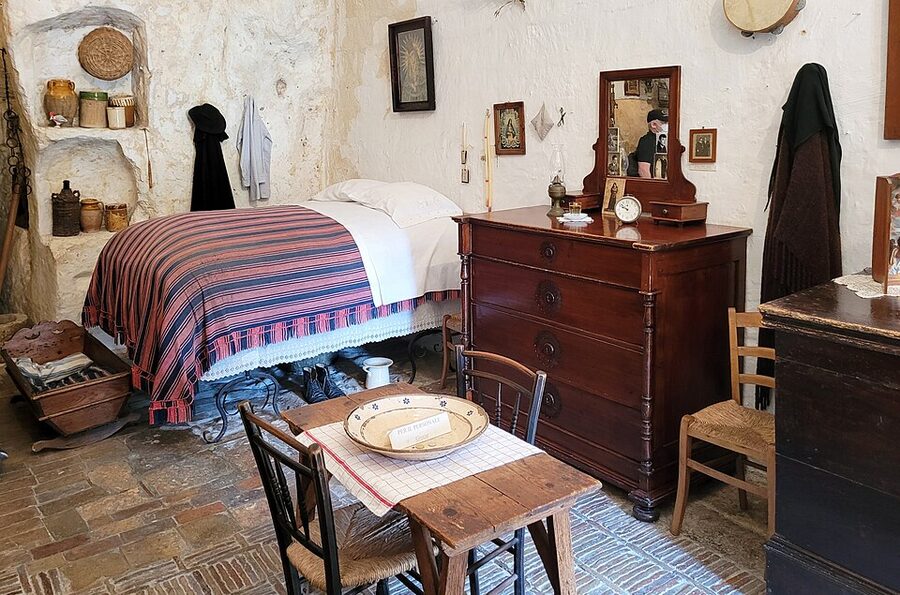
The Casa Grotta is a recreated cave dwelling on Vico Solitario in Sasso Caveoso. It is what you came to Matera to see, even if you didn’t know it. A real cave-house, dressed roughly as it would have been in the 1950s before the Italian government relocated everyone out.
Tickets are €5 per adult in 2026, paid at the door, no booking required. Audioguide included in eight languages. You walk through in fifteen minutes if you skim, half an hour if you read everything. Open daily from 9.30am to 7pm in summer, slightly shorter in winter.
The thing the museum captures, that no glossy guidebook does, is how cramped and how dark. Picture an entire family of seven, plus the chickens, plus the donkey, sharing one rock-hewn room of around twenty square metres. No running water. The well outside is shared with twelve other families. The smell, in summer, must have been unspeakable. By the time the government relocated everyone in 1952, infant mortality in the Sassi was nearly fifty per cent.
If you only have time for one indoor experience in the Sassi, make it this. There is a second cave-museum across town called Casa Noha which uses video projection rather than physical artefacts. It costs €5 too. The two complement each other if you have an hour to spare. The cave-house tour with entry bundles the ticket into the price, which saves the queue and the awkward fumble for change.
The Underground Cistern Nobody Mentions
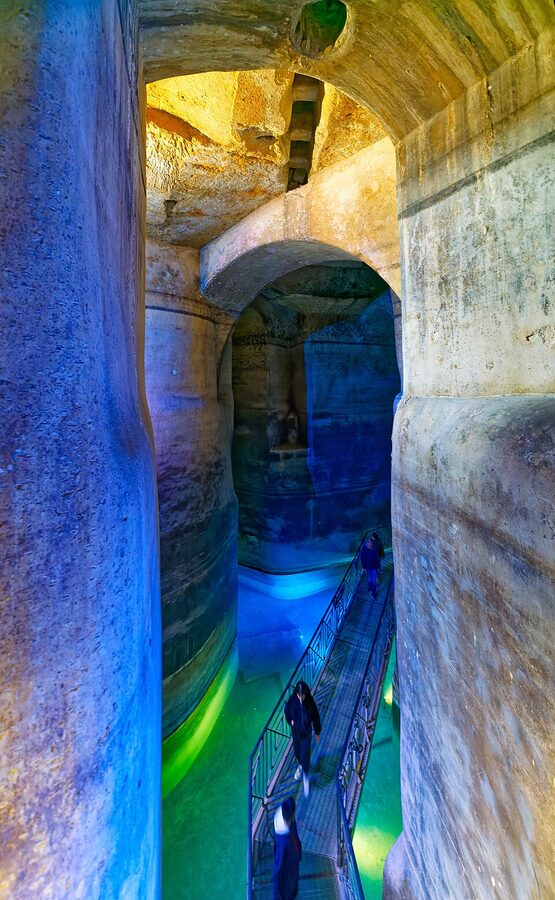
Buy a ticket to the Palombaro Lungo. Twenty minutes of your life. Three euros. It is the largest of Matera’s underground cisterns and it is enormous in a way that photographs don’t show.
The entrance is on Piazza Vittorio Veneto, in the new town. Look for the modern glass pavilion at the end of the square, sign-posted with arrows down a flight of stairs. You go down with a small group and a guide, who turns the lights on and off in sequence as you walk along the original water level (now drained). The acoustics are ridiculous. People whisper.
The Sassi had no surface water for most of their history. The whole city was a network of these cisterns, fed by rainwater channelled through hand-cut grooves in the rock. A working civilisation in a desert canyon, basically, sustained by storage. The Palombaro Lungo is the showpiece, but if your guided tour is good they’ll show you several smaller cisterns along the way.
The Rock Churches Most Tours Skip
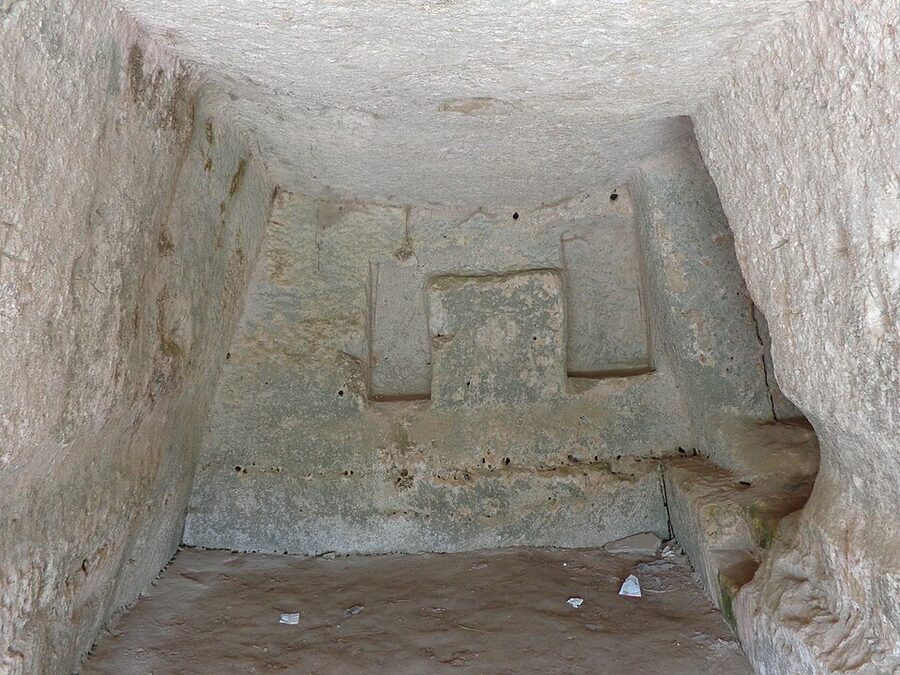
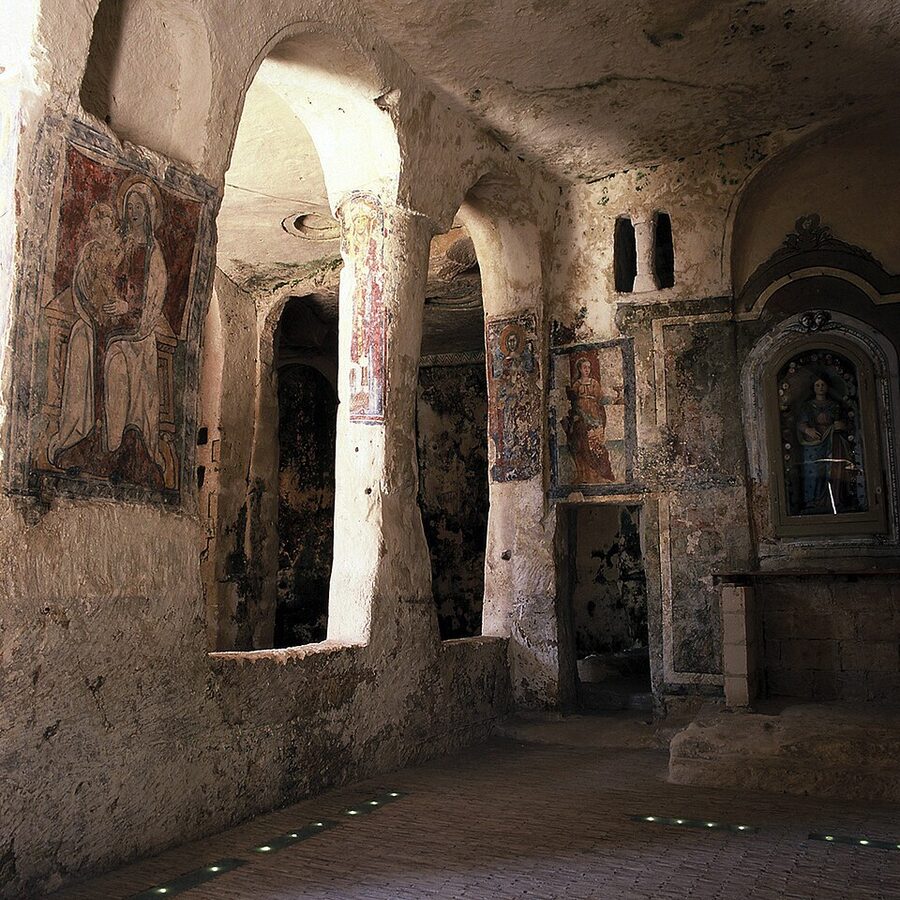
This is the bit most short tours don’t get to. The chiese rupestri, the rupestrian churches, are over 150 cave-churches carved between roughly the 8th and 13th centuries by Greek, Lombard and Italian monks. Some are inside the Sassi themselves. Most are over the ravine, in the Murgia Materana national park.
The four you can visit easily inside the Sassi are San Pietro Barisano (the largest, with three carved levels), Madonna delle Virtù, Madonna dell’Idris on top of the rock outcrop above Sasso Caveoso, and Santa Lucia alle Malve. They run on a combined ticket, around €8 to €10. Hours change seasonally. Mornings are usually open, afternoons are hit and miss.
If you really want to see the cave churches over the ravine, the better way is a guided park hike. They run from a base at the Murgia visitor centre and take three to four hours. Pricier than the standard Sassi tour, harder on the legs, and you walk back across the Tibetan rope footbridge over the gravina. When the bridge is open, which it is not always, this is the single most memorable thing you can do in Matera.
The Bond Bridge and Where It Actually Is
Quick myth bust. The bridge in No Time to Die where Bond drops the bike into the water? That is not in Matera. That is in Gravina in Puglia, half an hour east. The film also blends shots from Sapri, Maratea and Acquaviva delle Fonti into what looks like one place. Locations got blurred for the sake of the chase.
The Aston Martin DB5 sequence in the Sassi is real and you can stand in the same square. It’s Piazza San Pietro Caveoso, the small one with the church on the cliff. The cobblestones are unchanged. There’s a coffee bar across from where they smashed the windows of the parked Fiats. Order an espresso and try to picture it.
If you are a film buff, you can hire a private “Matera on screen” guide who specialises in this. They walk you through every Mel Gibson Passion location, the Bond stops, the Wonder Woman bits, and explain what was a soundstage and what was real. Niche but very fun. Costs around €25 per person for a small group.
The Eco-Bus Loop (And Why I Don’t Recommend It)
You’ll see the open-top eco-bus parked in Piazza Vittorio Veneto. Seventy-five minutes around the perimeter of the Sassi, audio commentary in eight languages, ten euros a head. It exists because the Sassi cannot legally be entered by tour coaches and the streets are too narrow for cars.
I get the appeal. If you have mobility issues, or it’s pouring rain, or you arrived in Matera with one hour to spare and a coach to catch, this is your option. It does deliver a bird’s-eye sense of the layout. For anyone able to walk, skip it. The Sassi only make sense when you’re in them. The bus stays on the upper ring road and you spend most of the loop looking down at where you should be.
If you do take it, take it first thing in the morning, then walk down into the Sassi afterwards. That sequence works. The reverse, walking first then bussing, just adds an hour.
What to Eat (and Where Not To)
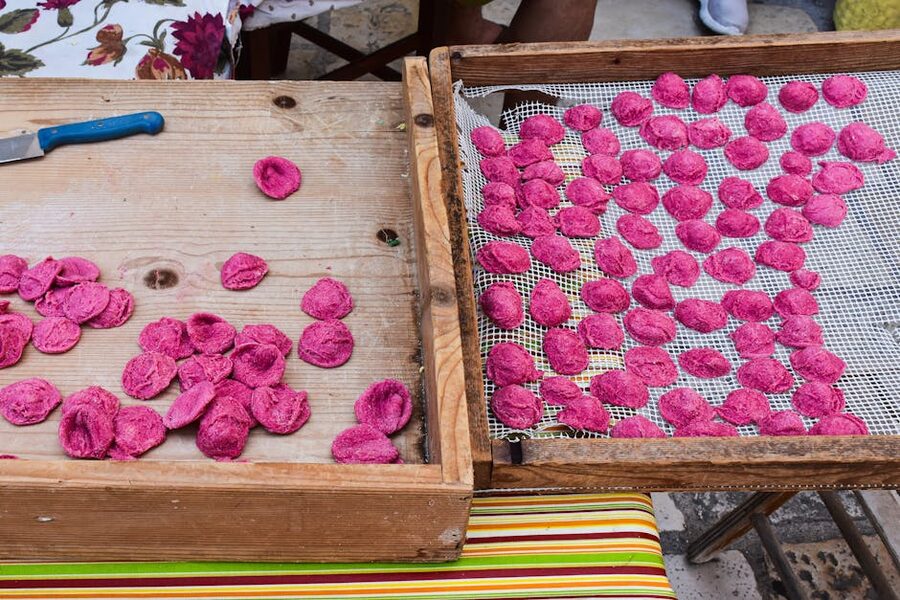
Matera does food well, but the Sassi specifically have a tourist-trap density problem in the central streets. Anything fronting the main thoroughfare in either Sasso, with photo menus and a guy out front in costume waving people in, is going to be mediocre at best. Walk one street back. Prices halve and quality doubles.
The local specialities to look for are peperoni cruschi (sun-dried then fried red peppers, served as a crunchy garnish, weirdly addictive), cavatelli con cime di rapa (small handmade pasta with broccoli rabe), pane di Matera (the bread itself, with its distinctive horn shape, IGP-protected), and the local Aglianico-based reds.
If you want a guided food experience, there are walking food tours that work the same back-streets. They run around €60 to €80 per person and cover four to five tastings. Worth it for the introduction to peperoni cruschi alone, which most first-time visitors get wrong by trying to eat them as a main rather than a topping.
Walking the Ravine and the Belvedere
The Belvedere di Murgia Timone, on the far side of the ravine, is the panoramic shot of Matera that ends up on every cover. Two ways to reach it.
Drive. Twenty minutes by car, route around the back through Gravina di Matera. Free parking at the visitor centre. Walk five minutes to the viewpoint. Easiest, fastest, totally fine.
Walk down through the ravine. Pick up the path at Piazzetta Pascoli, descend through the gravina, cross the Tibetan footbridge if it is open, climb the other side. About 90 minutes one way, with proper boots. The bridge has been closed for repair more often than not in recent years. Check the day before. If you commit and the bridge is shut, you’ll have to retrace your steps.
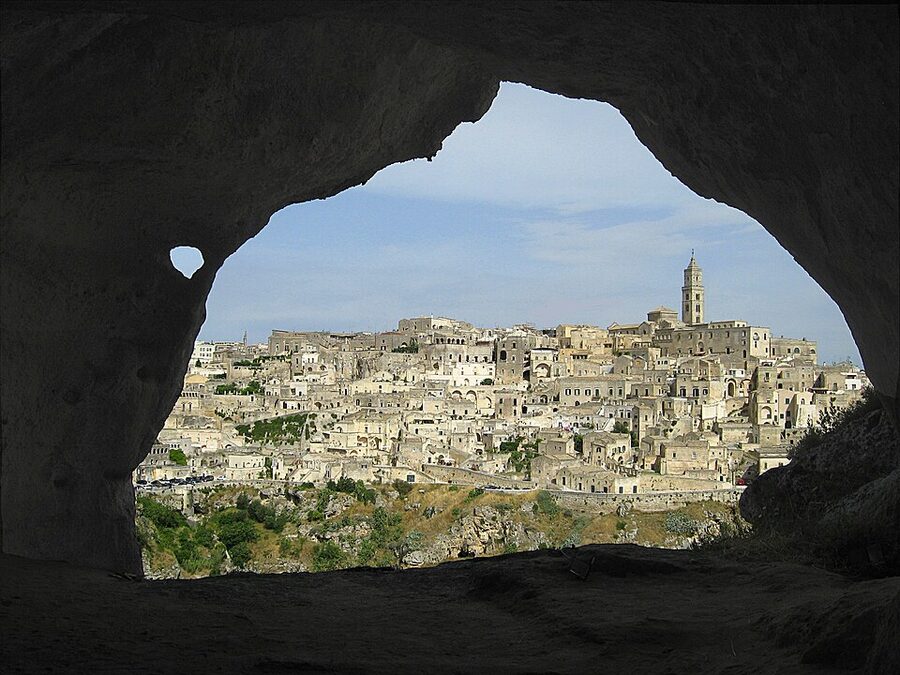
The viewpoint is best at sunset. The light hits the Sassi face-on and the buildings glow. Bring a coat, even in summer. The wind across the plateau is colder than the city.
Getting to Matera
This is the bit nobody warns you about. Matera does not have a useful airport. The closest is Bari Karol Wojtyła, an hour and a half by car or coach. Naples is three hours, Brindisi is ninety minutes, Rome is around four hours by rail and bus combined.
From Bari. Your options are the FAL train (Ferrovie Appulo Lucane), which runs hourly from Bari Centrale and takes 90 minutes; or the Pugliairbus coach, which runs four times a day, takes 75 minutes, and stops at the Bari airport on the way. FAL costs €6, Pugliairbus is €4. The bus is technically faster but the train is more reliable, especially in summer when the bus gets stuck in coastal traffic. Book Pugliairbus in advance during peak season.
From Naples. One direct daily Marozzi coach. Three hours, around €25. Otherwise it’s a train to Salerno or Bari and a connection.
By car. Easiest if you are doing a wider Puglia trip. Park in Piazza Vittorio Veneto’s underground garage (€2 per hour, €15 for 24 hours) or one of the surface lots up the hill. Do not try to drive into the Sassi. The lanes are pedestrianised, the gradients are steep, and the GPS will route you through alleys you cannot turn around in. I have watched a Frenchman cry over this.
What to Wear and When to Go
Footwear is the one thing people get wrong. The streets are uneven, polished smooth in places by centuries of feet, and slippery when wet. Trainers with grip work fine in summer. Boots from October through April. Sandals are a bad idea in any season because the cobbles will mash your toes. I once watched a woman snap a flip-flop strap on the descent into Sasso Caveoso and finish the day barefoot. She did not look pleased.
Best months are May, late September, and October. June and July are uncomfortably hot in the Sasso Caveoso bowl. August is unbearable, and many of the family-run trattorias close for two weeks. November to March is mild but rains hard for three or four days a month. The few weeks each side of the busy summer season are the sweet spot.
Avoid Italian public holidays if you can. Festa della Bruna on 2 July is an exception worth planning around. The town’s biggest celebration, with a procession, a paper-mache float that gets ritually destroyed at midnight, and fireworks. Hotels book out twelve months ahead. Go for the festival or avoid the week, but don’t show up by accident.
Sleeping in a Cave
This is the experience that most people who come to Matera tell me made the trip. Booking a cave-hotel for at least one night.
The famous one is Sextantio Le Grotte della Civita. About €280 to €450 per night. Eighteen renovated cave-rooms in the Civita, candle-lit, no TVs, near silence. It feels like a museum that someone forgot to ask you to leave. Worth one night if your budget can stretch.
The mid-tier option is Le Malve Cave Hotel in Sasso Caveoso, around €120 to €180 per night. Same cave structure, less austere, breakfast on a terrace overlooking the gravina.
The budget version is to book a B&B that simply happens to be in a cave. Search “grotta” in the room title on Booking.com and filter by neighbourhood. There are dozens at €70 to €110 per night. The cave structure is the cave structure, regardless of how much you pay for it.
Practicalities Worth Knowing
A few things I wish I’d known before my first visit.
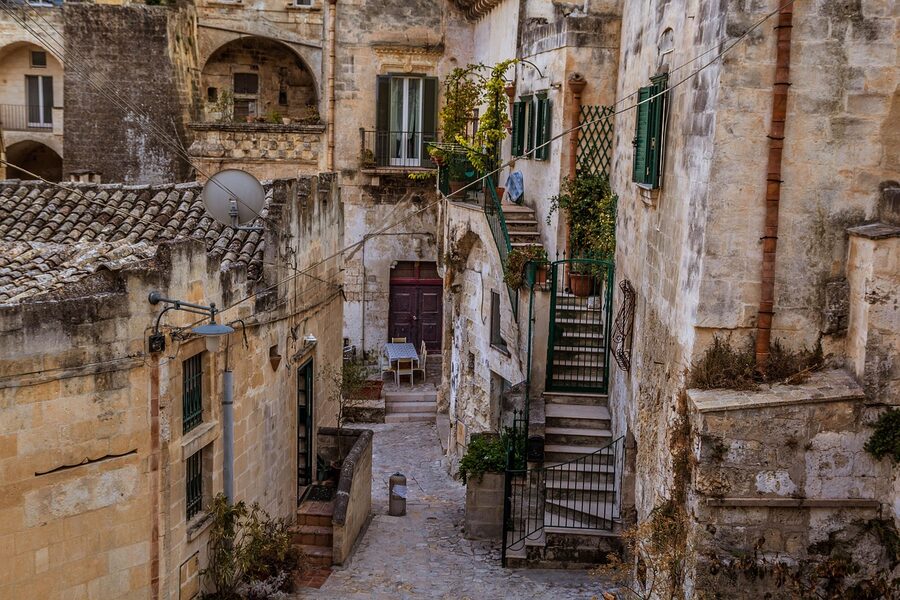
The Sassi are not flat. A “two-hour walk” is more like a two-hour stair climb. Bring water. Plan rest stops. If you have a knee or hip issue, the descent is harder than the climb.
Cell signal is fine in the upper town and patchy in the lower Sasso Caveoso. Download offline maps before you set off. Google Maps is also wildly unreliable here. The streets are too narrow and the GPS bounces off the limestone.
ATMs are mostly in the new town. Cash for the cathedral, the cisterns, the cave churches. €50 in coins and small notes covers most of it.
The cathedral is free to enter. Most of the smaller churches are not. €1 to €3 each, by donation or formal ticket. Worth packing change.
Public toilets are scarce in the Sassi. The cathedral has them. So does the Palombaro Lungo entrance. Most cafes will let you use theirs if you order something. Plan accordingly.
Sundays are quieter but some sites close at 1pm. Check Casa Grotta and the rupestrian church hours specifically before you plan a Sunday afternoon visit.
The Quick Booking Decision
If you are still undecided, here is the short version.
One full day, want a guided overview? Book the cave-house tour with entry for the morning. The cave-house ticket is bundled in.
You’d rather have a small group? Pay the extra and book the small-group walking tour. Fifteen people max, longer time per stop.
Tight budget, want a guide anyway? The cheaper guided tour of the Sassi covers the basics for under twenty euros.
Day trip from Bari with no fuss? Take the FAL train, do a half-day walking tour, eat lunch, walk the ravine viewpoint, train back. The transport is part of the experience.
Want the cave-churches over the ravine? Book a guided park hike separately, half-day, around €40 per person.
Some Honest Cons
Matera has been a real tourist destination since 2019, when it was European Capital of Culture. The crowds in summer are now genuinely heavy, especially in the central squares. If you’ve seen the post-James Bond Instagram explosion, that is real.
The town has also leaned into the cave aesthetic in places that feel a little silly. There is a cave gym now. There is a cave gelateria with mood lighting. There is a cave gift shop that sells cave-shaped fridge magnets. None of it is a dealbreaker, but if you came expecting raw and abandoned, you’ll find a layer of polish you have to scrape past first.
And the food, while genuinely good, is not Naples or Florence. The local Materano cuisine is humble peasant food at its best. Excellent. But if you’ve come from the Amalfi coast and you’re expecting a similar gastronomic high, recalibrate. The interest here is in history, not on the plate.
Pairing Matera With Other Trips
Matera works best as part of a wider southern Italy plan. If you are heading down from Naples, the natural sequence is two days on the Amalfi coast, then Pompeii, then a long haul east to Matera, then a couple of days in Puglia (Alberobello, Lecce, Ostuni). Three to four days each. If you have read our pages on visiting Mt Vesuvius from Naples and visiting Pompeii, that whole arc fits together neatly.
From Rome, the slowest way is a one-way road trip. Three hours to Naples, two more days through the Amalfi, then five to six hours across to Matera. Drop the rental in Bari and fly out. The fastest option is rail to Salerno, transfer to the Trenitalia link to Bari, FAL coach to Matera, total around six hours. Doable in a day if you start at 7am.
Sicily and Matera in the same trip is harder. They look close on a map. The reality is the ferry from Villa San Giovanni to Messina, plus the drive up, plus a coach from Reggio Calabria to Bari. Two full days of transport. If you want both, fly between them.
While You Are in Italy
Matera fits naturally into a southern Italy run. From Naples, the most useful next-step is the volcano on the other side of the country, and our notes on booking a Mt Vesuvius day tour from Naples pair almost perfectly with this one. Add a day at Pompeii on the way through. If your Italy trip stretches further south to Sicily, our guide on booking a Mt Etna day trip from Catania is the obvious sibling read. Heading north instead, the Colosseum, Roman Forum and Palatine Hill guide picks up the Roman thread that Matera’s medieval cave streets just barely touch.