
You turn down a narrow canal, the noise of San Marco fades, and suddenly it’s just oar against water. Buildings rise straight out of the green, a window opens, somebody is cooking. That’s the moment a gondola ride earns its price.
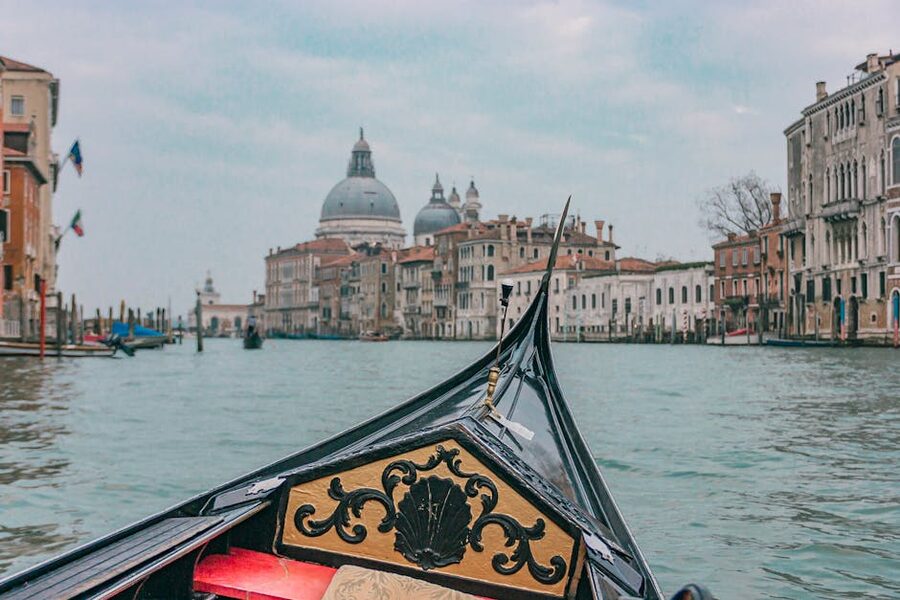
I’ll tell you what the gondoliers’ association price actually is, where to push off so you don’t spend half the ride in tourist traffic, and which booked options give you commentary that’s worth the upgrade. Booking ahead matters less than picking the right pier.
In a hurry? Three ways to book a gondola
- Cheapest with extras: Grand Canal Gondola with App Commentary at $39 per person. Shared ride, audio context on your phone.
- Best context: Grand Canal by Gondola with Live Commentary at $44 per person. Live guide on a separate boat narrates as you ride.
- Quick taster: Shared Gondola Ride Across the Grand Canal at $46 per person. Shorter ride, no extras, easy entry point.
- In a hurry? Three ways to book a gondola
- What a gondola ride actually costs in 2026
- Why booked options online are actually a bargain
- Where to actually catch one
- Avoid: San Marco basin and Bacino Orseolo
- Better: Santa Maria del Giglio and Campo San Barnaba
- Best for the Grand Canal route: Riva del Carbon
- Day or night? It changes the ride completely
- The sunset trap
- Best gondola tours to book online
- 1. Venice: Grand Canal Gondola Ride With App Commentary, per person
- 2. Venice: Grand Canal by Gondola With Live Commentary, per person
- 3. Venice: Shared Gondola Ride Across the Grand Canal, per person
- Want a private gondola? Here’s the math
- What you’ll actually see in 30 minutes
- The Bridge of Sighs underpass
- The traghetto: a gondola ride for EUR 2
- A short history of why these things exist
- Where the boats are still made
- Practical things first-timers ask
- Do gondoliers really sing?
- How many people fit in a gondola?
- Can you eat or drink on board?
- What about wheelchairs and mobility issues?
- Does it rain on you?
- Pairing a gondola ride with the rest of Venice
- The misty morning trick
- If Venice is one stop in a longer Italy trip
- Where this fits in the Venice playbook
What a gondola ride actually costs in 2026
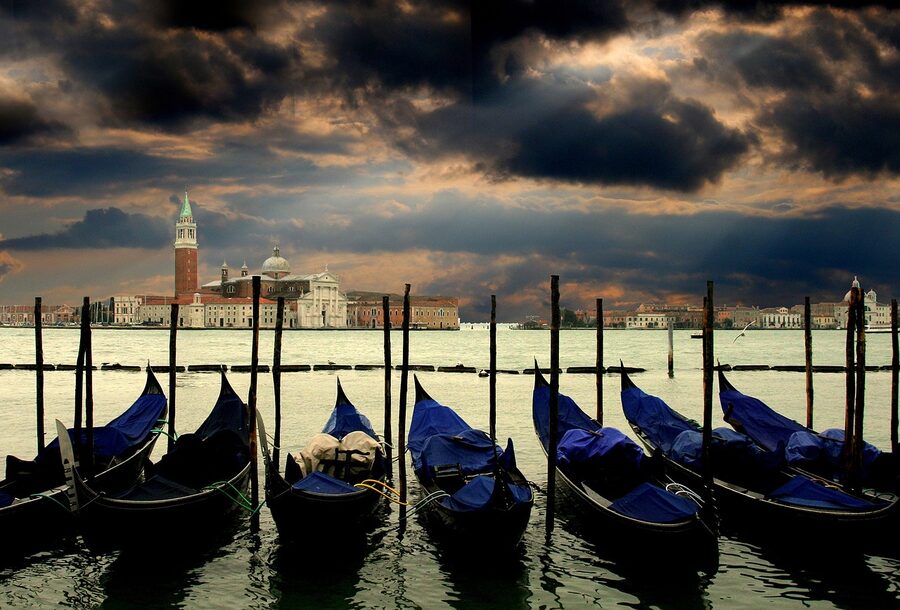
The gondoliers’ association sets official tariffs and they haven’t changed in years. The numbers below are per gondola, not per person, and the boat takes up to five passengers.
- Daytime (9am to 7pm): EUR 80 to 90 for a 30-minute ride.
- Evening (7pm to 3am): EUR 100 to 110 for a 35-minute ride.
- Extra 20 minutes: EUR 40 daytime, EUR 50 evening.
- Singing or musician on board: extra. Negotiate before pushing off.
If you board solo or as a couple, you’re paying the whole-boat rate. Five people splits a daytime ride down to about EUR 18 each, which is the only way I’d call a gondola ride “good value.” Two of you splits to EUR 45 each, which is fine, just don’t pretend it’s cheap.
Some piers charge more than the official tariff. They’re allowed to, by the way; the EUR 80 number is a floor in some interpretations. You can ask another pier two streets over and get the official rate. I don’t argue. I just walk.
Why booked options online are actually a bargain
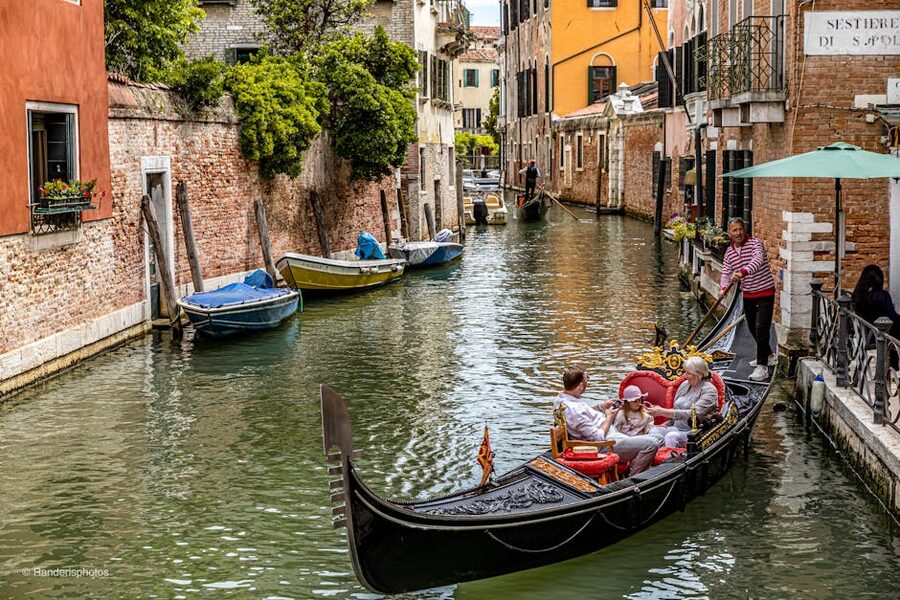
You’ll see GetYourGuide and Viator listings around $39 to $46 per person. That’s per person, not per gondola, because they’re shared. The operator pre-fills the boat with up to five strangers. You give up the private bubble but you get a guaranteed slot, an English-speaking commentator on some packages, and a queue you can skip. Our take on the app-commentary version of this is that it’s the price-per-context sweet spot if you don’t speak Italian and want to know what you’re looking at.
Shared rides aren’t romantic. If that’s the goal, book private and pay the EUR 80 to 110. If the goal is “I want to be in a gondola for half an hour and learn something about what I’m seeing,” shared is the better deal.
Where to actually catch one
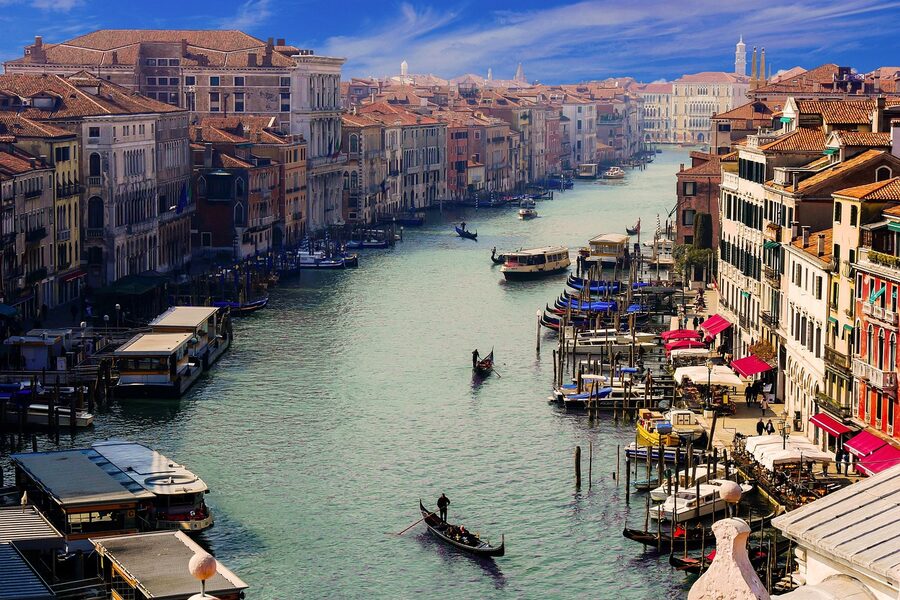
There are around a dozen official pickup points spread around the city. Some are tourist meat-grinders. A few are quiet. Where you board matters because the first ten minutes of any ride are spent leaving the pier; bad pier, bad first ten minutes.
Avoid: San Marco basin and Bacino Orseolo
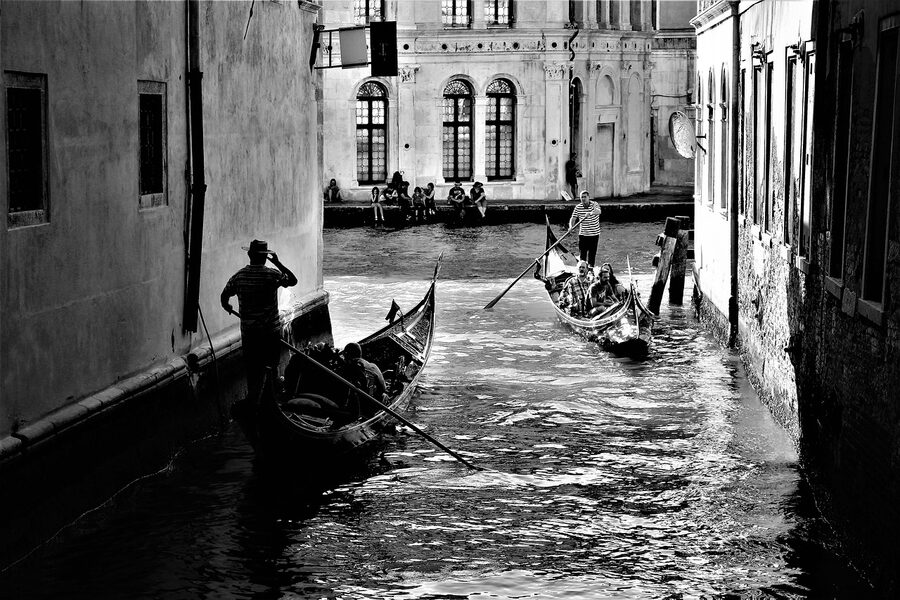
San Marco basin is the most photographed gondola pier in the world and it’s where most cruise day-trippers end up. Lines are long, the water is choppy with vaporetti, and your route puts you elbow to elbow with twenty other gondolas. Bacino Orseolo (just behind the square) is slightly better but suffers the same crowding.
Better: Santa Maria del Giglio and Campo San Barnaba
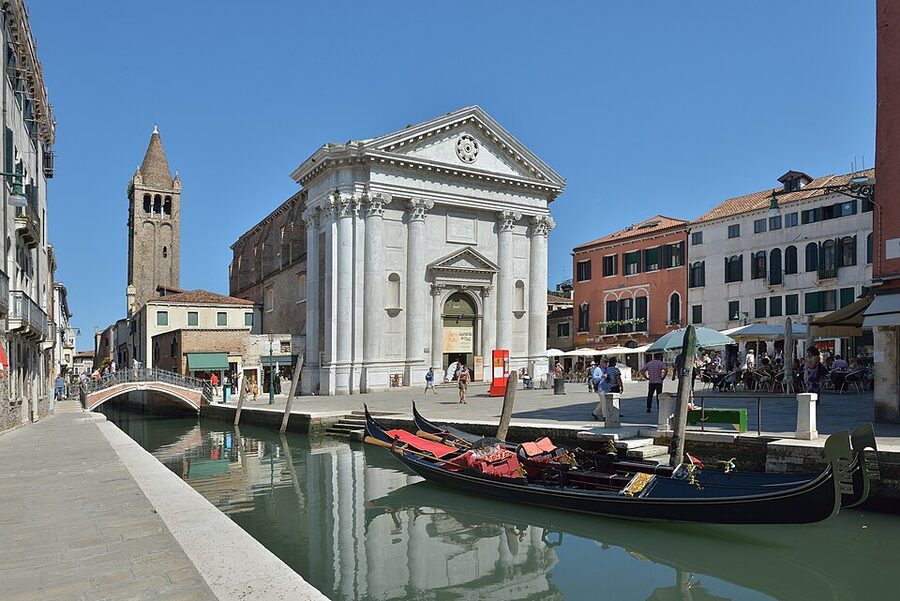
Santa Maria del Giglio (a stop on the vaporetto, San Marco end of the Grand Canal) is busy but the route west is wider and prettier than the eastern routes. Campo San Barnaba in Dorsoduro is my pick. It’s a small piazza with one pier, gondoliers who aren’t being yelled at all day, and a route through Dorsoduro’s quieter canals. You’ll get the back-canal experience the brochures promise.
Best for the Grand Canal route: Riva del Carbon
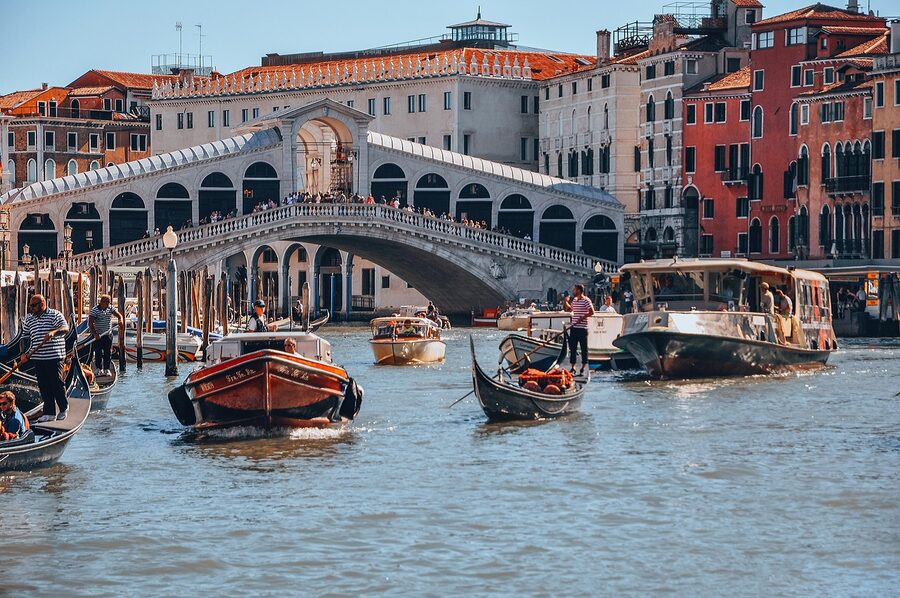
If your priority is to actually ride the Grand Canal, past Rialto and past the palazzi, push off from Riva del Carbon. The pier sits right at the foot of the Rialto Bridge. You’re paying the same tariff, but the route hits more landmarks per minute than any side-canal launch. The live-commentary tour works particularly well from this pier because the guide can talk you through the palazzi as they pass.
Day or night? It changes the ride completely
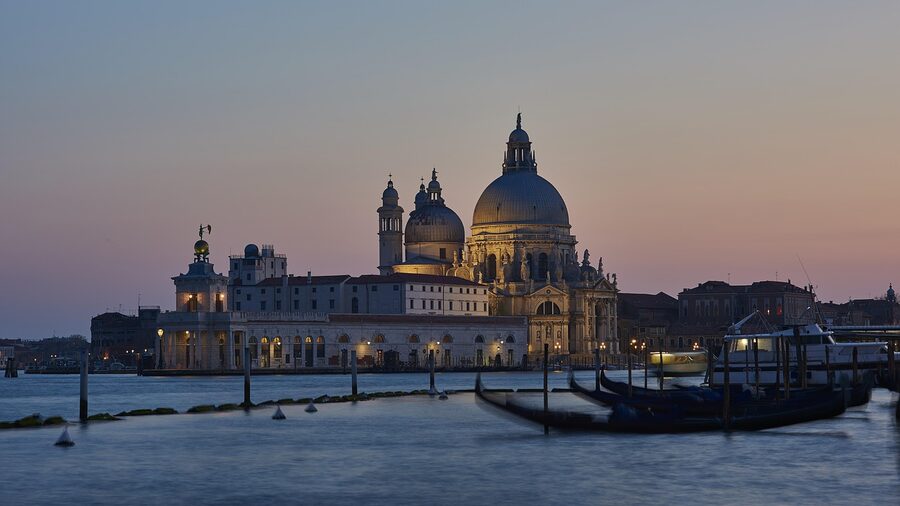
Daytime rides are cheaper and you can see more. The light hits the buildings, you can spot details on the carved facades, photos come out usable. Downside: the canals are crowded with vaporetti, water taxis, and other gondolas. You’re sharing the water.
Evening rides cost more and run longer (35 minutes vs 30) but the city feels different. Quieter water, lit windows, the occasional restaurant terrace strung with lights. The official tariff jumps to EUR 100 to 110, and most operators offer it from 7pm to 3am.
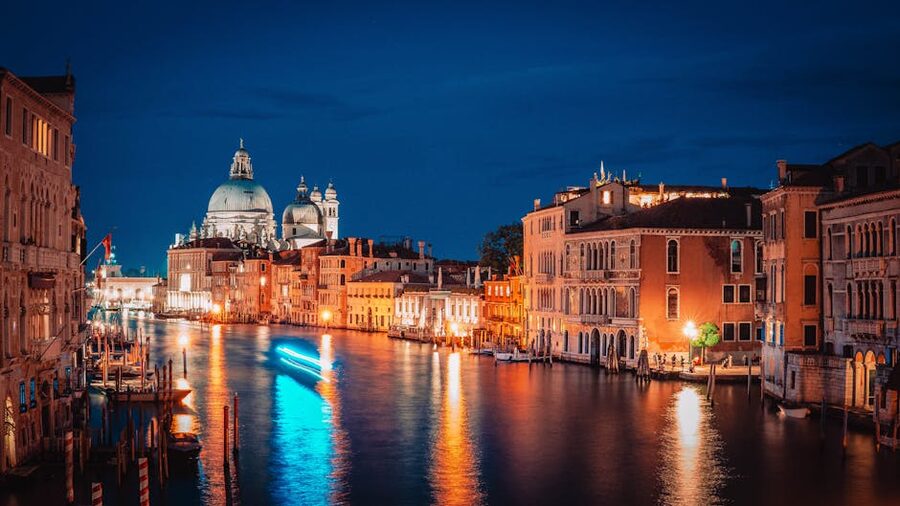
I’d take the evening ride if it’s a special occasion and the daytime ride if you’re trying out a gondola for the experience and the photos. Both are fine. Don’t book a midday ride in July expecting peace, though. The canals are at their busiest between 11am and 3pm.
The sunset trap
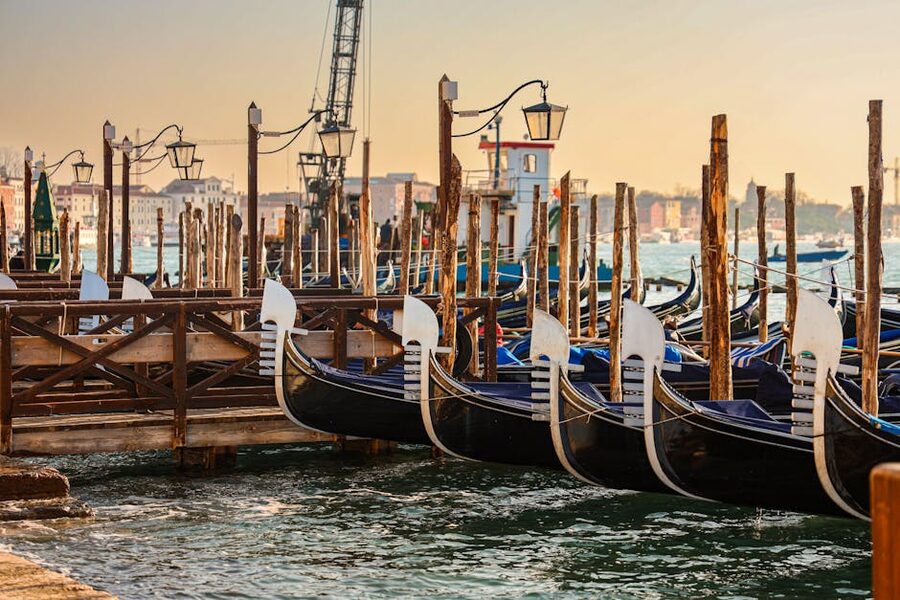
Sunset is the most photogenic but also the most fought-over slot. Rides departing between 6pm and 8pm sell out fastest in summer. Two ways to handle this: book online at least a day ahead for the shared options, or show up at your pier of choice 90 minutes before sundown and accept whichever boat is available. The shared Grand Canal crossing is a good fallback if all the named tours are sold out.
Best gondola tours to book online
I went through the most-booked gondola packages on the major resellers and these three are what I’d actually pay for. Each gives you something different.
1. Venice: Grand Canal Gondola Ride With App Commentary, $39 per person

This is the most-booked gondola package in Venice and the one I’d start with. You get the standard 30-minute Grand Canal route, shared with up to four others, plus app-based audio commentary you stream as you ride. Our full review goes into how the audio holds up during the noisier sections; the answer is fine, just bring earbuds.
2. Venice: Grand Canal by Gondola With Live Commentary, $44 per person

The upgrade for $5 more is significant. Instead of an app, you get a live human guide narrating in English as your gondola passes the palazzi. My take in the full review is that this is what most people actually want when they imagine “gondola tour”; context, not just a ride. The commentary explains what you’re looking at as you look at it.
3. Venice: Shared Gondola Ride Across the Grand Canal, $46 per person

Sometimes you just want to be on a gondola. No app, no live guide, no story. This shared ride does exactly that: 30 minutes, you’re sharing the boat with up to four strangers, and you ride. The review breaks down why this is the best pick for travelers who’d rather just experience the city in silence than get a history lesson.
Want a private gondola? Here’s the math
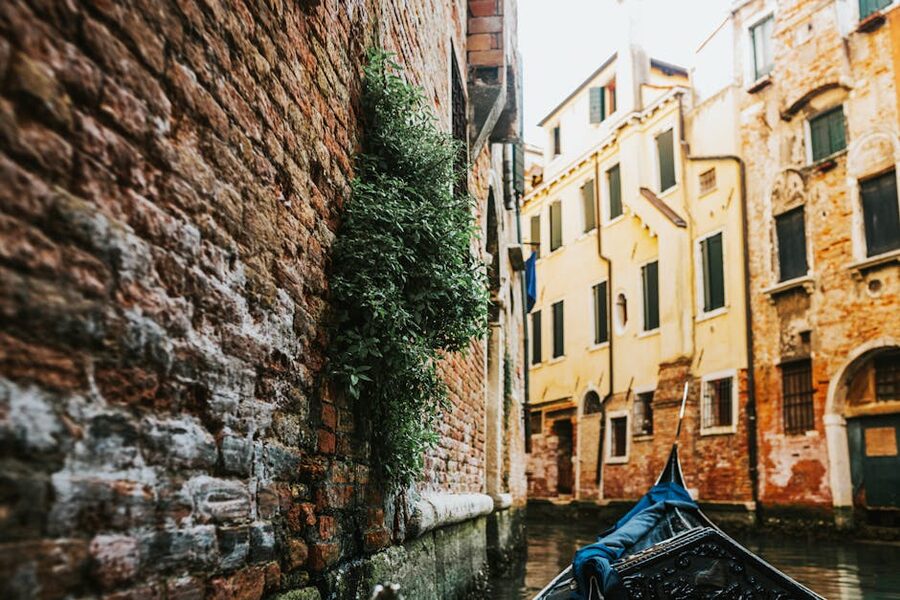
If “couple in a gondola” is the photo you want, the shared options won’t work. You need a private booking. Two routes:
- Show up and pay the full tariff. EUR 80 to 90 daytime, EUR 100 to 110 evening, gondolier of your choice from the pier.
- Book a private package online. A private gondola cruise for up to five runs around the same price (sometimes a hair more) but gets you a guaranteed slot, an English-speaking pickup, and confirmation in your inbox so you’re not haggling at the pier.
For real romance theatre (proposal, anniversary, that level), the gondola ride with serenade option adds a singer and accordionist on a follow boat. It’s a noticeable upgrade in cost but you’re paying for the soundtrack, not the ride itself. Not my taste, but I’ve seen it work for people who came to Venice specifically to do this. There’s also a walking tour plus gondola combo if you want a guided two-hour intro to the city followed by a ride.
What you’ll actually see in 30 minutes
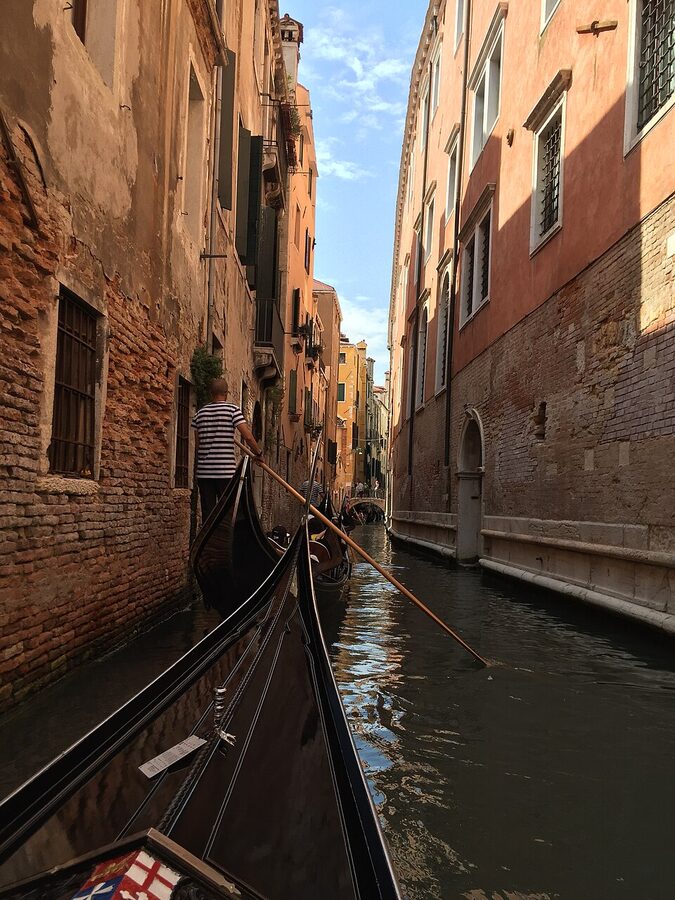
A standard gondola route runs around 2 to 3 kilometers, depending on the pier. Most rides spend the bulk of their time in narrow side canals, which is the photogenic part, and dip out onto the Grand Canal for the middle stretch. You’ll cross under between 8 and 12 bridges depending on your launch point.
From a Dorsoduro pier you might see Ca’ Foscari and the Accademia Bridge from below. From San Marco basin you’ll start with views of San Giorgio Maggiore across the lagoon. From Riva del Carbon you immediately get Rialto. Each pier has a different opening shot, which is why it pays to think about which pier matches the photos you want.
The Bridge of Sighs underpass
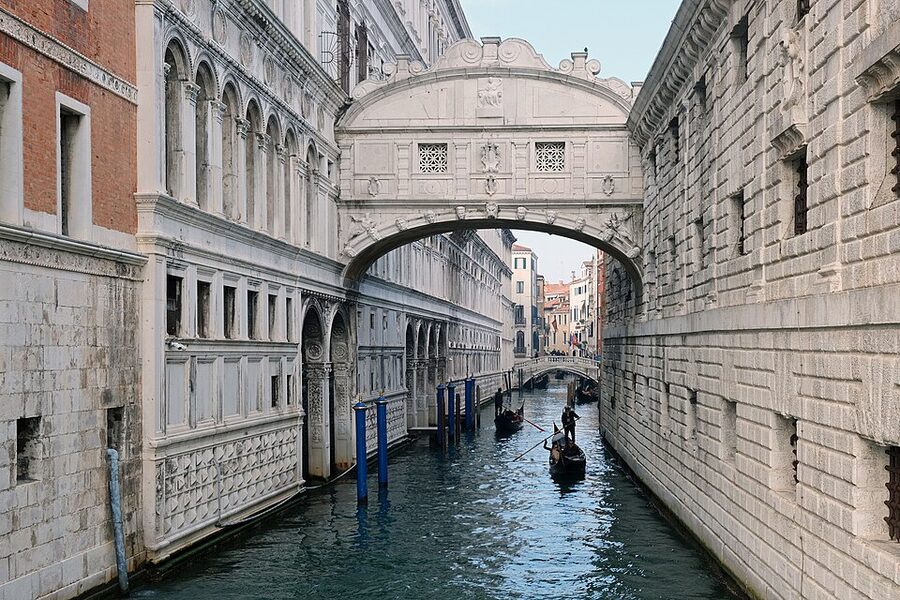
Many San Marco basin gondoliers will route you under the Bridge of Sighs as part of the standard tour. It’s a small bridge connecting the Doge’s Palace to the old prison. The legend (which is mostly Byron’s invention) is that prisoners would sigh on their last view of the lagoon as they were led to the cells. Real or not, the underpass is one of the better gondola moments in town. If you’re booking a Doge’s Palace combo, you can pair it with our guide on visiting Doge’s Palace and St Mark’s Basilica to make a half-day of it.
The traghetto: a gondola ride for EUR 2
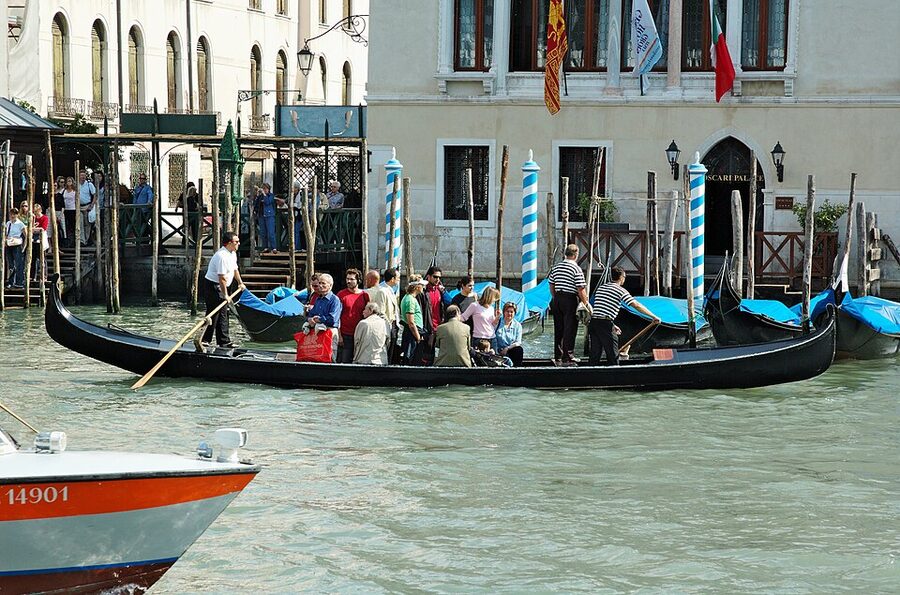
Here’s the cheat code nobody tells first-timers. The traghetto is a working gondola operated as a Grand Canal ferry. Locals use it to cross the canal in places where there’s no bridge nearby. The crossing takes about 90 seconds and costs EUR 2 for visitors, EUR 0.70 for residents.
It’s not the same as a tour. There’s no commentary, no scenic route, no sitting back with a glass of prosecco. But you do board a real Venetian gondola, you do cross the Grand Canal in one, and you do it for two euros. Half the city’s day-trippers don’t know it exists.
Active traghetto crossings are at Santa Sofia (near Rialto market), San Tomà, and a few others. They run roughly 9am to 6pm. Schedules drift. Crossing standing up is the local move.
A short history of why these things exist
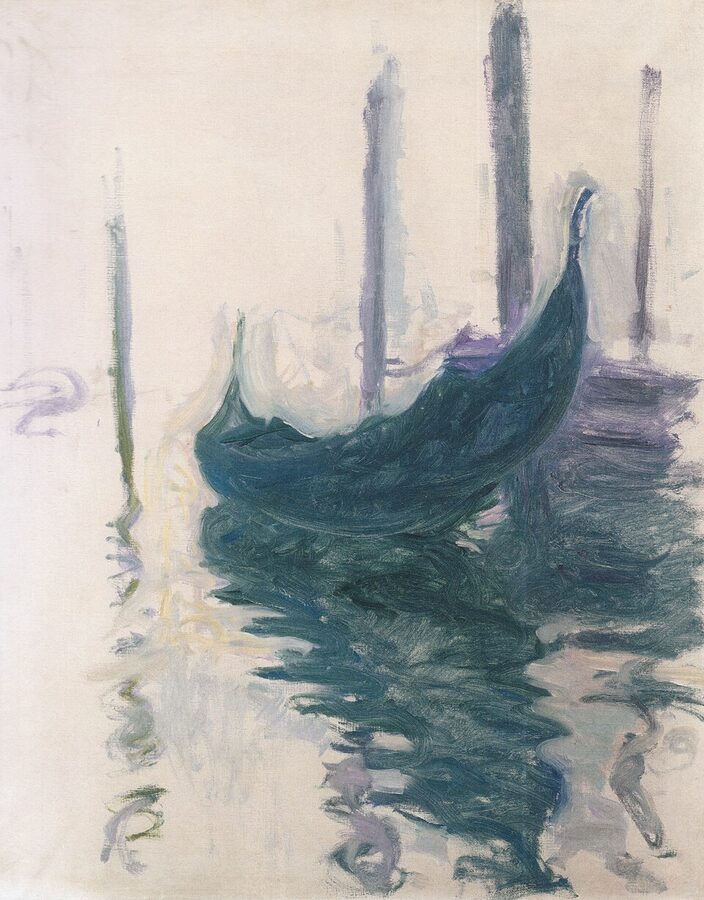
In the 17th century, Venice had thousands of gondolas. They were the city taxi, the truck, the city bus, all in one. Today there are fewer than 100 licensed gondoliers and the boat is purely an attraction. Each gondola is asymmetric. The left side is wider than the right by about 24 centimetres, to compensate for the gondolier’s weight on one side and the single oar.
The shape is deliberate. The flat bottom and shallow draft let it work canals that are sometimes only a meter deep at low tide. The signature curl at the front (the ferro) has six teeth that reportedly represent the six Venice districts, and the curve above mimics the Doge’s hat. None of this matters for booking but it makes for better small talk on the boat.
Where the boats are still made
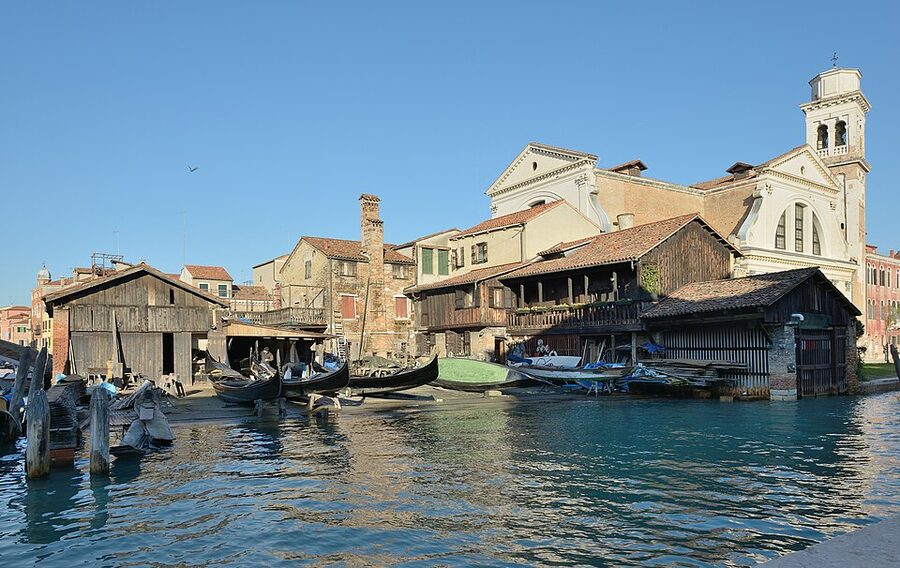
If you want a free 20 minutes of context before your ride, walk to the Squero San Trovaso in Dorsoduro. It’s one of the last functioning gondola boatyards in Venice. You can’t enter the property but you can stand across the small canal and watch the work happen. Building one gondola from scratch takes around 500 hours and uses eight different woods. They’re insanely expensive (EUR 30,000 plus) which is part of why the per-ride price is what it is.
Practical things first-timers ask
Do gondoliers really sing?
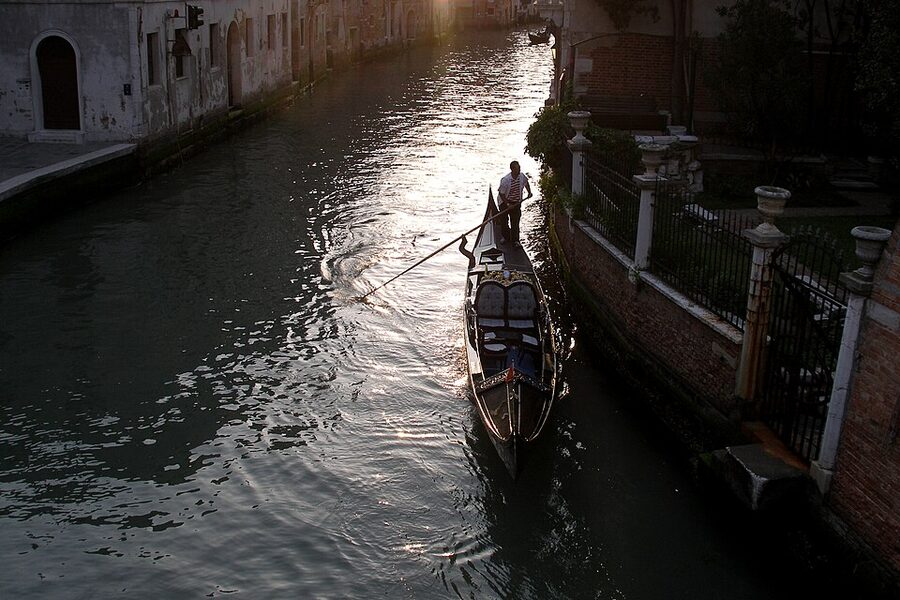
Mostly no. Singing is an extra service. If you want it, ask before boarding and agree on the price. Some packages include it. The “gondolier breaks into Volare unprompted” thing is mostly a movie.
How many people fit in a gondola?
Six total: five passengers plus the gondolier. The boats are weight-rated and you’ll see strict enforcement at busier piers. If your group is six tourists, you split into two boats.
Can you eat or drink on board?
Some gondoliers are fine with a glass of prosecco, others aren’t. There’s no rule. The shared booked options usually don’t allow it because of the cleanup. Private gondolas are at the gondolier’s discretion. Don’t bring food.
What about wheelchairs and mobility issues?
This is one of the harder accessibility situations in Venice. Boarding requires stepping down into the boat from a low pier with no rail. Some gondoliers will help; not all. If mobility is an issue, ask the pier before you book; ideally the night before, not at the boarding moment.
Does it rain on you?
The boats have no roof. Light rain is fine and most gondoliers will lend you an umbrella. Heavy rain shuts the operation. You’ll get a refund if your booking is cancelled for weather, but if you walk up at the pier and it’s drizzling, you make the call.
Pairing a gondola ride with the rest of Venice
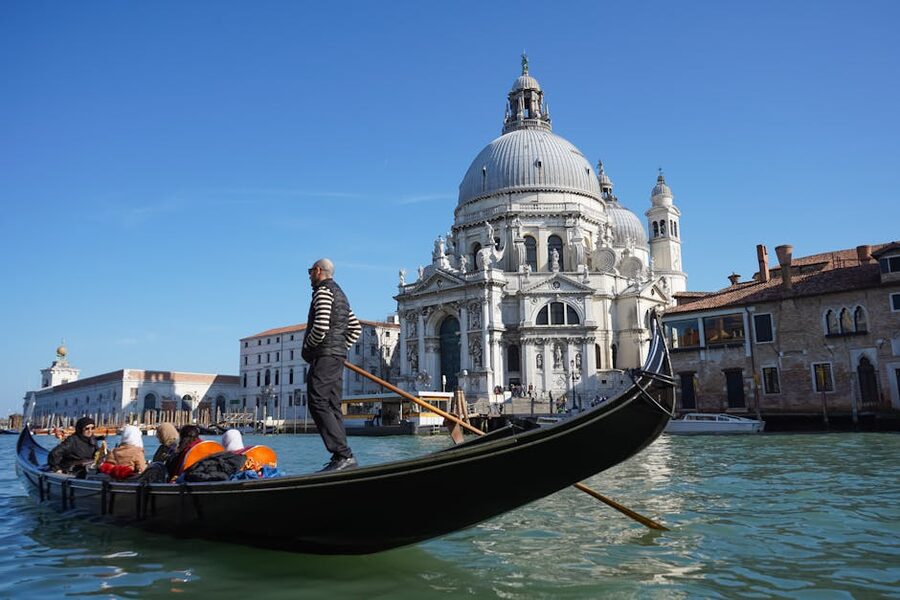
A 30-minute gondola ride is a great half of a half-day. You don’t structure a full day around it. Two ways I’ve put it together:
The classic morning combo: push off from a Dorsoduro pier around 10am, ride for 30 minutes, walk to lunch at a bacaro in the same neighbourhood, then spend the afternoon at the Doge’s Palace and St Mark’s Basilica via vaporetto. The basilica audio tour is free, the Doge’s Palace ticket is the bigger spend but it’s the closest thing Venice has to a single must-do interior.
The sunset evening combo: spend the afternoon walking Cannaregio or Castello, eat early, then time a 7pm gondola ride from a quieter pier so you push off as the lamps come on. If your trip overlaps a special occasion, the traditional shared evening ride is the easiest “set it and forget it” booking.
The misty morning trick
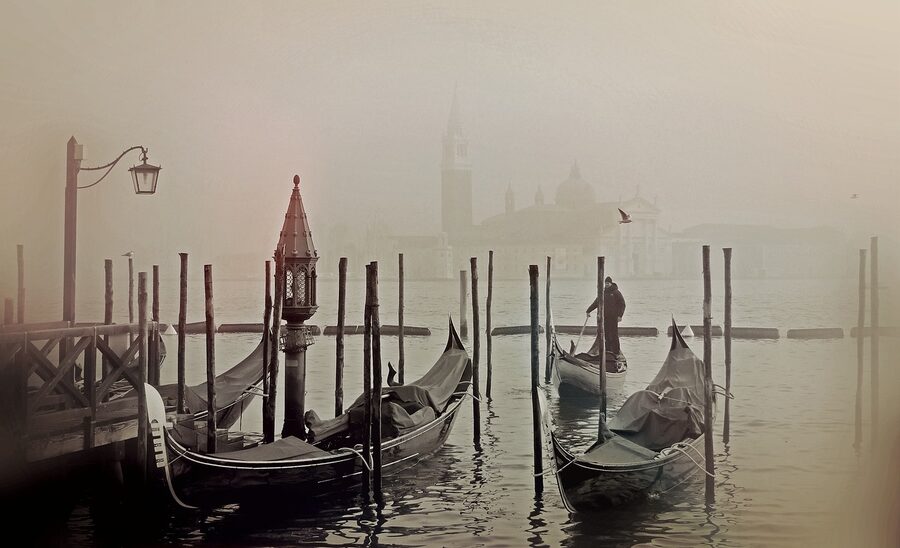
If you’re in Venice between November and February, set your alarm for 7:30am and walk to your pier at first light. The early-morning mist on the side canals is what every photographer is hoping for and you’ll have the city to yourself. Some gondoliers start at 8am, some at 9am. Walk past two or three piers and ask. The official tariff sometimes hasn’t kicked in yet for the day, depending on the gondolier.
If Venice is one stop in a longer Italy trip
Venice rewards three days. After that, the question becomes where you go next. If you’re rolling through Italy from Florence on your way to Venice, you’ve probably already been thinking about how to use the Tuscan side of the trip. Worth pairing with our Cinque Terre day trip from Florence guide if you haven’t booked that part yet, or with our Chianti Safari from Florence walkthrough if wineries with a full lunch are more your style. Both are full-day commitments, so don’t try to fit them into your Venice days. Plan them around Florence.
Where this fits in the Venice playbook
If you’re piecing together two or three days in Venice, the gondola ride is your “atmosphere” line item: the thing you do once, in 30 minutes, to feel the city from the water. Pair it with a proper visit to the Doge’s Palace and St Mark’s Basilica for your big interior, and leave a half-day for getting lost on foot in Cannaregio or Castello where the locals actually live. For travelers extending to Florence, our Uffizi guide covers the equivalent must-booker there. And if you’ve got Rome on the same itinerary, the Colosseum and Forum walkthrough sets up that city’s biggest single block of sightseeing in a way that mirrors what Doge’s Palace does for Venice.