
The first time I tried to book Colosseum Underground tickets, I did it the wrong way. I went to the official ticketing.colosseo.it site at 9:30am the day my husband and I wanted to visit, saw “sold out” everywhere, panicked, and bought a €160 third-party tour with three minutes’ research. It was a great tour. It was also five times what I would have paid if I’d known the official tickets dropped at 8:45am sharp every morning, and that I’d missed the window by 45 minutes.
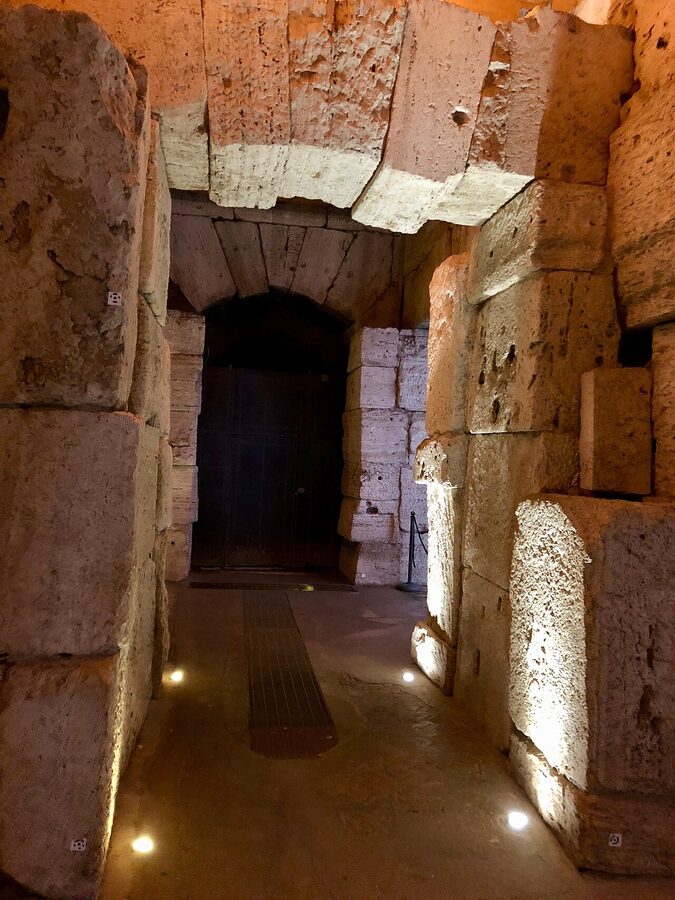
What follows is the actual mechanics. When the official tickets drop, why most days you won’t get them anyway, which third-party tours are worth €80 vs €160, and the one specific upgrade that’s worth paying double for over a basic Colosseum visit. I’ve now done the Hypogeum twice and the Arena Floor three times. The Underground is the better experience, but only by a margin, and only if you can stomach what it costs to actually book it.
In a hurry? Three picks:
- Colosseum Underground and Ancient Rome Tour, $160. The default Underground splurge. Three hours, small group, hypogeum + arena floor + Forum + Palatine. Worth it once.
- Colosseum, Forum & Palatine + Optional Arena Floor, $45. The smart middle. Skip-the-line entry, optional Arena Floor add-on at booking, real guide, half the price of underground tours.
- Colosseum Arena Floor + Forum + Palatine Express, $35. Cheap arena-floor option if Underground is sold out (it usually is). 2.5 hours, all the headline sites.
- What “Colosseum Underground” actually means
- Three things you should know before you book
- The official site: how to book at €24 (and why you probably won’t)
- The Didactic Visit: a back door worth knowing
- Third-party tours: when €80 is fair and when €160 is the real number
- 1. Colosseum Underground and Ancient Rome Tour: 0
- 2. Colosseum, Forum & Palatine + Optional Arena Floor:
- 3. Colosseum Arena Floor + Roman Forum + Palatine Hill:
- What you actually do down there: the 30-minute walk-through
- What gets cut from a “rushed” Underground tour
- Picking your time slot
- Days of the week and seasonality
- Photographing the Underground
- The history nobody mentions on the tour
- Why the lift mechanism is a big deal
- Combining Underground with the rest of Rome
- Day-trip option: pairing with Pompeii
- Getting around the Colosseum area
- Where to eat near the Colosseum
- Common questions I get asked about Colosseum Underground
- The €4 booking fee on the official site
- Should you actually do the Underground at all?
- One more if you’re still deciding
- What to read next
What “Colosseum Underground” actually means
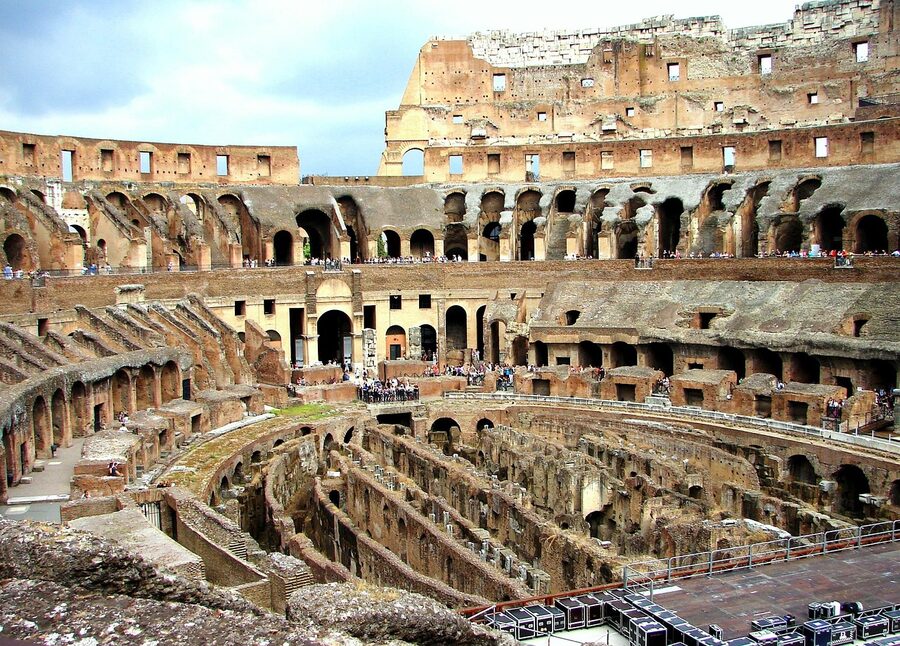
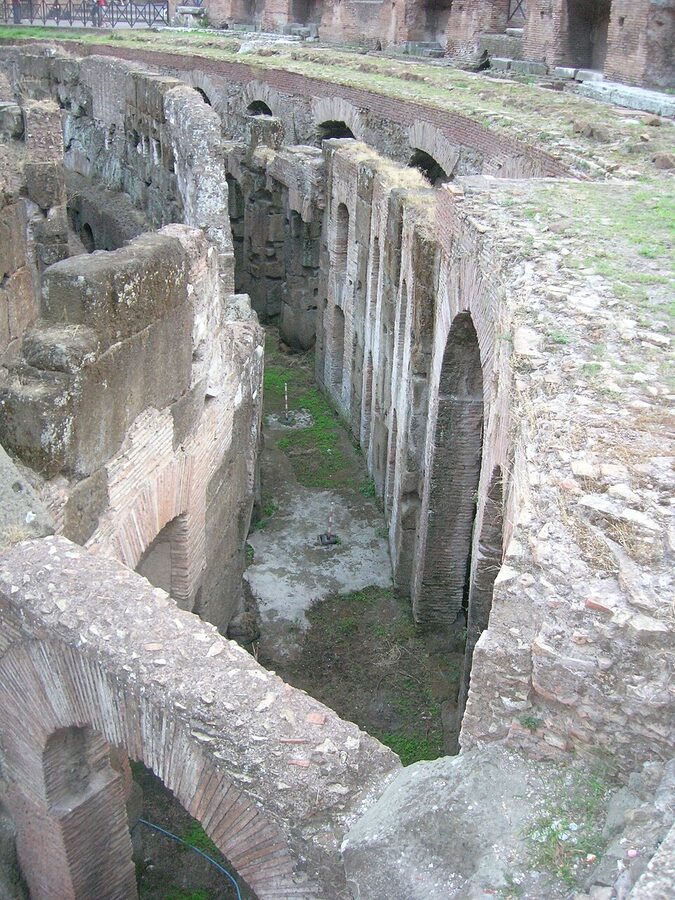
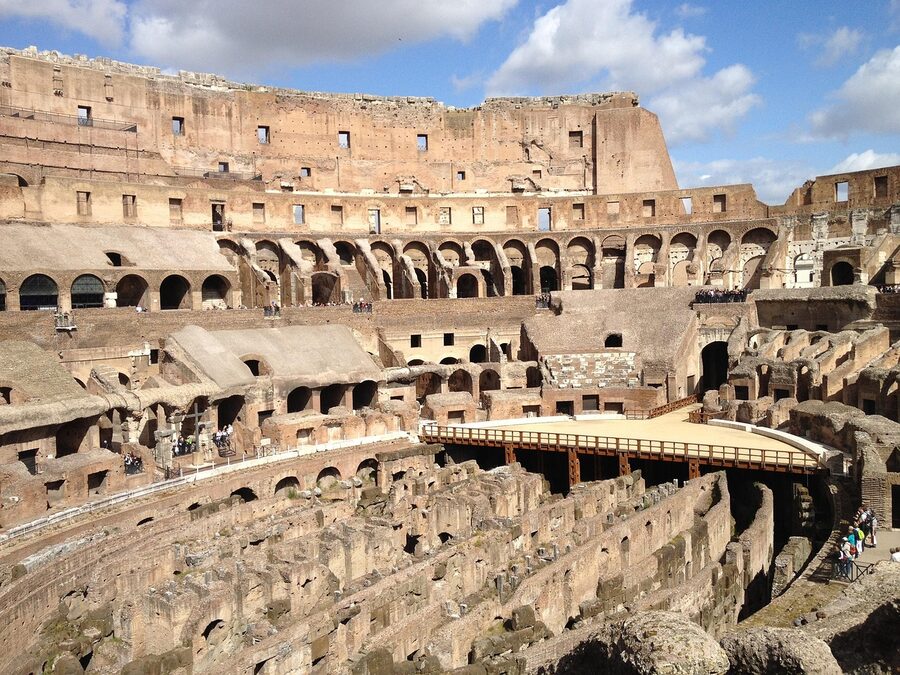
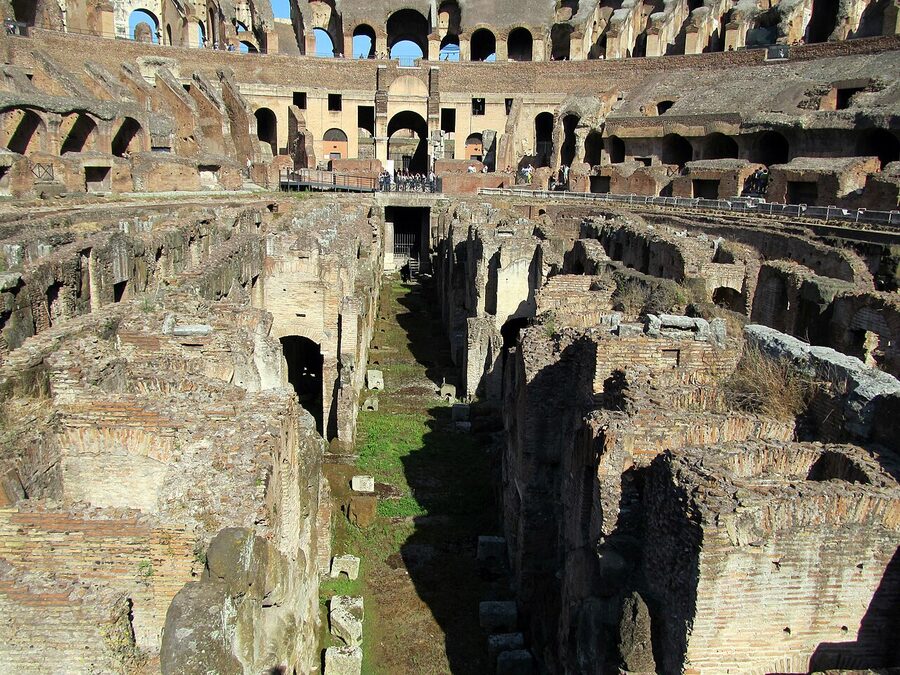
The Underground (or Hypogeum, the proper Italian name, from Greek for “underground”) is a two-level network of tunnels, animal cages, and slave quarters that sat directly beneath the wooden arena floor. Gladiators, exotic animals, and stage props were lifted up through 28 trap doors using winch-operated lifts. When you read about elephants and lions appearing “as if from nowhere” in the middle of a fight, this is the part you’re hearing about. The mechanics happened down here.
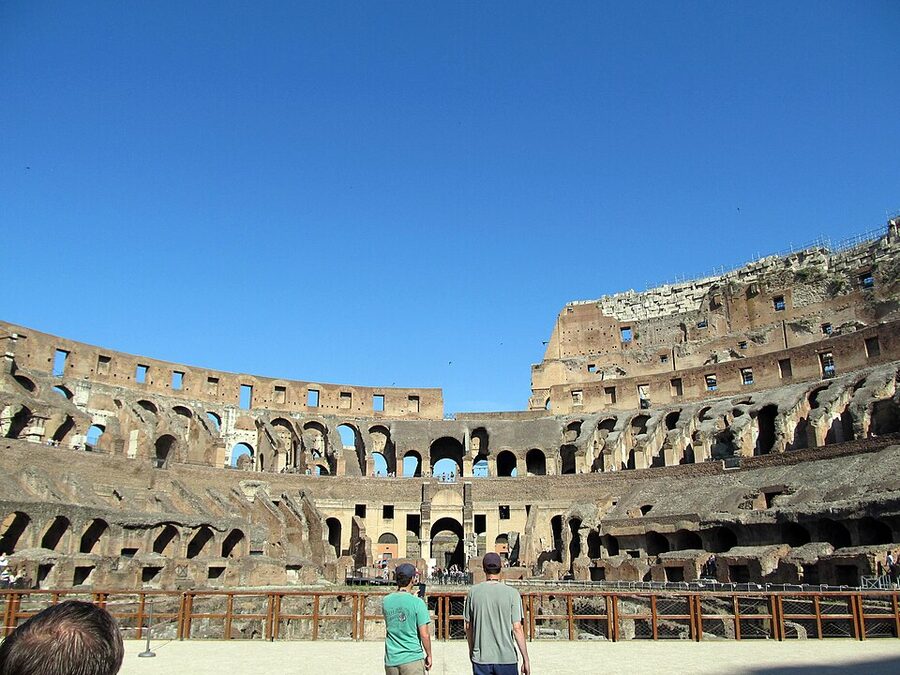
It was buried under rubble and debris for over a thousand years and only excavated in the 1810s and again systematically in the 1930s. Today you can walk through about 60 percent of it on a guided tour, no individual access. You go in groups of around 25, with an official park guide, and you spend roughly 20 to 30 minutes of a longer tour down there. The rest of your visit covers the upper tiers and the partially reconstructed arena floor.
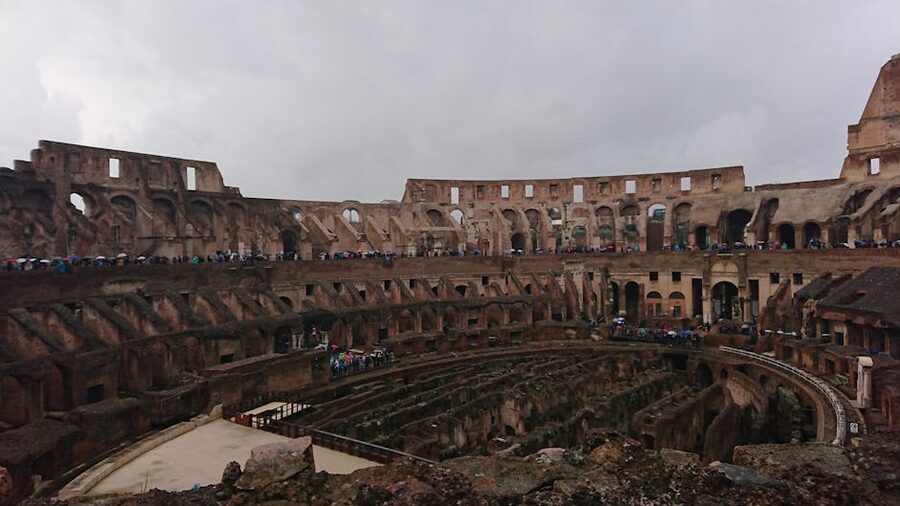
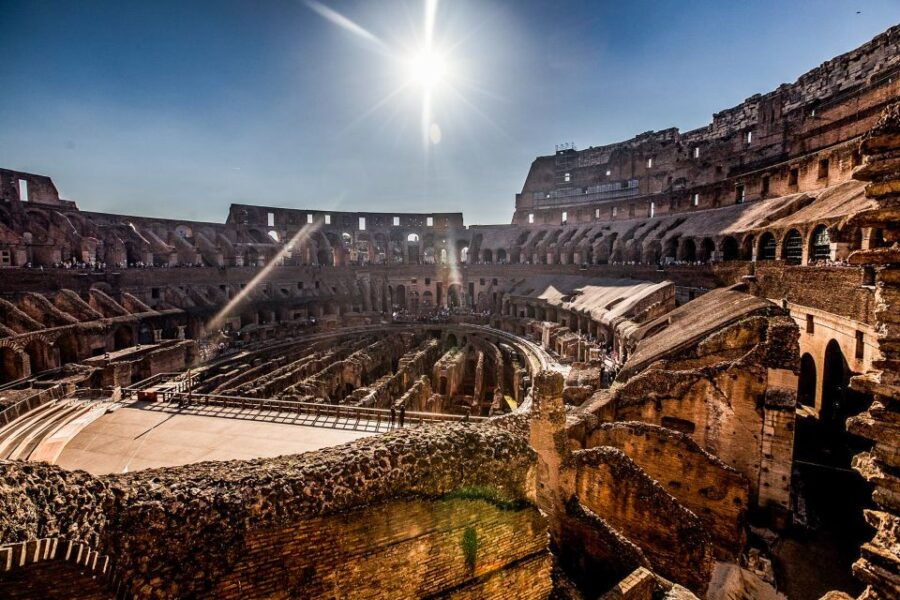
The Arena Floor is a separate upgrade. It’s the wooden platform you see in photos, partly reconstructed in 2023 over the western third of the Hypogeum, that lets you stand where the gladiators stood. You can book Arena Floor without Underground (cheap, easy, abundant). You cannot book Underground without also getting Arena Floor (the official package always combines them). And practically nobody books standalone Hypogeum tickets because they don’t really exist on the third-party market. If a tour says “Underground” it means Underground + Arena.
Three things you should know before you book
One: Underground capacity is tiny. The park caps daily Hypogeum entries at around 250 to 400 people across all visitor types, official direct bookings plus third-party operator allocations. The Colosseum gets about 7 million visitors a year. The maths is brutal.
Two: Underground tickets are guided-only. There is no “buy a ticket and wander” option for the Hypogeum. You go with a park-licensed guide, in a group, on a fixed time slot. This is non-negotiable on the official site and standard practice for every reputable third-party operator.
Three: prices are not the same as the basic Colosseum ticket. Standard Colosseum entry is €18, with the Underground+Arena upgrade officially priced at €24 plus a €2 booking fee. But that €24 is the rate if you can get an official slot. On the third-party market, where most travellers actually end up booking, a real Underground tour runs €80 to €160 depending on group size and what’s bundled in. That’s not a markup on €24. That’s a guide, a Forum/Palatine bolt-on, and the operator’s allocation cost rolled together.
The official site: how to book at €24 (and why you probably won’t)
If you want the €24 official rate, you book through ticketing.colosseo.it. That’s the Parco archeologico del Colosseo’s official portal. The product is called Full Experience: Underground Levels and Arena. You pick a date and a time slot, fill in passenger names (matching ID required at the gate), pay, and download a PDF.
The catch: tickets release exactly 30 days in advance, at 8:45am Rome time, and they sell out within minutes. From October to March you have a fighting chance if you’re at your laptop ready. From April to October you don’t. I’ve tried to book three times in summer and got nothing all three.
The operational reality looks like this. Set an alarm for 8:30am Rome time, 30 days before your visit. Open ticketing.colosseo.it, navigate to Full Experience: Underground Levels and Arena. Don’t log in, the system runs as guest checkout. Have a credit card pre-typed in a notes app ready to paste. At 8:45 sharp the tickets appear. Pick a slot, get to checkout in under three minutes. If you stall on passenger details, you lose the slot.
The Didactic Visit: a back door worth knowing
There’s a second official ticket type that fewer people know about. It’s called the Didactic Visit. €32, 75 minutes, available in English, Italian, or Spanish, and it includes a guided walk through the upper tiers, the arena floor, AND the underground tunnels with a Colosseum staff guide. Think of it as the official version of what third-party tours sell for €120 plus.
The slots are limited (usually three or four English-language slots per day in season) but they tend to sit on the booking page slightly longer than the bare €24 underground ticket. Worth checking even if standard Underground is sold out. I’ve snagged a Didactic slot on a Tuesday afternoon when nothing else was available.
Practical note: the Didactic Visit’s English slots are usually morning. The Italian and Spanish slots cover afternoons. If your Italian holds up, the 3pm Italian slot is often available even in high summer, and a competent guide who speaks pace-friendly Italian is genuinely doable for a curious traveller. I did it once with my secondary-school Italian and got about 70 percent of it.
Third-party tours: when €80 is fair and when €160 is the real number
Most travellers visiting in season won’t get an official slot. The Underground market is dominated by about a dozen licensed operators who buy bulk allocations from the park and bundle them with Roman Forum and Palatine Hill tours. Prices range from around €70 to €180. The price reflects three things: group size (smaller is more expensive), whether the Forum is included, and how senior the guide is.
Here’s how I’d actually pick. Go cheaper if you mostly want the basic Colosseum and don’t need the Hypogeum specifically. Our main Colosseum and Roman Forum guide covers the standard ticket types in detail. For Underground specifically, expect to pay for it. The €70 listings are usually Arena Floor only, with the word “underground” used loosely.
1. Colosseum Underground and Ancient Rome Tour: $160
This is the default if you’ve decided you want the Hypogeum and you’ve missed the official €24 window. Our full review of the Colosseum Underground and Ancient Rome Tour walks through what’s covered hour by hour. The guide is a real archaeologist or art historian, the group cap is around 20, and you get a proper 25 to 30 minutes inside the tunnels rather than a rushed walk-through.
2. Colosseum, Forum & Palatine + Optional Arena Floor: $45
If the Underground tour is sold out or the price annoys you, this is the smart pivot. The Arena Floor delivers most of the “stand where gladiators stood” emotion at a fraction of the cost. Our review of this exact tour notes that the Show Me Italy guides consistently keep the group moving without making it feel rushed. Pick the optional Arena Floor at checkout, not at the door.
3. Colosseum Arena Floor + Roman Forum + Palatine Hill: $35

The budget play if Underground is sold out and you don’t mind a larger group. Our review covers the meeting-point quirk and the variable guide quality. Some guides on this one are excellent and some are tired. Read recent reviews on the booking page rather than trusting an aggregate score.
What you actually do down there: the 30-minute walk-through
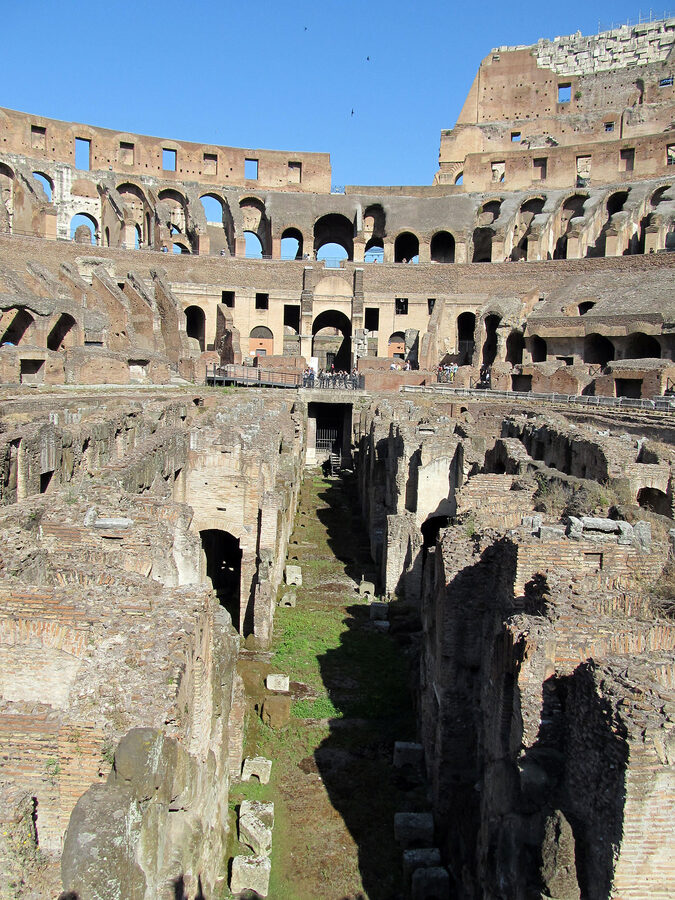
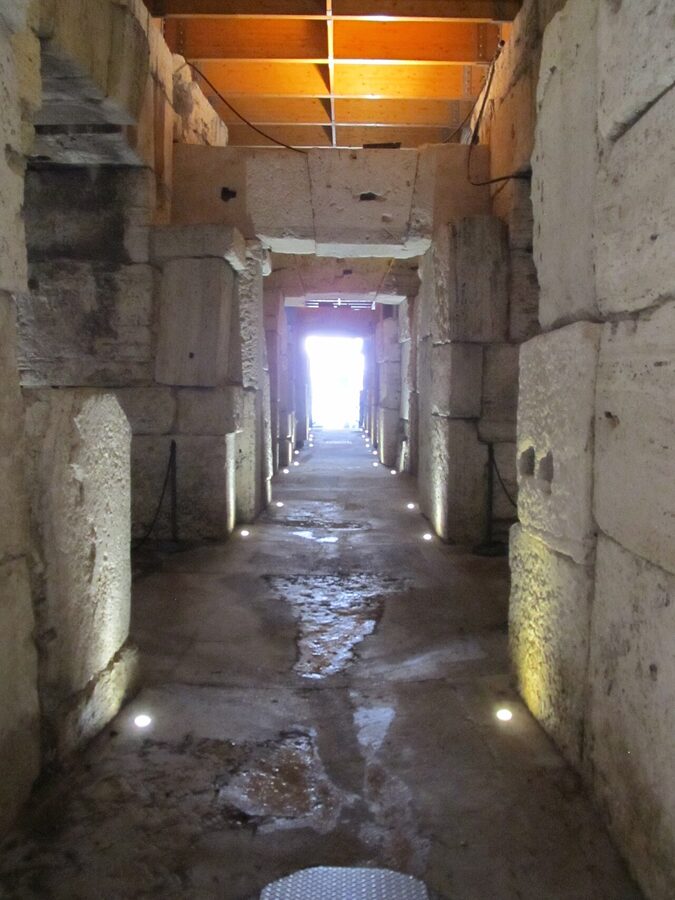
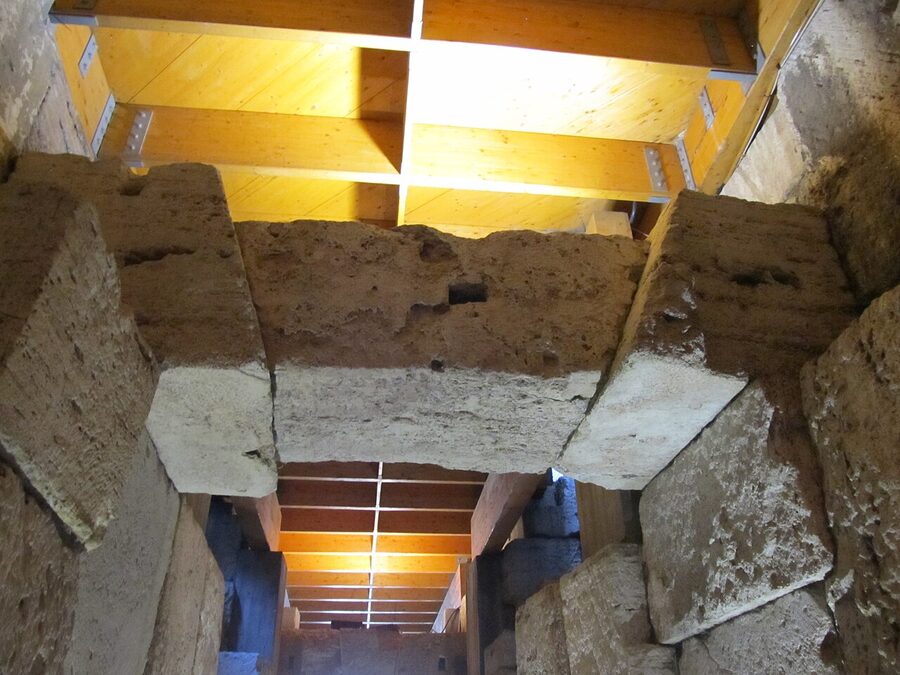
You enter through a separate gate (Sperone Valadier on the eastern side), not the main visitor entrance. Security is the same x-ray-and-metal-detector deal you get for the rest of the park. From there your group descends a modern wooden staircase to the lower of the two underground levels.
The first stop on most tours is the eastern end of the spine corridor, where you see the lift channels for the animal cages. Then you walk west along the central corridor for about 60 metres, branching off into two side corridors where the gladiators were held in cells. The architecture is rougher down here than the polished marble of the upper tiers. It’s brick and travertine, mostly utilitarian, the medieval-feeling underbelly of what was a precision-engineered entertainment machine.
The most surprising thing for me wasn’t the scale, it was the temperature. Even in August it’s cool down there, maybe 22 degrees when it’s 35 outside. The Roman engineers used the underground partly as ventilation. Whichever month you visit, take a light layer.
What gets cut from a “rushed” Underground tour
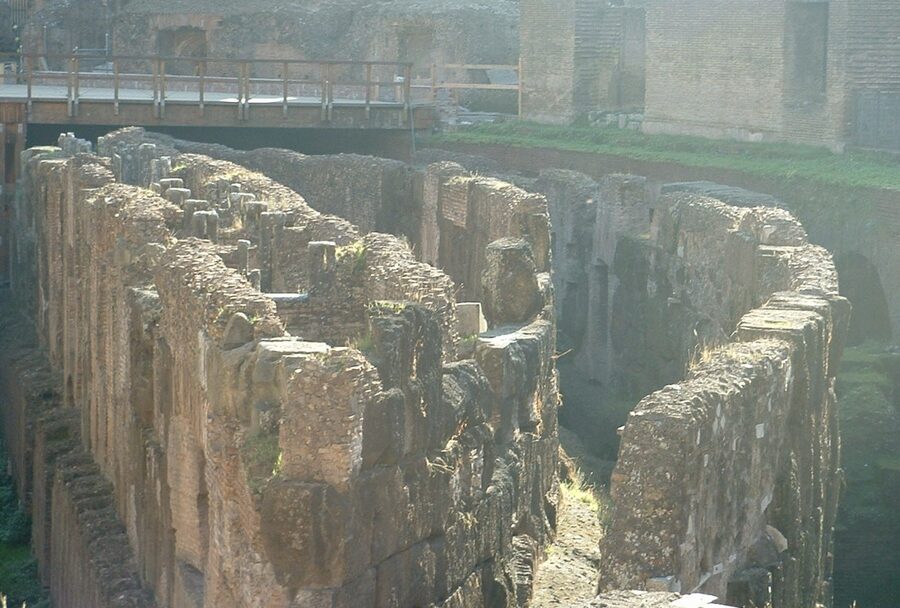
Not all Underground tours actually take you through the Hypogeum equally. The cheaper end of the market often cuts the western tunnels, the cell rows, and the second level. You walk the eastern entrance corridor, look at the lift mechanism reconstructions, and come back up. Total time underground: 12 to 15 minutes.
The full version, which is what the €160 GetYourGuide Underground tour delivers, includes the western corridor, the cell rows, and a partial walk on the upper of the two levels. Roughly 25 to 30 minutes underground. That’s the difference between “we did the Underground” and actually doing the Hypogeum.
How do you tell which version you’re getting? Two questions to ask the operator before booking: do you spend at least 25 minutes underground, and do you cover the western cell rows? If they hedge, the answer is no.
Picking your time slot
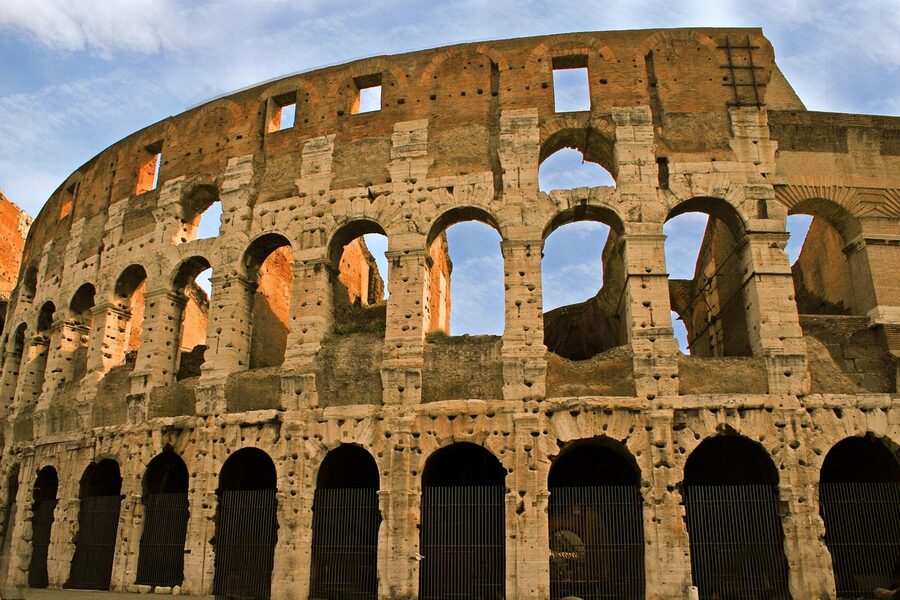
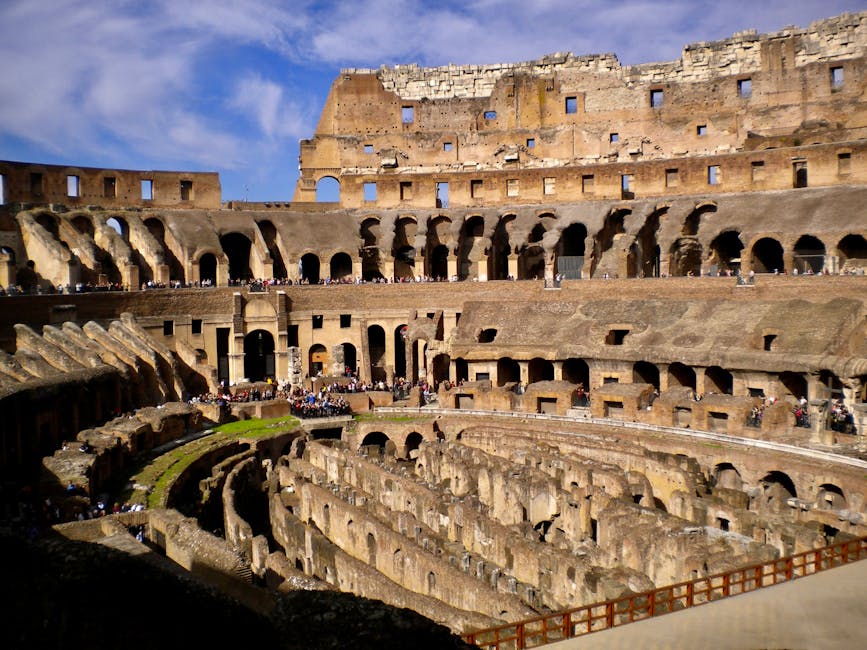
The Hypogeum is climate-buffered, so the time of day matters less down there than it does for the upper tiers. But the upper-tier and Forum portions of any tour will eat you alive at midday. The light is bad for photos, the heat in summer is exhausting, and the crowds are at their thickest from 11am to 2pm.
My honest recommendation: book the earliest morning slot you can find. Most Underground tours start between 8:30am and 9:30am, putting you in the Hypogeum by 10am before the worst crowds. Late afternoon (3pm onwards in summer) is the fallback if morning’s gone, but you’ll be doing the Forum in the heat.
Avoid the noon slot. It’s the worst of all worlds: peak crowds, peak heat, and your guide spending half their energy on crowd management rather than storytelling.
Days of the week and seasonality
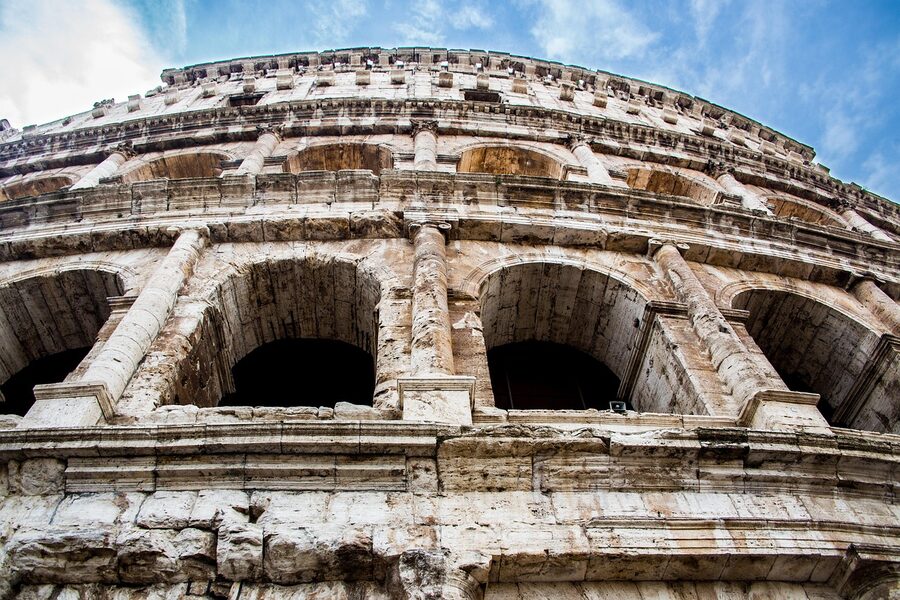
Mondays and Tuesdays are noticeably quieter than weekends in the off-season. The Vatican is closed on Sundays, which pushes the city’s tourist load onto Colosseum-area sites that day, so Sundays are surprisingly busy. If you have flexibility, target a Tuesday in November or a Wednesday in March. That’s when guides relax, give you the longer answers to questions, and the photographs you take don’t have 200 strangers in the background.
July and August are the worst months. November to February are the best. October and April are the sweet spot, decent weather, manageable crowds, full official-ticket inventory most days. If you can shift your trip dates by a fortnight, do it.
Photographing the Underground
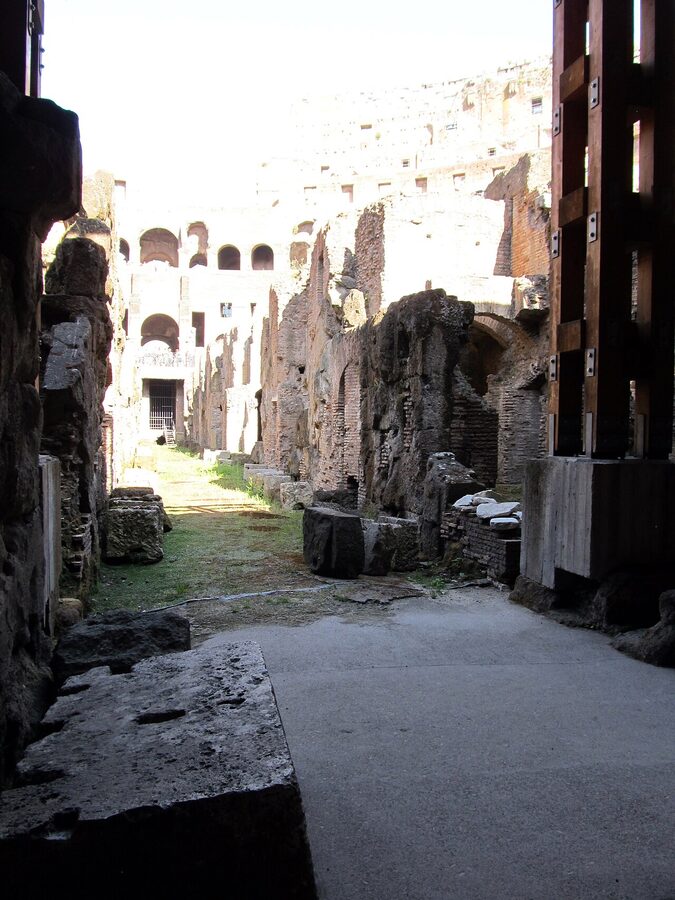
You’re allowed to take photos. You’re not allowed to use tripods or flash. Selfie sticks are technically banned but loosely enforced. The lighting in the tunnels is dim and yellow, designed to evoke torchlight, which means your phone’s auto mode will produce blurry orange smudges unless you stop and brace yourself.
Two specific bits of advice. First, take wider shots than you think. The corridors look claustrophobic in close-up, but they look magnificent at a wider angle. Get the brick vaulting in frame. Second, the most photogenic moments are when groups break briefly between the eastern corridor and the cell row. The guide pauses, and you have maybe 90 seconds with no other tourists in front of you. Use those 90 seconds.
If you’re wandering around Rome with a real camera anyway, our Pantheon guide has more photography notes that apply equally to most of the city’s interiors. The light handling problem is similar.
The history nobody mentions on the tour
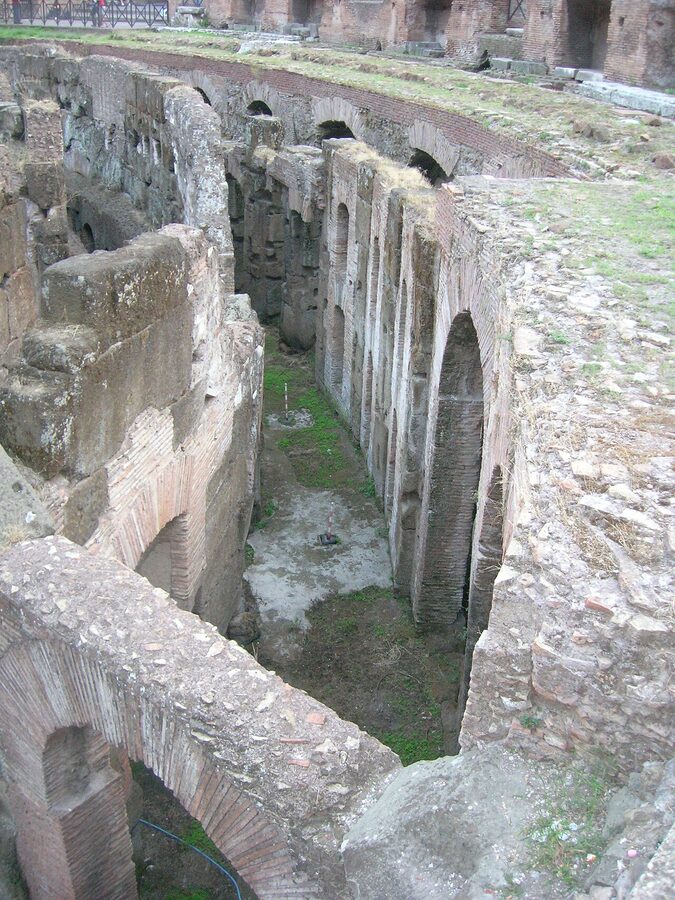
The Colosseum was opened in 80 AD by Emperor Titus, with 100 days of inaugural games. The Hypogeum we walk through today wasn’t built until eight years later, under Domitian. Before that, the floor sat directly on bedrock and the games used different staging mechanics, including water for naval battles. Once the Hypogeum was added, the floor became wooden over the tunnels and the naval battle option was permanently retired. (The plumbing required for flooding the arena couldn’t coexist with the underground machinery.)
The structure stayed in active use for over four centuries. The last documented gladiatorial games were in 435 AD. After that the building became a quarry. Travertine blocks from the Colosseum ended up in St Peter’s Basilica, the Cancelleria palace, and dozens of other Roman buildings. By the medieval period the Hypogeum was filled with rubble. By the 1500s it was a flower meadow.
The first systematic excavation was in the 1810s under Carlo Fea, but most of what you see was uncovered between 1933 and 1939 under Mussolini’s archaeology programme. Mussolini wasn’t trying to be careful about the work, but the speed of the excavation actually preserved a lot of architectural detail that a slower campaign might have lost. It’s an awkward heritage. The Hypogeum is genuinely there because of fascist propaganda spending. The guides will mention this in passing, sometimes.
Why the lift mechanism is a big deal
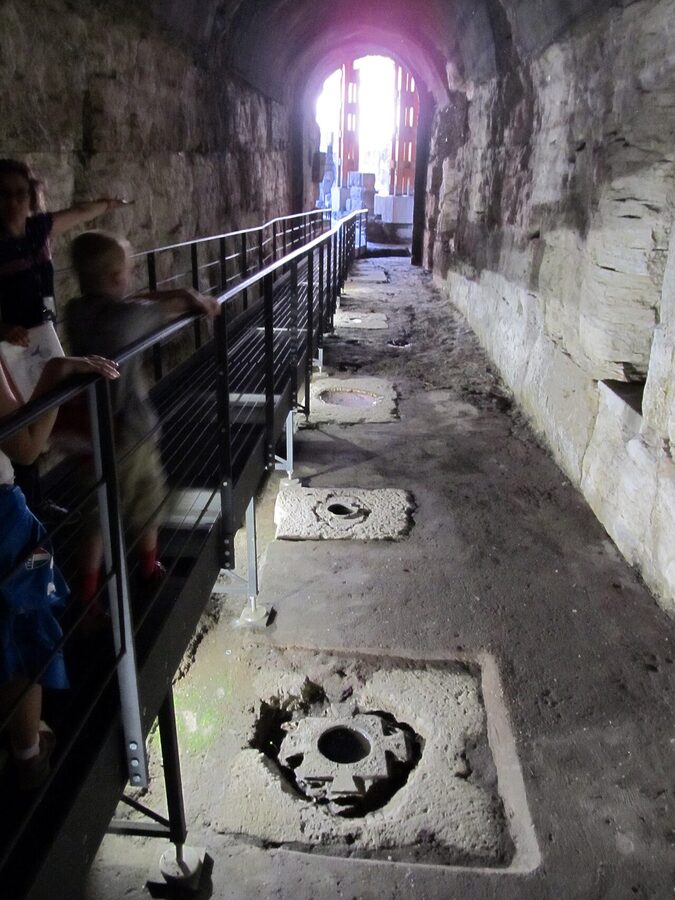
The 28 trap-door lifts in the Hypogeum are the part of the visit that’s hardest to picture from photos. Each one was operated by 8 to 12 slaves working capstans, and could lift around 300 kilos to the arena floor in 20 to 30 seconds. Animals were caged at the bottom, hauled up, and the trapdoor opened directly into the action.
What’s interesting from an engineering standpoint is the redundancy. The lifts were arranged in pairs, so if one jammed during a fight, another could be brought up to the same area. The Romans had been operating large-scale crowd entertainment for over a century by the time they built this, and they’d learned that show stoppages were politically dangerous. The architecture reflects that.
You’ll see the channels in the floor where the counterweights ran. Most are eroded, but a few sections still have the iron ring fittings visible. Ask your guide to point them out specifically. Most rushed tours skip this detail.
Combining Underground with the rest of Rome
Most Underground tours include Roman Forum and Palatine Hill afterwards. The combined ticket is valid for 24 hours from your Colosseum slot, so you don’t have to do them on the same day. I’d recommend you don’t. Three hours of guided Hypogeum and arena floor is genuinely tiring, and the Forum is best done with energy. Either come back the next morning, or do the Forum on the same afternoon only if you’ve started early.
For the Vatican side of the trip, our Vatican Museums and Sistine Chapel guide has the equivalent ticket-strategy breakdown. The Vatican operates on a different booking system entirely, so don’t assume Colosseum strategies translate. They mostly don’t.
If you’ve got time for one more major site, St Peter’s Basilica is the obvious add-on, free entry but with a serious queue management situation. The Pantheon is closer, smaller, and often the best 45-minute palate cleanser between the Colosseum and dinner.
Day-trip option: pairing with Pompeii
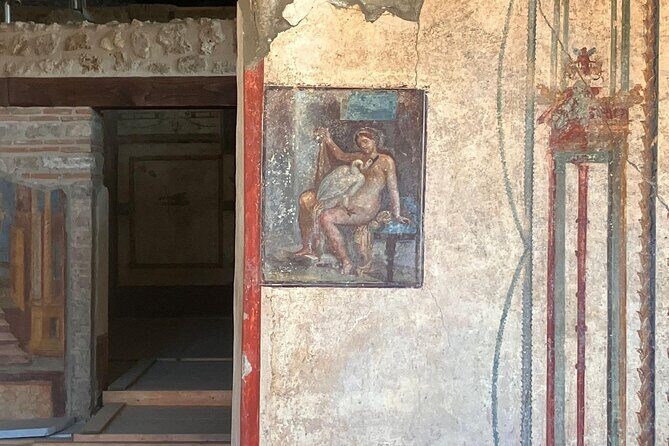
If you’ve come to Rome for the Roman Empire specifically, Pompeii is the natural sequel. The Pompeii archaeologist-guided tour is the most-booked Pompeii option for a reason: an actual archaeologist as your guide for the day trip is what justifies the early start. Same archaeology, different scale, totally different feel from the Colosseum.
I’d put a buffer day between Colosseum Underground and Pompeii if you can. Both are intense in different ways. Doing them back-to-back means you process neither. Better to space them with a Trastevere walking day in between.
Getting around the Colosseum area
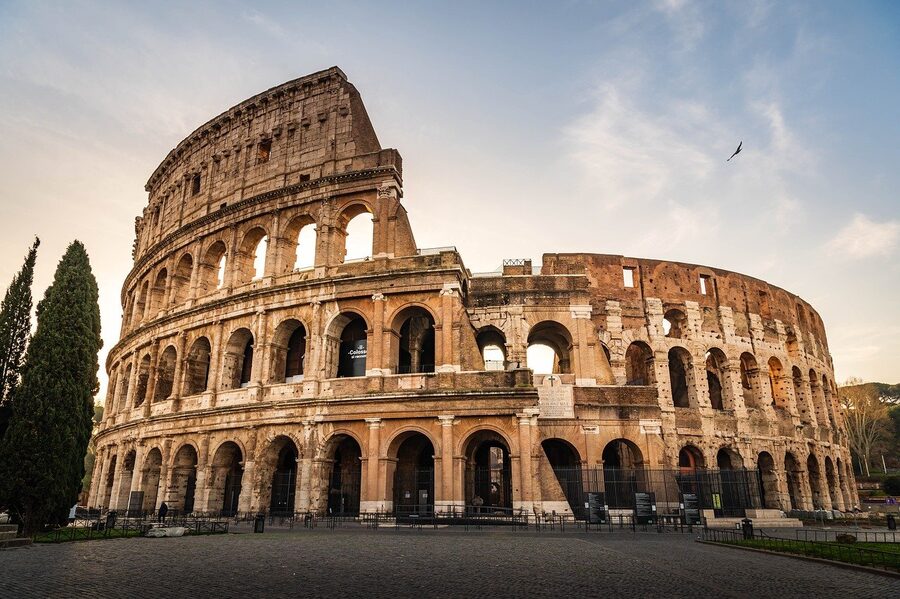
The Colosseo metro stop (Line B) drops you 200 metres from the main entrance. Walk uphill from the metro exit and the building announces itself. Most Underground tours meet at one of three points: the Sperone Valadier gate, the Arch of Constantine area, or 58 Piazza del Colosseo. Confirm in your booking confirmation email and screenshot it. Phone signal can be patchy near the building.
If you’re staying near Termini and want a sightseeing rundown of the area, the Rome 3-circuit hop-on hop-off bus stops near the Colosseum every 15 minutes and is the easiest way to combine Colosseum, Vatican, and Trastevere on a tight day. Not the most authentic Rome experience but functional. The Roma Pass is the alternative if you’re staying long enough to need transport plus museum entries, but read the small print: Roma Pass does NOT cover Underground or Arena Floor tickets, only the basic Colosseum entry, which you don’t really want anyway.
Walking from the Colosseum to the Pantheon is about 25 minutes through the Forum exit and across via dei Fori Imperiali. Doable, scenic, and a good way to wind down after a guided tour.
Where to eat near the Colosseum
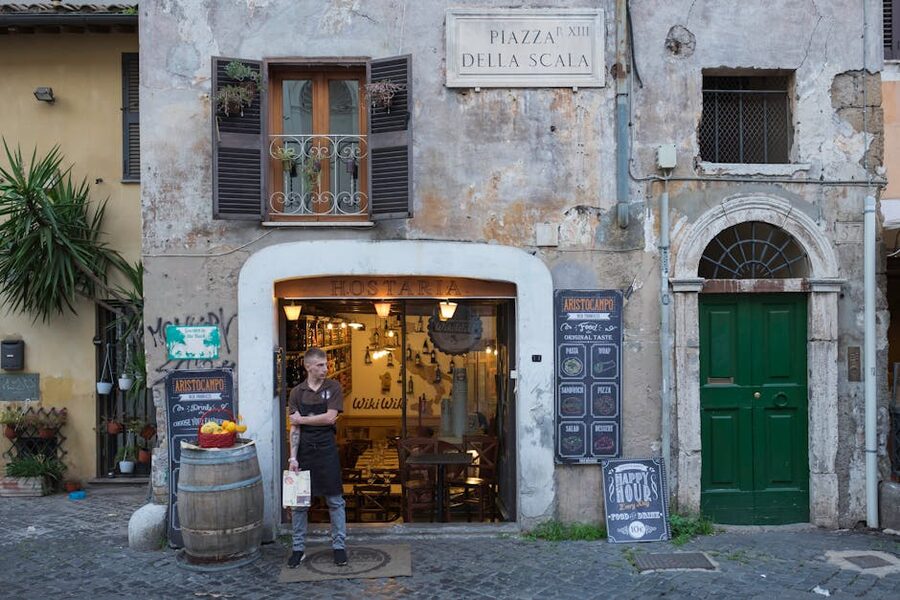
The restaurants directly facing the Colosseum are tourist traps with two exceptions. Trattoria Luzzi (via San Giovanni in Laterano) is a five-minute walk south and has been there for decades, real Roman pasta, no English menu, expect a wait. Pasqualino al Colosseo is the other survivor, slightly closer in but also still serving recognisable food.
For something a bit more substantial after a long tour, Monti is the neighbourhood directly north of the Colosseum, ten minutes on foot. It’s the closest you’ll get to a Roman dinner experience without leaving the Colosseum quarter. If you’re staying for an evening food experience, our coverage of the Twilight Trastevere food tour covers the cross-river alternative if you’ve got energy left.
Common questions I get asked about Colosseum Underground
Is Underground accessible for wheelchairs or limited mobility? Mostly no. The descent is via wooden steps with a partial handrail. There’s no lift access for visitors. The official park does run a small number of accessibility-adjusted Hypogeum tours per month with advance booking, but they’re heavily restricted. Ring the park’s visitor services directly if mobility is a concern.
Can children go underground? Most operators allow children from age 5 or 6, but practically I’d say 10 or older. The tour is dim, the standing time is long, and the historical narration assumes a certain attention span. My nephew at 8 was bored. My niece at 12 loved it.
Is the Underground worth it over the Arena Floor alone? Honestly, it’s a marginal call. The Arena Floor at €15 over a basic ticket gives you the iconic photo and the gladiator-stood-here moment. The Underground at €100+ over a basic ticket gives you something fewer people see, but the experience is shorter and less Instagram-friendly. If budget is tight, do the Arena Floor and use the saved money on a serious Forum guide. If you’ve come to Rome specifically for ancient history, do the Underground.
What if I show up without a ticket? Same-day Underground tickets are essentially impossible in season. Same-day Arena Floor is hard but possible at the door if you queue from 8am. Same-day basic Colosseum is fine if you queue. The walk-up booth at the Sperone Valadier gate sometimes has cancellations released around noon, but I’ve never personally got one.
Can I rebook if my flight gets delayed? Official tickets are non-refundable and non-transferable in date. Most third-party Underground tours offer 24-hour cancellation, after which you forfeit. Read the small print before you book if you’re flying in same-day.
The €4 booking fee on the official site
The Parco’s website adds a €2 booking fee per ticket. So your €24 Underground+Arena ticket actually costs €26. Two tickets are €52, four are €104. Not a huge issue but worth noting on your budget.
Third-party tours bake their booking fees into the headline price, so what you see is what you pay. Comparing official €26 (true cost) against third-party €80 (true cost) makes the gap a bit smaller than the €24 versus €80 first impression.
Should you actually do the Underground at all?
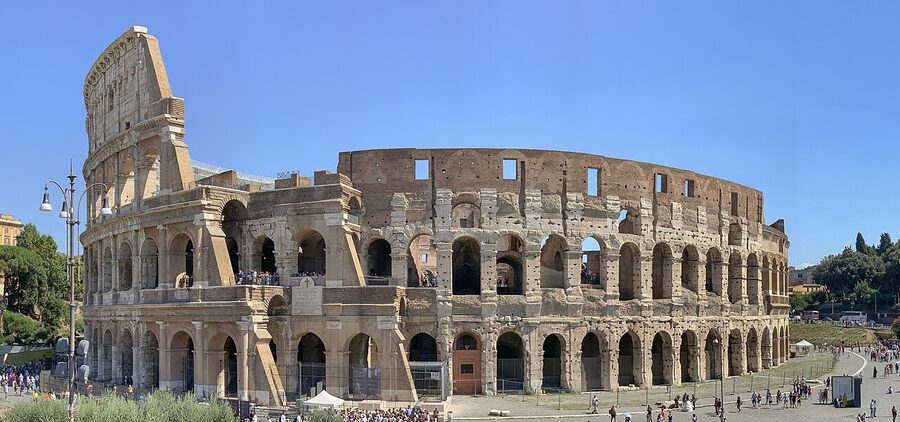
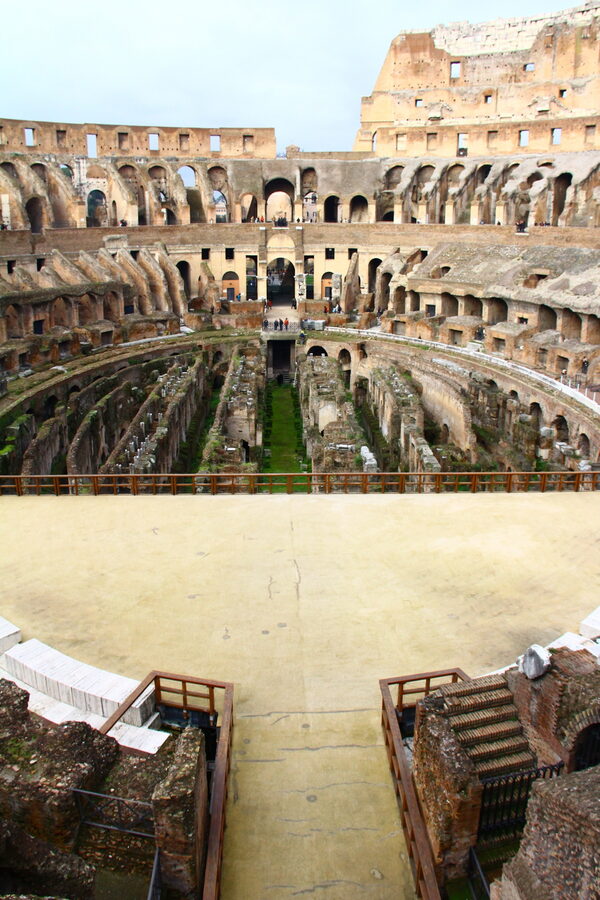
I’ve been asked this enough times to have a clear position. If you’re in Rome for three days or more, and Roman Empire history is genuinely interesting to you, do the Underground. The view from inside the Hypogeum is different from any vantage point on the upper tiers. You’ll remember it.
If you’re in Rome for two days, doing six other major sites, and “we did the Hypogeum” would be a tick-box, skip it. Take the Arena Floor upgrade for €15, save the €100 for a proper dinner in Monti, and tell people you saw the underground from above. Which you did.
The wrong answer is to book the Underground because everyone says you should and then rush it. A 12-minute walk-through with a tired guide isn’t worth €120. A 30-minute proper Hypogeum tour with a good guide is worth €160. Pick the operator carefully.
One more if you’re still deciding
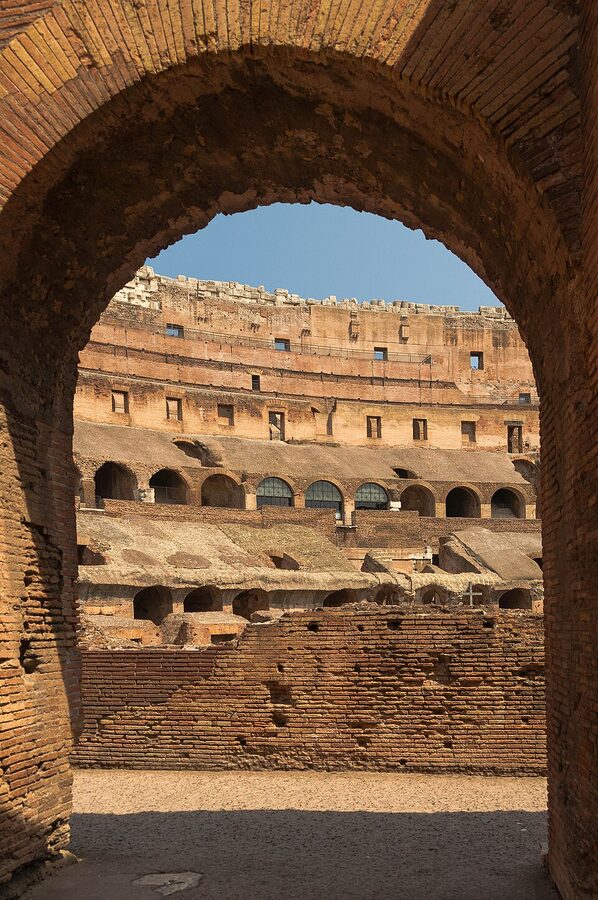
The Gladiator’s Gate variant deserves a separate mention. Some operators run a tour where your meeting point is literally Gladiator’s Gate, the original entry corridor where the actual fighters walked into the arena. You don’t go underground proper, but you do walk through the entry corridor most tours never reach. It’s a third the price of Underground, and the emotional payoff is genuinely close. Worth considering as a middle option if Hypogeum prices feel steep.
What to read next
If you’re planning the rest of Rome, the obvious next reads are our Colosseum and Forum guide for the broader ticket strategy, and the Vatican Museums guide if you’re tackling that beast. The Pantheon walk-up logistics in our Pantheon piece save more time than people expect, and Castel Sant’Angelo is the underrated half-day add-on for anyone with a soft spot for fortresses with a view.