
“Digital art museum” is a flat, slightly suspicious phrase. It sells the experience short. What actually happens inside teamLab Planets is closer to walking through a dream you can’t quite wake from — rooms where you wade knee-deep through water that responds to your movement, spaces where the entire floor, ceiling, and walls dissolve into moving images, mirrored halls so thoroughly reflective that you genuinely can’t tell how large the room you’re in actually is. Most visitors leave saying some variation of “I wasn’t expecting that.” Most don’t quite know how to describe it when they try later.
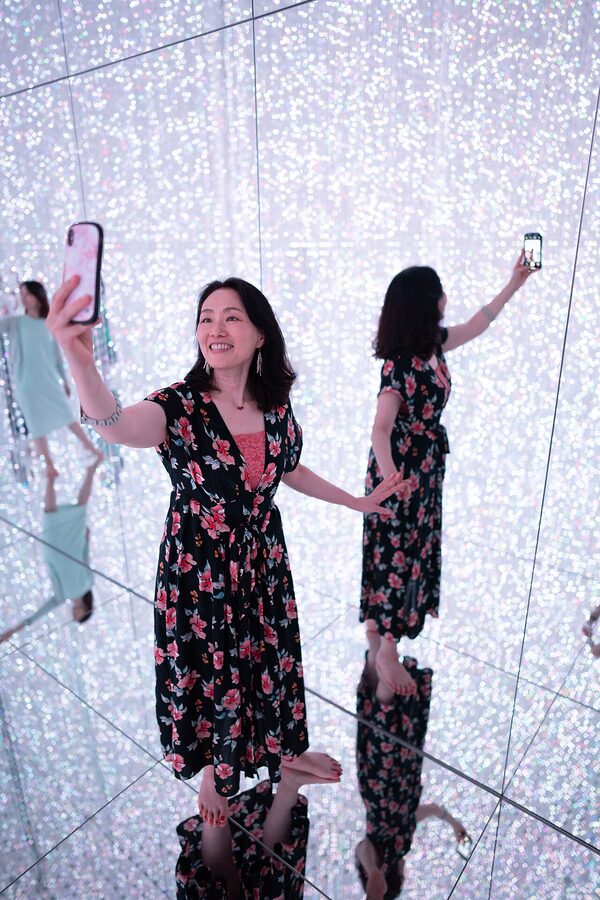
The company behind it — teamLab — is a Tokyo-based art collective of programmers, mathematicians, architects, CGI animators, and engineers who treat immersive digital installation as a medium in its own right. They’ve been producing this work since 2001 but became a travel phenomenon in 2018, when their first permanent museum in Odaiba (Borderless) opened and generated the kind of Instagram footage that turns word-of-mouth into a stampede. Planets, which opened the same year in Toyosu, became the more-booked of the two almost immediately — the layout is tighter, the duration more predictable, and the best single rooms are inside Planets rather than Borderless. Both operations have since expanded: Borderless reopened in a new Azabudai Hills location in 2024, and Osaka gained its own outdoor teamLab (the Botanical Garden version) in 2022. Three bookable options, meaningfully different experiences each.
Short on time? Here are my top picks:
The one to book first: Tokyo: teamLab Planets TOKYO Digital Art Museum Entry Ticket — $25, the most-booked teamLab in Japan. Indoor immersive with the water room.
Best if you’re in Osaka: Osaka: teamLab Botanical Garden Entry Ticket — $11, the outdoor evening-only version in Osaka’s botanical garden.
The newest Tokyo option: Tokyo: teamLab Borderless Museum Admission — $24, the reimagined Borderless that reopened at Azabudai Hills in 2024. Wandering, non-linear format.
- What Actually Happens Inside
- The 3 Best teamLab Tickets
- 1. Tokyo: teamLab Planets TOKYO Digital Art Museum Entry Ticket —
- 2. Osaka: teamLab Botanical Garden Entry Ticket —
- 3. Tokyo: Teamlab Borderless Museum Admission Ticket —
- The Individual Rooms — What to Watch For
- Borderless — Why the New Location Changes Things
- The Toyosu Location — What’s Around Planets
- What to Wear and Bring
- Timing — Best Slots
- Children, Photographers, and Everyone Else
- Planets vs Borderless vs Osaka — The Real Decision
- More Tokyo Experiences
What Actually Happens Inside

A Planets visit takes roughly 90 minutes. You arrive, scan your phone ticket, and are handed a small plastic bag — you’ll need it for your shoes, because the installation is walked barefoot. (This is non-negotiable and explains why short skirts are also discouraged; the water level in one room reaches mid-calf.) The tour has a strict forward-only flow: once you enter a room, you cross through to the next one, and there’s no backtracking. You move at your own pace, but you can’t re-enter anything you’ve left. For some visitors that’s restrictive; for most it gives the experience a narrative feel that wandering aimlessly would lose.
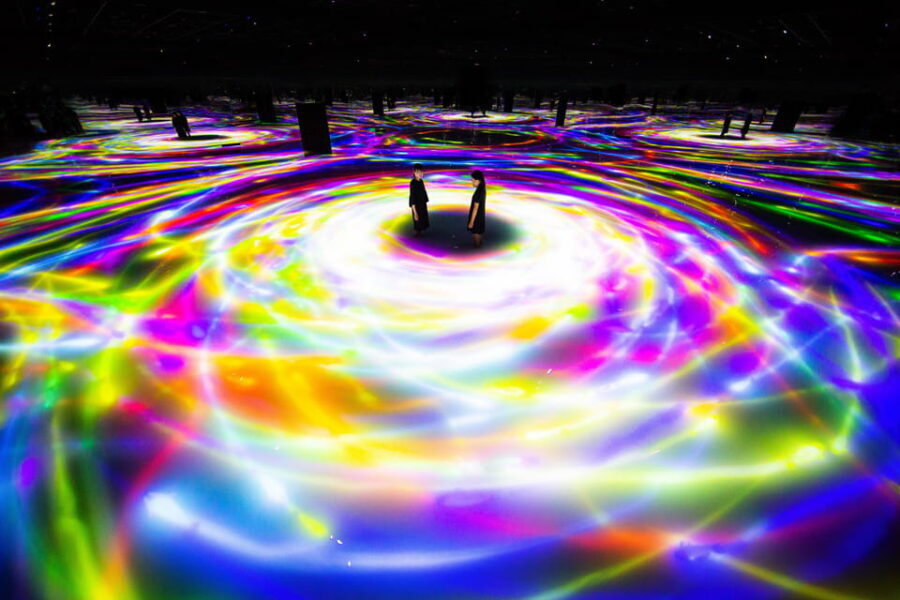
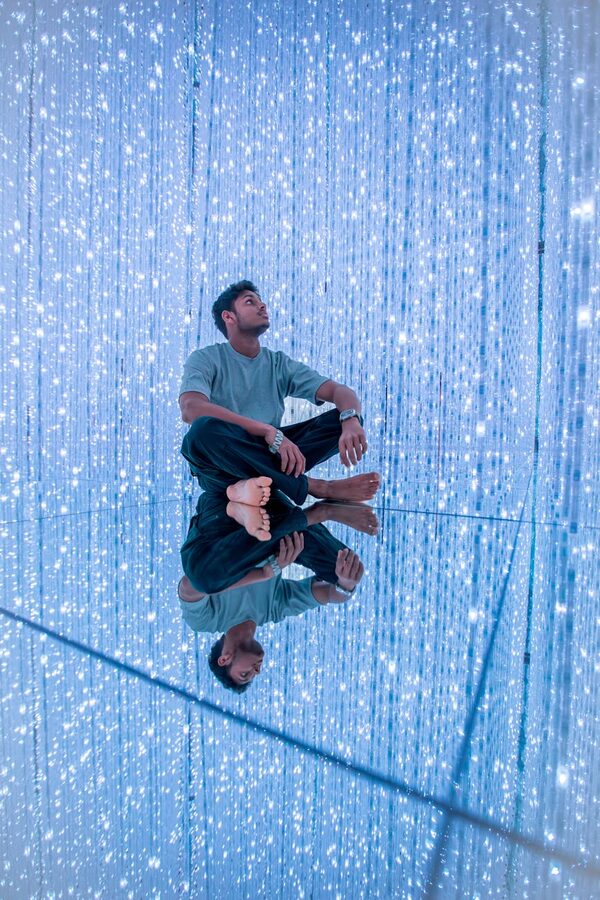
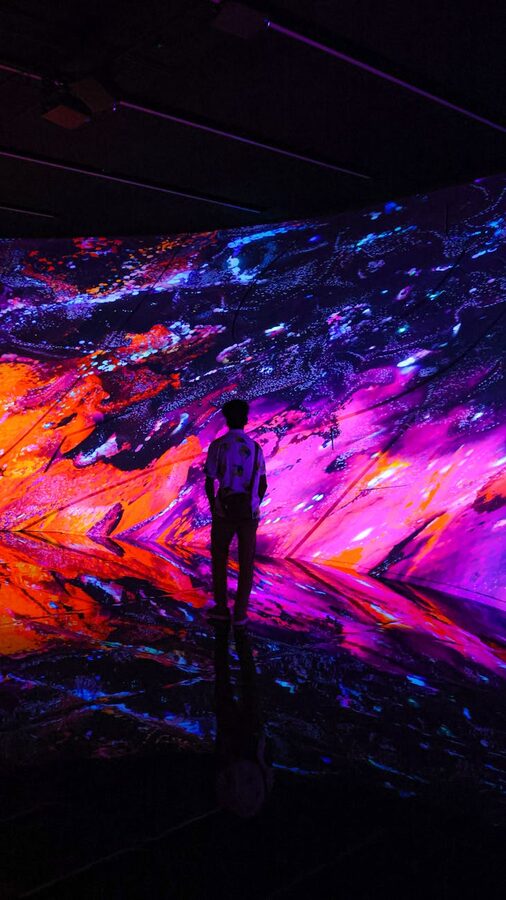
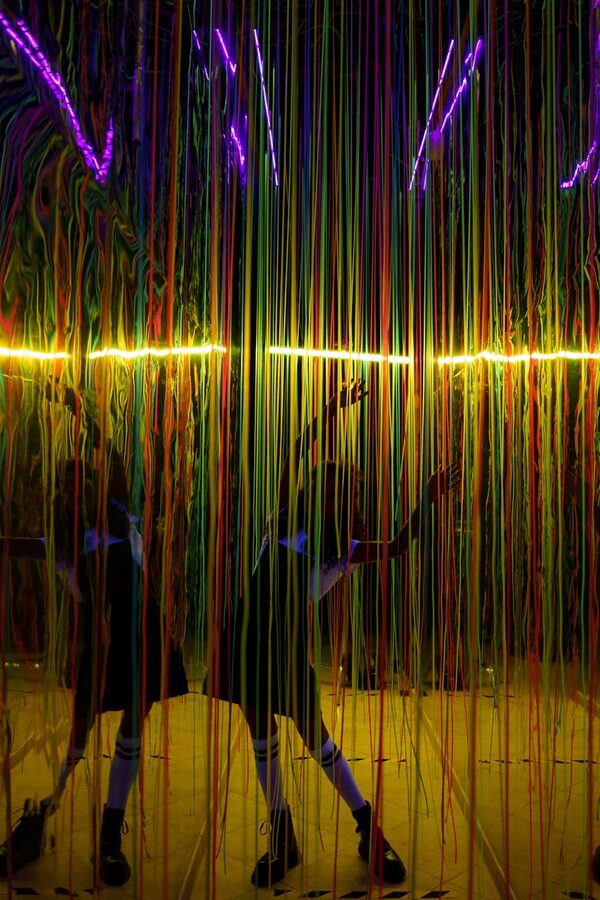
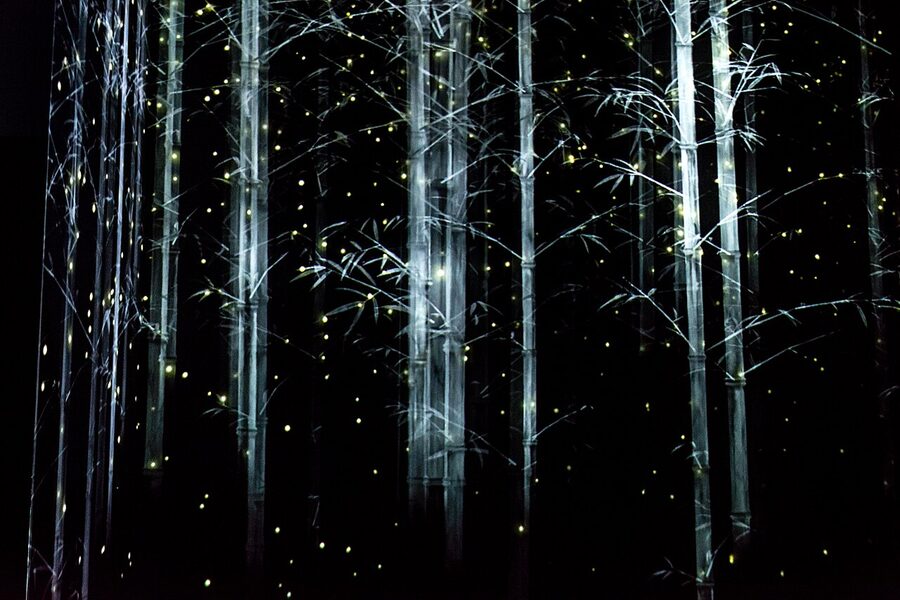
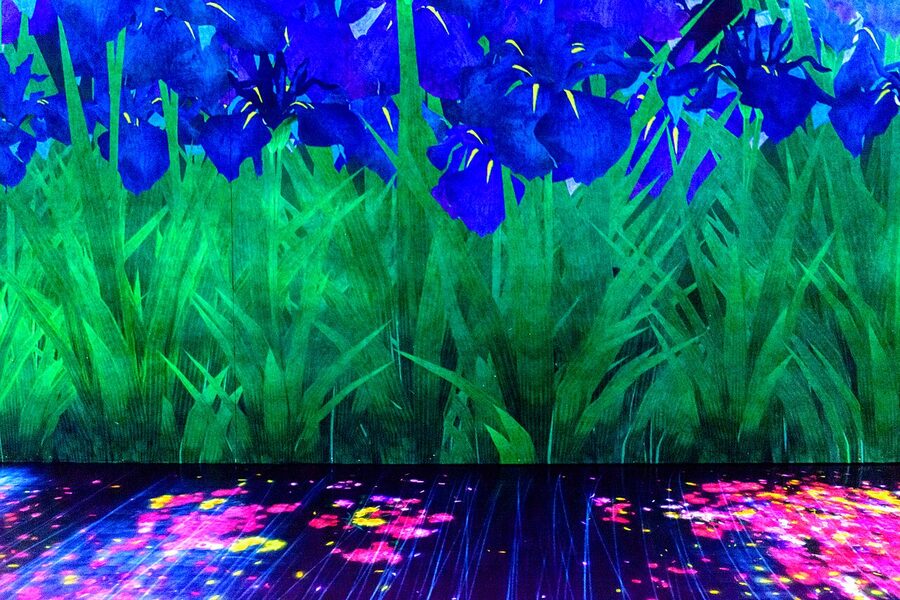
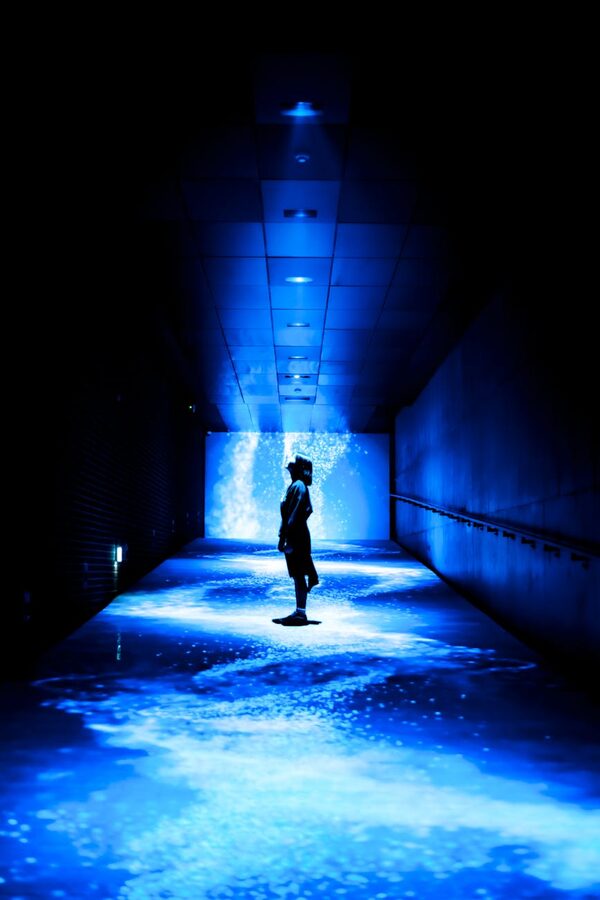
The rooms vary in size, texture, and sensory register. One is knee-deep in water with projected koi; another is a mirrored infinity chamber studded with suspended LED crystals; another is a soft undulating floor of inflated silicon bulbs that makes walking feel like stepping across moss. Several have ambient music keyed to the visuals. The garden section at the end is outdoors and works differently — you move through hanging orchid blossoms and onto a giant transparent sphere floor that lights up under your feet. Every room photographs beautifully, which is why the building is a social-media export machine, but the in-person experience is emphatically not just a photo op. Put the phone down for at least three of the rooms. You’ll leave with better memories.
The 3 Best teamLab Tickets
1. Tokyo: teamLab Planets TOKYO Digital Art Museum Entry Ticket — $25
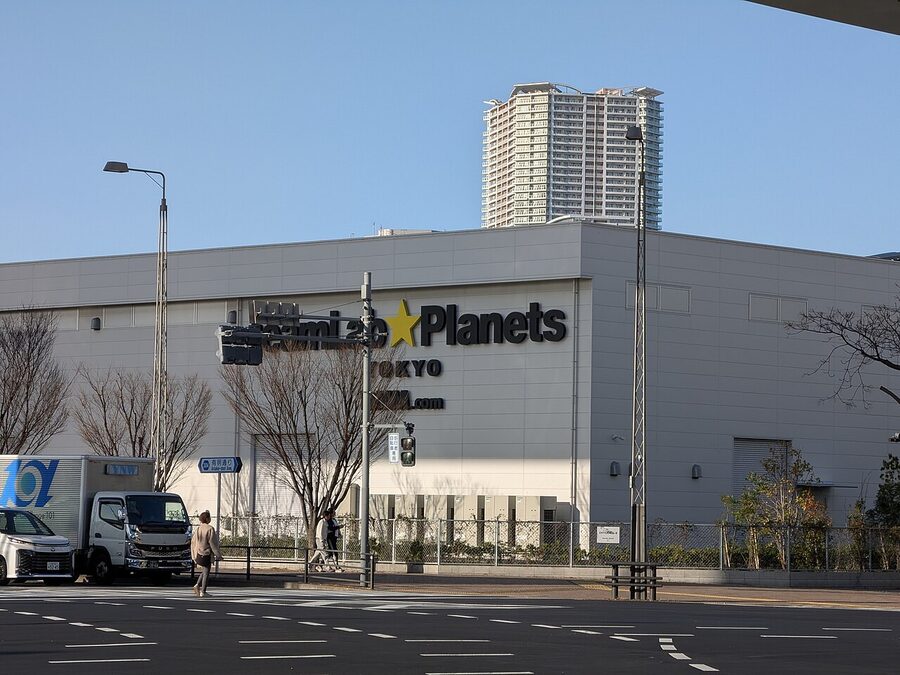
This is the one. teamLab Planets sits in Toyosu — south-east Tokyo, a 25-minute ride from Shinjuku or Tokyo Station on the Yurikamome elevated train — and handles about 4,000 visitors per day. The $25 entry covers the entire linear circuit through the permanent installations. There are no optional extras; everything is included. Book your time slot in advance (they sell half-hour windows; the first slot each morning at 9 am is usually the quietest), arrive 10 minutes early, and give yourself 90 minutes for the full circuit. Avoid Saturdays if you can — weekends run the longest queues even for pre-booked tickets. The experience is all-weather since everything’s indoors, which matters during Tokyo’s humid summer or rainy season. Our full review covers the specific room-by-room breakdown.
2. Osaka: teamLab Botanical Garden Entry Ticket — $11
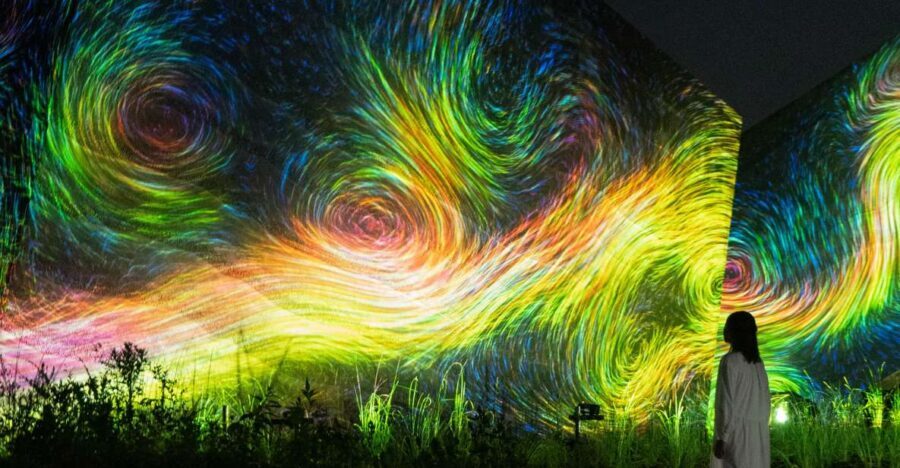
If Planets is about indoor immersion, the Osaka Botanical Garden is about the outdoors at night. teamLab took over a corner of the Osaka Nagai Botanical Garden in 2022 and installed permanent projection art through the existing trees, shrubs, and pond. You walk through on a marked path at dusk, and over the course of 60-90 minutes you pass through ten or so installations — lit-up cherry groves, colour-shifting water gardens, a forest of illuminated “eggs” that respond to touch. The $11 price is actually remarkable for the amount of art you see. Operates sunset-to-9pm only; weather-dependent (heavy rain can close it). Book for an Osaka evening if you’re passing through the city. Our review covers the walking circuit in detail.
3. Tokyo: Teamlab Borderless Museum Admission Ticket — $24
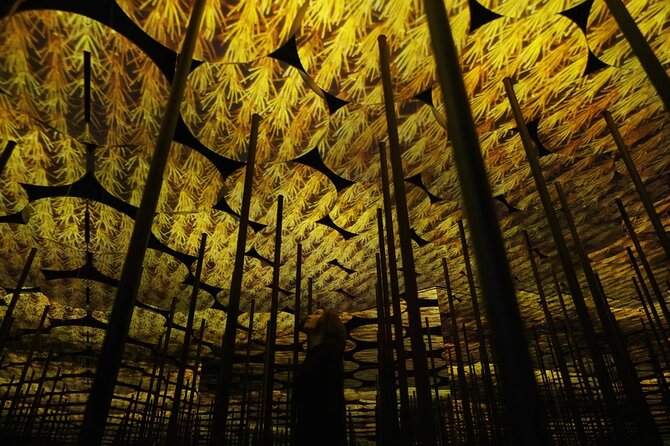
teamLab Borderless originally opened in Odaiba in 2018 and closed in 2022; the operators rebuilt it at the new Azabudai Hills complex in central Tokyo, reopening in February 2024. The defining format difference from Planets: there’s no linear path. You wander through the installations at your own pace, and the art pieces themselves move — literal digital works that travel between rooms as you move, creating an unrepeatable experience because you never see the same combination twice. Some visitors prefer this open format; others find the linearity of Planets more satisfying. A longer total visit is typical here — 2-3 hours versus Planets’ 90 minutes. If you’re seeing both in one trip, book Planets first (the structured introduction) and Borderless second (the free-form deep dive). Our review compares the two Tokyo formats.
The Individual Rooms — What to Watch For

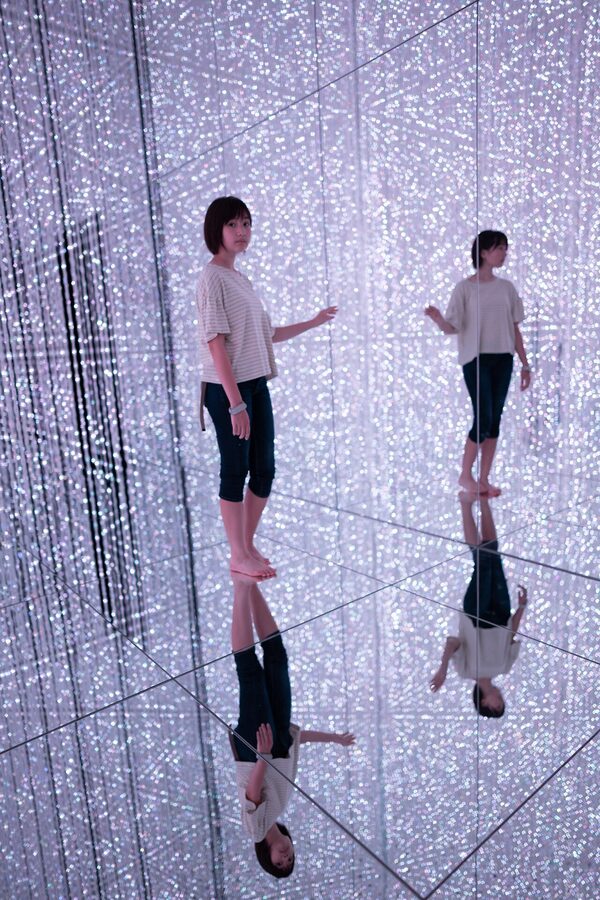
The permanent Planets installations have names, and knowing them helps you navigate expectations. The Infinite Crystal Universe is the LED-hung mirrored room — the one everyone photographs. Drawing on the Water Surface Created by the Dance of Koi and People is the knee-deep water room with projected koi; the koi respond to where you stand. Soft Black Hole is a soft-floor installation where your movement sinks into a beanbag-like surface that deforms under your feet. Floating in the Falling Universe of Flowers is a domed room where projected flower imagery swirls across ceiling and floor simultaneously — the room that most visitors linger longest in.
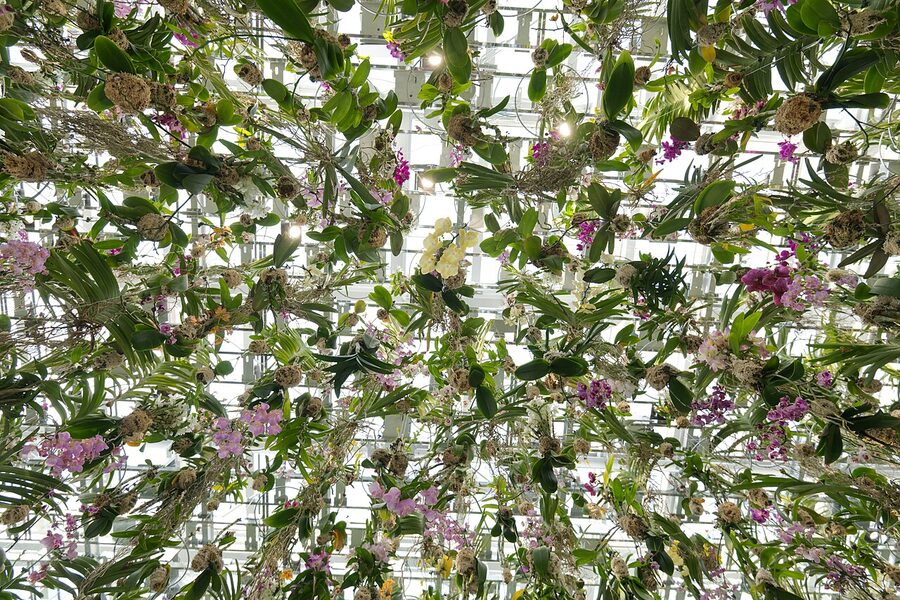
The garden section at the end has its own permanent installations: Floating Flower Garden is a hanging orchid installation where the blossoms rise and part as you walk beneath them; Expanding Three-Dimensional Existence in Transforming Space is the giant sphere room where the transparent floor illuminates under your steps. The garden is the part most visitors rush through because they know they’ve seen the headline interior rooms; it rewards slower pacing, and the orchid room specifically is one of Planets’ quieter highlights.
Borderless — Why the New Location Changes Things
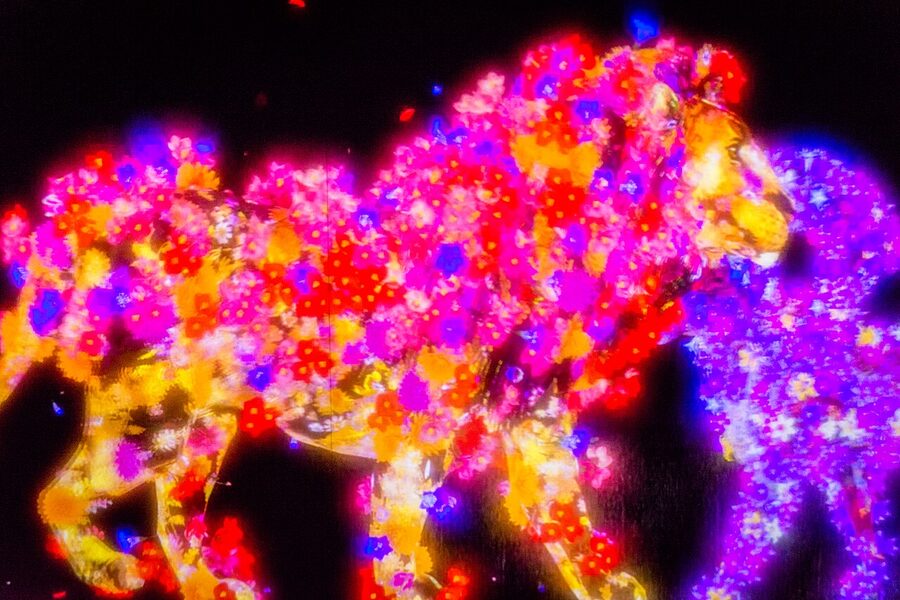
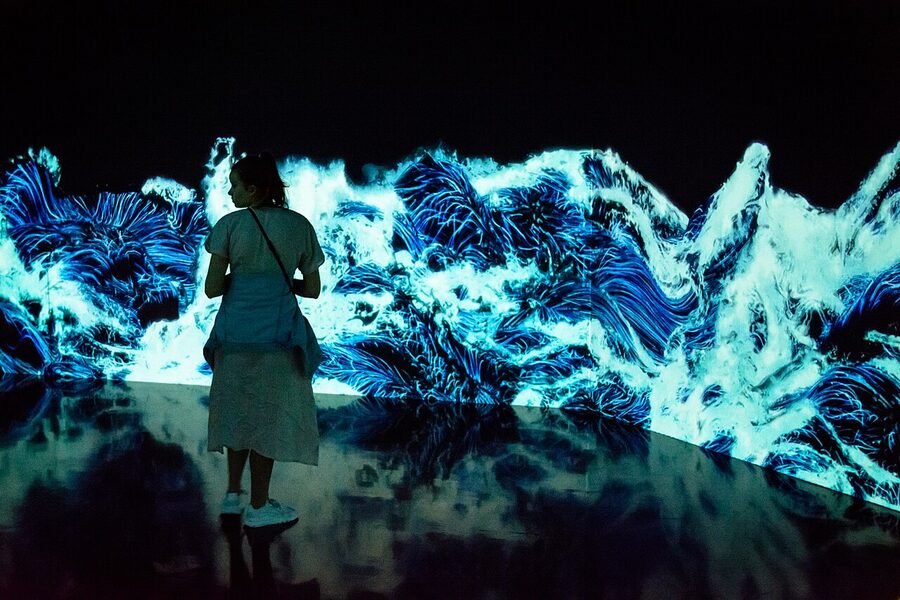
The new Borderless at Azabudai Hills is genuinely different from Planets. The core concept — “borderless” — is that there are no defined rooms. The art pieces are digital and they move through the space; a flock of projected butterflies might wander out of one area, travel along a corridor, and settle in another room where other visitors will encounter them minutes later. You cannot plan a route because the art itself is migrating. Visits typically run longer (2-3 hours) and are more variable (what you see depends on when your butterflies arrive). Some people emerge wanting to see Planets next because of the more structured walk-through format; others never warm up to that and consider Borderless the better experience for its freedom.
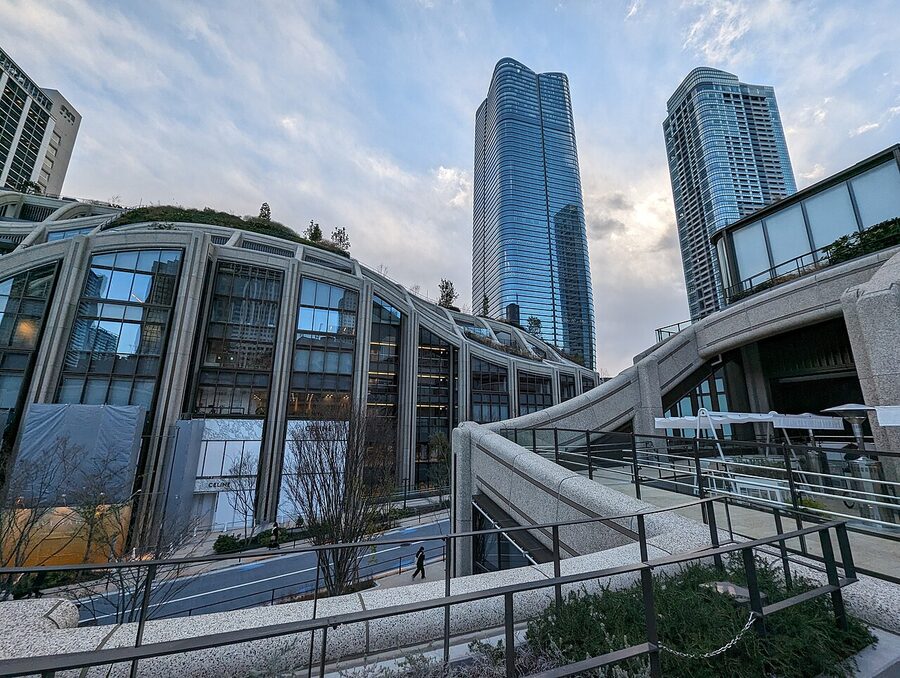
The new Azabudai Hills location is more central than the old Odaiba site — three subway stops from Tokyo Station on the Hibiya line — which makes it easier to fit into a general Tokyo itinerary. Azabudai Hills itself opened in late 2023 and has become a destination in its own right: three towers including Japan’s tallest residential building, multiple art spaces, restaurants, and a shopping complex. The Borderless ticket doesn’t include access to the rest of the Hills development, but the complex is worth a wander before or after.
The Toyosu Location — What’s Around Planets
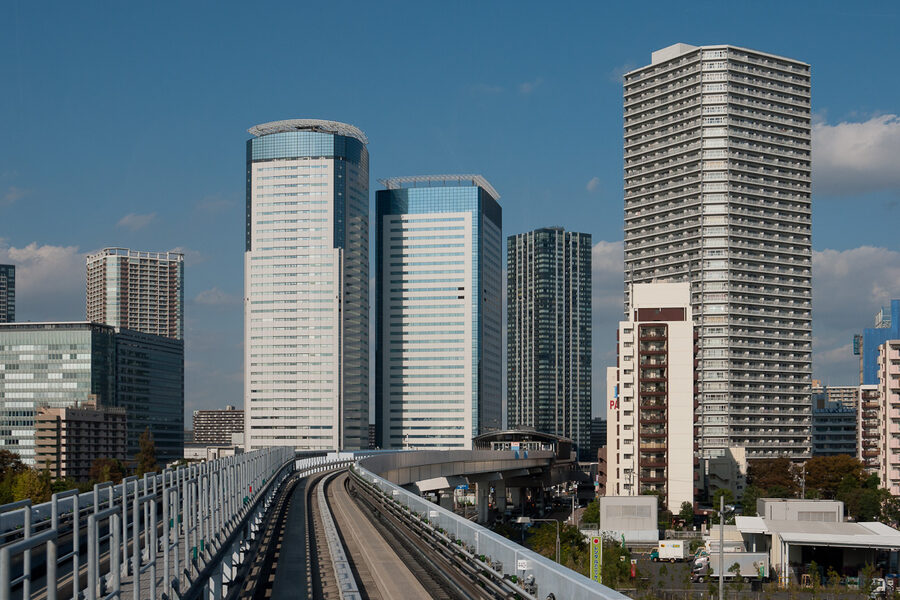
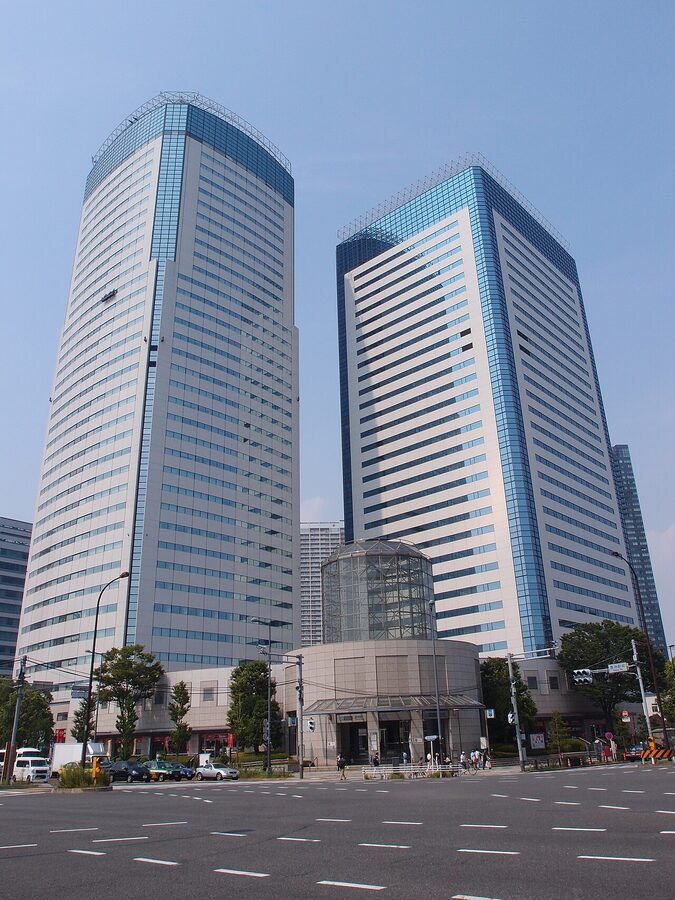
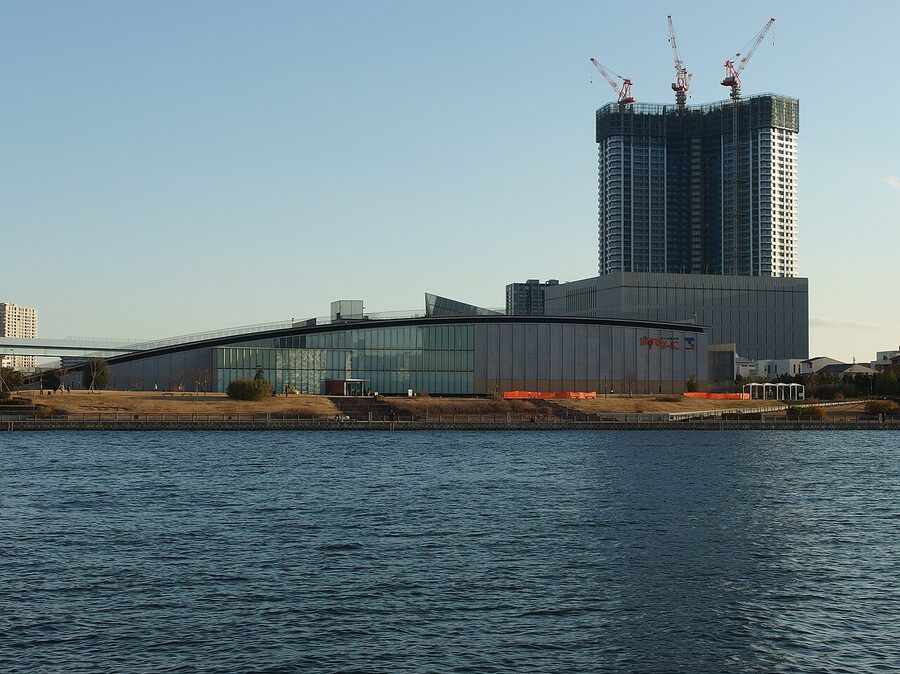
Toyosu is not a visitor-focused neighbourhood. It’s a waterfront zone of offices, apartment towers, and wholesale markets — quiet on weekends, hushed on weekdays between office-commute hours. Planets sits inside this somewhat anonymous urban context, which is part of its appeal: the juxtaposition between the ordinary exterior and the ecstatic interior is stark.
The most useful companion to a Planets visit is the Toyosu Fish Market, which sells — and lets you eat — the tuna, urchin, and scallop auctioned earlier that morning. The market is open from roughly 5 am to 1 pm on most weekdays (check the monthly calendar for closures) and sits within walking distance. A Planets-morning Toyosu day makes sense: fish market breakfast at 6 am, cafe break, 9 am Planets entry, back to your hotel by noon.
Beyond the fish market, Toyosu has limited other visitor attractions. Kachidoki, one stop west on the Yurikamome, is a quieter neighbourhood worth walking through. Odaiba, three stops further, has the larger tourism infrastructure (Rainbow Bridge, Gundam statue, shopping centres). Most Planets visitors either combine it with the fish market (morning itinerary) or treat it as a standalone 2-hour stop in between other Tokyo plans.
What to Wear and Bring
The most important preparation note: the Planets water installation requires you to roll up trousers to the knee. Loose trousers work; skinny jeans that won’t roll easily will be awkward. Shorts or a dress with a skirt that reaches the knee is ideal. If you’re wearing a skirt shorter than mid-thigh, the museum provides a wrap-around at the entrance (no charge), but it’s easier to dress appropriately in the first place.
Socks are provided if you don’t wear them; barefoot entry through the water room is standard. Leave bulky items (jackets, shopping bags) in the lockers at the entrance; you can’t carry large bags through the installation. A small phone-only bag is the right size.
Photography is allowed everywhere except a few specifically marked installations. Tripods are prohibited. Flash photography is strongly discouraged because the flash washes out the projections for other visitors. Most of the installations work well with a basic phone camera on its low-light setting; use a small aperture if you’re shooting with a proper camera.
The venues are disability-accessible in most areas, with wheelchair ramps and accommodations, but a few of the installations (the water room, the soft silicon-bulb room) are not suitable for wheelchair users. The venue will clarify routes on booking if you note accessibility needs.
Timing — Best Slots
The first time slot each day is dramatically quieter than any other. For Planets, that means booking the 9 am or 9:30 am entry. You’ll have most rooms nearly to yourself, the photographs will be cleaner (fewer other visitors in frame), and the water room will be at its most contemplative. Afternoon slots run 2-3x the crowd density.
If mornings don’t work, the last two slots of the day (usually 7 pm and 7:30 pm closing day) are the next quietest. The queue for same-day tickets is long; book at least 48 hours ahead for any reasonable slot, 1-2 weeks ahead for peak seasons.
For the Osaka Botanical Garden, the timing logic is different. The installations only operate after sunset, so your “first slot” is whatever sunset brings that week. Earlier in the season (March-April and October-November) sunset is around 6 pm; midsummer, sunset is near 7:30 pm. The first 30 minutes after dark are the quietest; after 8 pm the crowds arrive.
Both Tokyo venues close at odd hours (often 8 pm or 9 pm last entry) and have monthly maintenance days when they don’t open at all. Check the official calendar on the booking page before travelling to the venue.
Children, Photographers, and Everyone Else
The experience scales well across age groups. Children as young as three or four find it completely mesmerising — most rooms are safe for small children with parental supervision, and the water room (ankle to mid-calf depth) is a highlight for kids particularly. Teenagers are often most enthusiastic. Older visitors sometimes find the lack of seating challenging for longer visits, though Planets’ linear format limits the standing time (you’re walking continuously rather than standing in one spot).
Photographers will extract more from the experience by slowing down. The low-light installations reward considered framing over rapid snapshotting; many of the best photographs from Planets show not the maximal brightness of a room but the quiet transition between two states of the imagery. Carry a phone with a decent low-light mode or a mirrorless camera with a fast prime lens.
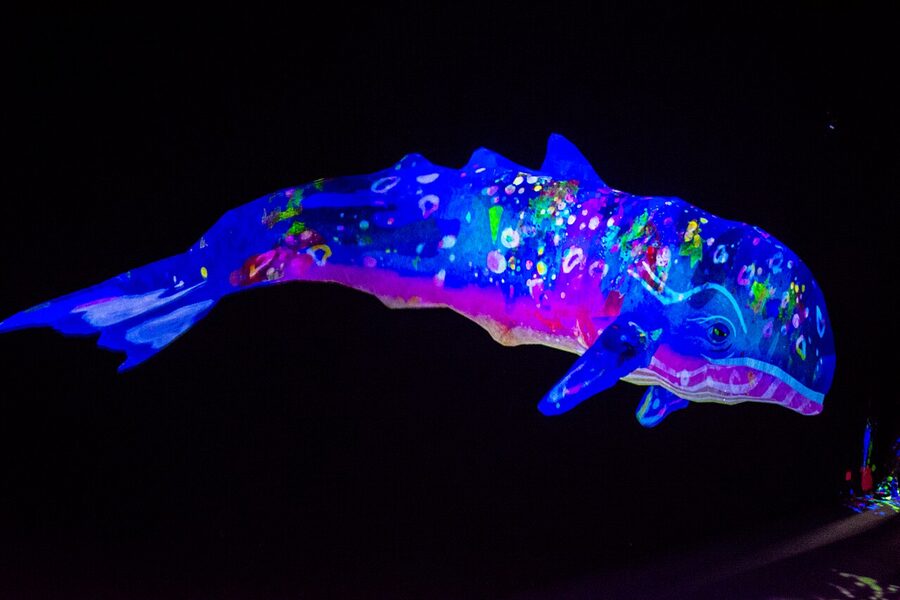
Non-photographers often enjoy the experience most. If you can put down the phone for at least the water room and the flower dome, you get a set of sensations that the photograph couldn’t capture anyway. The work is designed for presence, not documentation.
Planets vs Borderless vs Osaka — The Real Decision
If you can only see one, make it Planets. It has the highest hit rate (the best three rooms are there) and the most reliable pacing (linear flow means you can’t get lost or accidentally skip key installations). The Crystal Universe and water room alone justify the $25.
If you can see two, do Planets on an earlier trip day and Borderless later. The structured introduction of Planets makes Borderless’ more chaotic format easier to navigate; you already know the aesthetic language and can engage with the wandering format more freely.
If you’re in Osaka and not planning to get to Tokyo, the Botanical Garden is the better choice than skipping teamLab entirely. The outdoor version has its own charm — projections through living trees hit differently than projections through architectural rooms — and it’s cheap enough ($11) that it’s almost always worth a ticket.
If you’re in both cities and see all three, that’s also a legitimate choice. They’re different enough experiences that the repetition doesn’t feel redundant — it’s like seeing three different films from the same director.
More Tokyo Experiences
A teamLab visit pairs well with other Tokyo experiences depending on the half-day you’ve set aside. For the Toyosu itinerary we described earlier, the Toyosu Fish Market is the natural morning companion; our Tokyo Tsukiji outer market walking tour covers the market-focused half-day. For evening options, our Tokyo Skytree guide is the city-view counterpart — Planets for the immersive morning, Skytree for the panoramic evening. Tokyo ramen tasting tour and Asakusa Sensoji walking tour cover the food and traditional-culture angles. Tokyo sumo show is the evening contrast — a teamLab morning, a sumo evening is a day of two very different Japanese aesthetics. For day trips, our Mt Fuji + Hakone day trip and Mt Fuji private tours are the natural Fuji options. If you’re continuing to Kyoto, Kyoto tea ceremony and Kyoto Gion geisha walking tour offer the traditional-aesthetic counterpoint to teamLab’s ultra-contemporary register — the contrast between the two makes both more interesting. Tokyo samurai sword and archery class is the other major contemporary-traditional bridge. Many travellers book their teamLab visit on their first or second day in Tokyo — the experience is energetic enough to work as an arrival-energy focal point, and it calibrates your sense of what contemporary Japan looks like at its most playful and technically ambitious.