Here’s something worth knowing before you book: the sumo experiences you can buy tickets for in Tokyo as a visitor are almost never the real tournaments. Those happen six times a year at two venues, and tickets sell out in days. What you’re actually buying — with the tours below — is a demonstration. Former wrestlers, or current ones in their off-season, perform a condensed sumo programme for a small audience: the ring-entry ceremony, a staged bout, explanations of the technique and traditions, and almost always a bowl of chanko nabe (the protein-dense hot pot that sumo wrestlers eat by the litre). No stadium roar, no tournament stakes. Just the ritual, the technique, and the food, explained up close by someone who actually lived it.
That’s not a downgrade. For most visitors it’s actually the better introduction — you get much closer to the wrestlers than a Kokugikan seat allows, and a guide translates everything into context you can hold onto. The real tournaments are spectacular but difficult to read without background. The demonstrations give you that background.
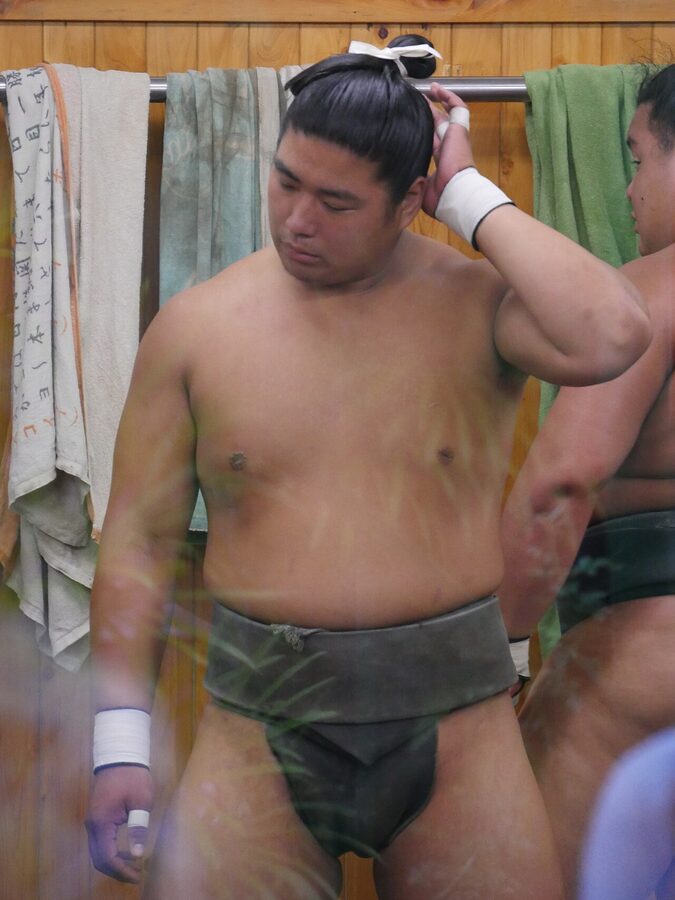
Three tours dominate this category. They differ in city (Tokyo vs Osaka), format (show-only vs show+practice+match), what’s included in the meal, and price. The rest of this guide walks through them.
Short on time? Here are my top picks:
Most complete Tokyo experience: Tokyo: Sumo Show Experience with Chicken Hot Pot and a Photo — $103, the most-booked sumo tour in Japan. Show + chanko nabe + photo with the wrestlers.
Best value Tokyo option: Tokyo: Sumo Show and Dining Experience — $79, shorter format, dining included. Good pick for travellers on a tighter Tokyo schedule.
Best if you’re in Osaka: Osaka Sumo: Show, Ring Training, Rikishi Match + Chanko Nabe — $63, the most extensive programme of the three, in Osaka rather than Tokyo.
- What a Sumo Demonstration Actually Includes
- The 3 Best Sumo Experiences
- 1. Tokyo: Sumo Show Experience with Chicken Hot Pot and a Photo — 3
- 2. Tokyo: Sumo Show and Dining Experience —
- 3. Osaka Sumo: Show, Ring Training, Rikishi Match + Chanko Nabe —
- A Quick History — How Sumo Got Its Shape
- The Rules, In One Minute
- The Food — Why Chanko Nabe
- Ryōgoku — Where Sumo Actually Happens
- Show vs Tournament — Which to Book
- Practical Booking Tips
- More Tokyo Experiences
What a Sumo Demonstration Actually Includes
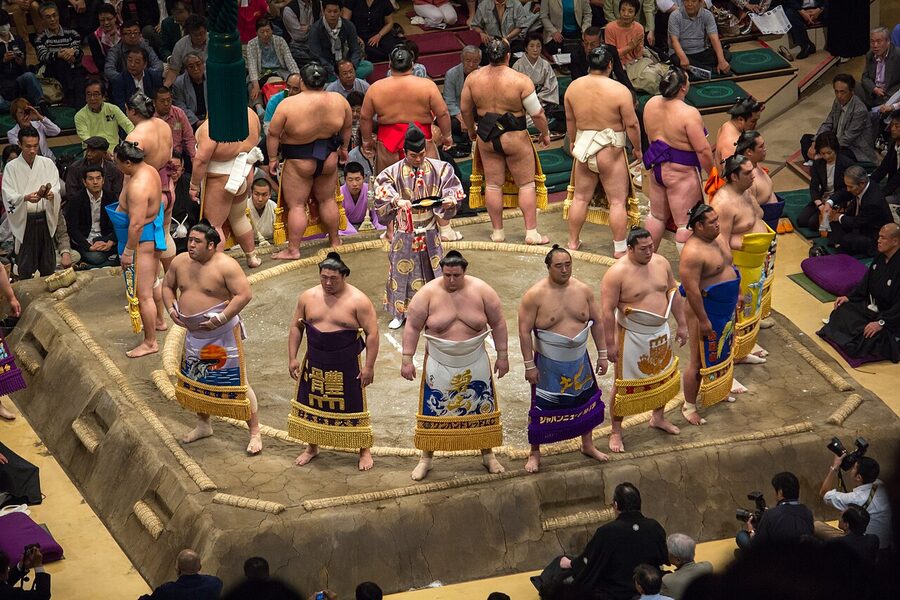
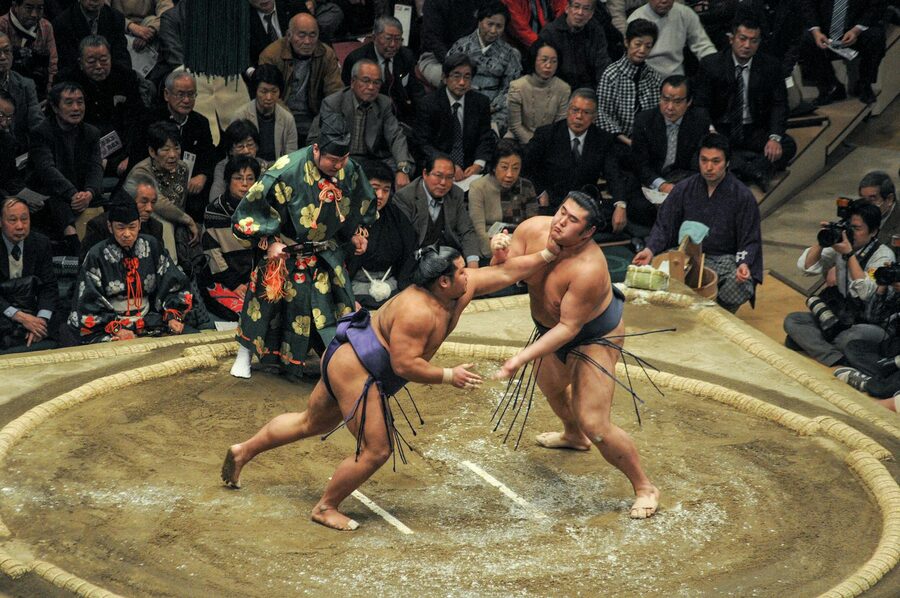
A typical 90-minute demonstration follows a standard arc. The wrestlers enter in full ceremonial dress — embroidered silk aprons worth ten thousand dollars each — and perform the dohyō-iri entrance ceremony. Then they strip to their mawashi belts and cycle through the fundamental training drills: shiko (the thunderous leg stomps you see in every sumo documentary), teppō (the palm-strike drill against a wooden post), and matawari (the near-impossible split that demonstrates their flexibility). A practice bout or two follows, with a guide explaining what just happened — what technique won it, what the referee’s call signalled, why one wrestler slapped his own thighs before charging.
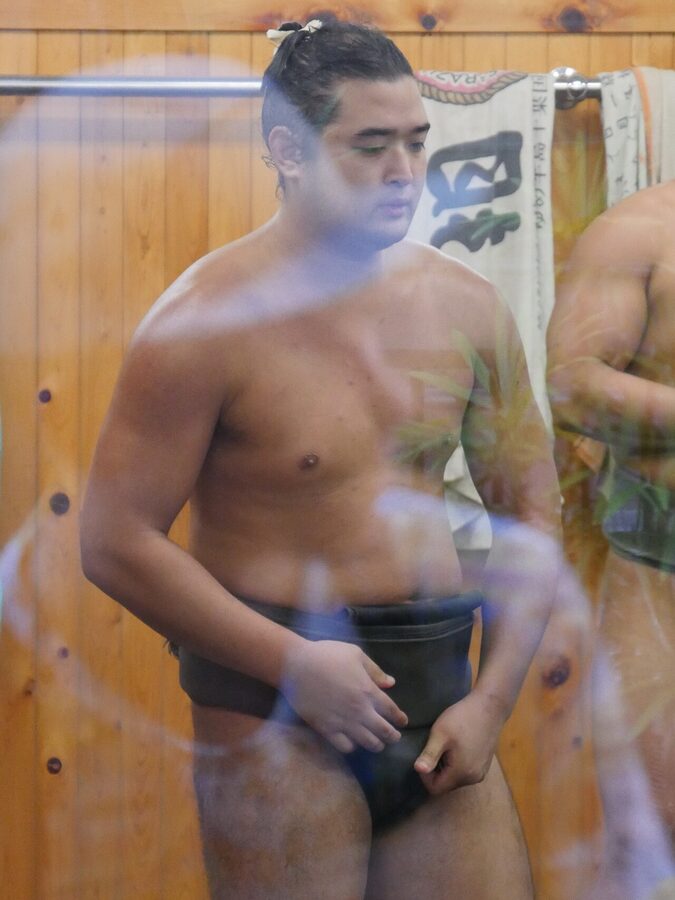
The photo session usually comes next. You stand beside the wrestler, feel how remarkably compact the musculature is under the fat (the body composition is deliberate — sumo wrestlers carry a dense outer layer of fat over powerful legs and core, engineered by diet and training), and for about ninety seconds you’re standing next to someone who can physically lift 200 kilos off the ground and still move with grace. Then chanko nabe arrives at your table. You eat, ask questions, and the session ends with a short Q&A before the wrestlers leave. Total time: roughly two hours.
The 3 Best Sumo Experiences
1. Tokyo: Sumo Show Experience with Chicken Hot Pot and a Photo — $103
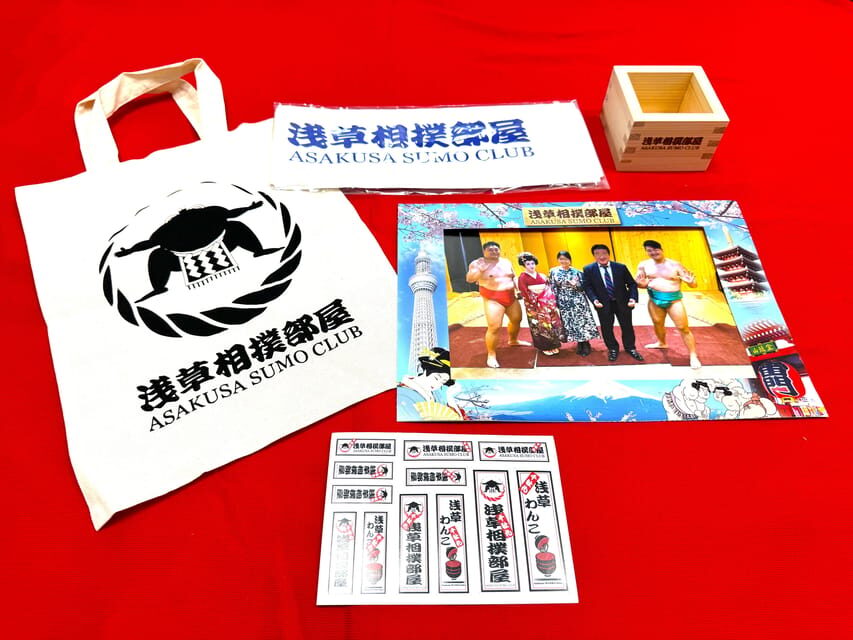
This is the most-booked sumo tour in Japan, and for good reason: the format is tight, the venue is central Tokyo (Asakusa area), and the programme covers everything a first-time visitor wants to see. You get the ceremonial entrance, the training drills, a live bout, a lecture from a retired wrestler, chicken chanko nabe, and a photograph with the entire sumo team at the end. The $103 price includes all of it — no hidden costs, no upsells mid-experience. The retired wrestlers who host are typically juryo-division veterans (the rank below the top tier) with 15-20 years of professional history. Their English is functional; the guide handles translation. Book 5-7 days ahead; weekend evening slots fill first. Our full review covers the specific venue and wrestler rotation.
2. Tokyo: Sumo Show and Dining Experience — $79
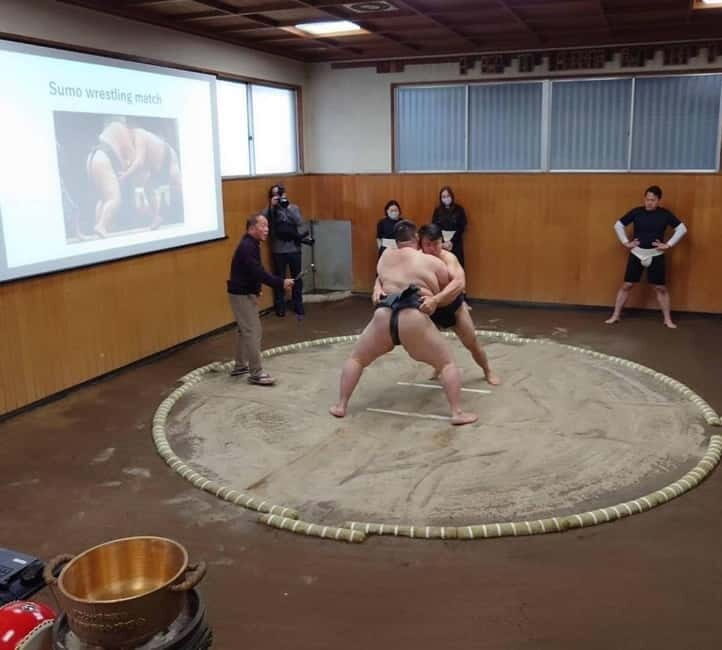
About $24 less than Tour 1, roughly 25% shorter overall (90 minutes vs 2 hours), and the meal is a standard Japanese course rather than chanko nabe. You get the show, the training drills, and a practice bout, but the photograph and the specialised hot pot are dropped. If you’ve already eaten chanko elsewhere, or if the photo-with-wrestlers moment isn’t a priority, this version delivers the essentials at a comfortable discount. Note: the “dining” here is not chanko-focused, which is the main trade-off. Good pick for travellers fitting sumo into an otherwise busy Tokyo evening. Our review compares the two Tokyo tours side by side.
3. Osaka Sumo: Show, Ring Training, Rikishi Match + Chanko Nabe — $63
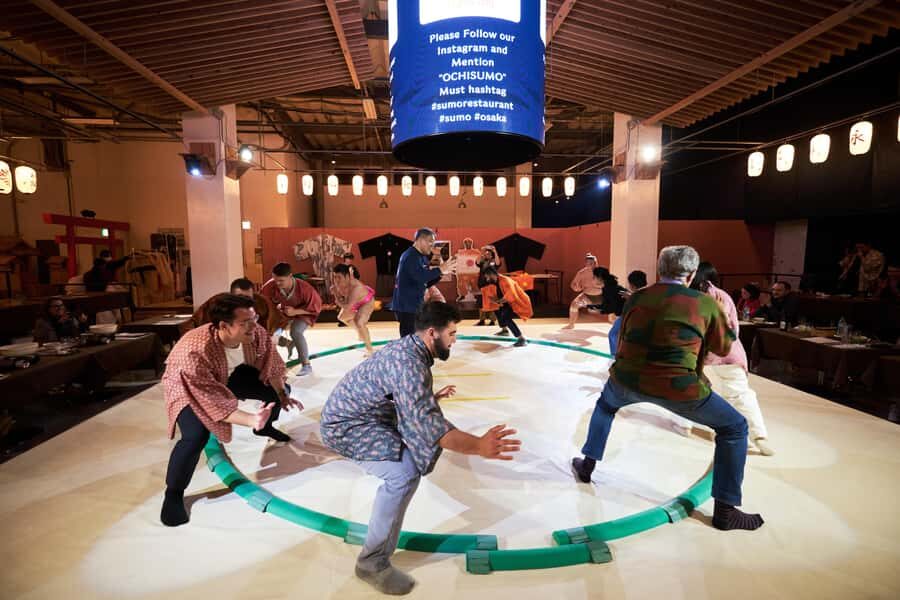
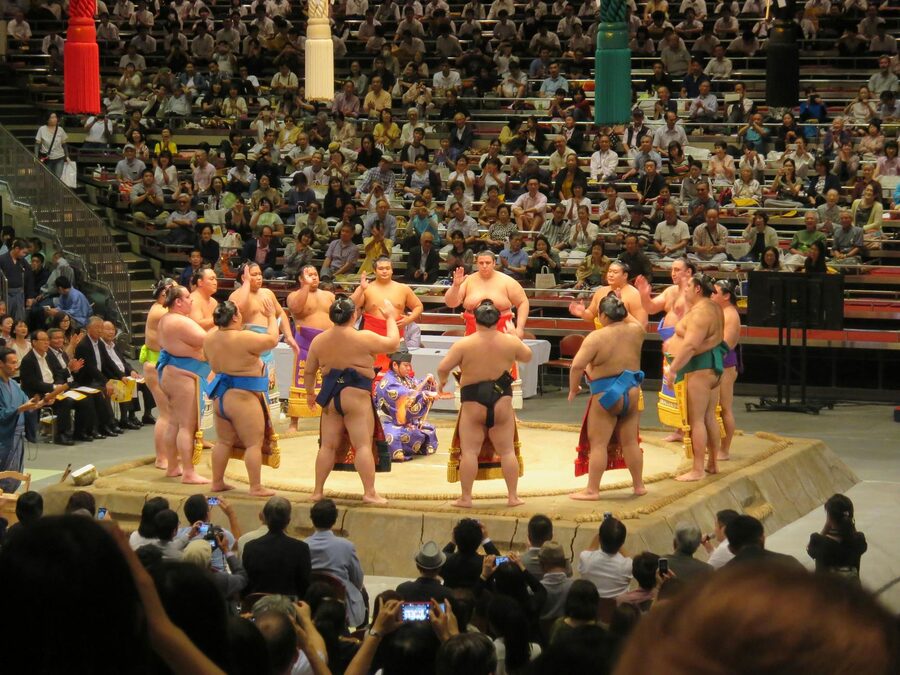
Osaka hosts its own sumo grand tournament every March, which means the city has a strong sumo culture year-round. This tour takes advantage of that to deliver unusual value: you get the show, a more extensive training demonstration than the Tokyo versions (including a chance for guests to briefly step into the ring for a photo or demonstration touch), a staged match between two current or recently-retired wrestlers, and chanko nabe — all for $63, meaningfully less than either Tokyo option. The venue is a small Osaka arena. The trade-off: you need to be in Osaka rather than Tokyo. If your trip hits both cities, this is worth scheduling for an Osaka evening. Our review covers the Osaka format specifically.
A Quick History — How Sumo Got Its Shape
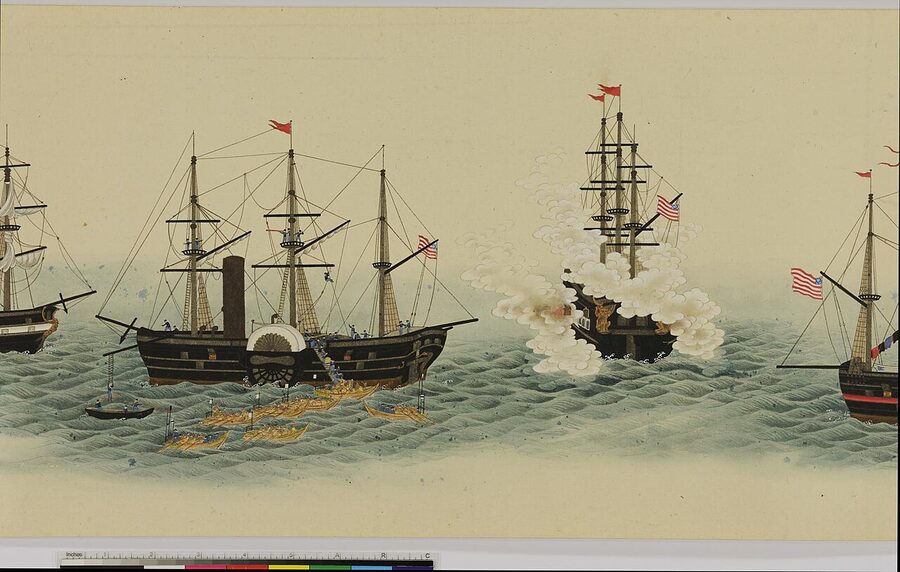
Sumo is older than almost any other still-practiced sport. References to ritual wrestling matches appear in the Kojiki, Japan’s oldest surviving chronicle, compiled in 712 AD. By the 8th century, sumo bouts were held at the imperial court as annual rituals for the health of the harvest. The sport that exists today — with its dohyō ring, its referee in formal dress, its strict ranking system — largely dates to the late Edo period (roughly 1700-1850), when professional sumo stables (heya) emerged as private institutions sponsored by wealthy patrons.
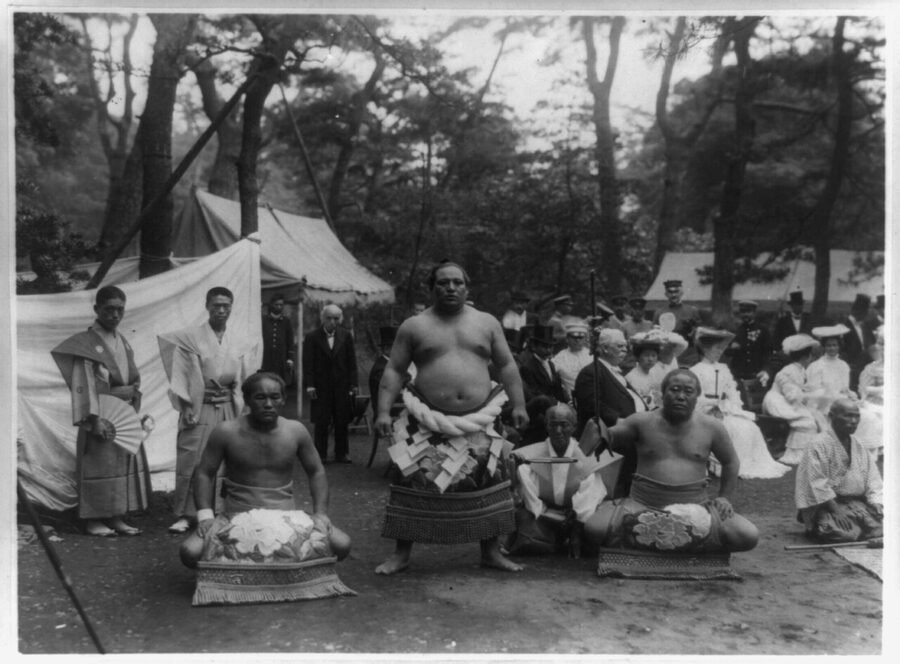
The first foreign encounters with sumo happened in 1854, when Commodore Matthew Perry’s second American expedition arrived at Yokohama. The Tokugawa government, looking to impress their unexpected guests, ordered a sumo demonstration and gift of 150 rice bales — each weighing about 60 kilos. The wrestlers carried them one-handed. The American sailors recorded the event in detailed watercolours that survive today; the scroll above is one of the earliest foreign depictions of sumo in any form. In a real sense, the “sumo show for foreign visitors” has existed as a tradition for 170 years.
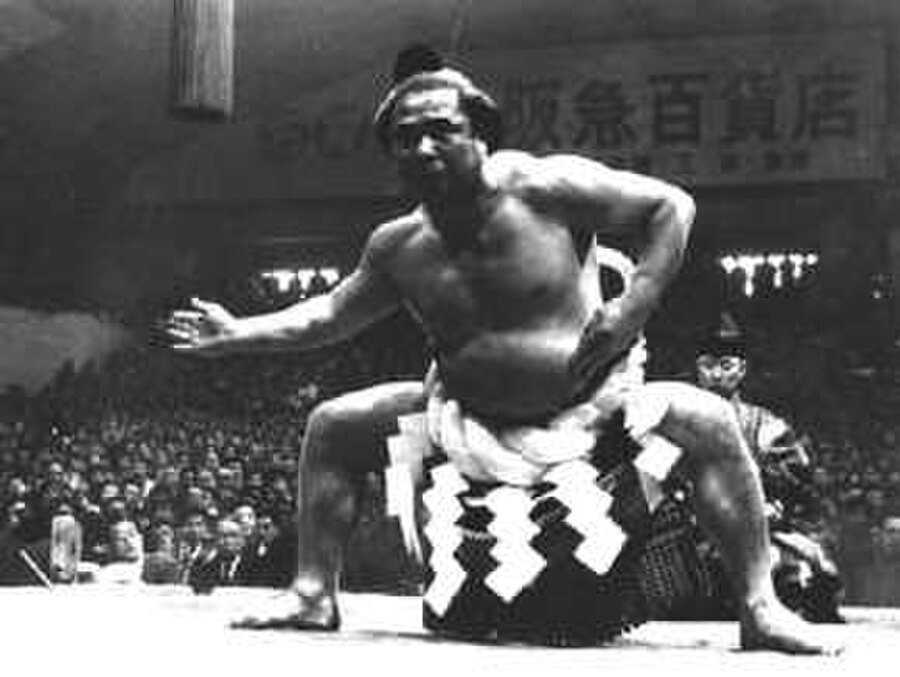
Modern professional sumo is administered by a single organisation, the Japan Sumo Association, which runs six grand tournaments (honbasho) per year: three in Tokyo (January, May, September), and one each in Osaka (March), Nagoya (July), and Fukuoka (November). Each tournament runs fifteen days. Between tournaments, wrestlers train full-time at their stables. A typical professional career lasts 10-15 years; a handful of the top wrestlers make millions, while most live modestly on what amounts to a small salary plus tournament prize money.
The Rules, In One Minute
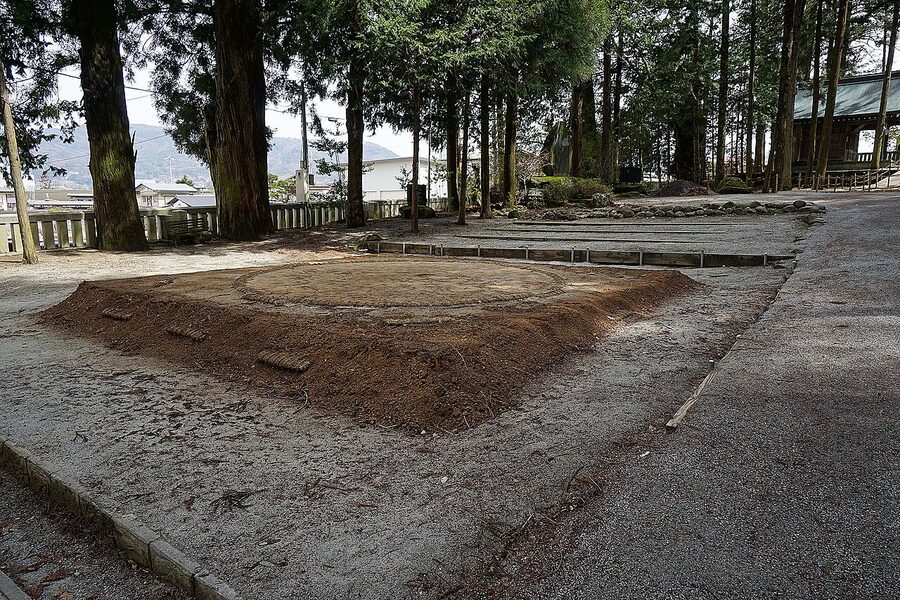
A sumo bout is simple. Two wrestlers start in a low crouch facing each other in the dohyō ring. They charge when the referee signals. You win by either (a) pushing your opponent out of the ring, or (b) making any part of his body other than his feet touch the ground. That’s it. The actual wrestling — the clash itself — usually lasts five to thirty seconds. A minute-long bout is considered epic.
What makes sumo difficult to follow is the pre-bout ritual, which is longer than the bout and strictly governed by protocol. The wrestlers approach the ring, rinse their mouths with water from a wooden dipper, throw handfuls of salt into the ring to purify it, stomp, crouch, glare at each other, stand back up, walk to their corners, throw more salt, return, glare again. This can cycle three or four times before the actual charge. The show versions compress all this into a tight five-minute demonstration; the tournament versions extend each bout to 15-20 minutes of ritual before the actual contest.
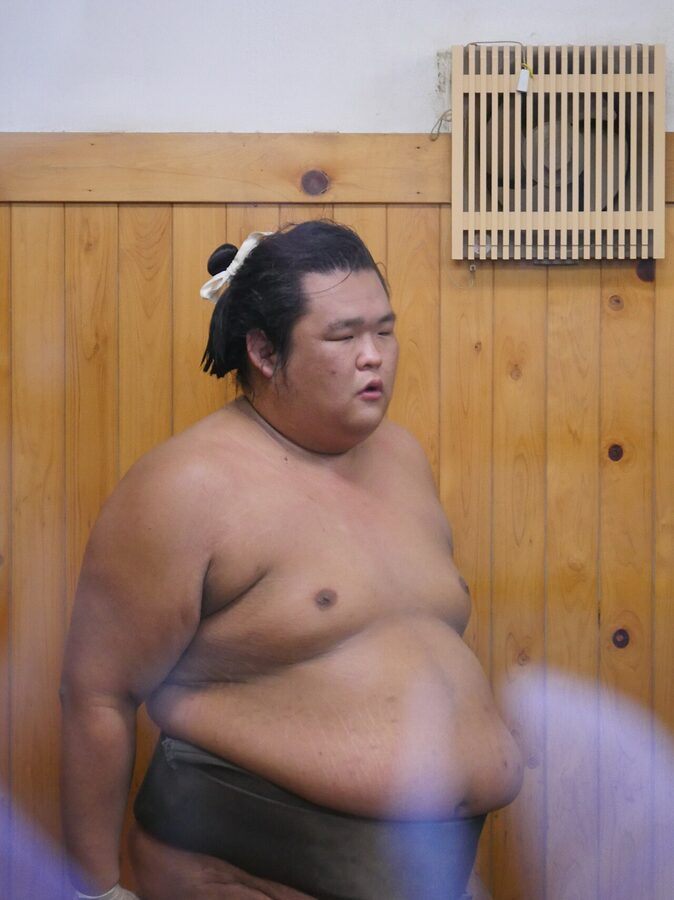
There are 82 officially recognised techniques (kimarite), and after every tournament bout the referee announces which one was used to win. Most bouts are decided by one of ten or fifteen common techniques — the yorikiri (force out with frontal grip) alone accounts for about a quarter of professional wins. But the rare techniques matter too, because using one earns a wrestler a degree of artistic respect that raw winning doesn’t. A journeyman wrestler who wins by tottari (an arm-bar throw) will be discussed in the sumo press more than someone who won ten straight matches with predictable yorikiri. The demonstration tours almost always include a demo of several techniques during the practice portion.
The Food — Why Chanko Nabe
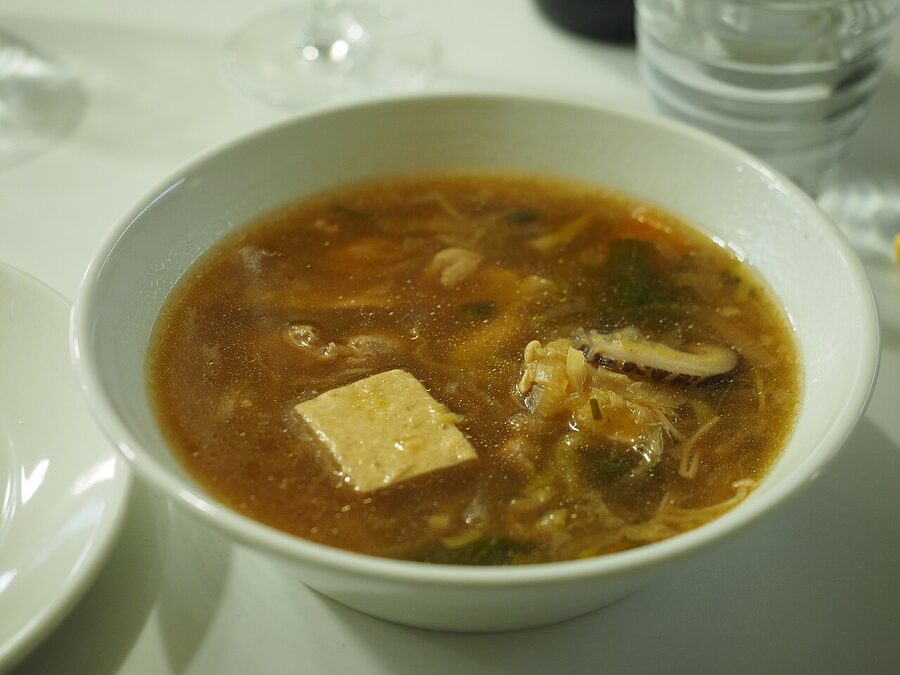
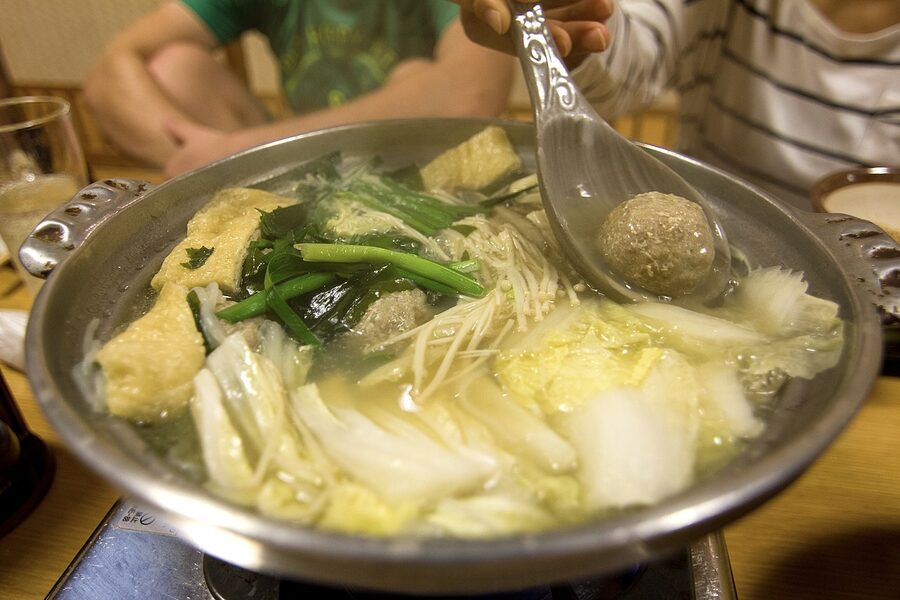
Chanko nabe is a one-pot stew of vegetables, tofu, and protein (usually chicken, occasionally fish, rarely beef — see the caption above). It’s served boiling at the centre of the table; diners ladle it into personal bowls with a side of rice and pickled vegetables. The dish is specifically designed to be cheap, fast to prepare for twenty hungry wrestlers, and nutritionally complete. Inside sumo stables it’s eaten as the primary meal of the day, immediately after the four-hour morning practice ends, when the wrestlers are hungriest.
The version served on the tours is somewhat refined from the stable original — there’s usually more variety in the vegetables, the broth is better developed, and the portions are scaled down for non-athletic appetites. Even so, the experience of eating it in the presence of wrestlers who consume it for a living adds something you don’t get at a standard restaurant. When a former 160-kilo juryo lifts his chopsticks and says “this is what I ate every day for twelve years,” the context matters.
Good chanko nabe restaurants exist in Ryōgoku — the Tokyo neighbourhood built around the Kokugikan stadium — and any of them will serve a credible bowl without the wrestler context. If you want to try chanko outside the tour context, Kappo Yoshiba and Chanko Kawasaki are the classic neighbourhood spots.
Ryōgoku — Where Sumo Actually Happens
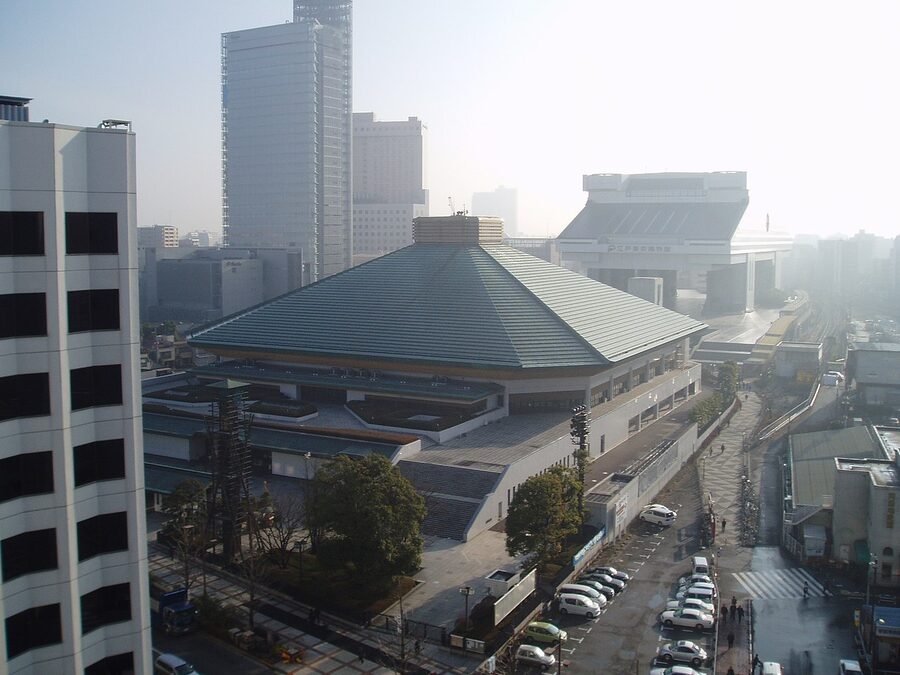
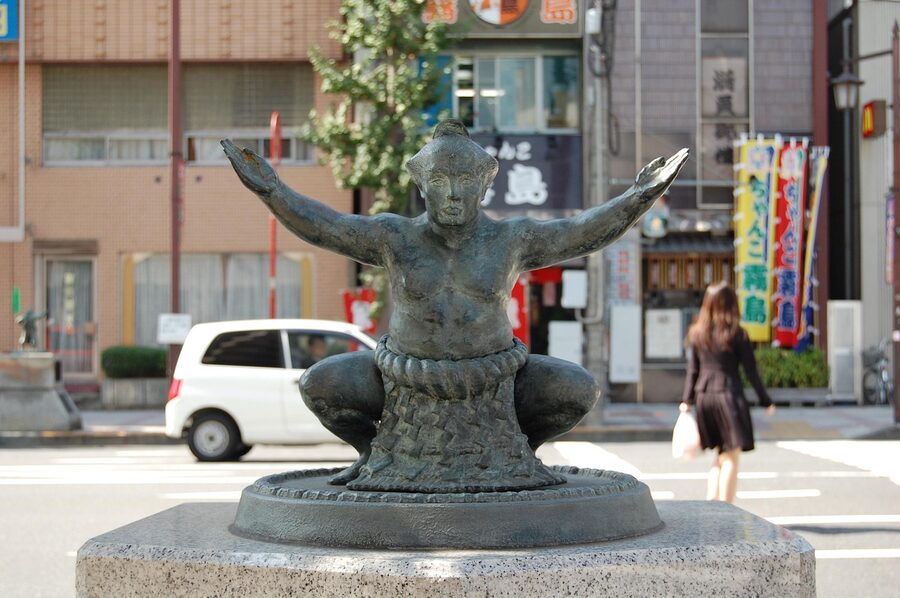
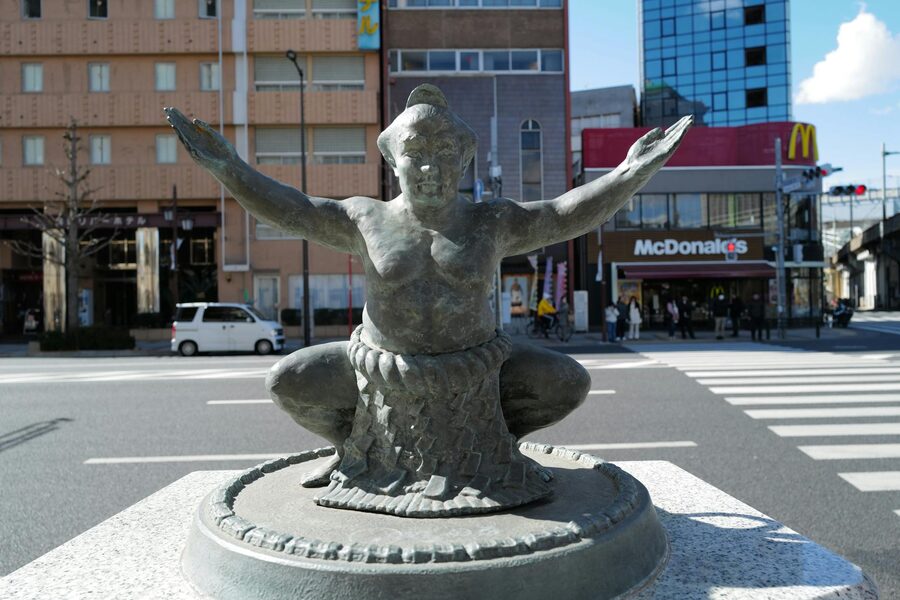
Even if you’re not attending a tournament, the Ryōgoku neighbourhood is worth an afternoon. The Sumo Museum inside the Kokugikan is free during non-tournament days and houses the single largest collection of sumo artefacts — ceremonial aprons, referee’s swords, historical photographs, and the handprints of every yokozuna dating back to the 1860s. The neighbouring streets have a sumo-sized phone booth, wrestler statues, and chanko restaurants every fifty metres.
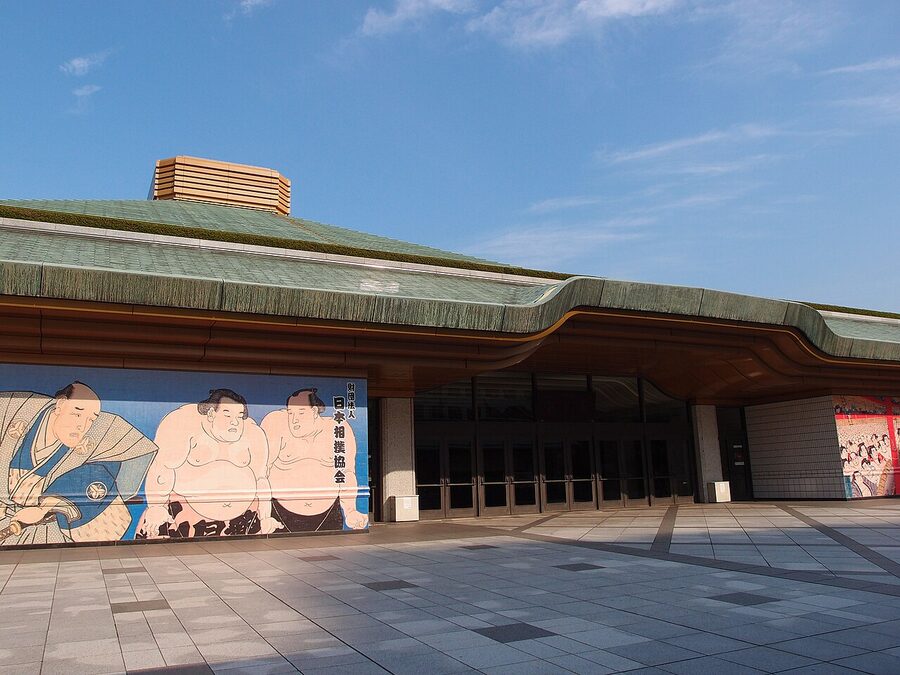
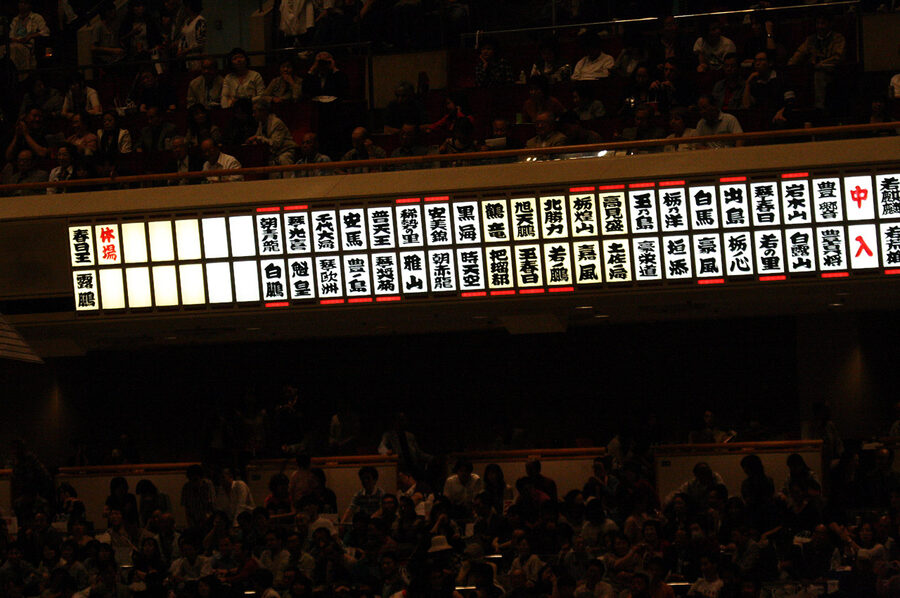
If you’re in Tokyo during a tournament — January, May, or September — you can sometimes buy tournament tickets from GetYourGuide or the official Japan Sumo Association site. Same-day tickets for the upper tiers are occasionally available at the Kokugikan box office; queue by 7 am for any reasonable chance. The tournament runs from about 9 am to 6 pm daily, but the top-ranked bouts start around 4 pm and that’s what everyone comes to see. A half-day visit timed to 2-6 pm catches the final hours, which is when the atmosphere peaks.
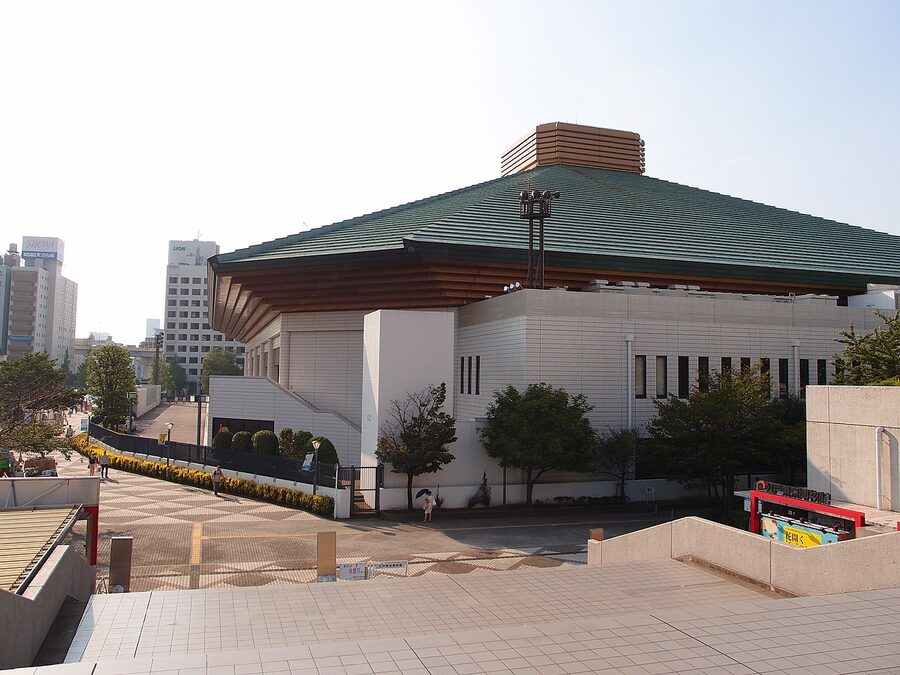
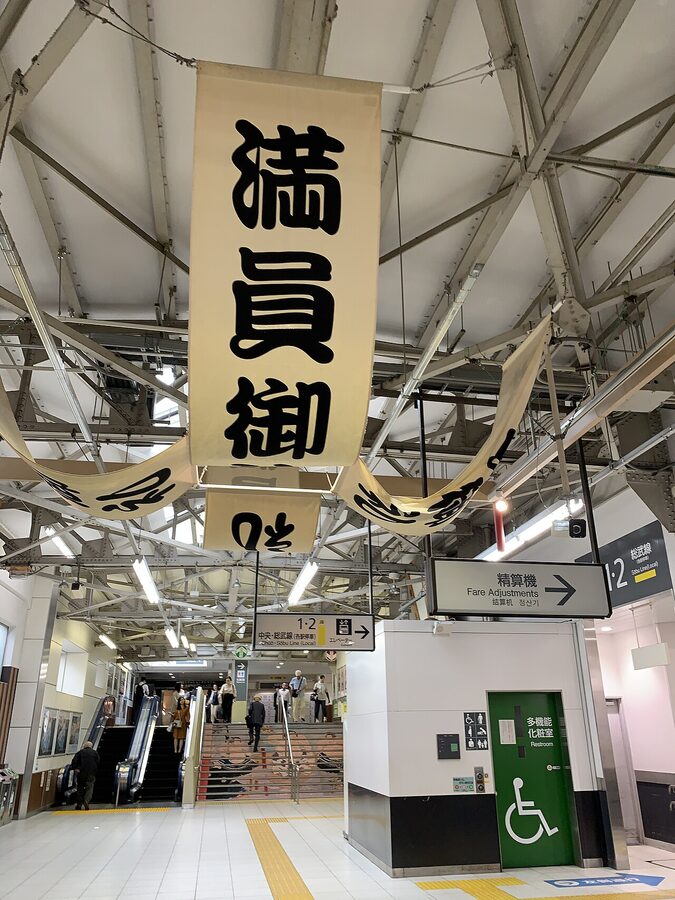
If you’re there between tournaments, the neighbourhood is quieter but still interesting. The Edo-Tokyo Museum sits directly adjacent to the Kokugikan — a combined visit handles both buildings in one morning. The JR Sōbu line’s Ryōgoku Station is the single most practical access point; the station’s west exit is 300 metres from the Kokugikan main entrance.
Show vs Tournament — Which to Book
This is the most common question. The answer depends on what you want from the experience.
Book a demonstration tour (any of the three above) if: this is your first time seeing sumo, you want explanations and context, you want to eat chanko with wrestlers, you want to stand next to a wrestler for a photograph, or your Tokyo dates don’t overlap with a tournament. The format is intentionally beginner-friendly.
Book tournament tickets if: you already know the ranks and wrestlers, you want the roar of a full stadium, you don’t mind sitting 30 metres from the action, and you’re comfortable sitting through a full afternoon of progressively-higher-ranked bouts. The atmosphere is unmatched. The educational value is lower for first-timers.
Do both if: you have enough time. The ideal sequence is a demonstration tour first (to understand what you’re seeing) followed by a tournament afternoon (to apply what you learned in the full spectacle). Many experienced travellers do exactly this — demonstration on arrival day, tournament later in the trip.
Practical Booking Tips
Book the Tokyo tours 5-7 days ahead in standard months, 2+ weeks ahead in peak seasons (cherry blossom late March-April, autumn foliage November, and the weeks immediately after a Tokyo grand tournament when sumo interest spikes). The Osaka tour has thinner booking volume and can often be reserved closer to the day, but still reserve a minimum of 3-5 days ahead. All three tours offer free cancellation up to 24 hours before.
Dress comfortably. You’ll sit on chairs or cushions during the show; there’s no strict dress code. Avoid shoes with complex laces — you may be asked to remove shoes in some venues. Leave large bags at your hotel; the venues have limited coat storage.
Bring cash for small purchases. Most venues sell sumo souvenirs (prints, keyrings, small ceramic figurines) at a kiosk during the Q&A portion. The higher-end items — a signed ceremonial apron fragment, for example — are cash-only and run $30-100.
One caveat worth flagging: some travellers arrive at the demonstration tours expecting Rocky-level intensity and leave slightly disappointed. The wrestlers are demonstrating rather than competing; there’s a theatrical dimension to everything they do. If you’re looking for raw athletic contest, the real tournaments are where you’ll find it. If you’re looking to understand why sumo is the way it is — the rituals, the ranks, the food, the centuries of accumulated tradition — the demonstration tours do that better than any other format.
The sport is currently going through one of its quieter decades — no single dominant yokozuna has held the top rank as unopposed king for several years — which means the demonstrations feature a broader mix of mid-ranked wrestlers than they did ten or fifteen years ago. For a first-time spectator this is actually good: you see variety rather than a single style. For a returning viewer who wants to see the top rank in peak form, the grand tournaments remain the only real venue.
More Tokyo Experiences
A sumo show works well as a standalone evening but pairs naturally with other Tokyo activities. Our Tokyo ramen tasting tour is the food-focused companion — chanko nabe for the sumo meal, a late-night ramen for the same evening’s second stop. Tokyo Skytree is the evening view that contrasts with a Ryōgoku afternoon. If traditional Japanese martial arts are broadly interesting, our Tokyo samurai sword and archery class covers the older martial tradition. Kyoto samurai kenbu sword dance is the stylised performance counterpart in Kyoto. Asakusa Sensoji walking tour pairs well with the Tokyo sumo tours since they’re often booked in the same neighbourhood. For Japan’s broader performance traditions, our Kyoto geisha show is the western-Japan equivalent ceremonial entertainment. Mt Fuji + Hakone day trip fits as an arrival-day option before an evening sumo show. And our Kyoto Gion food tour and Kyoto tea ceremony cover the cultural experiences you’ll want to book once in Kyoto. Sumo is often the right opener for a Tokyo trip — the visceral introduction to Japanese physical tradition that calibrates every other traditional-culture experience afterwards.