
Most travellers assume Shirakawa-go is a Kanazawa day trip. It’s not — or at least, not only. Nagoya is the closer and quicker starting point for anyone on the Tokyo-to-Kyoto shinkansen route, and a Nagoya-based day tour gets you to the UNESCO gassho-zukuri villages, through Hida Takayama’s Edo-era old town, and back in time for dinner in Nagoya. No overnight needed. No rail planning. A single bus does the logistics.
Three Nagoya-departure operators run this route. They differ in what they include (one adds Gujo Hachiman, the Edo-period castle town, to the itinerary), group size, and how much free time you get in each village.
Short on time? Here are my top picks:
Best all-rounder: From Nagoya: Gujo, Hida Takayama, and Shirakawa-go Day Tour — the most-booked Nagoya day tour. Three stops, bus transport, 13 hours.
Best shorter option: Nagoya: Hida Takayama & World Heritage Shirakawa-go Day Tour — skips Gujo and spends more time at the main two stops. Back by early evening.
Best private option: Shirakawa-Go and Hida-Takayama Private Day Trip — private vehicle, your own driver, flexible route. Groups of 2-7.
- Why Nagoya Makes Sense as the Base
- The 3 Best Nagoya Day Tours to Takayama & Shirakawa-go
- 1. From Nagoya: Gujo, Hida Takayama, and Shirakawa-go Day Tour —
- 2. Nagoya: Hida Takayama & World Heritage Shirakawa-go Day Tour —
- 3. Shirakawa-go and Hida-Takayama Private Day Trip from Nagoya — id="section-0",437 per group
- Stop 1 — Gujo Hachiman (or Lunch Stop)
- Stop 2 — Hida Takayama Old Town
- Stop 3 — Shirakawa-go UNESCO Village
- The Winter Version — If You Can Time It
- What the Day Actually Looks Like
- Who Each Tour Suits
- Practical Tips
- Why This Beats Doing It Yourself
- More Japan Experiences
Why Nagoya Makes Sense as the Base
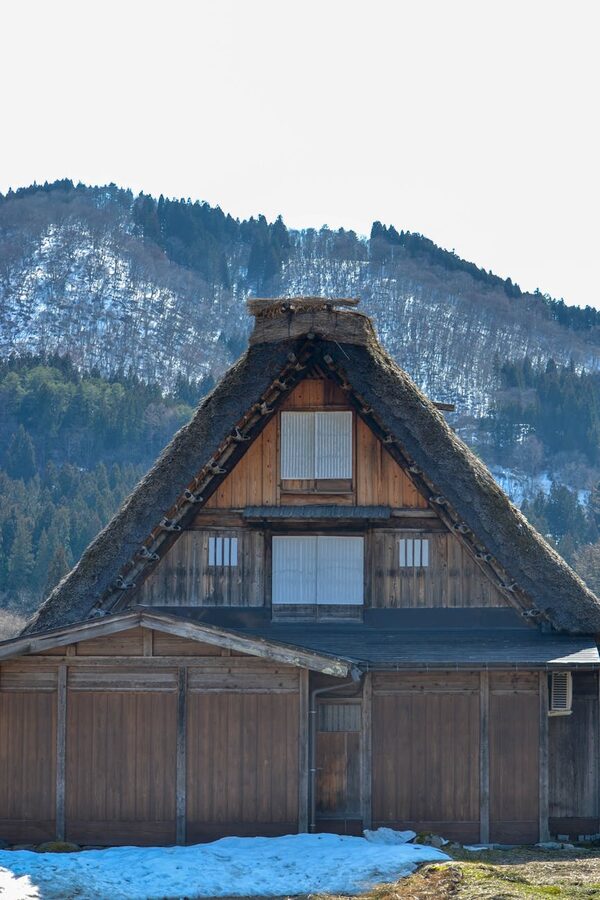
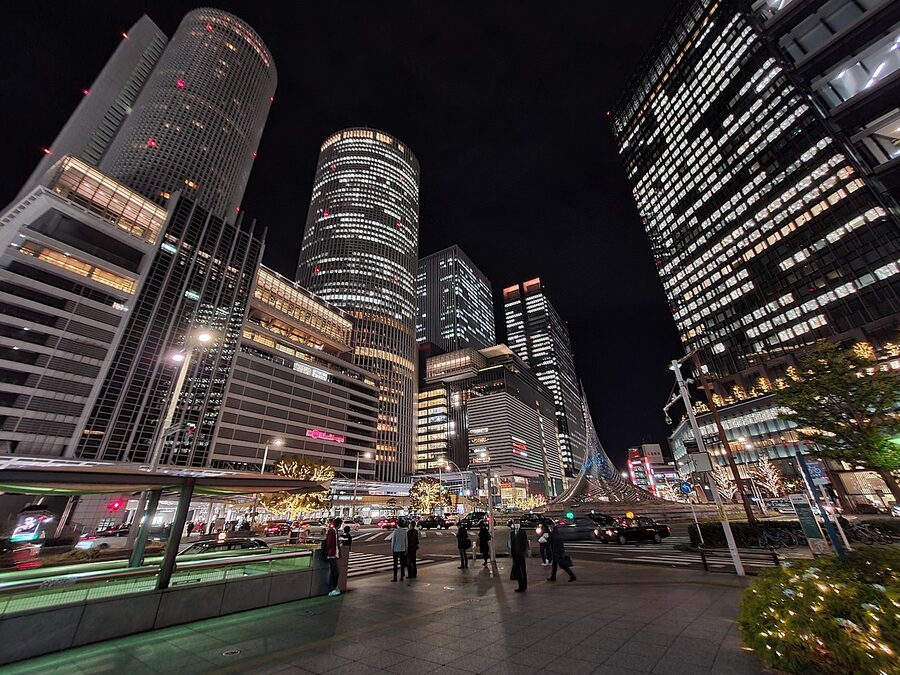
Shirakawa-go sits in the remote Shogawa River valley, surrounded on all sides by the Hida Mountains. On a map it looks isolated. In practice, the expressway from Nagoya gets there in about 3 hours — compared to 3 hours from Kanazawa or 4.5 hours from Kyoto. If you’re already planning to visit Nagoya or you’re spending a night between Tokyo and Kyoto, this is the efficient routing.
Three reasons the Nagoya day tour works better than the alternatives for most travellers:
It’s on the main rail line. Nagoya sits directly on the Tokaido shinkansen between Tokyo and Kyoto. You don’t detour. Most visitors already pass through the city. An extra night there slots into an existing itinerary with zero extra rail time.
One bus handles everything. The alternative — rail yourself to Takayama, then local bus to Shirakawa-go, then back — eats two full travel days and a hotel night. The Nagoya tour compresses it to 13 hours with no rail planning. Pick-up at Nagoya Station, drop-off at Nagoya Station.
The driver knows the road. The Tokai-Hokuriku expressway threads through mountain tunnels and into heavy snow country in winter. A coach driver who does this route 200 times a year handles the conditions better than you would in a rental car.
The 3 Best Nagoya Day Tours to Takayama & Shirakawa-go
1. From Nagoya: Gujo, Hida Takayama, and Shirakawa-go Day Tour — $61
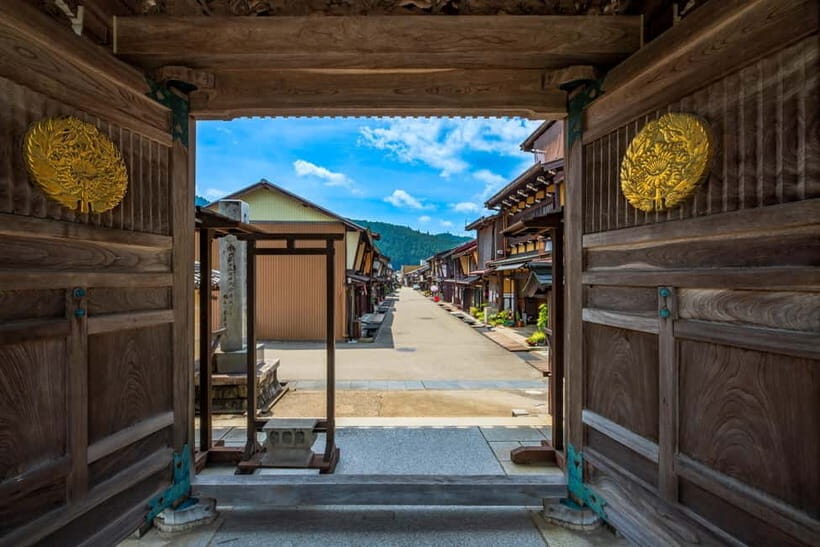
Three UNESCO-and-heritage stops for $61 is hard to beat anywhere in Japan. The extra stop at Gujo Hachiman — an Edo-era castle town famous for its bon-odori dancing festival and a 400-year-old water-channel system running through the streets — is what makes this tour distinctive. Most Nagoya day tours skip it. Depart 7:50am from Nagoya Station, back by roughly 8:30pm. Bus is air-conditioned with English-speaking guide. Lunch is own-cost in Takayama. Runs daily except major holidays; weekend dates fill first. Our full review breaks down the three stops and the timing.
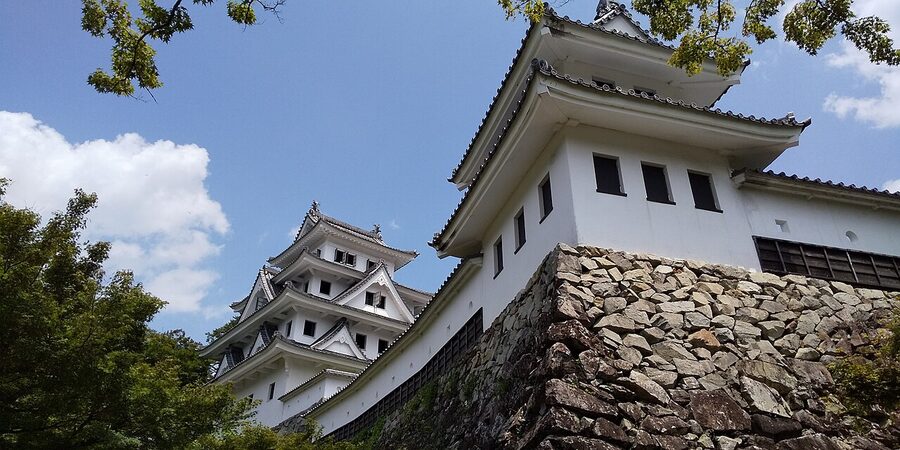
2. Nagoya: Hida Takayama & World Heritage Shirakawa-go Day Tour — $60
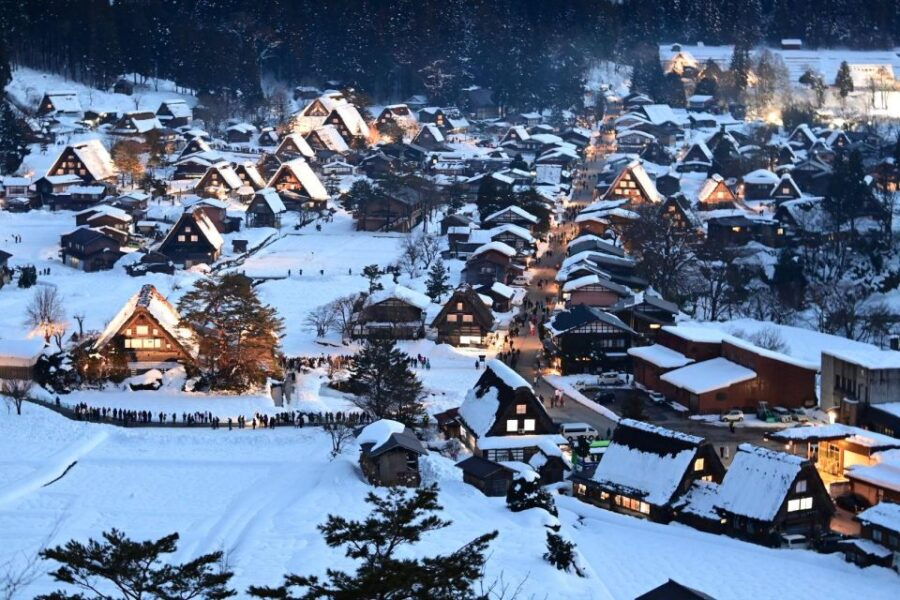
Trades the Gujo stop for extended time at Takayama (90 minutes) and Shirakawa-go (90-120 minutes). If you only care about the UNESCO site and the old merchant town, this is the cleaner option. Same $60-range price. Usually finishes in Nagoya by 7pm so you can still grab a proper dinner in town. Similar coach-and-guide format. Book 3-5 days ahead in normal seasons, 10+ days in winter snow season. Our review compares it to the 3-stop version.
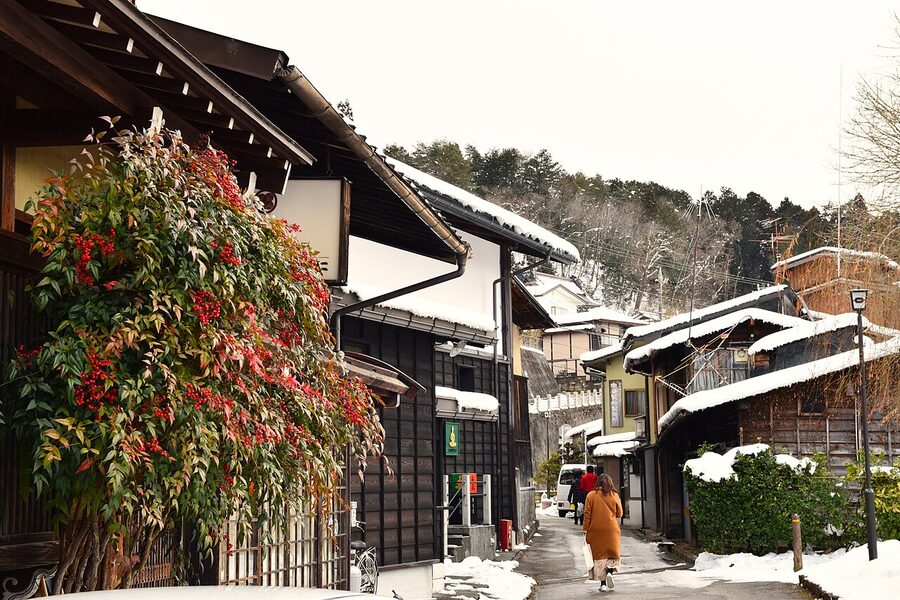
3. Shirakawa-go and Hida-Takayama Private Day Trip from Nagoya — $1,437 per group
Splits well across 4-7 people ($205-360 per head); painful at 1-2. The trade-off for the price: flexibility. You set the schedule, pick the lunch spot, linger longer at the farmhouse you want to explore. The driver will add minor stops (scenic overlooks, a local sake brewery) on request. Pick-up from your Nagoya hotel rather than the station. Good choice for families with mobility considerations, small groups of friends splitting the cost, or anyone on a short trip who values time over money. Our review covers when the private option pays off.
Stop 1 — Gujo Hachiman (or Lunch Stop)
Not every tour includes Gujo. The ones that do spend about 45 minutes here — enough for a quick walk through the Edo-era main street, a look at the water channels, and a glance up at the castle on the hill. This is the least famous of the day’s stops and the one most guidebook itineraries leave out.
Gujo Hachiman’s distinctive feature is water. The town runs a 400-year-old network of open stone channels (igawa) that carry fresh spring water past every house. The channels are still used for rinsing vegetables, cooling drinks, and keeping koi fish. In summer, kids jump off the local bridge into the river running through town; it’s a minor tradition. Not a stop you’d make a dedicated trip for — but a solid bonus when the bus is passing through.
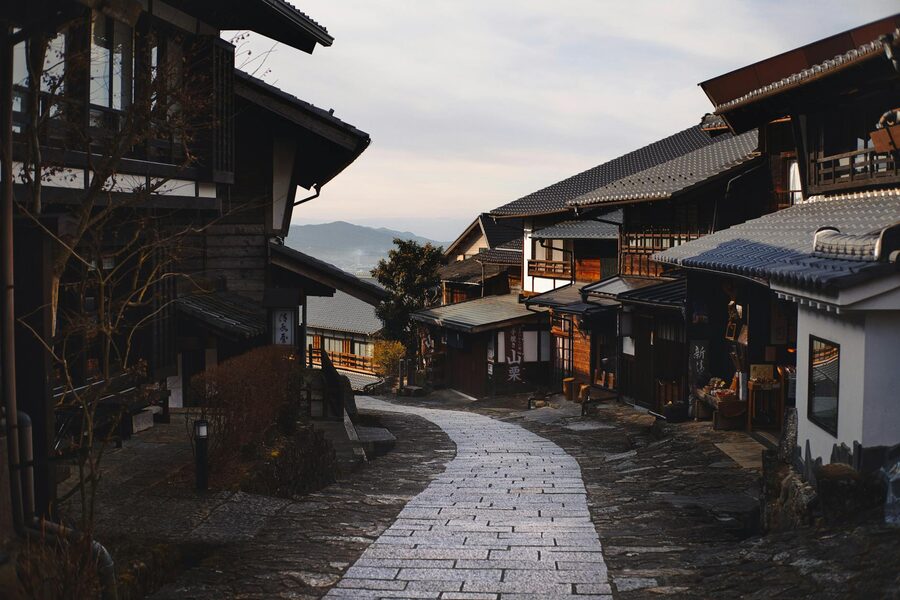
Stop 2 — Hida Takayama Old Town
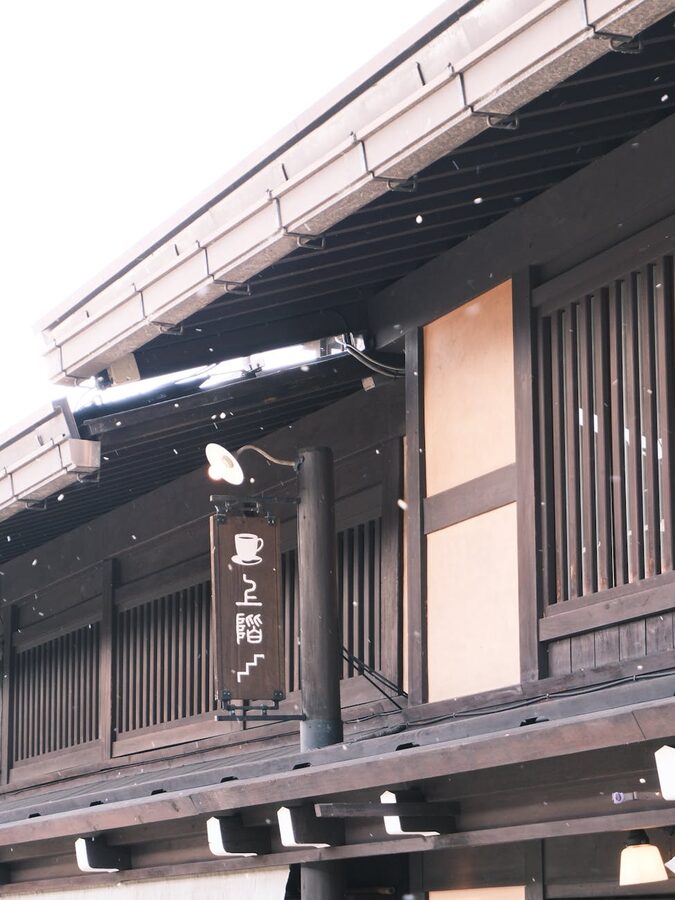
Takayama is the day’s long lunch-and-wander stop. You get 90-120 minutes depending on tour, which is enough for a walk through the Sanmachi Suji historic district, a proper lunch, and a look into one of the town’s sake breweries or morning-market stalls.
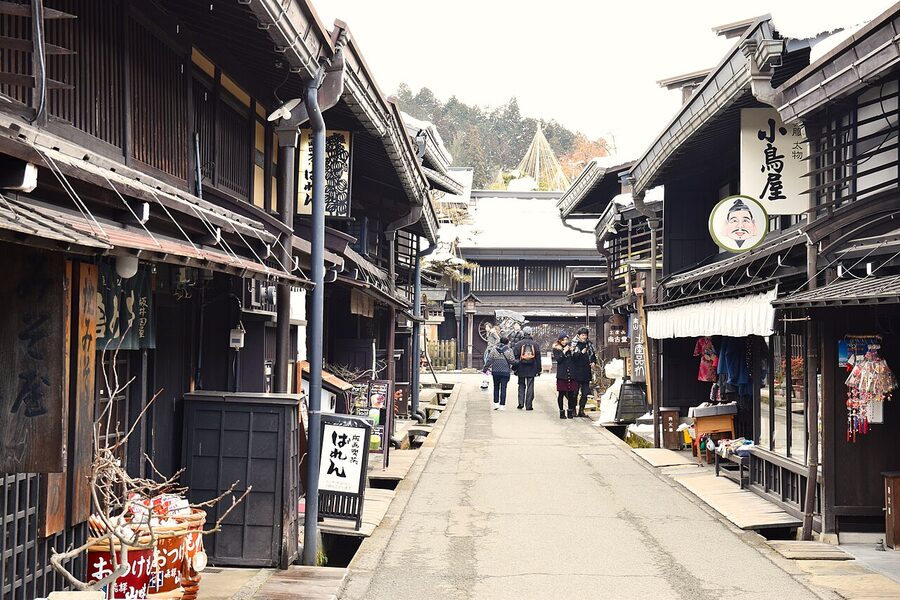
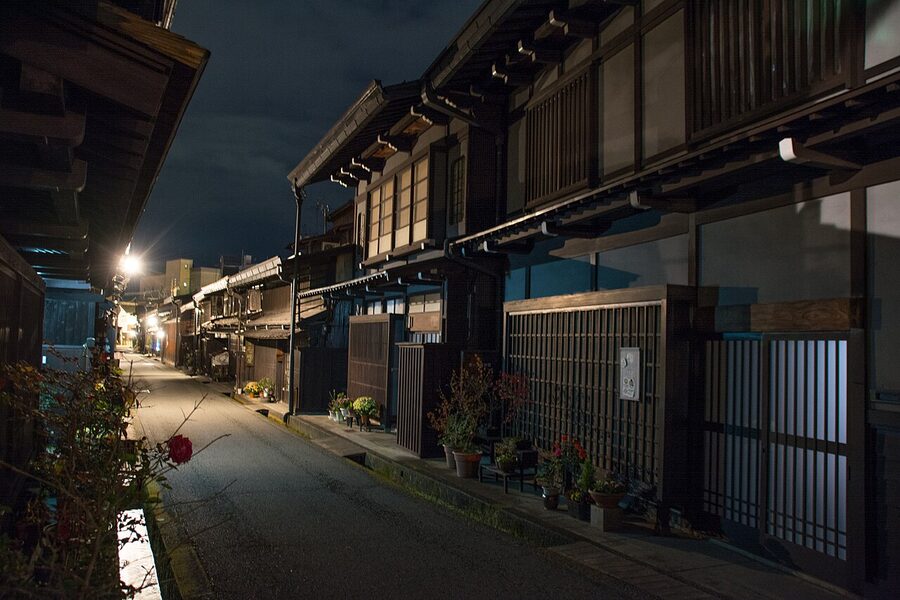
Takayama calls itself “Little Kyoto” but the nickname undersells it. Kyoto is a big city with surviving pockets of old wooden architecture; Takayama is a small mountain town where the old architecture never went away. Because the town is in a remote valley, it missed the bombing raids of WWII and the 1960s-1970s commercial demolition that erased much of urban Japan’s Edo-era housing stock.
The walking circuit is compact — three parallel streets running north-south, totalling about a kilometre. At normal pace you cover it in 20 minutes. But the sake breweries (look for the cedar-ball sugidama hanging above the door — indicates fresh sake just bottled), wagashi sweet shops, and craft shops each take 10-15 minutes of browsing. The tour allocation of 90-120 minutes feels just about right once you add lunch.
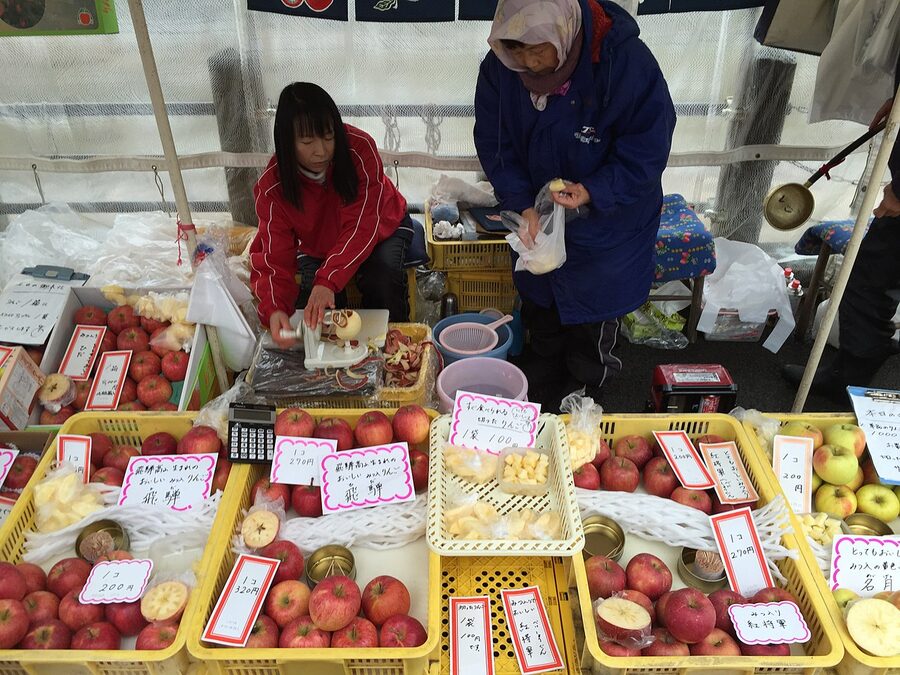
What to buy in Takayama:
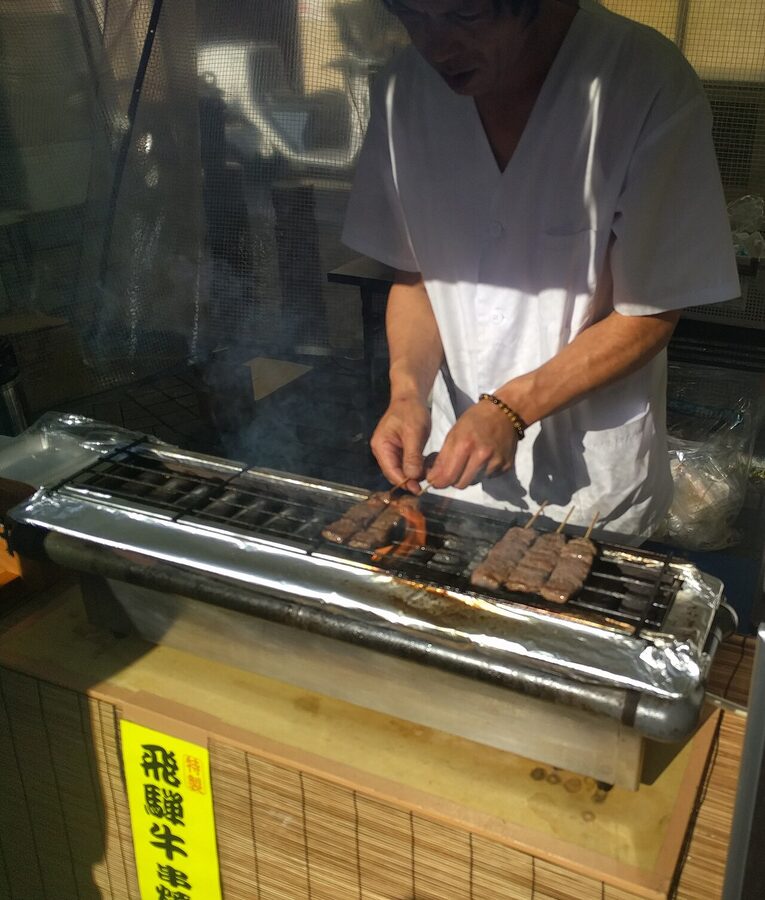
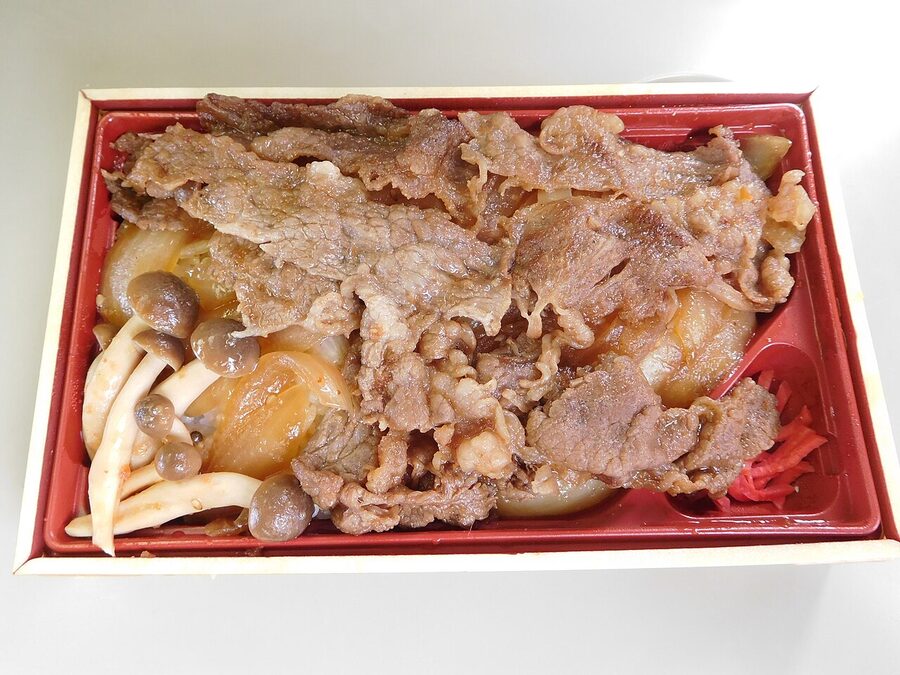
Hida beef (anything). The local wagyu grade — A4 or A5 marbled beef from cattle raised in Gifu Prefecture. Grilled skewers at morning-market stalls ($5-8), fancier preparations at sit-down restaurants ($30-70). Best single purchase of the day for food-focused travellers.
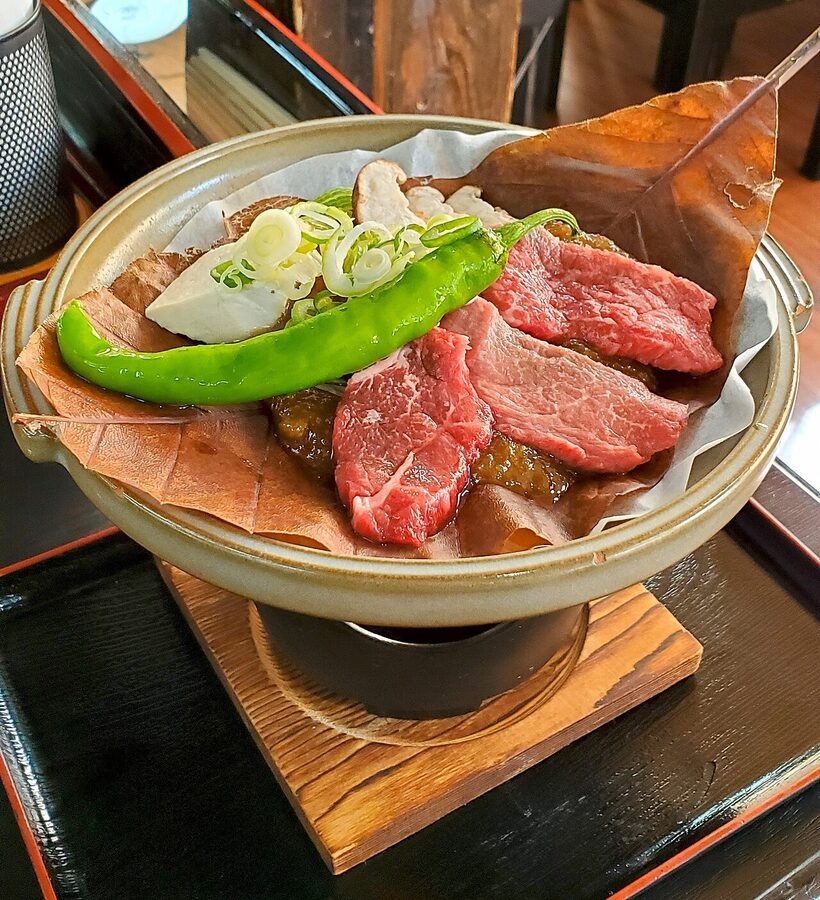
Hoba miso. A Takayama specialty: miso paste mixed with green onion and mushrooms, grilled on a dried magnolia leaf over a small charcoal brazier at your table. Usually paired with Hida beef on top. Every proper Takayama restaurant has this.
Mitarashi dango. Unlike the sweet version common in most of Japan, Takayama’s mitarashi dango uses a salty soy glaze, not sweet. A Hida regional variant. Street-food price, sold from stalls along the main streets.
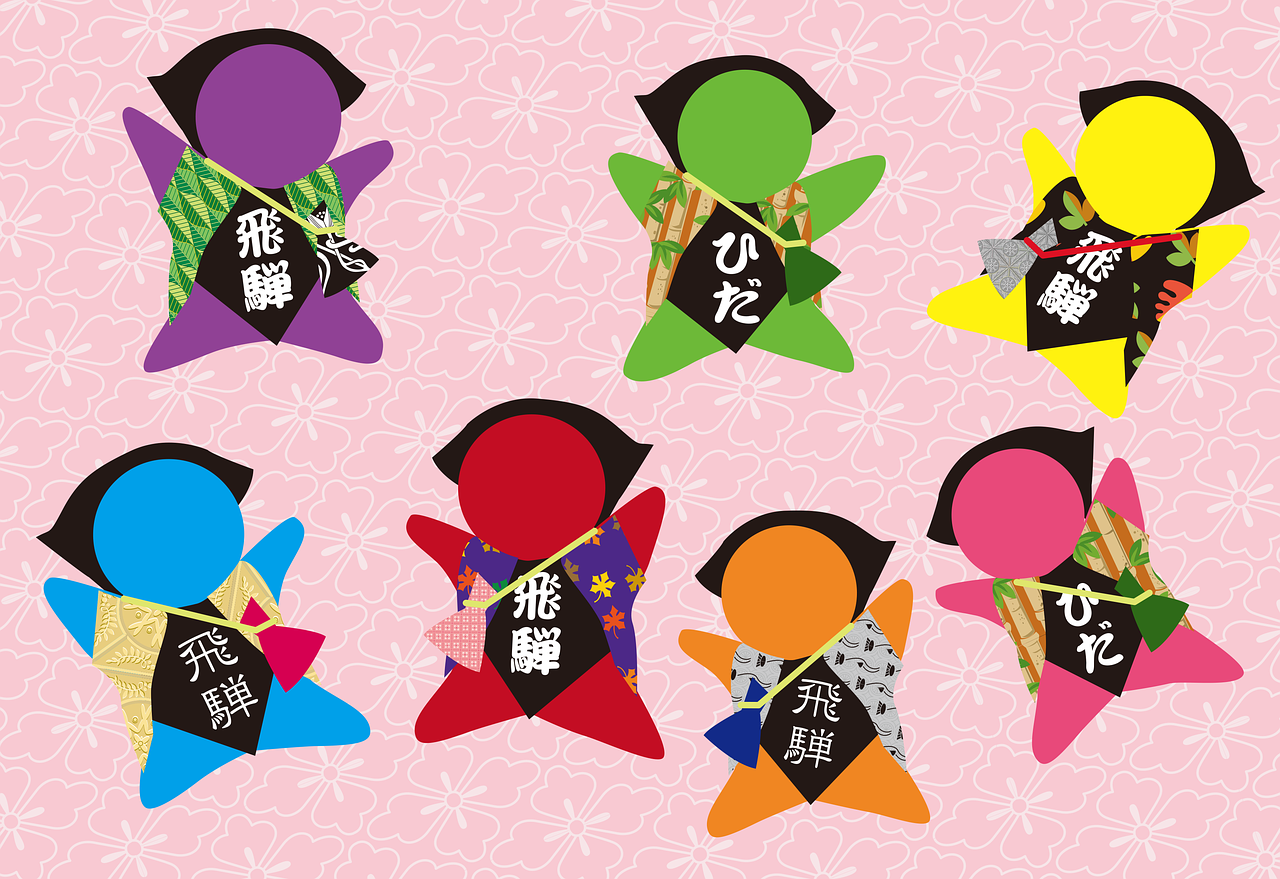
Sarubobo. A limbless, faceless red cloth doll. Traditional Hida good-luck charm, given to new babies. Sold in every Takayama souvenir shop from ¥300 up. Looks odd in a photo but grows on you.
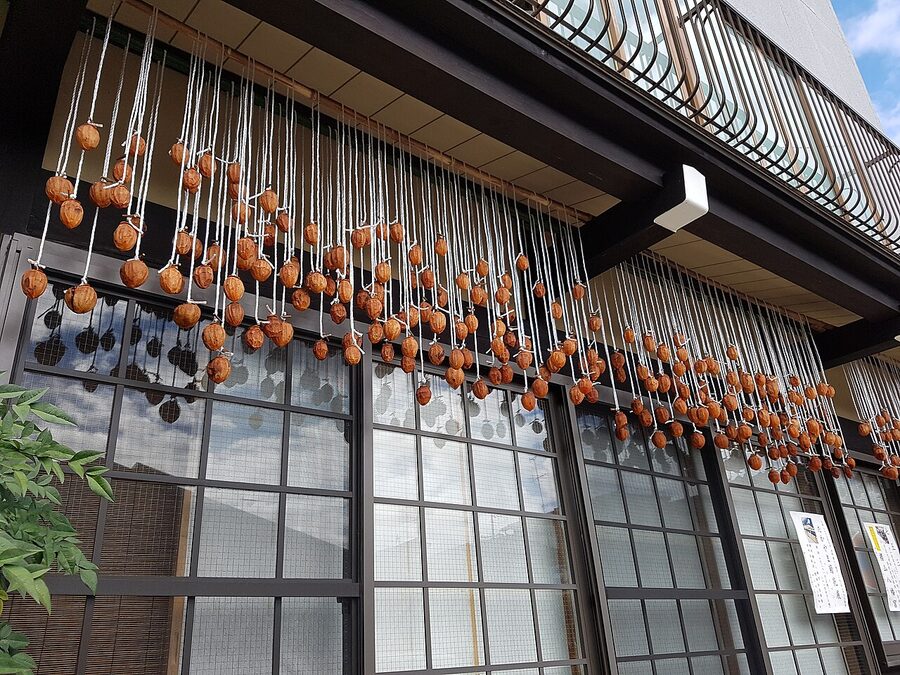
Sake. Takayama has six working sake breweries — unusual for a town of 85,000 people. The cold mountain water, high-altitude rice, and cool summers suit sake fermentation. Most breweries offer tastings for ¥200-500. Look for ones marked with the cedar-ball sugidama.
If you want a quick sit-down lunch rather than the street-food route, every main-street Takayama restaurant serves a Hida beef lunch set for around ¥2,000-3,500. Bento versions sell at stalls for ¥1,500.
Stop 3 — Shirakawa-go UNESCO Village
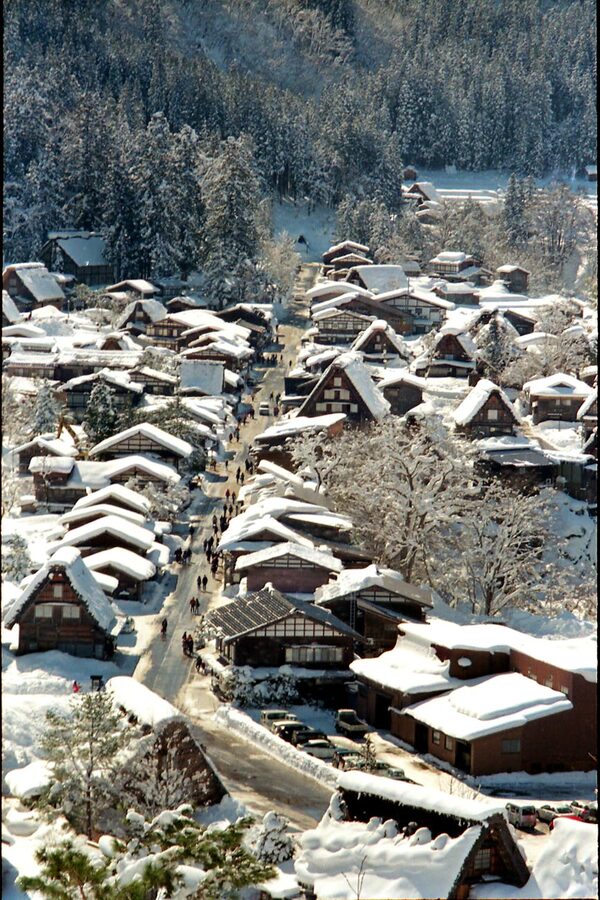
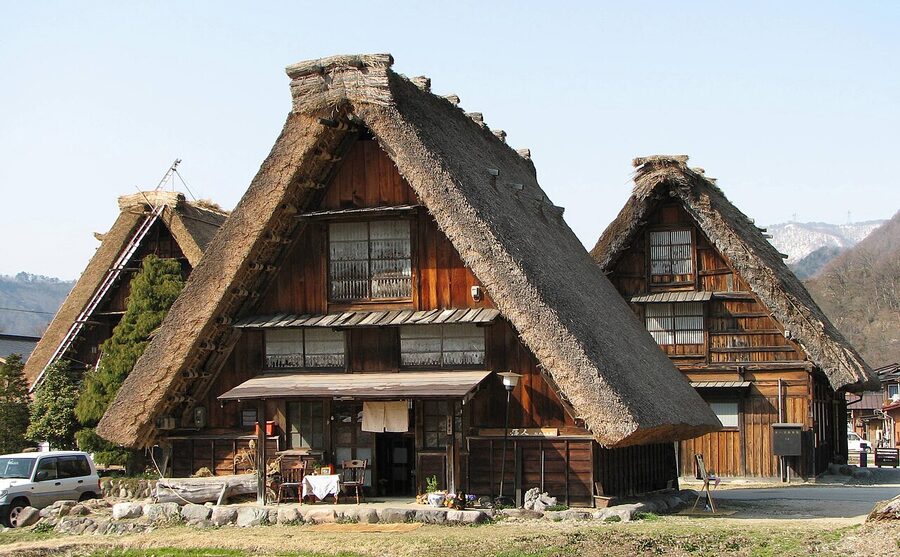
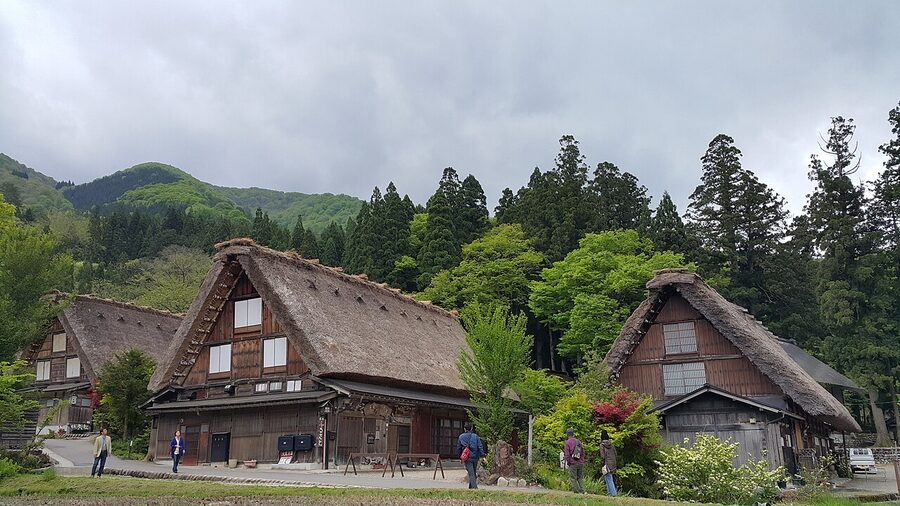
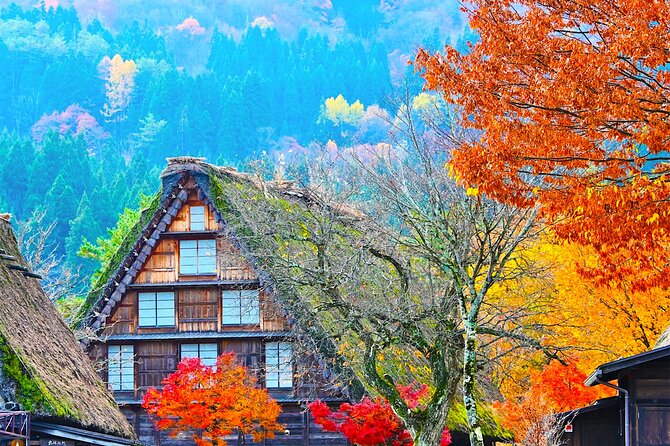
This is the reason most people book the tour. Shirakawa-go’s Ogimachi hamlet is the headline photograph: a cluster of 110 gassho-zukuri thatched-roof farmhouses, tucked into a mountain valley, surrounded by rice fields and small channels carrying glacial water.
The name gassho-zukuri means “hands joined in prayer” — referring to the steep triangle of the roofs, which resemble clasped hands pointing up. The pitch isn’t decorative. Shirakawa-go gets 3-4 metres of snow in winter, and the steep angle is what keeps the roofs from collapsing under the load. The thick thatch provides insulation. The attic spaces historically housed silkworms — the upper floors of many farmhouses are reconfigured silk-production lofts.
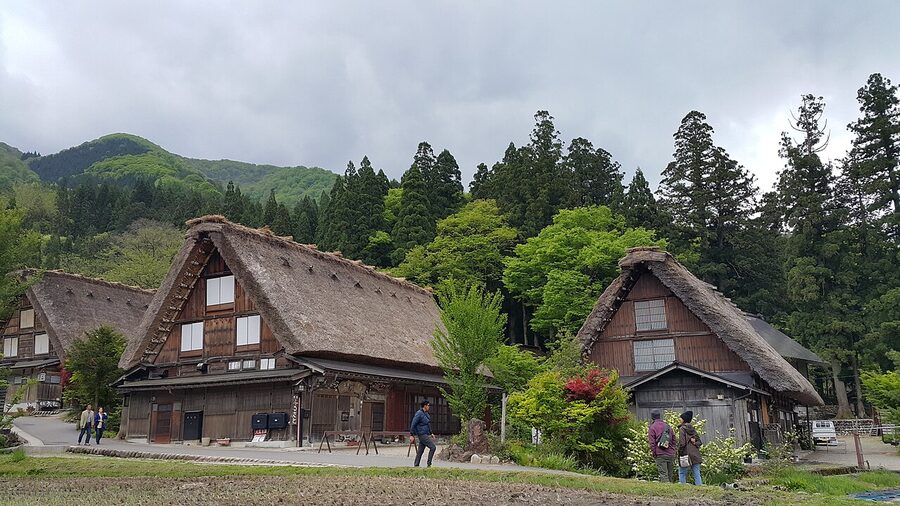
Ogimachi is the largest of Shirakawa-go’s three traditional hamlets and the only one all the Nagoya tours stop at. It covers about 45 hectares and holds 59 still-inhabited gassho-zukuri. You can walk the whole village in 45 minutes if you rush, but the tour gives you 90-120 minutes so you can go inside one of the open-to-public farmhouses (Wada House is usually included; others cost ¥300-400 entry).
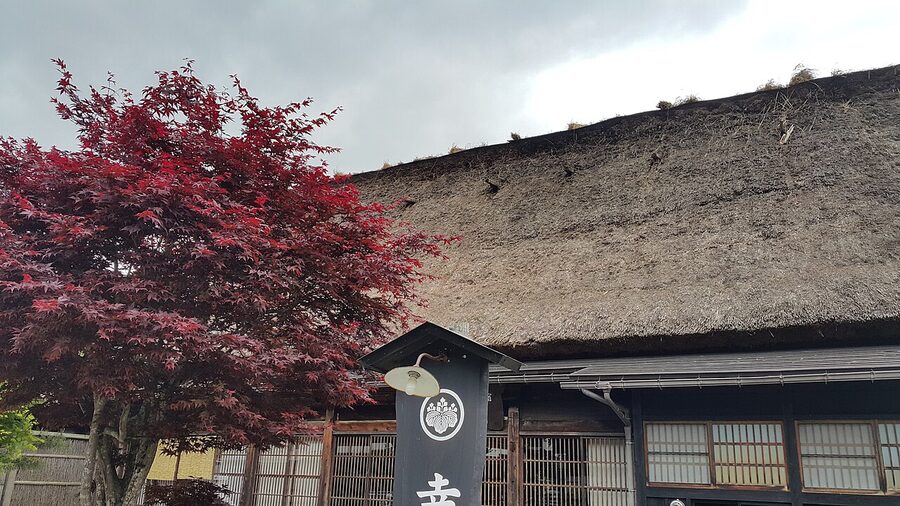
Most tours walk you up to the Shiroyama Tenshukaku observation point above the village — a short uphill path that ends at a platform with the classic Ogimachi aerial view. About 10 minutes up, 10 down. Worth doing even if you’re tired; this is the photograph every Shirakawa-go postcard uses.
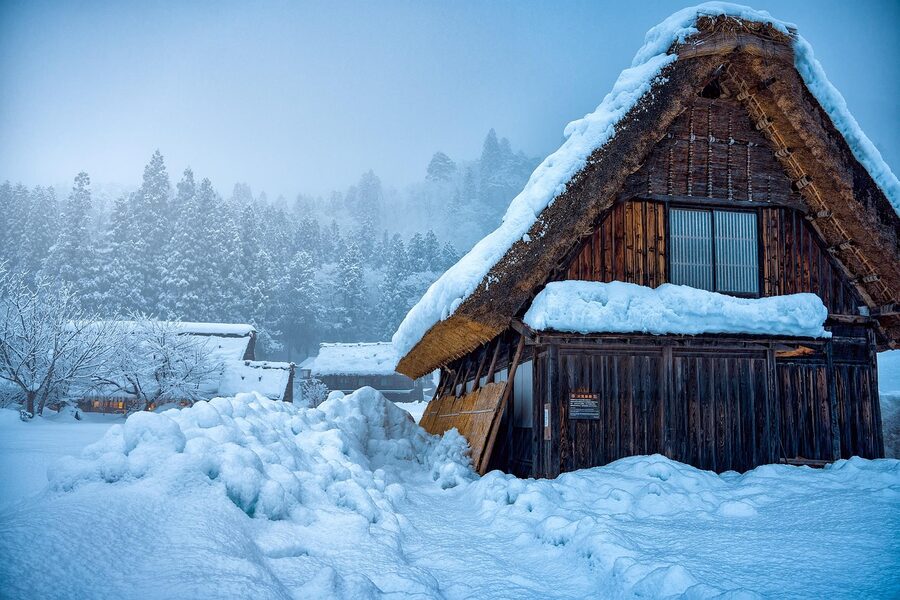
Inside the village, look for these:
Wada House (Wada-ke). The largest gassho-zukuri in the village, once home to the highest-ranking family in Ogimachi. Four stories, 300 years old. Entry ¥400. On the standard tour route.
The Shirakawa-go Gassho-zukuri Minka-en open-air museum. Across the river. Holds 25 relocated farmhouses from neighbouring villages that were lost to a dam project in the 1960s. Separate entry ¥700. Most tours don’t include this but some private tours do.
Myozen-ji Temple. A small Buddhist temple with gassho-zukuri temple buildings — a rare religious use of the thatched-roof style. Entry ¥300.
Shops and cafes. Several houses have been converted to souvenir shops or small cafes serving zenzai (sweet azuki soup) and hoba miso. Good for warming up in winter.
The Winter Version — If You Can Time It
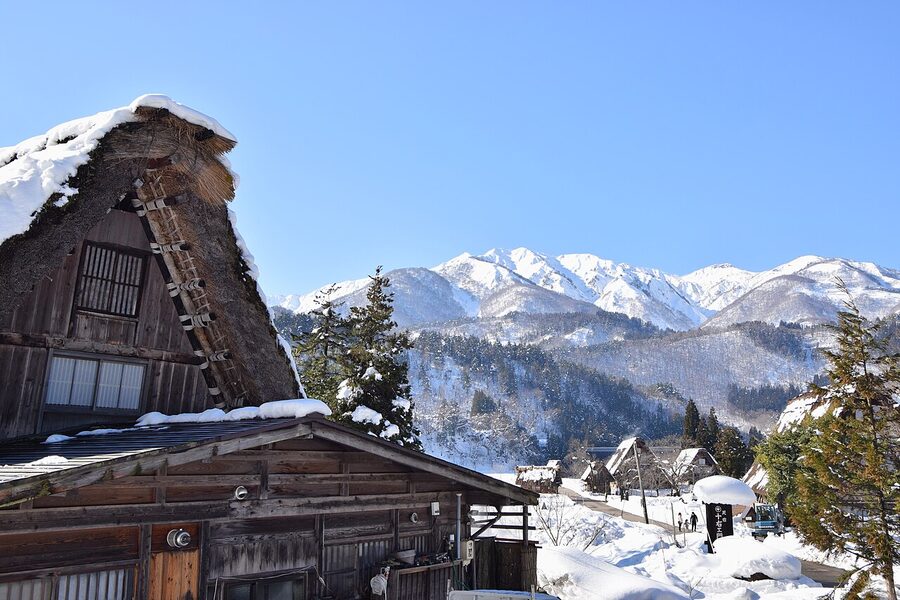
Shirakawa-go gets serious snow — 3 to 4 metres per winter. From mid-December to early March, the village transforms into something that looks almost impossible: thatched roofs under half a metre of snow, narrow cleared paths between buildings, and light bouncing off every surface.
Six nights per winter — usually Saturday evenings in mid-January to mid-February — the village runs night illumination events. The gassho-zukuri are lit against the snow from dusk until 7:30pm. These are the single most-photographed moments in Shirakawa-go’s year, and they require booking the dedicated evening tours months in advance — the standard day tours don’t cover them. Check our separate Shirakawa-go winter illumination guide if you’re timing a trip for February.
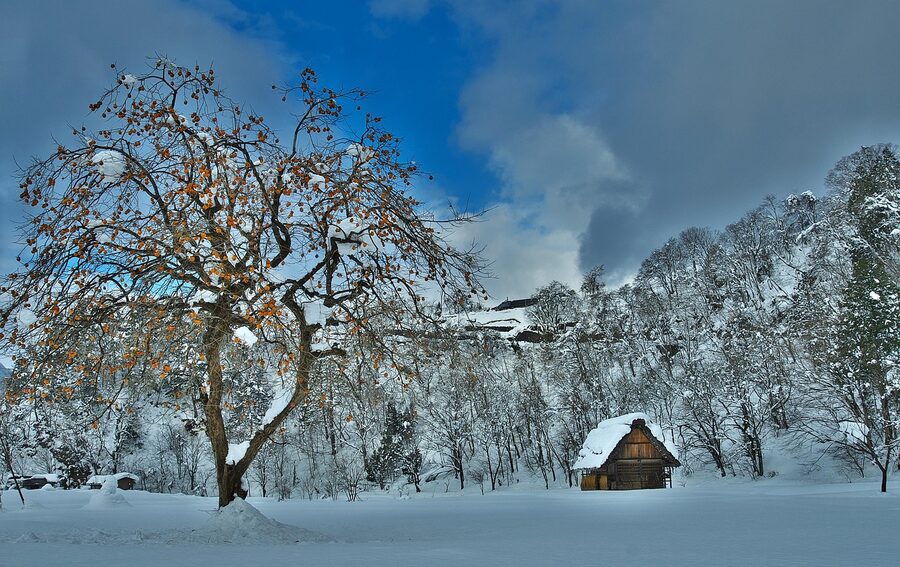
If you’re on the standard day tour in winter, you still get the snow — just without the evening illumination. The village in mid-afternoon with 2 metres of snow on every surface is extraordinary in its own right, and you’ll likely have it to yourself for parts of your visit since most daytrippers cluster at the observation point.
Winter-specific caveats: wear proper boots (the paths are cleared but icy), bring a hat (the wind comes down the valley cold), and expect 1-2 hours of bus time added for snow conditions on the expressway. Tours occasionally cancel in severe weather — check the operator’s refund policy before booking.
What the Day Actually Looks Like
A standard Nagoya day tour runs like this:
7:30-8:00am: Meet at Nagoya Station, usually the Meitetsu bus terminal. Show your voucher, board the coach. If you booked the Gujo-inclusive tour, you’ll also get a quick English orientation on the way out.
8:00-10:30am: Expressway drive west and north through the Hida Mountains. Rest stop halfway (pea gravel rest areas are a Japanese driving staple — worth a look for the variety of regional food sold at each one). If on the Gujo tour, arrive Gujo Hachiman around 9:30-10:00.
10:00-11:00am: Gujo Hachiman walking stop (Gujo tour only).
11:30am-1:30pm: Takayama. Drop-off usually at the main Sanmachi parking or bus terminal. Free time for walking and lunch on your own.
2:30-4:30pm: Shirakawa-go. Drop-off at the main visitor parking outside the village; you walk in across the suspension bridge over the Shogawa River.
5:00-8:30pm: Return drive to Nagoya. Dinner is not included; you’ll be hungry by return. Most tours drop you back at Nagoya Station around 8:00-8:30pm.
Who Each Tour Suits
Book the 3-stop (Gujo + Takayama + Shirakawa-go) tour if: It’s your first time in this region, you want maximum variety in one day, and you’re fine with slightly compressed time at each stop. The $61 price is unbeatable for what’s included.
Book the 2-stop (Takayama + Shirakawa-go) tour if: You prefer a longer, less rushed stop at each village, you don’t care about Gujo, and you want to be back in Nagoya by early evening.
Book the private tour if: You’re in a group of 4+ people splitting the cost, you have mobility considerations, or you want hotel pickup rather than station meetup. At $205-360 per head with 5+ people it compares reasonably to the small-group day tour after accounting for the convenience.
Book none of these — rail it yourself — if: You’re spending 3+ days in the Hida region, want an overnight in a Takayama ryokan or in a Shirakawa-go farmhouse stay, or want maximum flexibility. In that case, take the JR Hida Limited Express from Nagoya to Takayama, spend a night, then local bus from Takayama to Shirakawa-go the next day.
Practical Tips
Book ahead: 3-5 days in normal seasons, 2+ weeks for cherry blossom (early-mid April) or autumn foliage (late October-early November), and 4+ weeks for the winter illumination dates in January-February.
Cancellation: Most operators offer free cancellation up to 24 hours before. Weather cancellations (heavy snow shutting the expressway) trigger full refunds from reputable operators. Confirm this before booking.
What to bring: Walking shoes (you’ll do 3-4km on cobbles and gravel). Layers — the mountain valleys are always cooler than Nagoya. Cash for lunch and small purchases; many Takayama and Shirakawa-go shops still prefer cash over cards. A small backpack for souvenirs.
Food on the bus: The rest stops on the expressway have hot food, rice balls, and snacks. Tours don’t provide food unless explicitly listed. Eat breakfast before boarding.
Photography: Allowed everywhere you’d expect except inside specific preserved farmhouse rooms (noted by signs). Drones are prohibited at Shirakawa-go — do not fly one.
Bathrooms: Available at each stop. The expressway rest areas have proper toilets. Shirakawa-go has several public toilet buildings around the village.
Luggage: Small day-bags only. If you’re continuing to Kyoto or Tokyo the same evening, leave large luggage in a Nagoya Station coin locker (¥600-900 for the day) rather than bringing it on the coach.
Language: All three tours include English-speaking guides. The commentary is usually 80% English / 20% Japanese for the mixed-group versions. The private tour is English throughout.
Why This Beats Doing It Yourself
Independent travel from Nagoya to Takayama to Shirakawa-go and back is absolutely possible — it’s a standard 2-day itinerary for self-routing travellers, and there’s a lot to be said for the slower pace. But here’s the real trade-off for a 1-day version:
Nagoya to Takayama on the JR Hida Limited Express is 2.5 hours each way. Takayama to Shirakawa-go by local bus is another hour each way (2-hour interval between departures, which means you need to time it). Coming back the same day means roughly 7 hours on rails and buses to get 3-4 hours on the ground. Also: you’re carrying any luggage.
The Nagoya day tour gives you roughly the same 3-4 hours on the ground, but compresses the transit into a single comfortable coach ride with no connections to miss. The cost savings on rail fares mostly offset the tour price. And you don’t burn decision energy on the logistics.
It’s the standard “slow travel vs efficient travel” question. If you have 2+ days for this region, rail it yourself. If you have one day, book one of these tours.
More Japan Experiences
If you’re extending your time in Hida country, our Takayama sake brewery tour guide digs into the local brewing tradition. The Shirakawa-go winter illumination guide covers the February evening events. For Kanazawa-origin alternatives to Shirakawa-go, see our Kanazawa to Shirakawa-go guide. Nagoya street food walking tour is the urban food-focused counterpart for when you’re in Nagoya city. If you’re working the Tokyo-Kyoto route, our Kyoto Gion food tour is the cultural-capital food experience that pairs naturally with a Nagoya stopover. Tokyo ramen tasting and Osaka Kuromon Market cover the other two anchors of a standard Japan trip. For deeper rural Japan, our Takachiho Gorge guide is the southern-Japan equivalent of Shirakawa-go — a UNESCO-adjacent remote landscape accessible by day tour. And if you’re matching the Japanese craft theme, our Kanazawa tea ceremony is a natural pair. Most Nagoya tours run well on your arrival day after a shinkansen from Tokyo — arrive the evening before, sleep at a Nagoya Station hotel, do the day tour, and carry on to Kyoto or Osaka the following evening.