
We stopped at a vending machine on a tiny street in Yanaka. Our guide bought three cans of coffee. “Pick one,” she said. I picked the one with a smiling bald man on it.
“That’s Fukurokuju. He’s one of the Seven Lucky Gods. That vending machine is 80 metres from his shrine. Check the other two — they’re also lucky gods.”
They were. She hadn’t picked the cans randomly. That’s the kind of knowledge you get on a Yanaka walking tour.
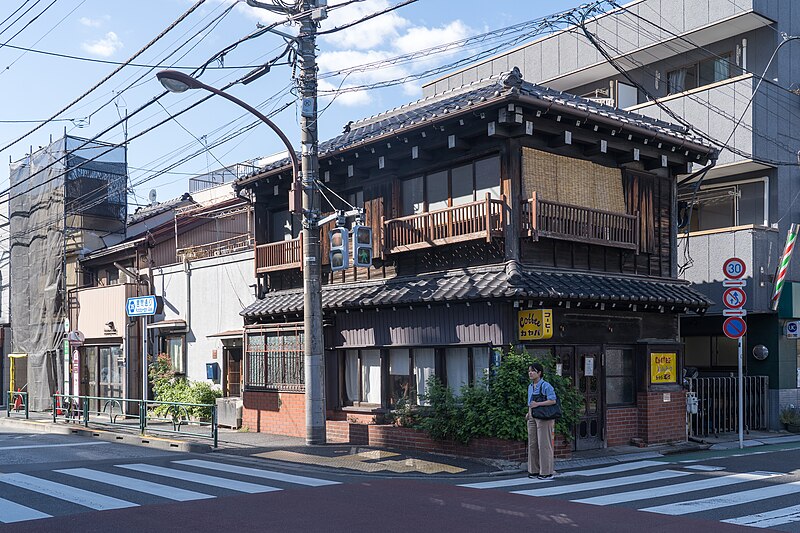
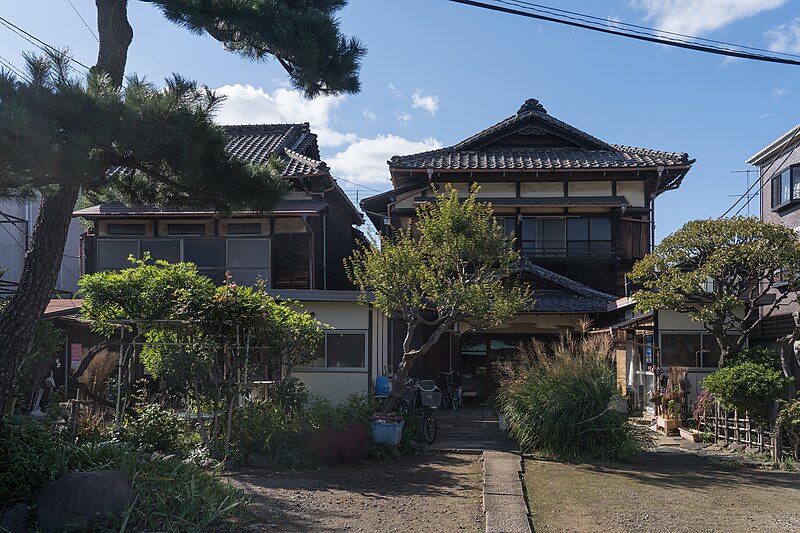
Yanaka is Tokyo’s best-preserved old neighbourhood. It survived the 1923 earthquake and the 1945 firebombings, which means the wooden houses, the narrow alleys, and the small temples are all still original — some 300+ years old. The walking tours are run by local guides who grew up here, take you into the temples most visitors walk past, and show you the residential Tokyo that most visitors never see.
This is the calmest counterpoint to Shibuya and Shinjuku. No neon, no crowds, no big attractions. Just 400 years of Tokyo history preserved in one walkable square mile.
Short on time? Here are my top picks:
Best overall: Yanaka Walking Tour — Tokyo Old Quarter — $40, 590 reviews. The most-reviewed Yanaka tour. Covers temples, Yanaka Ginza, and the residential backstreets.
Most atmospheric: Experience Old and Nostalgic Tokyo: Yanaka Walking Tour — $73, 530 reviews, perfect 5.0. Longer and more in-depth, includes more stops and storytelling.
Best value: Tokyo: Old Quarter Yanaka Walking Tour — $32, 3 hours, 406 reviews. The cheapest full-tour option. Same core route, smaller cost.
- What a Yanaka Tour Actually Covers
- Yanaka Cemetery
- The Temples
- Yanaka Ginza Shopping Street
- The Cats of Yanaka
- The 3 Best Yanaka Walking Tours
- 1. Yanaka Walking Tour — Tokyo Old Quarter —
- 2. Experience Old and Nostalgic Tokyo: Yanaka Walking Tour —
- 3. Tokyo: Old Quarter Yanaka Walking Tour —
- 400 Years of Yanaka: The Neighbourhood That Survived Everything
- What Makes Yanaka Different from Asakusa
- The Sunset Staircase (Yuyake Dandan)
- Best Time to Visit
- Practical Tips
- Combining Yanaka with Other Tokyo Experiences
- Getting There
- More Tokyo Experiences
What a Yanaka Tour Actually Covers
Every tour hits a similar set of stops but orders them differently. Here’s what you’ll see.
Yanaka Cemetery
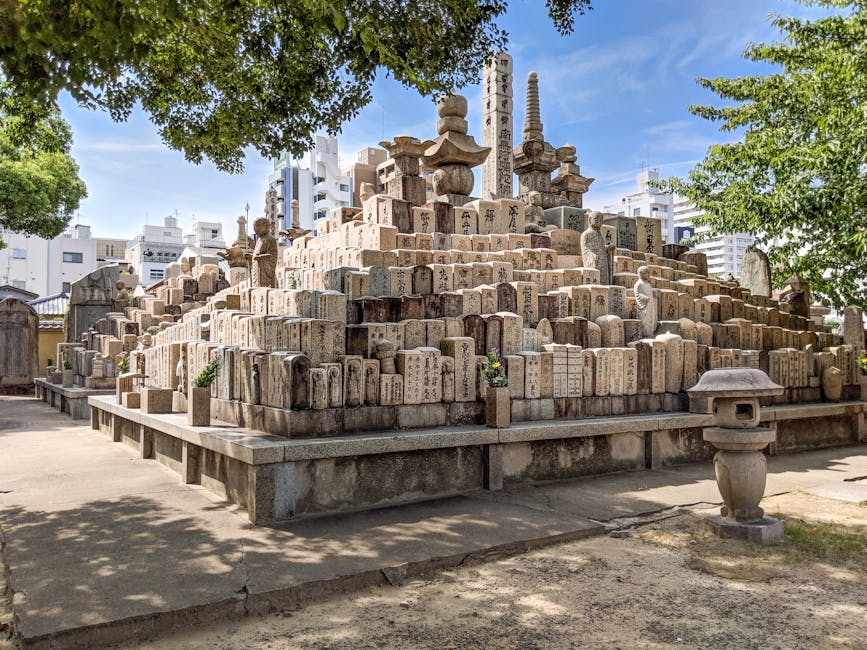
Most tours start near Nippori Station and walk directly into Yanaka Cemetery. This sounds morbid but it’s actually one of the most beautiful parts of the tour. The cemetery is over 100,000 square metres, full of old stone graves, cherry trees, and the kind of quiet that you cannot find in central Tokyo. Famous burials include Yoshinobu Tokugawa (the last shogun), the novelist Natsume Soseki, and several prime ministers.
The Temples
Yanaka has 70+ Buddhist temples. This isn’t a tourist-marketing number — it’s a real count. During the Edo period (1603-1868), multiple temples were relocated here to create a spiritual buffer for the shogun’s castle. The concentration stuck. Today, you can walk 5 minutes in any direction and hit a temple with 300+ years of history and no other visitors.
The tours usually visit 3-4 temples. You’ll learn the differences between the Buddhist sects (most Japanese don’t know this either), see some of the oldest wooden architecture in Tokyo, and sometimes get to meet the monk who runs the temple.
Yanaka Ginza Shopping Street
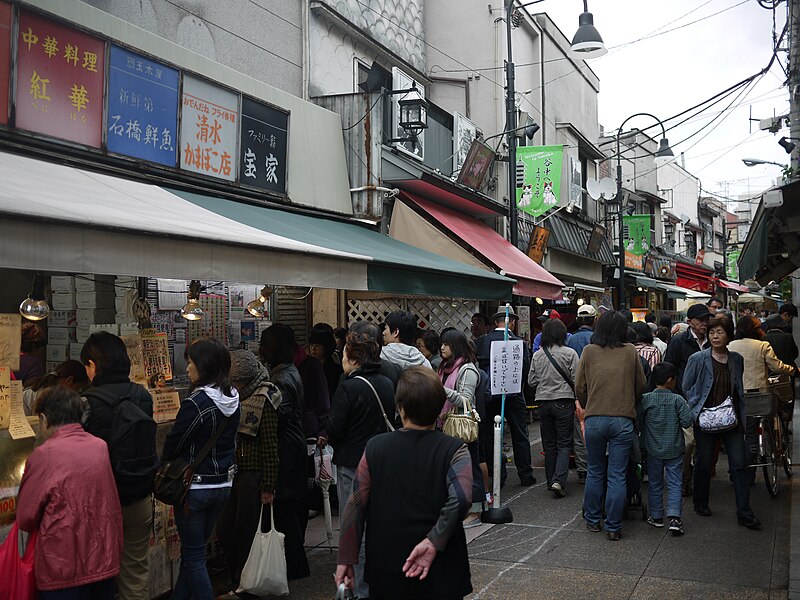
The centrepiece of the Yanaka experience. A 170-metre pedestrian shopping street with about 70 family-run stores. Fishmongers, butchers, bakeries, tea shops, sake shops, tempura stalls, and the kind of mom-and-pop businesses that have been on the same corner for 60+ years.
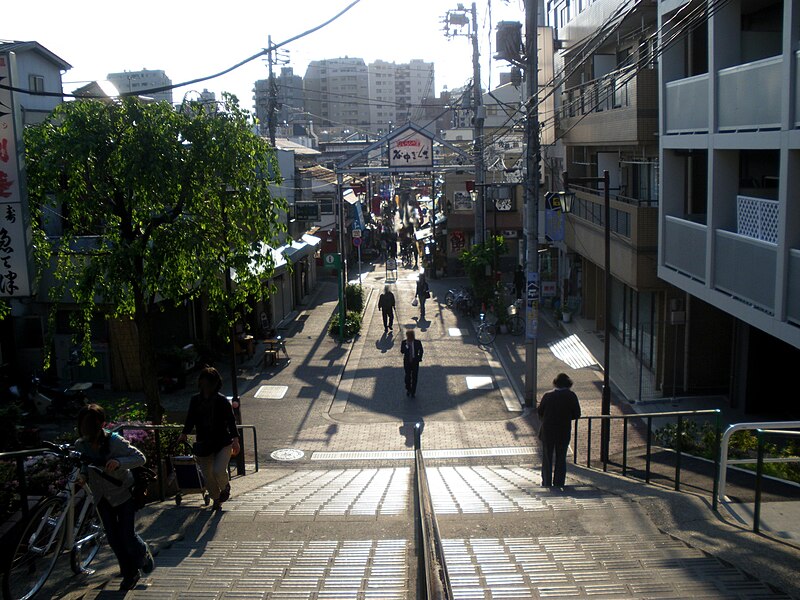
Don’t expect fancy cocktail bars or Instagram-ready dessert spots. This is working-class Tokyo at its most authentic. The famous step at the west end of Yanaka Ginza — the “Yuyake Dandan” or Sunset Staircase — is one of Tokyo’s best sunset viewing spots. Get there around 5pm to see it properly.
The Cats of Yanaka
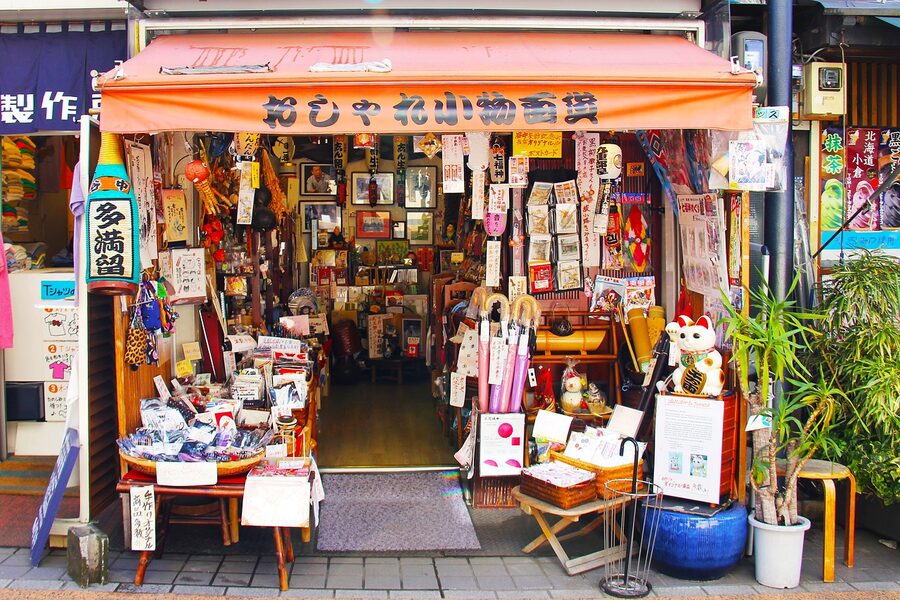
Yanaka has a cat thing. The neighbourhood is unofficially known as “Tokyo’s cat town” because of the large population of friendly strays (fed by locals) and the cat-themed merchandise in every shop. The tour guides will point out the “seven cat steps” hidden in Yanaka Ginza — a local game where visitors try to find all the wooden cat-shaped cut-outs along the street.
The 3 Best Yanaka Walking Tours
1. Yanaka Walking Tour — Tokyo Old Quarter — $40

The highest-reviewed Yanaka tour at $40 with 590 reviews. Standard 2-3 hour format covering the key stops: cemetery, temples, Yanaka Ginza, and the Sunset Staircase. Our full review covers the route and the guide’s storytelling approach.
2. Experience Old and Nostalgic Tokyo: Yanaka Walking Tour — $73
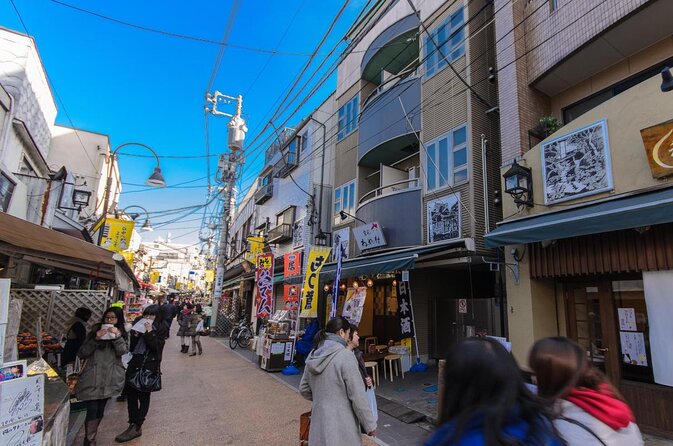
Perfect 5.0 across 530 reviews at $73. This is the longer, slower version with more stops and more time to soak in each temple. Best pick if you’re genuinely interested in the history and want proper context rather than a quick overview. Our review explains the premium format and why the extra hour matters.
3. Tokyo: Old Quarter Yanaka Walking Tour — $32
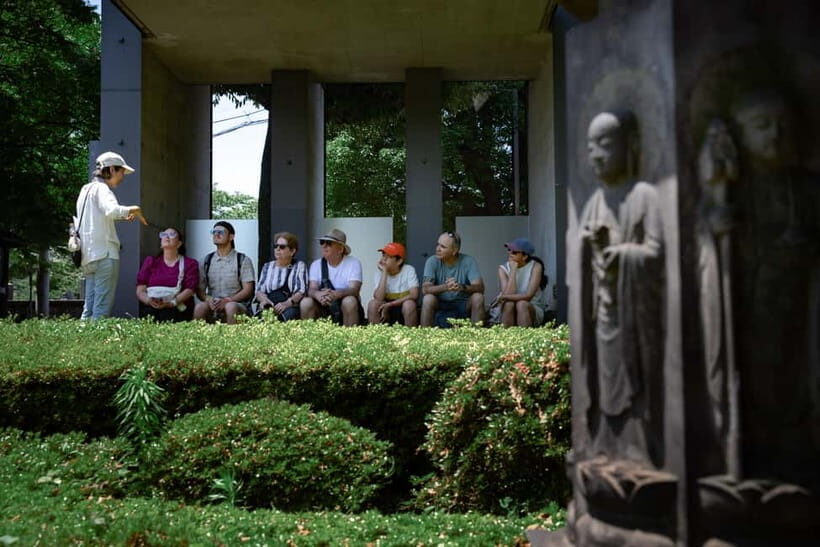
The cheapest full-tour option at $32 with 406 reviews and a 4.8 rating. 3-hour format covering the major Yanaka stops. Nasser from a recent visit called it peaceful and felt like walking through ancient times, and praised guide Paulina’s knowledge. Our review explains how the cheaper format differs from the Viator premium options.
400 Years of Yanaka: The Neighbourhood That Survived Everything
Yanaka’s survival is the reason it’s worth visiting.
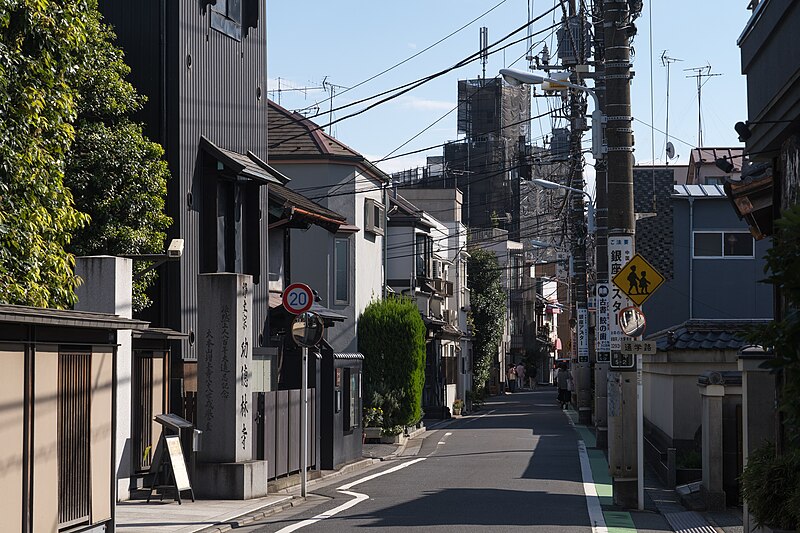
When Tokugawa Ieyasu made Edo (old Tokyo) his capital in 1603, he needed spiritual protection. Buddhist and Shinto tradition said that threats come from the northeast — the “kimon” or demon gate. Ieyasu ordered dozens of temples relocated to the northeast of his castle to act as a spiritual barrier. That’s how Yanaka got 70+ temples in one small area.
The neighbourhood grew around the temples as a working-class residential district. Monks, temple caretakers, woodworkers, paper makers, and the families that supplied the temple economy. For 250 years of the Edo period, Yanaka was a quiet, religious neighbourhood — the exact opposite of the pleasure quarters in Asakusa or the merchant districts in Nihonbashi.
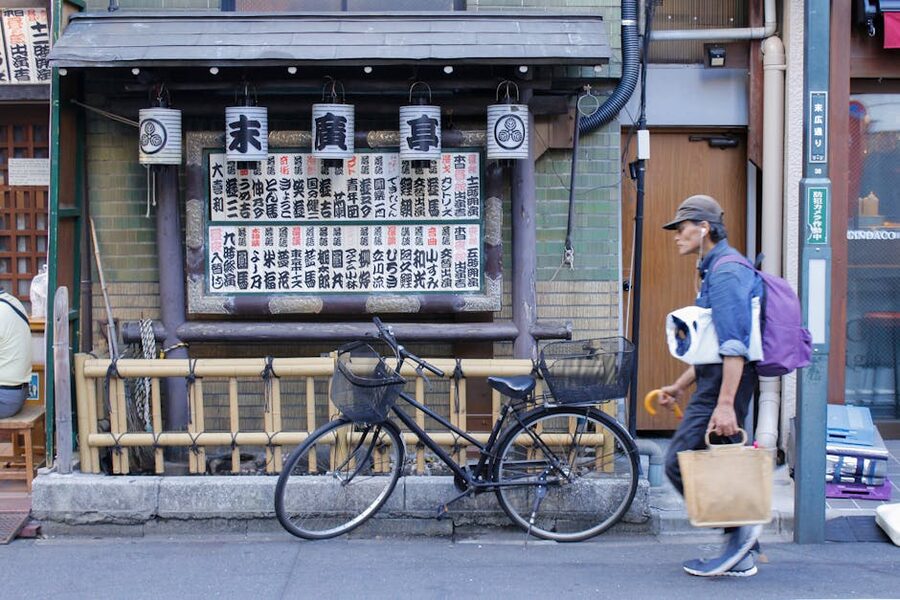
Then came two disasters that destroyed most of old Tokyo. The 1923 Great Kanto Earthquake levelled large parts of the city. Twenty-two years later, the 1945 Tokyo firebombings destroyed about 50% of everything that was left.
Yanaka survived both. The 1923 earthquake barely touched the area — it was far enough north and the wooden buildings were flexible enough to ride out the shaking. The 1945 bombings also missed it — Yanaka wasn’t industrial, wasn’t strategic, and wasn’t a target. The Americans dropped their bombs elsewhere.
So when you walk through Yanaka, you’re walking through one of the only parts of Tokyo that looks like it did in 1900. The wooden houses, the narrow lanes, the temples, the cemetery — all survived. The rest of Tokyo was rebuilt after 1945. Yanaka never needed to be.
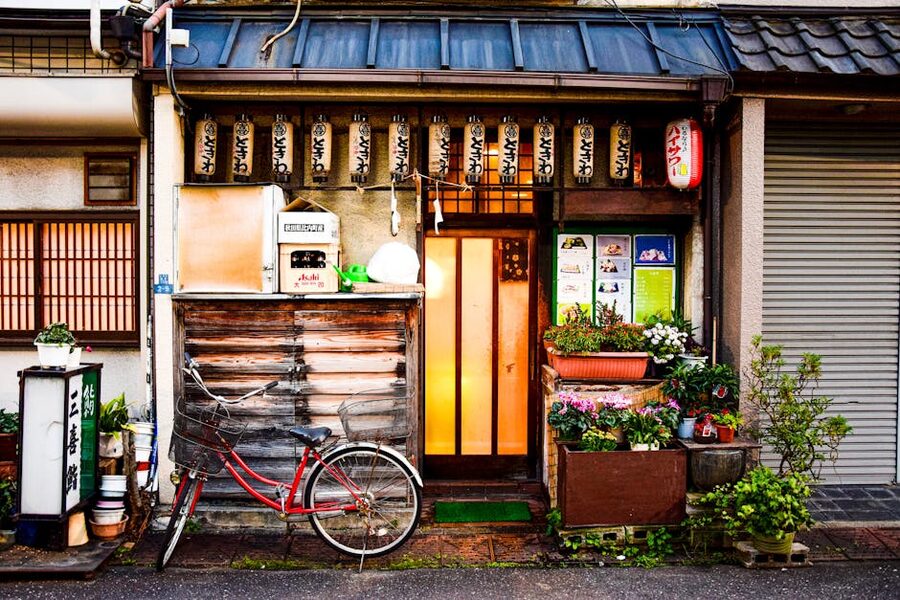
Why this matters when you visit: The wooden building your guide points out isn’t a replica. The 300-year-old temple isn’t a rebuild. The narrow alleys aren’t preserved — they’re just still there. Yanaka is the rarest thing in Tokyo: an actual old neighbourhood. Everything you’ll photograph on the tour is the real thing.
What Makes Yanaka Different from Asakusa
Visitors often confuse the two. They’re both “old Tokyo” neighbourhoods. But the experience is completely different.
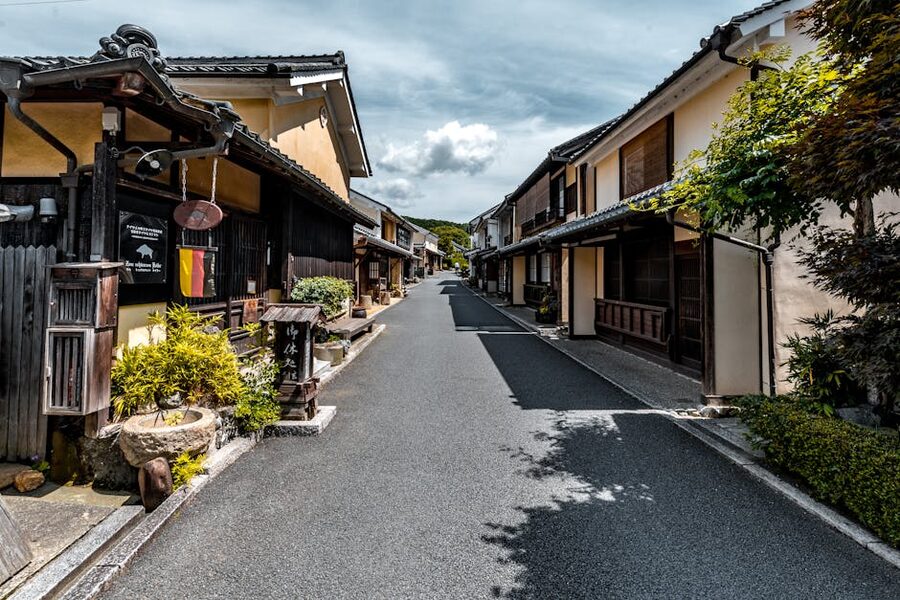
Asakusa: Big temple (Sensoji), massive crowds, heavy tourism, full of souvenir shops, lively and busy. One main attraction draws 30 million visitors a year. Perfect for a first-time Tokyo visitor who wants the famous Japan experience.
Yanaka: No single big attraction, small crowds, residential feel, working-class shops, quiet. A neighbourhood-wide experience rather than a single site. Perfect for second-time or third-time visitors who’ve already done Sensoji and want to see the real Tokyo.
If you’re on your first Tokyo trip: do Asakusa first, Yanaka second. They’re 15 minutes apart by train. You’ll understand the difference between “famous Tokyo” and “real Tokyo.”
The Sunset Staircase (Yuyake Dandan)
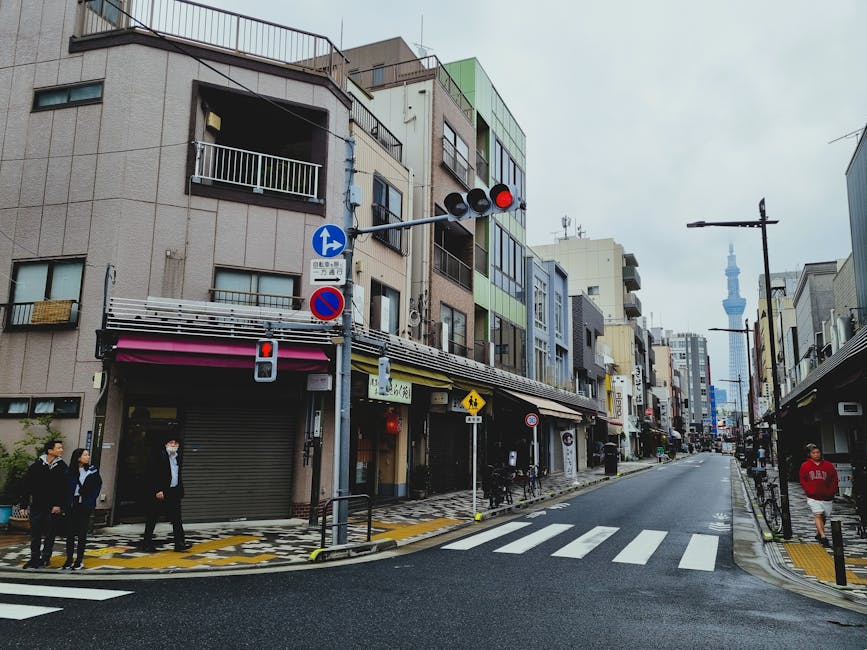
The Yuyake Dandan is a short staircase at the west end of Yanaka Ginza. It’s not a tourist attraction in the normal sense — no ticket, no signs, no photo displays. But every local Tokyoite knows it. The steps face west and offer one of the best free sunset views in central Tokyo.
Around 5pm (earlier in winter), locals and visitors gather here to watch the sun drop behind the city. Street cats sit on the steps. Photographers set up tripods. Nobody talks much. It’s one of Tokyo’s quietest daily rituals and one of its most memorable.
If your tour is scheduled for afternoon-into-evening, it will end here. If your tour is morning-only, come back independently for sunset. It’s a 5-minute walk from Yanaka Station and genuinely worth the detour.
Best Time to Visit
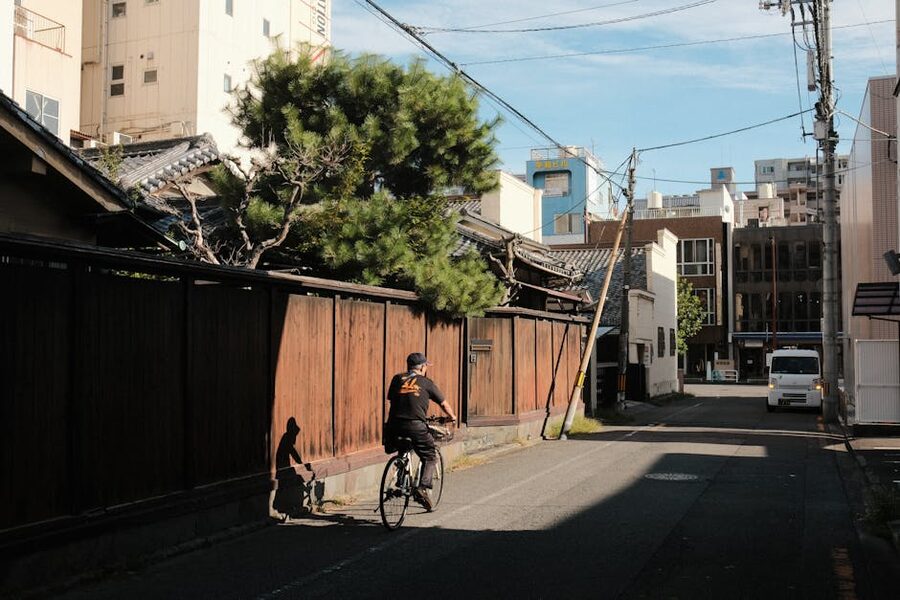
Morning (9-11am): Quietest time. The temples are open, the shops are setting up, and you’ll often have entire streets to yourself. Best for photography.
Midday (11am-3pm): Yanaka Ginza gets busy with local shoppers doing their daily errands. The tempura stalls are fresh, the senbei shops are grilling, and the atmosphere is at its most lively.
Late afternoon (3-5pm): Perfect for the sunset viewing at Yuyake Dandan. Most tours aim to finish around this time.
Evening (after 5pm): The shops close around 6pm, but the streets are still walkable. Quiet, slightly melancholy, beautiful in a specific Japanese way. The word “sabi” applies — the beauty of things past their peak.
Spring (cherry blossom season): Yanaka Cemetery has spectacular cherry blossoms and smaller crowds than the major Tokyo hanami spots. Late March to early April.
Autumn (mid-November): The temple gardens turn red and gold. Lower crowds than Kyoto’s famous autumn spots but equally beautiful at a fraction of the photography wait time.
Practical Tips
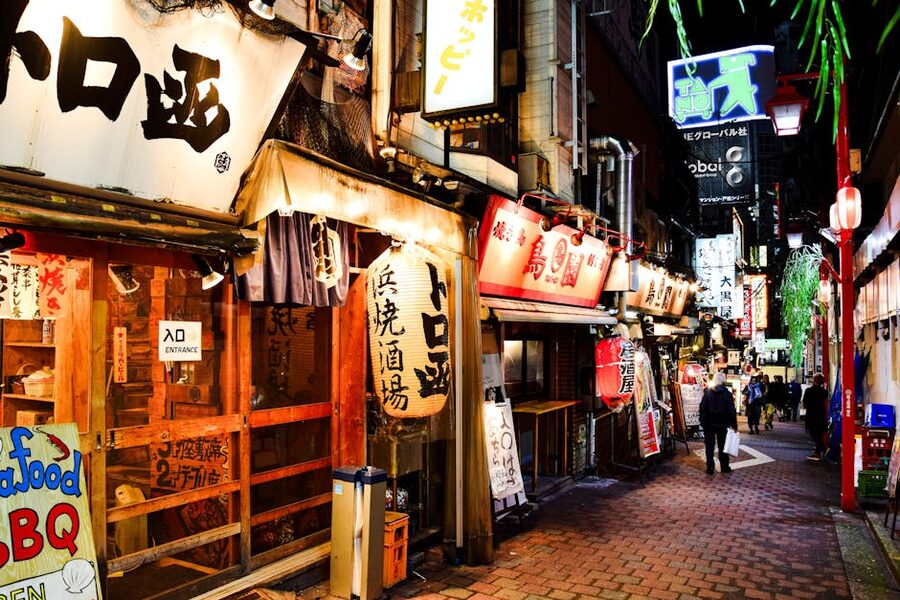
When to book: 1-2 days ahead for most tours. Weekends fill up faster. Cherry blossom and autumn colour seasons are the busiest.
Duration: Most tours are 2-3 hours. Budget a full morning or afternoon.
What to wear: Walking shoes essential. You’ll cover 3-5km. Temples require removing shoes — easy slip-on shoes help.
Cash: Bring 2,000-3,000 yen for snacks and souvenirs at Yanaka Ginza. Most small shops are cash-only.
Dietary restrictions: Tell your guide at booking. Yanaka Ginza has mostly savoury Japanese food, but vegetarian options exist (taiyaki, mochi, certain tempura).
Etiquette at temples: Don’t photograph inside the halls unless given permission. Don’t touch statues or offerings. Bow when entering and leaving. Your guide will explain each temple’s specific rules.
Accessibility: Yanaka is mostly flat but has occasional stairs and cobblestones. Temples have raised wooden platforms. Wheelchair access is limited.
Cats: Don’t pick them up. Let them come to you. Japanese cat etiquette is stricter than Western cat etiquette. Also, don’t feed them — the locals have a feeding routine that keeps the cats healthy.
Combining Yanaka with Other Tokyo Experiences
Yanaka is in north-east Tokyo, close to several other notable spots.
Morning: Yanaka walking tour (9am-12pm).
Lunch: Yanaka Ginza has several small restaurants. Or grab street food as you go.
Afternoon: Asakusa Sensoji Temple tour — 15 minutes by train from Yanaka. The perfect contrast: quiet Yanaka followed by busy Asakusa.
Evening: Dinner in Asakusa or Ueno. Both have more restaurant options than Yanaka itself. Our Tsukiji food tour is a longer day option if you want two tours in one day.
Late evening: If you want a night out, Shinjuku Golden Gai or Tokyo bar hopping are both 30 minutes by train.
Getting There
Nippori Station: 3 minutes by foot to the Yanaka Cemetery entrance. This is the most common tour meeting point. On the JR Yamanote Line — the main Tokyo loop — so easy to reach from anywhere.
Nezu Station: 5 minutes by foot to the south end of Yanaka. Chiyoda Line. Useful if you’re coming from the Imperial Palace area.
Sendagi Station: 5 minutes by foot. Chiyoda Line. Closer to the Yanaka temple cluster.
From Tokyo Station: JR Yamanote Line to Nippori (10 minutes). From Shinjuku: Yamanote Line to Nippori (20 minutes). From Shibuya: Yamanote Line to Nippori (25 minutes).
More Tokyo Experiences
Yanaka is the quiet end of Tokyo. From here, the loud end is calling. Our Asakusa Sensoji tour is the famous historical neighbourhood 15 minutes away. The Shinjuku Golden Gai night walk takes you into the smallest bars in Tokyo. For contrast, the Shibuya walking tour shows you the loudest neighbourhood in the city — a perfect 180 from Yanaka. Tokyo Skytree gives you a bird’s-eye view that includes Yanaka’s temple rooftops. And for another quiet cultural experience, the Imperial Palace walking tour covers the other end of Tokyo’s “preserved history” spectrum — the emperor’s traditional residence in central Tokyo.