
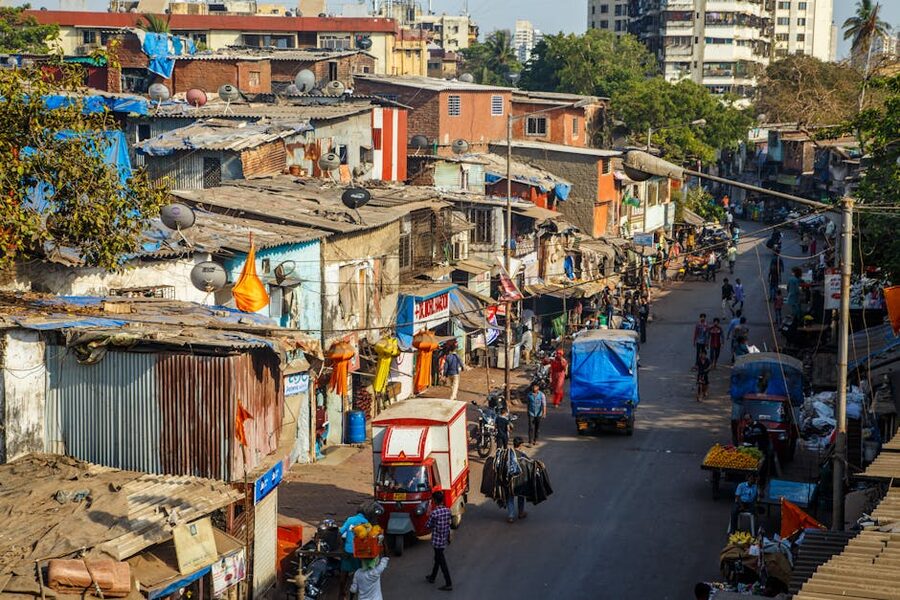
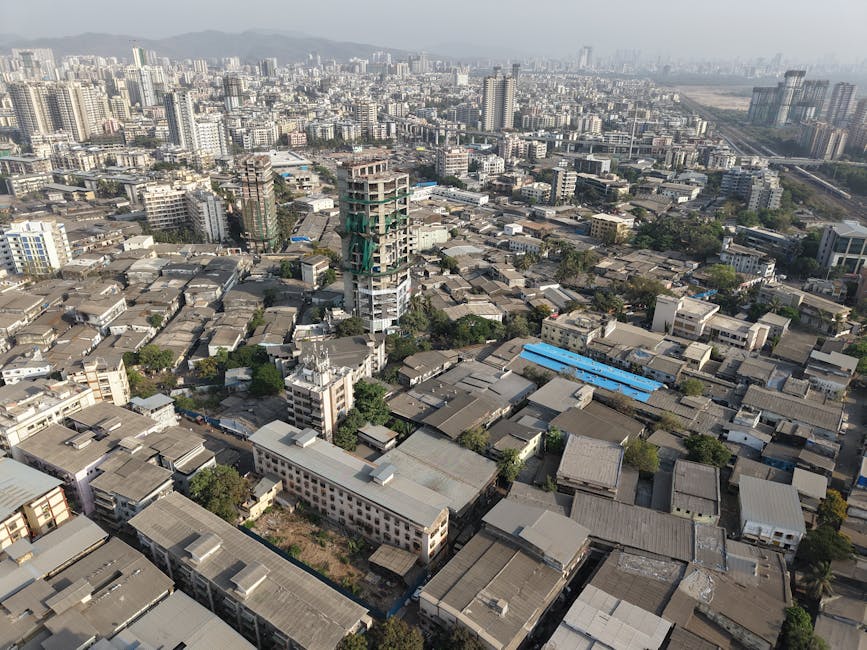
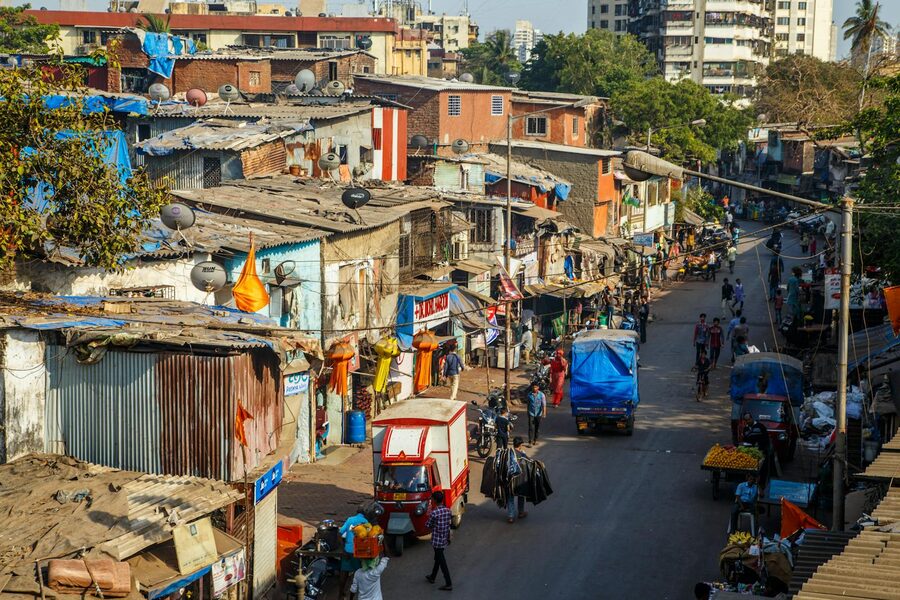
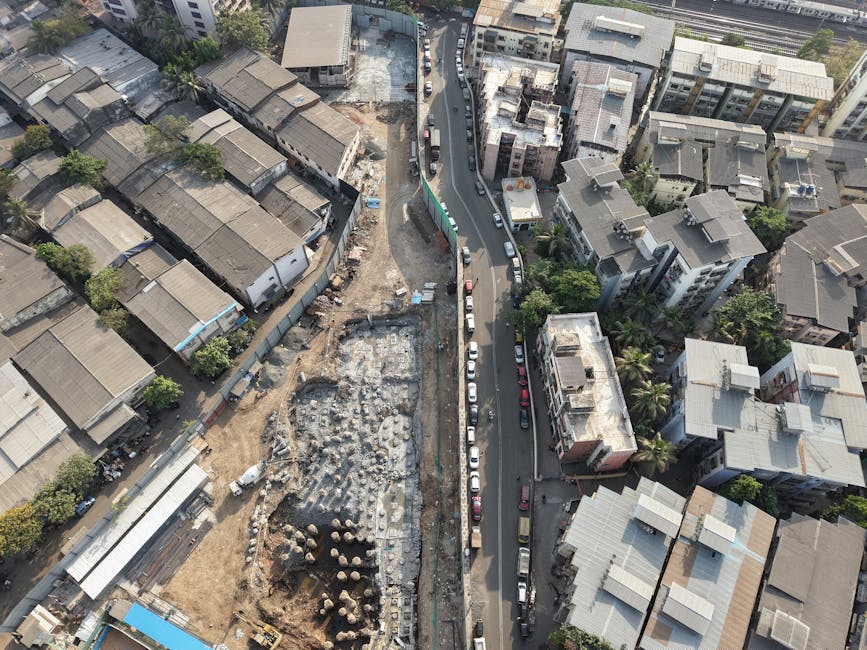
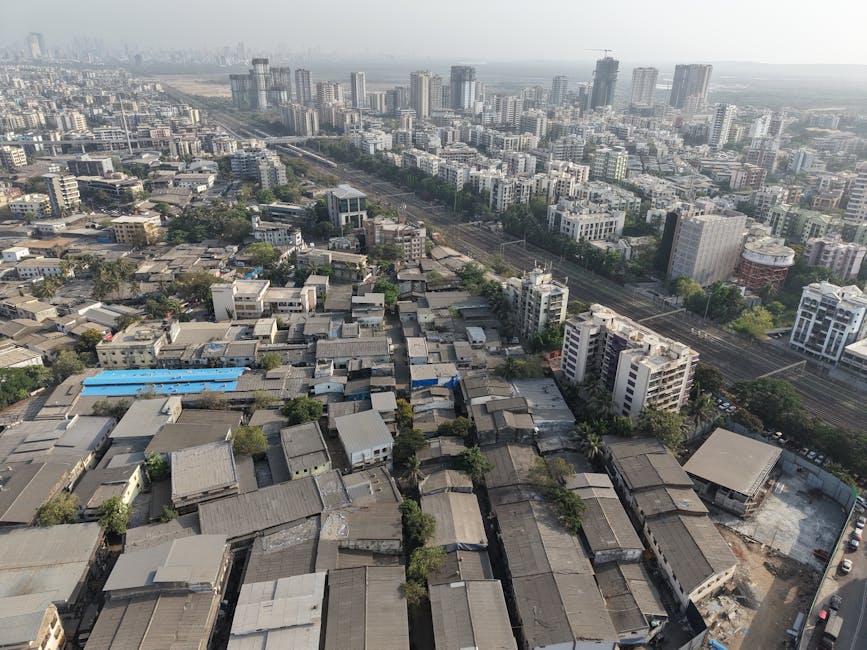
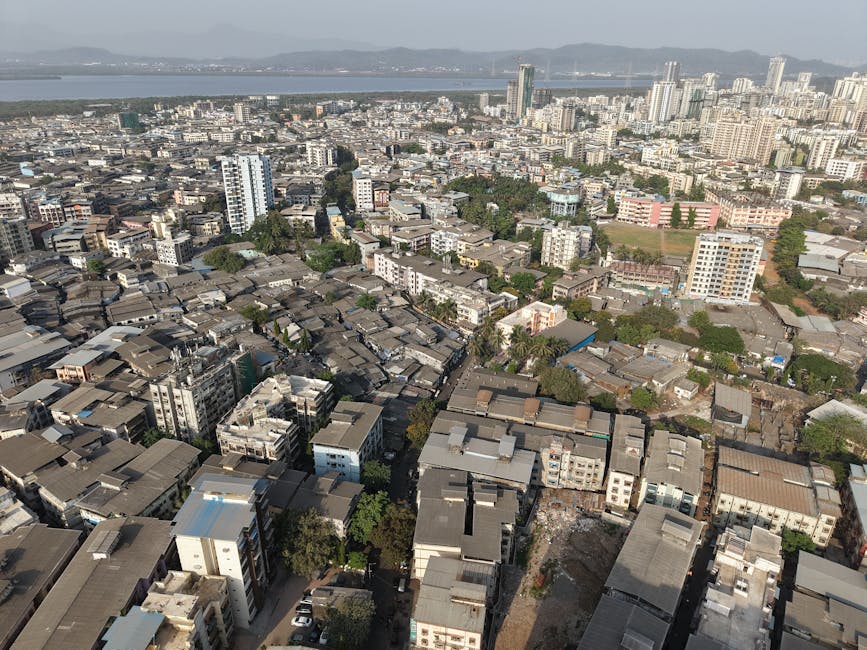
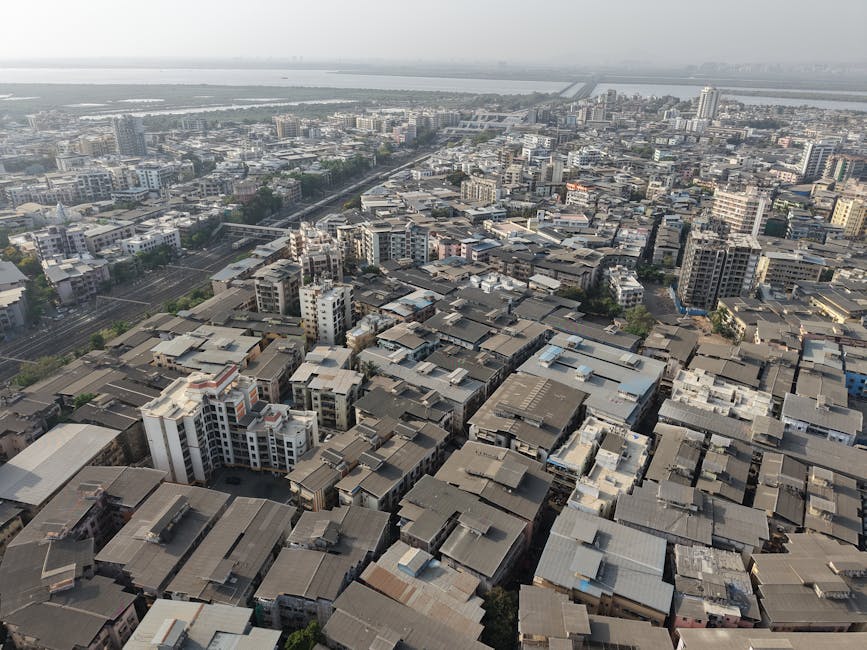
Dharavi has roughly a million people living on 2.1 square kilometers between the Mahim and Sion railway lines in central Mumbai, generates an informal economy estimated at somewhere between $650 million and $1 billion a year, and is the global center of small-batch leather production, small-batch pottery, and small-batch plastic recycling for the entire western Indian market.
It is routinely called Asia’s largest slum, which is technically accurate by the narrow UN definition (unplanned, informal, high-density settlement) but is so misleading as a description of daily life that the word essentially stops being useful. Dharavi is not a place of misery. It is a place of work.
The people who live there have jobs, running water, electricity, and in many cases ownership stakes in the small factories stacked two and three stories deep along the inner lanes. The neighborhood produces something like 20% of the leather goods exported from India.
It has schools, temples, mosques, churches, banks, a functioning postal service, and according to the most recent estimates, more than 5,000 small businesses.
n
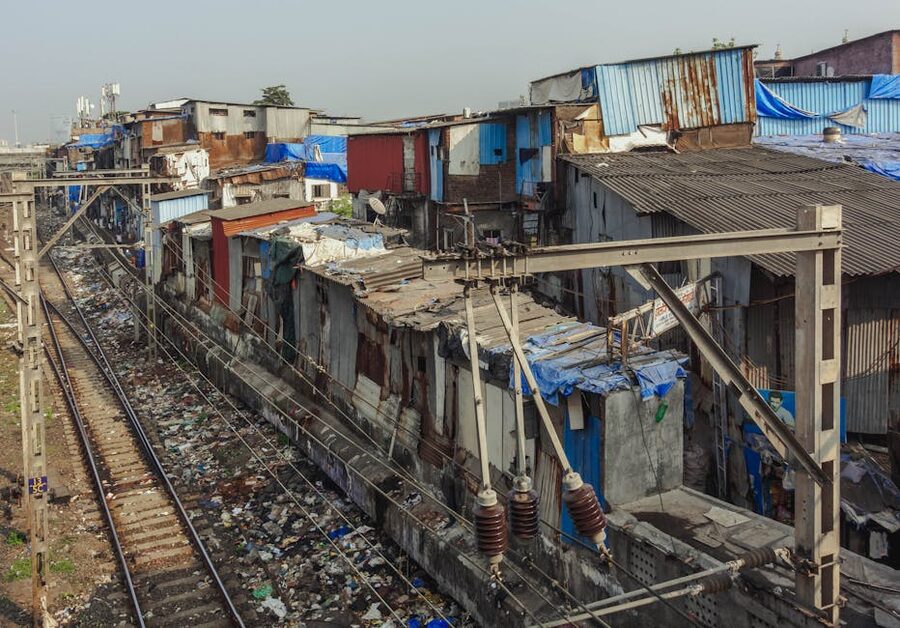
None of which stops most first-time visitors from being surprised when they see it, because the narrative that travels with the word “slum” is one of desperation and the reality on the ground is, much more often, a story of people working hard in cramped quarters to build a middle-class life for their children.
That contrast is what makes a Dharavi walking tour one of the most commonly recommended half-day experiences in Mumbai, and also what makes it one of the most ethically fraught — the line between a respectful walk run with community consent and a voyeuristic drive-by is real, and the operator you book with matters enormously.
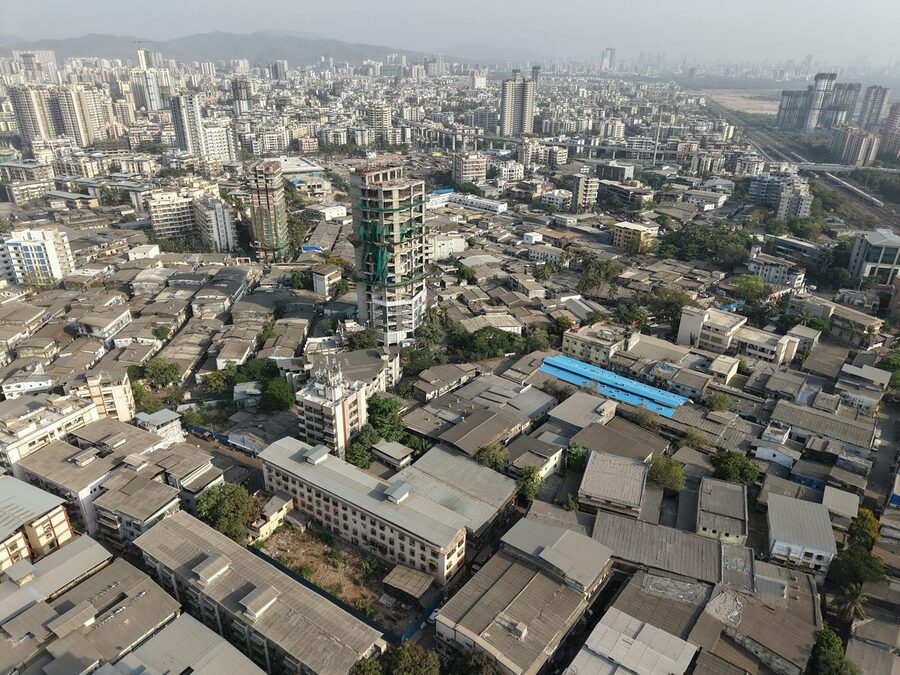
This guide walks through the three best Dharavi tours on the major booking platforms by verified review count and rating, explains what a responsible tour actually looks like, and covers the ethics question directly rather than pretending it doesn’t exist. There is no single right answer to whether you should book at all — only a set of considerations, laid out as honestly as possible below.

- The 3 Best Dharavi Walking Tours
- 1. Dharavi Slum Tour by the 1st Female Tour Guide of Mumbai’s Slum (Viator)
- 2. Mumbai Dharavi Slum, Dhobi Ghat, and Dabbawallas Tour (GetYourGuide)
- 3. Dharavi Slum Tour (Viator — Small Group)
- Which Tour Should You Actually Book?
- The Ethics Question (Addressed Directly)
- What You Actually See on a Dharavi Walking Tour
- The 13th Compound — Plastic Recycling
- Kumbharwada — The Potters’ Quarter
- The Leather District
- The Textile and Embroidery Workshops
- The Papadum Courtyards
- The No-Photography Rule (Non-Negotiable)
- Practical Things Nobody Tells You
- When to Go
- What to Wear
- What Not to Do
- How to Get There
- Combining With Other Mumbai Experiences
- A Small Note on the “Slum” Word
- Should You Book a Dharavi Tour at All?
- Final Practical Summary
The 3 Best Dharavi Walking Tours
I ranked every Dharavi tour listed on GetYourGuide and Viator by verified review count and average rating, filtered out the drive-by bus tours (which are almost universally criticized by ethical travel writers), and kept the three walking tours with the strongest review numbers and clearest operator transparency.
All three are small-group walking tours with a specialist guide who either lives in Dharavi or has partnered with residents, and all three respect the universal no-photography rule inside the lanes. Prices are per person at time of writing.
1. Dharavi Slum Tour by the 1st Female Tour Guide of Mumbai’s Slum (Viator)
This is the most-reviewed Dharavi walking tour on any major platform, and a perfect 5.0 average across nearly 2,000 Viator reviews is the cleanest data point you will find for a guided experience in Mumbai.
The tour is led by Mumbai’s first female Dharavi guide — a resident who grew up in the neighborhood and who trained through a women’s empowerment program that partners with local schools. travellers mention her by name in the majority of write-ups, and the consistency of the rating over that volume of feedback is the thing that matters.
At $9.49 per person for a 2.5-hour guided walk, it is also the cheapest of the three by a wide margin.
What’s good: Female-guided and female-founded, which matters both as a gender-equity story and as a practical matter — a female guide can walk foreign women through parts of the community (home visits, women’s self-help groups, the women’s embroidery cooperatives) that male guides generally cannot.
The itinerary is heavy on the community-economy side of Dharavi: the 13th Compound recycling zone, the small-batch leather workshops around Kumbharwada, the pottery kilns of the Kumbhar community, and a tea stop at a family home that gives you a quiet 20-minute break from the sensory intensity of the outer lanes.
The small-group size (typically four to six people, often private) means you can actually hear the guide over the ambient noise of the neighborhood, which is not a given on larger walks.
What’s not: The low price is because the tour is bare-bones — no transport to Dharavi included, so you’ll need an Uber or an auto-rickshaw from your hotel to the Sion or Mahim Junction meeting point and back. For solo foreign women arriving from South Mumbai this is not a problem (Ola and Uber both work reliably in Mumbai), but it’s worth noting the price isn’t door-to-door.
The tour doesn’t include Dhobi Ghat or the dabbawala lunch delivery (if you want those, book Tour #2 instead). Photography is not permitted inside the lanes — accept this before booking or don’t book.
2. Mumbai Dharavi Slum, Dhobi Ghat, and Dabbawallas Tour (GetYourGuide)
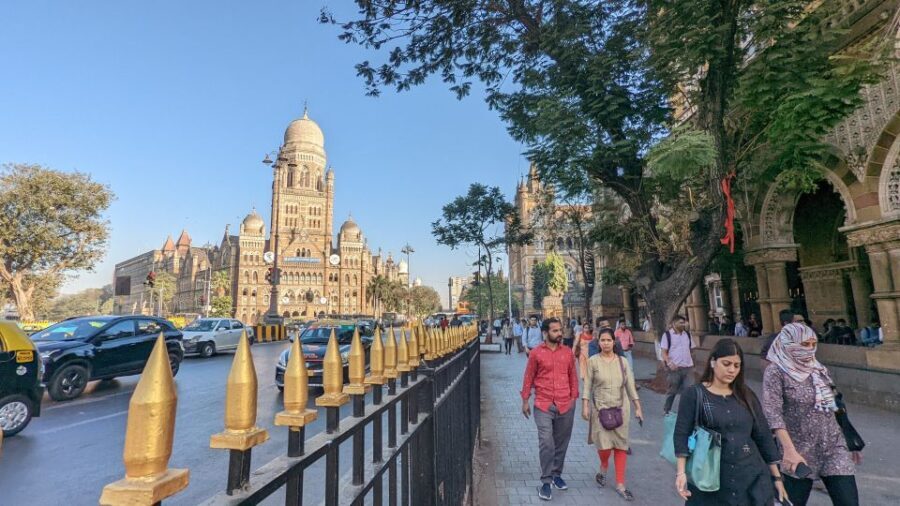
This is the combined itinerary that bundles Dharavi with the two other iconic Mumbai informal-economy stories: the Dhobi Ghat open-air laundry at Mahalaxmi and the dabbawala lunchbox delivery network at Churchgate station. 689 verified reviews at 4.9 is a strong number for a tour of this length, and the combined format is the single best way for a visitor with only one morning in Mumbai to see all three at once rather than splitting them across separate half-days.
The tour runs with a small group, usually a car-and-guide setup where the guide is a specialist and the driver handles the Mumbai traffic while you listen to the neighborhood briefing on the way to each stop.
n
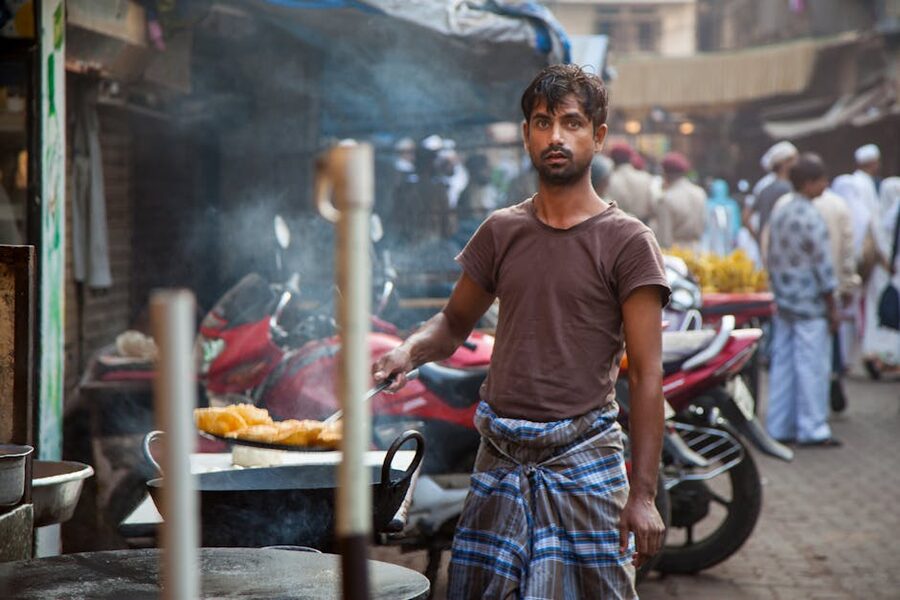
What’s good: The itinerary is the logical one. Dhobi Ghat is the open-air laundry where roughly 7,000 dhobis process a million items of clothing a day in 730 concrete washing pens — you view it from the Mahalaxmi station pedestrian overpass, 15 to 20 minutes, which is the correct way to see it.
The dabbawala system is the 130-year-old lunchbox delivery network that moves 200,000 hot tiffins a day from suburban homes to Mumbai office workers with a documented error rate of about one in six million deliveries — the handover point at Churchgate station around 12:30 pm is a 10-minute stop that shows you the system in motion. Then Dharavi itself for the 90-minute walking portion.
For a visitor with three or four hours, this is the most efficient single tour in Mumbai, and the bundle pricing at $14 per person is genuinely cheap for three guided stops plus the transport between them.
What’s not: Three stops in three hours means the Dharavi portion is shorter than on a dedicated walking tour — closer to 60 to 75 minutes inside the lanes rather than the full 2.5 hours you get on Tour #1. If Dharavi is the main reason you’re interested, book the dedicated tour.
Dhobi Ghat is observed from above (the correct etiquette now), not walked through — if you were hoping to go down into the washing pens, you cannot, and you shouldn’t want to. The dabbawala stop is a quick visual rather than a deep explanation, so if you want to understand the logistics of the system in detail you’ll need to read about it separately.
3. Dharavi Slum Tour (Viator — Small Group)
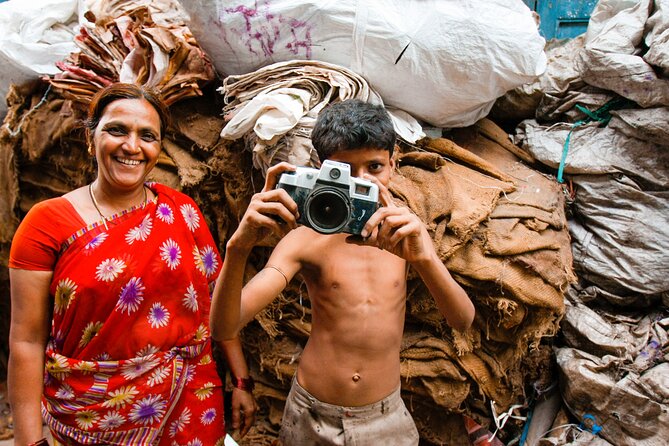
A third perfect 5.0 rating, this one over 625 Viator reviews, for the longest dedicated Dharavi walk on the list. At 3 hours and $20.40 per person, this is the premium version of Tour #1 — same type of itinerary, more time in each zone, and a slower pace that lets the guide actually sit down with you at a tea stall in the middle of the neighborhood rather than pushing through on a fixed clock.
The small-group format caps at about 10 people per walk, which is the upper limit of what works in the inner lanes without the group fragmenting.
What’s good: The extra 30 minutes over Tour #1 is the entire value proposition, and for travellers who want to genuinely understand what they’re seeing rather than just walk through it, the extra time is worth the price difference.
The tour spends meaningful time in each of the five main economic zones — the 13th Compound plastic recycling area, the small-batch leather district, the Kumbharwada pottery kilns, the textile and embroidery workshops, and the papadum-making courtyards where the famous fried snack is laid out in the sun on woven mats. you will consistently hear mention the guide pausing to let people ask questions and to explain the ownership structure of the small factories (most are owner-operated, not exploited labor, and this is a consistently surprising thing to first-time visitors).
The 3-hour format also includes meaningful time at a women’s self-help group and at one of the community schools partially funded by tour profits.
What’s not: The highest headline price of the three. Solo travellers can’t always book the private version at the listed price — the per-person rate is based on group sharing, so if you’re alone you may pay closer to $35. The 3-hour walk in Mumbai heat between 10 am and 1 pm is physically demanding — the outer lanes are tight, the air is hot, and the sensory intensity can be genuinely tiring.
Bring more water than you think you need, wear proper walking shoes, and do not skip breakfast before the tour.

Which Tour Should You Actually Book?
n
Simpler than it looks. If Dharavi is the main thing you want to see and you have a morning free, book Tour #1 — it has the deepest review base, the lowest price, and a female-guided model that is genuinely distinct from the alternatives.
If you have only one free morning in Mumbai and you want to see Dharavi plus the Dhobi Ghat plus the dabbawalas in one efficient trip, book Tour #2 — it’s the bundle that gives you all three informal-economy stories in a single half-day and the transport between them is included.
If you are willing to pay a little more for a longer, slower, more detailed walk that spends meaningful time in each economic zone with room for questions, book Tour #3.
The one scenario where none of these is right: if a “Dharavi drive-by” is the only option on your existing city tour itinerary, skip it. A 10-minute bus window into the neighborhood is the exact scenario that critics of slum tourism rightly object to — it extracts nothing and contributes nothing, and it reduces a complex working community to a spectacle.
Either commit to a real walking tour with a specialist operator or skip Dharavi entirely and spend that time on the rest of the city. There is no shame in choosing the second option.
The Ethics Question (Addressed Directly)
There is a real debate about whether travellers should visit Dharavi at all, and pretending otherwise is dishonest. The case against is straightforward: Dharavi is a place where people live and work, and turning their neighborhood into a spectacle for foreign visitors risks dehumanizing the residents for the entertainment of outsiders.
The phrase “poverty tourism” exists because it describes a real phenomenon, and the worst versions of slum tours — air-conditioned buses driving slowly through the lanes while travellers photograph residents from behind tinted glass — are exactly the kind of extractive experience the criticism targets. Nobody paying attention should defend those tours.
n
The case for responsible walking tours is more nuanced.
The community organizers and social entrepreneurs who pioneered the current model in the mid-2000s — Reality Tours & Travel being the most prominent, founded by Chris Way and Krishna Pujari in 2005 — built the format specifically around three principles: no photography inside the lanes, small groups with resident guides, and a meaningful portion of profits (Reality Tours publishes 80% of profits as the figure) reinvested directly into community schools and English-language classes inside Dharavi itself.
Reality Tours alone has funded the Reality Gives schools program that reaches thousands of Dharavi children every year with free after-school education in English, computing, and sports. The company is a registered social enterprise in the UK and publishes audited figures.
The newer female-guided operators and the GetYourGuide partners that appear on this list have adopted similar no-photography policies and profit-sharing models, though the transparency varies by operator.
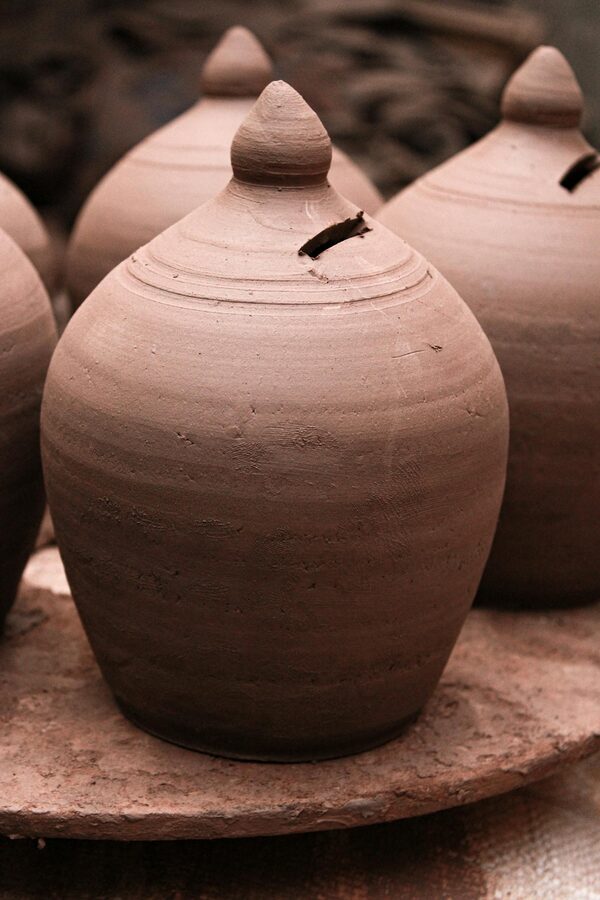
The counter-counter argument is that even the best-run walking tour is still a group of foreigners looking at other people living their lives, and good intentions don’t change the power imbalance. That is also true, and the resolution is not clean.
What the evidence supports is a more modest claim: a walk booked with a resident-operated or resident-partnered operator, a no-photography rule, a small group, and a published profit-share structure is a materially different experience from a drive-by bus tour. Many Dharavi residents welcome respectful visitors; others find them intrusive. Both positions are legitimate.
Practical rule of thumb: ask the operator three questions before booking. First, is the guide a Dharavi resident or a longtime community partner? Second, what is the photography policy inside the lanes? (The only correct answer is “no photography.”) Third, what percentage of profits goes to community programs, and can the operator name the specific programs?
An operator that answers all three clearly is one you can book with a clear conscience. An operator that deflects any of the three is one you should skip.
What You Actually See on a Dharavi Walking Tour
The standard walking tour covers five economic zones in a roughly counter-clockwise loop from the Sion station entry point on the eastern edge of the neighborhood. The geography matters because Dharavi is not one homogeneous place — it is a patchwork of small neighborhoods (nagars) each of which specializes in a different industry, and the way the industries are spatially organized tells you more about the economy than any statistic.
The 13th Compound — Plastic Recycling
The first stop on most tours. The 13th Compound is the name for the cluster of small factories in the northern part of Dharavi that handle roughly 80% of Mumbai’s recyclable plastic.
Workers sort plastic waste by color and resin code (PET, HDPE, LDPE, PP), crush it in small electric shredders, wash it in tanks, dry it on rooftop mats, and pelletize it in small extrusion machines before selling the pellets back into the industrial supply chain.
n
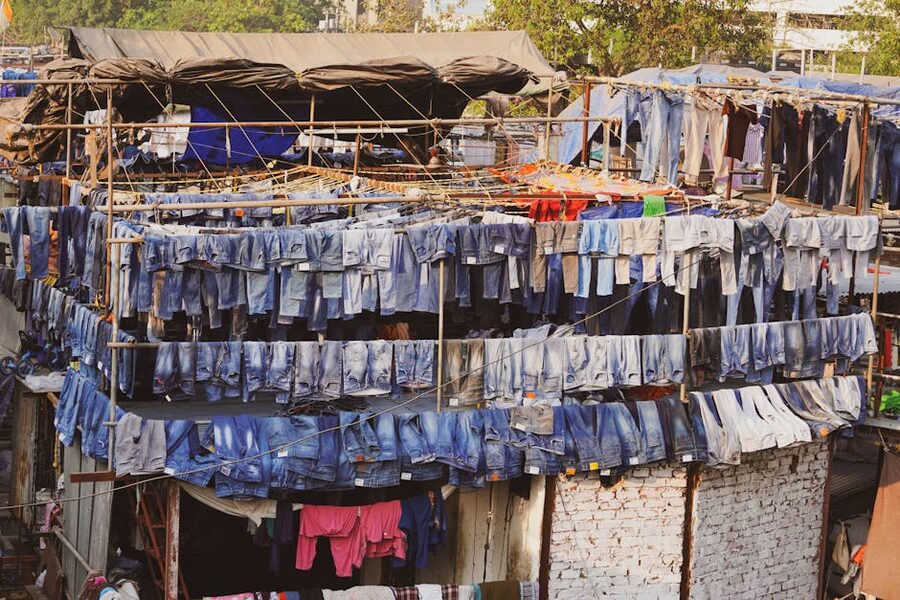
The operation is one of the largest informal recycling clusters in Asia, and the global significance of it is underrated — Mumbai sends a meaningful share of its plastic waste stream through this one neighborhood, and the work happens almost entirely outside formal environmental regulation.
The tour guide will explain that most of the workers are owner-operators or paid by the pound, not wage laborers, and that the small factories are usually family-owned and passed down between generations.
What to notice: the color-sorting is done by hand and at incredible speed. The rooftop drying fields are striking visually. The air is sharp with the smell of warm plastic — this is the smell you will remember from Dharavi, and it is the single most honest sensory impression of the neighborhood’s actual working conditions. It is not pleasant. It is also not misery — the people doing this work are, by the standards of the broader Mumbai labor market, relatively well-paid.
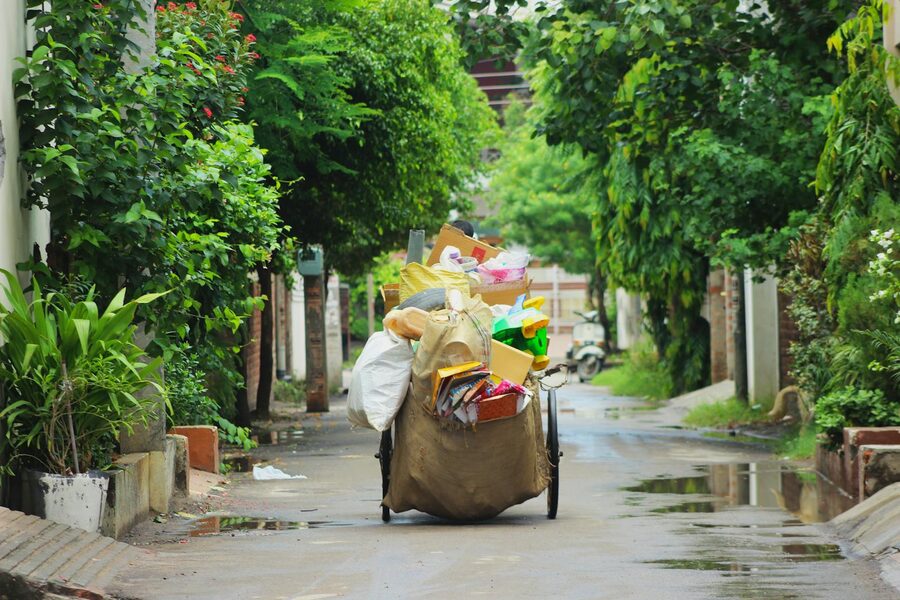
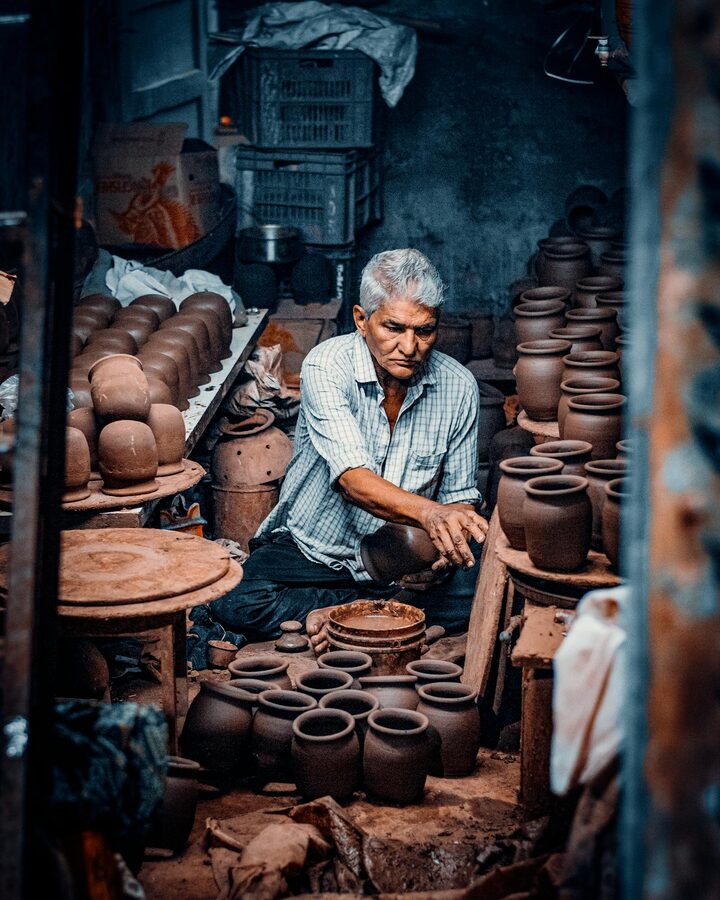
Kumbharwada — The Potters’ Quarter
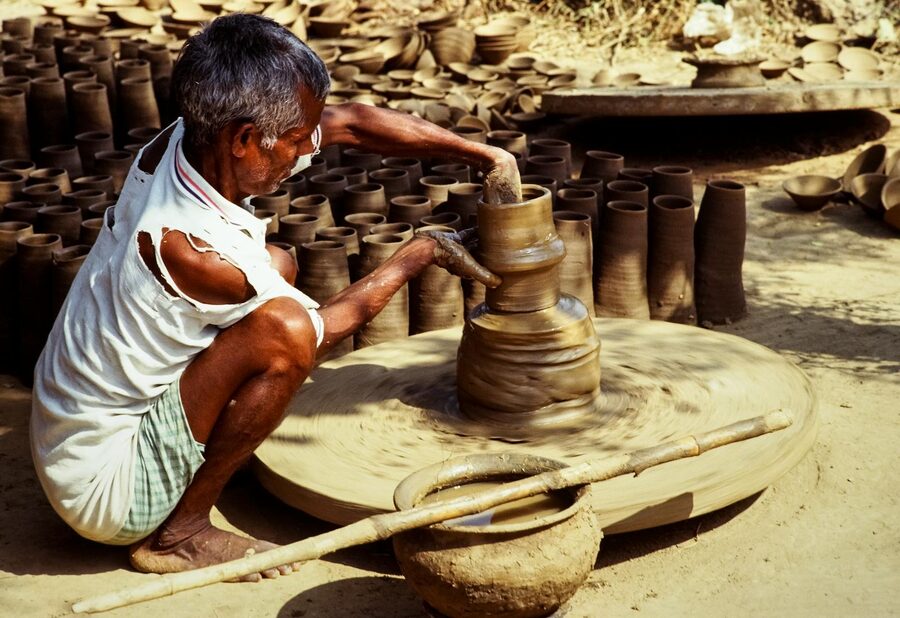
The second stop, and usually the most photogenic. Kumbharwada is home to roughly 300 families of the Kumbhar community — traditional potters whose ancestors were brought to Mumbai from Gujarat in the 1890s by the British colonial administration to supply Bombay’s domestic clay needs.
The families have been working the same clay kilns for more than a century, and many of the current generation are the fourth or fifth in the craft. The kilns are open-topped brick furnaces fired with scrap wood, and the potters work on traditional wheels — some electric, many still manual.
The finished pots (chai cups, water pots, cooking vessels, small decorative pieces) are sold into the Mumbai retail market and, increasingly, into the high-end Indian handicraft export trade.
n
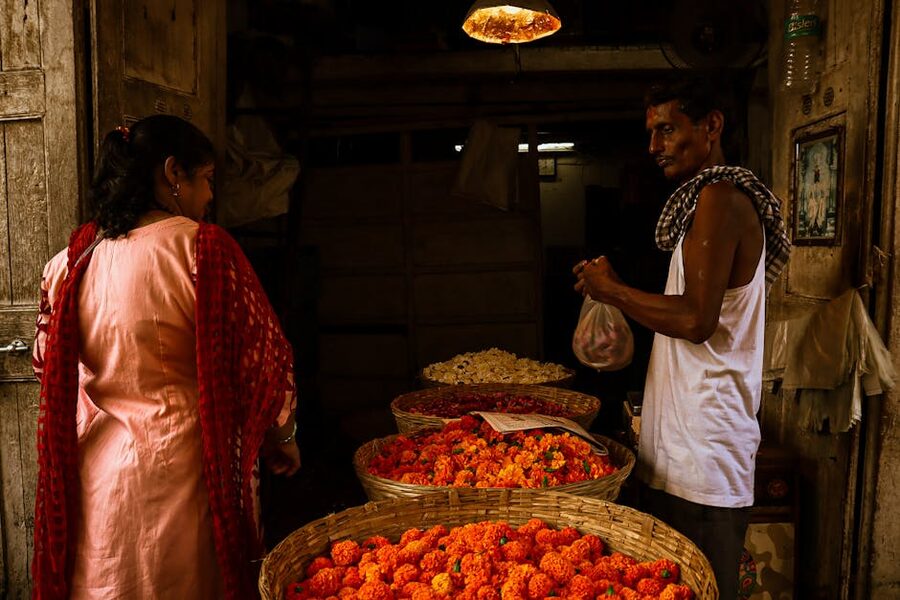
Kumbharwada is the stop where the “Dharavi is not what you think” story comes through most clearly — these are craft workers in an ancestral profession producing culturally significant objects for a functioning retail market, not survival laborers.
The Maharashtra state government has repeatedly proposed relocating the Kumbharwada kilns to suburban high-rise housing, and the community has repeatedly refused on the grounds that the existing workshops are where their livelihood lives.
The Leather District
The third stop. Dharavi produces an estimated 20% of India’s leather exports — not raw hides, which are processed elsewhere, but finished goods: wallets, belts, jackets, bags, shoes.
The small workshops are stacked two and three stories deep, and the quality of the stitching at the high end is genuinely exceptional — the same workshops supply finished goods to several European luxury brands (which for contractual reasons I won’t name). The tour guide may take you into a small workshop (with the owner’s permission) to show you a single bag being stitched by hand.
If you are offered the chance to buy something directly from a workshop, the prices are typically one-fifth of what the same item retails for in a Colaba shop, and the money goes directly to the craftsman rather than a middleman.
For a guided walk focused specifically on Mumbai’s food scene rather than Dharavi’s industry, see the Mumbai Dharavi, Dhobi Ghat, and Dabbawallas tour — same general region but with the informal-economy framing extended to include the city’s laundrymen and lunchbox deliverers as well.
The Textile and Embroidery Workshops
n
The fourth stop, and the one most often skipped by male-led tours because the primary workers are women and the workshop owners are more comfortable opening their doors to female-led walking groups. These are small rooms of four to six women doing fine hand embroidery on saris and ready-made garments destined for the Mumbai retail market and the export trade. Pay is piece-rate.
The guide will typically explain the women’s self-help group model — informal savings and credit cooperatives that give the embroiderers access to working capital for thread, frames, and the occasional sewing machine — and the role that NGO-linked microfinance has played in the neighborhood over the last 20 years.
The Papadum Courtyards
The fifth stop, and a favorite of visitors for the purely visual reason that it is striking. Papadum — the thin fried lentil-flour crackers served with almost every Indian meal — is made in Dharavi by laying out hundreds of freshly shaped discs on woven mats in the sun to dry before they are deep-fried. The courtyards look like vast white mosaics.
The operation is almost entirely run by women working from their own homes on a piece-rate basis, selling the finished papadum into the Mumbai retail food market. The scale is large — Dharavi produces a meaningful share of the papadum consumed in western India.
The No-Photography Rule (Non-Negotiable)
n
Every reputable Dharavi walking tour has the same rule: no cameras and no phone photography inside the lanes. This is not a polite request — it is a hard line, and operators will end the tour on the spot if you break it. The reasoning is straightforward: the people you are walking past are at their workplaces and in their homes, and they did not consent to being photographed.
The no-photography rule is the single most important thing that distinguishes an ethical walking tour from a voyeuristic one. Accept it before you book or don’t book.
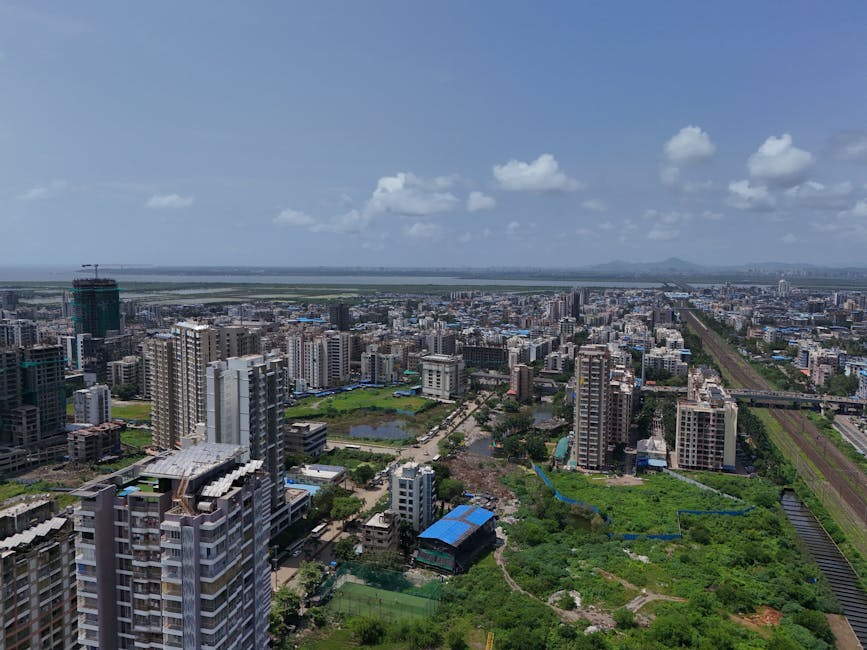
The corollary is that if you want photos of Dharavi, you take them from the outside — the Sion station footbridge, the Mahim Creek side, or the Bandra-Worli Sea Link looking east — or you use licensed community photography that has been taken with consent (the kind that illustrates this article, which are all taken outside of Dharavi itself and used with credit).
The practical effect of the rule on a visitor is small: you will have to put your phone away for three hours and actually look at what you are walking through, which is a different and in most ways better experience than trying to frame it through a lens.
Practical Things Nobody Tells You
When to Go
The Dharavi walking tour is best done between November and February, when the Mumbai weather is mild (25 to 30°C, low humidity) and the narrow lanes are bearable. March starts warming up. April and May are physically brutal — you will be sweating continuously and the sensory load of the neighborhood combined with the heat can genuinely be too much for first-time visitors.
The monsoon (June to September) floods the lower lanes and makes some of the workshops inaccessible, and the tour operators reduce their schedules. Aim for December or January if you have flexibility, and book the morning slot (typically 9 am or 10 am start) rather than the afternoon — the heat builds through the day and the 10 am walk is meaningfully more comfortable than the 2 pm walk.
What to Wear
n
Closed-toe walking shoes with grip — the lanes can be slippery and there is occasional standing water. Lightweight cotton trousers rather than shorts (modesty standard for the neighborhood, and protection from the sun). A light long-sleeved shirt. A small scarf or bandana you can hold over your nose in the recycling zone if the smell of warm plastic is too much (many people find it is). A cap or hat.
Sunglasses. A small daypack with at least one liter of water — two liters is better for the 3-hour walk. Hand sanitizer. Tissues. Do not bring jewelry, expensive watches, or your passport. Bring a small amount of cash (₹1,000, about $12) for a tip at the end and for tea stops, but not more.
What Not to Do
Do not photograph residents or their homes or their workshops without the guide’s explicit permission, which will almost always be no. Do not hand out money or sweets to children — the tour operators work hard to maintain the principle that tourism is a dignity-preserving exchange rather than charity, and handing out rupees to children undermines that.
Do not try to buy finished goods from workshops without first asking the guide whether it is appropriate at that specific shop. Do not wander off from the group — the inner lanes are a dense maze and it is genuinely easy to get lost. Do not wear anything you wouldn’t want to get slightly dirty.
Do not skip the tea stop — it is 15 minutes of sitting down in a family home and it is usually the most memorable part of the walk for visitors.
How to Get There
n
Tours meet at either Sion station (on the Central Railway line) or Mahim Junction (on the Western line), depending on the operator. From South Mumbai (Colaba, Fort, Churchgate), the fastest way is an Uber or Ola — roughly 45 minutes in morning traffic, fare around ₹300 to ₹400 ($4 to $5). From the Andheri airport hotels, it is about 30 minutes and ₹250 ($3).
The Mumbai local train is the fastest option if you are comfortable with it — Churchgate to Mahim on the Western line is 25 minutes and ₹20 (about $0.25), and the first-class carriage at off-peak hours is much less crowded than the popular imagination suggests. Whichever mode you choose, give yourself a 20-minute buffer — Mumbai traffic is unpredictable and the tours start on time.
Combining With Other Mumbai Experiences
A Dharavi walking tour pairs naturally with a sunset visit to Marine Drive and Chowpatty Beach — the contrast between the crowded working neighborhood in the morning and the wide-open seafront promenade in the evening is one of the things that makes a first day in Mumbai memorable.
If you have two days in the city, combine the Dharavi walk with a full-day sightseeing loop — the Mumbai full-day sightseeing tour covers the Gateway of India, CST, Malabar Hill, Mani Bhavan, and Marine Drive, and is the logical companion to the specialist Dharavi walk.
For travellers on the broader Golden Triangle itinerary, pair Mumbai with a day trip to the Taj Mahal from Delhi, a Jaipur city tour, and a guided Old and New Delhi tour.
For a food-focused counterpoint to Dharavi, the Mohammad Ali Road street food tour walks you through Mumbai’s late-night food market in the old Muslim quarter, and the traditional Bengali cooking class in Kolkata gives you a hands-on kitchen evening in a local home on the other side of the country.
If India is part of a longer trip, a full-day tour of Varanasi and Sarnath, a Rishikesh spiritual evening tour with the Ganga Aarti, or a four-day Golden Triangle private tour give you the religious and imperial history to match Mumbai’s commercial one.
A Small Note on the “Slum” Word
n
The word “slum” is in the title of most Dharavi tours because that is how the English-speaking tourism market has searched for the experience for 20 years, and operators list the tours under the phrase travellers use.
It is also a word that many Dharavi residents find reductive and sometimes offensive — the more accurate term the community itself prefers is “Dharavi” or simply “the neighborhood.” In this guide I have used the operator names verbatim (because those are the booking terms) but have otherwise tried to use “neighborhood” or “community” where possible.
If you are talking to residents during your tour, use “Dharavi.” It is a small thing and it matters.
Should You Book a Dharavi Tour at All?
The honest answer is: it depends on why you want to go.
If you are curious about the informal economy of one of the world’s largest cities, about the small-scale manufacturing that quietly underpins the Mumbai retail market, about the ownership structures and family histories of the Kumbhar potters and the leather workshops and the recycling cooperatives, about the community self-organization that built schools and women’s credit groups without any serious support from the state — then yes, book a walking tour with one of the three operators above.
n
You will leave with a genuinely different and more accurate understanding of how a large Indian city actually functions than you would get from any museum visit or any guidebook chapter.
If you are curious about poverty as a spectacle, or want a photograph to post on social media, or want to be moved by other people’s difficulty so that you can feel grateful for your own life — don’t book the tour. Stay in South Mumbai and visit the Gateway of India and the Prince of Wales Museum and have dinner at Trishna and let Dharavi be what it is without you.
The test for which category you fall into is simple: you can answer the question honestly by asking yourself whether you would be willing to do the 3-hour walk without your phone camera. If the answer is yes, you are the kind of visitor the walking tour operators are set up to host and the kind of visitor Dharavi residents generally welcome.
If the answer is no, the Dharavi walking tour is not for you. Both are legitimate, and the neighborhood does not need every tourist to visit — it needs the right travellers to visit for the right reasons, in small enough numbers that the community can host them without being overwhelmed.
Final Practical Summary
n
Book Tour #1 (the 1st Female Guide, Viator, $9.49) if you want the most reviewed and most affordable walking tour with a distinct female-led model. Book Tour #2 (the GetYourGuide combined Dharavi, Dhobi Ghat, and dabbawalas tour, $14) if you want to see all three of Mumbai’s informal-economy icons in one efficient half-day.
Book Tour #3 (the Viator 3-hour small-group walk, $20.40) if you want the longest and slowest walk with the most time in each economic zone and the clearest profit-share structure. Do not book a drive-by. Do not photograph inside the lanes. Do not hand out money to children.
Go in the morning, wear proper shoes, bring two liters of water, leave your jewelry at the hotel, and accept that what you are about to see is a working neighborhood of a million people that resists every easy narrative you have ever heard about it.
If you come with that attitude, Dharavi will be the most memorable 3 hours of your Mumbai trip — not because it was sad, but because it was not what you expected, and because the people you met were neither victims nor curiosities but craftspeople and small business owners at their workplaces, quietly building middle-class lives one clay pot and one leather wallet and one bag of sorted plastic at a time.