
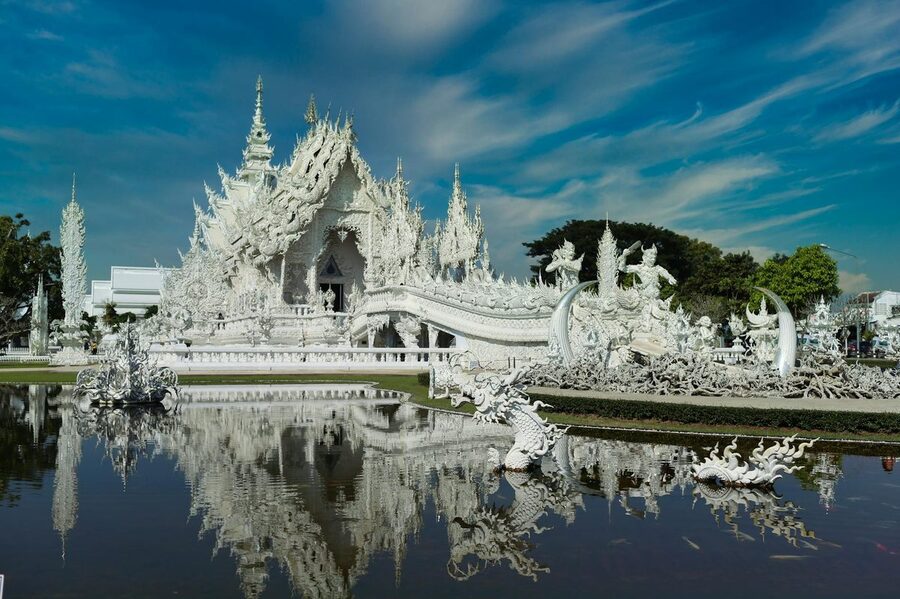
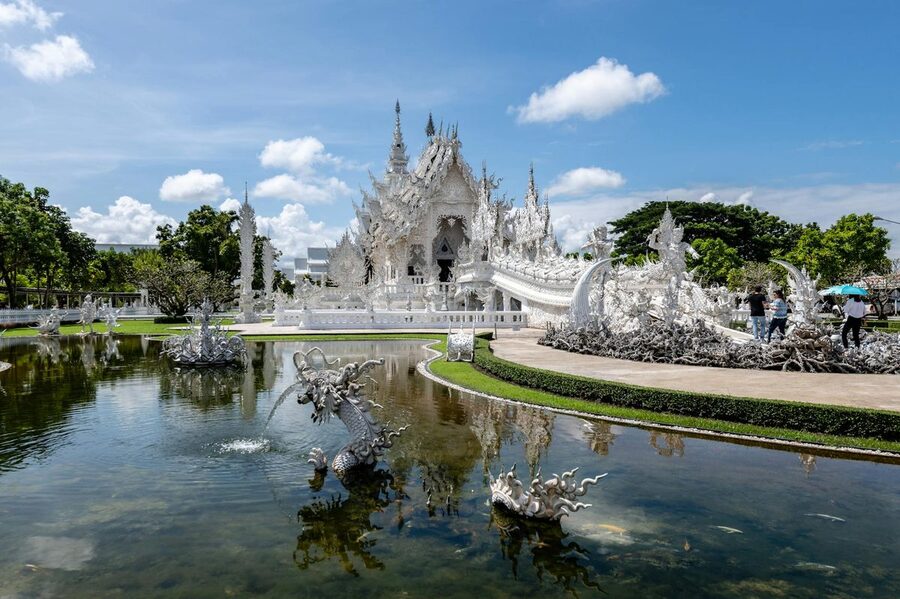
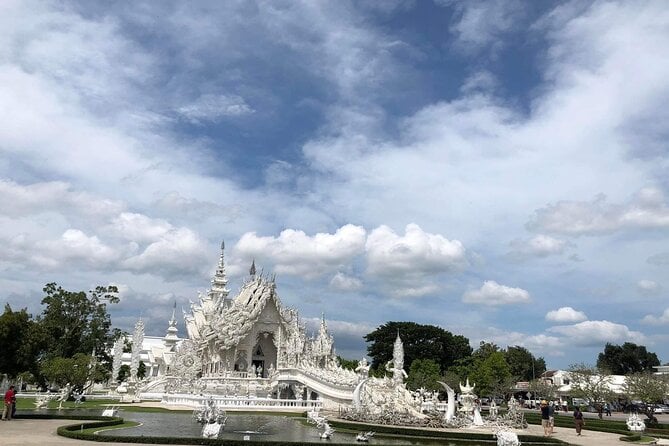
The White Temple doesn’t look like any other temple in Thailand. It doesn’t look like any other building on Earth, honestly. Imagine someone took a Gothic cathedral, dipped it in liquid ivory, and then covered every surface in mirrors that catch the sunlight like a disco ball designed by a perfectionist. That’s Wat Rong Khun, and it stopped me dead in the first courtyard.
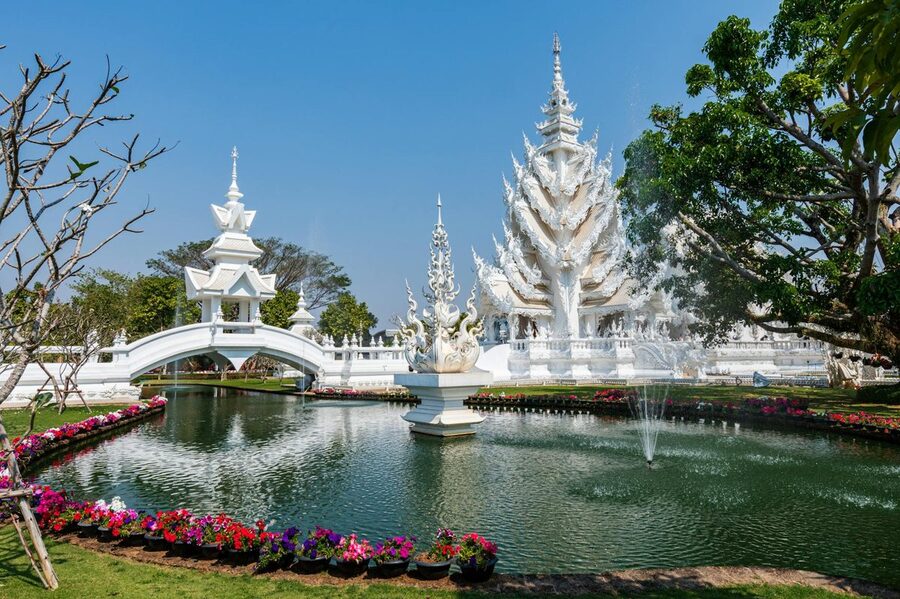
But here’s the thing most people don’t tell you: the White Temple is just one stop on what’s become the most popular day trip in northern Thailand. The full route from Chiang Mai takes you through three wildly different temples — White, Blue, and Black — plus hot springs and the Golden Triangle. It’s a long day (you’re looking at 12-13 hours round trip), but it packs more visual surprises into a single outing than most entire vacations.
Short on time? Here are my top picks:
Best overall: Chiang Rai Temples Day Trip with Hot Springs — $35. The original day trip format with 5,400+ reviews. Covers White Temple, Blue Temple, and a hot springs stop.
Best value: White, Black & Blue Temples with Lunch — $33. Lunch included and hits the Black House (Baan Dam Museum), which most tours skip.
Best for privacy: Private Chiang Rai Temples Tour — $144. Just you, your group, and a personal guide. Perfect 5.0 rating from 1,267 reviews.
- How the Chiang Rai Day Trip Works
- Official Tickets vs Guided Tours
- The Best Chiang Rai Temple Tours to Book
- 1. Chiang Rai Temples Day Trip with Hot Springs —
- 2. White Temple, Blue and Red Temple Tour —
- 3. White, Black & Blue Temples with Lunch —
- 4. Chiang Rai Guided Highlights Full-Day Tour —
- 5. Private Chiang Rai Temples Tour — 4
- When to Visit the Chiang Rai Temples
- How to Get from Chiang Mai to Chiang Rai
- Tips That’ll Save You Time and Hassle
- What You’ll Actually See
- Building a Northern Thailand Itinerary Around This Trip
How the Chiang Rai Day Trip Works
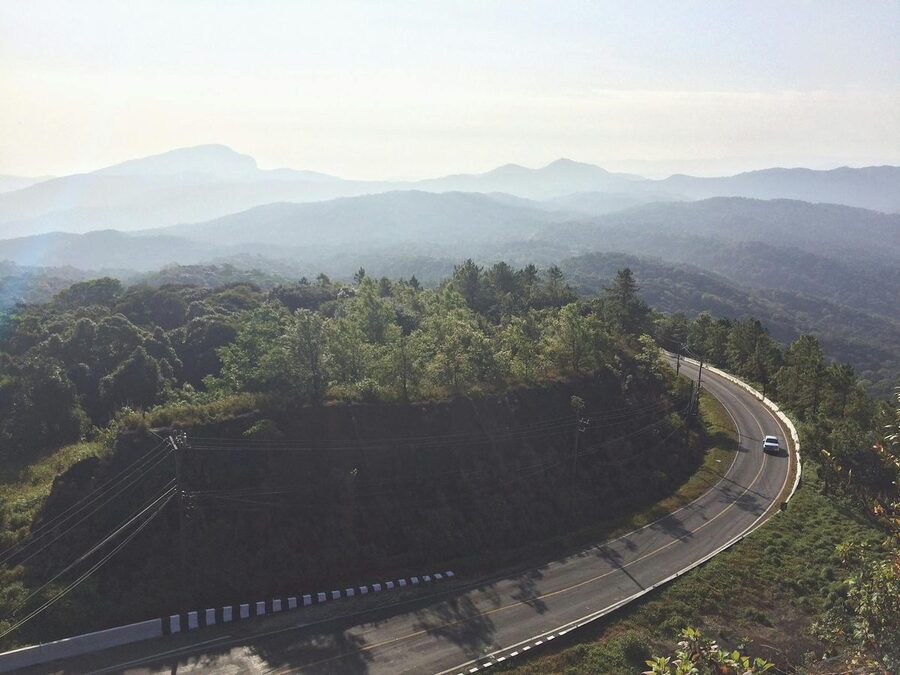
There’s no quick way to say this: Chiang Rai is far from Chiang Mai. About 180 km, or roughly 3.5 to 4 hours by road. So every day trip involves a lot of sitting in a van. That’s the trade-off, and it’s worth acknowledging up front.
Most group tours follow the same basic template. You get picked up from your hotel in Chiang Mai between 6:30 and 7:30am. The first stop is usually the Mae Khajan Hot Springs, about 90 minutes north, where you can dip your feet in the naturally heated water and — this is the part everyone posts on Instagram — boil eggs in the spring water. It’s a 20-minute stop, mostly a chance to stretch your legs.
From there, you continue to Chiang Rai city and hit the temples. The White Temple (Wat Rong Khun) and Blue Temple (Wat Rong Suea Ten) are on every itinerary. Some tours add the Black House (Baan Dam Museum), the Golden Triangle viewpoint, or Wat Huay Pla Kang with its giant white Guanyin statue. Lunch is sometimes included, sometimes not — check your tour details.
You’re typically back in Chiang Mai by 7-8pm. It’s a full day, no question about it. Pack a portable phone charger.
If you want to do it independently, you can take a bus from Chiang Mai Bus Terminal 3 to Chiang Rai for about 300 baht ($9) each way. But you’ll need to sort out local transport between the temples once you arrive, and doing everything in one day on public transport is genuinely stressful. This is one of those cases where a guided tour makes your life dramatically easier. If the 12-hour round trip feels excessive, the Doi Inthanon day trip covers Thailand’s highest peak with half the drive time and pairs well with the temples on a separate day.
Official Tickets vs Guided Tours
The White Temple charges a 100 baht (about $3) entrance fee for foreigners. The Blue Temple is free. The Black House (Baan Dam Museum) charges 80 baht ($2.30). So the entry fees themselves are trivial.
The real cost isn’t the temples — it’s getting there. A return taxi from Chiang Mai would run you 3,000-5,000 baht ($85-$140) for the whole day. Add in fuel, tolls, and the stress of navigating an unfamiliar area, and the math quickly favors a guided tour at $33-$37 per person.
What do you actually get with a tour? Transport in an air-conditioned van, a bilingual guide who explains the artistic and religious significance of each site (this matters — the White Temple is packed with contemporary art references you’d completely miss on your own), and a structured schedule that hits all the highlights without wasting time.
The downsides are real too. You’re on someone else’s timetable, and 30-40 minutes at the White Temple feels rushed when you want to photograph every corner. Group sizes vary from 10 to 30 people depending on the tour. And the hot springs stop, while pleasant, is more of a rest break than a destination.
The Best Chiang Rai Temple Tours to Book
1. Chiang Rai Temples Day Trip with Hot Springs — $35

This is the gold standard. Over 5,400 verified reviews with a 4.7-star average — that kind of volume doesn’t happen by accident. The itinerary hits the White Temple, Blue Temple, and Mae Khajan Hot Springs, with a lunch stop in Chiang Rai city. At $35 per person, it’s one of the best value full-day tours in Thailand.
The guides on this tour tend to go deep on the art and symbolism at the White Temple, which makes a massive difference. Without context, you’re just looking at a pretty building. With it, you understand why there’s a contemporary hell mural inside the temple featuring Keanu Reeves and Hello Kitty. Not joking.
One thing I’d flag: the group sizes can be on the larger side, especially during high season (November-February). If that bothers you, consider the private option below.
2. White Temple, Blue and Red Temple Tour — $35
Same price as the top pick, but a different itinerary focus. Instead of hot springs, you get the Red Temple (Wat Ming Mueang) and a longer time at the Blue Temple. This is the better pick if you care more about art and architecture than soaking your feet in warm water.
With 4,358 reviews and the same 4.7-star rating, it’s neck-and-neck with the tour above. The deciding factor is whether you want the hot springs break or an extra temple. Personally, I’d pick more temple time — the hot springs are pleasant but not life-changing.
3. White, Black & Blue Temples with Lunch — $33
The cheapest option on this list and the only one that includes the Black House (Baan Dam Museum). This is artist Thawan Duchanee’s personal collection of dark, otherworldly sculptures and installations — a complete contrast to the White Temple’s pristine optimism. If you appreciate art, this stop alone justifies choosing this tour.
Lunch is included, which sweetens the deal. The trade-off is a slightly lower average rating — 4.2 stars compared to 4.7 for the top two. Reading through the reviews, most complaints are about the pace feeling rushed. Which makes sense: at $33, this tour tries to fit in more stops for less money, and something has to give.
4. Chiang Rai Guided Highlights Full-Day Tour — $37
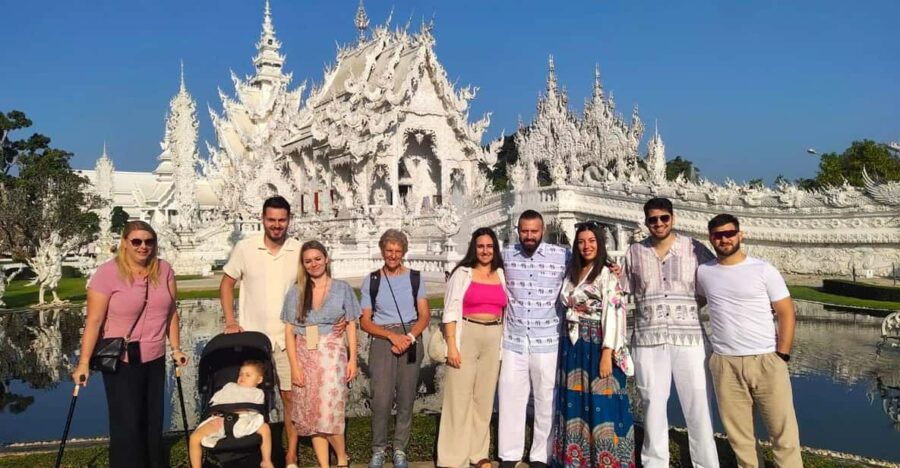
This one starts from Chiang Rai itself, not Chiang Mai, which is ideal if you’re already staying there. A stunning 4.9-star rating from 1,532 reviews — that’s nearly perfect. The itinerary covers the major highlights plus a free lunch buffet, and the guides consistently get praised by name in the reviews.
At $37, it’s slightly more expensive than the Chiang Mai departure options, but you’re paying for a noticeably higher quality of guide and a more relaxed pace since you skip the 4-hour drive from Chiang Mai. If you have two nights in Chiang Rai, book this one without hesitation.
5. Private Chiang Rai Temples Tour — $144
The splurge option, and it earns every dollar. A perfect 5.0-star rating from 1,267 reviews on Viator — the kind of score that makes you suspicious until you read the reviews and realize the guides really are that good. You get a private vehicle, a personal guide, and full flexibility to linger wherever you want.
At $144 per person, it’s four times the price of the group tours. But split between four people, that’s $36 each for a completely customized experience with no strangers. If you’re traveling with a partner or a small group, the per-person math works out to about the same as the group options, with a dramatically better experience.
When to Visit the Chiang Rai Temples
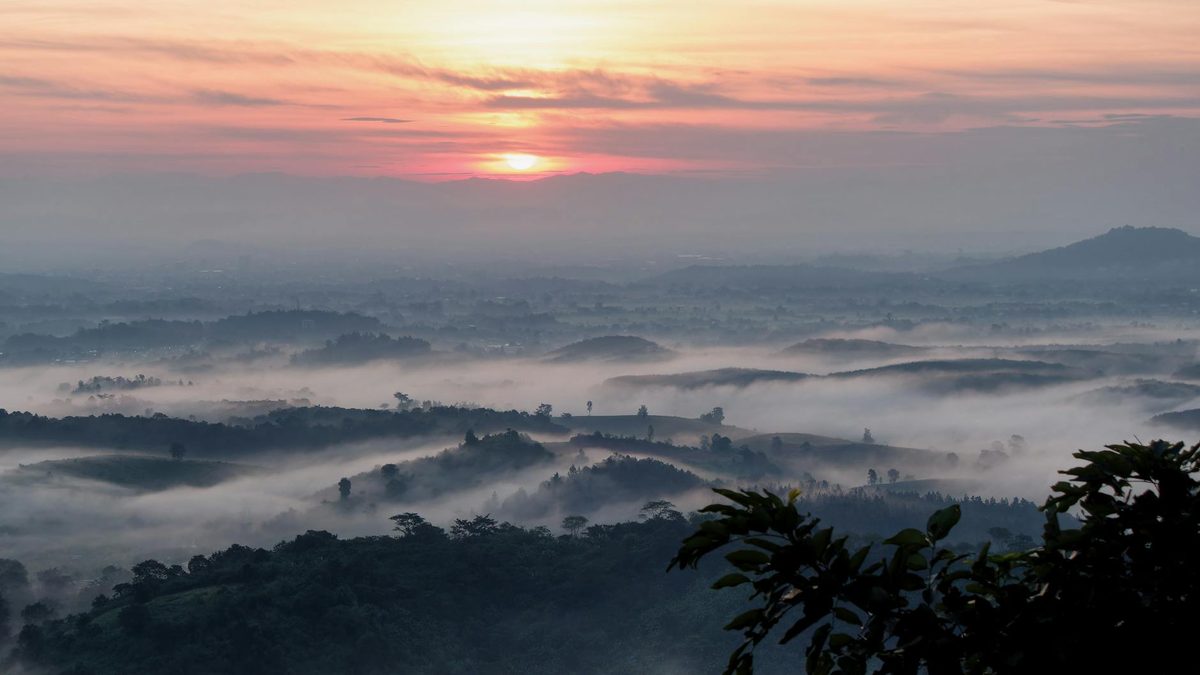
The cool season from November to February is the sweet spot. Temperatures in Chiang Rai sit around 20-28 degrees, the air is dry, and the skies are typically clear. This is also peak tourist season, so the White Temple will be crowded — but at least you won’t be melting.
March to May is brutally hot. Temperatures regularly hit 35-40 degrees, and the air quality deteriorates due to agricultural burning. I genuinely wouldn’t recommend a Chiang Rai day trip during this period unless you handle extreme heat well. The smoky haze also ruins photo opportunities.
The rainy season (June to October) is underrated. Yes, it rains — usually in the afternoon for an hour or two. But mornings are often clear, the landscapes are impossibly green, and the crowds thin out significantly. If a downpour does wash out your temple plans, elephant sanctuary visits run regardless of weather and fill half a day nicely. The White Temple photographs beautifully with dramatic cloud formations, and the reflecting pool is fuller during the wet months.
The White Temple opens daily from 8am to 5pm (last entry at 5:30pm on weekends). The interior hall closes between 12pm and 1pm. The Blue Temple is open 7am to 8pm, which gives you a wider window.
Weekdays are significantly less crowded than weekends. Thai domestic travellers flood the White Temple on Saturdays and Sundays, on top of the tour groups. If you have flexibility, a Tuesday or Wednesday visit will give you a much more peaceful experience.
How to Get from Chiang Mai to Chiang Rai
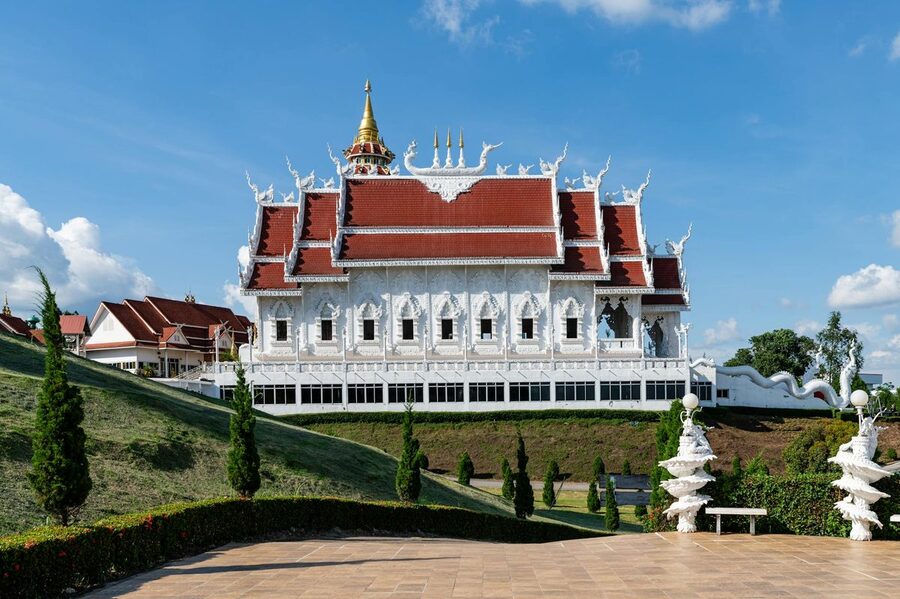
By guided tour is the easiest option. Hotel pickup, air-conditioned transport, a guide who handles everything, and you’re back at your hotel by evening. Every tour listed above includes transport from Chiang Mai.
By bus from Chiang Mai Bus Terminal 3 (Arcade Bus Station). Greenbus runs the most frequent service — roughly every hour from 6am to 6pm. One-way tickets cost 166-300 baht ($5-$9) depending on bus class. The trip takes 3-3.5 hours. From Chiang Rai bus terminal, you’ll need a songthaew (shared pickup truck) or Grab taxi to reach the temples.
By rental car if you’re comfortable driving in Thailand. The Highway 118 route is well-maintained and scenic, with clear signage. Allow 3-4 hours each way. Fuel and tolls will run about 800-1,000 baht ($23-$29) round trip. The freedom to stop wherever you want is the big advantage here — plenty of roadside fruit stalls and viewpoints along the way.
By private driver is the middle ground between a tour and driving yourself. Expect to pay 2,500-4,000 baht ($70-$115) for a full day with a driver. Negotiate the itinerary in advance, and confirm whether entrance fees are included.
Tips That’ll Save You Time and Hassle
Dress code is enforced at the White Temple. Shoulders and knees must be covered. They do have wraps available to borrow at the entrance, but bringing your own saves you queuing for one. The Blue Temple is slightly more relaxed but still requires modest dress.
No bags inside the White Temple interior. You’ll need to leave bags in a locker area before entering the main hall. Keep your phone and camera on you — the interior murals (which include some surprisingly modern pop culture references) are worth photographing.
Sunscreen and water are non-negotiable. The White Temple complex is mostly outdoors with limited shade. Even in the cool season, the reflected sunlight off all that white surface is intense.
Bring cash. The temple gift shops and surrounding food stalls don’t take cards. ATMs are available in Chiang Rai town, but not at the temple itself.
Toilet facilities cost 10-20 baht at the temple grounds. Not a big deal, but keep small bills handy.
Photography tip: The bridge leading to the White Temple is the money shot, but the side garden and golden building (which houses the toilets — yes, really, even the bathrooms are works of art) are equally photogenic and far less crowded.
If you’re doing a day trip from Chiang Mai, eat breakfast before the 7am pickup. The first food stop won’t be until 10am at the earliest, and even then it might just be the hot springs snack area. If you want something more physical on another day, the zipline courses around Chiang Mai run through jungle canopy and make a good counterpoint to hours spent in a van.
What You’ll Actually See
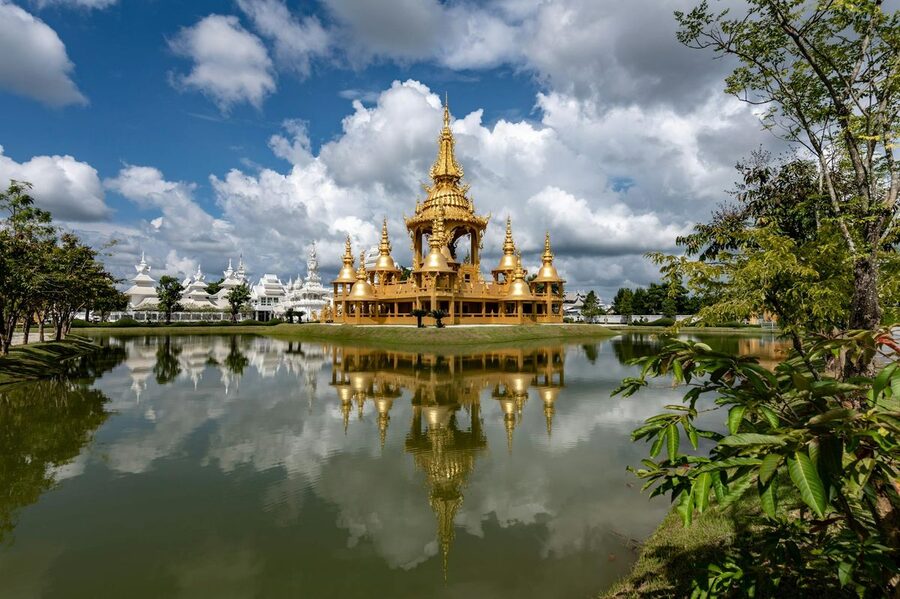
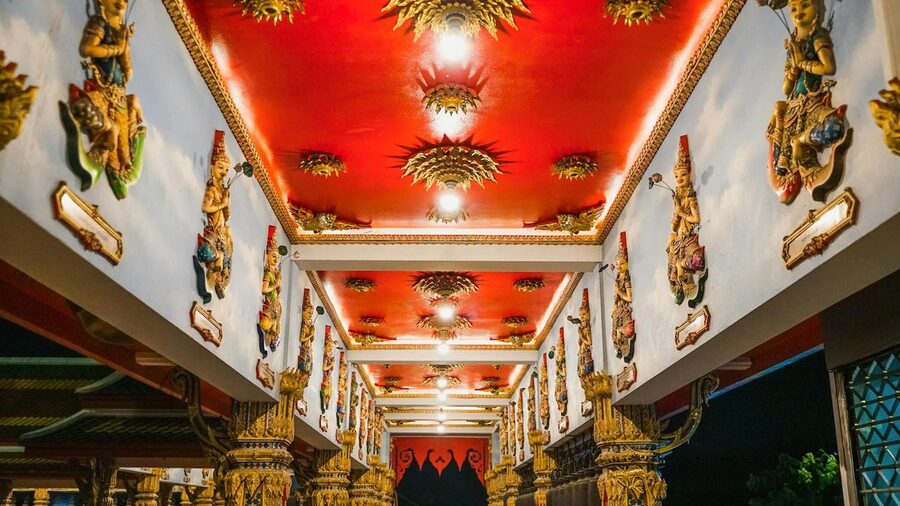
The White Temple (Wat Rong Khun) is the main event. It’s not ancient — artist Chalermchai Kositpipat began building it in 1997 using his own money, and it’s still under construction. The temple represents Buddhist purity and the cycle of rebirth. The bridge you cross to enter the main hall passes over a field of outstretched hands reaching upward from the ground, symbolizing earthly desires and suffering. Inside, the murals blend traditional Buddhist imagery with modern pop culture — you’ll spot Superman, Harry Potter, and Angry Birds alongside depictions of heaven and hell. It’s bizarre, brilliant, and genuinely original.
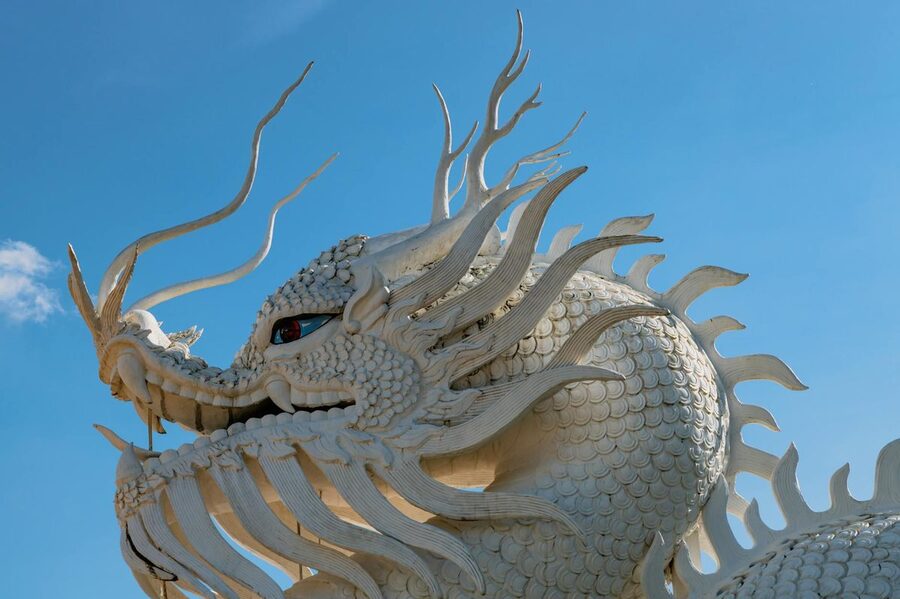
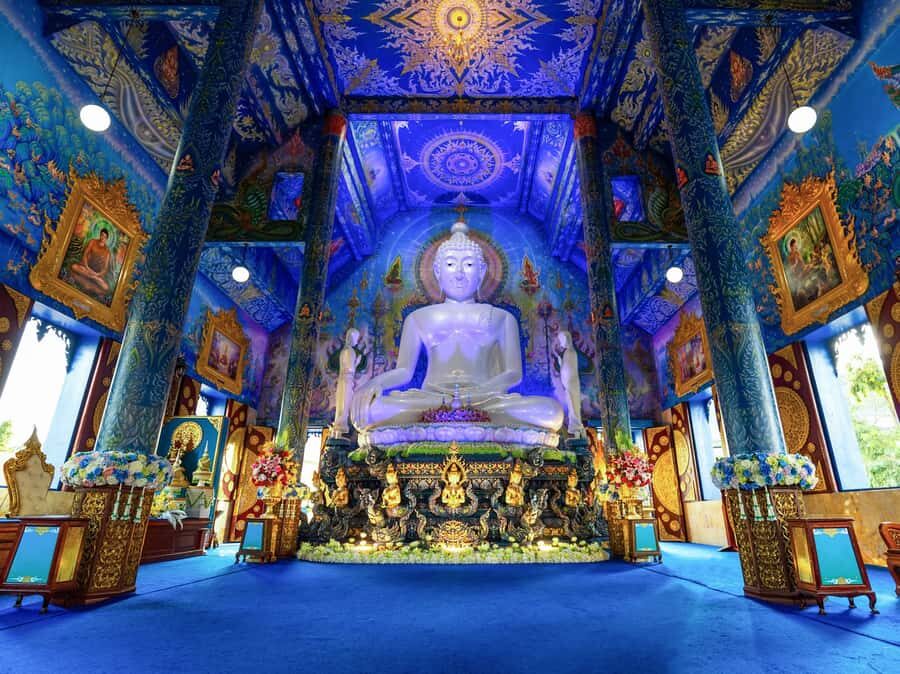
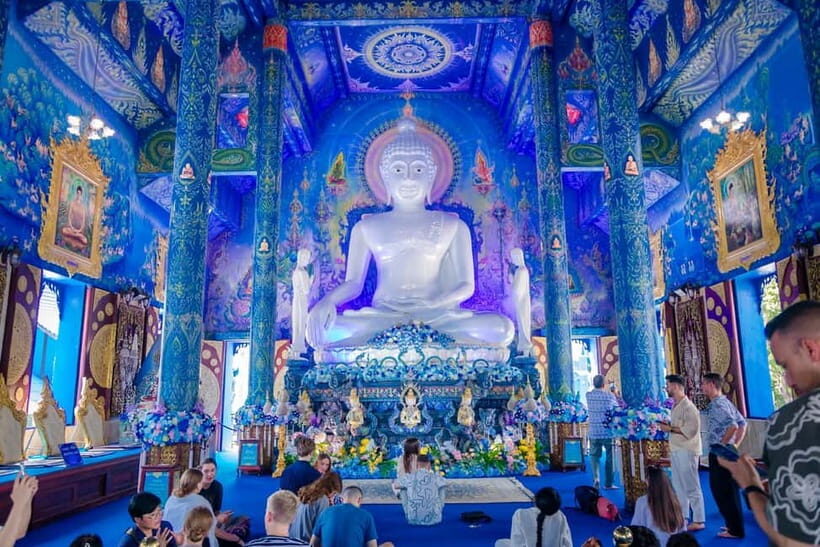
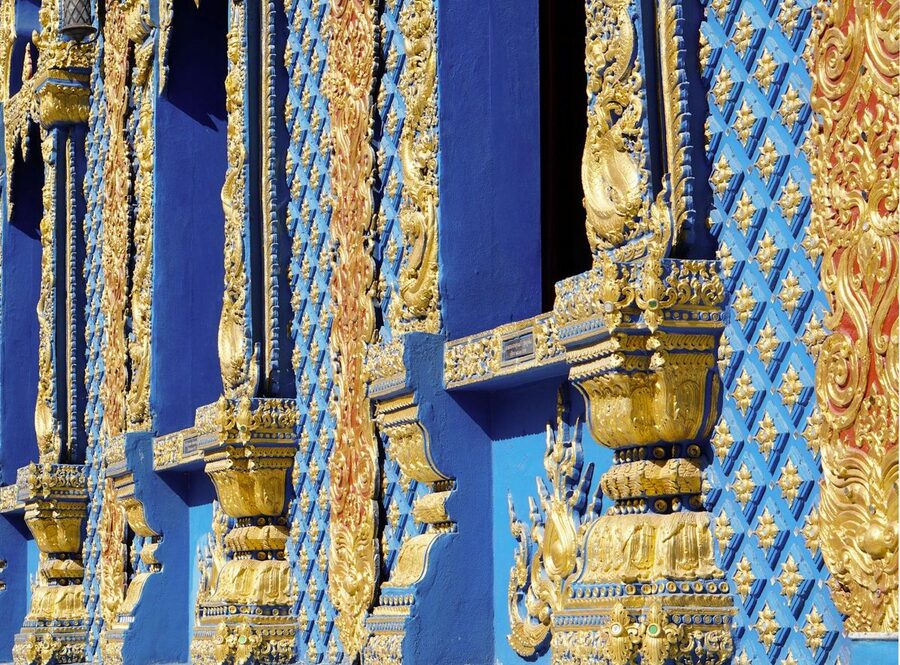
The Blue Temple (Wat Rong Suea Ten) opened in 2016 and offers a totally different atmosphere. Where the White Temple is bleached white and mirrorlike, the Blue Temple is deep indigo with gold accents. The interior features a giant white Buddha statue that seems to glow against the blue walls. It’s free to enter and less crowded than the White Temple, which means you can actually take your time.
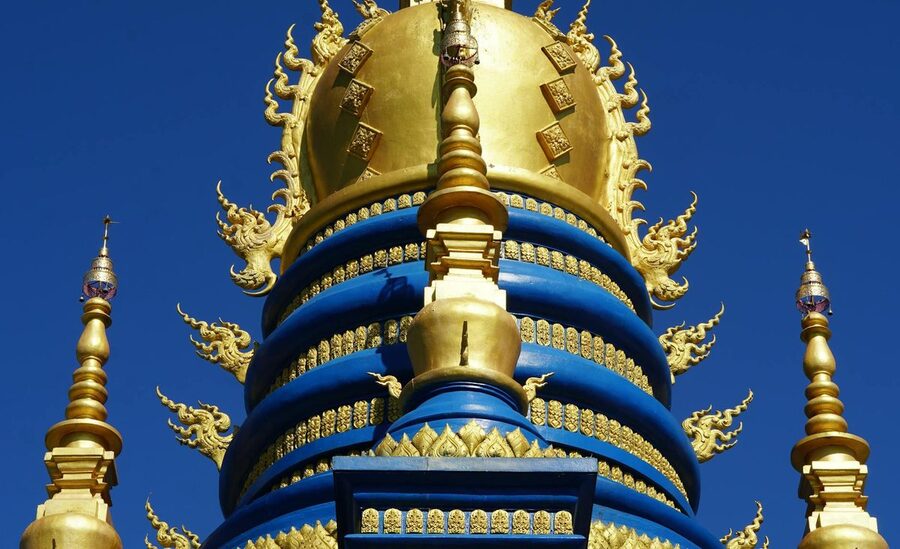
The Black House (Baan Dam Museum) isn’t a temple at all — it’s the personal art collection and studio of the late Thai artist Thawan Duchanee. Think dark wood, animal skins, crocodile skulls, and massive carved chairs that look like they belong in a villain’s lair. It’s a deliberate counterpoint to the White Temple’s purity. Not every tour includes it, but if yours does, it’s one of the most memorable stops on the route.
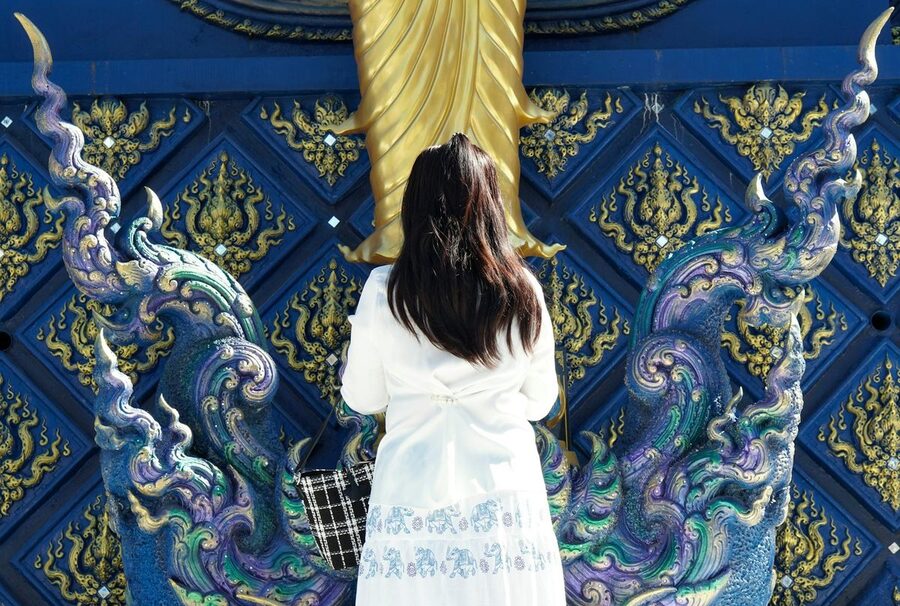
The Golden Triangle is where Thailand, Myanmar, and Laos meet at the Mekong River. Historically it was the world’s opium capital — now it’s a viewpoint with a couple of museums and gift shops. Honestly, the view isn’t mind-blowing (you can see all three countries, but it looks like… a river with some trees). It’s more interesting as a historical footnote than as a destination. Some tours include it, some don’t. If you only have time for temples, skip this stop and spend longer at the White Temple instead.
Building a Northern Thailand Itinerary Around This Trip
The Chiang Rai temple run works best as one piece of a three- or four-day stretch based in Chiang Mai. On another morning, a Thai cooking class gets you out of the van and into a kitchen — you’ll learn pad thai and green curry from scratch, and it’s a completely different rhythm from the long drive north.
If you still have energy for more temples after this trip, the Grand Palace and Wat Pho in Bangkok offer a fascinating contrast: centuries-old royal architecture versus Chalermchai Kositpipat’s modern vision.
travellers heading south often pair Chiang Rai with an Ayutthaya day trip from Bangkok, which covers Thailand’s ancient capital and its crumbling brick ruins — about as far from the White Temple’s gleaming mirrors as you can get while staying in the same country. For evenings in Bangkok, a Chao Phraya dinner cruise is a low-effort way to see the riverside temples lit up at night, and Muay Thai matches run most nights if you want something louder.
This article contains affiliate links. If you book a tour through our links, we may earn a small commission at no extra cost to you. This helps us keep writing detailed guides like this one.