
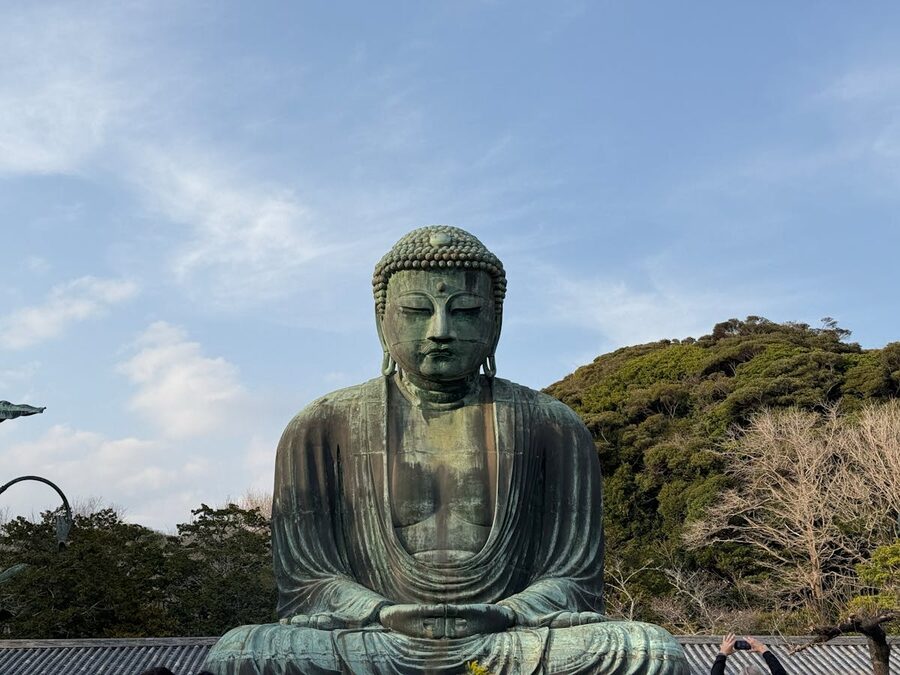
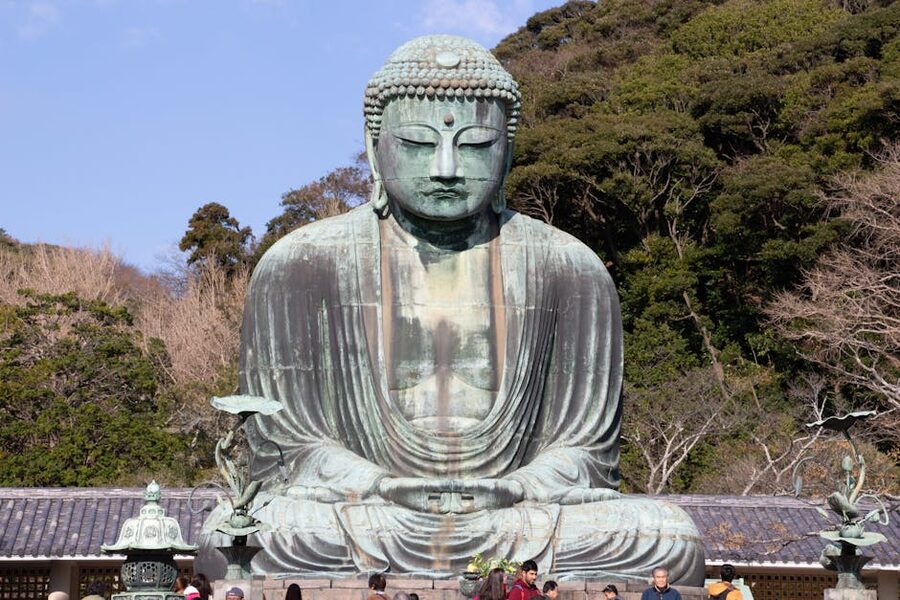
Have you ever stood in front of a 13-meter bronze Buddha that has been sitting outdoors for over 500 years, surviving tsunamis, earthquakes, and typhoons — and felt genuinely small? Not in a bad way. In the way where you forget about your phone for a minute and just stand there.
That is Kamakura. An hour south of Tokyo by train, tucked between forested mountains and the Pacific coast, it was the seat of Japan’s first military government in the 12th century. Today it is one of the best day trips you can take from the capital — and one that most first-time visitors to Japan almost skip.
n
Don’t make that mistake. Kamakura packs more history per square kilometer than anywhere else near Tokyo — though Nikko, two hours north, gives it serious competition. The Great Buddha at Kotoku-in. The ancient Zen temples of Kencho-ji and Engaku-ji. The bamboo grove at Hokokuji. The coastal Enoden railway rattling past surfers and shrines. And Enoshima island just offshore, with its sea caves and hilltop shrine.
The tricky part is not whether Kamakura is worth a day trip — it absolutely is — but whether you should go solo or book a guided tour that handles the logistics. And if you want to combine it with Mount Fuji or Lake Ashi, the calculus changes again.
I have compared every tour option, checked the reviews, run the numbers, and laid out everything below so you can pick the right trip for your schedule and budget.
Short on time? Here are my top picks:
Best overall: Kamakura & Enoshima Day Bus Tour — $58. Covers the Big Buddha, Hasedera, Tsurugaoka Hachimangu, and Enoshima in one clean loop from Tokyo.
Best multi-destination: Mt. Fuji, Kamakura & Lake Ashi Day Trip — $49. Three bucket-list items in one day — unreal value if you’re short on time.
- How the Kamakura Day Trip Works
- Going Solo vs. Booking a Tour
- The Best Kamakura Day Trip Tours to Book
- 1. Kamakura & Enoshima 1-Day Bus Tour from Tokyo —
- 2. Mt. Fuji, Kamakura Big Buddha & Lake Ashi Day Trip —
- When to Visit Kamakura
- How to Get to Kamakura from Tokyo
- Tips That Will Save You Time
- What You’ll Actually See in Kamakura
- More Tokyo Day Trip Guides
How the Kamakura Day Trip Works
Kamakura is straightforward to visit. No complicated ticket systems, no reservations needed for the main sights. You take a train from Tokyo, walk around, pay small entry fees at each temple, and head back when you’re done.
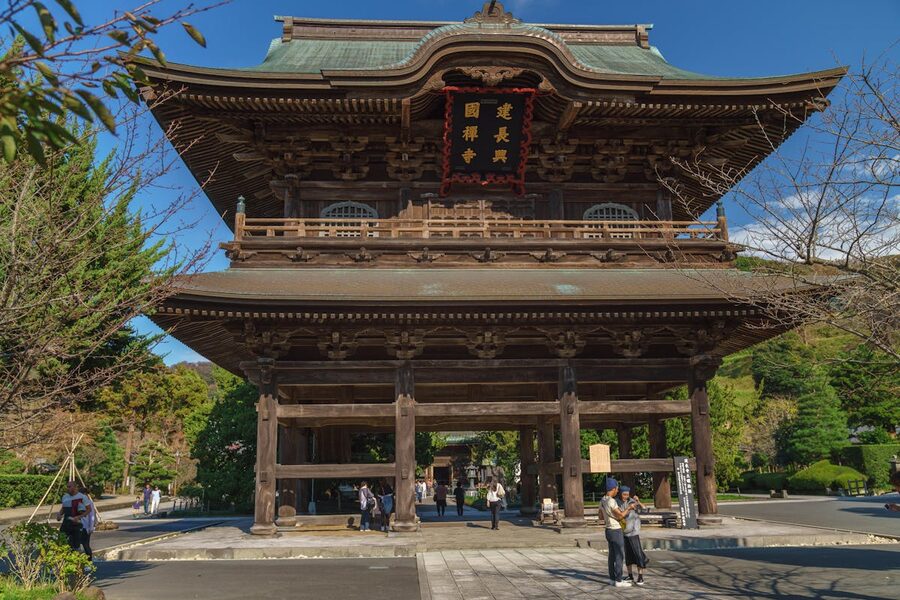
Getting there: From Tokyo Station, take the JR Yokosuka Line directly to Kamakura Station. It takes about 55-60 minutes and costs 920 yen one way. Covered by JR Pass. Trains run every 10-15 minutes during the day. You can also depart from Shinagawa (45 minutes) or Shinjuku via the Shonan-Shinjuku Line (60 minutes).
n
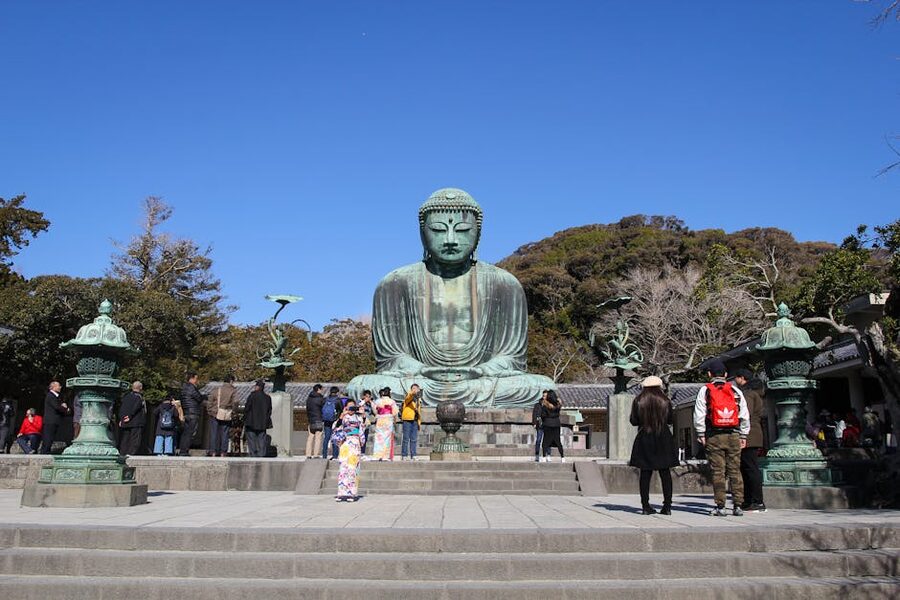
Temple entry fees: The Great Buddha at Kotoku-in costs 300 yen (going inside the statue is an extra 20 yen). Hasedera Temple is 400 yen. Hokokuji (the bamboo temple) is 300 yen (plus 600 yen for matcha). Kencho-ji is 500 yen. Tsurugaoka Hachimangu is free. Budget 1,500-2,000 yen for temple entries.
Getting around Kamakura: The town itself is walkable, but some sights are spread out. The Enoden railway (310 yen per ride, or 800 yen for a day pass) connects Kamakura Station to the Great Buddha area, Hasedera, and Enoshima. The day pass pays for itself after 3 rides and saves a lot of walking.
Time needed: A focused visit hitting the Great Buddha, one or two temples, and Komachi-dori shopping street takes 5-6 hours. Adding Enoshima makes it a full 8-9 hour day. The bus tours typically run 9-11 hours including Tokyo transit.
Going Solo vs. Booking a Tour
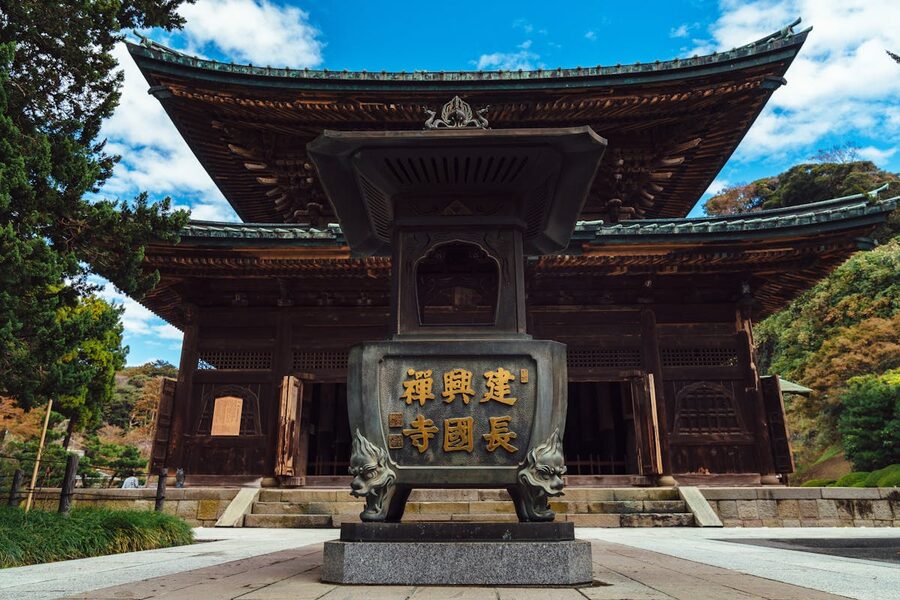
Kamakura is easy enough to do independently — the train ride is direct, the temples are signposted, and there are English maps everywhere. So why would you book a tour?
Go solo if you:
– Want to set your own pace and spend extra time at specific temples
– Already have a JR Pass (the train is covered)
n
– Want to do hiking trails like the Daibutsu Trail or Ten’en Trail
– Prefer to eat where you want and explore Komachi-dori shopping street on your own
– Care about photography and want unlimited time
Book a tour if you:
– Want to combine Kamakura with Mount Fuji, Hakone, or Lake Ashi in one day
– Don’t want to figure out the Enoden transfers and walking routes
– Want a guide who can explain the history of each temple (there is a LOT of Kamakura-era samurai history)
– Are visiting in peak season when trains are packed and finding your way gets harder
– Want everything handled — transport, entry fees, lunch spots, schedule
The solo trip costs roughly $15-20 for trains plus $10-15 in temple fees, so maybe $30 total. The cheapest tour starts at $49 and includes bus transport from Tokyo plus multiple destinations beyond just Kamakura. The convenience factor is real, especially if you’re trying to fit Mount Fuji and Hakone into the same day.
The Best Kamakura Day Trip Tours to Book
Two tours stand out from the pack. Each takes a different approach — one is Kamakura-focused with Enoshima, the other is a multi-destination marathon that squeezes in Mount Fuji too.
1. Kamakura & Enoshima 1-Day Bus Tour from Tokyo — $58
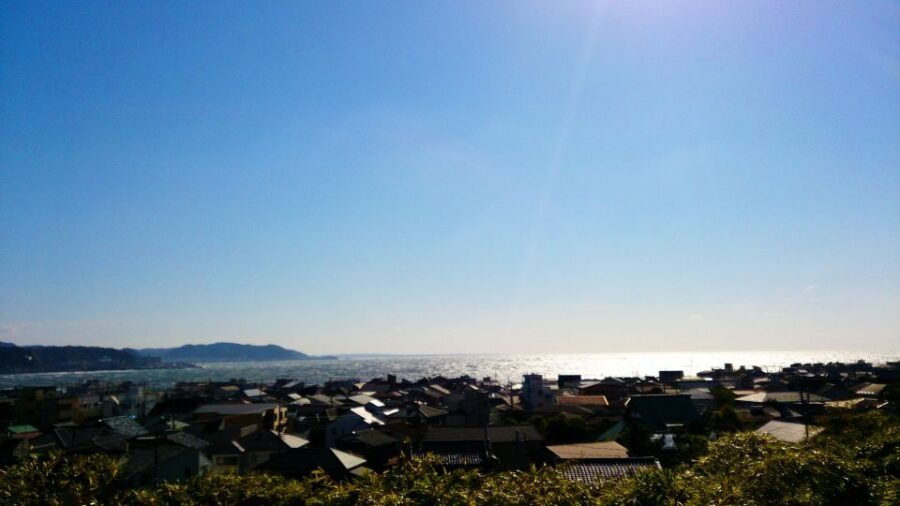
This is the dedicated Kamakura day trip, and it’s the one I’d recommend to most people. The 9-hour itinerary from Tokyo covers the Great Buddha at Kotoku-in, Hasedera Temple, Tsurugaoka Hachimangu shrine, and Enoshima island — which is exactly the route you’d plan yourself, minus the train logistics.
At $58 for a full day with bus transport from Tokyo, this is solid value. You’re not paying much more than you would doing it solo once you factor in train fares and the Enoden. The 4.5 rating from over 1,300 reviews is consistent, and most people love the structure. The main criticism? Some travellers found specific stops slightly rushed — but that’s day trips for you. You can always stay behind at one stop and meet the group later if you arrange it with the guide.
2. Mt. Fuji, Kamakura Big Buddha & Lake Ashi Day Trip — $49

If your Japan trip is short and you need to check off Mount Fuji, the Kamakura Big Buddha, AND Lake Ashi in a single day, this is the only tour that does it. At $49 for a 10-11 hour day from Tokyo, the price is almost absurdly low for what you get. That’s less than the train fare alone if you tried to hit all three spots independently.
The trade-off is obvious: you’re spending significant time on the bus between stops, and your time at each location is limited. The Big Buddha stop is short — enough for photos and a walk around the grounds, but not enough to properly explore Kamakura’s other temples. If Kamakura is your primary interest, go with Tour #1 instead.
But if you want a greatest-hits highlights reel of the Tokyo-Hakone-Kamakura triangle, nothing else gives you this much for this little. The 4.5 rating from 867 reviews says most people come away happy despite the pace.
When to Visit Kamakura
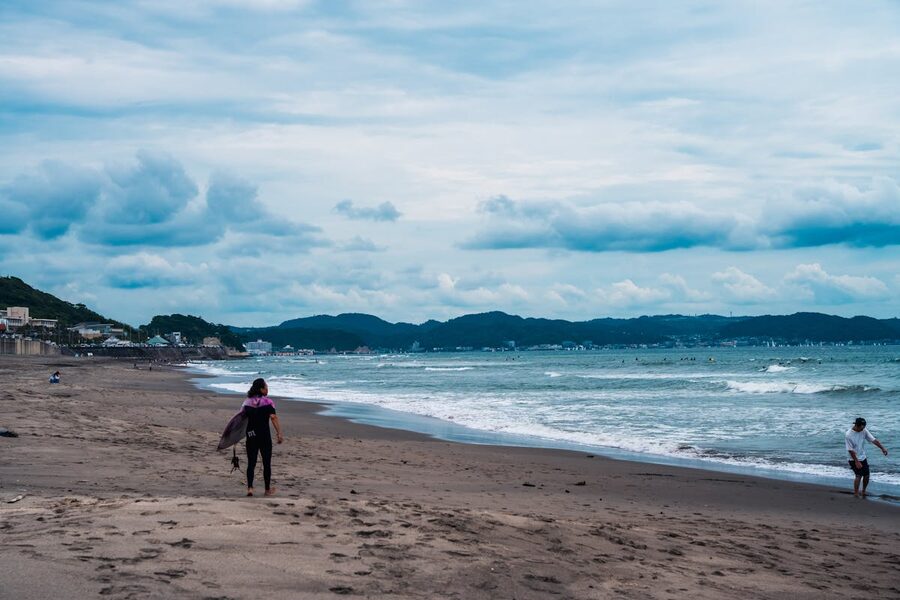
Kamakura works year-round, but some seasons are dramatically better than others.
Best months: Late March to mid-April (cherry blossoms at the temples — Tsurugaoka Hachimangu and Kencho-ji are incredible), late November to early December (autumn foliage, especially at Engaku-ji and Meigetsuin). June is actually underrated — the hydrangeas at Meigetsuin and Hasedera are world-famous and draw photographers from all over Japan.
n
Avoid if you can: Weekends from March through November are packed — Komachi-dori shopping street becomes almost impassable. Weekdays are dramatically quieter. Golden Week and New Year’s are the absolute worst for crowds. Mid-summer (July-August) is hot, humid, and the beaches get crowded.
Best time of day: Aim to arrive by 9am. Most temples open between 8am and 9am. The morning light is better for photos, the crowds are thinner, and you’ll beat the rush to the Great Buddha. By noon, the major sights are full of school groups and tour buses.
Pro tip: If you’re visiting on a weekday, get off at Kita-Kamakura Station (one stop before Kamakura) and start with Engaku-ji or Kencho-ji. Walk south to the main Kamakura area. This route avoids the Komachi-dori crush and hits the quieter temples first.
How to Get to Kamakura from Tokyo
JR Yokosuka Line (recommended):
Tokyo Station to Kamakura Station, direct, 55-60 minutes, 920 yen. Trains every 10-15 minutes. Also stops at Shinagawa (45 min to Kamakura) and Yokohama (25 min to Kamakura). Covered by JR Pass and Suica/Pasmo.
n
JR Shonan-Shinjuku Line:
Shinjuku Station to Kamakura Station, direct, about 60 minutes, 920 yen. Convenient if you’re staying in Shinjuku or Shibuya. Less frequent than the Yokosuka Line — check schedules.
Odakyu Line (for Enoshima):
Shinjuku to Fujisawa or Katase-Enoshima, about 60-90 minutes depending on express vs local. The Enoshima-Kamakura Free Pass (1,640 yen) covers the round trip from Shinjuku plus unlimited Enoden rides — good value if you’re combining Kamakura and Enoshima.
Kita-Kamakura Station:
One stop before Kamakura on the Yokosuka Line. Get off here if you want to start with Engaku-ji or Kencho-ji temples. Same train, same price. Walking from Kita-Kamakura to central Kamakura takes about 25 minutes through a pleasant residential area.
Getting around once there:
The Enoden railway connects Kamakura Station to Hase (for the Great Buddha and Hasedera Temple) in 5 minutes, and continues to Enoshima in about 25 minutes. A day pass is 800 yen. Alternatively, Kamakura Station to Hase is a flat 20-minute walk along a nice street.
Tips That Will Save You Time
n
– Go on a weekday. The difference between weekend and weekday Kamakura is enormous. Weekend Komachi-dori is shoulder-to-shoulder. Weekday Komachi-dori is a pleasant shopping stroll. Same goes for the temples.
– Buy an Enoden day pass if you plan to visit the Great Buddha area AND Enoshima. At 800 yen, it pays for itself after 3 rides and saves the hassle of buying individual tickets.
– Start at Kita-Kamakura instead of Kamakura Station. Most travellers pour out at Kamakura and head straight to Komachi-dori. Starting north gives you the quieter temples (Engaku-ji, Kencho-ji) in the calm morning hours.
n
– Eat on Komachi-dori early or late. The restaurants along this street are excellent — the shirasu (whitebait) is Kamakura’s signature dish and it’s genuinely good when it’s fresh. But between 11:30am and 1pm, every popular spot has a 30-minute wait. Hit lunch before 11:30 or after 1:30.
– The Great Buddha gets crowded from 10:30am. If you arrive by 9am, you can see it with maybe 20 other people. By 11am it’s hundreds. The statue itself doesn’t change, but the experience does.
– Don’t skip Hokokuji. The bamboo temple is a 15-minute bus ride from Kamakura Station (take bus #5 to Jomyoji). It’s smaller and quieter than Arashiyama’s bamboo grove, and the matcha tea garden at the end of the bamboo path is genuinely one of the most peaceful spots in the whole Kanto region. Worth the detour.
– Wear good walking shoes. Kamakura is hilly. Temple grounds are gravel or stone. If it’s rained recently, the hiking trails get muddy. Sandals are a bad idea.
– Coin lockers at Kamakura Station are available but limited. The large ones fill up fast on weekends. Drop your bags first thing.
What You’ll Actually See in Kamakura
n
Kotoku-in & the Great Buddha (Daibutsu)
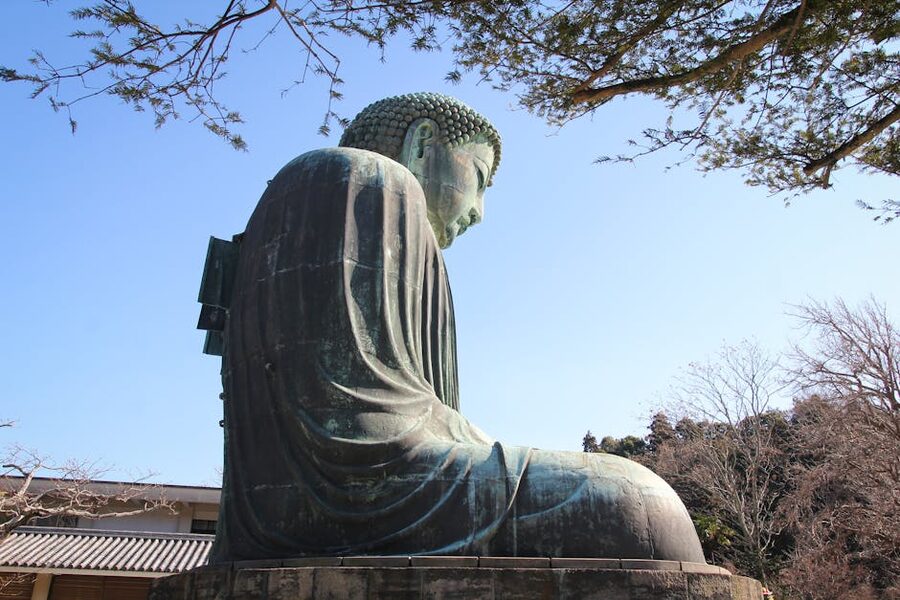
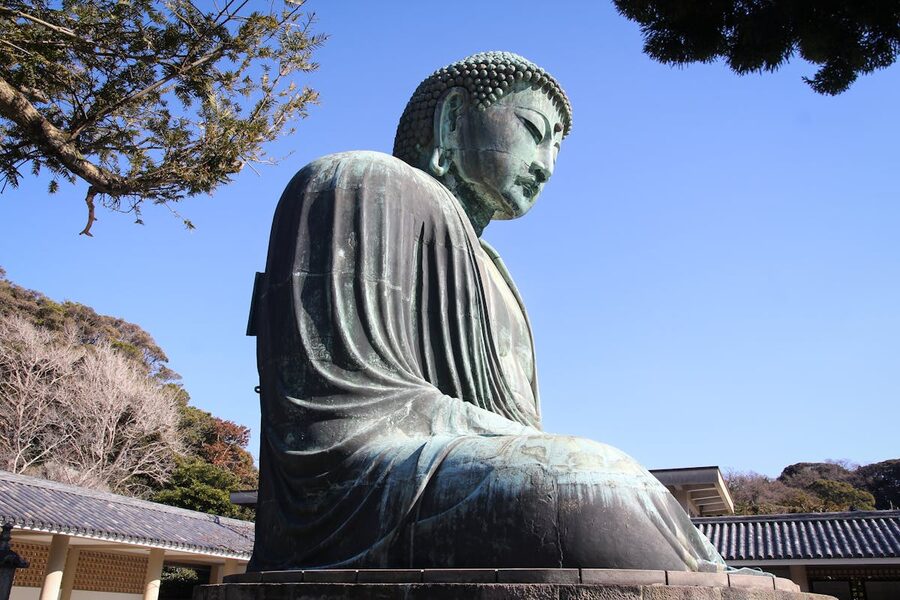
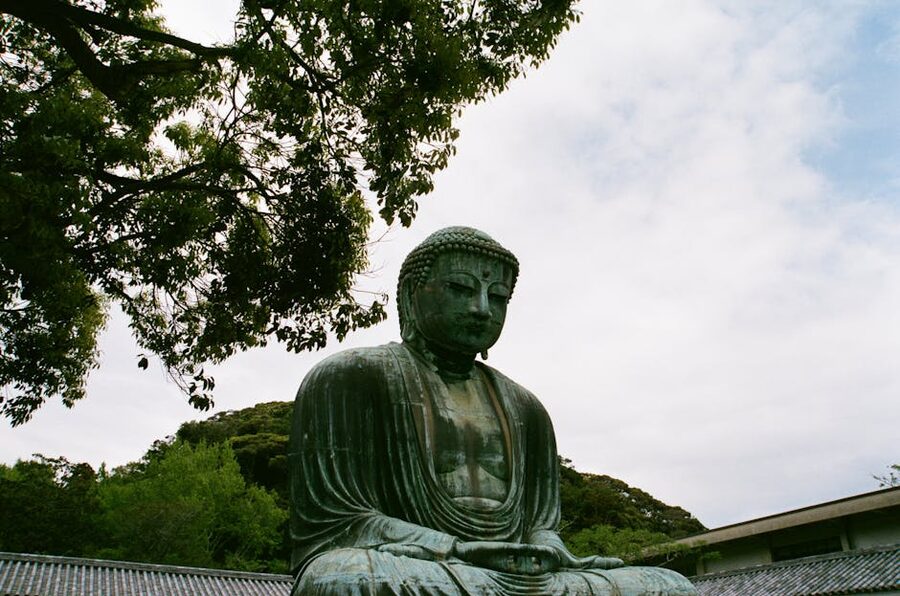
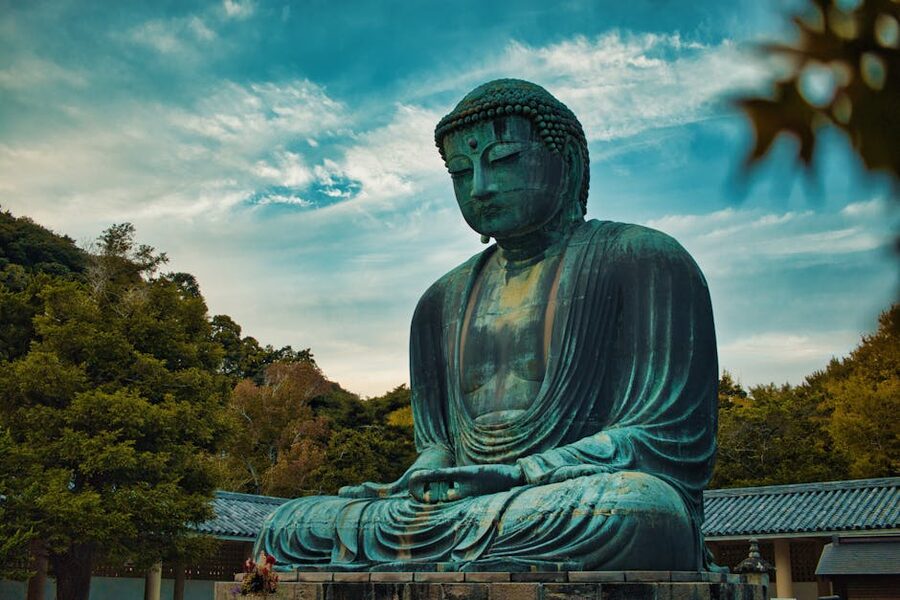
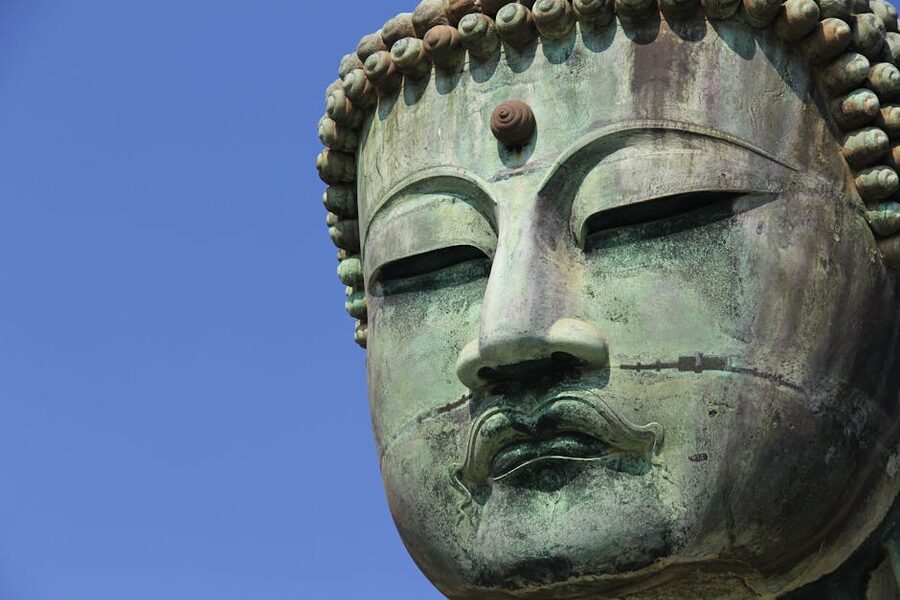
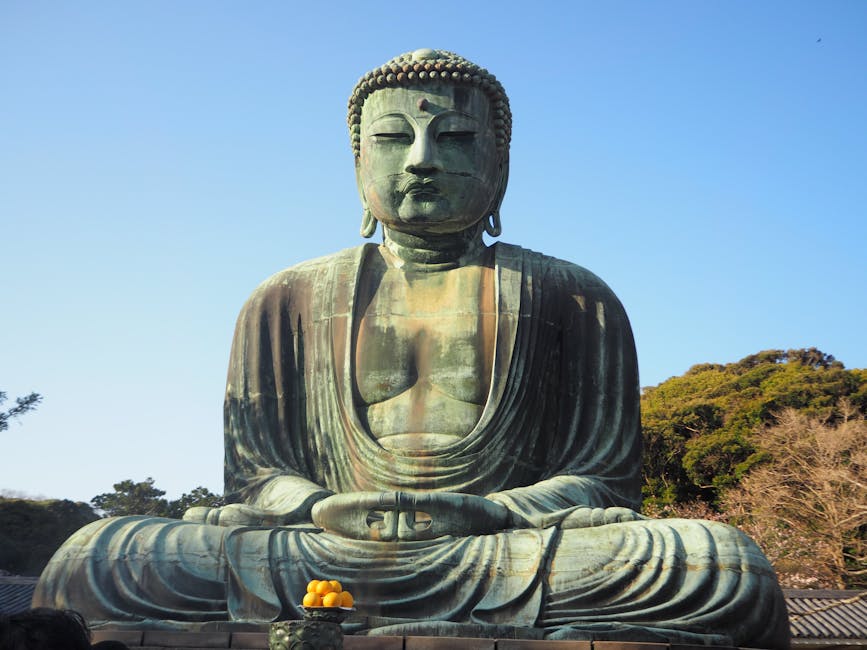
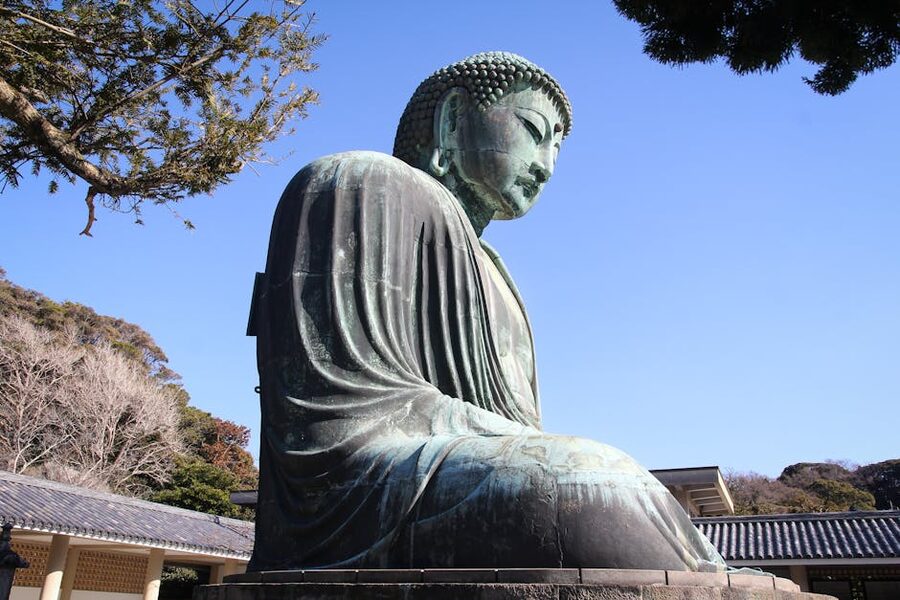
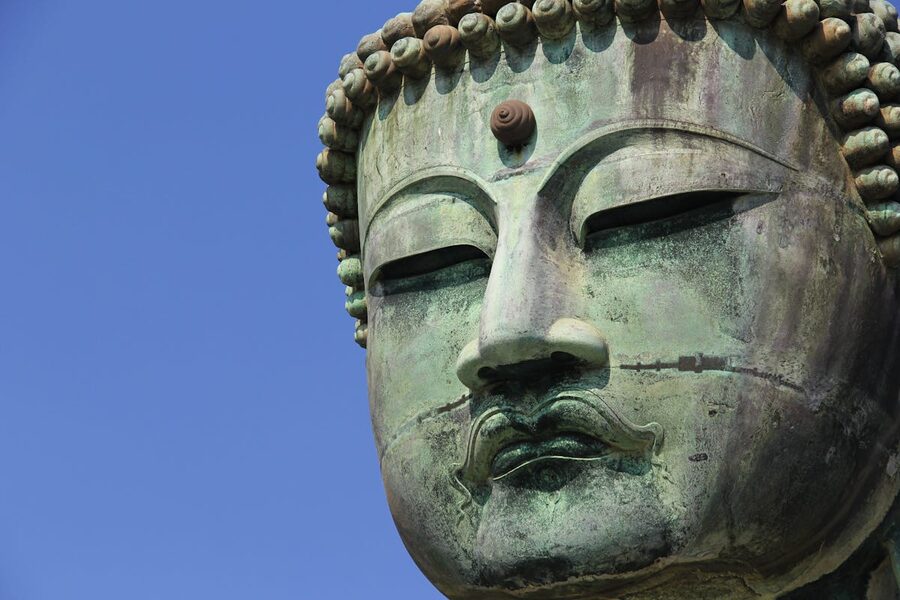
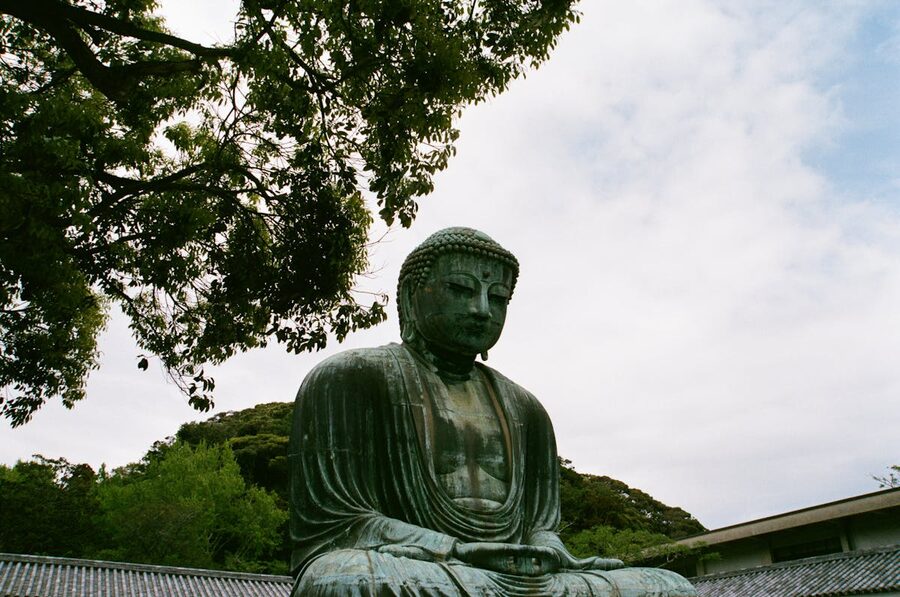
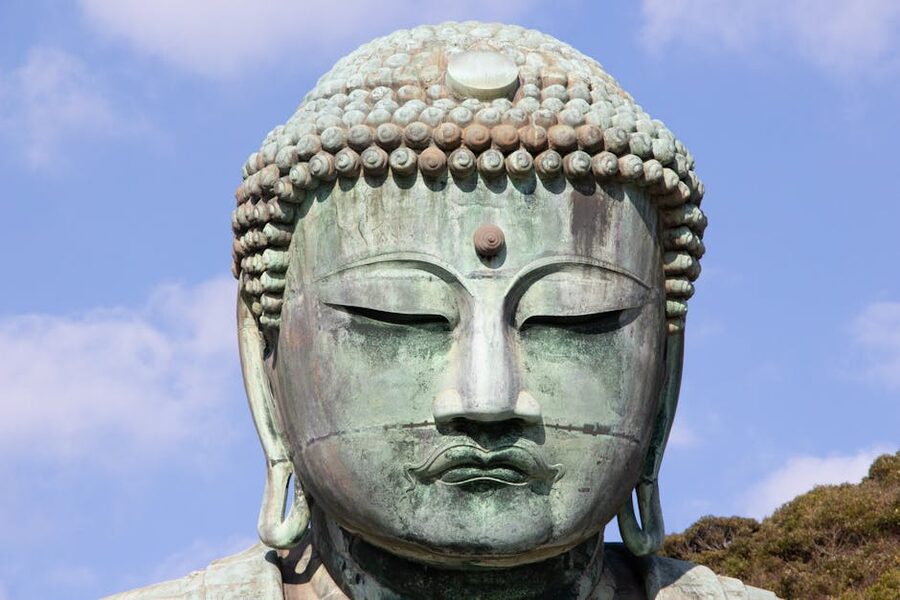
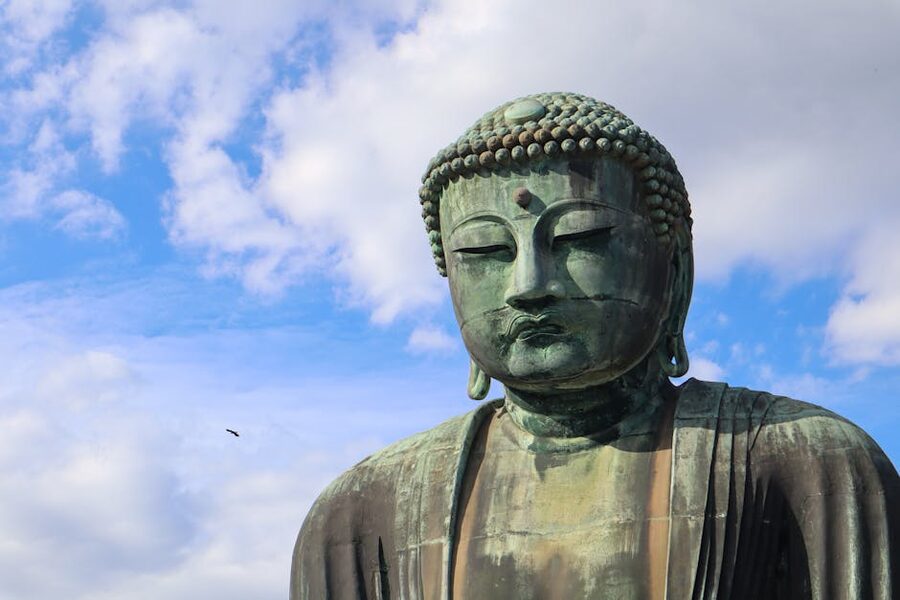
The 13.35-meter, 93-tonne bronze Buddha was cast in 1252 and originally sat inside a massive wooden hall. A tsunami in 1498 washed the hall away, and nobody ever rebuilt it. So now the Buddha just sits there, outdoors, weathered to a patina green — and somehow it works. You can go inside the hollow statue for 20 yen. Entry to the grounds is 300 yen.
Tsurugaoka Hachimangu
Kamakura’s most important shrine, dedicated to the god of war, sits at the end of a long tree-lined approach from the coast. Free entry. The main hall sits atop a steep staircase with views across the town to the sea. The ponds flanking the approach are beautiful in lotus season (July-August). This is the cultural heart of Kamakura and worth at least 30-40 minutes.
n
Hasedera Temple
Famous for its 9.18-meter wooden Kannon statue (one of the largest wooden sculptures in Japan) and its hilltop viewpoint overlooking Yuigahama beach and the Pacific. The cave tunnels carved into the hillside are atmospheric. The Jizo statues — hundreds of small stone figures wearing red bibs — are some of the most photographed scenes in Kamakura. Entry 400 yen.
Hokokuji Temple (the Bamboo Temple)
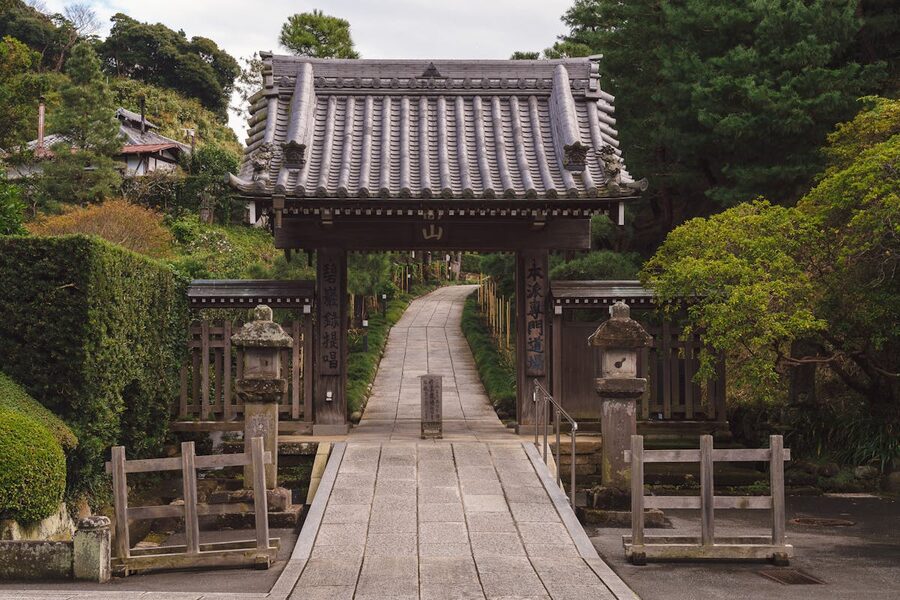
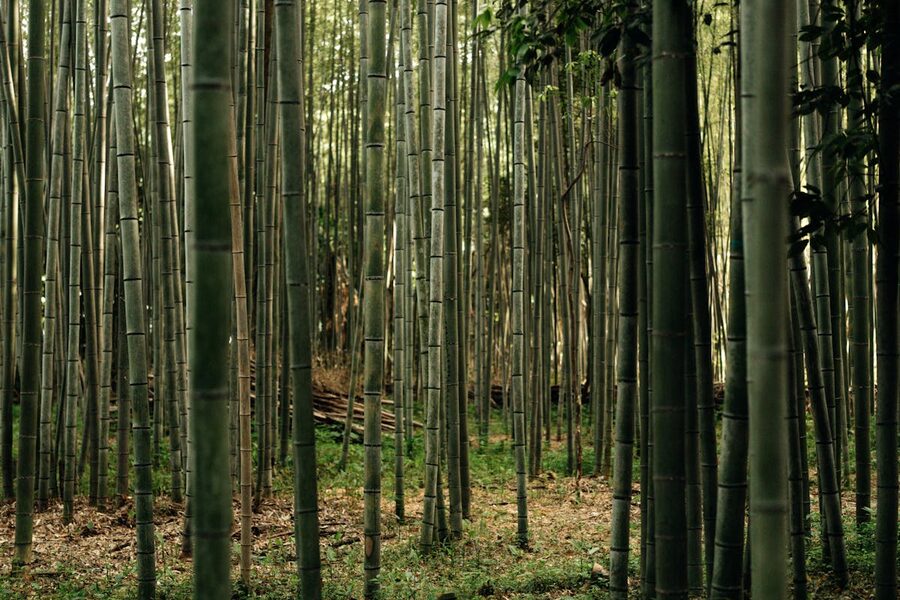
A small Rinzai Zen temple with a bamboo grove of about 2,000 stalks. It’s nothing like the scale of Arashiyama, but the intimacy is the point. At the back, a tea house serves matcha (600 yen extra) overlooking the bamboo. Sit, drink, breathe. Entry 300 yen.
Enoshima Island
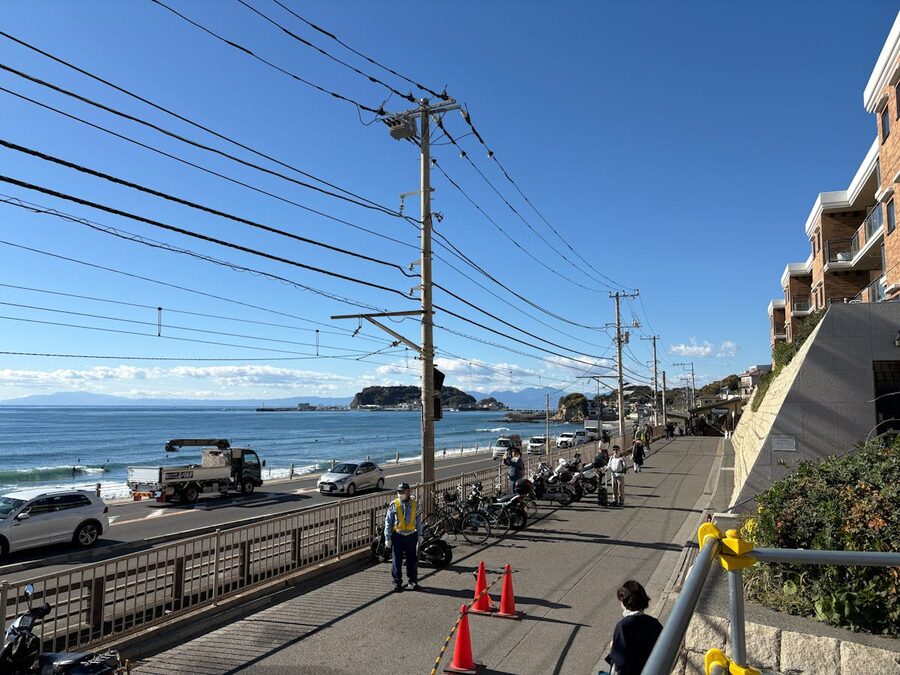
Connected to the mainland by a 600-meter bridge, Enoshima is part beach town, part shrine complex, part sea cave adventure. The walk up through the shrine gates takes about 20 minutes and rewards you with ocean views. The Iwaya sea caves at the far end are worth the trek. On clear days, Mount Fuji looms behind the island. Allow 2-3 hours if you include the caves.
Komachi-dori Shopping Street
The main drag from Kamakura Station to Tsurugaoka Hachimangu, lined with shops, cafes, and food stalls. Try the fresh shirasu (baby whitebait) on rice — it is Kamakura’s specialty and tastes completely different from what you get anywhere else. The warabi mochi and matcha soft serve are also worth a stop. Best experienced early morning or late afternoon to avoid the crush.
More Tokyo Day Trip Guides
n
Kamakura pairs naturally with a Mount Fuji and Hakone day trip — some tours even combine both in a single day if your schedule is tight. For another temple-heavy day trip in a different direction, Nikko offers Toshogu Shrine, Kegon Falls, and mountain scenery that feels nothing like Kamakura.
Back in the city, the samurai experience at the Shinjuku museum is a fun hour that kids and adults both enjoy. If you are building a food-focused itinerary, the sushi making classes and ramen cooking classes both run in the morning, leaving your afternoon free for a train to the coast. And for evening entertainment, the bar hopping night tours in Shinjuku are a different side of Tokyo entirely.
This article contains affiliate links. If you book a tour through one of our links, we earn a small commission at no extra cost to you. This helps us keep creating free travel guides. We only recommend tours we’ve genuinely researched.