
The sizzle of batter hitting a hot griddle. The sharp, sweet hit of Worcestershire-based sauce cutting through pork fat. Charcoal smoke drifting sideways across a narrow alley while a cook flips skewers with one hand and waves you in with the other.
That’s Osaka in about ten seconds. This city doesn’t just have good food — it has a whole philosophy built around eating. “Kuidaore” is the local word for it, and it roughly translates to “eat until you drop.” Osaka takes that literally.
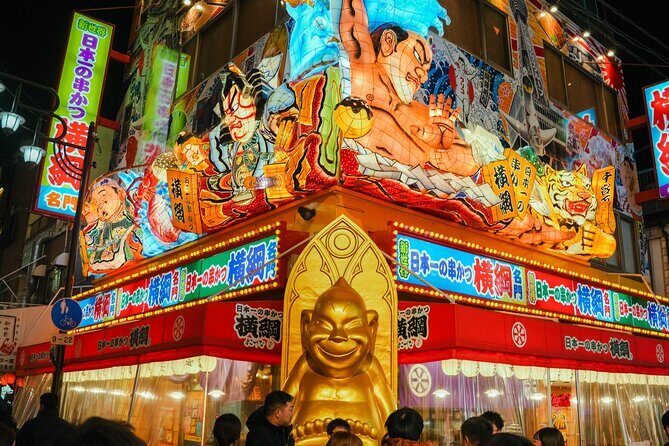
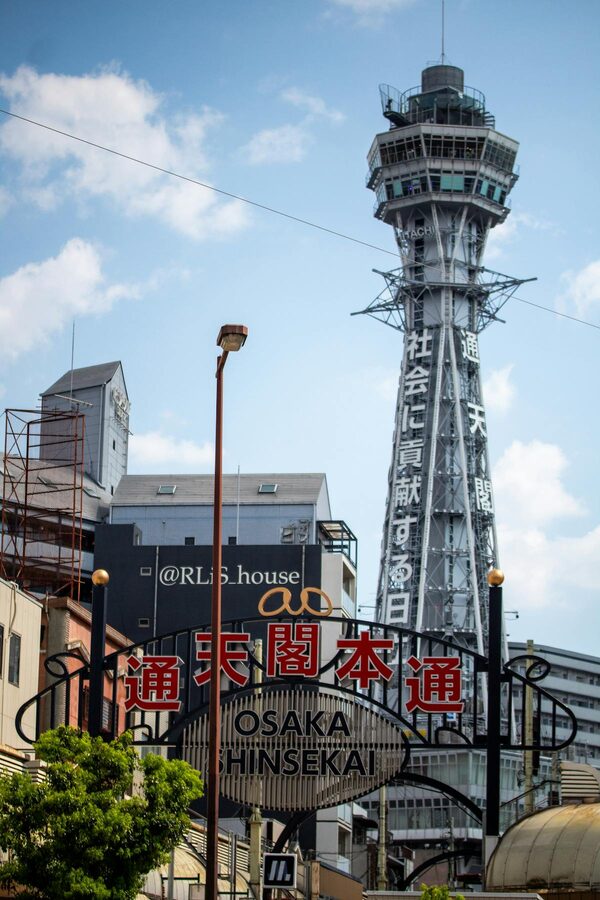
The problem for first-time visitors isn’t finding food. It’s the opposite: there are thousands of restaurants, stalls, and hidden counters crammed into neighborhoods like Shinsekai, Dotonbori, and Namba. Without a guide, you’ll end up at the tourist-facing places with English menus and inflated prices. A food tour fixes that in about three hours.
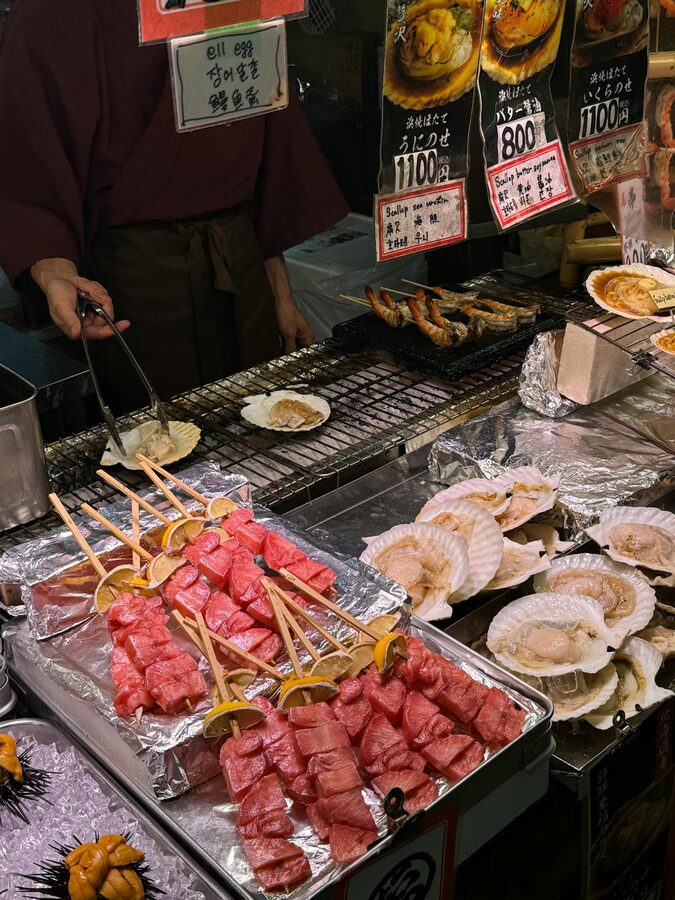
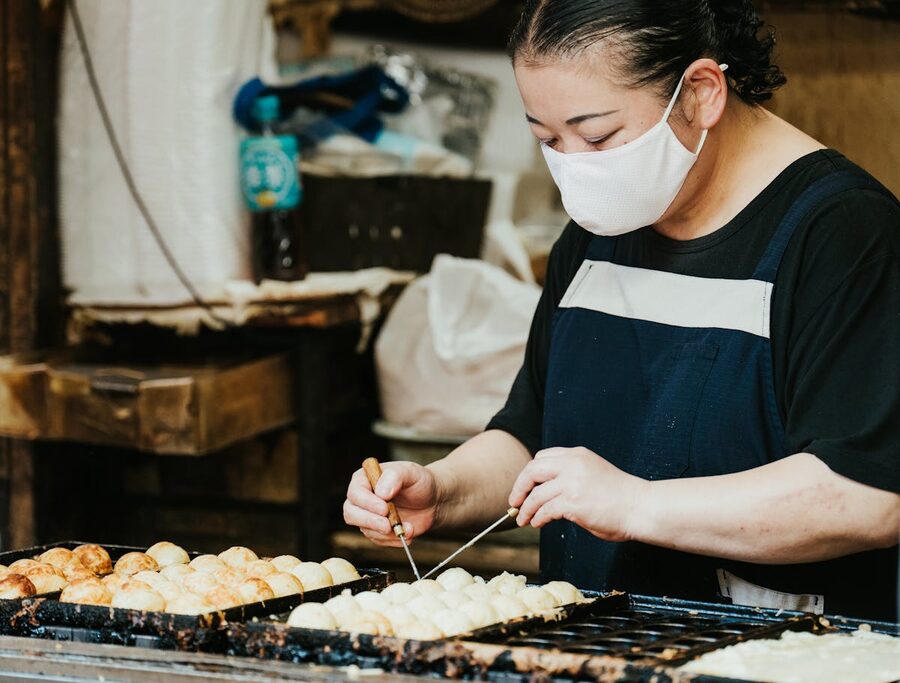
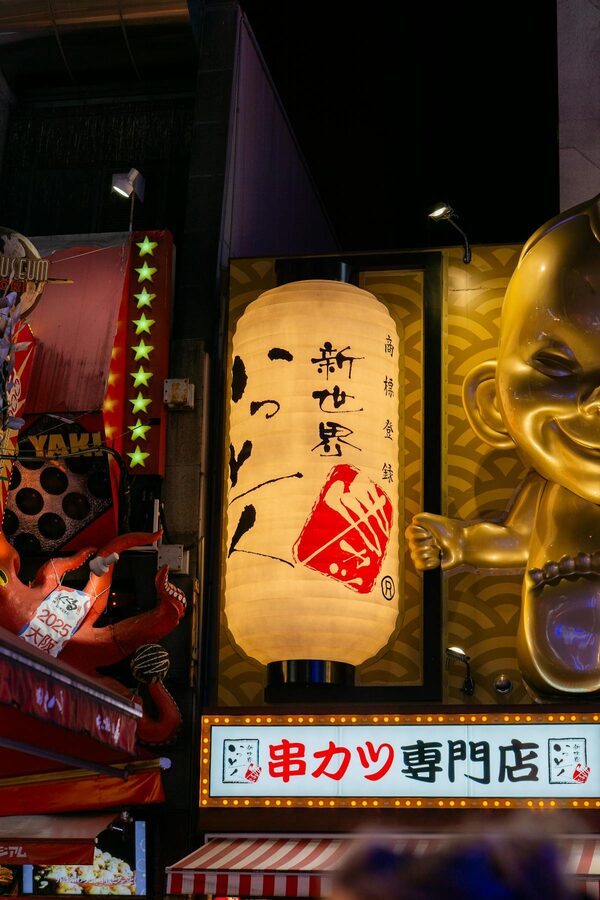
Short on time? Here are my top 3 picks:
Best overall: Shinsekai Food Tour (13 Dishes) — $53. The most popular Osaka food tour for a reason. 13 dishes, 5 stops, 3 hours in the best food neighborhood.
Best for foodies: Hidden Eateries Tour (10 Dishes) — $73. Smaller groups, deeper cuts, places you’d never find alone. Perfect 5.0 rating from 2,100+ people.
Best budget: 2-Hour Street Food Tour — $27. Quick, cheap, and hits the highlights. Great if you’re short on time or want a taster before exploring solo.
- How Osaka Food Tours Work
- Guided Food Tour vs Eating Solo
- The Best Osaka Food Tours to Book
- 1. Osaka Shinsekai Food Tour With 13 Dishes at 5 Eateries —
- 2. Osaka Food Tour — 10 Delicious Dishes at 5 Hidden Eateries —
- 3. Osaka Foodie Tour Shinsekai — Feast Like a Local —
- 4. Deep Backstreet Osaka Tours —
- 5. Osaka 2-Hour Local Street Food Tour —
- When to Visit Osaka for Food
- How to Get to Osaka’s Food Districts
- Tips for Getting the Most Out of Your Food Tour
- What You’ll Actually Eat on an Osaka Food Tour
- More Japan Food and Booking Guides
How Osaka Food Tours Work
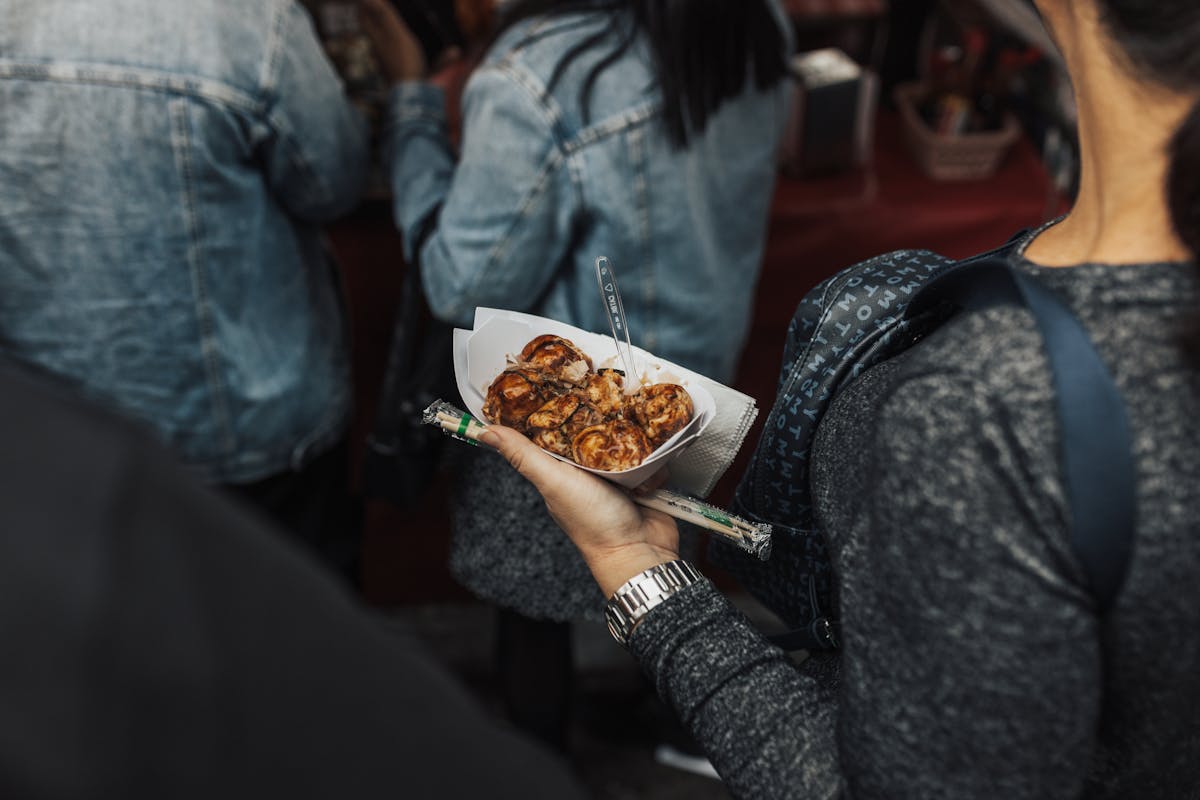
Most Osaka food tours follow a similar format. You meet your guide at a designated spot — usually near a train station in Shinsekai or Namba — and spend 2-3 hours walking between 4-6 different eateries. The guide handles all the ordering, explains what you’re eating, and takes you to places that don’t have English menus or tourist-friendly signage.
Food and drinks are included in the tour price. You’ll typically try 8-13 dishes depending on which tour you book. The food ranges from obvious Osaka classics like takoyaki (octopus balls) and okonomiyaki (savory pancakes) to things you probably haven’t heard of — like kushikatsu (deep-fried skewers with a strict no-double-dipping rule) and horumon (grilled offal that sounds scary but tastes incredible when done right).
Group sizes are kept small, usually 8-12 people maximum. Some tours run with as few as 2-3 guests, which means more attention from the guide and a more intimate experience. The tours operate rain or shine — Osaka’s covered shopping arcades mean you’re sheltered from weather for most of the walk.
A few practical things to know: go hungry. Every tour page says this and they’re not exaggerating. You’ll eat the equivalent of two full meals across the tour. Skip lunch beforehand, and you probably won’t need dinner after. Also, most tours include at least one alcoholic drink (usually beer or highball), with non-alcoholic options available.
Guided Food Tour vs Eating Solo
You could absolutely eat your way through Osaka without a guide. The city is friendly, lots of restaurants have picture menus, and pointing at what someone else is eating works surprisingly well. So why pay for a tour?
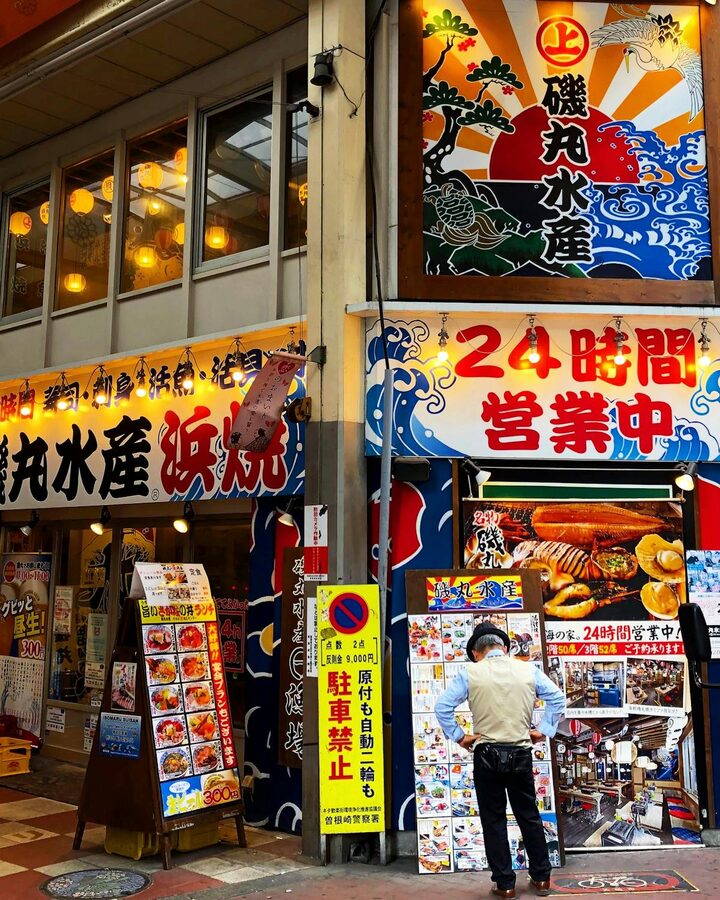
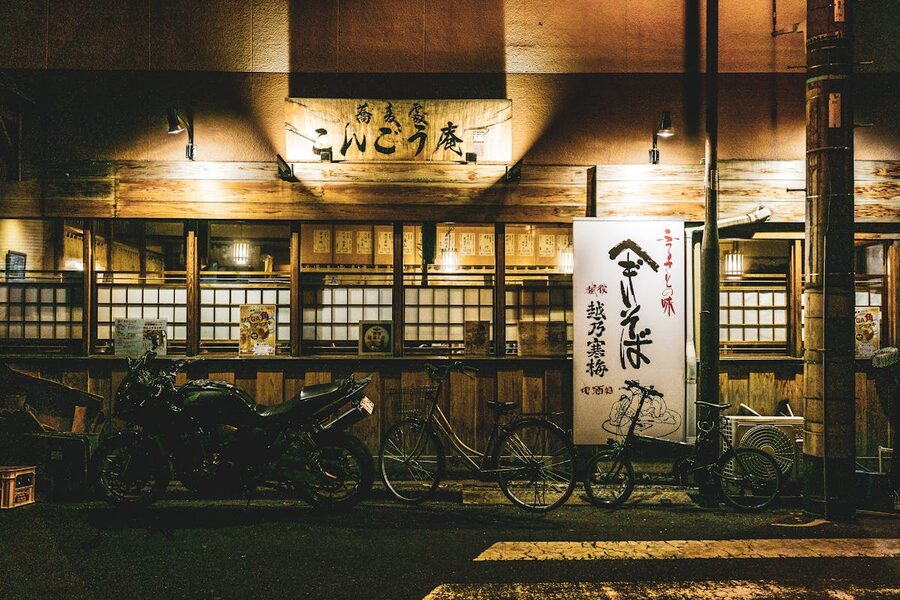
Access. The best food tour guides have personal relationships with the chefs and owners at the places they visit. You’re not going to restaurants that accept tour groups — you’re going to tiny 8-seat counters where the guide knows the owner by name. Some of these places don’t even have signs outside. You’d walk past them a hundred times without knowing they exist.
Context. Knowing that you’re eating kushikatsu is one thing. Knowing that Shinsekai invented it in the 1920s, that the communal sauce tradition started because of post-war food shortages, and that the neighborhood was modeled after Coney Island and the Eiffel Tower — that changes the whole experience. Good guides turn a meal into a history lesson without being boring about it.
Efficiency. You have limited time in Osaka. A 3-hour tour gives you a thorough introduction to the food scene and the neighborhoods, plus recommendations for where to go on your own afterward. It’s like getting a local friend to show you around — except this friend happens to know every good restaurant within a 2-kilometer radius.
The main argument against a tour is if you have dietary restrictions that make group dining complicated, or if you genuinely prefer the adventure of finding places yourself. Both are valid. But for most first-time visitors, a food tour on your first night in Osaka sets the tone for the rest of the trip.
The Best Osaka Food Tours to Book
I’ve gone through all the major food tours available in Osaka and narrowed it down to the five that are actually worth your money. These are ranked by a combination of value, food quality, and the overall experience based on thousands of verified reviews.
1. Osaka Shinsekai Food Tour With 13 Dishes at 5 Eateries — $53

This is the food tour I recommend to everyone visiting Osaka for the first time. Thirteen dishes across five eateries in the Shinsekai neighborhood, guided by a local who actually lives in the area. The stops include a kushikatsu joint that’s been operating since the postwar era, a yakitori counter where the chef grills everything over charcoal right in front of you, and at least one izakaya that doesn’t appear on Google Maps.
At $53 for three hours of eating and two included drinks, this is genuinely good value — you’d spend close to that feeding yourself at the same places without the guide. The tour has over 2,200 reviews with a 4.8-star average, which is remarkable for a food experience at this scale. Groups max out at 9 people, though some sessions run with as few as 3-4, which keeps things relaxed.
The only downside: it books out 2-3 days in advance during peak season (cherry blossom season and autumn). Don’t leave it to the last minute. Check Availability Read Our Review
2. Osaka Food Tour — 10 Delicious Dishes at 5 Hidden Eateries — $73

If the Shinsekai tour is the greatest hits album, this one is the deep cut. Ten dishes at five places that are specifically chosen because they’re hard to find and don’t cater to travellers. The price is higher at $73, but the food quality reflects it — you’re eating at places where the owner has been running the same counter for 20-30 years and doesn’t need your business.
The hidden eateries tour carries a perfect 5.0 rating from over 2,100 reviews, which is almost unheard of at that volume. The guides on this one are particularly knowledgeable — several of them are long-term Osaka residents who genuinely geek out about food history and neighborhood culture. You’ll walk away with restaurant recommendations that go way beyond what the tour covers.
Best for: serious food lovers, couples, and anyone who’s already done the standard Osaka tourist circuit and wants to go deeper. Check Availability Read Our Review
3. Osaka Foodie Tour Shinsekai — Feast Like a Local — $73
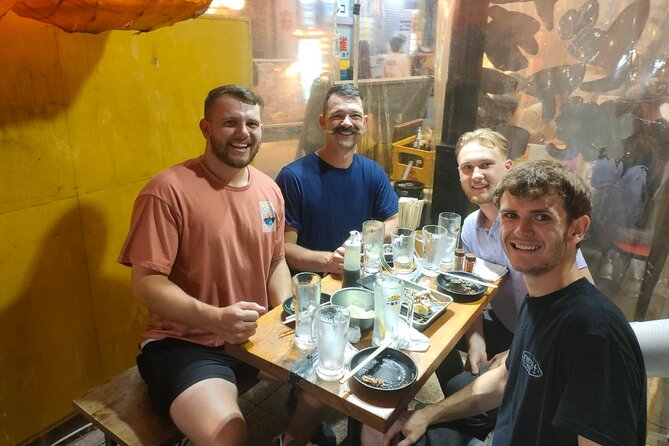
This is a premium take on the Shinsekai experience. Same neighborhood as tour #1 but a completely different route and restaurant selection. The “Feast Like a Local” format puts more emphasis on sitting down properly at each stop rather than quick street food grazing — you’ll spend 20-30 minutes at some of the eateries, which gives the guide time to really explain what you’re eating and why it matters.
At $73 with over 1,700 reviews and a perfect 5.0 rating, the Feast Like a Local tour consistently gets praised for guide quality. The guides are all long-term Osaka residents who treat the tour like they’re taking friends out for the evening. Multiple reviews mention that their guide stayed after the official tour ended to recommend bars and restaurants for the rest of the night.
The trade-off vs the $53 GYG tour: fewer dishes (the exact count varies by session), but more time at each stop and a more relaxed pace. If you’d rather sit and savor than rush between bites, this is your tour. Check Availability Read Our Review
4. Deep Backstreet Osaka Tours — $53
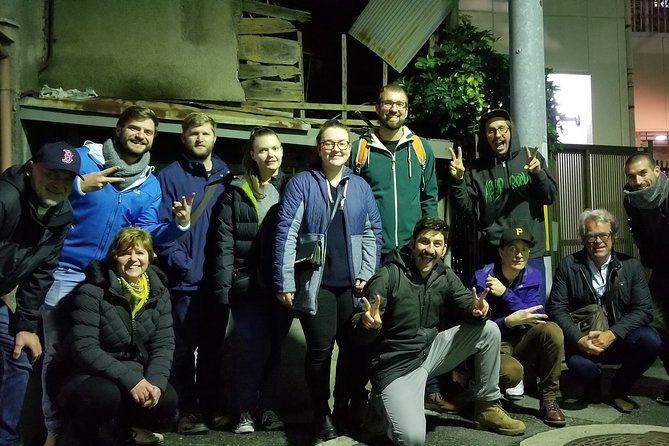
The name tells you exactly what this is. While most tours stick to the main drags of Shinsekai or Dotonbori, this one deliberately takes you into the side streets and back alleys where the rents are lower and the food is more honest. At $53, it matches the price of the GYG Shinsekai tour but with a completely different vibe — less “food tour” and more “your Japanese friend is showing you where they actually eat.”
With 1,290 reviews and a perfect 5.0 rating, the Deep Backstreet tour has built a following among repeat visitors to Osaka who’ve already done the standard food circuit. The guides prioritize tiny, owner-operated spots that change their menu based on what’s fresh at the market that day. Don’t expect a fixed itinerary — the flexibility is the whole point.
Fair warning: this tour involves more walking than the others, and some of the venues have steep stairs and tight spaces. Not ideal if you have mobility issues, but perfect if you want an authentic, off-the-beaten-path experience. Check Availability Read Our Review
5. Osaka 2-Hour Local Street Food Tour — $27
If you’re on a tight budget, short on time, or just want to test the waters before committing to a longer tour, this is the one. Two hours, the essential Osaka street food hits, and a local guide — all for $27. That’s less than you’d pay for dinner at a mid-range restaurant.
Don’t let the low price fool you. The 2-hour street food tour has over 1,000 reviews with a perfect 5.0 rating. It covers the core Osaka food experience — takoyaki, okonomiyaki, and a few surprises — without trying to cram in everything. Think of it as a focused introduction rather than an exhaustive survey.
The format works well for people arriving in Osaka in the afternoon who want to get oriented before dinner. It also pairs nicely with a longer, more specialized tour on a different day — do this one first to learn the basics, then go deeper with one of the Shinsekai tours above. Check Availability Read Our Review
When to Visit Osaka for Food
The good news: Osaka is a food city year-round. There’s no bad time to eat here. But there are seasonal differences worth knowing about.
Spring (March-May) is peak tourist season because of cherry blossoms. Food tours book out faster, especially the popular evening slots. Book at least a week in advance during late March and early April. The upside: seasonal dishes like sakura mochi and fresh bamboo shoots appear on menus.
Summer (June-August) is hot and humid. Like, oppressively so. Walking food tours in July and August can be uncomfortable, though the covered arcades of Shinsekai provide some relief. Summer brings excellent cold noodle dishes and kakigori (shaved ice) that you won’t find in other seasons.
Autumn (September-November) is the sweet spot. The heat breaks, the crowds thin slightly after the October holiday rush, and seasonal ingredients like matsutake mushrooms, sanma (Pacific saury), and fresh yuzu start appearing. If you’re planning your trip around food, aim for October or November.
Winter (December-February) brings comfort food season. Hot oden, nabe (hot pot), and fugu (blowfish) are winter specialties, and Osaka does all of them exceptionally well. The Christmas and New Year period is busy, but January and February are some of the quietest months for tourism — meaning easier bookings and more personal attention from guides.
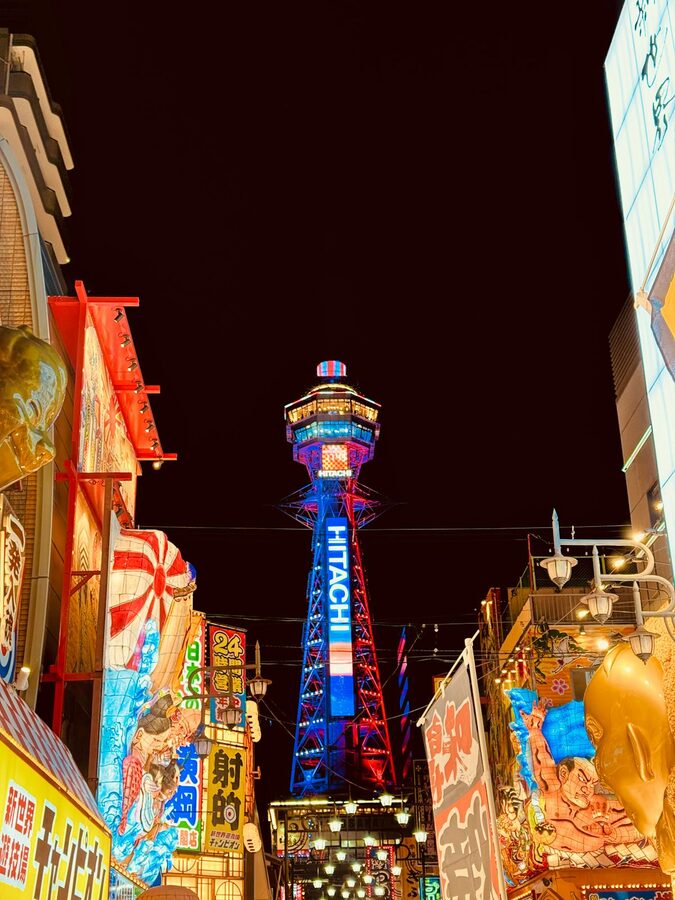
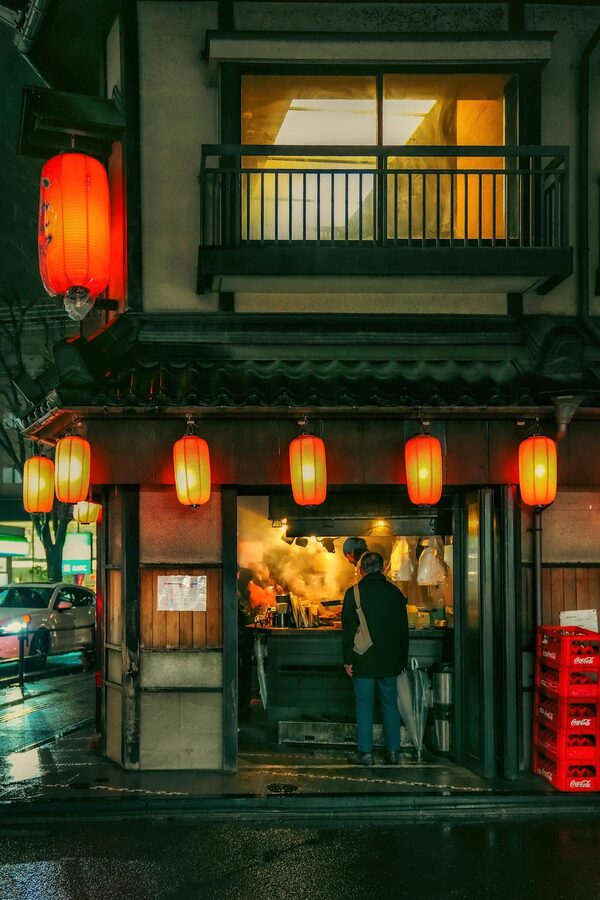
Most food tours run evening sessions (starting around 5:00 or 6:00 PM), which aligns with when the food scene in Shinsekai and Dotonbori really comes alive. Some operators also run lunch sessions, but the atmosphere is noticeably different — the neon signs, the lanterns, the packed alleys — that’s an evening thing.
How to Get to Osaka’s Food Districts
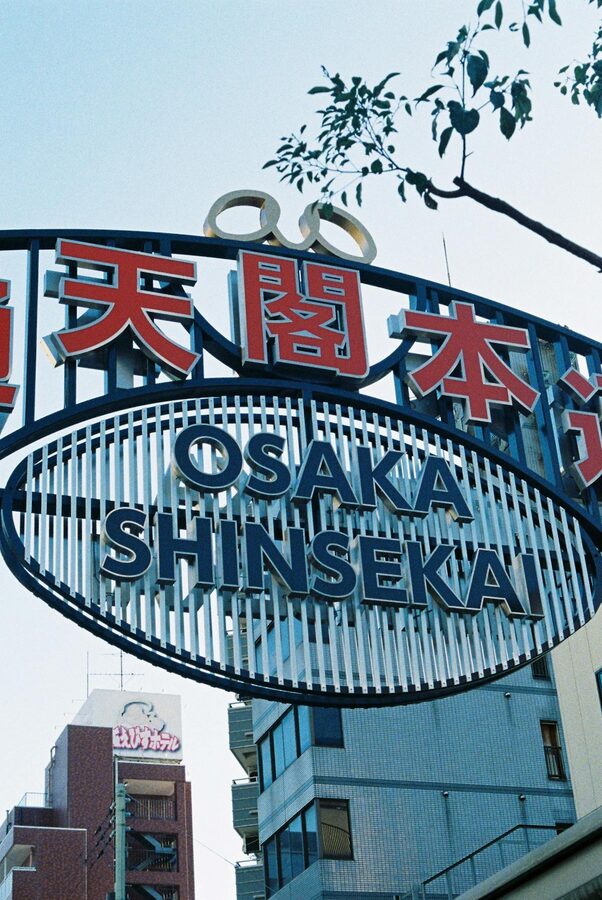
Shinsekai (where most tours operate): Take the Osaka Metro Midosuji Line or Sakaisuji Line to Dobutsuen-mae Station. Exit 1 puts you right at the edge of Shinsekai. From Osaka Station (Umeda), it’s about 20 minutes by subway. From Namba, it’s just two stops on the Midosuji Line.
Dotonbori/Namba (the other major food area): Namba Station is the central hub, served by multiple metro lines and the Nankai Railway from Kansai Airport. Dotonbori is a 3-minute walk from any Namba Station exit — follow the crowds and the neon.
From Kansai Airport: The Nankai Rapi:t express train runs directly to Namba Station in about 35 minutes (1,290 yen). If you’re heading straight to a food tour from the airport, this is the fastest option. The JR Haruka express goes to Tennoji Station instead, which is closer to Shinsekai.
From Kyoto: The JR Special Rapid train from Kyoto Station to Osaka Station takes about 30 minutes (580 yen). From there, transfer to the Midosuji Line heading south. You can easily do a Kyoto day and still make an evening food tour in Osaka — plenty of people do exactly that.
Tips for Getting the Most Out of Your Food Tour
Skip lunch. Every tour operator says this and every tourist ignores it. Then they’re struggling by dish 8 of 13. Have a light breakfast, skip lunch entirely, and arrive hungry. You’ll thank yourself.
Wear comfortable shoes. You’ll walk 3-5 kilometers over the course of a tour, mostly on flat ground but occasionally up narrow stairs into second-floor restaurants. Leave the nice shoes at the hotel.
Tell the guide about allergies at the start. Most tours can accommodate common allergies and dietary restrictions if they know in advance. Vegetarian and vegan options are harder in Osaka (dashi stock is in everything), but guides can usually swap out a dish or two. Let them know when you book, not when you arrive.
Bring cash. Several of the small eateries visited on food tours are cash-only. Your tour food is included, but if you want an extra drink or to buy something from a nearby stall, you’ll need yen. 3,000-5,000 yen in small bills is plenty.
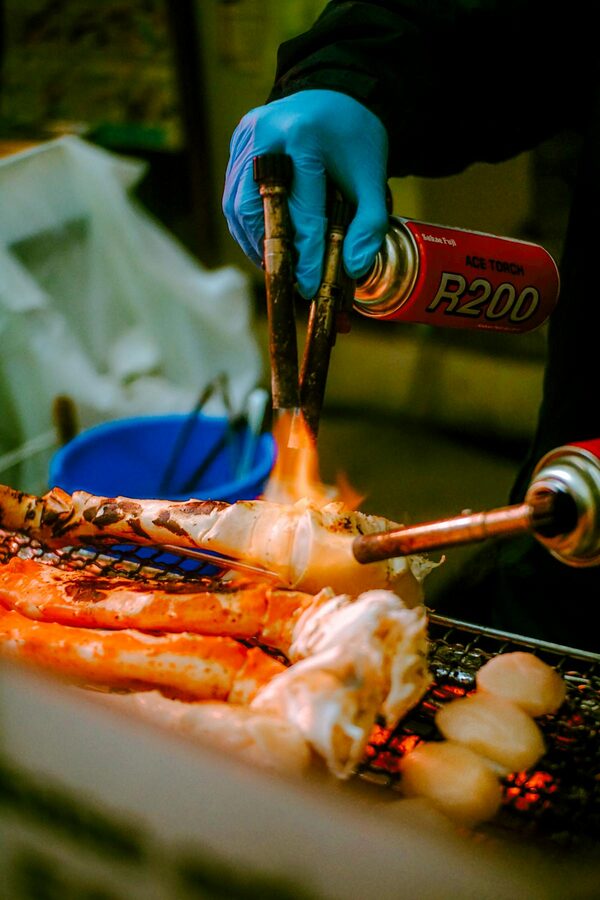
Book the evening session if you can. Osaka’s food neighborhoods transform after dark. The neon signs light up, the outdoor stalls fire up their grills, and the energy shifts from daytime shopping area to nighttime eating district. Lunchtime tours cover the same ground but miss the atmosphere that makes Osaka food culture special. If you want to keep the evening going after your food tour wraps up, an Osaka bar hopping night tour picks up right where the food leaves off.
Ask your guide for recommendations after the tour. The best guides will give you a list of places to try on your own, tailored to what you seemed to enjoy most during the tour. Some will even make a reservation for you on the spot. Don’t be shy about asking — they love talking about food.
What You’ll Actually Eat on an Osaka Food Tour
The specific dishes vary by tour and season, but here’s what you can typically expect across a Shinsekai food tour:
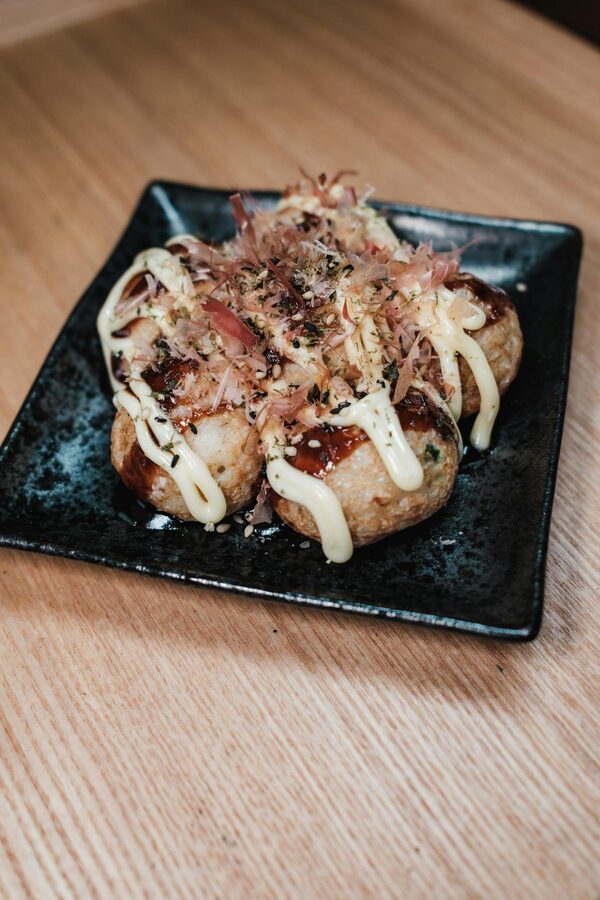
Takoyaki — The dish most associated with Osaka. Balls of wheat batter filled with diced octopus, cooked in a special molded pan, and topped with sauce, mayo, and dancing bonito flakes. The difference between good takoyaki and tourist takoyaki is huge — the good stuff has a crispy shell and an almost custard-like interior that practically melts.
Kushikatsu — Deep-fried skewers of meat, seafood, and vegetables. Shinsekai is the birthplace of kushikatsu, and the neighborhood takes it seriously. The cardinal rule: one dip only in the communal sauce. Double-dipping is a genuine social offense here, not just a sitcom joke.
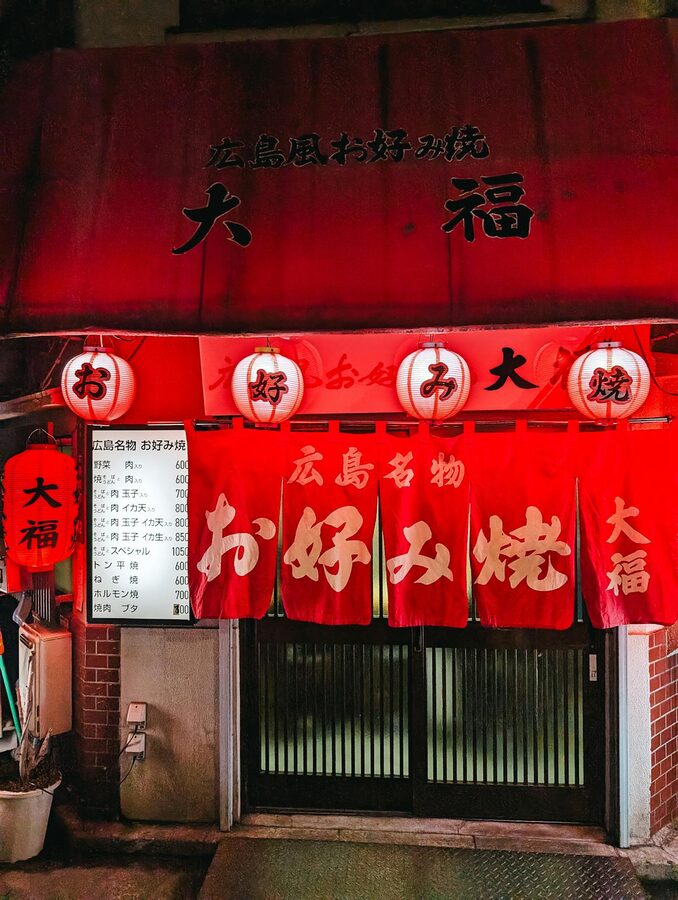
Okonomiyaki — A thick savory pancake made with batter, cabbage, and your choice of fillings (pork belly is the classic). In Osaka, the cook makes it for you on a shared griddle. This is the dish that divides Japan — Hiroshima has its own completely different version, and the rivalry is real.
Yakitori — Charcoal-grilled chicken skewers, though “yakitori” in Osaka often includes pork, vegetables, and organ meats too. The best yakitori joints use binchotan charcoal, which burns hotter and cleaner than regular charcoal, giving the meat a distinctive smoky-clean flavor you won’t get from a gas grill.
Gyoza — Pan-fried dumplings. Osaka-style gyoza tend to be crispier than their Tokyo counterparts, often cooked in a ring formation so they come out as a connected crown of dumplings. The dipping sauce is simple — soy, rice vinegar, and chili oil — and it works perfectly.
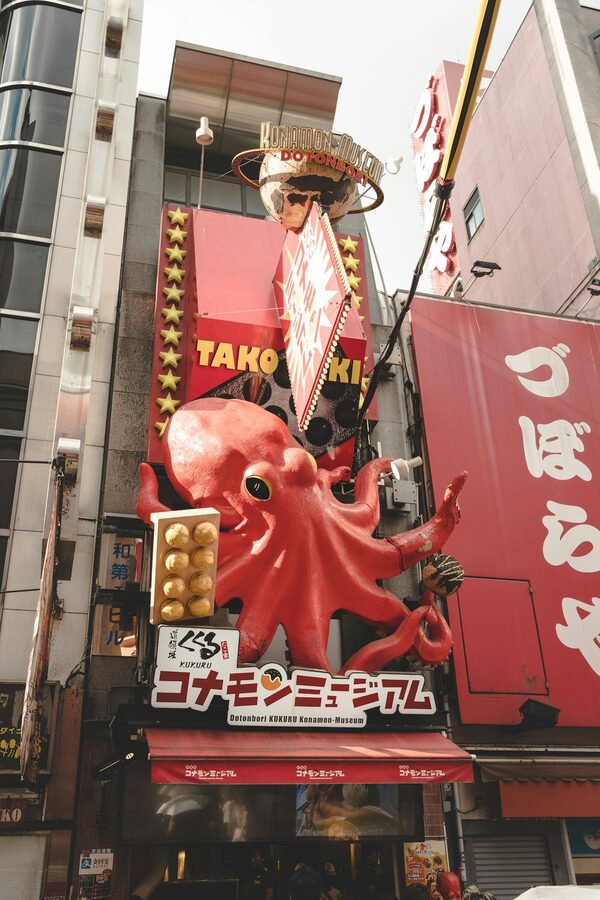
Beyond these staples, many tours include seasonal specials, regional drinks (Osaka has a strong highball and craft beer scene), and at least one dish that the guide specifically chose because it surprises people. Part of the fun is not knowing exactly what you’ll eat — let the guide do their thing.
More Japan Food and Booking Guides
If you’re continuing to Tokyo after Osaka (or coming from there), the food touring doesn’t have to stop. The Shinjuku food tour in Tokyo covers the izakaya and yakitori scene on the other end of the Shinkansen line, and the Tsukiji Fish Market tour is essential if you care about seafood. For something completely different, a sushi making class gives you hands-on skills you can take home.
If you’re visiting Kyoto between Osaka and Tokyo, the tea ceremony experience and the Gion Geisha District walking tour are both worth booking. And if you’re making a side trip from Osaka, the Hiroshima and Miyajima day trip is doable as a long day out — you’ll be back in time for a late-night food crawl through Dotonbori.
This article contains affiliate links. If you book through our links, we earn a small commission at no extra cost to you. This helps us keep writing these guides. All opinions and recommendations are based on our own research and experience.