
Tokyo Disney Resort pulls in over 25 million visitors a year, making it the most visited theme park in Asia and the third most visited on the planet. And yet, buying tickets from overseas remains weirdly confusing.
The official website only accepts certain credit cards. The app crashes if your phone’s region isn’t set to Japan. And half the third-party sellers mark up tickets by 20% or more without telling you.
I’ve bought Tokyo Disney tickets four different ways over the years, and each time I learned something I wish I’d known before. Here’s everything you actually need to know about getting into Tokyo Disneyland and Tokyo DisneySea without overpaying or panicking at the gate.
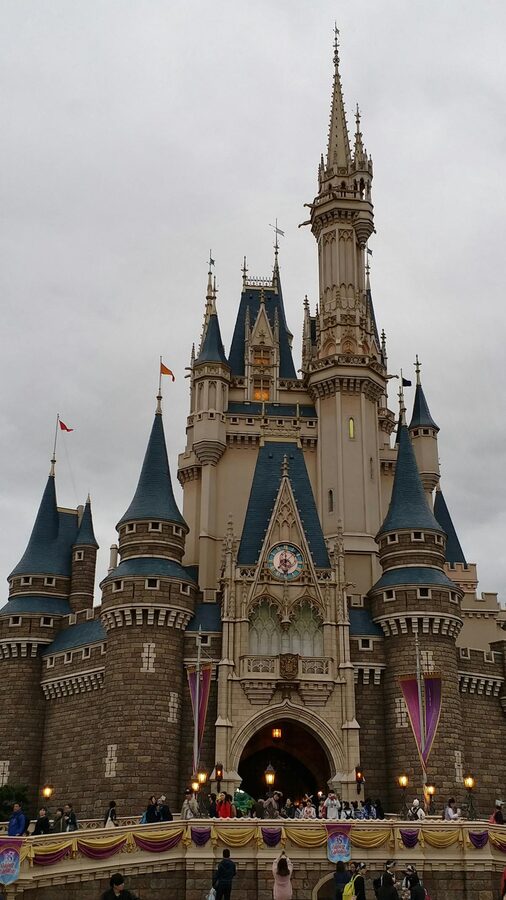
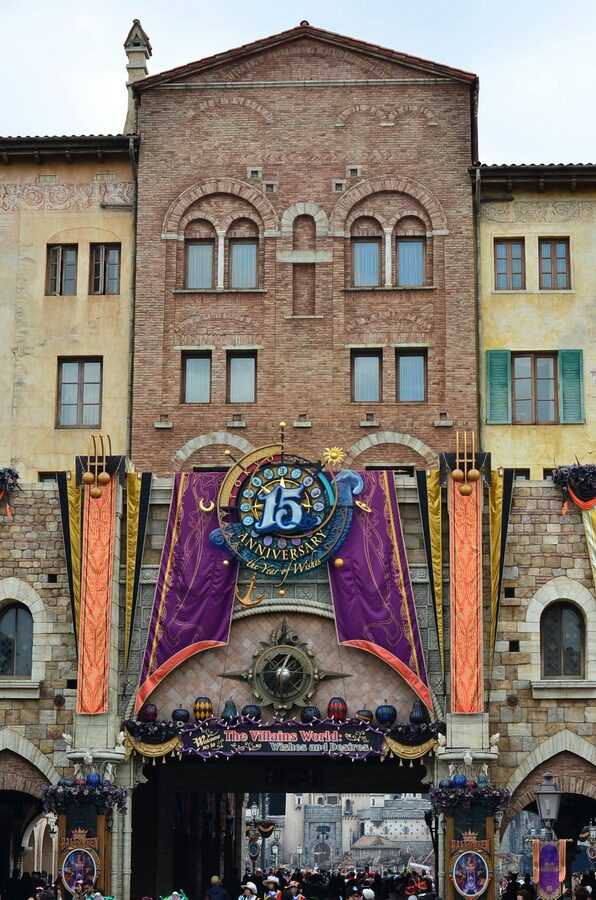
Short on time? Here are my top picks:
For DisneySea: Tokyo DisneySea 1-Day Passport — $57. Guaranteed entry with mobile QR code. The park that Disney fans say is the best in the world.
For Disneyland: Tokyo Disneyland 1-Day Passport — $57. Same price, same smooth entry. Classic Disney with a Japanese twist.
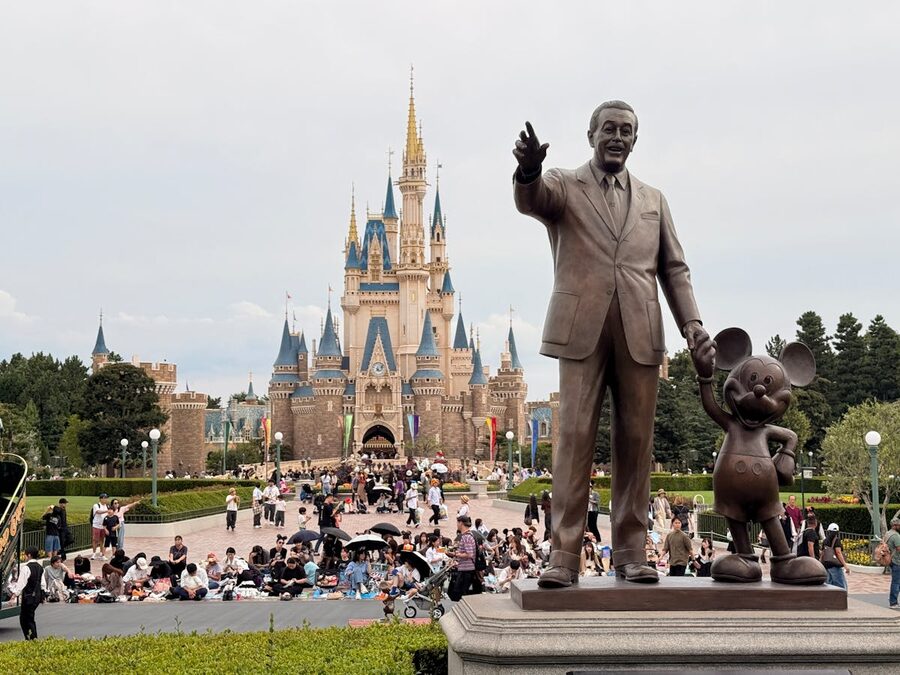
- How the Tokyo Disney Ticket System Actually Works
- Where to Buy: Official vs Third-Party Options
- The Best Tickets to Book
- 1. Tokyo DisneySea 1-Day Passport —
- 2. Tokyo Disneyland 1-Day Passport —
- When to Visit Tokyo Disney Resort
- How to Get to Tokyo Disney Resort
- Tips That Will Save You Time and Money
- What You’ll Actually Experience Inside
- Disneyland or DisneySea: Which One Should You Pick?
- Beyond the Parks
How the Tokyo Disney Ticket System Actually Works
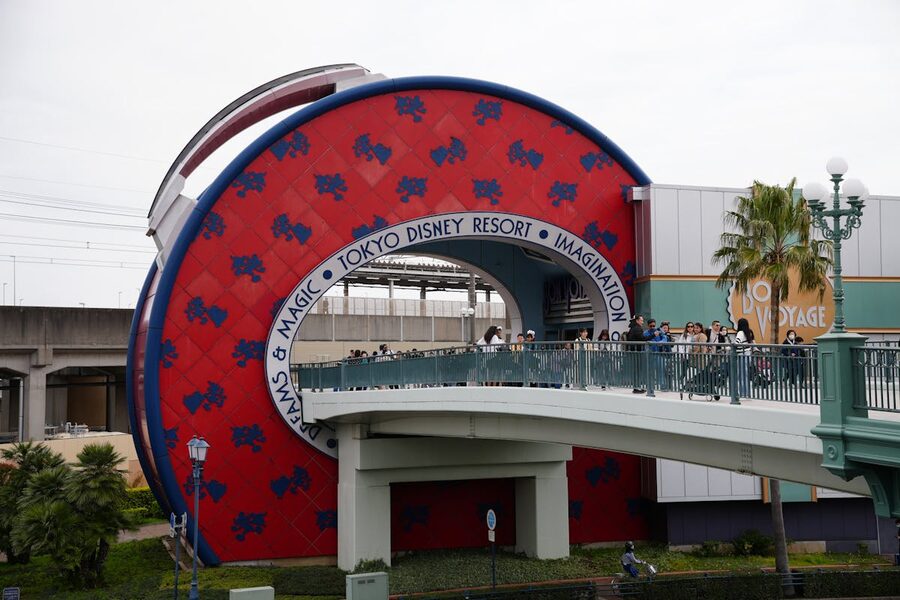
First, the basics: there are no ticket booths at Tokyo Disney Resort. You cannot walk up and buy a ticket at the gate. Every single ticket must be purchased in advance, either online or through an authorized seller. This catches a lot of first-time visitors off guard.
Tickets go on sale exactly two months in advance at 2:00 PM Japan time. They use variable pricing based on the day of the week — weekdays are cheapest, weekends and national holidays are the most expensive. A standard 1-Day Passport for an adult starts at around 7,900 yen (roughly $55 USD) on quiet weekdays and goes up to 10,900 yen (about $75 USD) on peak days.
There are a few different ticket types worth knowing about:
1-Day Passport — Your standard full-day entry. Valid for either Disneyland OR DisneySea (not both). This is what most visitors buy.
Early Evening Passport — Entry from 3 PM on weekends and holidays. Saves you about 30% off the full-day price. Solid option if you’re arriving from a day trip and just want the evening parade and fireworks.
Weeknight Passport — Entry from 5 PM on weekdays (excluding holidays). The cheapest option at around 4,500 yen ($31 USD). Good for catching the nighttime shows without burning a full day.
Fantasy Springs Magic Passport — A premium ticket that includes guaranteed access to the new Fantasy Springs area at DisneySea. It costs around 22,900-25,900 yen ($158-$179 USD), which is steep, but Fantasy Springs entry is otherwise extremely hard to get. If seeing Frozen, Tangled, and Peter Pan’s Never Land is your priority, this might be worth it.
Children ages 4-11 get discounted rates across all ticket types. Kids under 4 are free. There are no multi-day passes currently, and annual passes have been discontinued with no announced return date.
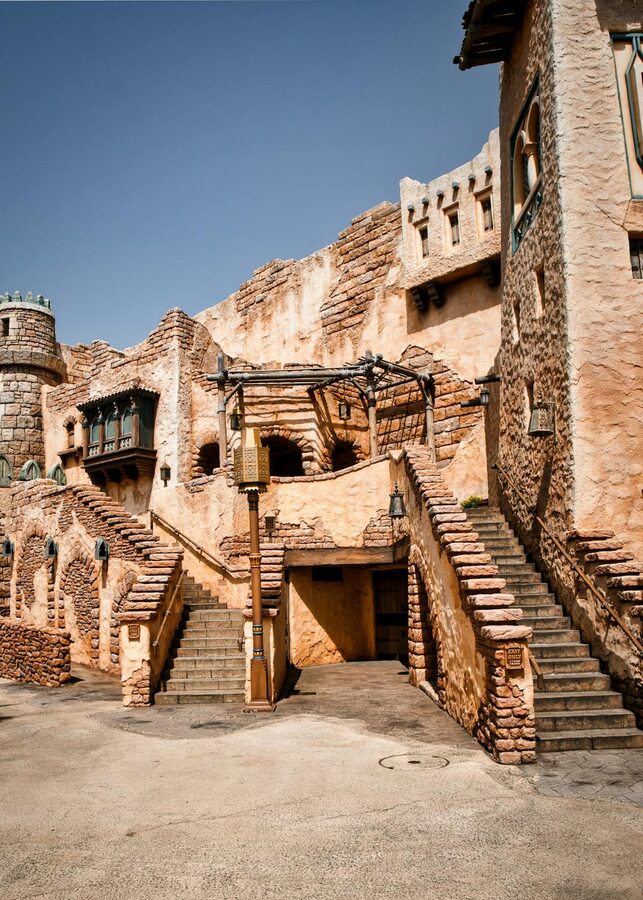
Where to Buy: Official vs Third-Party Options
You have several options for buying tickets, and they’re not all equally convenient depending on where you are.
The Official Tokyo Disney Resort Website is the cheapest option since you’re paying face value. But here’s the catch — it doesn’t accept all international credit cards. Visa and Mastercard work most of the time. Amex and JCB are less reliable from overseas. If your card gets declined, try a different one before you assume tickets are sold out.
The Tokyo Disney Resort App is the other official channel. It’s useful once you’re in Japan, but it’s finicky if your phone is set to a non-Japanese region. Some visitors report needing to switch their App Store region to download it.
Klook is the best third-party option for international visitors. They sell official 1-Day Passports at face value (or very close to it), and the process is straightforward — you get a QR code on your phone, scan it at the gate, and you’re in. No printing required. I’ve used them for Disneyland tickets and the whole thing took about two minutes.
GetYourGuide also sells Tokyo Disney tickets through authorized partners. The prices are comparable to Klook, and they offer free cancellation up to 24 hours before, which is a nice safety net if your Japan itinerary is still in flux.
What you should avoid: reseller sites that mark up tickets significantly, any site that makes you pick up physical tickets at a specific location in Tokyo (unnecessary hassle), and anyone selling tickets “below face value” (almost certainly scams or expired promotional tickets).
One thing that trips people up: you pick your park when you buy your ticket. You can’t buy a generic ticket and decide on the day. So you need to make the Disneyland vs DisneySea decision before purchasing. There’s no park-hopping option available to regular ticket holders.
The Best Tickets to Book
Both parks cost the same to enter, so the decision really comes down to what kind of experience you want. Here are your two main options, plus what I think of each.
1. Tokyo DisneySea 1-Day Passport — $57
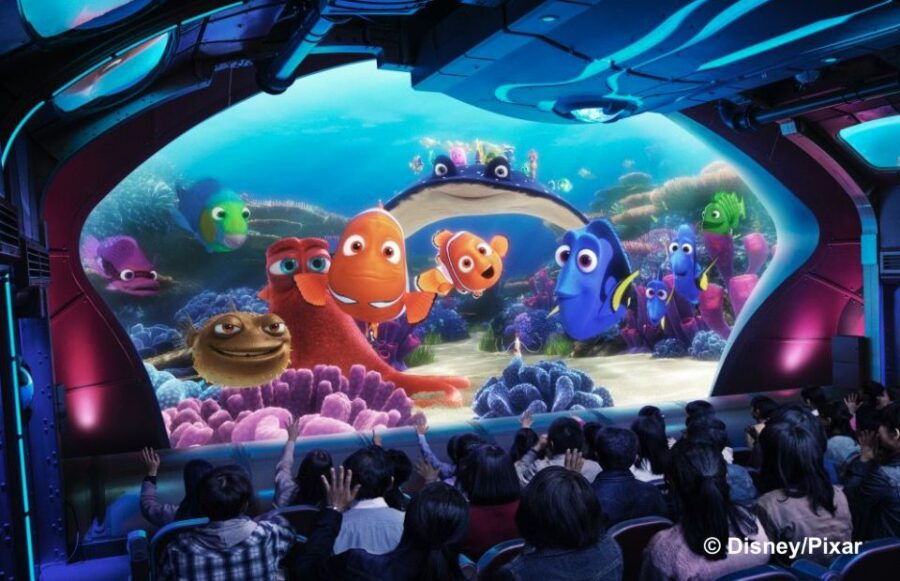
DisneySea is the park that makes Tokyo Disney Resort worth a detour from any Japan itinerary. It’s consistently rated as the best Disney park in the world by hardcore fans, and after visiting, I get it. The theming here goes beyond what you’ll find at any other Disney property — the Mysterious Island area built inside a volcano, the Venice-inspired Mediterranean Harbor, the Indiana Jones ride that puts Hollywood Studios to shame.
The DisneySea 1-Day Passport has racked up over 2,700 reviews with a 4.5-star average, and for good reason. At $57, you’re getting a full day in what is genuinely a once-in-a-lifetime theme park. The new Fantasy Springs area (Frozen, Tangled, Peter Pan) opened in 2024 and has only made the park more popular — getting in is the hard part, not justifying the cost.
If you can only visit one Disney park in Tokyo, make it this one. Check Availability Read Our Review
2. Tokyo Disneyland 1-Day Passport — $57

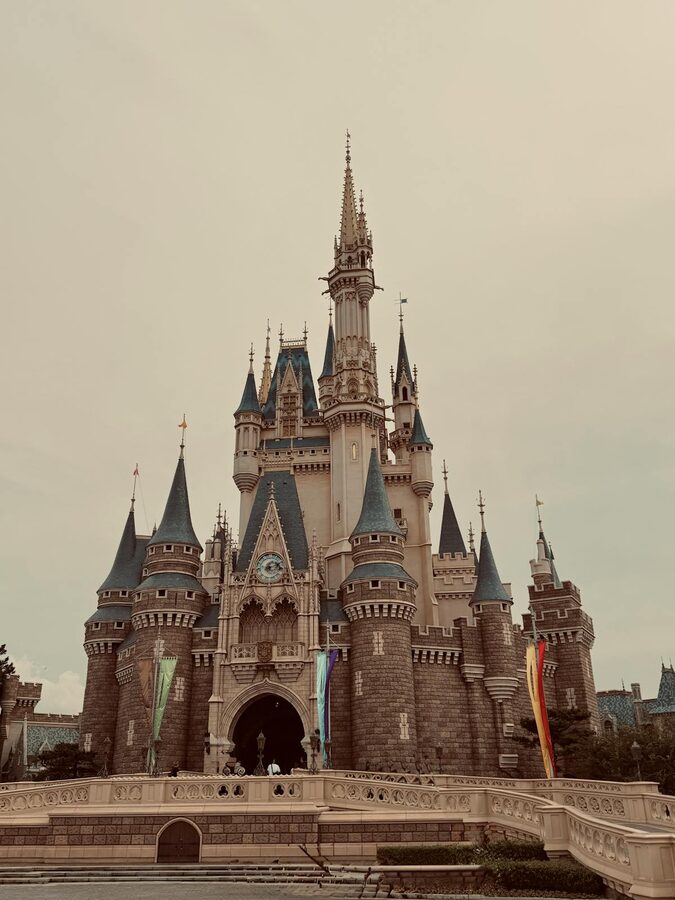
Tokyo Disneyland is the more traditional of the two parks — it follows the classic Magic Kingdom layout that Disney fans will recognize from Anaheim or Orlando. But don’t write it off as a copy. The Japanese operations team runs this park with a precision and cleanliness that makes other Disney parks feel shabby by comparison.
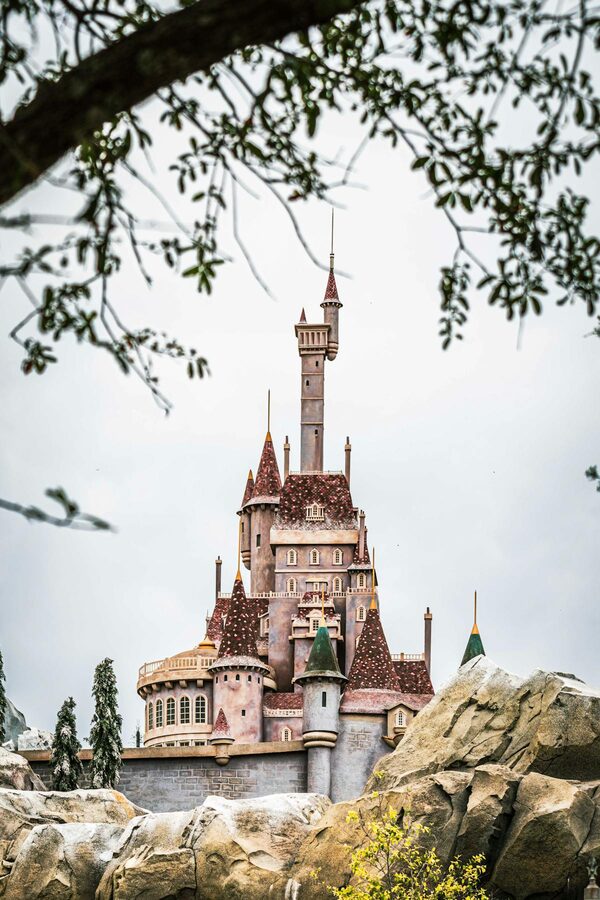
The cast members are famously attentive, the food is genuinely good (not just “good for a theme park”), and the exclusive rides like Pooh’s Hunny Hunt and the Enchanted Tale of Beauty and the Beast are world-class.
With over 2,500 reviews and a 4.6-star rating, the Disneyland 1-Day Passport is the go-to for families with young kids and anyone who wants the classic Disney castle-and-fireworks experience with a Japanese twist. At $57, the same price as DisneySea, it comes down to personal preference rather than value.
My honest take: if you have two days, do both. If you only have one, DisneySea edges it out — but Disneyland is the better pick for families with kids under 8. Check Availability Read Our Review
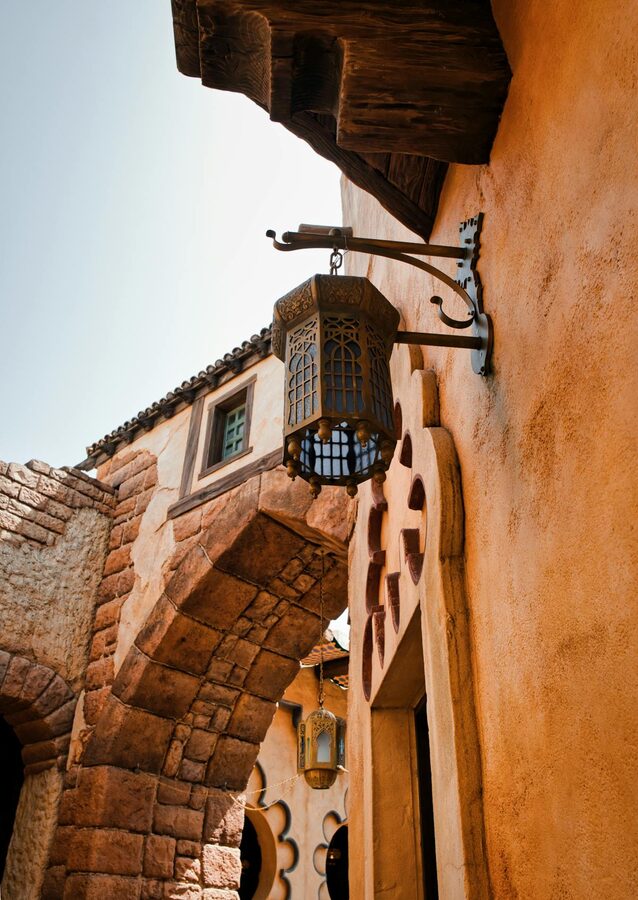
When to Visit Tokyo Disney Resort
Timing matters more at Tokyo Disney than at almost any other theme park. The Japanese domestic audience is massive, and they show up in force on weekends, school holidays, and national holidays.
Best times to visit: Weekdays in January (after New Year’s), February, and early June (before summer break). April is generally bad — it’s cherry blossom season plus Golden Week, and both parks hit capacity regularly.
Worst times: Golden Week (late April-early May), Obon (mid-August), New Year’s period (December 31-January 3), and any Saturday in any month. If you visit on a Saturday in March or October, expect 2-hour waits for popular rides.
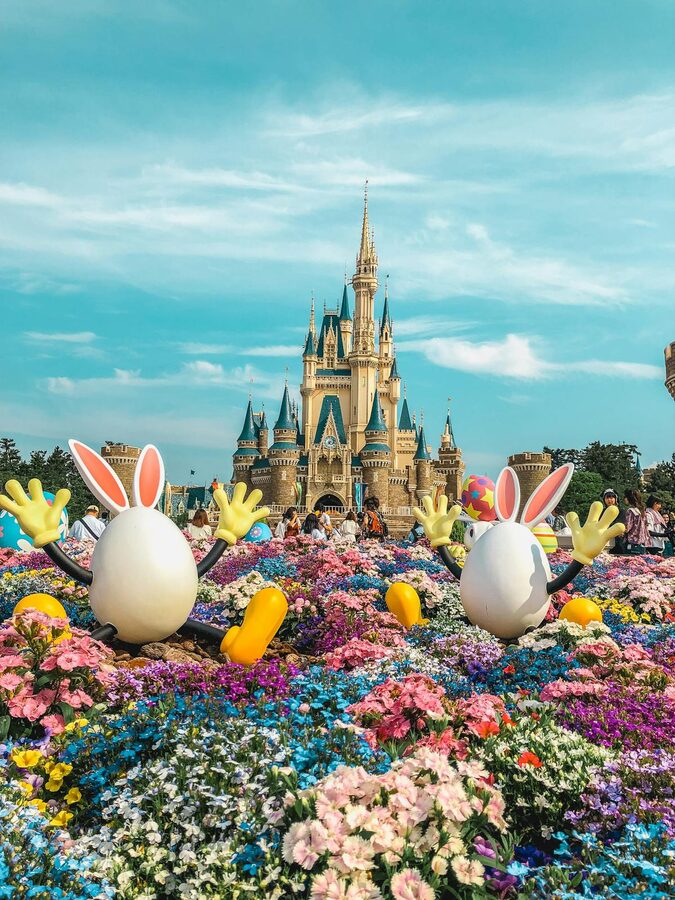
Hours vary by season. Typical opening is 8:00 or 9:00 AM, with closing at 9:00 or 10:00 PM. Check the official calendar for your specific date. On peak days, the park sometimes opens 15-30 minutes early, so arriving by 7:30 AM gives you the best chance of short queues for the first hour.
The Weeknight Passport (5 PM entry, weekdays only) is an underrated option. You get 4-5 hours in the park, which is enough for 3-4 major rides plus the nighttime entertainment. And the evening crowds are noticeably thinner than daytime, especially for indoor rides.
How to Get to Tokyo Disney Resort
Tokyo Disney Resort is in Urayasu, Chiba Prefecture — technically not in Tokyo at all, though it’s well connected to the city center.
From Tokyo Station: Take the JR Keiyo Line or Musashino Line to Maihama Station. It’s a direct ride, about 15 minutes. Maihama Station deposits you right at the resort entrance. This is the easiest option for most visitors.
From Shinjuku/Shibuya: Take the JR Chuo Line to Tokyo Station, then transfer to the Keiyo Line for Maihama. Total travel time is about 45-50 minutes.
The Disney Resort Line is a monorail that circles the resort connecting the parks, hotels, and Ikspiari shopping complex. A single ride is 260 yen. You’ll need it if you’re staying at one of the Disney hotels and need to get to the park entrance, but if you’re arriving at Maihama Station, Disneyland is already right there.
If you’re heading to DisneySea specifically, the monorail is worth taking — it saves you a 15-minute walk from Maihama Station. Or you can take the free shuttle buses that run between the station and both parks.
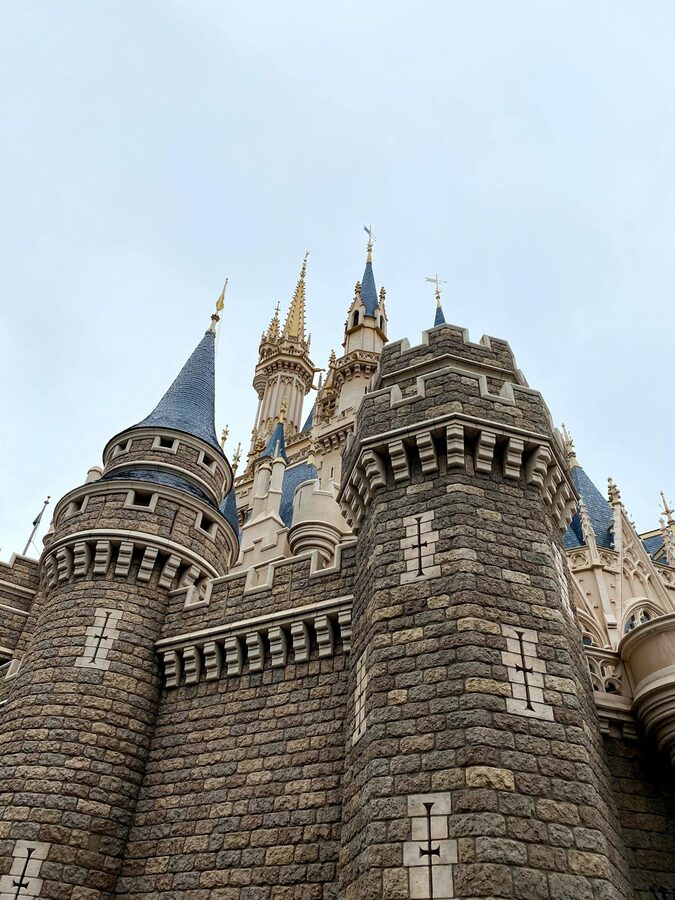
Tips That Will Save You Time and Money
Download the Tokyo Disney Resort App before you fly. You’ll need it for ride wait times, restaurant reservations, and Disney Premier Access (paid skip-the-line passes). Some visitors can’t download it in Japan because of App Store regional restrictions — sort this out at home.
Disney Premier Access costs extra and is purchased through the app on the day of your visit. It works like a paid FastPass — you buy access to skip the regular queue for specific rides. Prices range from about 1,500-2,500 yen ($10-$17) per ride. For Fantasy Springs attractions at DisneySea, Premier Access sells out fast — often within the first 30 minutes of park opening.
Bring your own food or eat early. The in-park restaurants are decent but expensive by Japanese standards, and the popular ones develop long queues by noon. Eating at 11:00 AM or after 2:00 PM avoids the worst of it. The park allows you to bring food and non-alcoholic drinks (DisneySea serves alcohol; Disneyland does not).
Single rider lines exist for some rides and can cut your wait by 50-70%. If you don’t mind riding separately from your group, this is the best free hack for getting on more rides.
The lockers near the park entrance fill up fast. Store your luggage at Maihama Station or Tokyo Station instead. The in-park lockers are mostly small and claimed by 10 AM on busy days.
Charge your phone before you go. Between the app, taking photos, and checking wait times, your battery will drain fast. Bring a portable charger — there are no convenient charging stations inside the parks.
What You’ll Actually Experience Inside
Tokyo Disneyland follows the classic “hub and spoke” layout with seven themed lands radiating from the central plaza. The standout rides that you won’t find elsewhere are Pooh’s Hunny Hunt (a trackless ride that’s been operating since 2000 and still impresses), Monsters Inc. Ride and Go Seek (an interactive dark ride), and the Enchanted Tale of Beauty and the Beast (the newest addition, featuring a stunning animatronic ballroom scene).
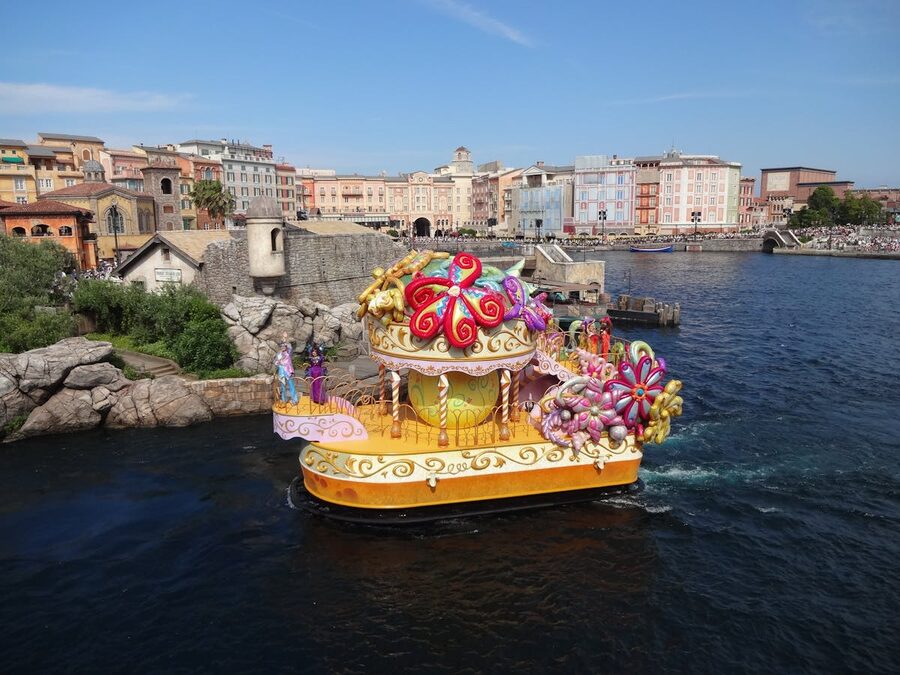
The parades at Tokyo Disneyland are on a completely different level than what you’ll see at other Disney parks. The floats are more elaborate, the choreography is more polished, and the energy from the Japanese audience — who often learn the dances and perform them from the crowd — creates an atmosphere you won’t get anywhere else.
Tokyo DisneySea is organized around a central lagoon with seven themed “ports of call.” The standout areas are Mysterious Island (built inside a volcano, housing the Journey to the Center of the Earth and 20,000 Leagues Under the Sea rides), the Lost River Delta (home to the Indiana Jones Adventure), and the brand-new Fantasy Springs (the most ambitious expansion Disney has ever built, with areas themed to Frozen, Tangled, and Peter Pan).
DisneySea is also the only Disney park where you can drink alcohol, which adds a distinctly adult feel to the experience. The Magellan’s restaurant inside the Fortress Exploration is one of the best theme park restaurants in the world — genuinely good food in a setting that feels like dining inside a 16th-century explorer’s study.
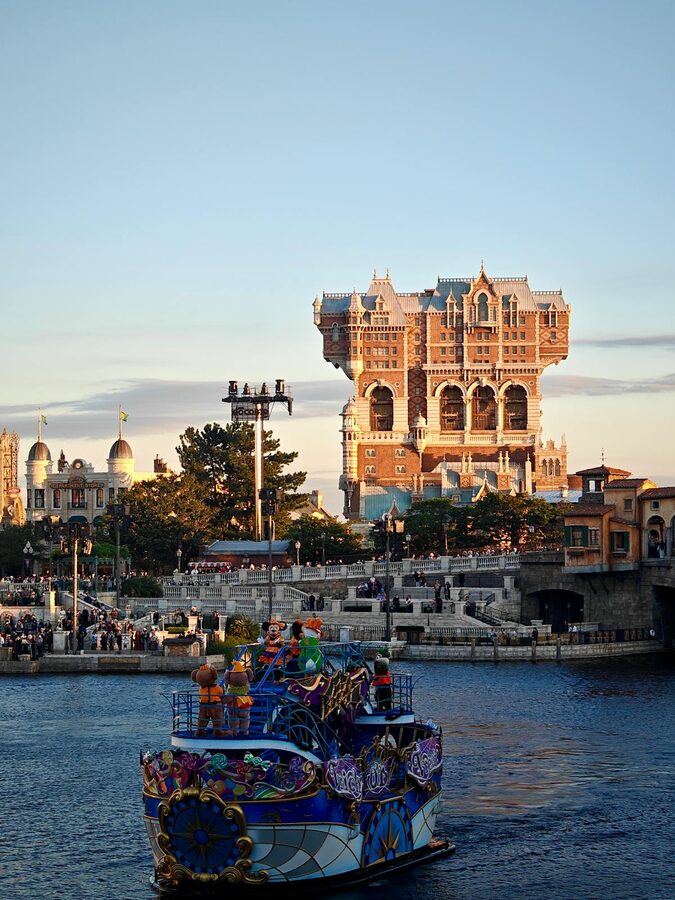
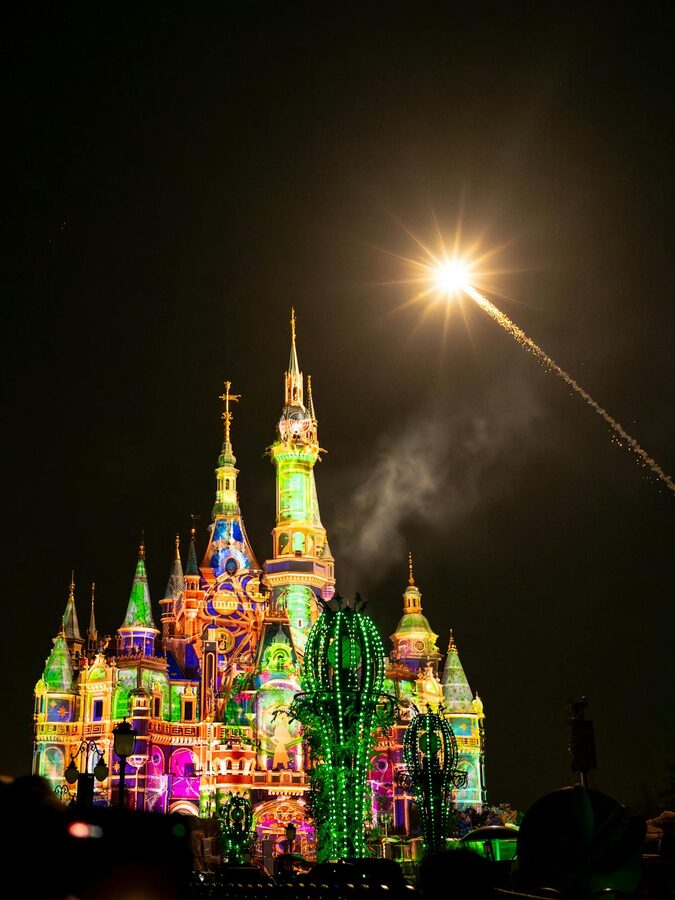
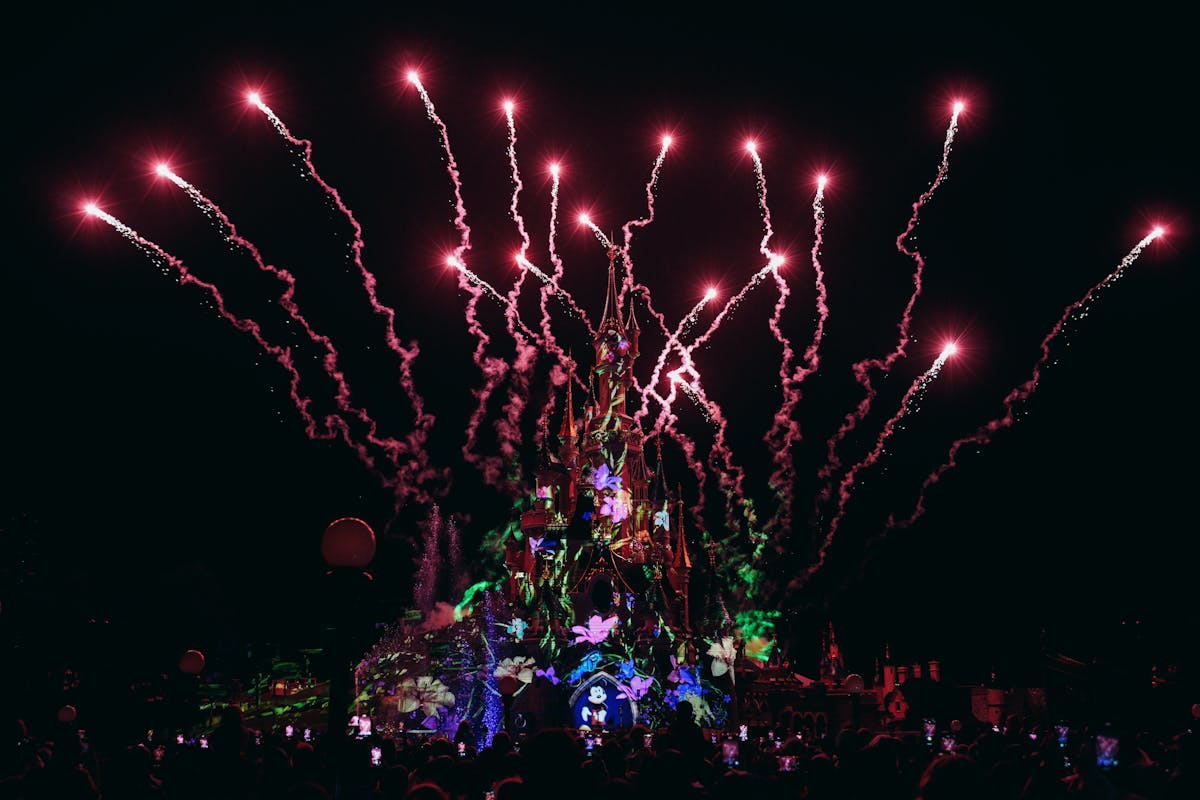
Both parks close with nighttime spectaculars that are worth building your day around. Disneyland’s electrical parade and fireworks are the classic choice, while DisneySea’s Believe! Sea of Dreams show uses projections, fireworks, and water effects across the harbor.
Disneyland or DisneySea: Which One Should You Pick?
This is the question everyone asks, and the honest answer depends on who you’re traveling with.
Pick Disneyland if: You’re traveling with young children (under 8), you want the classic castle-and-fireworks Disney experience, you love characters and parades, or this is your first Disney park ever. The rides skew younger and the atmosphere is pure fairy tale.
Pick DisneySea if: You’re an adult or traveling with teens, you want something you literally can’t get anywhere else, you appreciate themed design and architecture, or you want a drink with your theme park experience. DisneySea feels more like exploring a movie set than a traditional theme park.
If you have two days, do both. They’re different enough that neither feels like a repeat. Buy separate 1-Day Passports for each — there’s no park-hopper option anyway. Many visitors say DisneySea on day one (when your energy is highest for the more ambitious rides) and Disneyland on day two works well.
Beyond the Parks
If you’re spending a few days in Tokyo beyond the Disney parks, there’s no shortage of things to book. For views of the city, the Tokyo Skytree observation deck is the best panoramic viewpoint and tickets sell out on clear days. The teamLab Planets experience is worth an afternoon — it’s the kind of immersive art installation that works even if you’re not usually into museums.
For something completely different, the sumo wrestling experience is one of those uniquely Japanese things you won’t find anywhere else. Night owls should check the bar hopping tours in Shinjuku and Golden Gai, and if you haven’t booked a food tour yet, the Tsukiji Fish Market tour and Shinjuku food tour are both solid picks. For a day out of the city, the Mt.
Fuji and Hakone day trip is the most popular option and books up fast in peak season.
This article contains affiliate links. If you book through our links, we earn a small commission at no extra cost to you. This helps us keep writing these guides. All opinions and recommendations are based on our own research and experience.