
I was three drinks deep in a bar the size of a walk-in closet when the owner pulled out a bottle of homemade umeshu and insisted everyone try it. Free. No catch. Just a guy who’d been making plum wine in his apartment for 20 years and wanted to share it with the foreigners who’d wandered into his six-seat bar in Golden Gai.
That’s the thing about Tokyo bar hopping — the best moments aren’t planned. But getting to those moments? That takes a bit of planning, especially if you don’t speak Japanese and you’ve never navigated the labyrinth of tiny alleys behind Shinjuku Station.
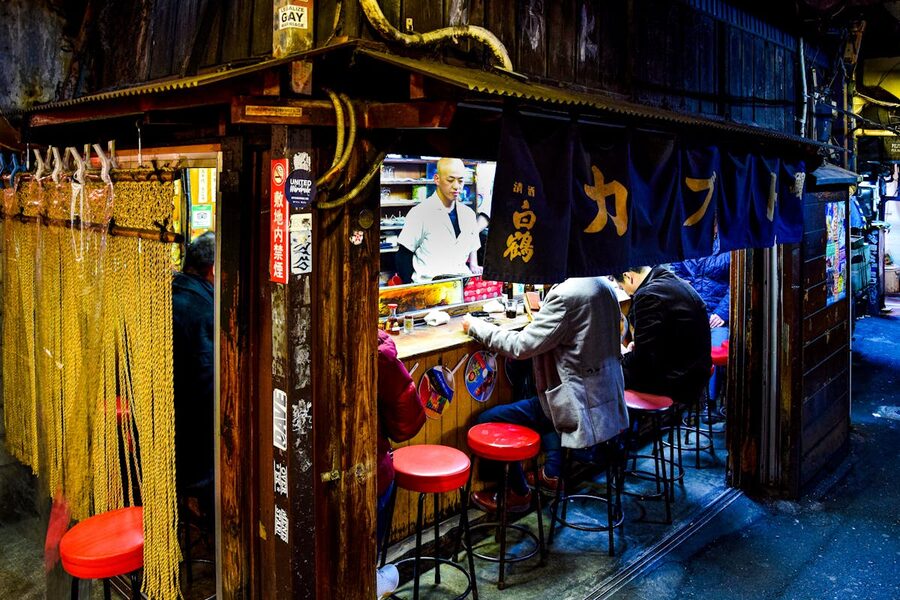
A guided bar hopping tour cuts through all of that. Your guide handles the language barrier, knows which bars actually welcome travellers (not all of them do), and takes you to places you’d walk right past on your own. I’ve done both — solo bar crawling and guided tours — and the guided version wins, especially for your first night in Tokyo.
Short on time? Here are my top picks:
Best overall: Tokyo Bar Hopping Night Tour in Shinjuku — $106.36. All-you-can-drink, three bars, food included. The complete package.
Best budget: Shinjuku Local Bar and Izakaya Walking Tour — $34. Just the guide and the experience, drinks on your own tab. Great value.
Best for food lovers: Tokyo Night Foodie Tour in Shinjuku — $111.62. Omakase sushi and wagyu beef alongside the drinks.
- How Tokyo Bar Hopping Tours Actually Work
- Going Solo vs Booking a Guided Tour
- The Best Tokyo Bar Hopping Tours to Book
- 1. Tokyo Bar Hopping Night Tour in Shinjuku — 6.36
- 2. Shinjuku Local Bar and Izakaya Guided Walking Tour —
- 3. Shibuya Bar Hopping Night Food Walking Tour — 6.12
- 4. Tokyo Night Foodie Tour in Shinjuku — 1.62
- 5. Shinjuku District Guided Walking Tour at Night —
- When to Go Bar Hopping in Tokyo
- Where the Tours Go: Shinjuku vs Shibuya
- How to Get There
- Tips That’ll Save You Time (and Money)
- What You’ll Actually Eat and Drink
- Golden Gai: The Heart of Tokyo Bar Culture
- What Else to Do in the City
How Tokyo Bar Hopping Tours Actually Work
Most tours follow the same basic format: you meet your guide near a major station (usually Shinjuku or Shibuya), and over the next three hours you visit two to four bars or izakayas. The guide handles ordering, explains what you’re eating and drinking, and acts as your translator when the bar owner starts telling stories.
The higher-end tours (around $100-$110) include all-you-can-drink deals and food at each stop. Budget tours ($29-$34) give you the guide and the route, but you pay for your own drinks. Both have their place — the all-inclusive option is better value than it sounds when you factor in what three rounds of drinks and food would cost you on your own in Shinjuku.
Group sizes are small, typically four to eight people. You’ll meet other travellers, which is either a plus or a minus depending on your personality. Solo travellers tend to love these tours because the group dynamic breaks the ice faster than walking into a tiny Japanese bar alone and trying to order with Google Translate.
Going Solo vs Booking a Guided Tour
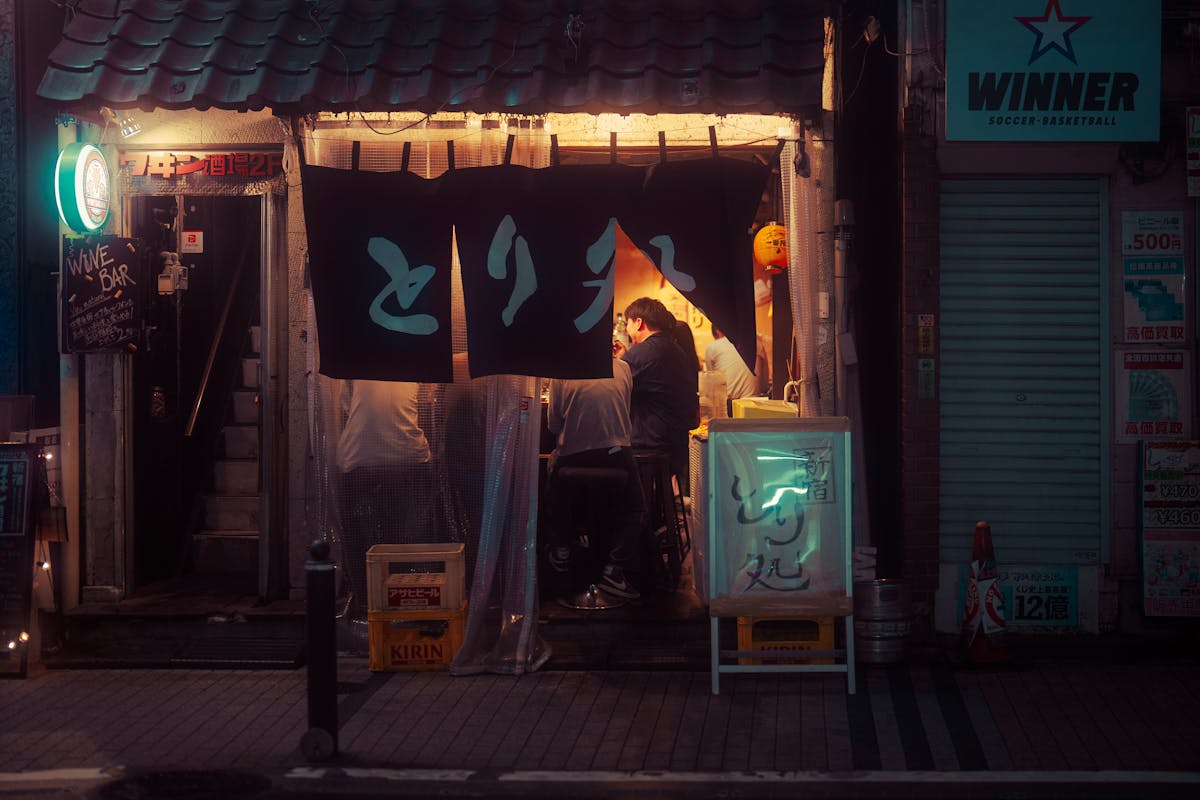
You absolutely can bar hop on your own in Tokyo. Nobody’s stopping you. But here’s what you’re signing up for: most of the tiny bars in Golden Gai and Omoide Yokocho have cover charges (typically 500 to 1,500 yen per person), menus only in Japanese, and some have unwritten rules about who’s welcome. A few places actively turn away travellers. Others charge foreigners higher prices if you don’t know the standard.
With a guide, you skip all of that. They know which bars have cover charges and which don’t. They know which owners enjoy chatting with foreigners and which prefer regulars only. And they’ll explain the unwritten etiquette — things like never pouring your own drink (you pour for others, they pour for you), never sticking your chopsticks upright in rice, and when it’s appropriate to say “kanpai.”
The flip side: guided tours follow a set route and a set pace. If you’re the type who wants to linger at bar number two because the owner just opened a bottle of rare whisky, the group is moving on without you. But for a first-time visitor, the tradeoff is worth it. You can always go back solo the next night, armed with the knowledge your guide gave you.
The Best Tokyo Bar Hopping Tours to Book
I’ve gone through the top-rated tours available for Tokyo nightlife and ranked them by a combination of value, experience quality, and what you actually get for your money. These are all tours I’d genuinely recommend — no filler options to pad the list.
1. Tokyo Bar Hopping Night Tour in Shinjuku — $106.36
This is the one I’d book if I had to pick just one. It’s the most popular Shinjuku bar hopping tour on the market, run by MagicalTrip, and the rating tells you everything — a perfect 5.0. You get all-you-can-drink for roughly three hours across three different bars, plus food at each stop. At $106, it sounds steep until you do the math on what three rounds of drinks plus food would cost you independently in Shinjuku. You’d spend close to that anyway.
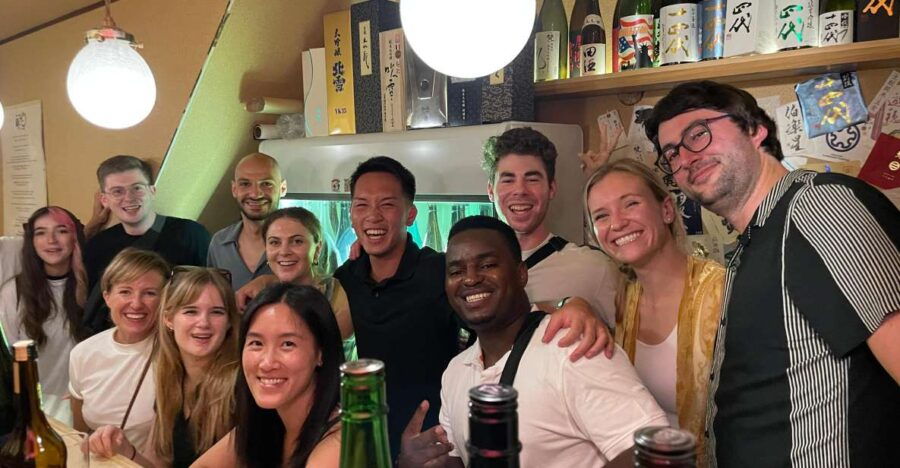
The guides are local and speak solid English. They don’t just take you to the bars — they explain the culture behind what you’re drinking and eating. One reviewer mentioned their guide Yusuke was particularly good at making sure everyone was looked after. The groups stay small, usually around six to eight people, which keeps things intimate.
2. Shinjuku Local Bar and Izakaya Guided Walking Tour — $34
If you want the guided experience without the all-inclusive price tag, this is the smart play. At $34, you’re paying for a knowledgeable local guide who takes you through Shinjuku’s best izakayas and bars over three hours. Drinks and food are on your own tab, which actually works in your favor if you’re a light drinker or picky eater — you’re not paying for an all-you-can-drink deal you won’t fully use.
The rating sits at 4.9, which is essentially perfect for a budget tour. The guides cover the same ground as the pricier options — Golden Gai, the backstreets, the spots travellers miss — and they’re genuinely passionate about showing you the real Shinjuku nightlife. This is the one I’d recommend if you’re traveling on a tighter budget or if you’ve already done Tokyo and just want someone to show you the newer bars.
3. Shibuya Bar Hopping Night Food Walking Tour — $106.12
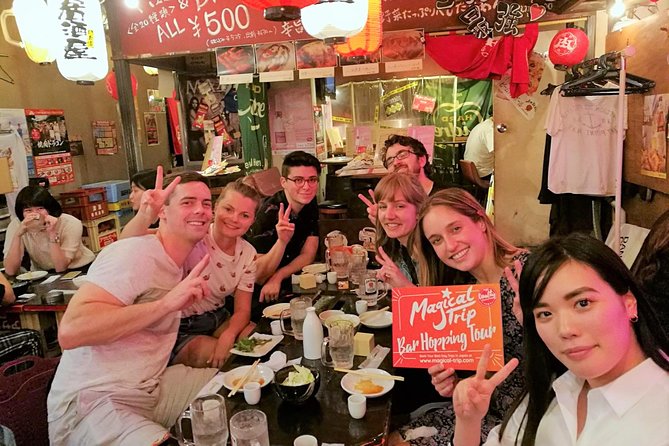
Same price point as the Shinjuku tour, same operator (MagicalTrip), same 5.0 rating — but a completely different vibe. The Shibuya version takes you through a neighborhood with a younger energy, more variety in bar styles, and food stops that lean a bit more toward local comfort food.
If you’ve already done Shinjuku, do this one next. Or if you’re staying near Shibuya (lots of travellers do), it makes more sense logistically. The all-you-can-drink deal is just as generous, the food is solid, and the guides take you to spots tucked inside buildings and down side streets that look like dead ends but aren’t. One person who did this tour mentioned the variety of food and drinks at each stop was the highlight — and that they were completely stuffed by the end.
4. Tokyo Night Foodie Tour in Shinjuku — $111.62

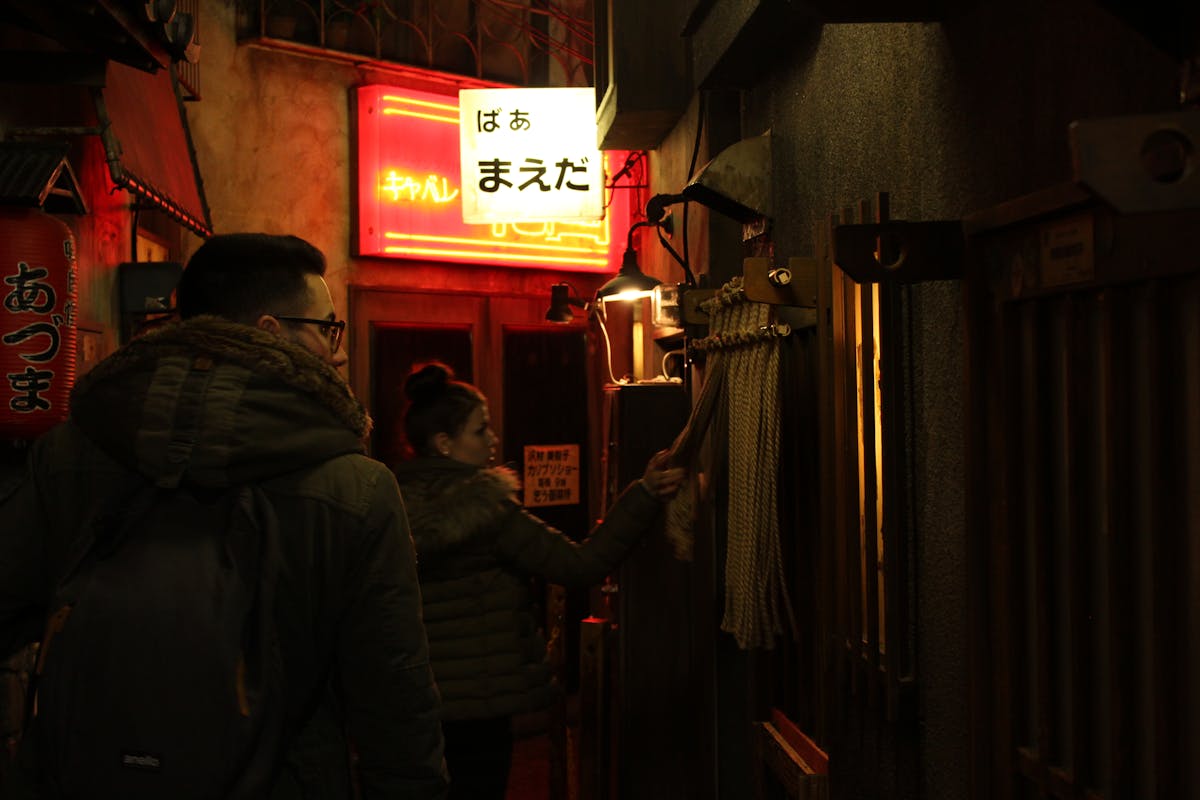
This is the one for people who care as much about what they’re eating as what they’re drinking. The Night Foodie Tour takes you to an omakase sushi restaurant and a wagyu spot — proper sit-down dining, not just bar snacks on sticks. It still starts in Omoide Yokocho and you still get the Shinjuku walking experience, but the food is a clear step above the standard bar crawl.
At $111.62, it’s the priciest option here, but omakase sushi in Shinjuku would set you back at least that much on its own at a decent restaurant. Adding in the wagyu course and the guided walking experience makes it genuinely good value. The 5.0 rating across a large number of reviews backs that up.
One thing to note: you meet at Omoide Yokocho but don’t actually eat there — you walk about 15 minutes to the sushi restaurant, then to the wagyu place. Just so you know what to expect.
5. Shinjuku District Guided Walking Tour at Night — $29
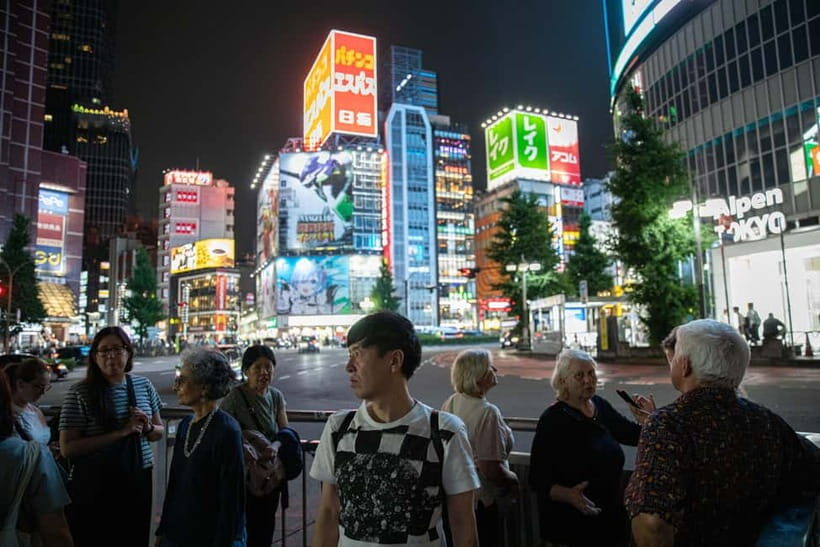
Technically more of a walking tour than a bar crawl, but I’m including it because at $29 it’s the cheapest way to see Shinjuku’s nightlife with a guide. The Shinjuku night walking tour covers roughly two hours and takes you through the neon-lit backstreets, explaining the history, the culture, and the hidden side of the district.
It’s rated 4.7, which is a touch lower than the others, and the format is different — this is exploration and context rather than sitting down in bars. But if you’re not a big drinker, or if you want to scout the area before doing your own bar crawl the following night, this is a smart first step. Guides have been praised for giving good restaurant and bar recommendations that you can use on your own time afterward.
When to Go Bar Hopping in Tokyo
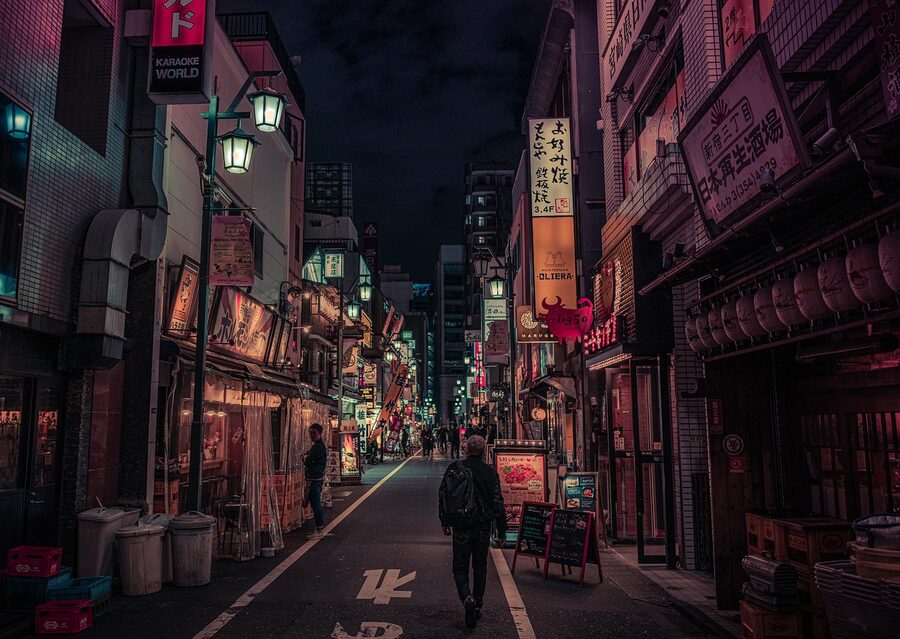
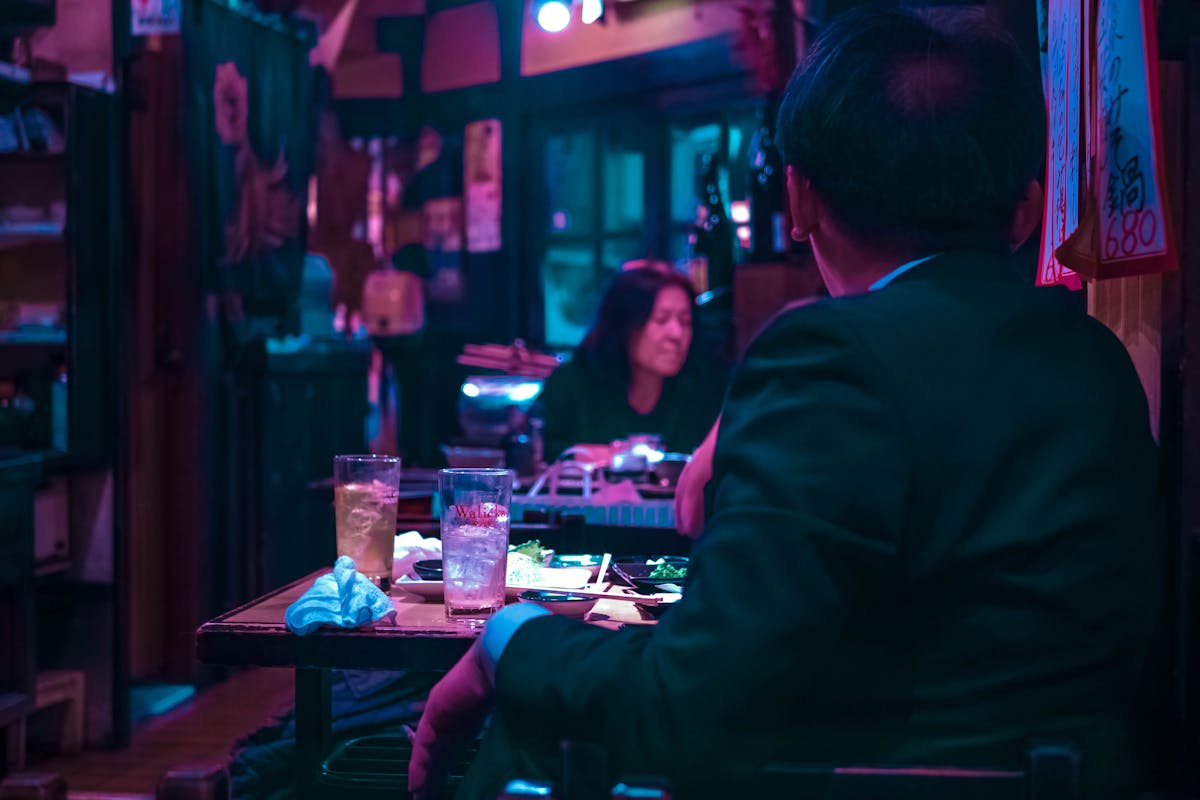
Most bar hopping tours start between 6pm and 7pm, which is smart timing. That’s when the izakayas start filling up with the after-work crowd — salarymen loosening their ties, groups of friends grabbing the first round of the night. By 9pm, the atmosphere is at its peak.
Best nights: Thursday through Saturday are the liveliest, but honestly every night works in Shinjuku. The bars here operate seven days a week and the crowds are consistent. Sunday and Monday are a touch quieter, which can actually be better if you prefer smaller bars that are less packed.
Best seasons: Spring and autumn are ideal for comfortable evening walking. Summer tours (July-August) can be sticky and humid — you’ll be sweating between bars. Winter is fine because you’re mostly indoors, and there’s something great about ducking into a warm, steamy izakaya when it’s cold outside.
Avoid: Golden Week (late April to early May) and Obon (mid-August) are when Tokyo gets very crowded. Some of the smaller bars close during these periods because the owners take holiday too. New Year’s Eve is also tricky — many places shut by 10pm rather than staying open late.
Where the Tours Go: Shinjuku vs Shibuya
The two main bar hopping neighborhoods in Tokyo are Shinjuku and Shibuya, and the tours reflect that split. Here’s what to expect from each:
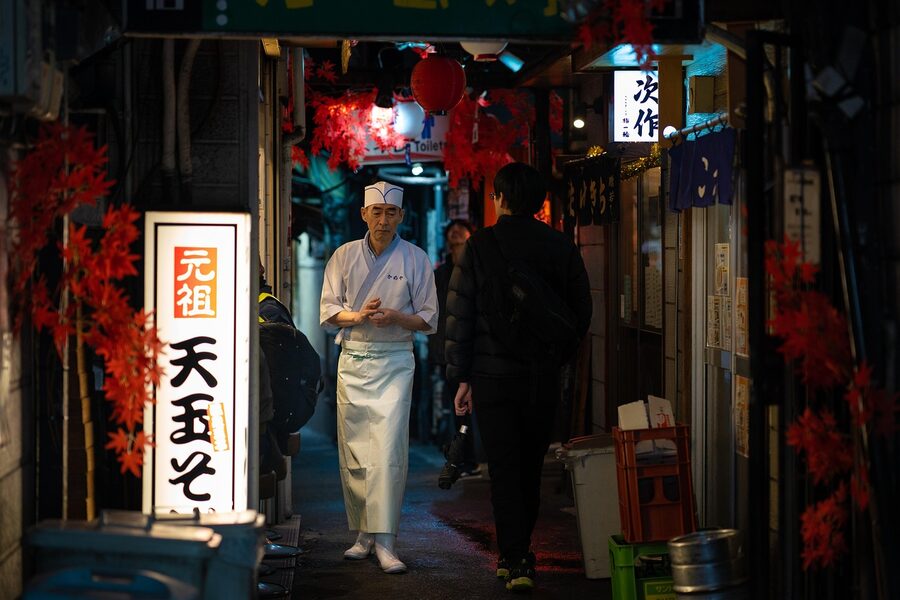
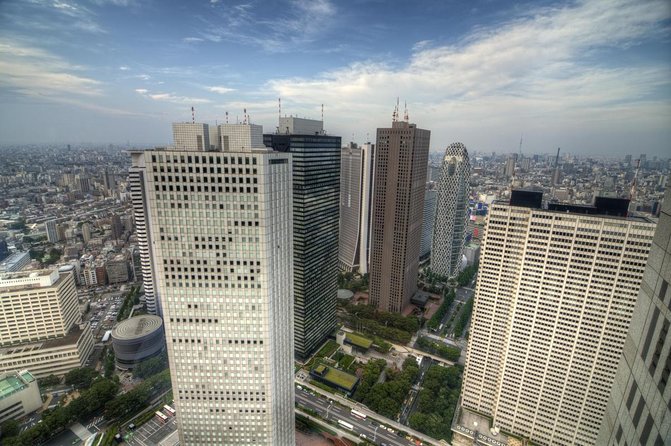
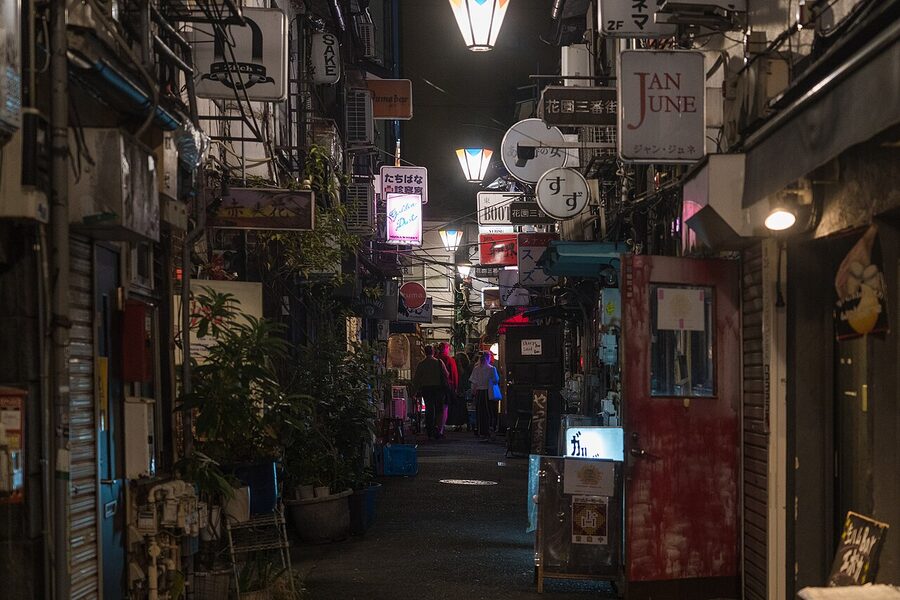
Shinjuku is the classic choice. Three areas dominate: Golden Gai (200+ tiny themed bars crammed into six alleys), Omoide Yokocho (the smoky yakitori alley also called Memory Lane or Piss Alley — charming, right?), and the backstreets around Kabukicho. Shinjuku tours feel grittier and more traditional. The bars are old, the owners have been there for decades, and the whole scene has a post-war atmosphere that hasn’t been gentrified away yet.
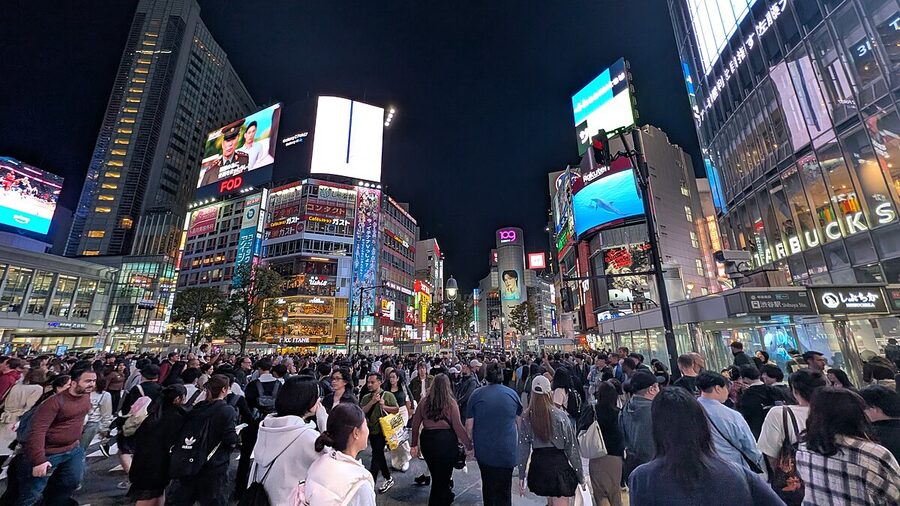
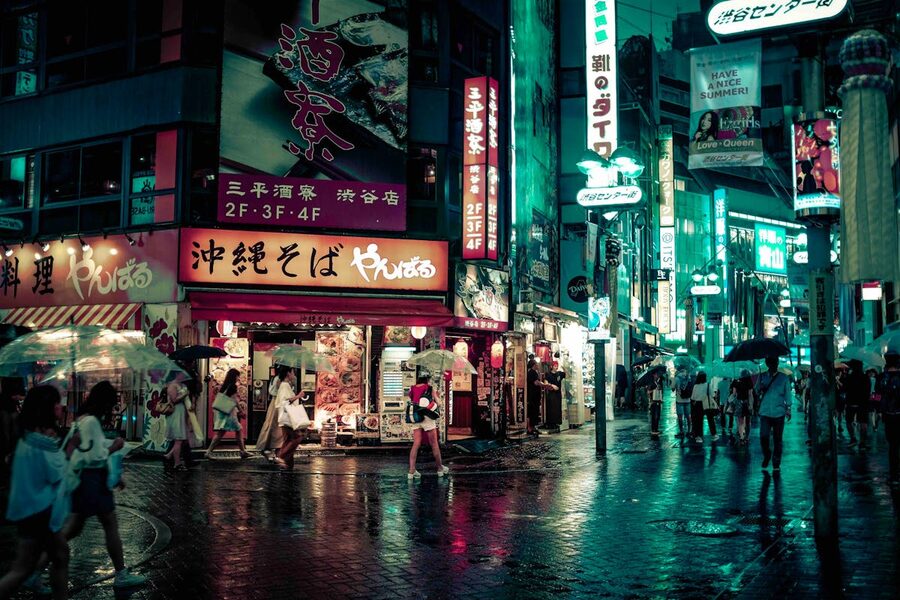
Shibuya is newer and flashier. The bars here are more varied — cocktail lounges, themed bars, and modern izakayas alongside the traditional spots. The crowd skews younger. The famous Shibuya bar crawl takes you into the back alleys behind the main crossing, where the real drinking happens — far from the Starbucks-and-109 tourist zone on the surface.
My recommendation: do Shinjuku first, especially if it’s your first time. The raw, old-school atmosphere is uniquely Tokyo. Come back for Shibuya on another night if you have time.
How to Get There
Both Shinjuku and Shibuya are major JR and Metro stations, so getting there is straightforward from anywhere in Tokyo.
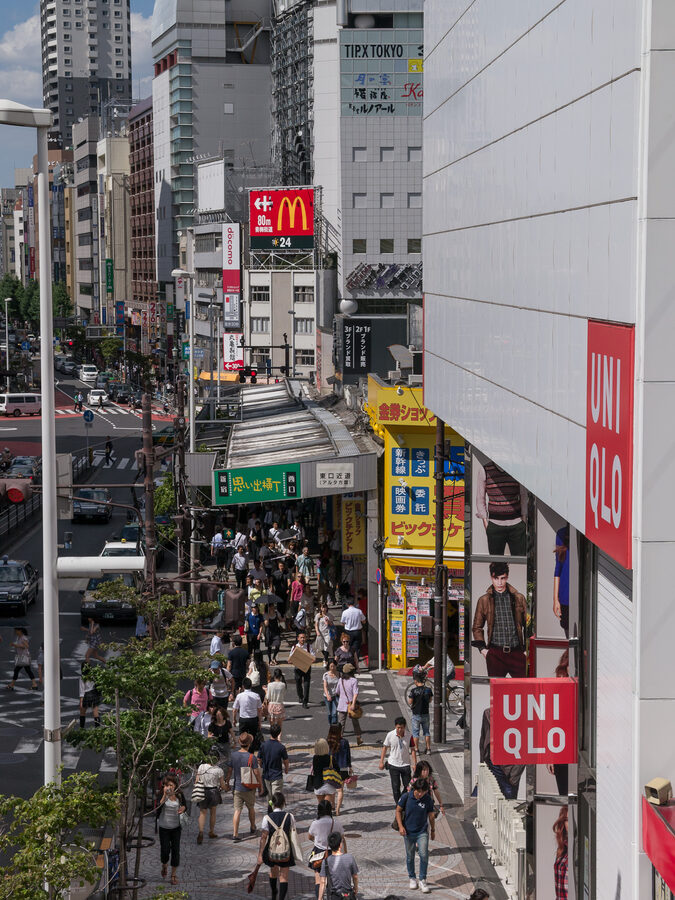
To Shinjuku Station: JR Yamanote Line, Chuo Line, Marunouchi Line, Oedo Line — basically everything stops here. It’s the busiest station in the world, so give yourself 10 extra minutes to find the right exit. Most tours meet at the East Exit or near Studio Alta, the big screen building. Exit E7 on the Marunouchi Line puts you closest.
To Shibuya Station: JR Yamanote Line, Ginza Line, Hanzomon Line, Fukutoshin Line, plus the Tokyu and Keio Inokashira lines. Shibuya Crossing is right outside the Hachiko Exit — you can’t miss it.
Getting back: Trains run until about midnight. If your tour ends around 9-10pm, you’ll have plenty of time. If you stay out later drinking on your own after the tour (and you probably will), the last train varies by line but generally leaves between 11:30pm and 12:15am. After that, it’s a taxi or a very long walk. Night buses exist but they’re not great after drinking.
Tips That’ll Save You Time (and Money)
Eat something before the budget tours. The $29-$34 tours don’t include food, and drinking on an empty stomach in Japanese humidity is a recipe for disaster. Grab an onigiri from a convenience store at minimum.
Bring cash. Many of the tiny bars in Golden Gai and Omoide Yokocho are cash-only. Even in 2026, card acceptance is spotty in the older establishments. ATMs inside 7-Eleven accept international cards and don’t charge fees on most networks.
Don’t wear your best shoes. You’ll be walking on wet, narrow streets and squeezing into tight spaces. Something comfortable and waterproof-ish is ideal. Heels are a terrible idea in Golden Gai’s cobblestone alleys.
Learn three phrases. “Kanpai” (cheers), “oishii” (delicious), and “sumimasen” (excuse me/sorry) will get you through any bar situation in Japan. Your guide will handle the real communication, but dropping these at the right moment earns you genuine smiles from bar owners.
Book for your first or second night. Doing a bar tour early in your trip is strategic — your guide will give you recommendations for the rest of your stay. I’ve gotten some of my best restaurant tips from bar tour guides.
The all-you-can-drink isn’t a challenge. Japanese drinking culture is about pace and social connection, not getting hammered. The guides will gently pump the brakes if someone goes too hard. Don’t be that person.
What You’ll Actually Eat and Drink
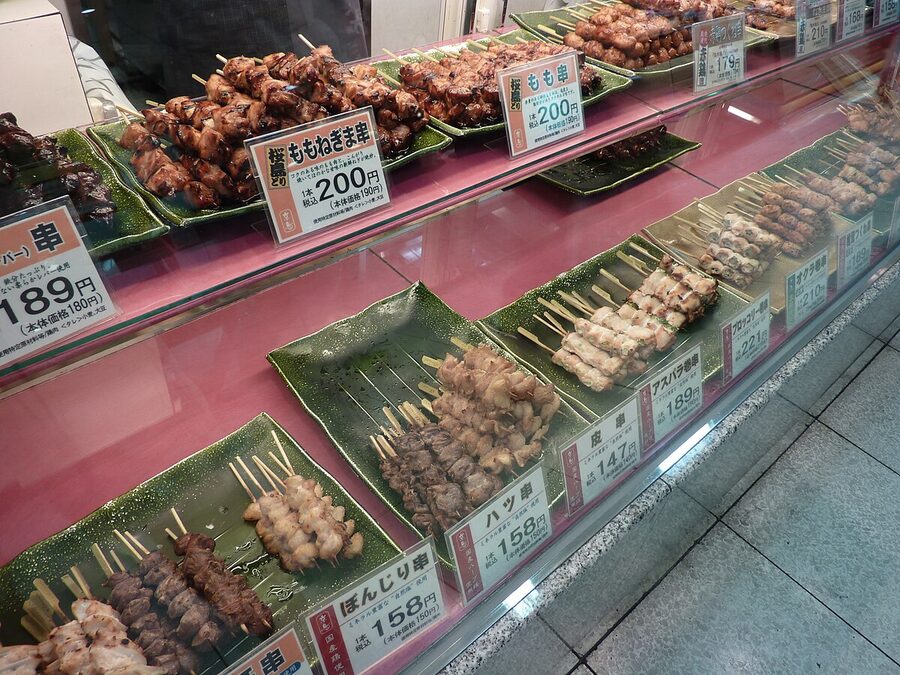
Expect yakitori (grilled chicken skewers), edamame, karaage (fried chicken), gyoza, and whatever the izakaya’s specialty is. Some places serve more adventurous fare — pork intestine stew, grilled chicken cartilage, or raw horse meat if you’re in that kind of bar. You can always politely decline anything that makes you uneasy. The guides are used to it.
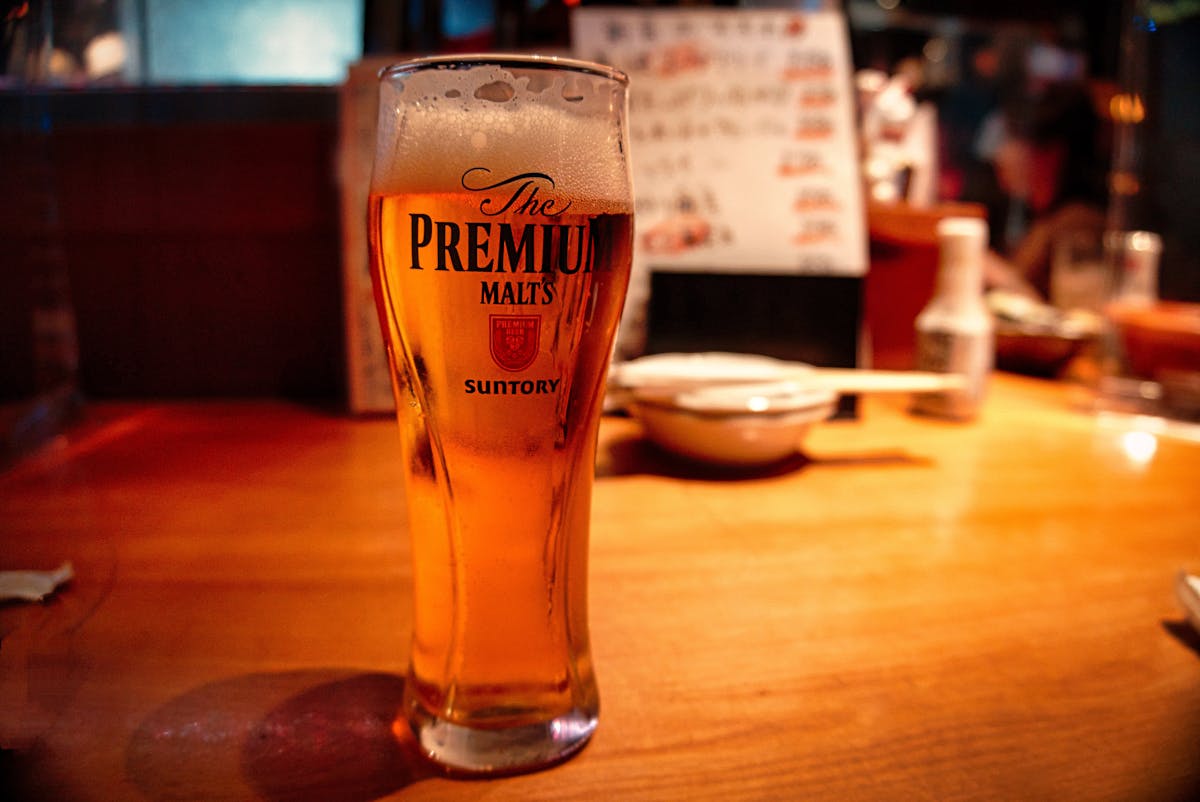
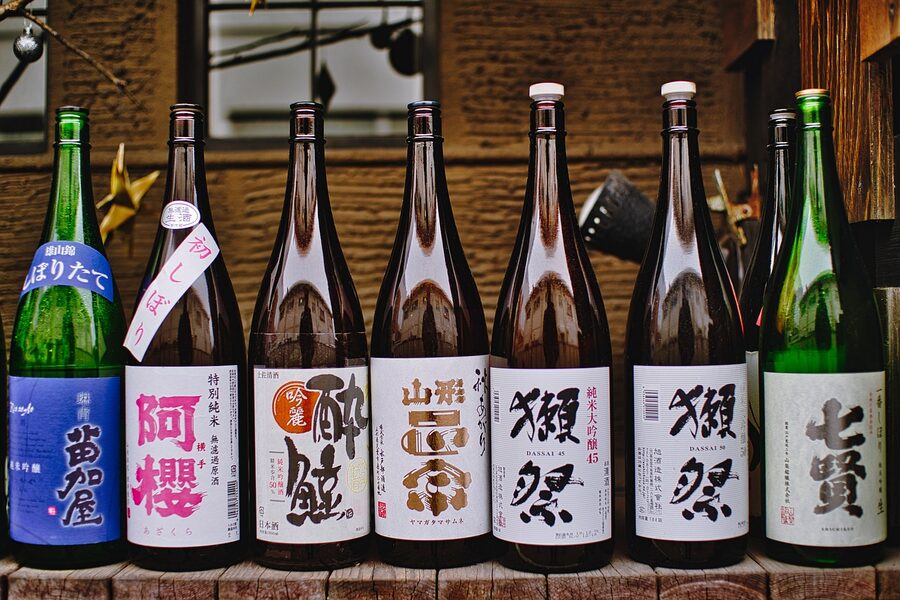
Drinks-wise, you’ll work through the Japanese bar basics: draft beer (usually Asahi, Kirin, or Sapporo), highballs (whisky and soda — Japan does these better than anywhere), sake, shochu, and sometimes umeshu (plum wine) or chuhai (flavored fizzy drinks). The better tours let you try a range of sake styles — dry junmai, fruity ginjo, and the cheaper stuff that the regulars actually drink.
If you have dietary restrictions, mention them when booking. Most tours can accommodate vegetarian and halal needs, though the options will be more limited. Gluten-free is trickier because soy sauce is everywhere, but a good guide will steer you through it.
Golden Gai: The Heart of Tokyo Bar Culture
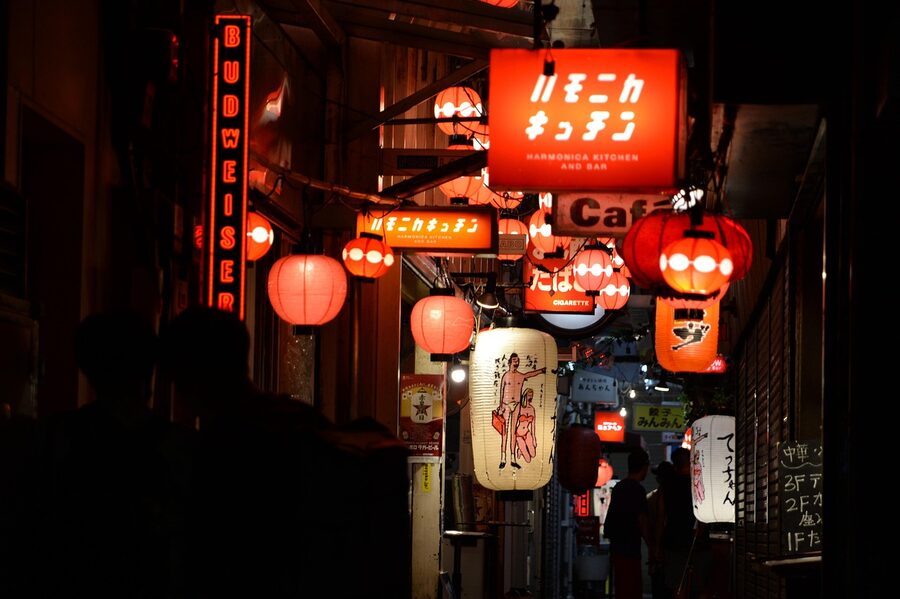
Golden Gai deserves its own section because it’s unlike anywhere else in the world. Six narrow alleys. Over 200 bars. Most of them seat four to eight people at a single counter. Some have cover charges (typically 500-1,000 yen), some don’t. Some welcome travellers warmly, others prefer regulars only. Some are themed — jazz bars, punk rock bars, journalist bars, film bars, manga bars.
The alleys survived a fire in 2016 but have been rebuilt faithfully. Walking through them feels like stepping into 1960s Tokyo, except with better plumbing. The buildings are wooden, stacked on top of each other, and so narrow you’ll occasionally have to turn sideways to let someone pass.
Without a guide, Golden Gai can be intimidating. You stand outside, peer through a tiny door, see six strangers staring at you, and keep walking. With a guide who knows the owners, you walk in, get greeted by name, and the whole dynamic changes. That’s the value.
What Else to Do in the City
If you are spending a few days in Tokyo, pair your bar tour with some daytime experiences. The Shinjuku food tours cover the same neighborhood in daylight and make a great contrast to the night scene. For the morning after, the Tsukiji fish market food tours start early and the fresh seafood is a solid cure for a late night.
The sumo experience and the go-kart tours through the streets are both worth your time, and teamLab Planets and the Tokyo Skytree are the big-ticket attractions. If you want a day outside the city, the Mt. Fuji and Hakone day trip is the classic choice.
This article contains affiliate links to tour booking platforms. If you book through these links, I may earn a small commission at no extra cost to you. All opinions and recommendations are my own.