
I was standing outside a ramen shop the size of a closet, shoulder-to-shoulder with two salarymen who had clearly been drinking since five, when the guide handed me a pair of chopsticks and said “you’re going to eat thirteen dishes tonight.” I looked at my watch. It was 6:15 PM.
That was the beginning of a Shinjuku food tour. And yeah, I ate all thirteen dishes.
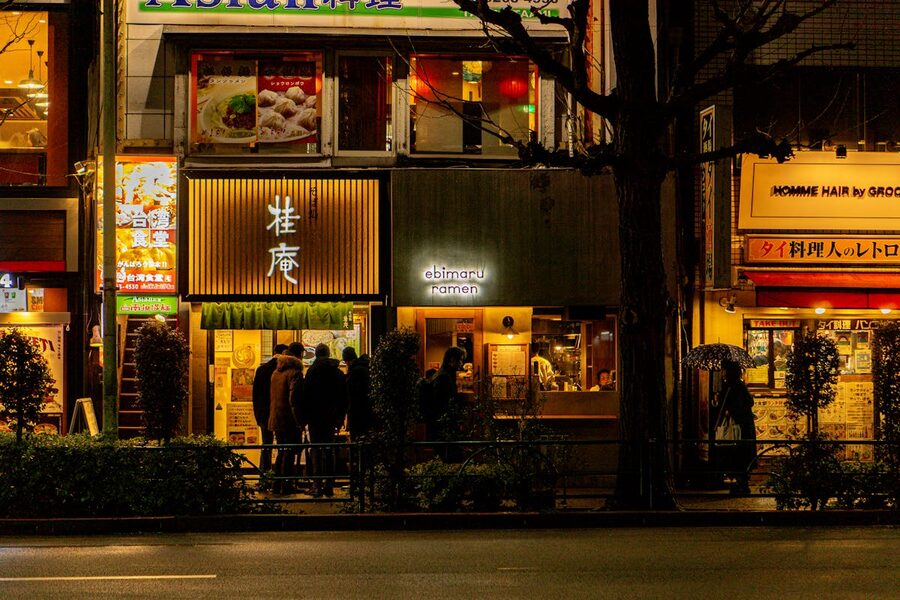
Shinjuku is Tokyo’s stomach. Not its prettiest neighborhood, not its most traditional, but the one where everybody actually eats. The west side has Memory Lane — a tangle of yakitori stalls that hasn’t changed much since the 1940s. The east side has Kabukicho, Golden Gai, and about a thousand izakaya crammed into backstreets you’d walk past without a second look.
Between them, Shinjuku Station moves 3.5 million people a day, and a good chunk of them are stopping somewhere nearby for dinner.
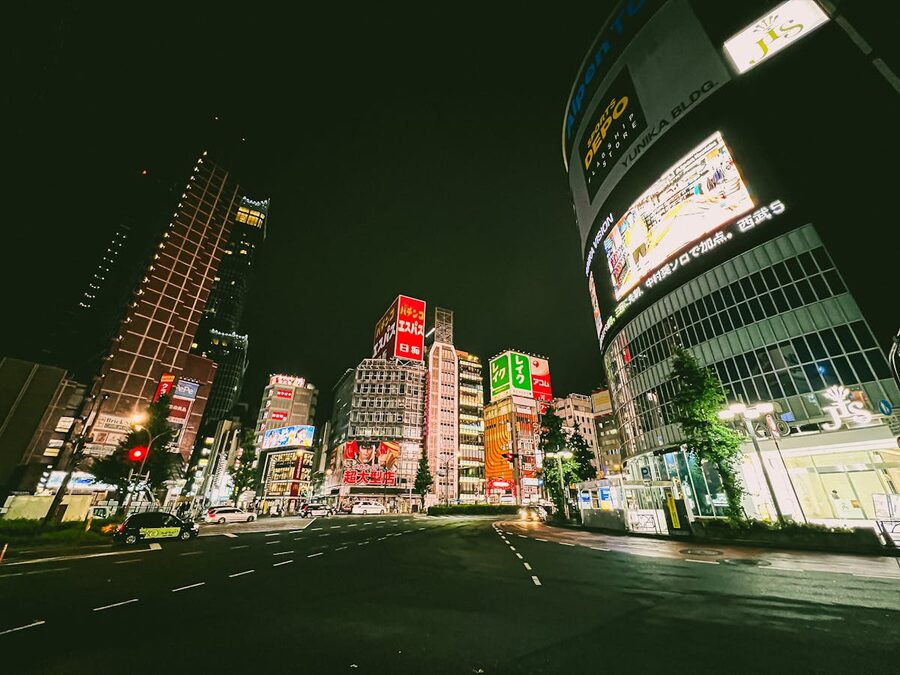
A food tour here makes genuine sense. Not because you can’t find food on your own — you can’t avoid it — but because the best spots are the ones with no English menu, no street-level signage, and a door you’d never push open without someone who knows the place. A guide who speaks Japanese, knows the owners, and has pre-ordered the good stuff is the difference between “we ate in Shinjuku” and “we ate well in Shinjuku.”
Short on time? Here are my top picks:
Best overall: Shinjuku Food Tour — 13 Dishes at 4 Eateries — $86. The original Shinjuku food crawl. Four stops, thirteen dishes, and a guide who actually knows the back alleys.
Best for izakaya lovers: Best of Shinjuku Izakaya Food Tour — $93. Deeper explore izakaya culture. 14+ tastings across 4 stops, heavier on the drinks pairing.
Best budget option: Shinjuku Food Tour — 15 Dishes, 3 Drinks — $72. Most food for the money. Fifteen dishes and three drinks included at this price is hard to beat.
- What Actually Happens on a Shinjuku Food Tour
- The Big Question: Should You Eat on Your Own Instead?
- Night Tours vs. Daytime — When to Go
- The Best Shinjuku Food Tours to Book
- 1. Shinjuku Food Tour — 13 Dishes at 4 Local Eateries —
- 2. Shinjuku Food Tour — 15 Dishes and 4 Eateries —
- 3. Best of Shinjuku Izakaya Food Tour — 4 Stops, 14+ Tastings —
- 4. Tokyo Night Foodie Tour in Shinjuku — 2
- 5. Shinjuku Food Tour — 15 Dishes, 3 Drinks, 4 Eateries —
- Where the Tours Actually Take You
- Golden Gai
- Omoide Yokocho (Memory Lane)
- Kabukicho
- How to Book
- Getting to the Meeting Point
- Tips That Will Actually Help
- What You’ll Actually Eat
- While You’re in Tokyo
What Actually Happens on a Shinjuku Food Tour
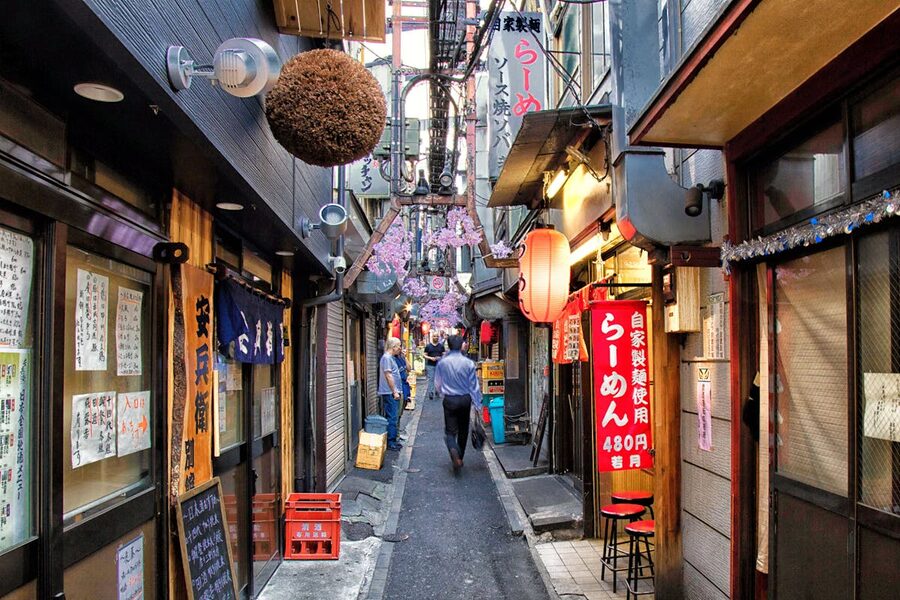
Most Shinjuku food tours follow the same basic format: you meet near the station around 6pm, your guide takes you to 3-4 restaurants over about three hours, and at each stop you get multiple dishes plus a drink. It’s structured as a progressive dinner, so you’re not stuffing yourself at one place — you eat a few things, walk it off through the neon-lit streets, and then sit down at the next spot.
The walking segments between restaurants are where the tour earns its money. Your guide points out the places worth remembering — the tiny sushi counter with the line that moves fast, the standing bar where everything costs 300 yen, the entrance to Golden Gai that looks like a fire exit. You get a food tour and an orientation to the neighborhood at the same time.
Typical dishes across the tours include:
- Edo-style sushi — oversized nigiri that looks nothing like what you’re used to, sometimes three times the size of normal pieces
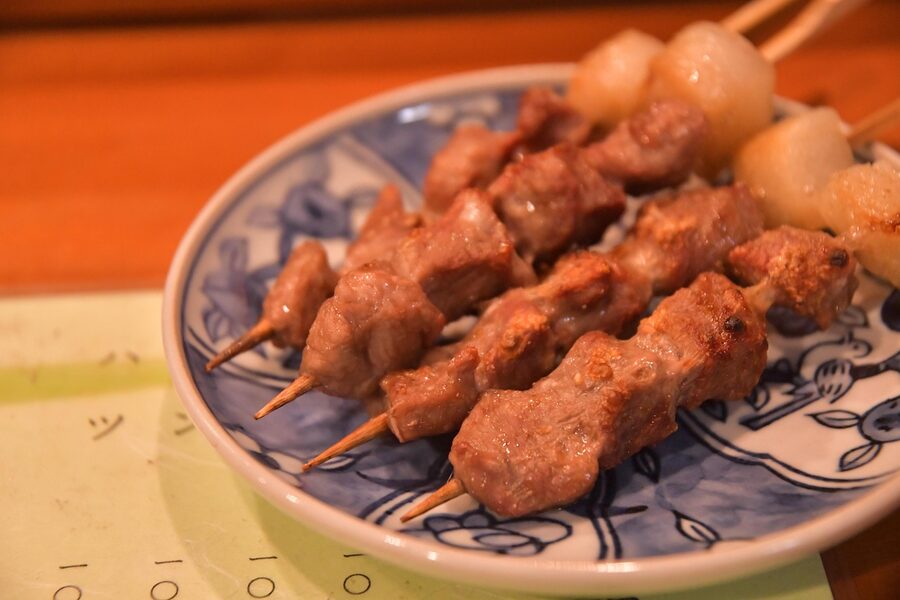
- Yakitori — chicken skewers grilled over charcoal, including the adventurous cuts (heart, cartilage, skin) that most travellers skip but shouldn’t
- Ramen — usually at a place where the locals go, not the tourist ramen chains
- Izakaya small plates — tamagoyaki, gyoza, fried chicken, edamame, pickled vegetables
- Japanese drinks — highballs, shochu, sake, or non-alcoholic options like ramune or calpis soda
One thing worth knowing: the portions add up fast. Thirteen dishes sounds manageable when you read the listing, but by dish eight you’ll be glad for those walking segments between stops. I’d skip lunch entirely, or keep it very light. An early afternoon coffee and maybe a rice ball from a conbini is about right.
The Big Question: Should You Eat on Your Own Instead?
Honestly, you could. Shinjuku has thousands of restaurants and many of them are excellent. If you speak even basic Japanese, or if you’re comfortable pointing at menu items and hoping for the best, you’ll eat well.
But here’s what changed my mind about food tours: the places these guides take you don’t have English menus. Some of them don’t have menus at all — you sit down and the chef makes whatever’s good that night. Without a local who knows the owner and can explain what you’re eating, you’d either never find these spots or you’d walk in, panic at the lack of English, and walk right back out. I’ve done exactly that in Tokyo more times than I’d like to admit.
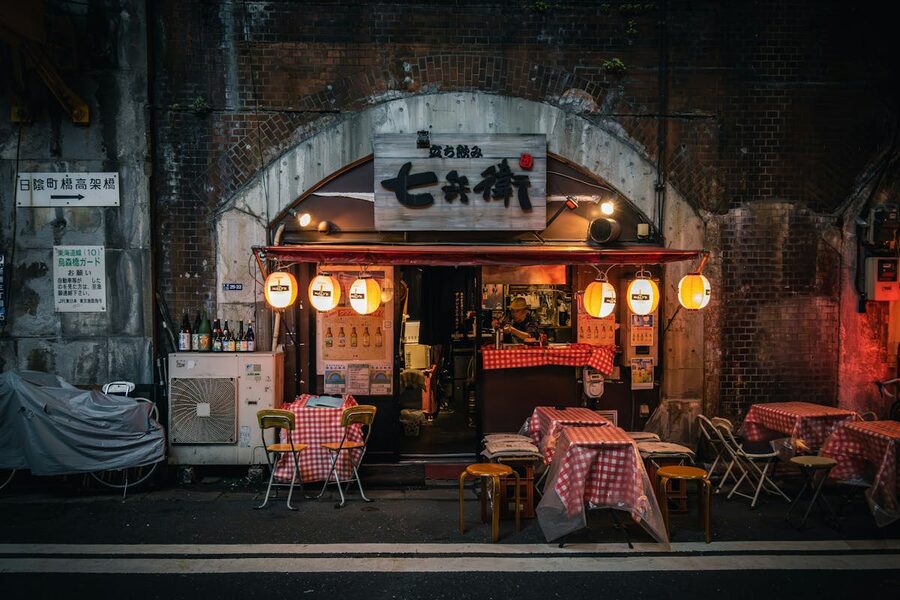
The math is also closer than you’d think. A decent ramen bowl runs 1,000-1,400 yen. Yakitori spots charge 150-300 yen per skewer. A few drinks, some sushi, four restaurants — you’re looking at 8,000-12,000 yen ($55-$80) if you’re eating the same amount of food on your own. The tours run $72-$112 and include everything plus a guide who speaks English and knows the neighborhood. That’s not a bad deal.
Where a food tour doesn’t make sense: if you’re a picky eater, if you have severe dietary restrictions the tour can’t accommodate, or if you just don’t like eating on a schedule. Some people prefer to wander and eat when they’re hungry. Fair enough.
Night Tours vs. Daytime — When to Go
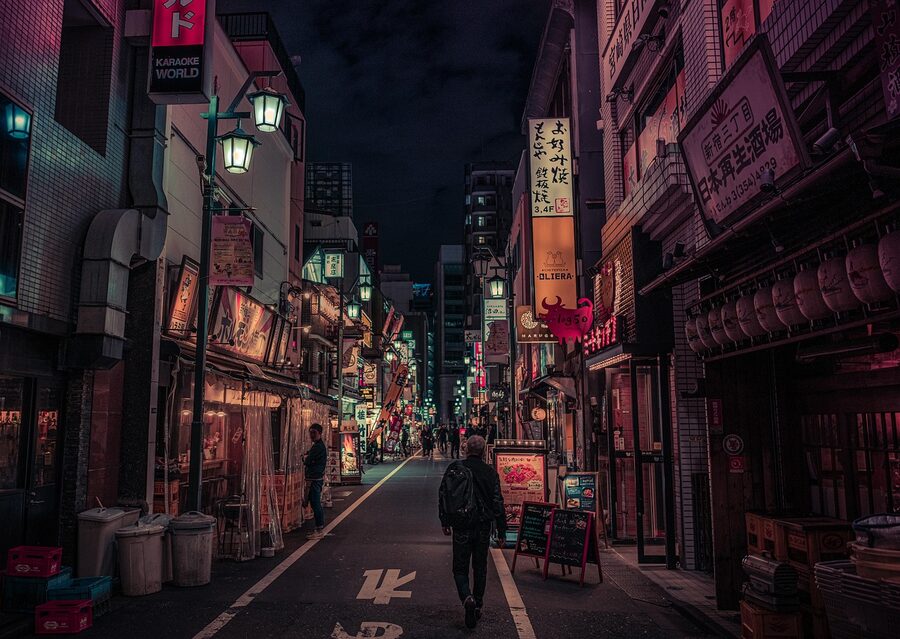
Every Shinjuku food tour I’ve seen runs in the evening, and for good reason. Shinjuku at night is a completely different place than Shinjuku at 2pm. The neon lights up, the izakaya open their sliding doors, the yakitori smoke drifts through the alleys, and the whole neighborhood shifts from “busy transit hub” to “Tokyo’s living room.”
Most tours start at 5:30 or 6pm and finish around 8:30-9pm. This timing works well — you get to see the transition from daylight to full neon, and you’re done early enough to explore Golden Gai on your own afterward if you still have energy.
Saturday evenings are the busiest but also the most atmospheric. Weekday tours tend to be smaller groups, which means more face time with the guide and less waiting at restaurants. If you’re the type who prefers a quieter experience, Tuesday through Thursday is your sweet spot.
The Best Shinjuku Food Tours to Book
I’ve gone through the top-rated tours available and picked five that cover different price points and styles. All of them hit the Shinjuku highlights — izakaya, ramen, yakitori — but each has a slightly different angle.
1. Shinjuku Food Tour — 13 Dishes at 4 Local Eateries — $86
This is the one that started the Shinjuku food tour trend, and it’s still the most popular for a reason. Thirteen dishes across four eateries, with drinks included at each stop. The route typically takes you through Kabukicho and into some of the backstreet izakaya that locals keep to themselves.
At $86, it sits right in the middle of the price range. The guides are Japanese locals who speak English, and the group sizes are small enough that you can actually ask questions about what you’re eating. The Edo-style sushi stop is the highlight for most people — those oversized nigiri pieces are something you won’t find at a regular sushi bar.
This is the one I’d book for a first visit to Shinjuku. It covers the most ground, both literally and in terms of food variety. If you’ve only got one evening, this is the safe bet — and “safe” doesn’t mean boring here.
2. Shinjuku Food Tour — 15 Dishes and 4 Eateries — $85
Two more dishes than tour #1 for essentially the same price — that’s the pitch. This one runs through a similar route but hits slightly different restaurants. The extra dishes mean more variety, though each individual portion might be a touch smaller to keep things manageable.
At $85, this is nearly identical in price to the 13-dish version. The ratings are just a shade below perfect, and the format is the same: four eateries, walking between stops, a local guide handling all the ordering and explaining what everything is. If you’re the type who wants to try as many things as possible in one evening, this edges ahead.
The only reason it’s #2 and not #1 is that the original has been running longer and has more of a track record. But honestly, you could flip a coin between these two and be happy either way.
3. Best of Shinjuku Izakaya Food Tour — 4 Stops, 14+ Tastings — $93
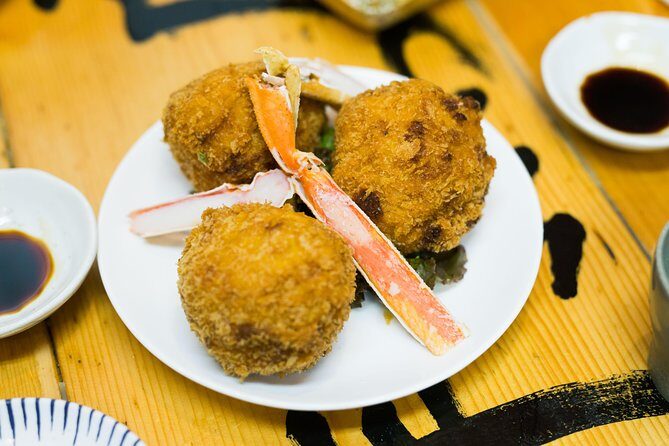
This one leans harder into izakaya culture than the others. Where the 13-dish and 15-dish tours give you a mix of sushi, ramen, and izakaya food, this one goes deep on the izakaya experience. More small plates, more drink pairings, more of that cozy counter-seat atmosphere where the chef is two feet away and cooking for you specifically.
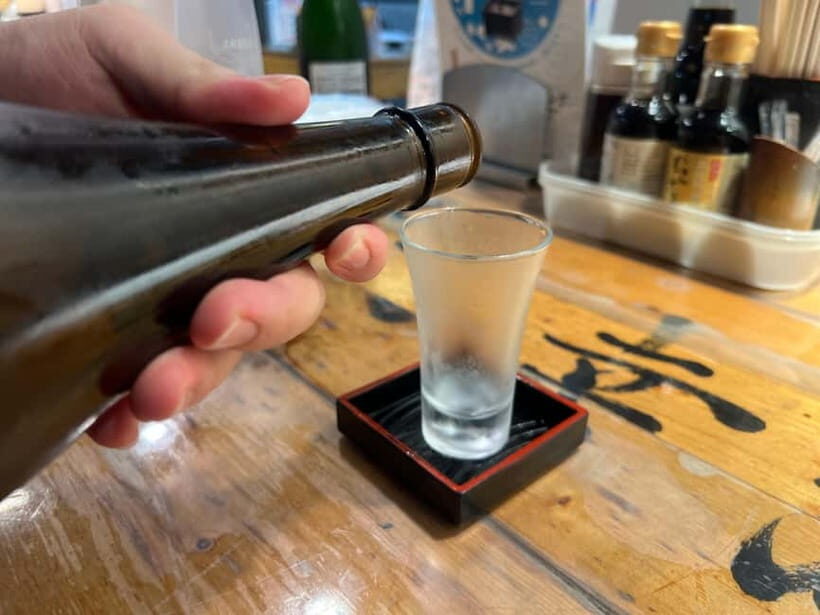
At $93, it’s the pricier option, but the extra cost goes toward better drink pairings and what I’d call a more “curated” experience — sorry, I mean a more carefully picked route. The 14+ tastings include things like premium sake and Japanese whisky highballs that the cheaper tours don’t offer. If you already know you love izakaya dining and want to go deeper, this is your tour.
Perfect for couples or anyone who thinks of food tours as a drinking experience with food attached. Not the best pick if you don’t drink — the value proposition tilts heavily toward the alcohol pairings.
4. Tokyo Night Foodie Tour in Shinjuku — $112

The premium option. Run by Magical Trip, one of the longest-running food tour operators in Tokyo, this one costs more but delivers a different kind of experience. The guides aren’t just food-knowledgeable — they’re storytellers. You get the food and drinks (comparable to the other tours) plus a deeper explore the history and culture of each neighborhood you walk through.
At $112, this is the most expensive on the list, and honestly, the extra food probably isn’t $25 better than the $86 tour. What you’re paying for is the guide quality and the overall production value. The restaurants are hand-picked, the walking route is well-paced, and there’s a polish to the experience that the cheaper tours don’t quite match.
Worth it if this is a special occasion, or if you care as much about the cultural context as the food itself. Skip it if you just want maximum dishes for minimum dollars — the budget options below do that better.
5. Shinjuku Food Tour — 15 Dishes, 3 Drinks, 4 Eateries — $72
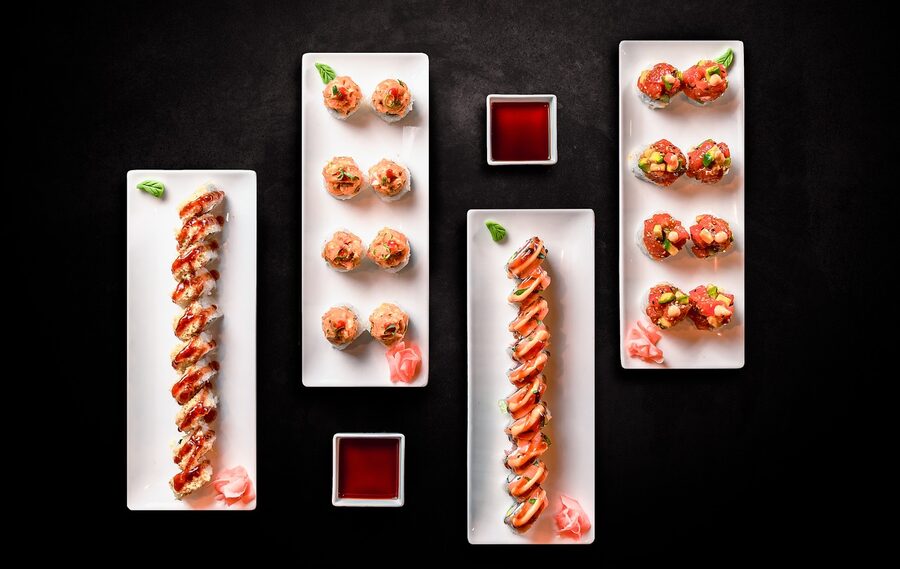
The budget pick, and honestly one of the best values on this list. Fifteen dishes and three drinks for $72 is aggressive pricing for a guided food tour in Tokyo. The route covers similar ground to the others — four eateries in Shinjuku, walking between stops, local guide handling everything.
At almost identical dish count to tour #2 but $13 cheaper, this one is the smart pick if you’re watching your travel budget. The ratings are strong, the format is proven, and the food quality doesn’t suffer at the lower price point. The three included drinks is a nice touch — some tours at this price level make you buy your own.
The trade-off? Slightly less experienced guides in some cases, and the restaurant selection might not be quite as exclusive as the pricier options. But when you’re eating your twelfth dish of the night and the yakitori smoke is in your hair and you’ve spent $72 instead of $112, those differences feel pretty small.
Where the Tours Actually Take You
Every Shinjuku food tour hits at least a couple of the same landmarks. Here’s what to expect on the walking portions between restaurants.
Golden Gai
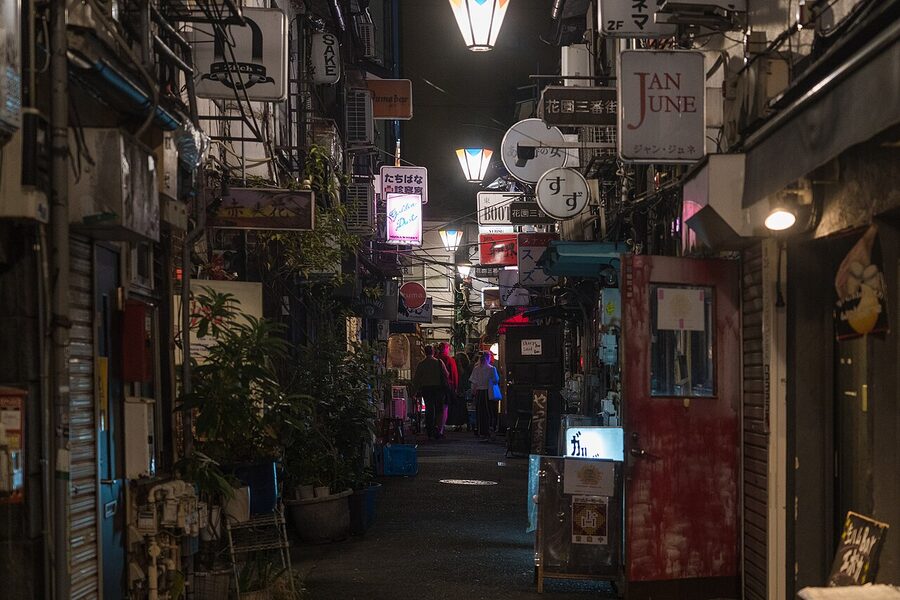
Six narrow alleys packed with over 200 tiny bars, most of them seating fewer than ten people. Golden Gai dates back to the post-war era and somehow survived Tokyo’s endless redevelopment cycles. Each bar has its own theme — jazz, punk rock, cinema, or just “a retired guy pouring whisky for whoever shows up.” Some charge a seating fee of 500-1,000 yen for first-time visitors; others don’t. Without a guide, it’s trial and error.
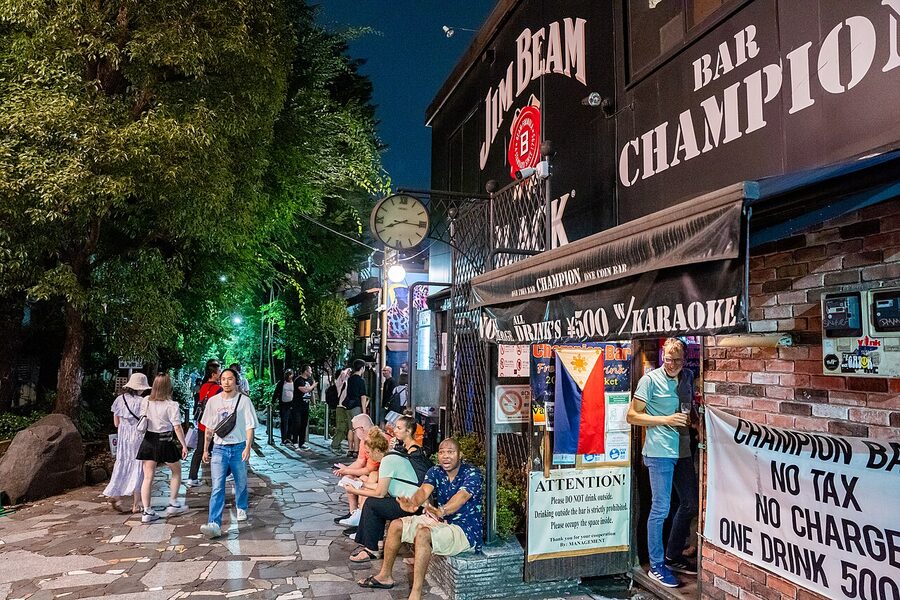
Most food tours walk you through Golden Gai but don’t stop at a bar — the seating capacity is too small for groups. But the walkthrough is worth it just for the atmosphere and the photo opportunities. If you want to actually drink at a Golden Gai bar, come back on your own after the tour ends.
Omoide Yokocho (Memory Lane)
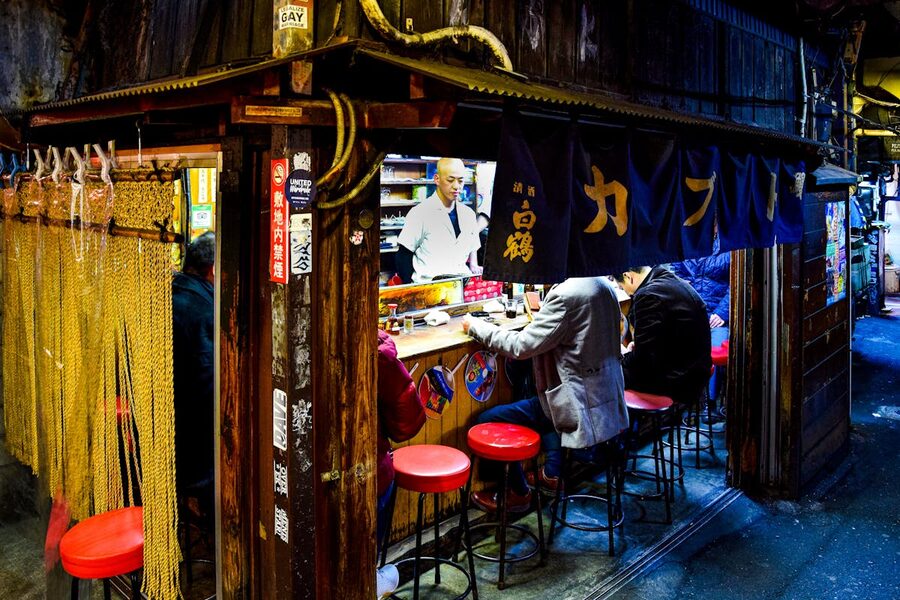
Located on the west side of Shinjuku Station, Omoide Yokocho is a maze of tiny yakitori stalls that’s been operating since the 1940s. The nickname “Piss Alley” comes from a time when there were no bathrooms — that’s been fixed, but the name stuck. The alley is narrow enough that you can’t pass another person without turning sideways, and the smoke from dozens of charcoal grills hangs in the air like fog.
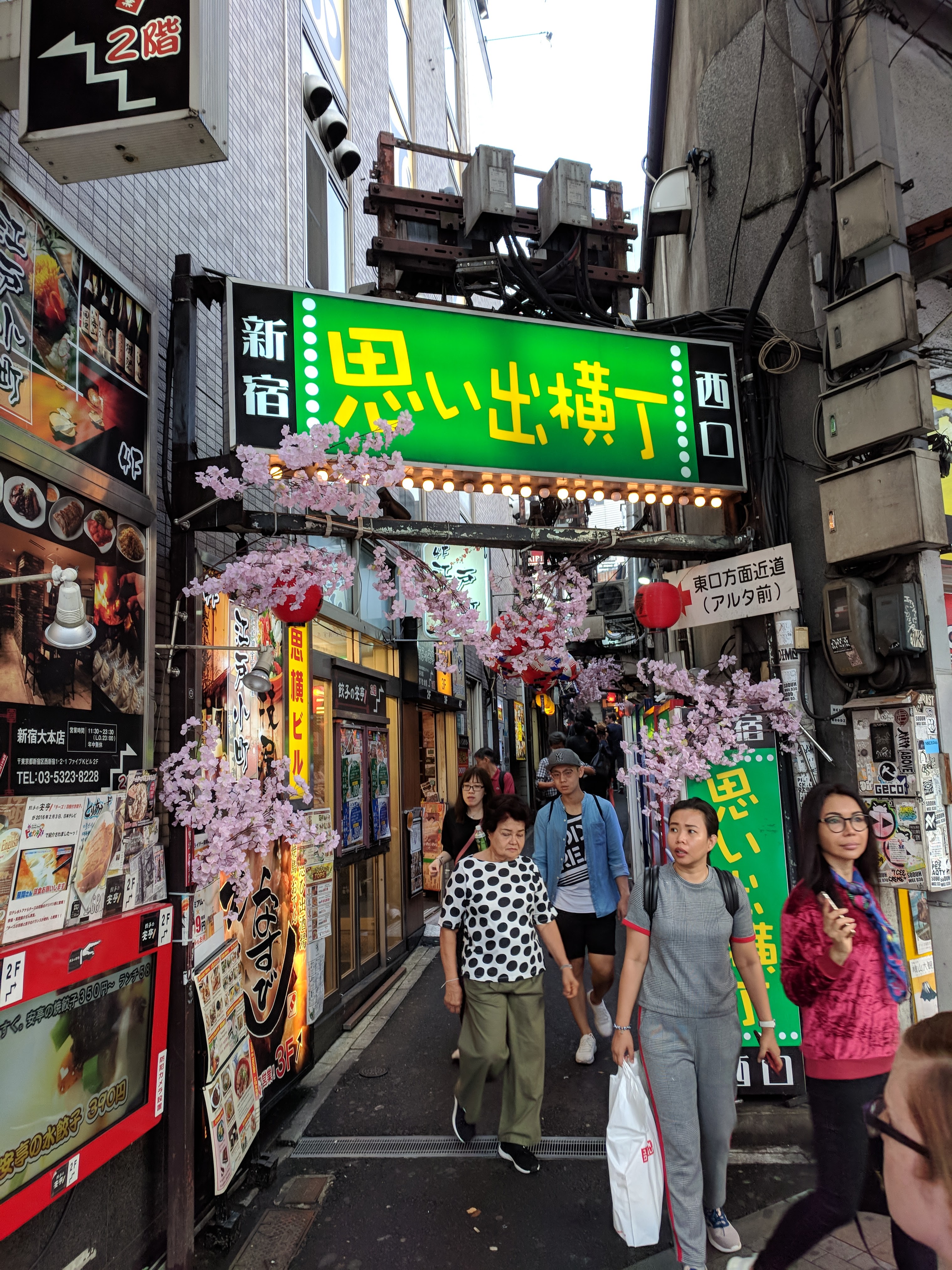
Some tours include a stop here for yakitori; others walk through it as part of the neighborhood tour. Either way, you’ll want to come back. The stalls are cash only, portions are cheap (100-300 yen per skewer), and the experience of eating shoulder-to-shoulder with strangers at a counter that seats six is peak Tokyo.
Kabukicho
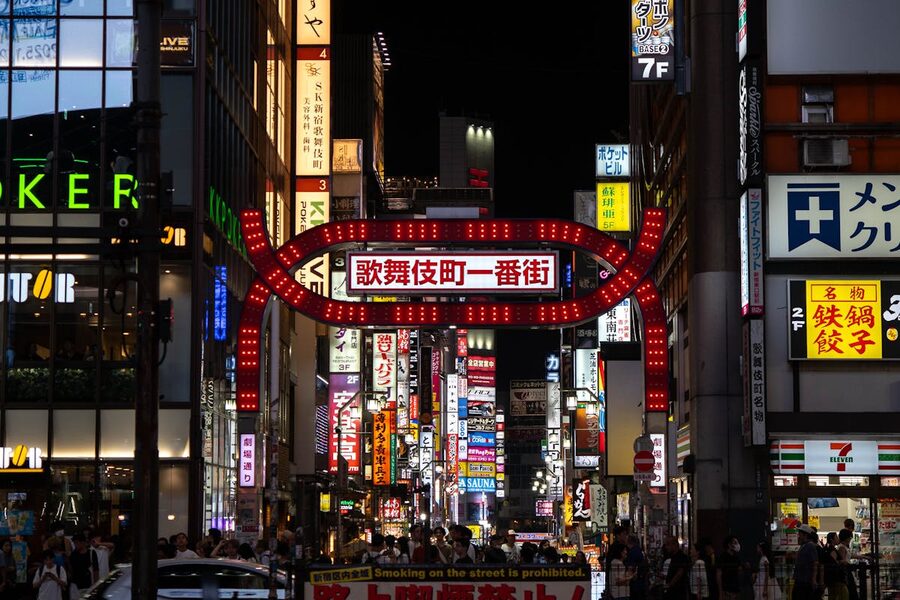
Shinjuku’s entertainment district. Neon signs stacked five stories high, pachinko parlors, host and hostess clubs, karaoke joints, and — buried among all of that — some genuinely great restaurants. Kabukicho has a reputation for being seedy, and parts of it are, but your guide knows which streets to walk and which to skip. The food here tends to be cheaper and more authentic than the tourist-facing restaurants near the station.
How to Book
All five tours are available on either Viator or GetYourGuide. Booking is straightforward:
- Pick your date — most tours run daily, but check availability for your specific evening
- Choose your group size — all of these are small-group tours (usually 6-10 people max)
- Book at least 2-3 days in advance — popular dates (weekends, holidays) sell out
- Show up at the meeting point near Shinjuku Station with an empty stomach
Cancellation: Most tours offer free cancellation up to 24 hours before. Check the specific tour listing for details — the 24-hour policy is standard but not universal.
Dietary restrictions: Most tours can accommodate vegetarian, pescatarian, and some allergies if you notify them at booking. Fully vegan options are limited — Japanese cooking relies heavily on dashi (fish stock) and the small izakaya these tours visit don’t always have alternatives. If you have severe allergies, contact the tour operator directly before booking.
Getting to the Meeting Point
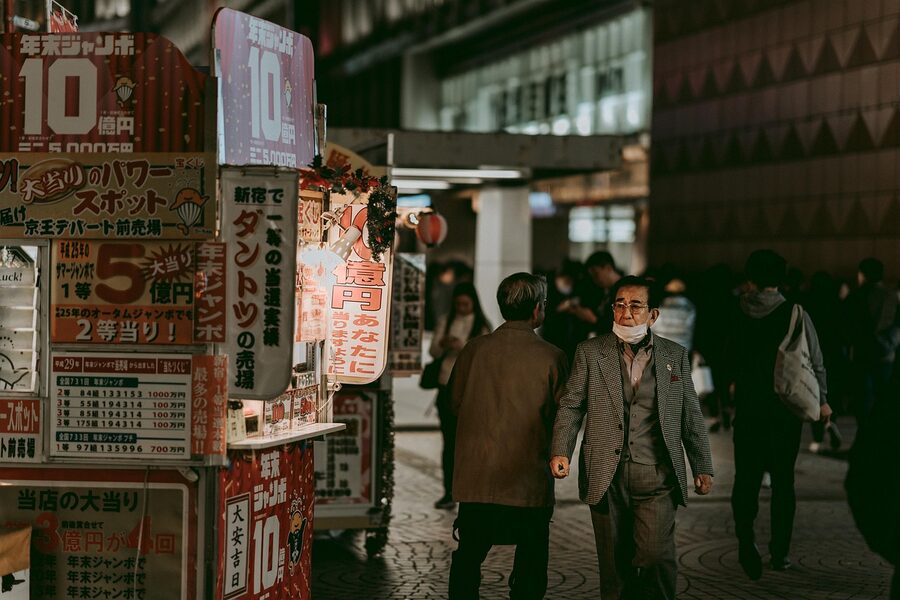
Every tour meets near Shinjuku Station, which is both convenient and potentially confusing. Shinjuku Station has over 200 exits. Yes, two hundred. The tour listing will specify exactly which exit — read it carefully and arrive 10 minutes early. If you’re coming from elsewhere in Tokyo:
- JR Yamanote Line: The most common way. Shinjuku is on the loop, so you can get here from anywhere in central Tokyo in 15-30 minutes.
- Tokyo Metro Marunouchi Line or Shinjuku Line: Direct to Shinjuku Station. Use the exits marked in your tour confirmation.
- From Shibuya: 5 minutes on the JR Yamanote Line. Quick enough to walk to the meeting point and still have time to get lost in the station.
- From Tokyo Station: 15 minutes on the JR Chuo Line (rapid). Take the orange trains, not the yellow ones.
Tips That Will Actually Help
Arrive hungry. This isn’t optional. Skip lunch or eat very lightly. The tours serve 13-15 dishes across 3+ hours and by the end you’ll be grateful you didn’t eat that convenience store onigiri at 3pm.
Wear comfortable shoes. You’ll walk 2-3 km between restaurants, some of it through narrow alleys with uneven surfaces. Heels are a bad idea. So are new shoes that haven’t been broken in.
Bring cash. The tour itself is prepaid, but if you want extra drinks or want to buy snacks from the stalls you’ll pass, cash is king. Most small izakaya and street stalls in Shinjuku don’t take cards. 3,000-5,000 yen in small bills should cover any extras.
Don’t be shy about adventurous food. The guides will offer you things outside your comfort zone — horse sashimi, chicken cartilage, fermented soybeans. You don’t have to eat everything, but try at least one thing that scares you. That’s the whole point of doing a food tour instead of going to the same ramen place three nights in a row.
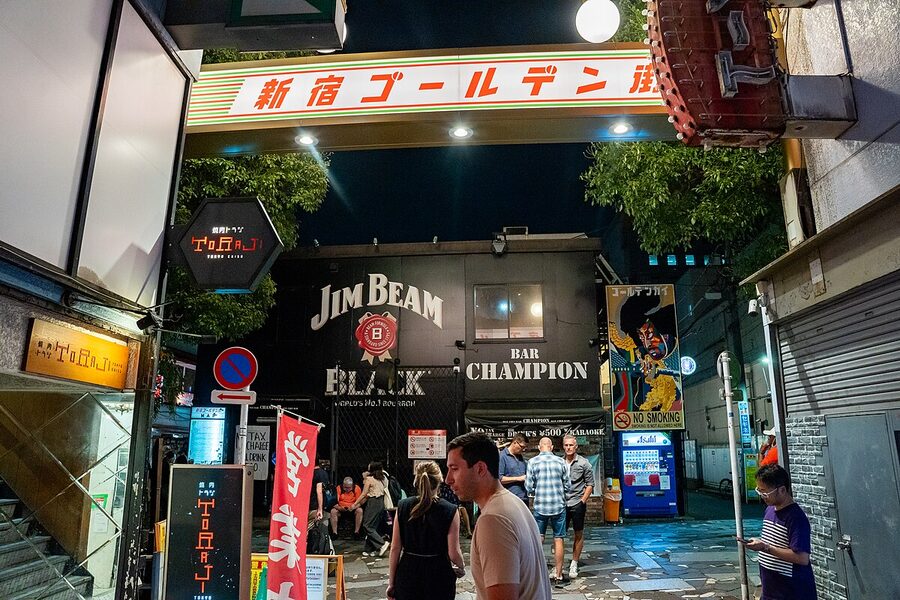
Photography: You’ll want photos, obviously. The neon-lit streets and tiny restaurants are incredibly photogenic. But some restaurants ask you not to photograph other diners or the kitchen. Your guide will let you know. Golden Gai in particular has some bars with “no photos” signs — respect them.
Weather: Summer tours (June-August) can be hot and humid. The walking segments between restaurants are outdoors. Winter tours (December-February) are cold, but the warmth of the tiny restaurants and the steam from ramen bowls make it almost cozy. Rain doesn’t stop the tours — bring an umbrella and prepare for some atmospheric photos.
What You’ll Actually Eat
The exact dishes vary by tour and by night — restaurants rotate menus, guides have their favorites, and seasonal ingredients change what’s available. But across most Shinjuku food tours, you can expect some combination of the following:
The sushi course usually comes first. Not the conveyor-belt kind — these are sit-down places where the chef prepares everything in front of you. The Edo-style sushi featured on several tours uses vinegared rice pressed into oversized blocks, with slabs of fresh fish draped over the top. It’s a throwback to how sushi was made 200 years ago, and it’s nothing like what you get at home.
The izakaya course is where things get interesting. Small plates start arriving — tamagoyaki (Japanese omelette), gyoza, fried chicken karaage, grilled squid, pickled vegetables, and whatever the chef feels like making that night. This is where you learn that Japanese fried chicken is better than whatever fried chicken you grew up with. Pair it with a Sapporo or a chuhai highball.
The yakitori course is the smoky, primal heart of most tours. Chicken parts you’d never order on your own — tsukune (meatballs), negima (thigh with scallion), kawa (skin, grilled until crackling), and sometimes hatsu (heart) or nankotsu (cartilage). The good yakitori places grill everything over binchotan charcoal, which burns hotter and cleaner than regular charcoal.
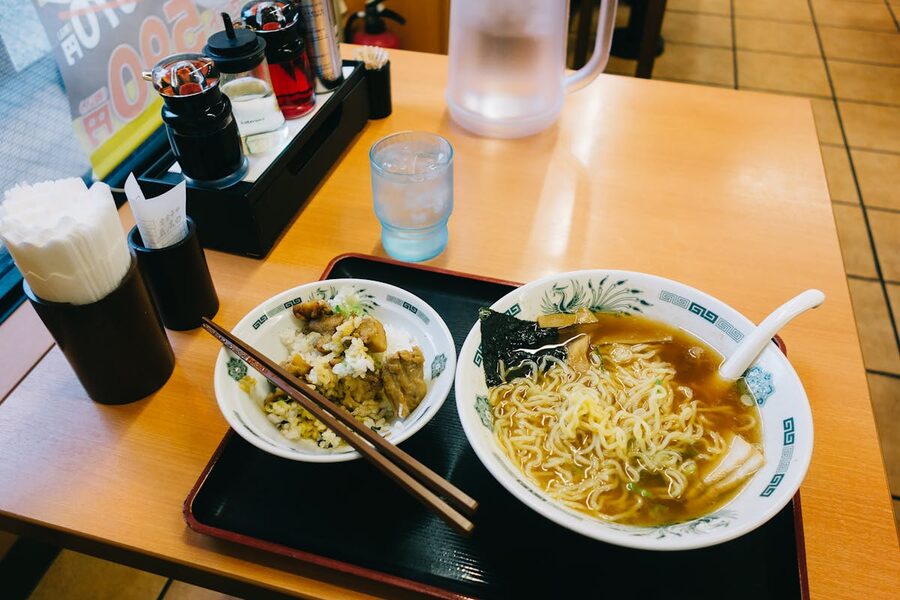
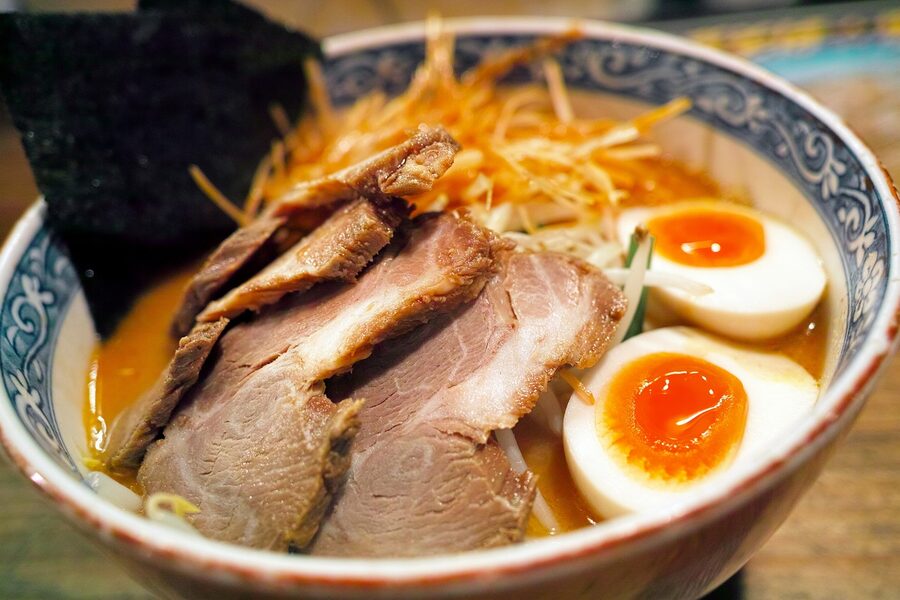
The ramen finish caps off the evening on most tours. After all that food, a bowl of rich tonkotsu or shoyu ramen somehow still tastes perfect. The broth warms you up, the noodles soak up whatever alcohol you’ve been drinking, and you leave feeling like you’ve actually experienced something.
While You’re in Tokyo
A Shinjuku food tour pairs well with a full Tokyo itinerary. If you want to keep eating your way through the city, the Tsukiji fish market food tours cover the morning scene and the vegan food tours explore a totally different side of Tokyo dining. After your food tour wraps up, the bar hopping night tours pick up right where you left off — many start in the same Shinjuku backstreets.
Beyond food, teamLab Planets is worth a half-day, the sumo experience gives you a window into Japanese culture most travellers miss, and the Mt. Fuji and Hakone day trip is the classic escape from the city when you need a break from urban sensory overload.
This article contains affiliate links. If you book a tour through our links, we earn a small commission at no extra cost to you. This helps us keep creating these guides.