Sushi here is more than a plate arriving at the table: you learn how its different forms are made, then eat the results. In three hours, you can work on nigiri, inari, hosomaki, and California rolls, with miso soup alongside.
I like the class’s hands-on approach, which brings sushi rice, dashi, miso soup, and Japanese rolled egg into the lesson as well as the sushi itself. I also like that Miki-san and Michiyo-san are named instructors, and that the two recent participants who shared their experience singled out their patience and helpfulness. One consideration: at $86.15 and up, this is a paid cooking activity, not a quick, low-cost tasting, and you’ll need to make your way to the meeting point yourself.
- What to know before you book
- Three hours of making, not just watching
- Comparing nigiri, inari, hosomaki, and California rolls
- The ingredients and techniques behind the meal
- Eating what you make
- Is .15 a fair price?
- Getting to the meeting point
- Dietary needs, children, and planning details
- Who will enjoy this class most?
- Should you book it?
- FAQ
- How long is the sushi class?
- Where is the meeting point?
- What kinds of sushi will I make?
- Can dietary requirements be accommodated?
- Can children join the class?
- What is the cancellation policy?
- The Best Of Tokyo!
- More 3-Hour Experiences in Tokyo
- More Tours in Tokyo
- More Tour Reviews in Tokyo
- Not for you? Here's more nearby things to do in Tokyo we have reviewed
What to know before you book
 1 / 7
 2 / 7
 3 / 7
 4 / 7
 5 / 7
 6 / 7
 7 / 7
- Plan on three hours: There’s time to prepare several types of sushi and learn a few related cooking techniques.
- Make several styles: The class covers nigiri, inari, hosomaki, and California-style rolls, so you can compare forms rather than focus on just one.
- Learn beyond the rice: The lesson includes sushi rice, dashi, miso soup, and Japanese rolled egg.
- Eat what you prepare: The class ends with your own sushi and soup, turning the lesson into a meal.
- Meet near Shinanomachi Station: The location is a five-minute walk from JR Shinanomachi Station or about ten minutes from Yotsuya Sanchome Station.
- Check dietary needs in advance: Several diets can be accommodated, but you should notify the organizer before the class.

👉 See our pick of the 25 Best Guided Tours In Tokyo
Three hours of making, not just watching
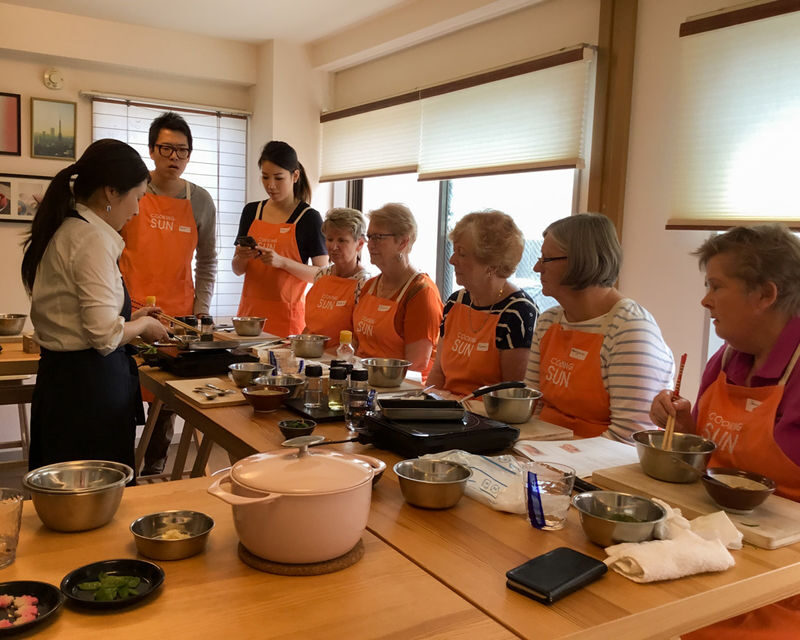
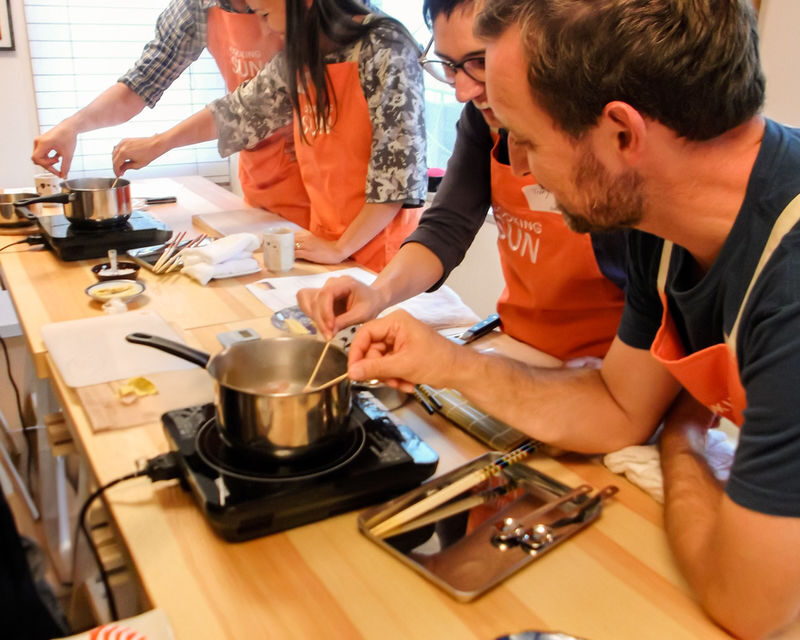
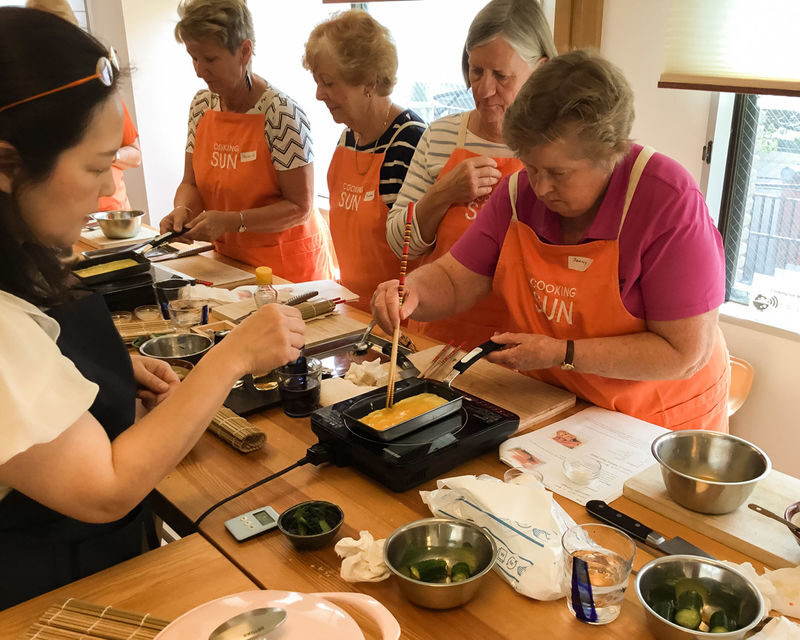
This class is designed for you to take part. Instead of watching a chef work while you stand at a distance, you prepare sushi yourself with an English-speaking instructor. That distinction matters: shaping rice, filling rolls, and handling different ingredients gives you a better sense of how each style differs.
The three-hour length is useful for a first lesson because sushi involves more than placing fish on rice. The experience includes preparing sushi rice and dashi, making miso soup and Japanese rolled egg, and working on several sushi styles. The two people who shared feedback on the class described it as hands-on, with patient and helpful instruction from Miki-san and Michiyo-san. That is a welcome sign if you are new to Japanese cooking or want time to ask questions as you work.
The class is offered as a single three-hour homemade sushi package. The exact minute-by-minute schedule is not specified, so don’t expect a published cooking timetable or a fixed amount of time for each dish. Instead, think of it as a guided cooking session that covers a set of complementary preparations, then gives you a chance to eat what you’ve made.
You can also read our reviews of more tours and experiences in Tokyo



Comparing nigiri, inari, hosomaki, and California rolls
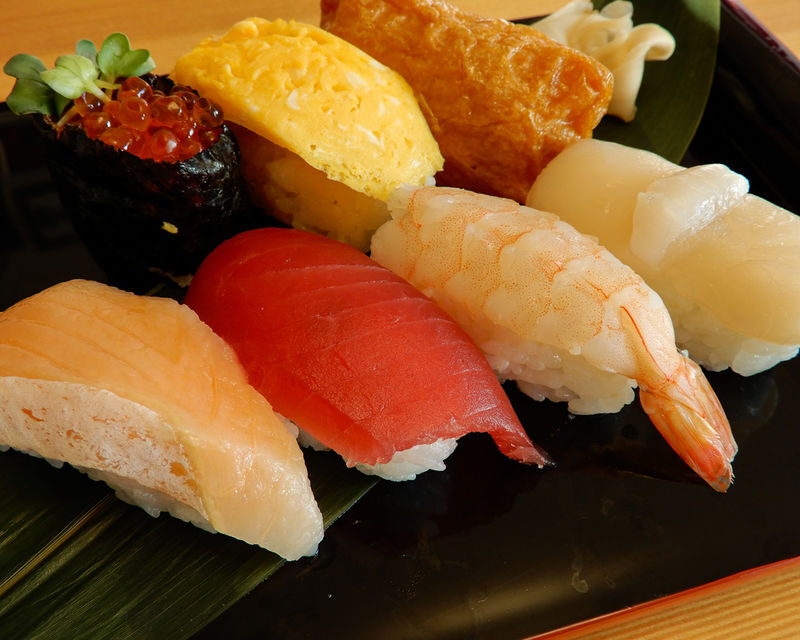
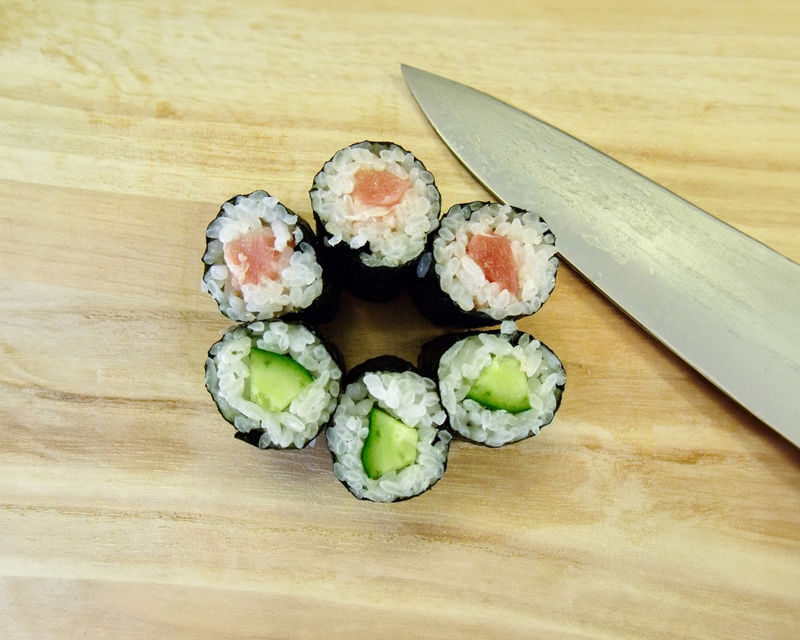
One of the most useful parts of the class is the range of sushi styles. Making several kinds helps you understand that sushi isn’t one single recipe. The lesson includes nigiri, inari, hosomaki, and a California-style roll, offering different ways to build a meal around rice and fillings.
Nigiri gives you a chance to work with sushi rice in a compact form, while inari introduces a different style and presentation. Hosomaki is a thin roll, and the California roll brings an internationally familiar option into the class. The specific fillings can depend on the seasonal ingredients used, so don’t book expecting a guaranteed menu of particular fish or vegetables.
That variety is practical for home cooks. If you later want to recreate one part of the meal, you can choose the style that suits your ingredients and skill level. A simple roll, for instance, is a different project from shaping individual portions of nigiri. The class gives you a first try at more than one method, rather than sending you home with only a single technique.
You also get a broader sense of what goes into a Japanese meal. Sushi rice, dashi, miso soup, and rolled egg are part of the lesson, not just the finished rolls. The class does not promise a full course in Japanese cuisine, but it does connect the sushi to a few other familiar preparations.
The ingredients and techniques behind the meal
Fresh seasonal ingredients are used in the class. That keeps the cooking tied to what is available, though it also means the exact ingredients may vary. If you have a particular fish, filling, or finished dish in mind, ask about it before booking rather than assuming it will be on the day’s menu.
Preparing the rice is a central skill. One participant specifically recalled learning the technique for sushi rice, along with dashi and miso soup. These are useful details to take home because they form part of the meal beyond the sushi toppings. You can learn how the components fit together instead of treating sushi as a collection of fillings wrapped in rice.
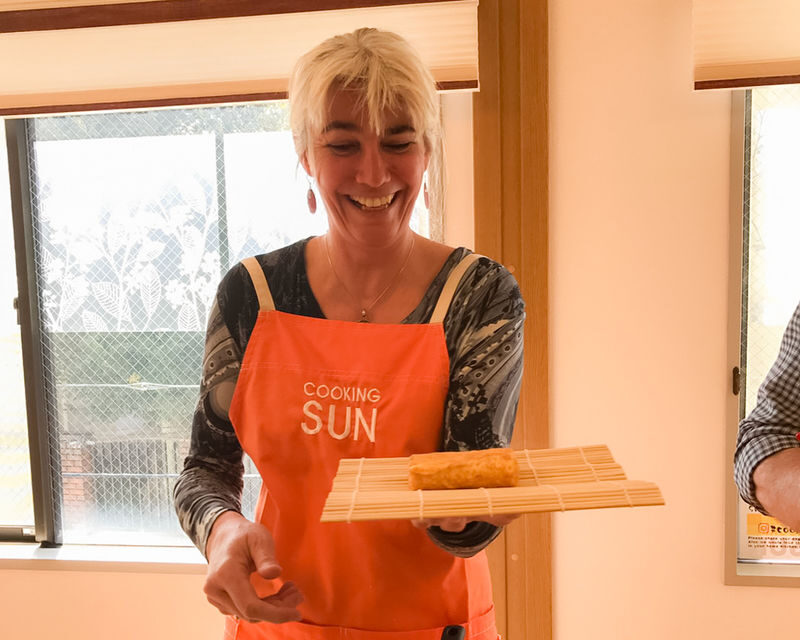
Japanese rolled egg is another distinctive part of the class. It gives the cooking session a different texture and task from shaping rolls or nigiri, and adds to the sense that you’re preparing a Japanese-style meal rather than only practicing one sushi format. The available information does not specify the exact recipe or whether each dish is made in a particular order, so regard these as topics covered rather than a guaranteed step-by-step sequence.
Eating what you make
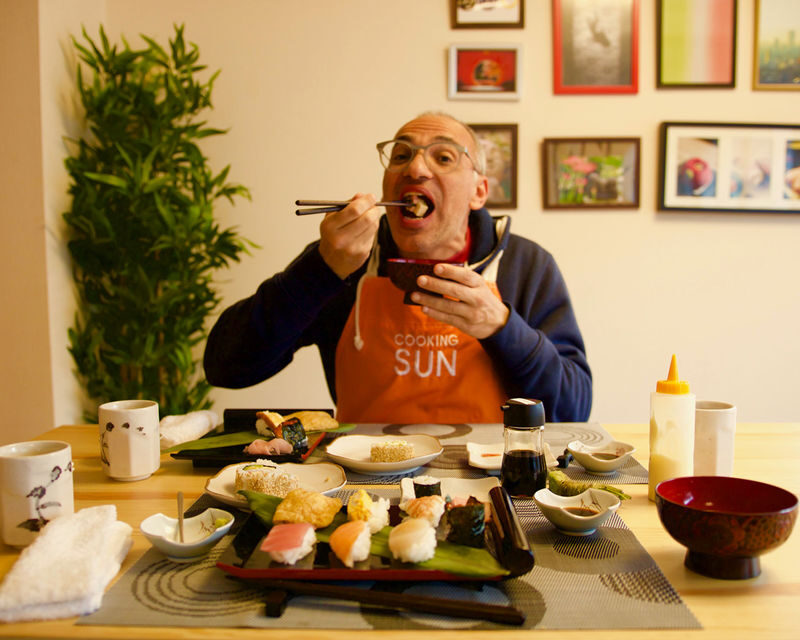
At the end of the lesson, you eat the sushi you prepared, with traditional miso soup served on the side. That makes the class feel complete: you don’t simply practice techniques and leave before tasting the result. You can see how your own rice, fillings, and shaping come together as a meal.
This is also where a cooking class offers something different from a restaurant meal. At a restaurant, you can compare flavors and textures; here, you also get a hand in making them. If you’re traveling with someone who enjoys food but doesn’t want every activity to be a museum or a long walking tour, this is a pleasant change of pace.
The class is not described as a market visit or a fish-buying outing. Its focus is cooking, learning, and eating at the class location. If you want to visit a local supermarket as part of a sushi lesson, or take a class near Tsukiji, those are different experiences and should be compared separately.
Is $86.15 a fair price?
The listed starting price is US$86.15 for the three-hour homemade sushi class. The value depends on what you want from the activity. You’re paying for an instructor-led session, ingredients for several types of sushi, cooking utensils, and the chance to eat the food you make. It is a more substantial outing than a brief demonstration, but it is not a budget meal or a sightseeing tour.
I’d see the price as reasonable if learning a practical skill is part of your Tokyo plans. The lesson covers several sushi styles and related preparations, and the three-hour format gives you more time than a short class would. If you only want to taste sushi, a restaurant meal will cost less and take less time. If you want to understand how it is made, the class offers a different kind of value.
Transport is not included, and you’ll need to reach the meeting point near Shinanomachi Station on your own. Keep that in mind when comparing the total cost with activities that include transport or take place near your hotel. The starting price may also not be the final price for every booking, so check the selected date and package before paying.



Getting to the meeting point
The meeting point is Shinanomachi Station. The class location is described as a five-minute walk from JR Shinanomachi Station, or a ten-minute walk from Yotsuya Sanchome Station on the Marunouchi Subway Line. The exact location and a Google Maps link are provided after booking confirmation, so use the confirmed directions rather than guessing which entrance or street to use.
One participant arrived early and found a shrine nearby. That could make an early arrival more pleasant, but the shrine is not named, and it is not part of the class itinerary. Leave enough time to find the meeting point, especially if the area is new to you.
Transport is not included. You are responsible for reaching the location and covering your other personal expenses. The activity is not stroller- or wheelchair-accessible, an important practical point if anyone in your party needs step-free access or is bringing a stroller.
Dietary needs, children, and planning details
The activity can accommodate several dietary requirements, including vegetarian and vegan diets, gluten intolerance, pescetarian diets, and kosher requirements. Fish can be replaced with vegetables and other ingredients for vegetarian participants. Halal meat is not used, but alcohol ingredients can be removed for Halal participants. Tell the organizer about dietary restrictions in advance so they can confirm what is possible for your class.
Participants must be at least six years old to take part. Children aged six to twelve need to be accompanied by a paying adult. Children aged zero to five can attend free without ingredients; if a young child needs their own ingredients, book the child option. Infants and children must still be included in the passenger headcount.
Confirmation is expected within 48 hours. If no confirmation email arrives, contact customer support. The voucher is valid only on the date and time selected, and you can present it on your phone. For cancellations, a full refund is available if you cancel at least 72 hours before the activity, using local destination time.
Who will enjoy this class most?
I’d recommend this class if you want more than a sushi meal and like the idea of learning by doing. It suits curious beginners, home cooks looking for a new skill, and couples or families with children old enough to participate. The English-speaking instruction is especially useful if you want to follow the cooking process and ask questions without a language barrier.
It is also a good fit if you enjoy comparing food styles. Making nigiri, inari, hosomaki, and California-style sushi in one session gives you a wider introduction than a class focused on a single roll. The added rice, dashi, soup, and egg preparations make the lesson feel like a small cooking course rather than a one-recipe workshop.
Skip it if you’re short on time, only want a tasting, or need an activity that includes transport. The three-hour commitment and the trip to Shinanomachi are part of the decision. The class’s accessibility limits may also rule it out for some visitors, so check those needs before booking.
Should you book it?
Book this class if learning sushi techniques is as appealing to you as eating sushi. The best reasons to go are the hands-on instruction, the range of styles, and the chance to prepare a full meal with guidance from Miki-san and Michiyo-san. The main trade-offs are the price, the three-hour time commitment, and the need to arrange your own transport.
For a first sushi lesson in Tokyo, the combination of rice, dashi, miso, rolled egg, and several sushi types gives you plenty to take away beyond a full stomach. If that sounds more rewarding than simply ordering another plate, this is a worthwhile use of an afternoon.
3 Hours Sushi Making Experience in Tokyo
“We really enjoyed the class. Miki-san and Michiyo-san were very patient and helpful. We learnt the technique in preparing sushi rice, dashi, miso s…”
FAQ
How long is the sushi class?
The class lasts three hours.
Where is the meeting point?
The meeting point is Shinanomachi Station. The location is a five-minute walk from JR Shinanomachi Station or a ten-minute walk from Yotsuya Sanchome Station on the Marunouchi Subway Line. Detailed directions are provided after booking confirmation.
What kinds of sushi will I make?
The class covers nigiri, inari, hosomaki, and California-style sushi. It also includes sushi rice, dashi, miso soup, and Japanese rolled egg.
Can dietary requirements be accommodated?
Yes. The activity can accommodate several needs, including vegetarian, vegan, pescetarian, kosher, and gluten-intolerant diets. Halal meat is not used, but alcohol ingredients can be removed. Tell the organizer about your needs in advance.
Can children join the class?
Participants must be at least six to take part. Children aged six to twelve must be with a paying adult. Children aged zero to five can attend free without ingredients; book the child option if they need their own ingredients.
What is the cancellation policy?
You can receive a full refund if you cancel at least 72 hours before the activity date, using destination local time.