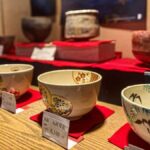
A Japanese tea ceremony is not just a bowl of matcha. It is a careful sequence of gestures, courtesies, and quiet attention, and this one-hour class in Uji is designed to teach you how the tradition works rather than stage a quick photo stop. You’ll meet a professional tea master, learn the steps, and get a taste of Uji’s tea culture.
I like two things in particular: the lesson makes room for questions about the ceremony’s meaning, and the instructor explains how to handle the sweets, utensils, and tea with respect. The class is also near Manpuku-ji Temple, so you can pair the lesson with a visit to the area, though the ceremony itself does not take place in a temple.
The main caution is practical: the venue can be hard to find, and the advertised price does not include a required cash room fee of ¥1,000 per person. The room may be changed to a nearby facility, and the setting can be plain. Come for the instruction, not polished interiors or a guaranteed temple backdrop.
- Key points before you book
- What the ceremony teaches you in an hour
- Arriving in Uji and finding the meeting point
- The tea room, matcha, and sweets
- How the price works
- Is this the right tea ceremony for you?
- Booking details worth checking
- Should you book this Uji tea ceremony?
- FAQ
- How long does the tea ceremony experience last?
- Where does the experience take place?
- Is there an extra fee at the venue?
- Can I rent a kimono?
- How early should I arrive?
- What should I bring?
- The Best Of Uji!
- More Tours in Uji
- More Tour Reviews in Uji
- Not for you? Here's more nearby things to do in Uji we have reviewed
Key points before you book
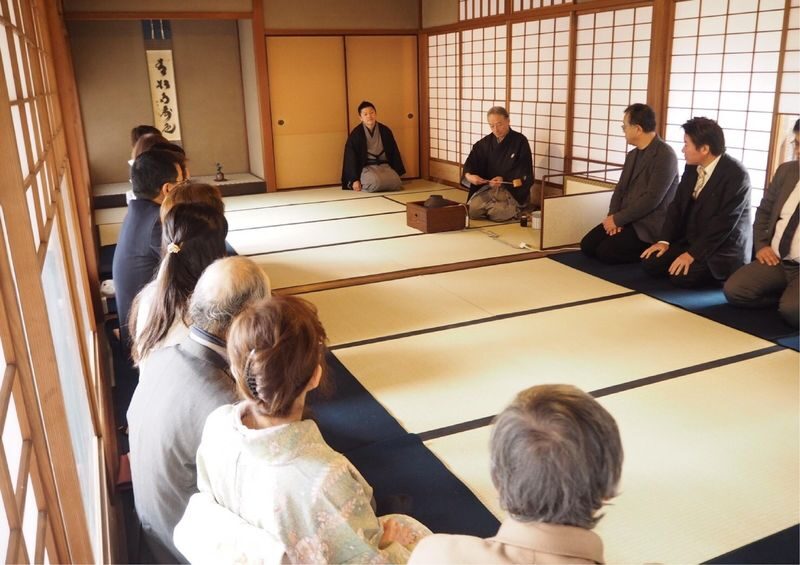
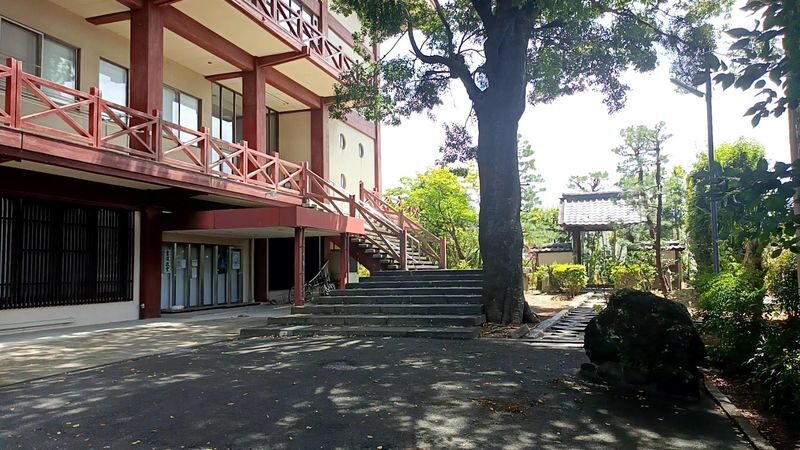
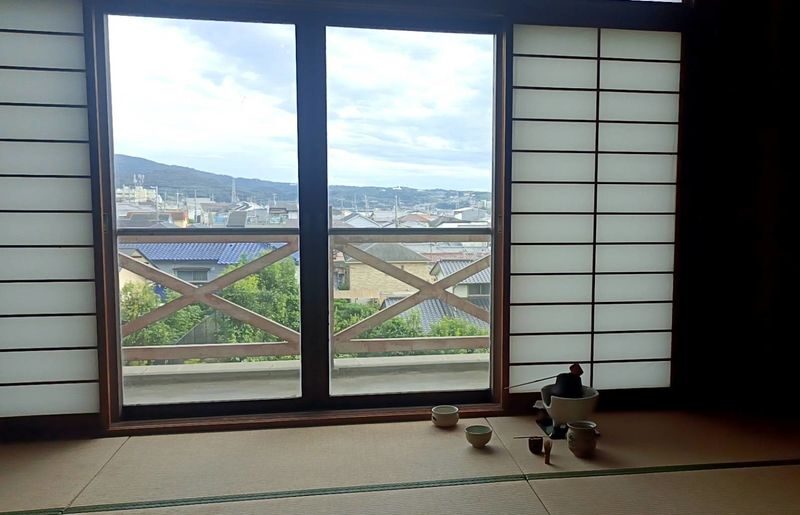
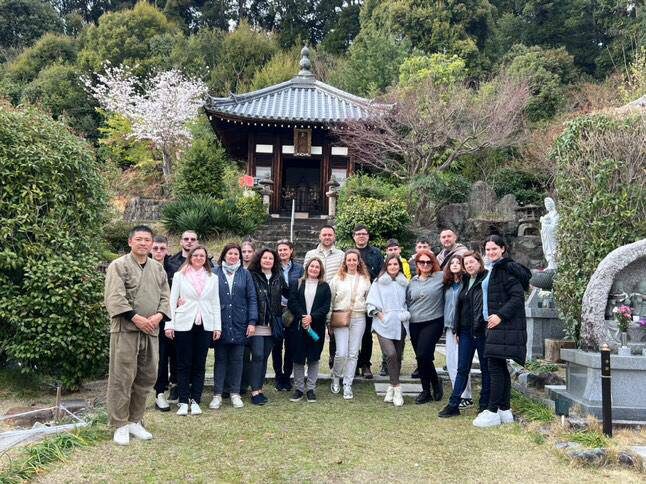
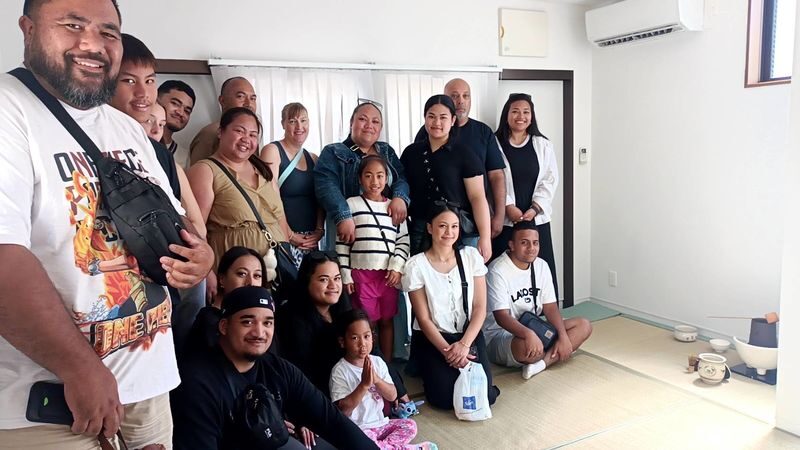
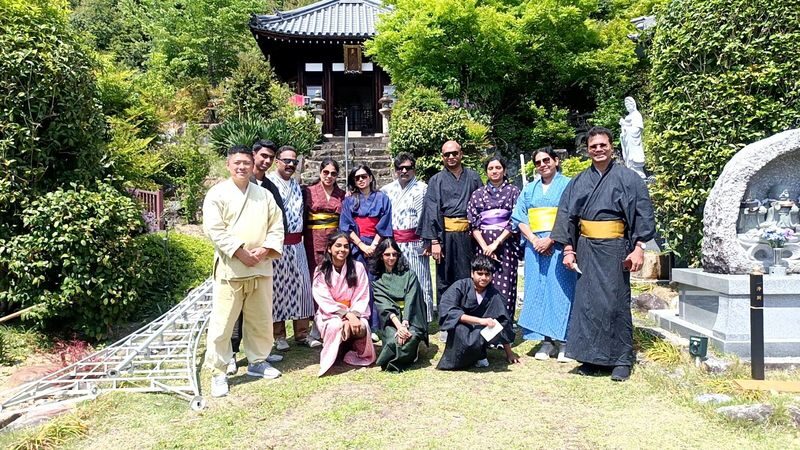
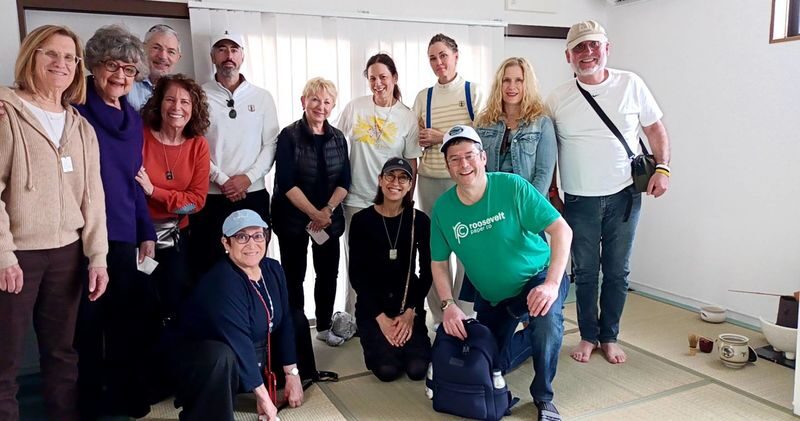
- A lesson, not a performance: You’ll learn ceremony etiquette and the process of preparing and drinking matcha.
- A working tea master leads the class: The instructor teaches Japanese culture regularly and has experience with groups, schools, hotels, and companies.
- Uji is the setting, not the tea room: The classroom is near Obaku Station and Manpuku-ji Temple, but the experience is not held inside a temple.
- Budget for the extra room fee: Bring ¥1,000 in cash per person. If you are the only participant, the fee is ¥2,000.
- Allow time to find the meeting point: You meet at a parking lot, and arriving five minutes early is essential. Late arrivals cannot join.
- Kimono is an add-on: You can request a rental in advance for ¥4,000 per person, with sizing details supplied when you book.

👉 See our pick of the 3 Best Tours In Uji
What the ceremony teaches you in an hour
The point of this class is to give you a working introduction to tea ceremony, not to leave you watching from the edge of the room. The instructor explains the order of the ritual, how to prepare and enjoy matcha, and how to approach the sweets and utensils. You also learn about the customs and values behind the movements, which helps the gestures make sense rather than feel like a string of rules.
That explanation is a strength. Several people have particularly valued the teacher’s ability to talk through the steps, history, and etiquette, and the named instructor Sousei is praised for making the subject accessible and welcoming. English-speaking staff are included, but the English level may vary in practice, so if a point matters to you, ask the instructor to repeat or clarify it.
The class is described as authentic and serious, and that should shape your expectations. You are there to learn how a tea ceremony is conducted, not simply to sip a drink in a picturesque setting. The organizers ask that you book only if the ceremony itself is your purpose; photography is allowed after the experience for those who want it, but this is not designed as a photo session.
The setting and style may feel less formal than the imagery many people associate with a traditional tea room. One participant described utensils and tea being placed on the floor and found the room and cleanliness unacceptable, while many others valued the instruction and the tea. That gap in expectations is important: this is a teaching experience in a tea room produced by the instructor, not a guaranteed visit to a historic temple chamber.
You can also read our reviews of more tours and experiences in Uji.


Arriving in Uji and finding the meeting point
The class is in Uji, a town known for matcha, at the Japanese Culture Precious Wood Uji Classroom. The listed directions place it within walking distance of JR Obaku Station and Keihan Obaku Station, with Manpuku-ji Temple nearby. The meeting point is given as a parking lot at a Zen dojo, so do not assume that the classroom entrance is obvious or that the experience begins at the temple.
Finding the right spot has been a recurring challenge. Some participants have found the directions difficult, and one described being lost in heavy rain before local residents helped them. Save the meeting details, check your route before leaving, and aim to arrive with a few minutes to spare. The operator asks you to gather five minutes before the selected start time.
Please be considerate of the neighborhood. Wait at the designated meeting point, do not ring nearby doorbells, and do not enter temple grounds without permission. The organizers specifically note that local residents and monks have raised concerns about poor visitor etiquette. This is a residential area, not a theme park entrance.
The class runs for about an hour, with possible start times listed at 09:00, 10:30, 13:00, 14:30, 16:00, and 18:00. The available return time depends on your chosen start and the day’s arrangements. Dates and rooms can change for facility reasons, so check the confirmed time and meeting instructions rather than building a tight schedule around an assumed itinerary.
The tea room, matcha, and sweets
The room is described as an authentic tea room produced by a tea master, but it is not a temple. The operator may use a nearby separate room if the usual facility is unavailable, and may adjust the date or time. That flexibility helps keep the class running, but it means the precise room and atmosphere are not guaranteed.
Bring socks, as they are specifically requested, and leave large bags at your hotel or in your vehicle. There is no luggage storage at the venue. Wear comfortable clothes; the dress code is otherwise flexible. Outside food and drinks are not allowed, and pets are prohibited.
Matcha and sweets are part of the lesson, and participants have praised the tea and mochi. You’ll be shown how to enjoy the sweets and drink the tea in the proper order, rather than being handed a bowl without context. If you have concerns about the room, utensils, or food handling, it is sensible to ask questions before you begin. Conditions and impressions can vary, and the experience is not presented as a luxury hospitality service.
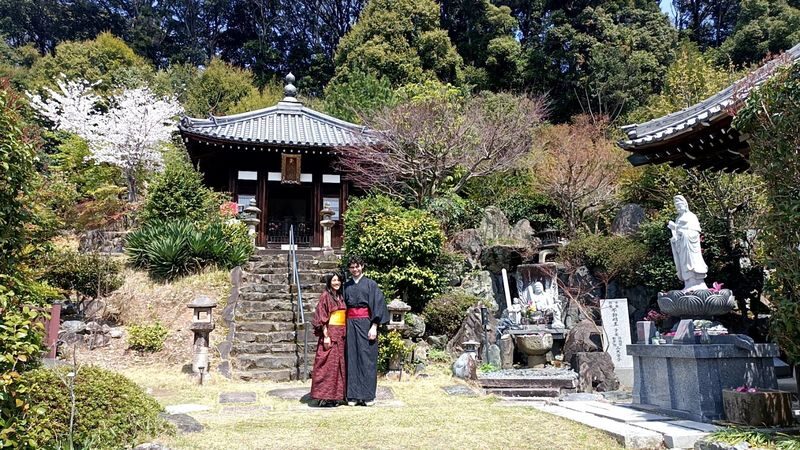
A kimono can be arranged for an additional ¥4,000 per person, but you must submit each participant’s gender, height, size, and preferred color in advance. The rental is optional, not included in the base price. If wearing one matters to your plans, confirm the details before traveling to Uji; at least one participant reported that the fit did not meet expectations.
How the price works
The advertised starting price is from $22.75, which is appealing for a one-hour cultural lesson led by a professional instructor. But that is not the full amount you should budget. The mandatory room usage charge is ¥1,000 per person in cash, rising to ¥2,000 if only one person attends that session. Add the kimono rental only if you choose it.
For two people, the extra room charge is relatively easy to account for, but it still changes the true cost. For a solo booking, the higher fee makes the class less of a bargain. Compare the all-in amount with other tea experiences in Kyoto and Uji, and consider what you value: here, you are paying chiefly for instruction and a chance to participate, not a grand venue or a long guided tour.
The school also takes groups, with capacity listed from two to 100 people. Its experience with large bookings suggests that it can handle group sessions, but the atmosphere may differ between a small class and a larger gathering. If a quiet, intimate lesson is important, contact the organizer about the expected group size before booking. Small sessions have been described as especially engaging, but a small group is not guaranteed.
Is this the right tea ceremony for you?
Choose this class if you want a teacher-led explanation of tea ceremony, practical instruction in the etiquette, and a chance to take part in preparing and enjoying matcha. It should suit curious visitors who want to understand the ceremony’s customs and are comfortable with a simple, potentially changing venue. The one-hour format also fits a day when you want a focused cultural activity rather than a full-day excursion.
It is less suitable if you expect a temple setting, polished staging, a guaranteed kimono, or a flexible arrival window. The venue is not inside a temple, the room may change, and the late-arrival rule is strict. This is a poor choice for a day when you have a tight connection or are unsure you can reach Obaku on time.
I would also weigh your Kyoto schedule carefully. Uji is outside central Kyoto, and transport is not included. If you are staying in Kyoto for only a short time, make sure the trip and the class are worth the time you will spend getting there. The nearby Manpuku-ji Temple makes a natural addition if you want to explore the area, but temple admission or a guided temple visit is not part of this activity.
The overall experience earns its best marks for the instructor’s explanations, warmth, and willingness to answer questions. Its weaker points are the sometimes confusing location details, the extra cash fee, and the uneven expectations around the room and formality. Go for a lesson in tea culture, and you are more likely to be satisfied than if you book for scenery or a picture-perfect ceremony.


Booking details worth checking
The activity is for participants aged three and older; children aged zero to two can attend free. The group size is listed as two to 100, and the voucher is valid only on the selected date and time. You receive a mobile voucher, and the activity can be booked as soon as the next day, subject to availability.
The advertised cancellation terms allow a full refund if you cancel at least 24 hours before the activity date, in local time. Changes are allowed up to 24 hours before the start, subject to the stated booking restrictions. If severe weather or an unforeseen event leads the operator to cancel, you can reschedule or request a full refund.
Before you confirm, check the exact time, meeting point, room fee, and whether the kimono option is arranged. The organizer notes that dates, times, and rooms can change due to facility circumstances. Keep your schedule loose enough to handle a change, and do not rely on being able to join if you arrive late.
Should you book this Uji tea ceremony?
Book it if you want to learn the sequence, etiquette, and ideas behind tea ceremony from a professional instructor, and you are happy to trade a grand setting for a practical lesson. Add the cash room fee to your budget, arrive early, and treat the temple as a nearby extra rather than the venue. If your priority is a beautiful room, guaranteed kimono photos, or a casual drop-in, choose another experience.
An authentic tea ceremony experience by a famous tea master near a famous temple in Kyoto
“This experience felt very authentic and zen. It was a great introduction to the world of traditional tea ceremonies.”
FAQ
How long does the tea ceremony experience last?
The activity lasts about one hour.
Where does the experience take place?
It takes place at the Japanese Culture Precious Wood Uji Classroom in Uji, near JR Obaku Station, Keihan Obaku Station, and Manpuku-ji Temple. It is not held inside a temple.
Is there an extra fee at the venue?
Yes. The required room usage fee is ¥1,000 per person, payable in cash. If there is only one participant, the fee is ¥2,000.
Can I rent a kimono?
Yes. Kimono rental costs ¥4,000 per person and must be requested in advance. You need to provide the participant’s gender, height, size, and preferred color.
How early should I arrive?
Arrive at the designated parking lot five minutes before your selected start time. Late arrivals cannot participate and are not refunded.
What should I bring?
Bring socks and cash for the facility usage fee. Large bags cannot be stored at the venue, so leave them at your accommodation or in your vehicle.