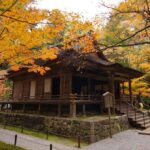
A Japanese tea ceremony is not simply a cup of matcha with a pretty bow. This one-hour class teaches the details behind chado, from how to enter and sit in the tea room to how to receive a sweet, turn the bowl, and drink. It is designed for people who want proper instruction, not a quick photo stop.
I like two things in particular: the tea master explains the history and etiquette as you go, and you get to take part by preparing and drinking the tea yourself. Classes can be small, sometimes just a couple or a handful of people, which gives the lesson a personal feel.
The main drawback is practical: the advertised price does not include a required tea-room fee of at least ¥1,000 per person, payable in cash. The venue can also change, and the Osaka Castle-area meeting point may take some effort to find, so check your booking messages and plan your route carefully.
- You learn the ceremony step by step: Expect practical instruction in sitting, handling the bowl, eating the sweet, and drinking matcha.
- A professional tea master leads the class: Instructors named in past sessions include Sousei and Ichinari, though the teacher for your date may differ.
- Small groups are possible: The group limit is 12, and some classes have been private or limited to a few people.
- The extra fee is required: Bring cash for the tea-room charge, which starts at ¥1,000 and varies by time of day.
- The venue may change: If the Osaka Castle-area room is unavailable, the class may move to another Osaka location.
- Photography is restricted: Unauthorized photos are not allowed, helping keep attention on the lesson rather than screens.
- A ceremony built around small, exact gestures
- What happens during the one-hour class
- Why the teaching style matters
- The tea room and the changing venue
- What the price covers, and what it does not
- Read the timing and arrival rules carefully
- Who will get the most from this class
- Should you book it?
- FAQ
- How long is the tea ceremony experience?
- What is included in the price?
- Where does the class take place?
- Is kimono rental available?
- Can I take photos during the ceremony?
- What happens if I arrive late?
- The Best Of Osaka!
- More Tours in Osaka
- More Tour Reviews in Osaka
- Not for you? Here's more nearby things to do in Osaka we have reviewed
A ceremony built around small, exact gestures
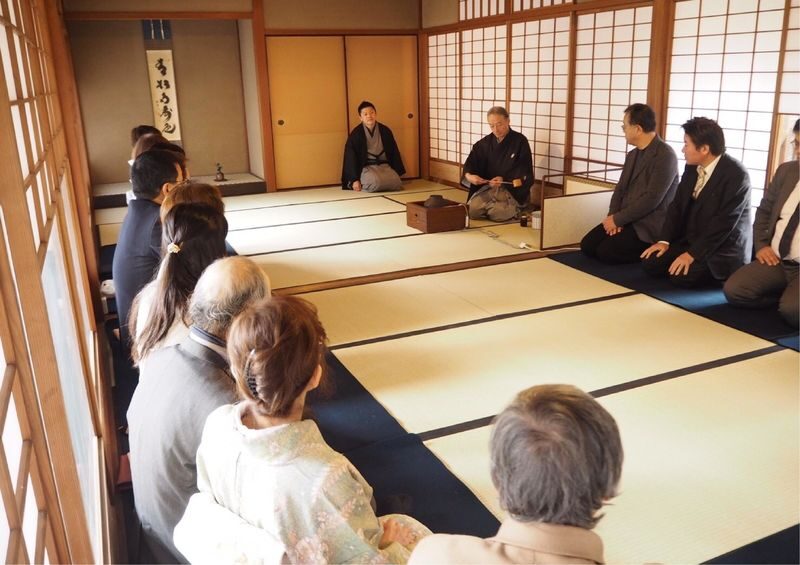
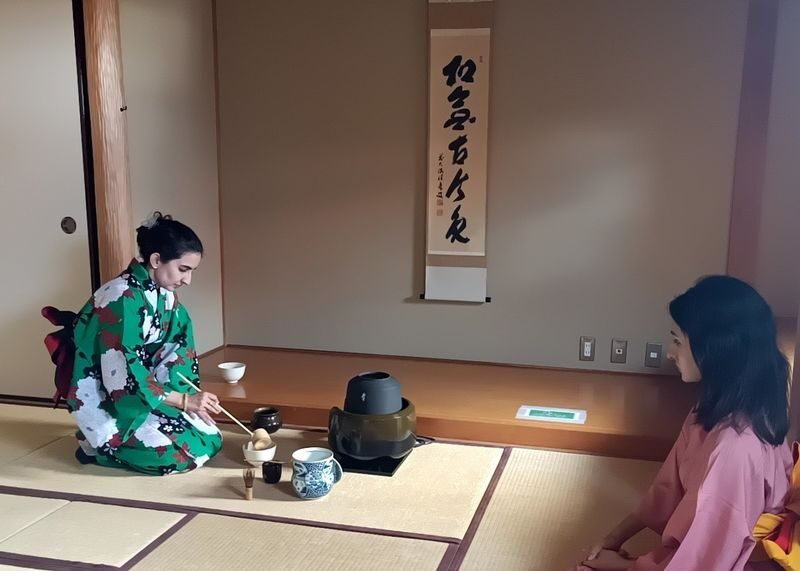
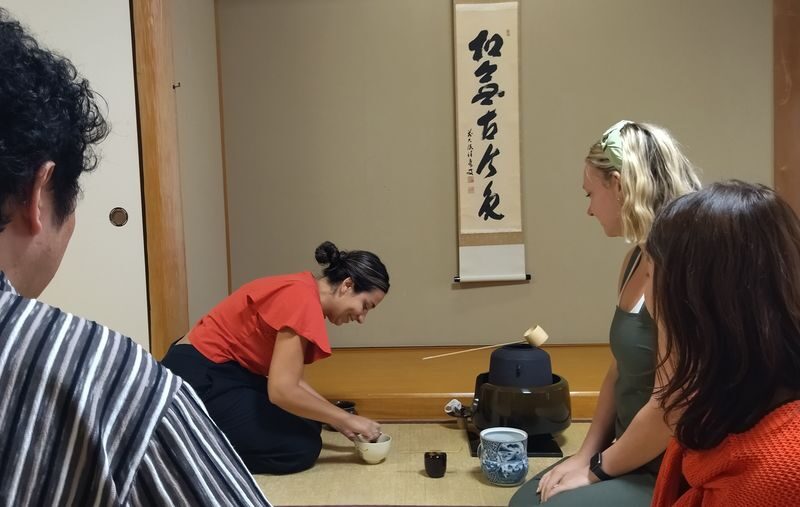
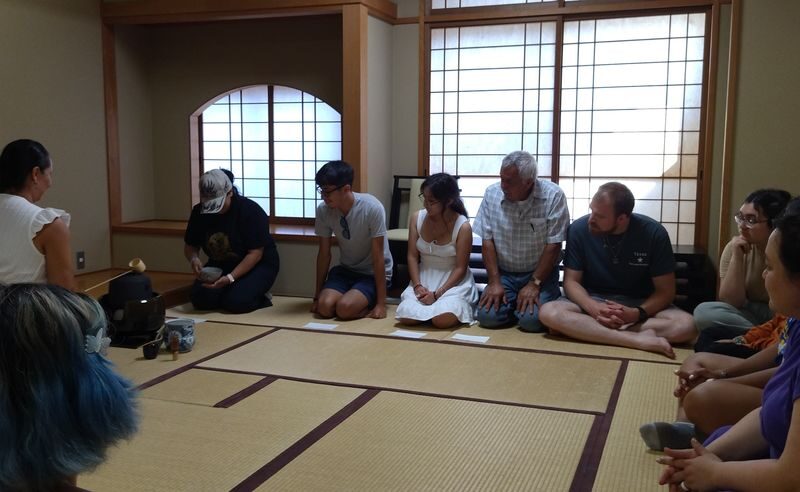
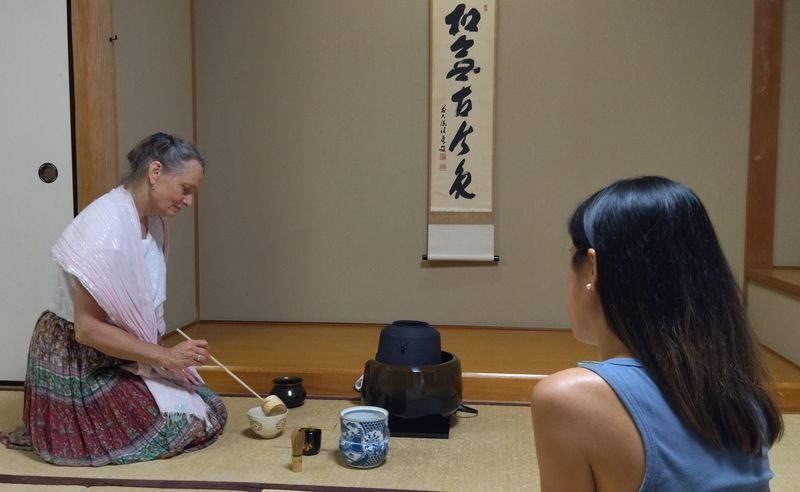
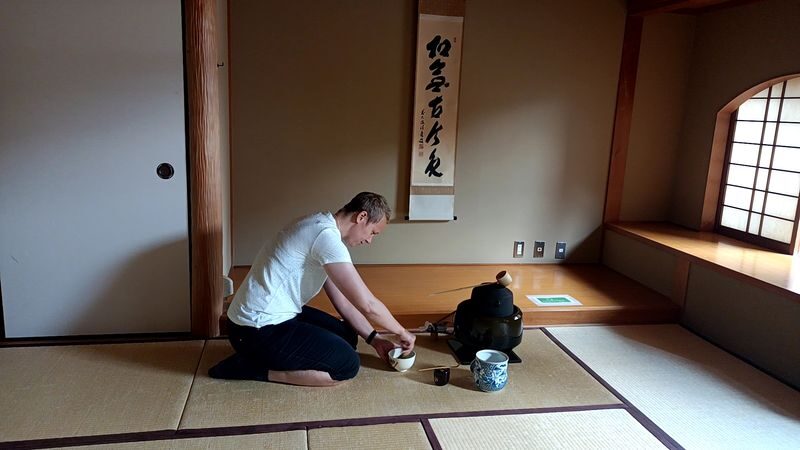
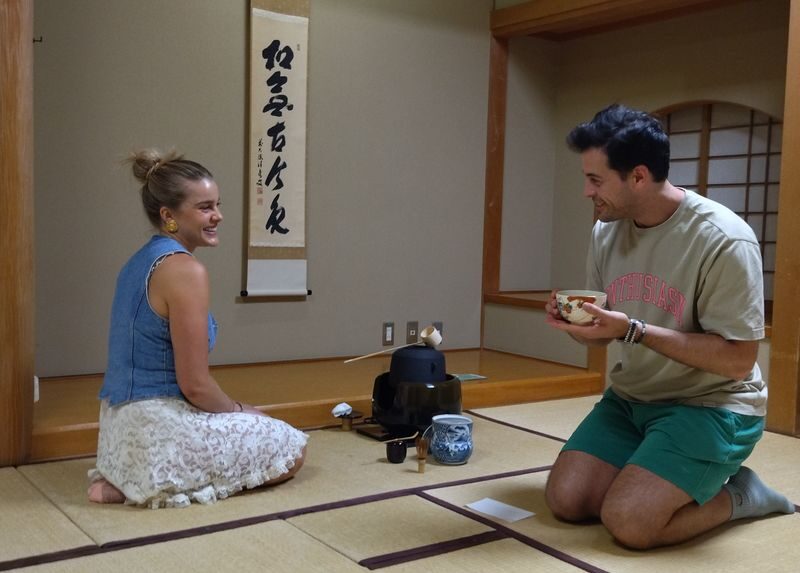
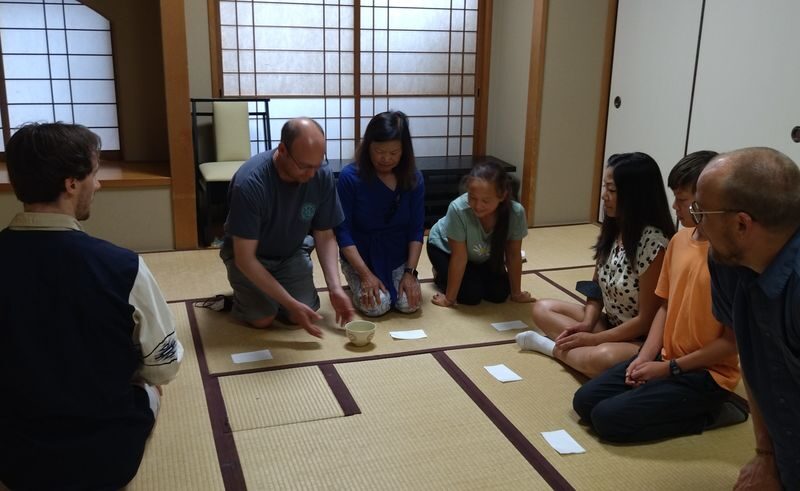
The point of this class is not to perform a polished ceremony for an audience. It is to understand why the actions matter and then try them yourself. The instructor talks through the practice and its background, making the session useful even if you have never studied Japanese tea culture.
You will learn how to sit and move in the room, how to receive and eat a Japanese sweet, and how to handle the tea bowl. The steps can feel formal at first. That is part of the lesson: the ceremony gives ordinary actions a deliberate order, and the tea master explains the etiquette as you go.
The class also includes preparing and drinking matcha. This is a welcome hands-on element. One participant can watch a demonstration and leave with a general idea of the ritual; making a bowl yourself gives you a more tangible sense of the care involved.
Expect explanation as well as practice. The class is described as authentic and not casual, so it is a better fit if you are curious about the traditions and willing to follow instructions than if you want a relaxed tasting with little structure.
👉 See our pick of the 24 Best Workshops And Classes In Osaka
What happens during the one-hour class
The session is listed as about one hour, with a start time chosen when you book. Available departures include 9:30, 10:30, 13:00, 15:00, 18:00, 19:30, and 20:00, though your return time depends on the selected start and the schedule available that day.
The opening portion introduces Japanese tea culture and the ceremony’s history. Rather than treating each bow or movement as a rule to memorize, the instructor explains how the gestures fit together. That context is what makes the lesson more than a demonstration.
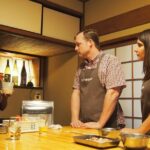
Next comes the etiquette. You are shown how to sit, how to behave in the tea room, and how to receive the sweet served with the tea. You may be seated on tatami for much of the class. Cushions are used, and a past class provided a chair and small table for someone with a bad back, but do not assume that arrangement is guaranteed. If floor sitting is difficult, contact the organizer before booking.
Then you take part in preparing and drinking matcha. The instructor guides the actions in sequence, including how to hold and turn the bowl and how to drink. The sweet offers a contrast to the tea, and the pairing helps explain why it is included in the ceremony rather than treated as an incidental snack.
The activity is a lesson, not a guided tour of Osaka. There is no city sightseeing built into the hour, and the return point is the class location. If you want to pair it with Osaka Castle, plan that separately and leave enough time for transport and finding the room.
You can also read our reviews of more tours and experiences in Osaka.



Why the teaching style matters
A tea ceremony can look simple from the outside: a bowl, a whisk, a few measured movements. The class makes clear how much attention sits behind those movements. The teacher covers the background, manners, and practical steps, with time for participants to try the process rather than only watch.
English-speaking staff are included, and past classes have been taught in clear English. The organizers describe the instructor as a certified professional who teaches tea ceremony regularly. Past sessions have been led by tea masters named Sousei and Ichinari, but the information does not guarantee which instructor will teach your date.
This is a useful distinction when choosing among Osaka tea experiences. A casual introduction may be more suitable if you mainly want a quick cultural activity. Here, the emphasis is on learning what to do and why. The pace is purposeful, and the etiquette is taken seriously.
The class is also an opportunity to ask questions and notice details that are easy to miss in a larger group. The maximum group size is 12, while some past sessions have involved only two participants or a group of four. Small numbers are possible, not assured, but they can make it easier to follow the demonstration and receive individual guidance.
The tea room and the changing venue
The advertised package is the tea ceremony class near Osaka Castle, at Japanese Culture Precious Wood. The supplied address is 2-1-21 Shigiononishi, Joto-ku, Osaka. Directions describe a walk of roughly 10 minutes from Osaka-jokoen Station or the South Exit of JR Kyobashi Station, and about 10 minutes from Osaka Business Park Station. Keihan’s Kyobashi Station is about a 15-minute walk.
Give yourself more than the bare minimum for the walk. The meeting point is inside a facility, and the class room may not be obvious once you arrive. A past attendee found the room upstairs in a community facility and advised turning right after entering and going to the second floor. That is a helpful clue, not a substitute for checking the exact instructions for your booking.
The listing identifies Kureo Osaka East, the Osaka Municipal Center for Gender Equality’s Eastern Building, as a location detail, while the package address names Japanese Culture Precious Wood. This inconsistency makes it especially important to rely on the latest venue message and map link rather than typing only the activity name into a taxi app.
The class may move if the Osaka Castle-area room is unavailable. Other stated venues include Hommachi, Shitennoji, Osaka Minami, Hirakata, and Kyoto Uji, though the listed alternatives for a change from the Osaka Castle class are Hommachi, Shitennoji, and Osaka Minami. For October 2, 3, 5, 10, 11, 12, 13, 14, 16, 17, 19, 20, 23, 26, 27, and 28, 2026, a location change is specifically noted as possible. Check your registered email close to the date and confirm the address before setting off.
What the price covers, and what it does not
The experience starts at $24.65, a reasonable entry price for an instructor-led cultural class that includes a chance to prepare and drink matcha. But treat that as the starting point, not the full cost. A separate tea-room usage fee of at least ¥1,000 per person is required on site, in cash. The amount varies by morning, afternoon, or evening time.
Bring the fee in yen and keep a little flexibility in your budget. The stated minimum is ¥1,000, while one past participant brought ¥1,000 to ¥2,000. The exact charge for your session should be confirmed with the organizer.
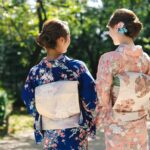
Kimono dressing is an optional extra, not part of the base price. Rental and dressing cost ¥4,000 per person. A take-home kimono plan starts at ¥8,000 per person. If you request rental, you must provide each participant’s gender, height, size, and preferred color in advance; without those details, the request cannot be fulfilled.
The kimono option can add a visual and practical dimension to the session, but it is not essential to learn the ceremony. If your priority is understanding the customs, the basic class should be enough. If you want to wear traditional clothing, arrange it when booking rather than hoping to add it at the venue.
Read the timing and arrival rules carefully
Arrive at the meeting place five minutes before your selected departure time. The schedule is strict: late arrivals may not be admitted and are not eligible for a refund. One class attendee was refused entry after arriving about 15 minutes late, despite having difficulty finding the room. That may feel harsh, but it makes route planning and confirming the room location important parts of the booking.
Do not rely on a taxi driver being able to read an English address. Have the Japanese address or the location link ready, and check that the driver is taking you to the precise building rather than a nearby landmark. If you are using public transport, download or save the directions before leaving.
Photography is not permitted without authorization. Plan to keep your phone away during the ceremony and focus on the instruction. The rules also ask participants to avoid loud noise or behavior that could disturb local residents.
The activity is open to groups of one to 12. The age information says participants must be at least two, while also saying children aged zero to two are free and that infants and children must be included in the passenger count. Because those statements do not line up neatly, confirm the policy with the operator before booking for a child under two.


Who will get the most from this class
I would choose this class if you want more than a quick introduction and are interested in learning the etiquette correctly. It suits curious first-time visitors, students of Japanese culture, and anyone who likes the idea of practicing a tradition rather than only observing one.
It can also work well for families with older children who can sit, listen, and follow a sequence of instructions. A past family enjoyed the lesson with a four-year-old, and the teacher was patient, but the stated minimum age and floor seating make it wise to check your child’s needs first.
This is less suited to someone who wants a loose, chatty tasting or expects to take photos throughout. The class is formal by design, and the venue may change. If you need a guaranteed location, an exact photo policy exception, or an entirely casual pace, those are reasons to compare alternatives.
Past sessions have also served Japanese language students, university groups, and international groups. That range suggests the format can work for different backgrounds, but the group size and instructor for your specific date will shape how personal the session feels.
Should you book it?
Book this class if you want a clear, hands-on lesson in tea ceremony etiquette, with a professional instructor explaining the meaning behind the gestures. The strongest reasons to go are the step-by-step teaching, the chance to prepare and drink matcha, and the possibility of a small group.
Before paying, check the final venue, make sure the time works with your Osaka plans, and budget for the required cash fee. If you are comfortable with a formal lesson and can arrive early, this is a worthwhile way to spend an hour learning a practice that is easy to admire but much more interesting when you understand how to take part.
Authentic Tea Ceremony Experience in a Tea Room (Osaka)
“Exceptional, elegant, respectful, and above all, educational about the country hosting us, thanks to its host.”
FAQ
How long is the tea ceremony experience?
The class is scheduled for one hour. Some sessions may run longer, so leave a little room in your plans.
What is included in the price?
The starting price is from $24.65 and includes an English-speaking staff member and a certified professional instructor. A tea-room usage fee of at least ¥1,000 per person is payable separately in cash.
Where does the class take place?
The Osaka Castle-area package lists Japanese Culture Precious Wood at 2-1-21 Shigiononishi, Joto-ku, Osaka. The venue can change, so check your latest booking message for the confirmed location.
Is kimono rental available?
Yes. Kimono dressing and rental cost ¥4,000 per person, and a take-home plan starts at ¥8,000. You must provide the participant’s gender, height, size, and preferred color in advance.
Can I take photos during the ceremony?
Unauthorized photography is prohibited. Ask the organizer before the class if you have a specific photography request.
What happens if I arrive late?
You must arrive five minutes before your selected start time. Late arrivals may not be allowed to join, and no refund is provided for late arrival or a no-show.