Gion’s maiko culture makes the evening here more than dinner and a show. This six-hour outing links Yasaka Shrine and the streets where apprentice geisha train with a museum visit, then gives you time to speak with a maiko over a seasonal kaiseki meal.
I like the mix of street-level context and a rare cultural encounter: you see Gion with a guide before meeting a maiko in a small-group dinner setting. I also like that the meal is part of the experience, not an afterthought, with Kyoto-style dishes served in a traditional restaurant.
The main consideration is the price: from $201.89 per person, this is a special-occasion outing rather than a low-cost walking tour. It also runs into the evening, and the walking, traffic, weather, or a museum closure can affect the schedule.
- Yasaka Shrine anchors the walk in a place tied to Gion culture and the July Gion Matsuri.
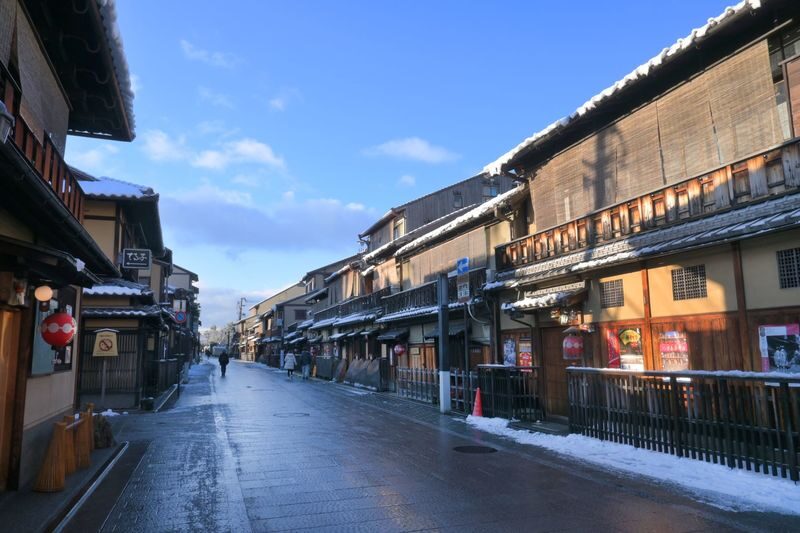
- Gion streets offer a guided introduction to the district where maiko train.
- Gion Hanamachi Arts Museum displays costumes, artifacts, and historical documents about maiko life.
- Kaiseki dinner brings seasonal Kyoto cuisine to the table, with an assortment of distinct flavors and textures.
- Maiko encounter includes conversation, a question-and-answer session, a dance, and a photo opportunity.
- Museum closure plan adds time in Gion and a 1,500-yen cafe voucher.
- A Kyoto afternoon that ends at the dinner table
- Yasaka Shrine gives the walk its cultural anchor
- A guided stroll through Gion, not a promise of a private street
- Costumes and records at the Hanamachi Arts Museum
- Kaiseki dinner is the evening’s main event
- A maiko conversation, dance, and photo
- The price makes sense for a particular kind of evening
- Timing, meeting point, and small practical details
- Who will get the most from this tour
- Should you book it?
- FAQ
- How long does the tour last?
- Where does the tour end?
- What happens if the Gion Hanamachi Arts Museum is closed?
- Is a maiko performance included?
- What is the difference between the regular and private plans?
- Can I request a meal adjustment for allergies or dietary restrictions?
- The Best Of Kyoto!
- More Shows & Entertainment in Kyoto
- More Tours in Kyoto
- More Tour Reviews in Kyoto
- Not for you? Here's more nearby things to do in Kyoto we have reviewed
A Kyoto afternoon that ends at the dinner table
The appeal here is the order of things. You start with shrines and streets, then visit a museum before settling in for a meal and performance. That sequence gives you useful context before the maiko appears, so the evening is not just a photo stop detached from the district that shaped the tradition.
The standard tour begins at 14:30 and finishes around 20:00 in Gion, Higashiyama Ward. It is a guided outing with several short stops and a two-hour dinner. Plan for a long afternoon and evening, not a quick cultural add-on between other plans.
The published starting prices are $201.89 for the regular plan and $996.79 for the private plan. Those prices are starting points, so check the booking details for the date and group you have in mind. The private option is a different kind of experience: it is only for your party, and the guide picks you up from and drops you off at your hotel.
👉 See our pick of the 25 Best Workshops And Classes In Kyoto
Yasaka Shrine gives the walk its cultural anchor
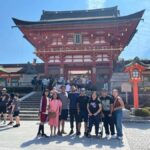
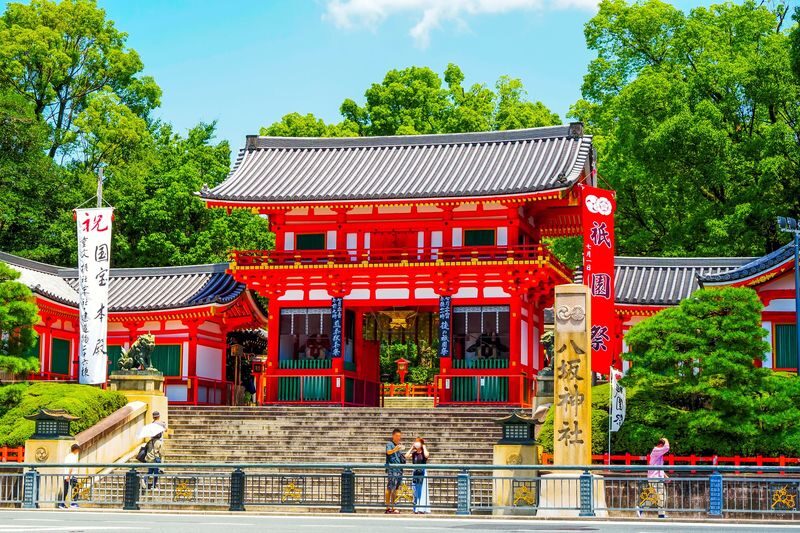
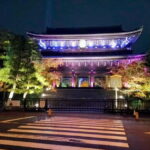
The tour spends about an hour at Yasaka Shrine, one of the most useful places to begin a Gion walk. The shrine is closely linked with maiko and geisha culture and hosts the Gion Matsuri, a major Kyoto festival held in July. That connection helps place the district’s performing arts within the wider religious and seasonal life of the city.
An hour allows for a guided visit rather than a hurried pass through the grounds. Your guide can connect the shrine to the traditions you will encounter later, and you can ask questions as you go. If this is your first time in Kyoto, that interpretation can make the next stretch of streets easier to read.
Keep in mind that this is a walking tour, and the shrine stop is just one part of an afternoon with several locations. Wear comfortable shoes and arrive ready to walk. The exact time at each stop may change if traffic or weather disrupts the schedule.
You can also read our reviews of more tours and experiences in Kyoto


A guided stroll through Gion, not a promise of a private street
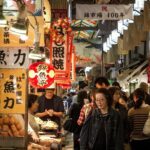
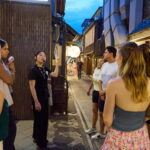
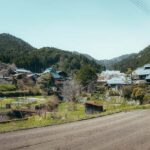
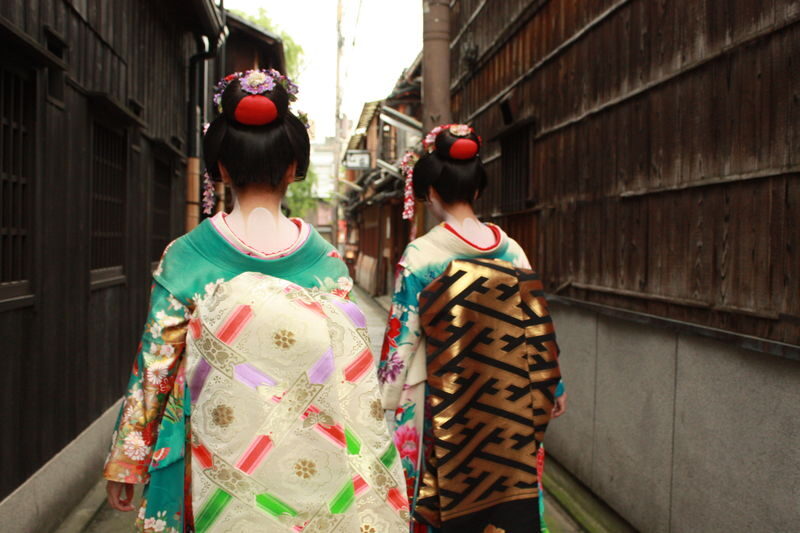
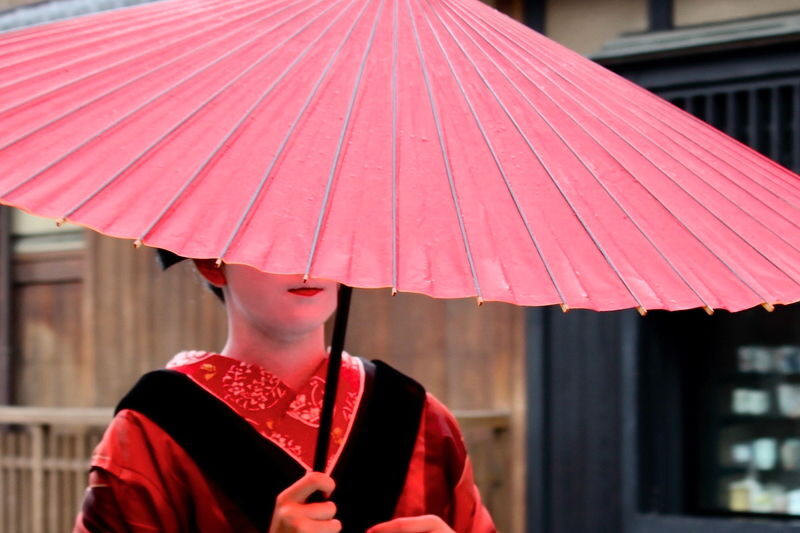
Gion is described as the birthplace of maiko culture, with maiko, or apprentice geisha, trained primarily in the district. The tour allows about 30 minutes to stroll through the area with a guide. That is enough for an introduction and some context, but it is not a long, unhurried neighborhood wander.
I like that a guide is part of this walk. Gion is a working neighborhood as well as a place of cultural interest, and a short guided visit is a sensible way to learn what you are seeing without treating the district as a stage set. Your guide can help explain the place of maiko training and the history behind the area.
The trade-off is time. Thirty minutes will not satisfy anyone hoping to explore every lane at leisure, and the tour’s schedule may shift. If Gion interests you deeply, plan a separate visit on another day rather than expecting this outing to cover the whole district.
Costumes and records at the Hanamachi Arts Museum
The Gion Hanamachi Arts Museum adds a compact indoor stop of about 30 minutes. Its collection includes artifacts, costumes, and historical documents related to maiko. The museum gives you a chance to look beyond the public image of elaborate dress and performance, and to see objects connected to the tradition.
Because this stop is short, think of it as an introduction rather than an exhaustive museum visit. Its value lies in the contrast: first you walk through Gion, then you see some of the material culture and records associated with its arts. That background can make the dinner conversation more meaningful.
There is a clear backup plan if the museum is closed. You spend more time walking in Gion and receive a 1,500-yen drink voucher for use at cafes in Japan. That does not replace a museum visit, but it means the afternoon still has an alternative rather than an unexplained gap. If the museum matters especially to you, be aware that its opening cannot be guaranteed for your tour date.
Kaiseki dinner is the evening’s main event
The final stop is a two-hour seasonal kaiseki dinner at a traditional restaurant with Kyoto-style architecture. Kaiseki is served as a course meal, and the dishes are intended to vary in flavor and texture rather than arrive as one large plate. The meal described on this tour included wild vegetables, seafood, and delicacies made with beans or glutinous rice flour.
That range is part of the point. You are not simply paying for a meal before a performance; the food itself is a substantial part of the Kyoto experience. A past outing featured a full-course dinner in a quaint traditional-looking restaurant around the Pontocho area. The exact restaurant may vary, so do not assume that location is fixed.
If you have allergies or dietary restrictions, tell the operator when you book. This is especially important for a set course meal, where ingredients and preparation may be planned ahead. The supplied details do not promise that every request can be accommodated, so ask clearly rather than waiting until dinner.
A maiko conversation, dance, and photo
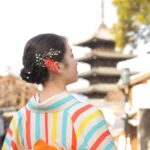
The maiko portion takes place during dinner. The format is more personal than watching a performance from a distant stage: the maiko can talk with the group, take questions, dance to traditional music, and pose for a photo. That combination gives you time to engage with the person behind the performance as well as appreciate the art.
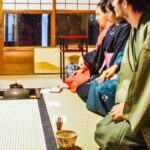
In one outing, the group was just two people, and guide Tomoko-san was able to give them her full attention. The meal ended with a maiko joining the tatami dining room for conversation and a question-and-answer session, followed by a photo and dance accompanied by traditional music. Group size can vary, so do not count on having the same level of one-to-one attention. The regular plan joins other participants; the private plan is reserved for your party.
I would come with a few thoughtful questions in mind. The chance to speak with a maiko is a central part of this experience, and a small-group setting can make that exchange feel less formal. The photo is a keepsake, but it is the conversation and performance that give the meeting its substance.

The price makes sense for a particular kind of evening
At $201.89, the regular plan costs more than a neighborhood walk or a museum ticket. Its value comes from bundling several things that are difficult to arrange as one smooth evening: a guided walk, a museum visit, a seasonal multi-course dinner, and a maiko performance with conversation and a photo opportunity.
I would weigh the price against your priorities. If you want a structured introduction to Gion and a special cultural evening, the cost may feel reasonable, especially because dinner is a major part of the program. If you mainly want to walk the district or see a performance, you may prefer to compare this with other options and pay only for the parts you care about.
The private plan starts at $996.79, a steep step up from the regular option. Its clearest practical difference is privacy and hotel pickup and drop-off. It may suit a group that values a tour among themselves, but it is not automatically better value for a couple or solo traveler.
Timing, meeting point, and small practical details
Arrive promptly at the designated meeting place. The guide carries a sign marked HIS, and the standard outing returns at about 20:00, ending at a restaurant in Gion. The exact meeting address is not included in the information here, so confirm it in your booking details before leaving for the tour.
The schedule may change because of traffic or weather, and visit durations may be shortened. If you miss the departure, there is no refund for a no-show. The voucher is valid only on the date and time specified, and you should keep track of your valuables during the walk.
Confirmation is sent 48 hours before departure. If it does not arrive, contact customer support. Cancellations made at least 24 hours before the activity date, in local destination time, qualify for a full refund. In extreme weather or other unforeseen events, the operator can cancel and offer a reschedule or full refund; a natural disaster such as a typhoon also results in cancellation and a full refund.
Who will get the most from this tour
This outing suits you if you want more than a quick glimpse of Gion and are curious about maiko culture, Kyoto food, and the customs behind a traditional performance. It is especially useful if you prefer a guide to explain the neighborhood and organize the evening, rather than arranging separate stops and a dinner experience yourself.
It is less suited to a tight schedule, a very small budget, or anyone who wants to spend hours wandering at their own pace. The walk is spread across several stops, the museum visit is brief, and the evening is built around a set dinner and performance. You should also be comfortable with a schedule that can shift when weather or traffic intervenes.
Should you book it?
Book this tour if a maiko conversation and performance over seasonal kaiseki sound worth the price to you. Its strongest feature is the combination: shrine, Gion walk, museum, dinner, and a personal cultural encounter in one afternoon and evening.
Skip it if you want only a self-guided stroll or cannot commit to the full six-hour schedule. If you do book, arrive on time, share dietary needs in advance, and treat the private plan as a choice about privacy and hotel transport, not simply an upgrade in quality.
Authentic Kyoto Gion Tour with Traditional Cuisine and Maiko Show
“We had a tiring but wonderful time on this walking tour around the Gion area. There were only the 2 of us in this group (probably because it was a…”
FAQ
How long does the tour last?
The tour starts at 14:30 and is scheduled to end around 20:00. The itinerary includes a two-hour dinner, and the overall schedule may change because of traffic or weather.
Where does the tour end?
The tour ends at the restaurant in Gion, in Kyoto’s Higashiyama Ward.
What happens if the Gion Hanamachi Arts Museum is closed?
The tour spends more time walking in Gion instead. You also receive a 1,500-yen drink voucher for use at cafes in Japan.
Is a maiko performance included?
Yes. The dinner includes a maiko performance, along with time to talk with the maiko, ask questions, and take a photo alongside her.
What is the difference between the regular and private plans?
The regular plan joins other participants. The private plan is only for your group, and the guide picks you up from and drops you off at your hotel.
Can I request a meal adjustment for allergies or dietary restrictions?
You should tell the operator about allergies or dietary restrictions when you book. The supplied information does not guarantee that every request can be accommodated.