Japanese tea ceremony is not just a cup of matcha and a pretty bowl. It is a sequence of deliberate actions, and this one-hour class is designed to teach the formal practice, not offer a quick tourist-style taste. I like that a professional instructor teaches the ceremony, and that English-speaking staff help make the details clear.
I also like the class’s focus on history, etiquette, and the tea-making performance. The main drawback is that the advertised price is only part of the cost: you must pay a tea-room fee of at least ¥1,000 in cash, and your class may move to another Osaka venue.
- What to know before you book
- A one-hour lesson in the formal way of tea
- What happens at CREO OSAKA Central
- Why the lesson’s formal approach matters
- The real cost, including the tea-room fee
- Kimono, clothing, and what to bring
- Timing and booking details that can affect your day
- Who will get the most from this class
- Should you book it?
- FAQ
- Where does the tea ceremony take place?
- How long does the class last?
- Is the class suitable for beginners?
- Is instruction available in English?
- What extra fee must I pay at the venue?
- Can I rent a kimono?
- What should I bring, and can I bring luggage?
- What happens if I arrive late or need to cancel?
- The Best Of Osaka!
- More Tours in Osaka
- More Tour Reviews in Osaka
- Not for you? Here's more nearby things to do in Osaka we have reviewed
What to know before you book
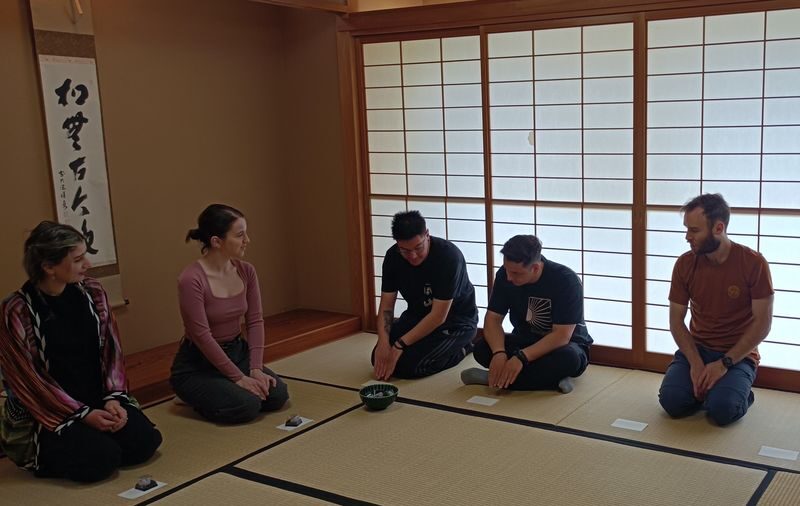
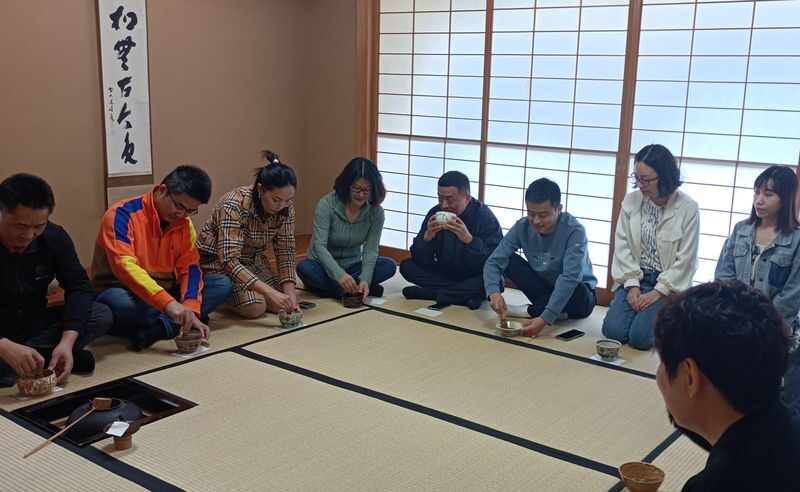
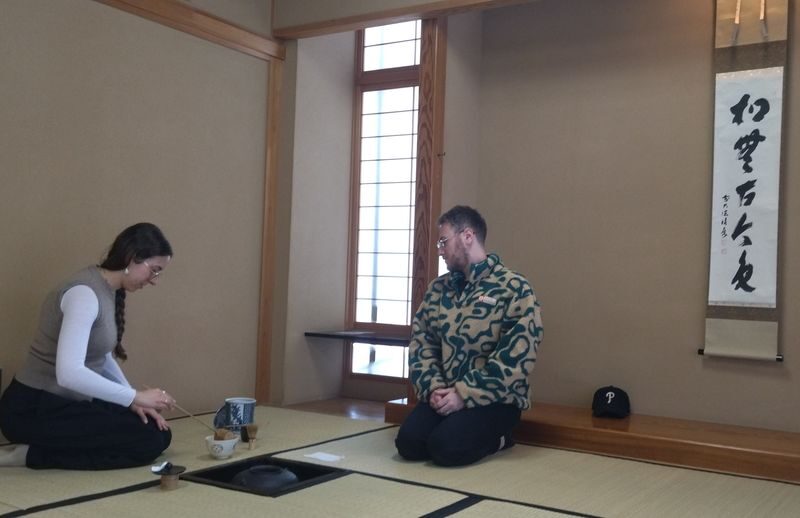
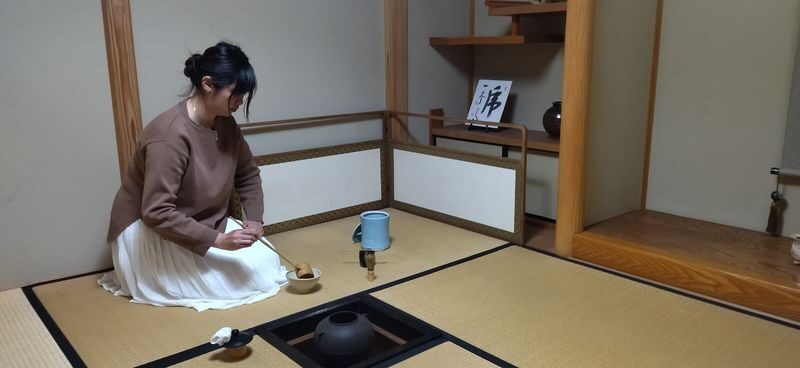
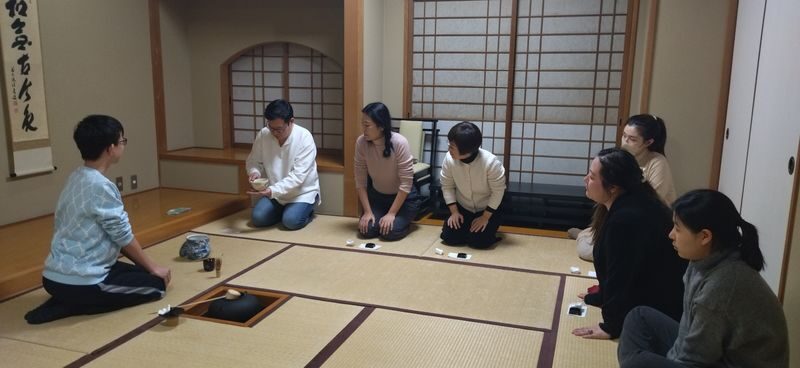
- A formal lesson, not a casual tea tasting: The class is aimed at people who want to learn traditional tea ceremony steps and customs.
- About one hour on site: The short format makes it easy to fit into an Osaka day, but it is an introduction rather than an in-depth course.
- English support is included: You’ll have an English-speaking staff member and a certified professional instructor.
- The meeting venue can change: The class is associated with the Shitennoji classroom, but it may be held at CREO OSAKA Central, Honmachi, or near Osaka Castle.
- Budget for the required room fee: Pay at least ¥1,000 per person in cash at the venue. The amount varies by time of day.
- Kimono rental is optional: Advance arrangements are required, and the rental costs ¥4,000 per person.
👉 See our pick of the 24 Best Workshops And Classes In Osaka
A one-hour lesson in the formal way of tea
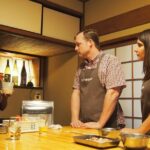
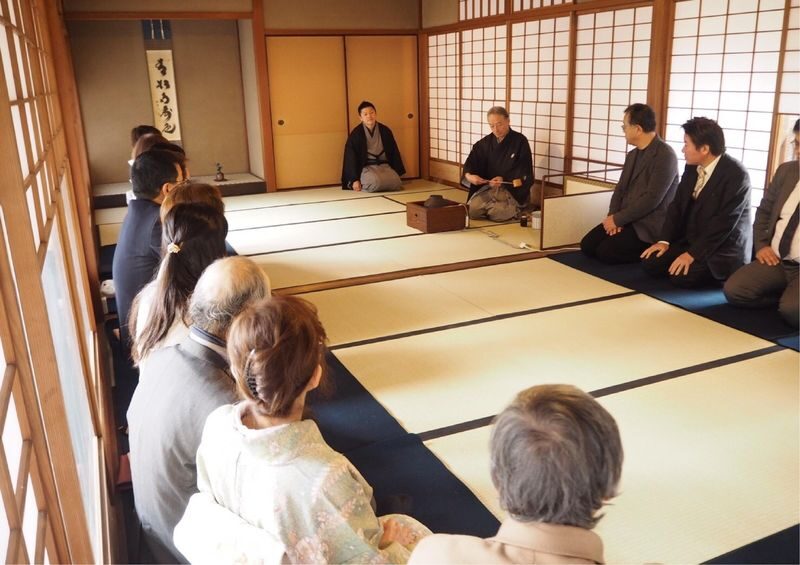
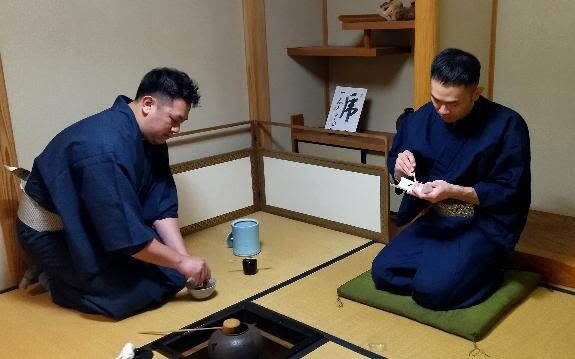
This experience is best understood as a short cultural class. You meet at the selected time, go to the tea room, and take part in an authentic tea ceremony led by a professional instructor. The supplied details do not spell out each movement or the exact order of the lesson, so I would not expect a fixed script beyond the promise of a traditional ceremony and instruction.
The class is described as formal rather than casual. That matters if you want more than a quick photo opportunity or a cup of tea. You should expect to pay attention to the ritual, follow the instructor’s lead, and learn why the movements and manners matter. The short format also means you will get an introduction, not mastery. Think of it as a useful first step if Japanese tea culture has caught your interest.
The strongest point of the experience is its teaching focus. The instructor is described as a professional who teaches tea ceremony every day, and the experience includes a certified instructor. English-speaking staff are included too. One past participant described a teacher with 20 years of experience and strong English, while another praised the instructor’s clear explanations, kindness, and humor. Those qualities can make a formal subject easier to follow without turning it into a light show.
Past participants have especially valued the educational side. They describe learning about the history of tea ceremony, watching a detailed tea performance, and coming away interested in learning more. The tea itself also gets a nod: one person called it lovely to drink. If you are deciding between this class and a more casual activity, the emphasis here is on understanding the ceremony as well as tasting the tea.
You can also read our reviews of more tours and experiences in Osaka.



What happens at CREO OSAKA Central
The stated meeting point is CREO OSAKA Central, also known as the Osaka Municipal Gender Equality Center. Meet on the third floor and arrive five minutes before your selected start time. Available departures are 09:30, 10:30, 13:00, 15:00, 18:00, and 19:30, though the return time depends on your chosen session.
The itinerary lists the class as self-guided for one hour, with departure and return at the venue. In practical terms, this is not a sightseeing tour with transportation or a guide escorting you around Osaka. You make your own way to the meeting point, then take part in the tea ceremony experience there. Transport and a tour guide are not included.
There is one important wrinkle: the experience is marketed as the Shitennoji Temple classroom, but the meeting details name CREO OSAKA Central, and the organizer may direct you to another classroom if the Shitennoji venue is unavailable. The alternatives named are a Honmachi classroom and one near Osaka Castle. Confirm the location in your booking messages before setting out, and check your registered email for any changes to the date or time.
If you are sent to Honmachi, the classroom is described as within walking distance of Honmachi Subway Station. Its listed address is Kyuho Building, 4-2-2 Kitakyutaro-machi, Chuo-ku, Osaka City. The supplied information does not give a precise address for the Osaka Castle classroom, so wait for the organizer’s directions rather than guessing which entrance or building to use.
Venue changes are listed for September 2, 3, 5, 7, 8, 10, 13, 14, 17, 19, 20, 21, and 22, 2026, with further changes to be announced after September 22. If you are booking around those dates, location confirmation deserves extra attention.
Why the lesson’s formal approach matters
Tea ceremony is a cultural practice built around attention, order, and respect. A class that treats it as a sequence to learn can give you a more useful frame than simply watching someone prepare tea. The past descriptions of a detailed performance and explanations of the ceremony’s history suggest that the lesson links what you see with the reasons behind it.
The organizer describes the school as highly regarded in Japan and says its instructors teach in classrooms, schools, companies, hotels, and community settings. It also reports work with international hotels and groups, along with large group bookings and cultural programs. That record may indicate experience teaching a range of audiences, but it does not tell you how many people will be in your particular session. No class size is provided, so ask the organizer if group size is central to your decision.
The experience has a perfect 5.0 rating from four published ratings in the information provided. That is a small sample, so it is encouraging rather than conclusive. What is more useful is the consistency of the comments: the class is described as educational, traditional, detailed, and engaging. The instructor’s English and personal manner also receive specific praise. Those points are worth weighing if you want a lesson you can understand, not just observe.
The real cost, including the tea-room fee
The advertised starting price is US$24.59, but the required tea-room usage fee is separate. You must pay at least ¥1,000 per person in cash at the venue, and rates differ for morning, afternoon, and evening sessions. Check the total before booking and bring enough cash; the room fee is not included in the advertised experience price.
At the base price, the value depends on what you want. If you are curious about Japanese tea ceremony and want a guided introduction in English, an hour with a professional instructor can be a worthwhile use of a small part of your Osaka day. If you are looking for a long workshop, a full cultural itinerary, transport, or a temple visit, this is not that product. The class is short and focused, and you arrange your own travel.
The organizer says the experience price has not been raised, but that does not remove the separate room fee. Compare the full cost, not only the headline rate. Optional kimono dressing costs ¥4,000 per person and requires advance notice. You must provide the participant’s gender, height, size, and preferred color as a reference. A take-home kimono plan is also mentioned, starting at ¥8,000, with possible additional charges.
Kimono, clothing, and what to bring
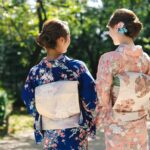
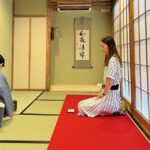
Kimono rental is optional. If wearing one would add to your experience, arrange it in advance and send the requested details. The class cannot fulfill the rental request without them. The information says clothing is otherwise up to you, so there is no stated dress code.
Bring socks and cash for the tea-room fee. The venue does not have a luggage storage facility, and large bags or luggage cannot be stored as part of the tour. Storage areas may be available at the venue for a fee, but you should contact staff on site for rates. The simplest plan is to leave bulky bags at your accommodation or in your vehicle.
Photography without permission is prohibited. Outside food and drinks are not allowed, pets are prohibited, and you are asked to keep noise down and avoid disturbing local residents. These are straightforward rules for a class taking place in a community setting.


Timing and booking details that can affect your day
Choose your start time carefully and be there five minutes early. Late arrivals and no-shows cannot take part and are not refunded, so allow time to find the building and reach the third-floor meeting point. The return time is set according to the departure slot and the one-hour schedule.
Your voucher is valid only for the date and time booked, and you present it on your phone. Changes are allowed up to 24 hours before the activity in eligible bookings, but some booking types cannot be changed. A full refund is available if you cancel at least 24 hours before the activity date, based on local time. If extreme weather or an unforeseen event leads the operator to cancel, you can reschedule or request a full refund.
Children aged 2 and older may participate. Children aged 1 to 2 are free, but infants and children must still be included in the passenger headcount. The stated minimum age to participate is 2.
Who will get the most from this class
I’d choose this class if you want to understand the ceremony’s form and meaning, rather than simply sample matcha. It suits curious first-time learners, people who value instruction in English, and visitors who can spare an hour for a focused cultural activity. The positive comments about detailed teaching and the instructor’s friendly manner are especially relevant if you are unsure whether a formal lesson will feel too stiff.
It may be less suitable if you want a flexible drop-in activity, dislike set etiquette, or need the advertised venue to be guaranteed. The class is presented as authentic and formal, and it can move between classrooms. You will also need to manage your own transport and bring cash for the separate room fee.
Should you book it?
Book if you want a concise, taught introduction to traditional tea ceremony, and you are comfortable with a formal setting, a required cash fee, and a possible venue change. The most persuasive reasons are the professional instruction, English support, and the class’s clear emphasis on history and correct practice.
Skip it if you mainly want a casual tea tasting or a temple tour, or if a fixed location and all-in price are essential to your plans. Before paying, confirm the meeting venue for your date, check the total cost including the tea-room fee, and decide whether kimono rental is worth arranging. Those few checks will tell you whether this focused lesson fits your Osaka day.
Authentic Tea Ceremony at Shitennoji Temple
“very nice tea ceremony and very educational :)”
FAQ
Where does the tea ceremony take place?
The experience is associated with the Shitennoji classroom, and the meeting details name CREO OSAKA Central, the Osaka Municipal Gender Equality Center. If that classroom is unavailable, the class may move to Honmachi or an Osaka Castle area classroom. Check your booking messages for the confirmed venue.
How long does the class last?
The tea ceremony experience lasts about one hour.
Is the class suitable for beginners?
The experience is recommended for people who want to learn authentic tea ceremony, and past participants describe it as educational and informative. No prior experience is specified as a requirement.
Is instruction available in English?
Yes. English-speaking staff and a certified professional instructor are included.
What extra fee must I pay at the venue?
A tea-room usage fee of at least ¥1,000 per person is required. Pay in cash at the venue. The amount varies by morning, afternoon, and evening session.
Can I rent a kimono?
Yes. Kimono dressing and rental costs ¥4,000 per person and requires advance notice. You must provide the participant’s gender, height, size, and preferred color as a reference. A take-home plan is also available from ¥8,000, with possible extra charges.
What should I bring, and can I bring luggage?
Bring socks and cash for the tea-room fee. Large bags and luggage cannot be stored as part of the experience, and the venue has no luggage storage facility. Paid storage areas may be available, so ask staff on site about rates.
What happens if I arrive late or need to cancel?
Late arrivals and no-shows cannot participate and are not refunded. You can receive a full refund if you cancel at least 24 hours before the activity date, based on local time.