A golden ginkgo avenue in Tokyo, red maple corridors by Mount Fuji, and Kyoto temple gardens at their autumn peak give this 14-day trip a clear seasonal appeal. You’ll also ride the Hakone ropeway, take a bullet train to Kyoto, and finish in Osaka after a sweep through Japan’s best-known cultural sights.
I like two things in particular: private guiding and transport take much of the planning work off your plate, and the route pairs famous sights with quieter stops such as Ohara’s moss garden. A kimono fitting and hands-on tea ceremony add a welcome cultural pause between temple visits.
One point to check before booking: despite the tour’s onsen-focused name, the itinerary lists a hot spring visit in Nikko as an option, not a guaranteed daily feature. It also gives mixed signals about meals, so ask UME for a written list of what your price includes.
- At a glance
- Tokyo starts with shrine paths and city spectacle
- Nikko brings shrines, waterfalls and a possible soak
- Mount Fuji and Hakone add the trip’s big views
- Kyoto’s temples pair well with a tea ceremony
- Fushimi Inari and Nara make a full day
- Hiroshima and Miyajima bring history and sea views
- Osaka finishes with market food and a free day
- What the price covers, and what to confirm
- Should you book this Japan tour?
- FAQ
- Where does the tour start and finish?
- Is the tour private and guided in English?
- Are hot springs included?
- Are meals included in the price?
- What is included on the Hakone to Kyoto travel day?
- Is the tour suitable for children or people seeking a low-activity trip?
- Does the tour run only during autumn?
- The Best Of Tokyo!
- More Spa & Hot Springs in Tokyo
- More Tours in Tokyo
- More Tour Reviews in Tokyo
- Not for you? Here's more nearby things to do in Tokyo we have reviewed
At a glance
 1 / 10
 2 / 10
 3 / 10
 4 / 10
 5 / 10
 6 / 10
 7 / 10
 8 / 10
 9 / 10
 10 / 10
- Autumn color is a major theme: The route targets ginkgo and maple displays in Tokyo, around Lake Kawaguchi, and at several Kyoto temples. Foliage timing varies, so the best color is never guaranteed.
- You travel privately: The tour is designed for your party, with an English-speaking guide and private transport. That can make a long, busy itinerary easier to manage.
- The route spans much of Honshu: You start in Tokyo and finish in Osaka, with stops in Nikko, the Fuji area, Hakone, Kyoto, Nara, Hiroshima and Miyajima.
- A Nikko soak is optional: On Day 4, you choose between Lake Chuzenji and one of the area’s hot spring spots.
- There is one unstructured day: Day 13 is free in Osaka, useful for a slower pace or a last round of food and shopping.
- Check meal details: Some meals are described as not included, despite the general package summary mentioning meals.

👉 See our pick of the 25 Best Guided Tours In Tokyo
Tokyo starts with shrine paths and city spectacle
Your driver meets you at Tokyo airport and takes you to your hotel. That private arrival transfer is a practical start after a long flight, especially if you are traveling with family or luggage. The tour begins in Tokyo and ends in Osaka, so book flights with those cities in mind.
Day 2 balances quiet and busy Tokyo. Meiji Shrine sits in a broad forested area beside Harajuku, a welcome contrast to the city streets nearby. The planned visit to the Jingu Gaien ginkgo avenue is a seasonal highlight: its 300-meter row of trees can turn a walk into a bright yellow corridor. The festival brings food stalls and crowds, so expect company at peak color.
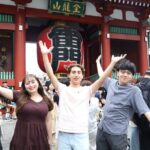
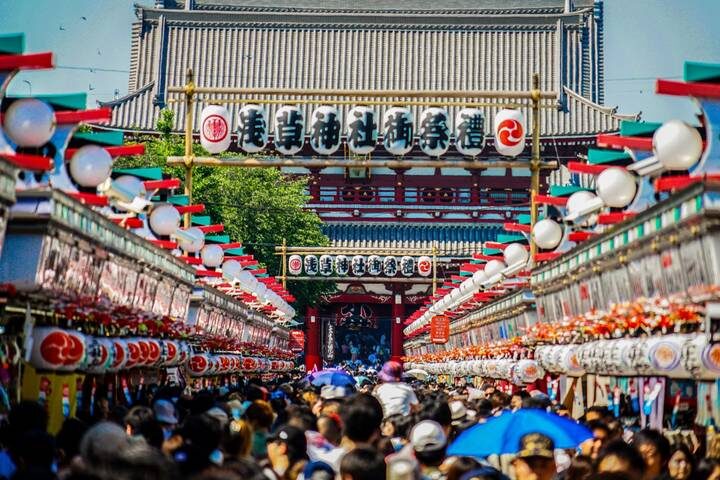
Asakusa’s Sensoji, Tokyo’s oldest temple, adds a different mood and a strong sense of place. You may also visit Rikugien Garden, where autumn leaves frame ponds and teahouses. The day includes a ramen stop, but the meal is described as optional and not included. Ask your guide for a recommendation, then budget separately.
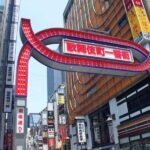
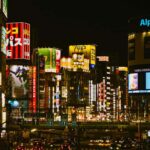
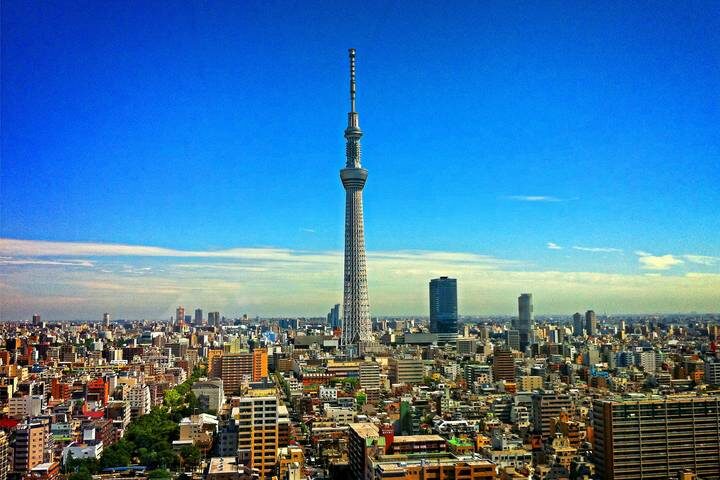
Day 3 moves from Shibuya Crossing to the Imperial Palace Outer Gardens, Tokyo Tower and Akihabara. The crossing is worth seeing, though the spectacle is brief; Tokyo Tower’s 150-meter main deck gives you a broader view of the city. Akihabara is listed as an optional visit, so clarify how much time is planned there if electronics, anime or manga shops are high on your list.
You can also read our reviews of more tours and experiences in Tokyo


Nikko brings shrines, waterfalls and a possible soak
Day 4 takes you to Nikko, where Toshogu Shrine honors Tokugawa Ieyasu, founder of the Tokugawa shogunate. Its historic importance makes it more than a quick photo stop. Rinnoji Temple is also named in the day’s overview, though the detailed included-activities list focuses on Toshogu and Kegon Falls. Confirm which sites your guide plans to cover.
Kegon Falls drops about 100 meters, with the force of water providing a striking change of pace after shrine visits. You can then choose Lake Chuzenji, with views toward Mount Nantai, or a soak in one of Nikko’s hot spring areas. This is the itinerary’s clearest onsen opportunity. If a soak matters more to you than the lake, tell the guide in advance and ask about time, admission and what you should bring.
The tour is rated low intensity, but that does not mean there is no walking. Shrines, gardens and parks involve time on foot, and the schedule changes location often. Comfortable shoes will do more for your enjoyment than an ambitious packing list.
Mount Fuji and Hakone add the trip’s big views
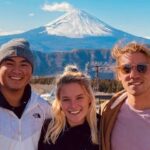
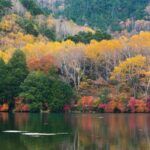
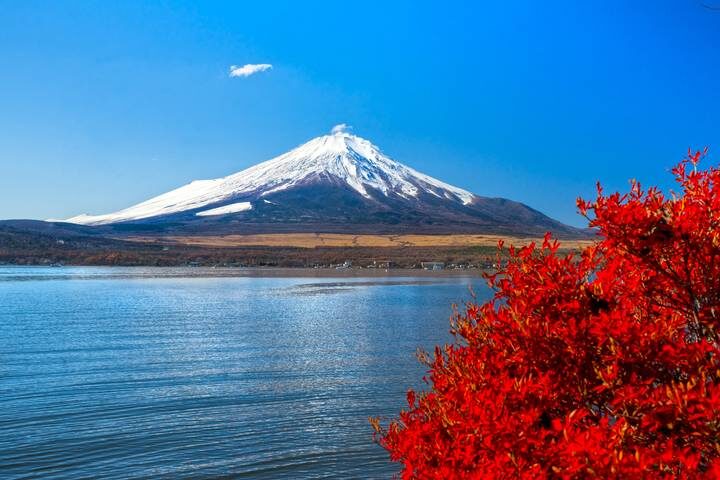
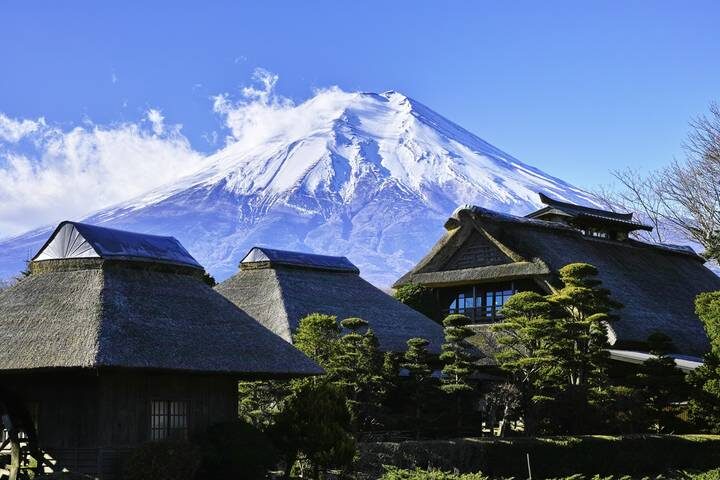
Day 5 centers on Lake Kawaguchi, also called Lake Kawaguchiko, and the Momiji Corridor. About 60 maples line the route, where overlapping branches can form a tunnel of fall color. Arakurayama Sengen Park offers views of Mount Fuji and Fujiyoshida, while West Lake Village gives you a look at traditional thatched-roof cottages.
These are weather-sensitive days. Fuji can disappear behind cloud, and fall colors do not follow a fixed calendar. The tour runs year-round, but the specific autumn displays are seasonal; if foliage is your main reason for booking, ask UME which departure dates they recommend and understand that nature keeps its own schedule.
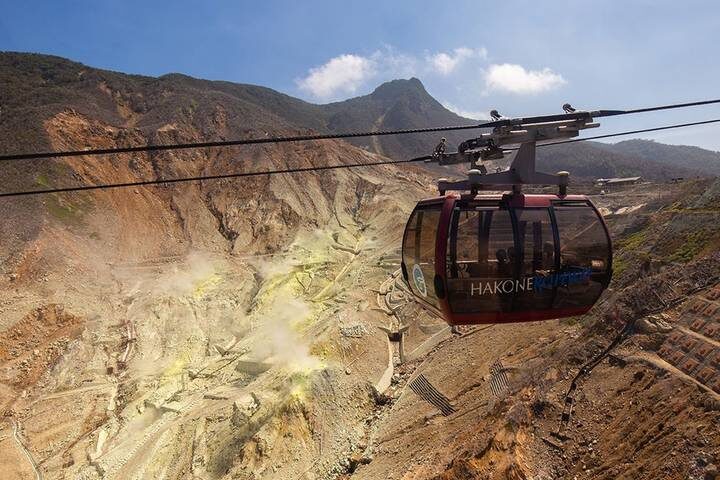
On Day 6, you board the Hakone pirate ship across Lake Ashi, then ride the ropeway to Owakudani. The area’s volcanic steam vents are a reminder that this is an active geothermal zone. You can try the famous black eggs cooked in the area’s sulfuric waters. The Shinkansen ticket from Odawara to Kyoto is included, a useful long-distance transfer that saves you from arranging the rail leg yourself.
After reaching Kyoto, you check into your hotel on your own. That small bit of independence is worth noting: a private guided tour can still include moments when you manage your own check-in or station transition.
Kyoto’s temples pair well with a tea ceremony
Day 7 starts at Higashi Honganji, then shifts west to Arashiyama. Togetsukyo Bridge crosses the Katsura River, and Tenryu-ji, a UNESCO-listed temple, is the district’s central cultural stop. The Sagano Bamboo Forest is striking, but it can be busy, and the walk through it is relatively short. Think of it as one part of the day rather than a secluded forest outing.
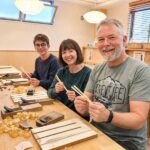
The day’s tea ceremony is a more personal counterpoint to the sightseeing. You wear a kimono, hear about the tools and etiquette, and make matcha with guidance from a tea master. It gives you something to do, not just another site to photograph. If you have mobility, clothing or timing concerns, ask how the fitting is organized before you go.
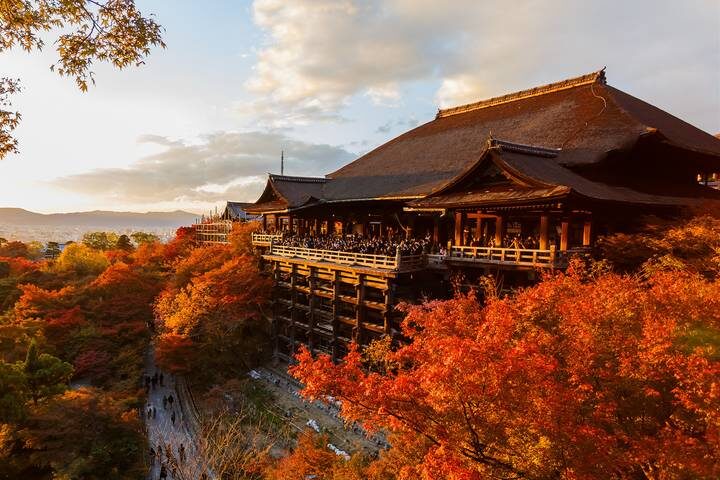
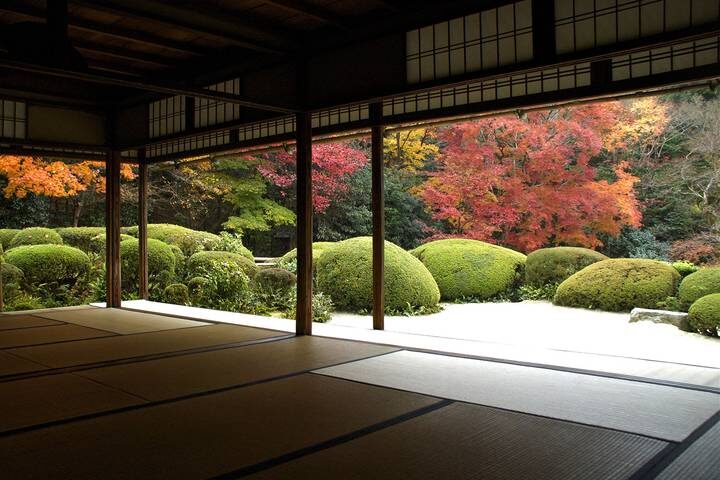
Day 8 moves among Eikando, Kitano Tenmangu and Sanzenin in Ohara. Eikando’s Hojo Pond and Kitano Tenmangu’s maple garden are especially appealing in autumn, with evening illuminations mentioned as a seasonal feature. Sanzenin offers a quieter setting, with moss, walking paths and small stone figures. Ohara is outside central Kyoto, so this day trades a calmer atmosphere for more time on the road.
The itinerary has a full run of temples and shrines. I’d treat the garden visits as chances to slow down, rather than trying to turn every stop into a checklist. The visual details, changing leaves and quiet corners are often what make these places memorable.
Fushimi Inari and Nara make a full day
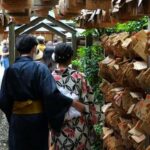
Day 9 combines Fushimi Inari Shrine with Nara. The shrine’s thousands of red torii gates line forest paths up Mount Inari. You can walk a short section or continue farther uphill, depending on your energy and the day’s schedule. Ask your guide how much time is planned before setting off.
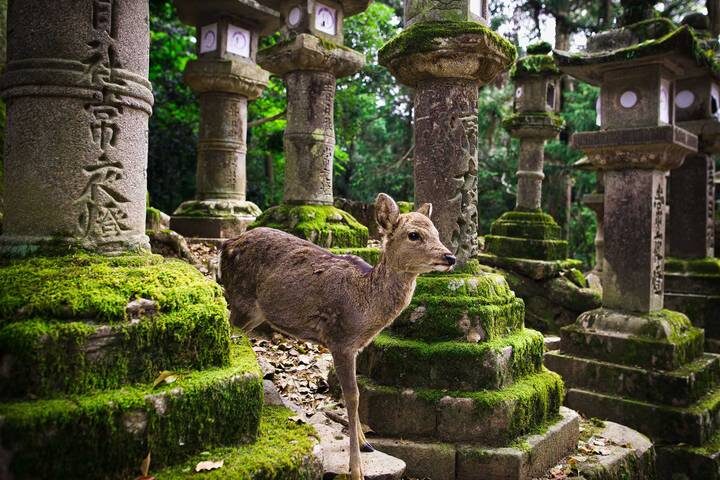
In Nara Park, deer roam freely, and Todaiji houses one of Japan’s most important Buddhist temple complexes. Kasuga Taisha adds another significant shrine, known for its long connection to the city. Deer crackers are sold in the park, but the animals can crowd around food. Keep your hands clear once you have fed them, and do not tease them with a treat.
This is one of the itinerary’s more demanding sightseeing days because it combines several large sites and a transfer from Kyoto. The low-intensity rating refers to the general physical level, not the number of hours spent out and about.


Hiroshima and Miyajima bring history and sea views
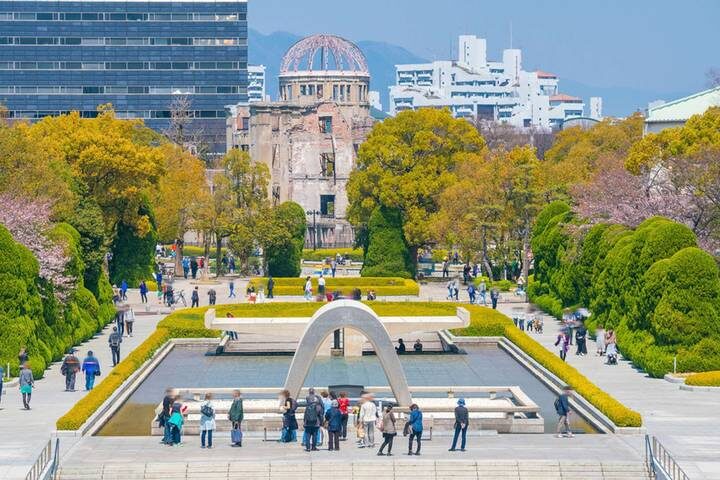
Day 10 takes you by bullet train to Hiroshima, where the Atomic Bomb Dome and Peace Memorial Park frame a sobering visit. The park covers more than 120,000 square meters, with paths and trees around memorials. The Peace Memorial Museum presents photographs, recovered objects and historical material, including Japan’s wartime actions in Asia. Give yourself time here; it is not a stop to rush through for a quick picture.
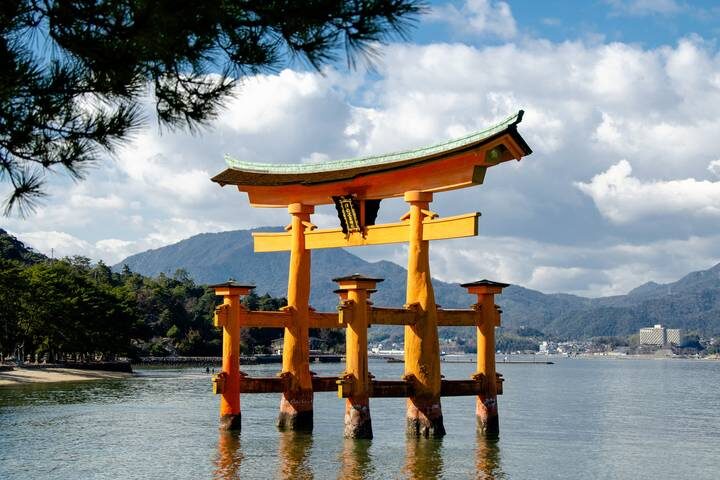
On Day 11, you travel to Miyajima and Itsukushima Shrine. The famous torii gate appears to float above the water at certain tides, so the scene changes with the conditions. The island’s deer are used to people, but do not feed them. Unlike the deer in Nara, feeding is not allowed here.
The itinerary names the shrine and time to explore the island, but does not specify tide timing or how long you will stay. If seeing the gate from a particular angle matters to you, ask UME how the visit is scheduled. The view depends on the water, not just the clock.
Osaka finishes with market food and a free day
Day 12 starts at Kuromon Ichiba, a covered market known for seafood and local goods. It is a good place to see what Osaka eats, though food purchases are at your own expense unless UME confirms otherwise. Osaka Castle and the Osaka Museum of History follow, then the Umeda Sky Building observation deck for city views.
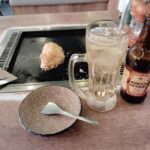
Dinner at Zaou Fishing Restaurant is optional. The setup lets you fish from a boat-shaped seating area, and if you catch a fish, you pay for it. The meal is estimated at 8,000 to 12,000 yen per person, so this is a fun but potentially costly choice, not an included dinner.
Day 13 is free time in Osaka. You can revisit a neighborhood, try another restaurant or rest before departure. The final day includes a private transfer from your hotel to Kansai International Airport, making the end of the trip simpler.
What the price covers, and what to confirm
The starting price is $7,280, based on the cheapest room option. The package description says accommodations, admissions, bullet trains, an expert guide, meals and transport are covered. However, the detailed daily plan marks the Day 2 ramen meal as not included and gives a separate estimate for the optional Zaou dinner. Confirm exactly which meals are covered, along with the room category and any optional admission costs, before paying.
The value comes partly from having private guiding and transport arranged across a complicated route. You avoid planning each intercity transfer yourself, and the included Shinkansen leg from Odawara to Kyoto is a meaningful part of the trip. The private format is especially useful for families or friends who want to move at their own pace within a guided plan. With more people sharing a private tour, the cost may feel more worthwhile, but the actual value depends on your party size and room choice.
UME Travel has operated for more than 20 years and lists a 4.8 operator rating from 224 reviews. One May 2026 family booking described prompt answers before departure, smooth airport and restaurant arrangements, comfortable hotels, and no pressure to shop. That is useful context, but it is one account, not a guarantee. The itinerary itself contains no scheduled shopping stops.
Should you book this Japan tour?
Book it if you want a broad first trip to Japan with private guides, major cultural sights, Mount Fuji scenery and key rail transfers handled for you. It is particularly suited to families and groups who value convenience and do not want to manage every train, hotel transition and sightseeing day themselves.
Pause if your top priority is spending long stretches at hot spring inns. The tour’s name puts onsen relaxation up front, but the detailed plan offers one optional Nikko soak and does not specify onsen hotels. It is also a busy route, with a new destination or major sightseeing day nearly every day. Ask about the onsen schedule, meals, hotel types and seasonal foliage dates before booking. If those answers fit your expectations, this trip offers a practical, wide-ranging introduction to Japan.
14 Days Onsen Relaxation & Autumn Gastronomy in Japan by UME Travel
“When I first found UME Travel, I was drawn to its detailed itinerary. The team contacted me promptly to walk through the trip details and answer my…”
FAQ
Where does the tour start and finish?
It starts in Tokyo and ends in Osaka. A private car transfer is arranged from Tokyo airport to your hotel on arrival and from your Osaka hotel to Kansai International Airport on departure.
Is the tour private and guided in English?
Yes. It is described as a private tour with an English-speaking guide. Day 13 in Osaka is free time for you to arrange independently.
Are hot springs included?
A visit to a Nikko hot spring is an optional choice on Day 4, instead of visiting Lake Chuzenji. The tour information does not promise other onsen visits or specify onsen accommodation.
Are meals included in the price?
The package summary mentions meals, but the daily details say the Day 2 ramen meal is not included and give a separate estimated cost for the optional Zaou dinner. Confirm which meals are covered before booking.
What is included on the Hakone to Kyoto travel day?
The day includes a ride on the Hakone pirate ship, the Hakone Ropeway to Owakudani, and a Shinkansen ticket from Odawara to Kyoto. You check into your Kyoto hotel by yourself.
Is the tour suitable for children or people seeking a low-activity trip?
The tour welcomes all ages and is rated low intensity, with light physical activity expected. The itinerary still includes extensive sightseeing and walking through temples, parks and gardens.
Does the tour run only during autumn?
No. Departures are listed year-round. The route includes autumn foliage sites, but their colors depend on the season and timing.