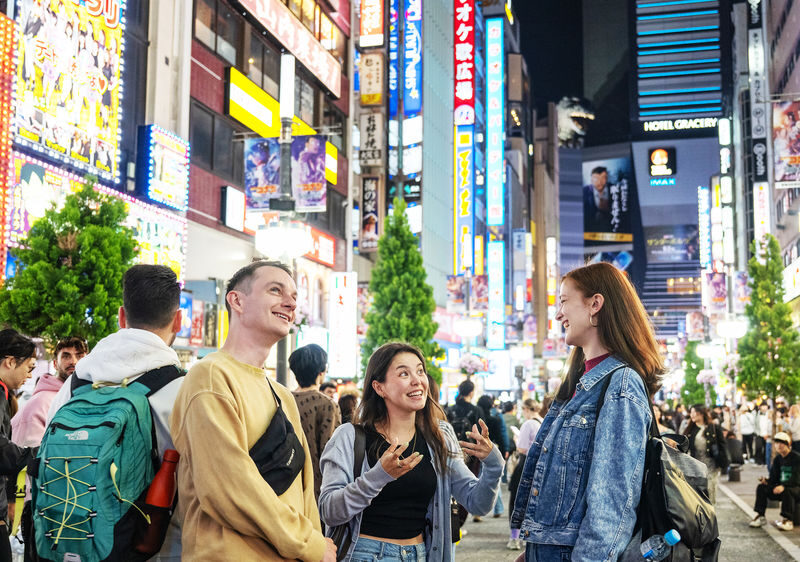
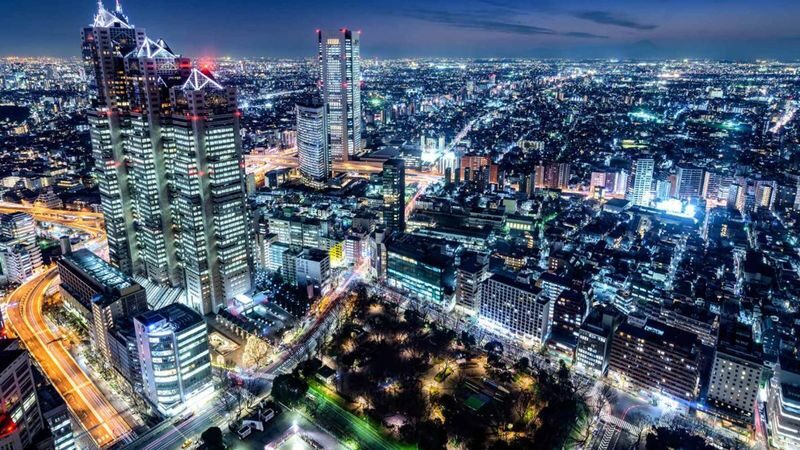
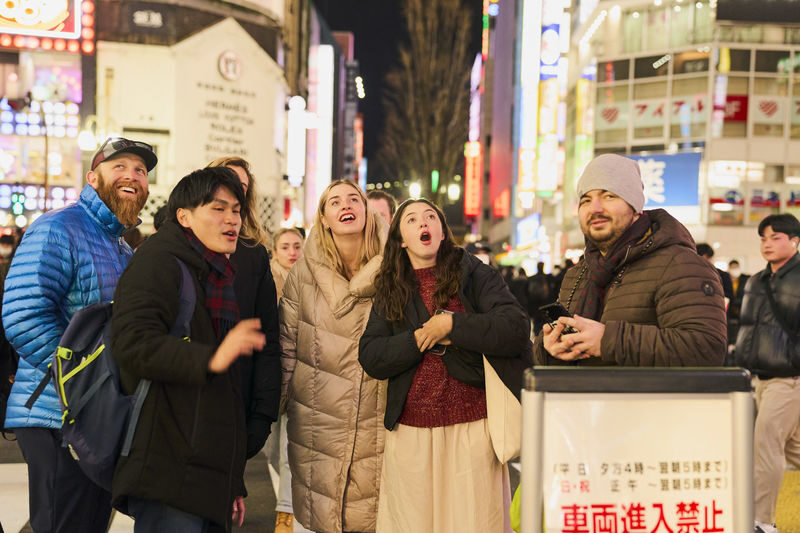
Shinjuku changes character from one block to the next: a shrine sits near neon-lit nightlife, and narrow lanes hold tiny bars beside the great rush of the station. This 90-minute walking tour gives you a local’s route through that contrast, with stops at Omoide Yokocho, Kabukicho, Golden Gai, and Hanazono-jinja.
I like two things in particular: the small-group limit of 10 makes it easier to ask questions, and the guide takes you into lanes that can feel daunting to approach alone. You also get a drink recommended by your guide from a vending machine, a modest perk that fits the neighborhood’s oddball details.
One consideration: this is a short tour with a lot of walking and some stairs, so it offers an introduction rather than a full exploration. The route can also feel quite different in daylight than it does after dark, when Shinjuku’s nightlife is in full view.
- What Makes This Shinjuku Walk Worth Your Time
- Start at Shinjuku Station’s East Exit
- Omoide Yokocho: Shinjuku’s Compact Food Lanes
- Tokyu Kabukicho Tower and the District’s Changing Face
- Golden Gai: Small Bars in a City of Big Numbers
- Hanazono-jinja: A Quieter Pause
- What the Guides Add
- The Vending-Machine Drink and Other Practical Details
- Who Should Book This Walk?
- FAQ
- How long is the Shinjuku walking tour?
- Where is the meeting point?
- What departure times are available?
- What is included in the price?
- Is the tour suitable for children?
- What should I wear or bring?
- The Best Of Tokyo!
- More Walking Tours in Tokyo
- More Tours in Tokyo
- More Tour Reviews in Tokyo
- Not for you? Here's more nearby things to do in Tokyo we have reviewed
What Makes This Shinjuku Walk Worth Your Time
 1 / 9
 2 / 9
 3 / 9
 4 / 9
 5 / 9
 6 / 9
 7 / 9
 8 / 9
 9 / 9
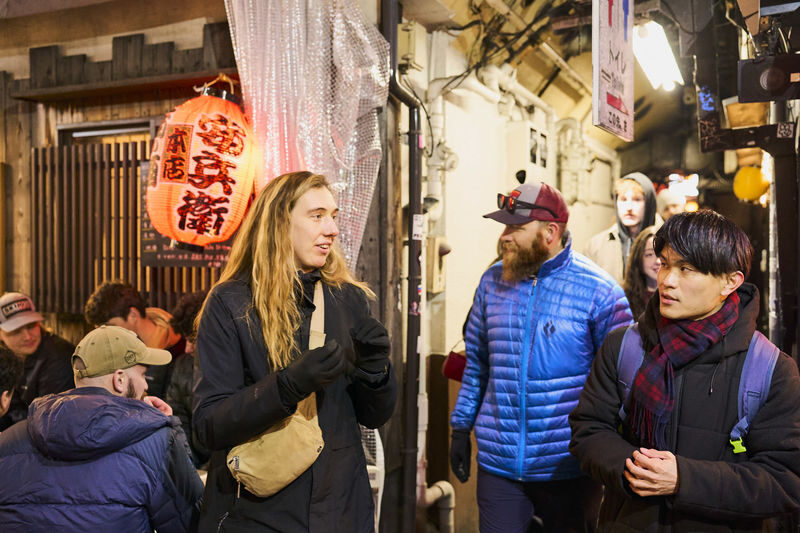
- Omoide Yokocho’s close-set eateries: Start among small restaurants and bars, where a guide can explain the area’s food culture and point out places to consider returning to.
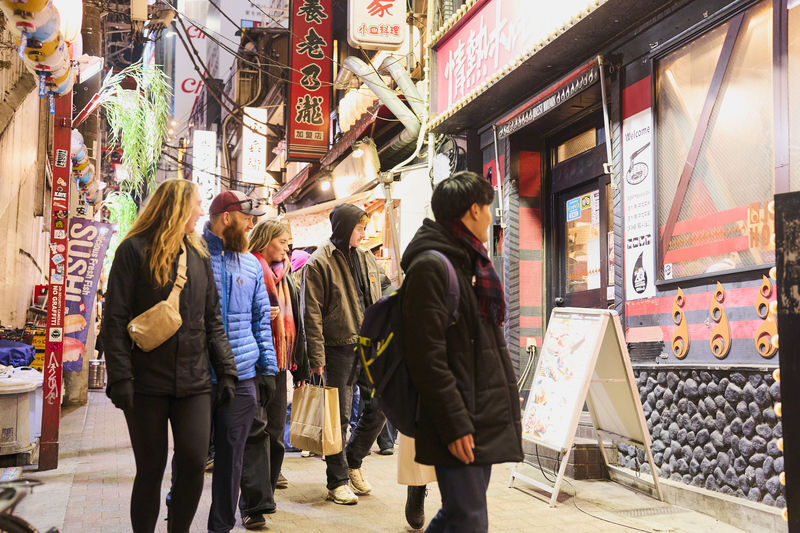
- Kabukicho with context: Learn how the district changed from a former red-light area into a major nightlife center, without having to work out its social codes on your own.
- Golden Gai’s narrow lanes: See the small-scale side of Shinjuku’s bar scene and hear how its compact streets differ from the nearby towers and broad station approaches.
- A pause at Hanazono-jinja: The shrine offers a quieter, more reflective stop amid the surrounding city activity.
- A useful local orientation: Guides including Ren, Taro, Yoda, Mizuho, and Yuki have led walks here, sharing area stories and food suggestions. Your guide will depend on the date and departure time.
- An included vending-machine drink: One guide-recommended drink is included, and the tour highlights machines with slot-machine-style features.

👉 See our pick of the 25 Best Guided Tours In Tokyo
Start at Shinjuku Station’s East Exit
The meeting point is the police box beside Shinjuku Station’s East Exit, at 3 Chome-38-1 Shinjuku. The station is known as the world’s busiest, and the sheer volume of people can make this a confusing place to meet if you are new to Tokyo. Find the East Exit and look for a guide holding a Local Guide Stars sign.
Arrive 15 minutes before departure. That buffer matters here: Shinjuku Station has many exits, and a late start can mean missing part of the route. Departure options are listed at 09:00, 11:00, 13:00, 15:00, 17:00, 19:00, and 21:00. The exact choices can vary by booking, so check the time you selected.
Although this is promoted as a night walk, the available departure times include daylight hours. If you want the neon, crowded lanes, and nighttime shrine atmosphere emphasized in the tour description, an evening departure is the natural choice. A daytime outing gives you a different view of the neighborhood, but won’t deliver the same after-dark mood.
You can also read our reviews of more walking tours in Tokyo


Omoide Yokocho: Shinjuku’s Compact Food Lanes
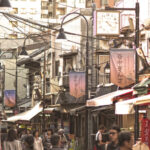
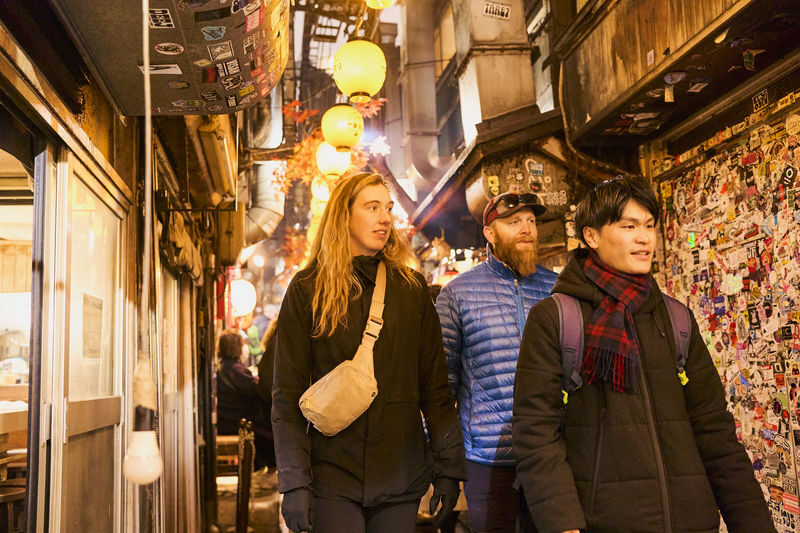
Omoide Yokocho is the first named stop, and it quickly brings the tour down to street level. The area is known for its dense collection of small restaurants and bars. The route highlights a dining area with around 300 places, a striking contrast with the tidy, wide avenues and large buildings elsewhere in Shinjuku.
A guide can help you read the scene and flag places to keep in mind for a meal later. That advice is useful because choosing a restaurant in a crowded nightlife district can feel like a guessing game. The tour does not include a meal, so think of this stop as a preview rather than a food crawl.
The lanes are narrow and can be busy. You will get more from the stop if you are comfortable walking at a group’s pace and paying attention in close quarters. If a particular restaurant catches your eye, ask the guide for a recommendation, then return on your own if time allows.
Tokyu Kabukicho Tower and the District’s Changing Face
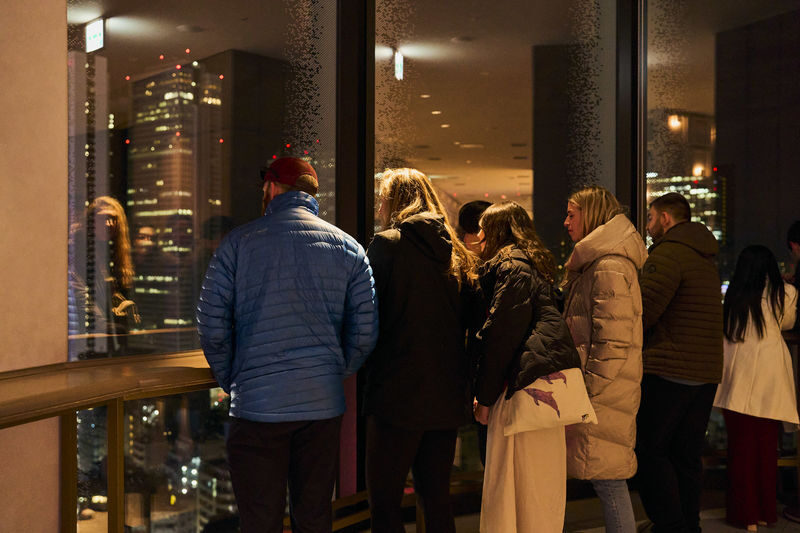
The route continues to Tokyu Kabukicho Tower, a modern landmark on the edge of the district’s older nightlife streets. Its presence helps show how varied Shinjuku is: glass and scale on one side, small back lanes and long-standing local businesses on the other.
Kabukicho is the part of the tour where local context matters most. The district has a history as a former red-light area and has evolved into a major nightlife hub. A guide can explain the changes and the character of the area in plain terms, helping you understand what you are seeing rather than reducing the neighborhood to neon signs.
Some travelers may find parts of Kabukicho intimidating when walking alone, especially at night. A guide offers company and a planned route through the area, which can make it easier to look around and ask questions. That does not mean the tour takes you into every business or answers every question about the district. Its value is a guided overview, with useful pointers for deciding where you want to go next.
The route also calls attention to less polished backstreets, sometimes described as Tokyo’s only slum area. Treat that phrase as a prompt for historical context, not as a label to casually apply to the people who live or work there. The more useful question is how the neighborhood developed and how its different streets function today.
Golden Gai: Small Bars in a City of Big Numbers
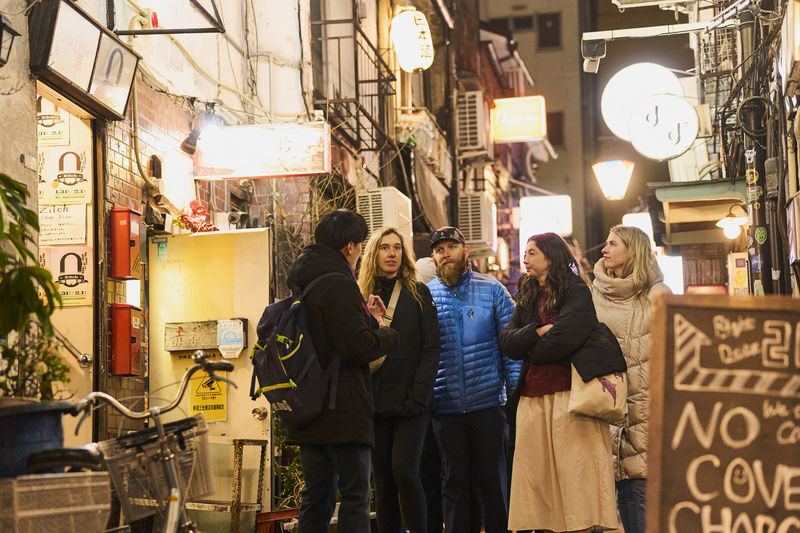
Shinjuku Golden Gai is one of the most distinctive stops. Here, the scale changes again: narrow lanes and small bars replace the tower blocks and station crowds. Even a short walk through the area helps explain why the district is more than a collection of large nightlife venues.
This is a good place to ask about local customs and the difference between looking around and settling in for a drink. The tour is a walk, not a bar-hopping session, and its one included drink comes from a vending machine rather than a Golden Gai bar. If you want to return for a longer evening, ask your guide for suggestions and check any venue’s rules before entering.
The small lanes are part of the appeal, but they can also feel crowded. Keep close to the group and be mindful of people using the streets for their evening out. The guide’s job is to show you the area respectfully, not to turn it into a staged spectacle.
Hanazono-jinja: A Quieter Pause
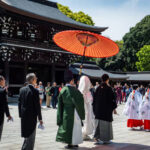
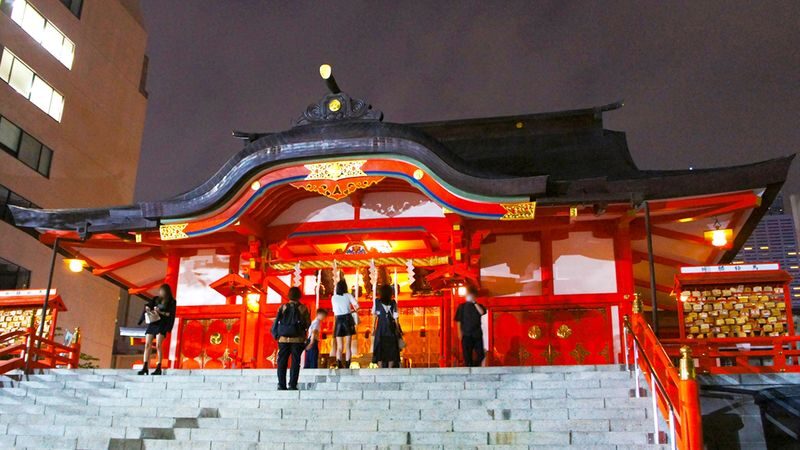
Hanazono-jinja provides a change of pace after the nightlife districts. A shrine visit gives the walk a cultural and spiritual note, and its nighttime atmosphere is one of the tour’s promised contrasts. The stop also helps explain how places of worship fit into the daily fabric of a busy city neighborhood.
This is a chance to slow down, look around, and ask questions about local customs. One useful detail from past walks is that you may have the opportunity to obtain a Shinto goshuin, a shrine stamp for a collection, though it is not listed as a guaranteed inclusion. If collecting goshuin matters to you, ask your guide what is possible on the day.
The schedule may change with weather and local conditions, so the time spent at each place can vary. Keep your expectations flexible, especially if there is an event or a part of the route is closed.
You can also read our reviews of more historical tours in Tokyo

What the Guides Add
The guide is the main reason to book this route rather than simply follow a map. Shinjuku’s highlights are easy to identify, but its back lanes and nightlife have context that is harder to get from a quick walk on your own. The tour gives you a chance to ask how the district works, how it changed, and where to find food or a drink afterward.
Guides named on past tours include Ren, Taro, Yoda, Mizuho, Anthony, and Yuki. They are not assigned to every departure, so do not book expecting a particular person. The useful pattern is that guides have shared restaurant recommendations, explained local history in accessible English, and helped visitors feel more at ease in streets they might otherwise avoid.
The group limit is 10 people, which keeps the walk smaller than a large bus or flag-following tour. It does not guarantee a private outing, but it gives you a better chance to hear the guide and take part in conversation. If your group is small, the experience may feel more personal.
The Vending-Machine Drink and Other Practical Details
One drink recommended by the guide and bought from a vending machine is included. The tour also points out vending machines with slot-machine-style features, an unusual detail that adds a bit of local color. This is a small extra, not a substitute for dinner or a tasting tour.
The listed starting price is $13.29, though the actual price may vary. At that level, the value comes less from the drink than from a local guide, a structured route, and practical advice you can use for the rest of your stay. If you already know Shinjuku well, the route may feel brief. For a first visit, it can save you time and make the district easier to approach.
Wear comfortable walking shoes. The tour includes considerable walking and stairs, and it runs rain or shine, so bring an umbrella or raincoat if the forecast calls for rain. Children aged 12 and older pay the adult rate, and infants and children must be included in the passenger count.
You can cancel for a full refund if you do so at least 24 hours before the activity date, in Tokyo local time. The voucher is valid only for the date and time booked, and you can present it on your phone.
Who Should Book This Walk?
I would choose this tour if Shinjuku is new to you, you want a short introduction before exploring independently, or you would like local guidance through Kabukicho after dark. It is especially useful if you want history and neighborhood character alongside the well-known food lanes and bar streets.
It is less suited to anyone looking for a long food tour, a sit-down history lecture, or a deep exploration of every stop. The 90-minute format covers a good range of places, but it moves on before you can linger. You will need to return later if you want to eat, visit a bar, or spend more time at the shrine.
For a first evening in the area, the walk offers a practical balance: enough structure to get your bearings, with enough free time afterward to follow a recommendation that catches your interest. Book it if you want a local introduction and do not mind a brisk walk. If you already know the neighborhood, save the money for a meal and explore at your own pace.
Tokyo: Shinjuku Historical Walking Tour & Secret Backstreets
“keita was our tour guild and he was very friendly. He explained the history of shinjuku and showed us many interesting locations. We were very impr…”
FAQ
How long is the Shinjuku walking tour?
The tour lasts 1.5 hours.
Where is the meeting point?
Meet in front of the Shinjuku Station East Exit Police Box at 3 Chome-38-1 Shinjuku, Shinjuku City, Tokyo. Look for a guide holding a Local Guide Stars sign.
What departure times are available?
Listed departure times are 09:00, 11:00, 13:00, 15:00, 17:00, 19:00, and 21:00. Options can vary depending on the booking.
What is included in the price?
The tour includes an English- or Japanese-speaking guide, English-speaking staff, and one guide-recommended drink from a vending machine.
Is the tour suitable for children?
Children aged 12 and older are charged the adult rate. Infants and children must be included in the passenger headcount.
What should I wear or bring?
Wear comfortable walking shoes. The route involves considerable walking and stairs, and the tour runs in rain, so bring an umbrella or raincoat if needed.