Tokyo National Museum brings Japan’s art and history into view through objects you can see up close: samurai armor, old Buddhist sculpture, kimonos and woodblock prints. Its collection spans several buildings, so this is less a quick gallery stop than a small museum day tucked into Ueno Park.
I like two things in particular: the range of Japanese objects, which helps connect art with daily life and belief, and the frequent exhibition changes, which mean the regular collection is not a fixed display. The price, from $6.35, is also modest for a major museum visit.
The main drawback is scale. Two to three hours is a useful starting point, but you may need longer if you want to see several buildings, pause in the garden and read the displays. Check the current gallery schedule before going, since some rooms close for maintenance and special exhibitions require an extra ticket.
- At a glance
- What you get for the admission price
- Start in the Honkan, then choose your pace
- See more than one building, but do not race
- Buddhist art, swords and the details between them
- Make time for the garden and the buildings
- Plan a visit around Ueno Park
- Is two to three hours enough?
- Should you book the Tokyo National Museum?
- FAQ
- How long should I allow for the Tokyo National Museum?
- What does the admission ticket include?
- How much does admission cost?
- Is the museum open every day?
- What are the opening hours?
- How do I get to the museum by train?
- Is parking available at the museum?
- Are children admitted free?
- Is the museum garden included in the visit?
- Can I use a mobile voucher?
- The Best Of Tokyo!
- More Museum Experiences in Tokyo
- More Tours in Tokyo
- More Tour Reviews in Tokyo
- Not for you? Here's more nearby things to do in Tokyo we have reviewed
At a glance
 1 / 9
 2 / 9
 3 / 9
 4 / 9
 5 / 9
 6 / 9
 7 / 9
 8 / 9
 9 / 9
- A vast collection in several buildings: Around 120,000 artifacts belong to the museum, with more than 3,000 objects on display at a time.
- Japan’s oldest national museum: Founded in 1872, it offers a broad introduction to Japanese art and material culture.
- Regular displays change often: The collection exhibition changes about 370 times a year, so particular objects may not be on view every time.
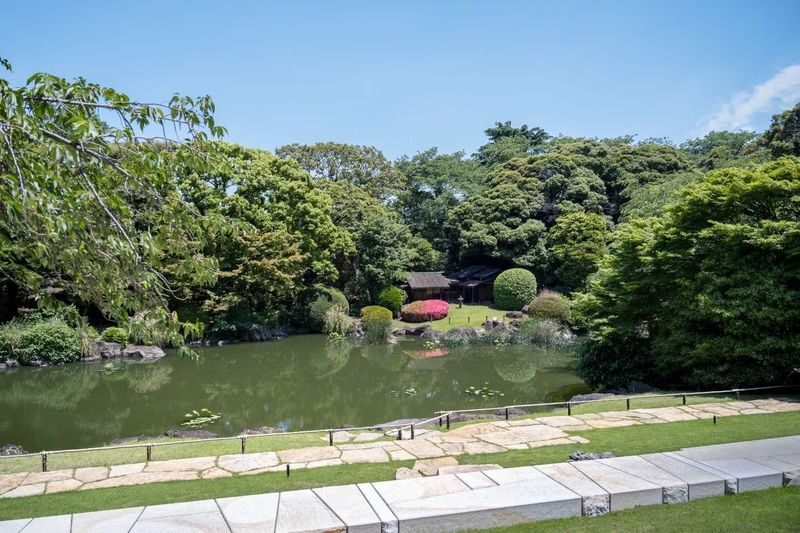
- A separate garden break: The museum garden has year-round greenery and traditional teahouses.
- A low entry price, with an important catch: The standard admission covers the regular collection, not special exhibitions.
- A convenient Ueno Park stop: Walk from Ueno or Uguisudani stations, and combine the museum with time in the surrounding park.

👉 See our pick of the 25 Best Guided Tours In Tokyo
What you get for the admission price
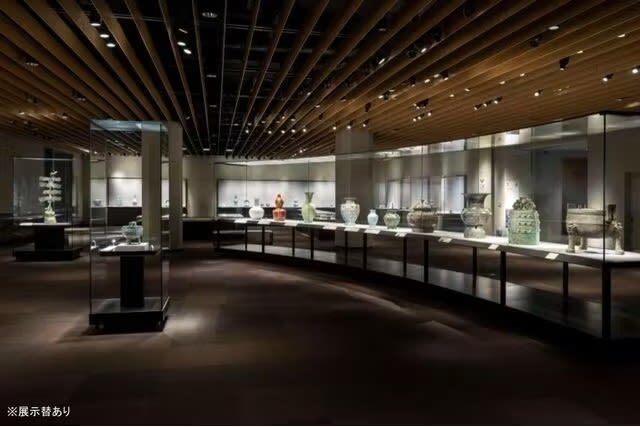
The Tokyo National Museum’s scale can be hard to judge from the entrance. The collection holds about 120,000 objects, and more than 3,000 are displayed at any one time across multiple buildings. That is enough to fill a short visit with striking pieces, but also enough to make a single afternoon feel selective.
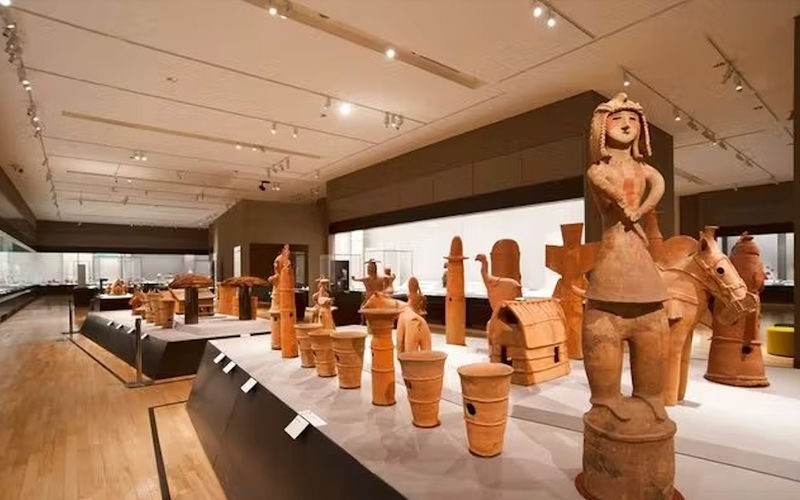
Admission starts at $6.35 for the regular collection. At that price, you are paying for a substantial museum visit, not just a handful of showpiece objects. You can move between displays of Japanese art and artifacts, including samurai swords and armor, kimonos, woodblock prints and Buddhist art. The museum also holds objects from other parts of Asia and beyond, so the visit is not limited to Japan.
The ticket does not automatically include special exhibitions. If a temporary show is part of your plan, check its admission terms and budget for a separate ticket. On the other hand, anyone with a special exhibition ticket can also see the regular collection on the same day, so you do not need to buy both.
One detail worth knowing before you pay: high school students and younger visitors, people under 18 and people over 70 are admitted free, with proof of age required. One person with a disability and one caregiver are also admitted free with suitable documentation. Children aged zero to 17 are listed as free, so families should confirm the applicable age and proof requirements when arranging admission.
You can also read our reviews of more museum experiences in Tokyo



Start in the Honkan, then choose your pace
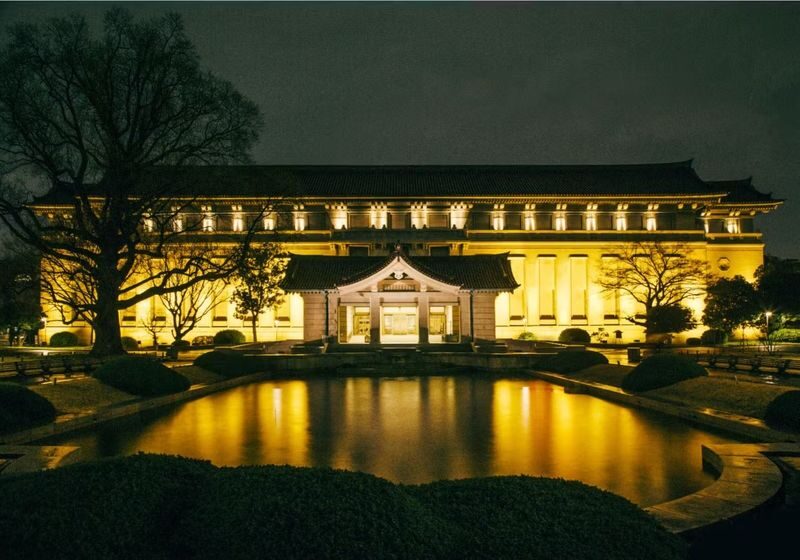
A sensible first stop is the Honkan, or Japanese Gallery. It gives you a direct route into the museum’s core subject: Japanese art and objects from different periods. You might see swords, armor, textiles, prints and Buddhist works, though the precise selection changes as exhibitions rotate.
That rotation is one of the museum’s strengths. The regular collection changes about 370 times a year, with objects coming in and out of display throughout the year. It keeps the galleries fresh, but it also means you should not count on seeing one specific work. The Great Wave off Kanagawa, for example, is not always on view. If there is a particular object you hope to see, check the museum’s current exhibition information before setting out.
I would resist the urge to treat every room as a box to tick. Pick the subjects that matter most to you, then allow time to look closely. There is plenty to read, and English explanations are available for many displays. The amount of text can be a plus if you want context, but it can slow you down if you try to read every label.
Plan to sit down now and then. The galleries are spacious, and resting seats and food areas give you a chance to take a break before moving on. This matters more than it may sound: the buildings are spread out, and your feet can tire before your interest does.
See more than one building, but do not race
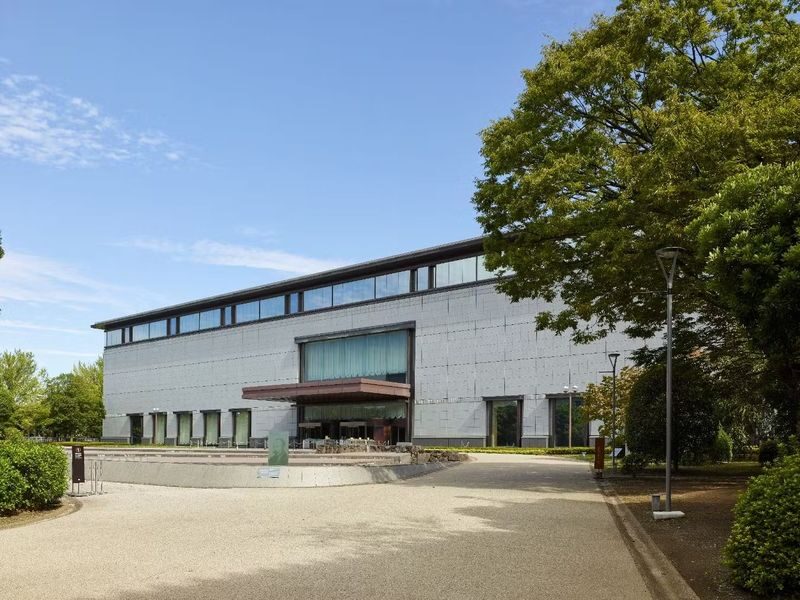
The museum’s exhibitions are distributed across multiple buildings. The Honkan focuses on Japanese art, while the Heiseikan includes an archaeology gallery. Other galleries bring in objects from across Asia and other regions. This wider scope can be a welcome surprise if you want to compare traditions, though it may compete with a visit focused strictly on Japanese works.
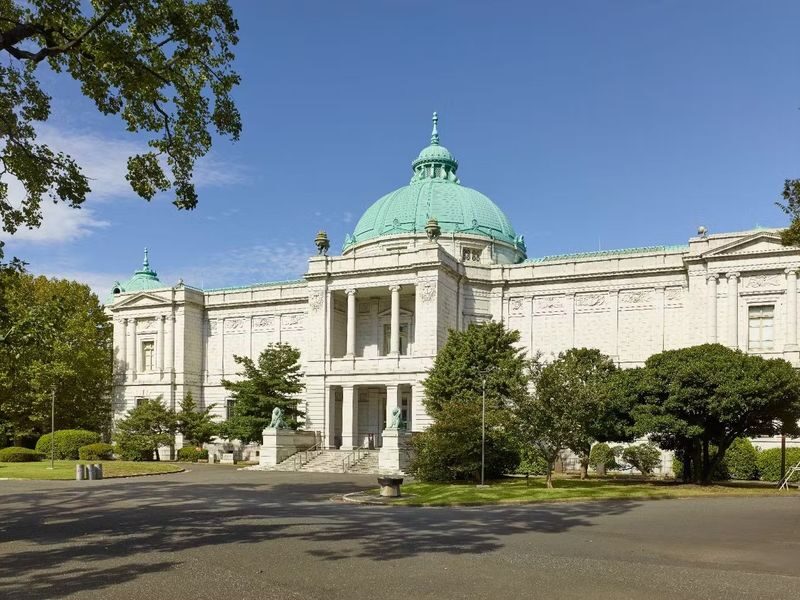
There is no single route that makes sense for everyone. If Japanese art is your priority, start with the Honkan and add other galleries if your time and energy allow. If archaeology interests you, check whether the Heiseikan gallery is open. Temporary maintenance closures can affect particular rooms, and the Hyokeikan is open only during special exhibitions or events.
Walking through several buildings takes time. A focused two-hour visit may let you explore a couple of them, while a more thorough circuit can take much of the day. The suggested two-to-three-hour duration is a reasonable planning window, but think of it as a starting point rather than a promise that you will see everything.
The variety also gives you room to adapt. If one gallery is not holding your attention, move on instead of forcing yourself through every case. The museum is large enough to reward a selective visit, and the quiet, roomy galleries make it easier to take a pause without feeling hurried.
Buddhist art, swords and the details between them
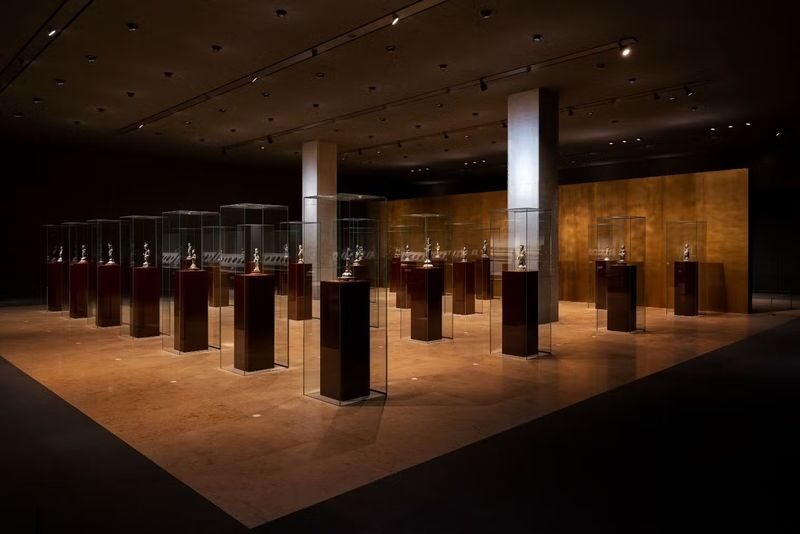
The museum’s Buddhist works make a good counterpoint to its better-known samurai and print displays. The collection includes the oldest collection of Japanese Buddhist art in existence, giving you a chance to see how religious practice and artistic craft meet in objects made for worship and reflection.
The swords and armor offer a different kind of close-up. Some swords on display are several centuries old, and their condition can make their age feel startlingly immediate. Rather than viewing them only as weapons, look at the workmanship and surface detail. The museum’s broader collection helps place those objects among clothing, images and other evidence of how people lived and expressed status.
Kimonos and woodblock prints add another layer. They bring color and pattern into a visit that might otherwise be dominated by ceramics, metalwork or sculpture. Together, these varied objects show how much history can be carried by things made for use, display or ritual.
The displays are restrained rather than theatrical. If you expect a dramatic retelling of every era, you may find the presentation measured. Its strength is the opportunity to look at the objects and their cultural setting, rather than to move through a highly staged narrative. The museum presents cultural history, but it is not a complete account of every political chapter in modern Japan.
Make time for the garden and the buildings
The museum garden is more than a route between galleries. It offers year-round greenery and traditional teahouses, making it a useful place to rest after hours indoors. If weather and the garden’s access allow, build in a short pause rather than saving it for the final minutes.
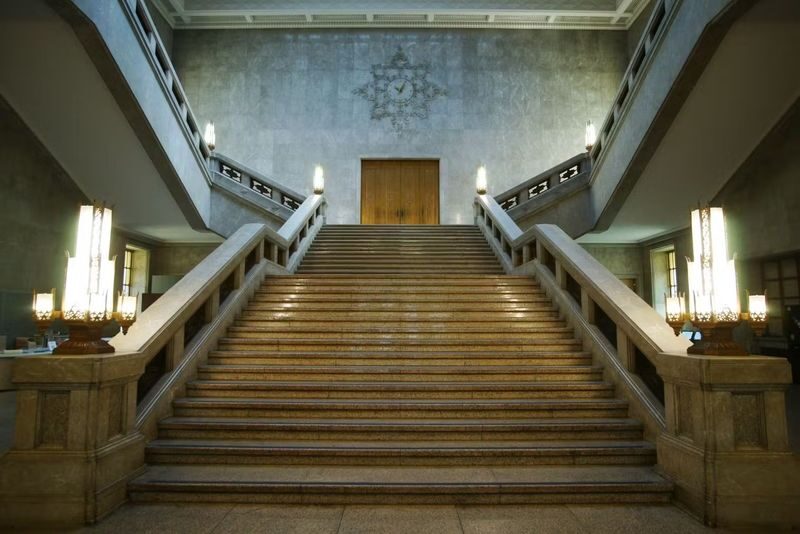
The buildings themselves are part of the visit. The main Japanese Gallery is a memorable setting, and it has appeared as a filming location. Even if you do not recognize it from a television series, take a moment to notice the architecture and the transition from its exterior to the galleries.
The garden and buildings also help break up the museum’s scale. You can spend a long stretch indoors looking at objects, then step outside and reset before choosing whether to continue. Just remember that an outdoor stop is weather-dependent, and maintenance or event schedules can affect which spaces are open.





Plan a visit around Ueno Park
The address is 13-9 Uenokoen, Taito City, Tokyo 110-8712. The museum sits in Ueno Park, an area with other cultural attractions and room to make a full day of your visit. If another nearby museum is closed or not quite right for your plans, the National Museum can still make a worthwhile stop on its own.
From JR Ueno Station’s Park Exit or Uguisudani Station’s South Exit, the walk is about 10 minutes. From Tokyo Metro Ueno Station, Nezu Station or Keisei Ueno Station, allow about 15 minutes. There is no museum parking, so use public transport or nearby paid lots rather than expecting to park at the entrance.
Typical hours are 9:30 a.m. to 5 p.m. Sunday through Thursday, and until 8 p.m. Friday and Saturday. Last entry is 30 minutes before closing. The museum is generally closed on Mondays; if Monday is a national holiday, it opens that day and closes on the following weekday. Temporary changes are possible, so check the calendar before you go, especially around holidays and maintenance periods.
A mobile voucher is accepted for entry. An advance e-ticket can save time, but allow for the possibility that you may need to exchange or present the voucher at an entry counter. The standard ticket is valid for 60 days from booking confirmation, but it is nonrefundable, so check your dates and the museum schedule before purchasing.
Is two to three hours enough?
For a first look, yes. Two to three hours gives you time to explore selected galleries and see some of the collection’s range. It is not enough to read every display across every building, and you may need a full day if you want to take a slower pace, visit several pavilions and include the garden.
A practical plan is to choose a priority before arrival. You might focus on Japanese art in the Honkan, add the archaeology gallery if it is open, or spend more time with Buddhist works and Asian collections. Keep your plan loose enough to follow an object or gallery that catches your attention.
Families can make a good visit here, especially if children have an interest in art, history or swords. English explanations are available, and Korean explanations are noted in some areas. Still, the quantity of reading and the walking can be a lot for younger children, so a shorter visit with breaks may work better than trying to cover the whole museum.
Should you book the Tokyo National Museum?
I would book if you want a substantial introduction to Japanese art and culture at a modest price, or if you are already spending time in Ueno Park. The range of objects, changing displays and peaceful gallery spaces make the museum a strong choice for a half-day, particularly if you like to look closely rather than rush from landmark to landmark.
Think twice if you have only a short window and expect to see a specific artwork without checking whether it is displayed. Also plan for the extra cost if a special exhibition is your main reason for going. The best approach is to choose a few priorities, check current closures and give yourself enough time to sit down between galleries.
Tokyo National Museum
“There are so much to see in this museum. It's so big and well maintained. Good experience”
FAQ
How long should I allow for the Tokyo National Museum?
Plan on two to three hours for a focused visit. The museum is large, and seeing several buildings at a slower pace can take much longer.
What does the admission ticket include?
The standard admission ticket covers the regular collection. A separate ticket is required for special exhibitions.
How much does admission cost?
The listed starting price is $6.35. The actual amount may vary, so check the price when booking.
Is the museum open every day?
No. It is generally closed on Mondays. If Monday is a national holiday, it opens that day and closes on the following weekday. Temporary opening and closure changes may also occur.
What are the opening hours?
The listed hours are 9:30 a.m. to 5 p.m. Sunday through Thursday and 9:30 a.m. to 8 p.m. Friday and Saturday. Last admission is 30 minutes before closing.
How do I get to the museum by train?
It is about a 10-minute walk from JR Ueno Station’s Park Exit or Uguisudani Station’s South Exit. It is about a 15-minute walk from Tokyo Metro Ueno Station, Nezu Station or Keisei Ueno Station.
Is parking available at the museum?
No. The museum has no parking, so use public transport or a parking lot near the station.
Are children admitted free?
Children and young people under 18, including high school students and younger, are admitted free. Proof of age may be required.
Is the museum garden included in the visit?
The museum garden is part of the site and features greenery throughout the year and traditional teahouses. Check current access information before your visit.
Can I use a mobile voucher?
Yes. Present your mobile voucher for entry. Allow for the possibility that you may need to exchange or present it at a counter.