Tokyo National Museum is a place where a single morning can take you from Buddhist sculpture to samurai armor, Japanese prints, and Chinese ceramics. This three-hour guided experience adds a Chinese-speaking lecturer’s explanations to a collection spanning Japanese and Asian art, with notable works including Gandharan Buddha statues and Ming Dynasty porcelain.
I like two things here: the lecturer’s commentary is described as lively and humorous as well as detailed, and the selected works offer a useful way to see how art and ideas moved across East Asia. The three-hour format also gives you a clear cultural focus without taking up a full day.
The main catch is easy to miss: museum admission is not included in the tour price, and special exhibitions may need a separate ticket. The museum visit is also described as self-guided in the schedule, so confirm how the lecturer-led commentary and gallery time will work for your chosen session.
- A focused look at East Asian exchange: Hear about Buddhist art, calligraphy, porcelain, and cultural links between China and Japan.
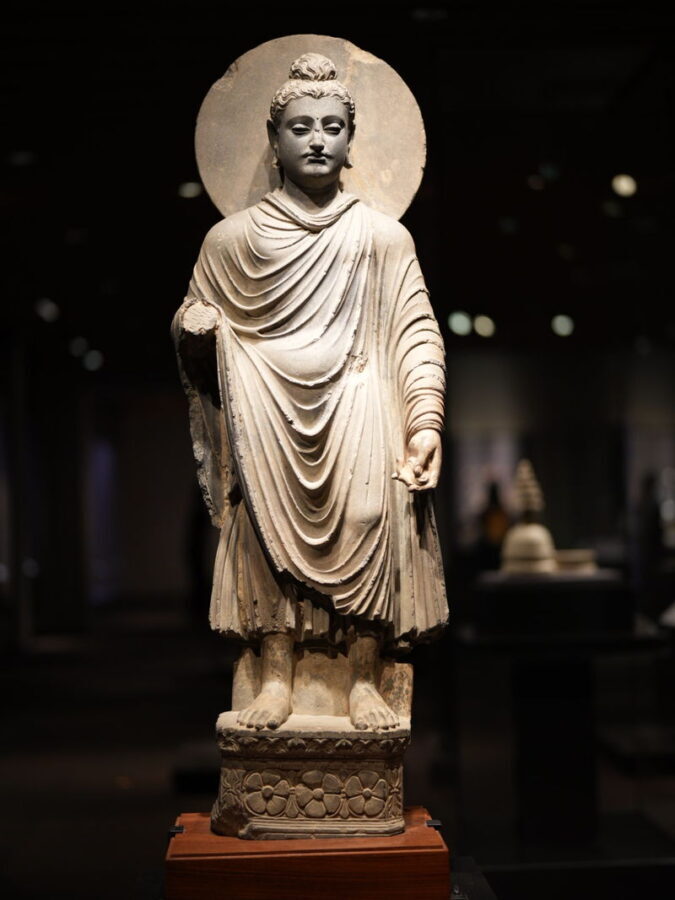
- Specific works to look for: The featured highlights include a Song version of the Tripitaka, Yan Zhenqing’s calligraphy, Ming Dynasty porcelain, and Gandharan Buddhas.
- A Chinese-speaking lecturer: Commentary is provided in Chinese, with an interpreter also described as explaining the visit.
- A morning visit in Ueno Park: The session runs from 10:00 to 13:00, with departure scheduled at 09:50.
- Ticket costs are separate: The advertised starting price is US$59.39, but it does not cover museum admission.
- Practical museum details: Wear comfortable shoes, bring a light jacket for the air-conditioned galleries, and leave large bags in the coin-operated lockers.
- Why spend a morning at Tokyo National Museum
- The 09:50 start and a three-hour plan
- What the featured objects can help you see
- How the lecturer changes the museum visit
- The admission fee changes the real price
- Getting ready for the galleries
- Who should book this experience
- Booking details worth checking
- Should you book the Tokyo National Museum lecture?
- FAQ
- Is museum admission included in the tour price?
- How long does the experience last?
- What language is the guide service in?
- Where does the group finish?
- Is there a minimum group size?
- Can children take part?
- The Best Of Tokyo!
- More Museum Experiences in Tokyo
- More Tours in Tokyo
- More Tour Reviews in Tokyo
- Not for you? Here's more nearby things to do in Tokyo we have reviewed
Why spend a morning at Tokyo National Museum
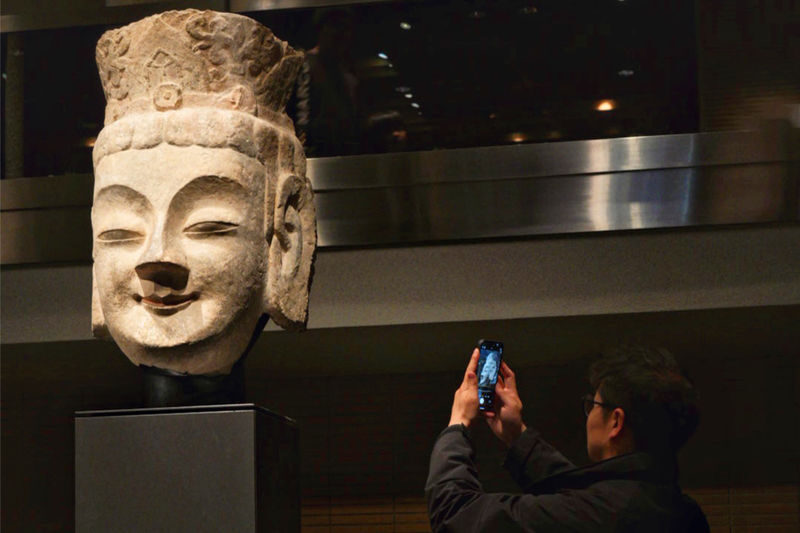
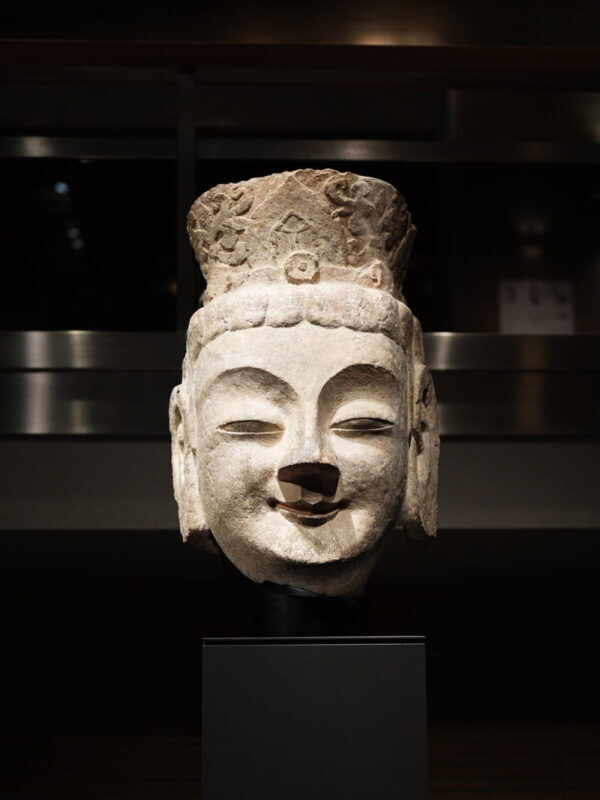
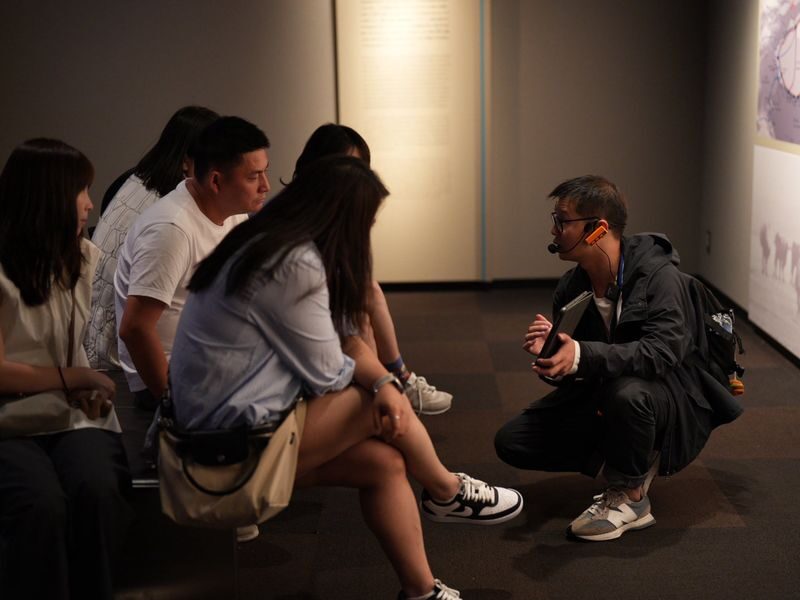
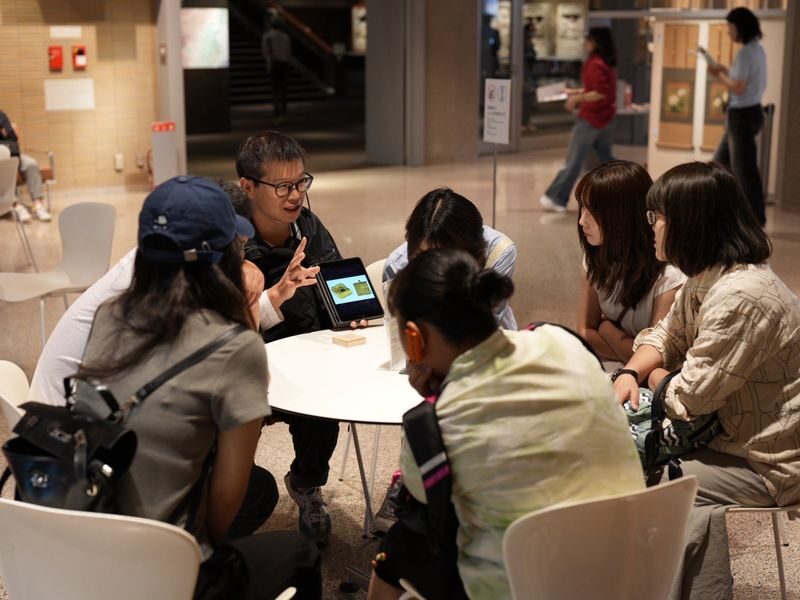
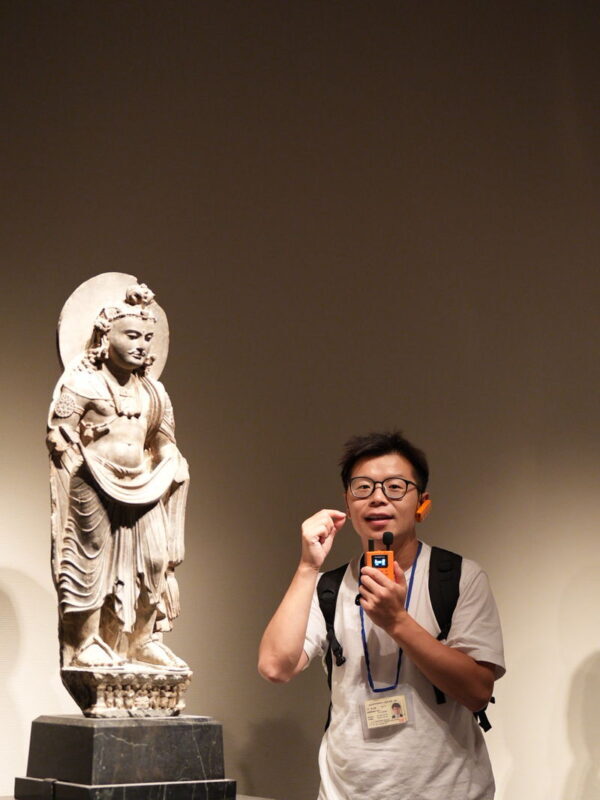

Tokyo National Museum is Japan’s oldest and largest comprehensive museum, set within Ueno Park in Tokyo’s Taito Ward. Its collection contains more than 120,000 Japanese and Asian art objects, including National Treasures and Important Cultural Properties. That scale is a gift, but it can also make a first visit feel like a long list of rooms and objects.
A guide can give you a thread to follow. Rather than trying to cover every gallery, this experience focuses on selected works and on the cultural connections that help explain them. The attention to exchange between China and Japan is especially useful: it puts individual objects into a wider East Asian context, rather than treating Japanese art as though it developed in isolation.
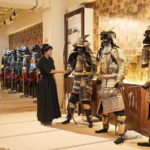
The museum covers a broad span of subjects, from archaeology and Buddhist sculpture to Ukiyo-e prints, samurai armor, ceramics, paintings, and calligraphy. You will not see everything in three hours. The value lies in getting an informed introduction to important examples and leaving with a better sense of what you would like to explore on your own.
The main museum building is also part of the visit. Its design combines traditional Japanese styles with modern architectural elements, a fitting setting for collections that connect different periods and cultures. If you enjoy museums, the building and its exhibits can make a worthwhile half-day even without a lecture. If you are short on time or want help interpreting what you see, the guided format adds a useful layer.

👉 See our pick of the 25 Best Guided Tours In Tokyo
The 09:50 start and a three-hour plan
The schedule begins with a 09:50 departure, followed by the museum visit from 10:00 to 13:00. The listed return point is the museum entrance, where the group can disband. The tour takes place in Ueno Park, which is noted for convenient transport and for nearby places to visit after the session.
This is a compact morning, not a leisurely all-day museum visit. The benefit is a defined route and a clear finish time, which can leave room for lunch or another stop in the park. The trade-off is that three hours can pass quickly in a museum of this size, especially if you like to linger over individual objects.
The schedule calls the museum portion self-guided, while the experience also includes a Chinese-speaking guide and senior lecturer, interpreter support, and audio guide devices. The exact balance between group commentary and time to explore independently is not spelled out. If that distinction matters to you, check the session details before booking and ask how the audio equipment is used.
A minimum of three participants is required. If the minimum is not met, you can choose another date or request a full refund. The schedule may also change with traffic or weather, although the visit itself is inside the museum.
You can also read our reviews of more museum experiences in Tokyo


What the featured objects can help you see
The named highlights give the lecture a clear East Asian focus. A Song version of the Tripitaka, a Buddhist canon, points toward the movement of religious texts and ideas across the region. Yan Zhenqing’s calligraphy offers a chance to consider the importance of writing as both communication and art, while Ming Dynasty porcelain provides a different view of technical skill and artistic exchange.
The Gandharan Buddha statues are another distinctive subject. Gandhara art is known for blending influences from Eastern and Western traditions, and seeing these sculptures in person can make that mixture easier to notice than a photograph does. The point is not simply to admire an object, but to understand how artistic forms can travel and change.
These examples are highlights, not a guaranteed checklist of every object shown during your specific session. Museum displays can change, and the tour description does not identify exact gallery rooms or promise that each work will be on view. Treat the list as a guide to the themes rather than a firm inventory.
The broader collection gives the lecturer room to connect these objects with Japanese archaeology, Buddhist sculpture, prints, armor, ceramics, painting, and calligraphy. That range is helpful if you want a first overview of Japanese cultural history. It is less ideal if your main goal is a long, specialist visit to one particular gallery.
How the lecturer changes the museum visit
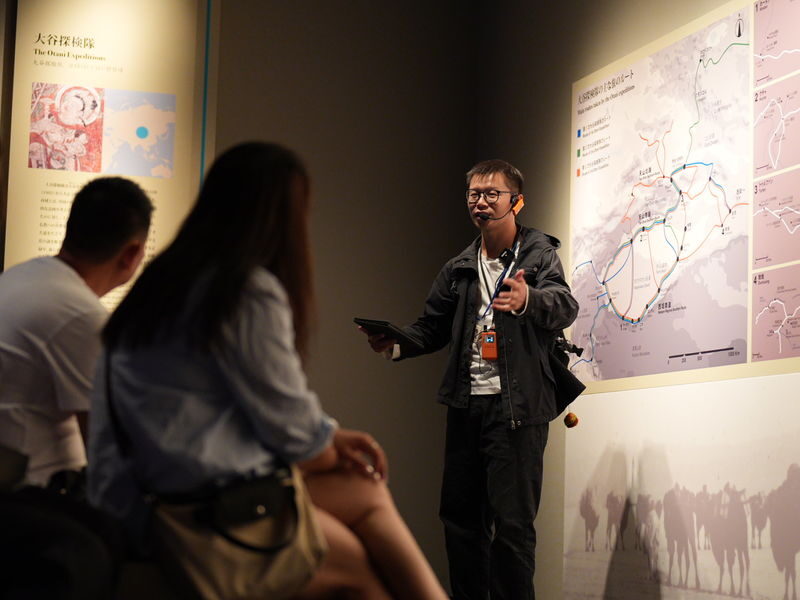
The most useful part of a guided museum visit is often the explanation between the objects. Here, the lecturer’s approach is described as detailed, lively, and humorous, with particular attention to Buddhist history and art. That matters in a collection where an object’s materials and appearance may be only the beginning of its story.
The strongest praise for the experience focuses on the way the lecturer turns historical material into engaging stories and gives listeners a more varied understanding of East Asian culture. That is a good fit for visitors who enjoy context but do not want a formal lecture that feels like a classroom. The tone is said to be friendly, too, which can make it easier to stay engaged through a concentrated morning.
The experience includes a Chinese-speaking guide, and the highlights also describe an interpreter explaining the visit. Audio guide devices are distributed and must be returned after the tour. The information does not say which languages the devices support or explain whether the interpreter translates every part of the lecturer’s talk, so ask in advance if you need to know exactly how language support will work.
The session is a particularly sensible choice if Chinese is your preferred language for learning about art and history. If you are comfortable exploring museum displays alone and reading their labels, you may not need the added commentary. But if you want the main works explained in a connected way, the guide is likely to be the central reason to book.
The admission fee changes the real price
The listed starting price is US$59.39 for the morning session with a senior lecturer. That price covers the guided experience, but it does not include admission to Tokyo National Museum. Meals, drinks, personal expenses, and insurance are also excluded, so the amount you spend overall will be higher than the advertised tour price.
This distinction matters when you compare the experience with a basic museum ticket or another guided option. You are paying for the lecturer and the structure of the visit, not for entry itself. The value is strongest if the explanations help you understand the collection in a way you would not manage on your own.
Special exhibitions may require a separate ticket. The guide is expected to explain this in advance, but it is worth checking your plans if a particular exhibition is a priority. The details provided do not state the museum admission price or special exhibition fees, so confirm those costs separately before setting your budget.
For a visitor who wants a quick, informed orientation, the extra guide cost may make sense. For someone who prefers a slow, independent museum day, the same money might be better spent on more time inside the museum, with admission handled separately.
Getting ready for the galleries
This is a walking tour, so wear comfortable shoes and clothes. Three hours on your feet can feel longer when you are moving between exhibits, and you will get more from the commentary if you are not distracted by sore feet or an overstuffed bag.
Large luggage is not permitted in the museum, and luggage storage or delivery is not provided. Coin-operated lockers are available at the entrance, but it is simpler to arrive with a small day bag. Outside food and drinks are not allowed. You can bring drinking water in advance, and the museum has rest areas and cafes where you can take a break.
The galleries can be strongly air-conditioned, so a light jacket is a practical addition even if the weather outside is warm. Photography is prohibited in some exhibition halls; follow the museum staff’s directions rather than assuming every room has the same rules. Smoking, drinking, and pets are not allowed.
If the museum is crowded, follow the guide’s directions and keep a quiet, orderly pace. That is good museum manners, but it also makes the visit easier for you: a group that stays together can hear the commentary and avoid blocking other people’s view.





Who should book this experience
This tour suits visitors who want a guided introduction to Japanese and Asian art, especially those interested in Buddhism, calligraphy, ceramics, and cultural exchange between China and Japan. It should also work well for students and families seeking context for the exhibits, provided children are accompanied as required.
Children under 16 cannot attend alone and need an adult who has also purchased the service. Infants and children must be included in the passenger count. If you are planning a family visit, remember that the museum is large and the tour involves walking; the three-hour schedule is a focused outing, not a play-based activity.
Art lovers who want expert commentary are likely to get the most from the price. So are visitors who have only one morning available and would rather follow a planned route than decide among many galleries on the spot. Independent museum-goers may prefer to buy admission and set their own pace, particularly if they want to spend much longer with a small number of works.
You may also want to allow time after the tour. The group disbands at the museum entrance, and Ueno Park is nearby, so you can continue your day in the area. No meal or additional sightseeing is included, which leaves your afternoon open but means you need to plan those parts yourself.
Booking details worth checking
The voucher is valid only on the date and time booked, and you present it on your mobile device. Confirmation is due 48 hours before departure; if it does not arrive, contact customer support. The operator may cancel for unforeseen events or extreme weather, in which case you can reschedule or request a full refund.
Cancellation terms appear differently across the supplied booking details, so check the exact policy shown for your selected package before paying. One section describes a full refund at least seven days before departure and a partial refund within one to six days; another says a full refund is available at least 24 hours beforehand. Late arrival and no-shows are not eligible for refunds under the additional conditions.
Temporary museum closure is handled by contacting you to discuss a new date. If you cannot adjust your plans, a full refund is available. These are practical details to settle before travel, especially if your Tokyo schedule is tight.
Should you book the Tokyo National Museum lecture?
Book it if you want the museum’s major themes explained in Chinese and value a lively, focused introduction to Buddhism, calligraphy, porcelain, and East Asian cultural exchange. The three-hour morning slot is a convenient way to give the museum structure, and the lecture sounds like the experience’s strongest asset.
Skip it if you prefer to wander at your own pace, need the tour price to include museum entry, or want a full day to study the galleries. Before booking, check the admission cost, the exact language arrangements, and how much of the session is guided versus self-guided. If those details suit you, this is a practical way to make a large museum feel more legible without surrendering your whole day.
Tokyo National Museum: Star Lecturer’s In-depth Lecture and Dialogue with Millennia of Civilization
“The guide's commentary was lively and engaging! They transformed dry history into captivating stories, demonstrating high professionalism and a fri…”
FAQ
Is museum admission included in the tour price?
No. Admission to Tokyo National Museum is not included. A special exhibition may also require a separate ticket.
How long does the experience last?
The morning session runs from 10:00 to 13:00, with departure scheduled at 09:50.
What language is the guide service in?
A Chinese-speaking guide is included. The experience also describes interpreter support and audio guide devices, but does not specify the devices’ languages.
Where does the group finish?
The group disbands at the entrance of Tokyo National Museum.
Is there a minimum group size?
Yes. At least three participants are required. If that number is not reached, you can choose an alternative date or request a full refund.
Can children take part?
Yes, but children under 16 must be accompanied by an adult who has purchased the service. Infants and children must be included in the passenger count.