Edo lanterns were made to be read from across a street: a family crest or bold character, painted with a steady hand on a paper shade. At Namidabashi Oshimaya, you get to try that craft yourself in a workshop where the tradition has passed through generations. I like that you leave with a lantern you made, and that the fourth generation offers guidance rather than leaving you alone with a brush and a blank surface.
I also like the practical help from a guide who accompanies you to the shop and can explain the instructions. The main consideration is the short format: one hour is enough for a focused craft activity, not an extended lesson. You’ll need to be at least 10, and you should book this for a hands-on cultural stop, not a full tour of Tokyo.
- What makes this lantern workshop worth your hour
- Entering Namidabashi Oshimaya
- What Edo lantern lettering is meant to do
- Making a lantern without drawing experience
- A one-hour visit, from meeting point to finished piece
- Is .59 a fair price?
- Who will enjoy this most
- Booking details to check before you go
- Should you book the lantern workshop?
- FAQ
- How long does the lantern-making experience last?
- How much does the experience cost?
- Where is the workshop?
- What is the minimum age?
- Do I need drawing skills?
- Can I take my lantern home?
- What languages are supported?
- Can I cancel for a refund?
- The Best Of Tokyo!
- More Tours in Tokyo
- More Tour Reviews in Tokyo
- Not for you? Here's more nearby things to do in Tokyo we have reviewed
What makes this lantern workshop worth your hour
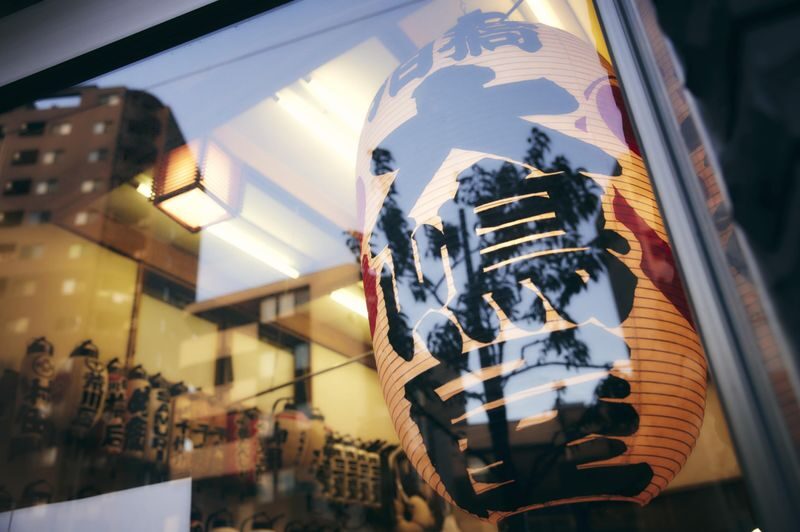
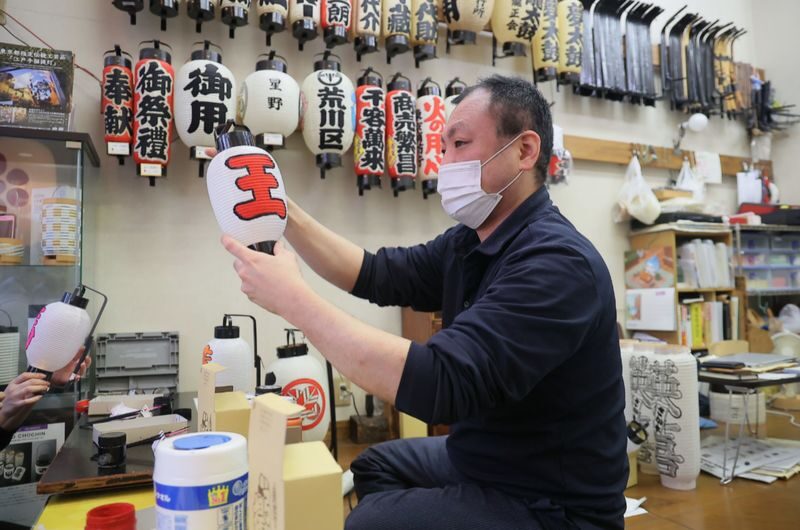
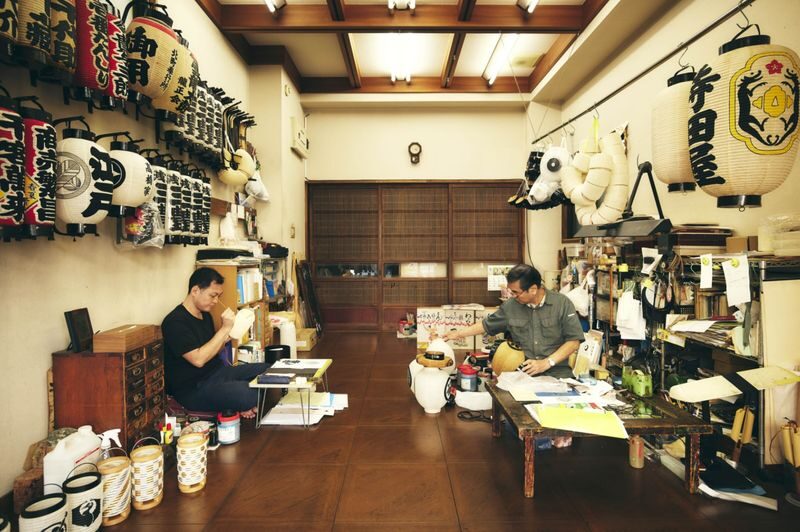
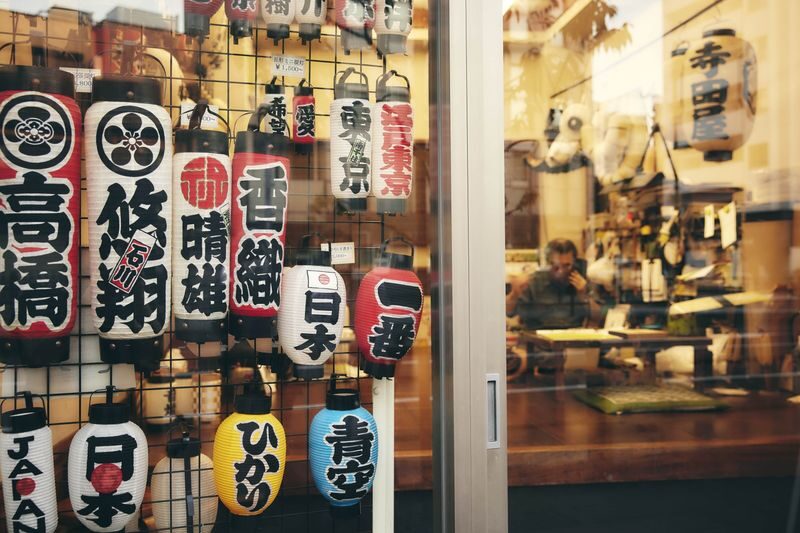
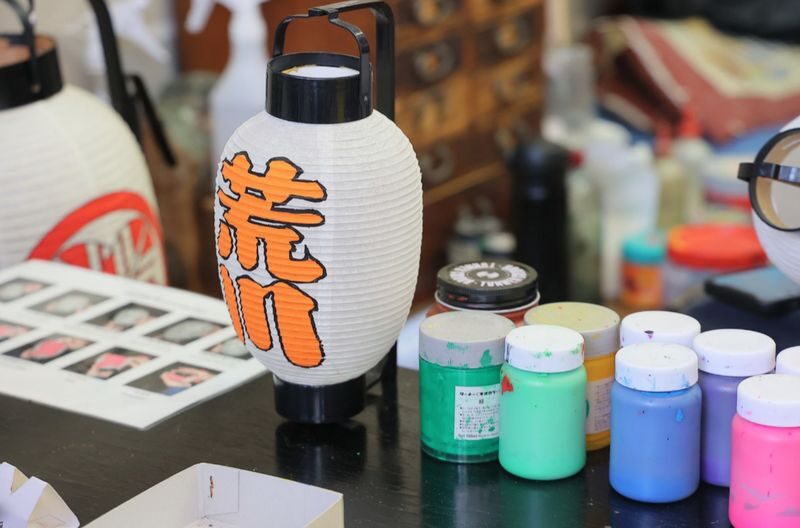
- A working craft tradition: Namidabashi Oshimaya’s shop line traces back to the Edo period, and this branch has continued since the Taisho era.
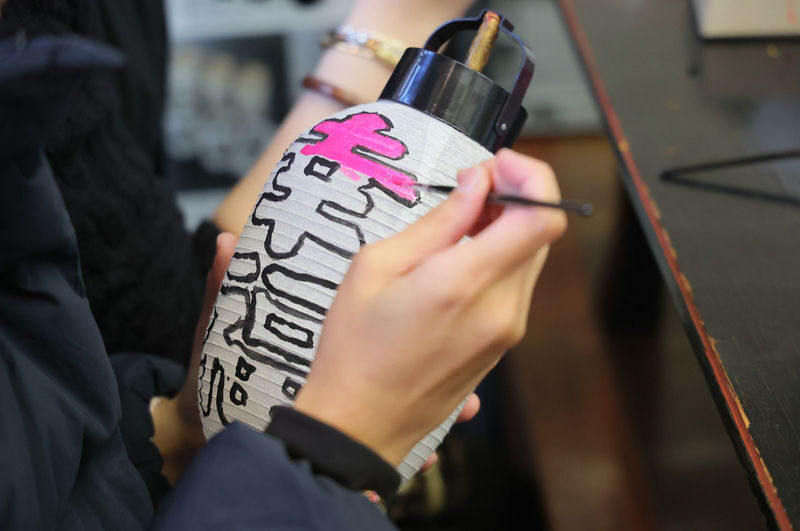
- Guidance from the fourth generation: You’ll paint or color your own lantern with an instructor’s help.
- A guide for the practical bits: Staff accompany you to the workshop to assist with entry and basic communication.
- No drawing background required: The activity is designed to be manageable for beginners.
- A souvenir with a story: You can take your finished lantern home, rather than settling for a mass-produced keepsake.

👉 See our pick of the 25 Best Guided Tours In Tokyo
Entering Namidabashi Oshimaya
The workshop is at 2-29-6 Minamisenju, in Tokyo’s Arakawa-ku district. This is a working lantern shop, not a large cultural center built around a visitor program. That setting gives the activity its appeal: you’re visiting a place where a traditional craft has been handed down through a family business, rather than simply trying a craft in a generic classroom.
The Oshimaya name reaches back to the Edo period, while this branch has continued since the Taisho era. The craft has passed through the third and fourth generations. That context matters because the session is more than a chance to decorate an object. You get a brief connection to a local trade that still survives in Tokyo.
A staff member accompanies you to the workshop and helps with entry and basic communication. That support can make the first few minutes easier, especially if you don’t speak Japanese. A participant also found it useful to have the guide stay throughout and help explain the instructions. Don’t assume this means a long historical tour, though. The listed activity lasts about an hour, so expect a concise introduction and a chance to get to work.
You can also read our reviews of more tours and experiences in Tokyo.



What Edo lantern lettering is meant to do
The most interesting detail is that traditional lantern painting is designed to be seen clearly from a distance. Tokyo artisans hand-paint family crests and characters on finished paper shades, aiming for legible forms, balanced brushwork, and the broad, expansive feel associated with Edo characters.
That practical purpose shapes the craft. A lantern is not just a surface for decoration; the marks need presence and clarity. As you work, you’ll get a small taste of the decisions behind the look, even if you’re painting a simple pattern or character rather than attempting intricate calligraphy.
The workshop covers the history of Japanese lanterns and how Edo hand-painted lanterns continue in Tokyo today. The exact depth of the explanation isn’t specified, and the one-hour schedule leaves limited time for a long lesson. Still, even a short introduction can give your handmade piece more meaning than a souvenir you picked up from a shop shelf.
Making a lantern without drawing experience
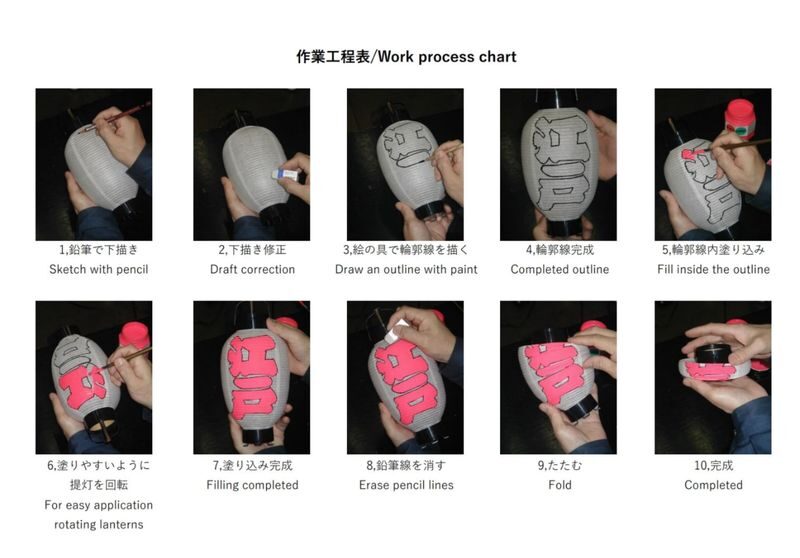
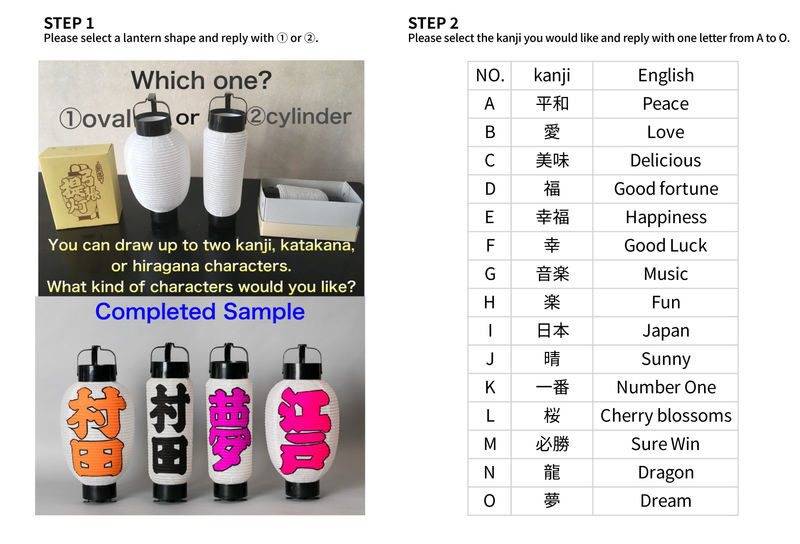
Under an instructor’s guidance, you’ll color or draw patterns on a lantern and make your own version. The activity is described as suitable for beginners, so you don’t need to arrive with an artist’s hand. That’s a welcome feature if the idea appeals to you but a blank page usually feels like a dare.
The experience is also intended for a wide range of ages, though participants must be at least 10. That makes it a possible choice for families with older children, friends who want a low-key shared activity, or solo visitors who like making things. Younger children cannot take part under the stated age rule.
You should expect a guided craft session, not a free-form art class with unlimited time. The available details don’t specify exactly how many designs you can choose from, how much of the lantern you’ll paint, or how much instruction is devoted to technique. If you have a particular design in mind, ask about it when booking rather than assuming the session can accommodate a complex project.
The guide’s role is especially useful here. You can focus on the task instead of worrying about whether you understood the basic directions. The help is practical, not a substitute for the artisan’s instruction, and it can make the experience more comfortable if language is a concern.
A one-hour visit, from meeting point to finished piece
The activity is listed as a one-hour visit to Namidabashi Oshimaya, with departure and return details confirmed after booking. Available departure times are 09:50, 10:50, 13:50, 14:50, and 15:50. You choose a time when booking and should arrive at the departure location 10 minutes early.
The workshop address is 2-29-6 Minamisenju, Arakawa-ku, Tokyo 116-0003. The listed public transport options include Minami-Senju, served by the Hibiya Line, Joban Line, and Tsukuba Express, as well as the Toei Bus stop Bridge of Tears. The activity information also gives the workshop address as the return point. Check the confirmed meeting instructions before setting out, since the departure details are confirmed after booking.
Once there, the visit centers on the craft: learn a little about Japanese lanterns, get instruction, then paint or color your own. The finished lantern is yours to take home. That makes the hour feel complete, even if it won’t give you time for a deep technical course.
The schedule may change with traffic or weather. Build a little flexibility into the rest of your day, particularly if you have a timed reservation elsewhere. This isn’t a full-day outing, but it does require getting to Minamisenju and arriving on time.
Is $42.59 a fair price?
The 60-minute experience starts at US$42.59. That’s more than you’d spend on an ordinary small souvenir, but the value is not only the lantern. You’re paying for access to a traditional workshop, instruction from the fourth generation, help from a guide, and an object you make yourself.
For a visitor interested in Japanese crafts, that combination can justify the cost. The activity offers something distinct from browsing a shop: you hear how the craft is carried on and take part in a small piece of it. If your main goal is simply to buy a lantern, you may find the hour and price harder to justify. If you enjoy making things, the personal effort is part of what makes the souvenir worthwhile.
The listed price is a starting price for the 60-minute package. The available information doesn’t detail possible variations or extra costs, so check the booking page before paying if you need to confirm exactly what the price covers.






Who will enjoy this most
This is a good fit if you like hands-on activities and want a cultural experience that doesn’t take half a day. It suits first-time visitors who want a guided introduction to a traditional Tokyo craft, as well as people who already enjoy Japanese design and lettering. Since no drawing experience is required, you can book for the craft itself without worrying about artistic ability.
It can also work well for a parent and child, provided the child is 10 or older. The short session is easier to fit into a city itinerary than a longer class, and the take-home lantern gives the activity a clear finish.
It may not suit you if you want an in-depth artisan apprenticeship, a long historical talk, or a broad walking tour of Tokyo. The session is focused on one craft in one workshop. That focus is a strength if you want to spend an hour making something; it’s a limitation if you expect a full cultural program.
Booking details to check before you go
Book for the time you intend to attend, since the voucher is valid only on the specified date and time, if applicable. Confirmation is expected within 24 hours. If it doesn’t arrive, contact customer support.
You can cancel for a full refund if you do so at least 48 hours before the activity date, in Tokyo local time. The operator may cancel for unforeseen events or extreme weather and offer a reschedule. Once a voucher has been redeemed or expired, it cannot be refunded. Participants who appear intoxicated may be refused service without a refund, and outside food and drinks are not allowed.
Should you book the lantern workshop?
Book this if you want a compact, well-supported craft experience and like the idea of bringing home something you made in a traditional Tokyo workshop. The strongest reasons are the connection to Namidabashi Oshimaya’s generational craft, guidance from the fourth generation, and the accompanying guide’s help with instructions.
Skip it if you’re looking for a long class or a broad sightseeing tour. At about an hour, it’s a focused stop, and the price makes most sense when you value both the making and the story behind the lantern. For a cultural keepsake with more personal meaning than a quick purchase, it’s a thoughtful use of an hour in Tokyo.
Tokyo Edo Traditional Hand-Painted Lantern Making Experience
“the tour guide stayed with me the whole time and helped me understand instructions. I had a great time creating my own lantern and I recommend this…”
FAQ
How long does the lantern-making experience last?
The activity lasts 60 minutes.
How much does the experience cost?
The 60-minute package starts at US$42.59.
Where is the workshop?
Namidabashi Oshimaya is at 2-29-6 Minamisenju, Arakawa-ku, Tokyo 116-0003.
What is the minimum age?
Participants must be at least 10 years old.
Do I need drawing skills?
No. The activity is described as suitable for beginners and people without drawing experience.
Can I take my lantern home?
Yes. You can take your finished lantern home as a souvenir.
What languages are supported?
Japanese-speaking staff are included, and the listed guide languages are English, Chinese, and Japanese.
Can I cancel for a refund?
You can receive a full refund if you cancel at least 48 hours before the activity date, based on destination local time.