A few useful Japanese phrases can change the feel of a Tokyo trip. This class pairs practical language for ordering food, shopping, and asking directions with a traditional tea ceremony, so you learn both what to say and some of the manners that shape everyday interactions. I like that it connects words to real travel situations, rather than leaving you with a list of phrases to memorize.
I also like the focus on local tips and the chance to ask questions in English. Instructors named Sho and Casey have led sessions, and the class can be adapted to participants’ needs. The main trade-off is its scope: this is a beginner introduction, not a full language course or a detailed tea ceremony workshop.
- What to know before you book
- Start with phrases you can use on the street
- A tea ceremony that puts manners in context
- Ask the questions that matter to your trip
- Make the most of the lesson
- What the price includes, and what it does not
- Finding 雑煮屋鳥居 in Shibuya
- Who will get the most from this class
- Should you book it?
- FAQ
- How much does the Japanese class cost?
- Where does the class meet?
- What will I learn in the class?
- Is a tea ceremony part of the activity?
- Is the class taught in English?
- Can children attend?
- Is the lesson private or a group class?
- Is transport included?
- Can I change or cancel my booking?
- The Best Of Tokyo!
- More Workshops & Classes in Tokyo
- More Tours in Tokyo
- More Tour Reviews in Tokyo
- Not for you? Here's more nearby things to do in Tokyo we have reviewed
What to know before you book
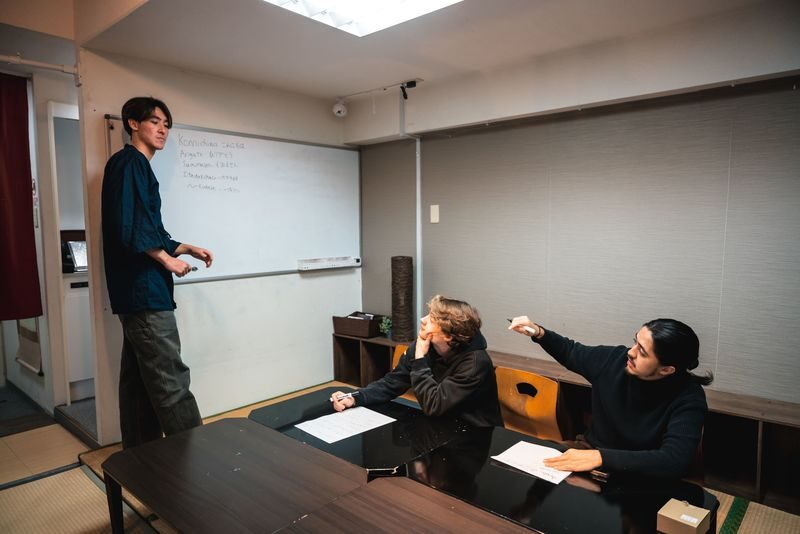
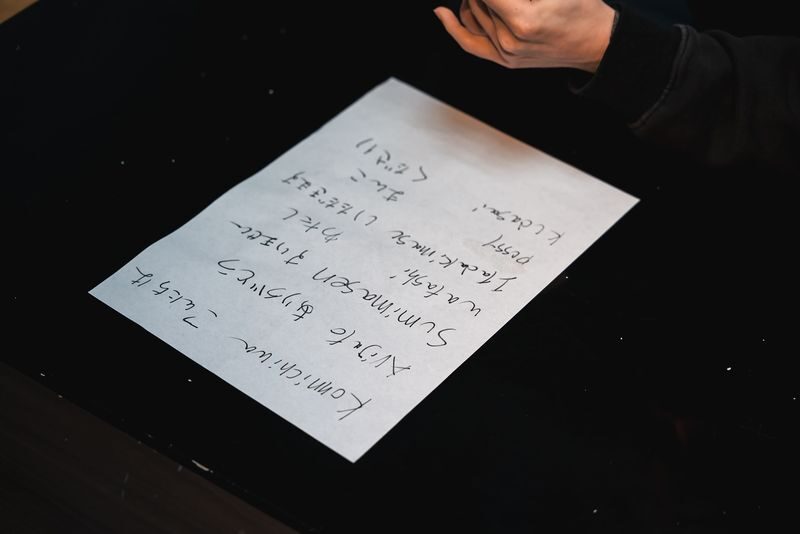
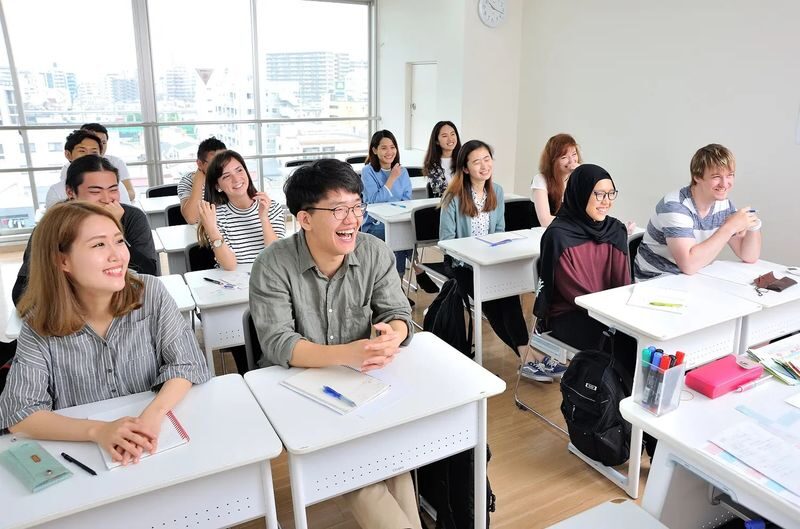

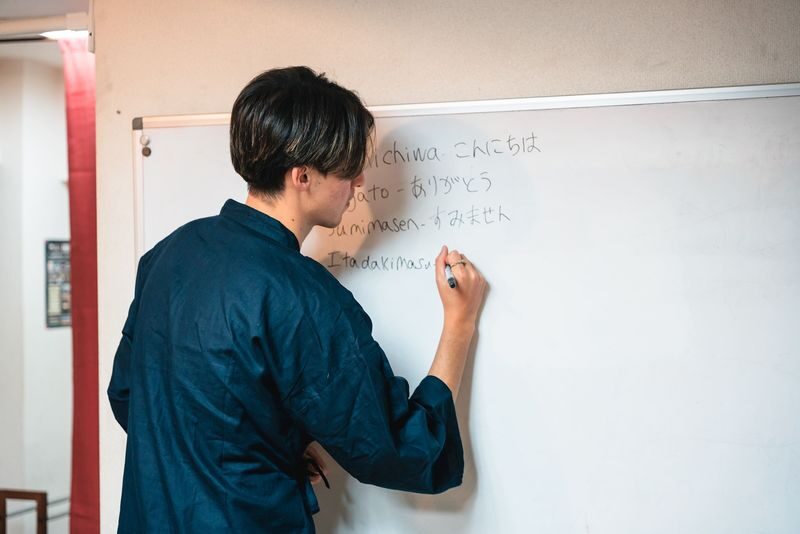
- Practice useful travel Japanese: Work on basic expressions for meals, shopping, and getting directions.
- Learn manners alongside words: The tea ceremony offers a setting for discussing Japanese etiquette.
- Expect a friendly, flexible lesson: The class is intended for travelers, and instructors can respond to questions and individual needs.
- Find it in Shibuya: The meeting point is 雑煮屋鳥居, on B1, to the right of a hair salon.
- Budget from US$23.65: That price covers the join-in Japanese lesson, classroom admission, English-speaking staff, and pen and paper.
- Plan for a short introduction, not fluency: No class duration is provided, and the emphasis is on basics you can use during your trip.

👉 See our pick of the 25 Best Guided Tours In Tokyo
Start with phrases you can use on the street
The appeal here is practical. You are not signing up to study Japanese grammar in depth. You are learning simple expressions that can help with common moments: ordering sushi, buying a souvenir, or asking how to get to a place such as Shibuya Crossing.
That focus matters in Tokyo, where even a small amount of Japanese can make routine exchanges feel more comfortable. A phrase does not need to be perfect to be useful. You can make an effort, listen to the response, and use gestures or a map when words fall short.
The class also covers expressions and gestures, which is a sensible pairing for beginners. Language is more than vocabulary, and a little guidance on how to approach an interaction can help you feel less unsure about what to do next.
The exact phrases taught may vary with the questions and needs of the people in the room. The stated aim is everyday travel language, not a fixed syllabus with a guaranteed list of words. If you have a particular concern, such as ordering food or finding your way around, bring it up with the instructor.
You can also read our reviews of more tours and experiences in Tokyo


A tea ceremony that puts manners in context
The tea ceremony gives the language lesson a cultural side. You learn basic etiquette and Japanese manners while experiencing a traditional tea ceremony led by a local. It is a useful reminder that travel communication includes behavior as well as speech.
Do not book expecting a long, formal ceremony or a specialist course in tea. The available details describe the ceremony as part of an introductory class, alongside basic Japanese. They do not specify its length, the tea served, or the exact steps you will practice.
Still, this pairing makes sense for a first visit. A phrase such as itadakimasu, introduced as something to say before a meal, is easier to remember when you consider the thought behind it. You leave with a little more context for everyday customs, rather than a bare phrase list.
The class presents etiquette as something practical for your trip. That can be valuable if you are unsure about ordinary manners and would rather ask a local instructor than guess. Keep your expectations grounded: you will get an introduction, not a complete guide to every social situation in Japan.
Ask the questions that matter to your trip
One of the strengths of a small, conversational lesson is the chance to steer the discussion toward your own plans. Participants have brought questions about navigating Tokyo, tourist tips, study abroad, and differences between classroom Japanese and natural street terminology. Those topics are not guaranteed parts of every session, but they show the range a flexible teacher can cover.
If you are traveling with a child, a parent described taking the class with his son and having the material tailored to them. The activity is open to people aged 10 and up. That makes it a possible shared activity for a family, especially if you both want a gentle introduction before heading out to explore.
The phrase join-in group describes the package, but the size of a typical group is not specified. Some people have ended up with what felt like a one-to-one or private lesson, but you should treat that as a possibility rather than a promise. If a private class is important to you, confirm the arrangements before booking.
Make the most of the lesson
I would put this class early in a Tokyo stay. A practical language session is most useful when you still have days ahead to try what you learn. One participant specifically recommended taking it within the first few days, because it helped with getting bearings and feeling more confident around the city.
Arrive with a short list of questions rather than expecting the instructor to guess what you need. Think about the situations that make you hesitate: ordering a meal, finding a station, shopping, or asking for directions. Clear priorities give the class a chance to feel relevant to your itinerary.
It is also worth asking how a phrase sounds in everyday conversation, not just how it appears in a textbook. Sho has been noted for explaining the distinction between classroom Japanese and natural street terminology. That kind of practical comparison can help you recognize a phrase when you hear it, even if your own speaking remains basic.
You do not need to arrive with prior Japanese study. The class is designed for travelers, and its stated goal is to teach simple, useful language. If you already know some Japanese, ask for a slower or more advanced pace where possible; an instructor has also been able to teach people with different starting levels in the same session.
What the price includes, and what it does not
The join-in class starts at US$23.65. Admission to the Japanese classroom, English-speaking staff, tax, and pen and paper are included. For a traveler who wants both language basics and an introduction to etiquette, that is a modest way to add a guided cultural activity to a Tokyo itinerary.
The value depends on what you want from the hour or session, though the duration is not stated. If you want an easy introduction, a chance to ask a local questions, and some phrases you can test on the trip, the price looks reasonable. If you are seeking extensive language instruction or a long tea ceremony, this is not presented as that kind of experience.
Transport, accommodation, hotel pickup and drop-off, meals, beverages, personal expenses, and gratuities are not included. You will need to make your own way to the meeting point and cover anything you buy separately.






Finding 雑煮屋鳥居 in Shibuya
The meeting point is 雑煮屋鳥居 at 2-8 Uguisudanicho, Shibuya, Tokyo 150-0032. When you arrive, head down to the B1 floor. The directions specify that the entrance is to the right of the hair salon.
Give yourself time to locate the venue, especially if you are not familiar with the area. The meeting instructions are specific, but the activity does not include transport or pickup. Your mobile voucher is the ticket to present, and it is valid only for the date and time shown.
The class is in Tokyo and has a clear Shibuya address, making it a possible fit alongside other plans in the area. Still, do not assume that the activity includes a city walk or sightseeing transfer. The focus is the classroom lesson and tea etiquette.
Who will get the most from this class
This is a good fit if you are new to Japanese and want a friendly first step before exploring on your own. It also suits visitors who enjoy asking questions and prefer learning through practical examples over memorizing a phrasebook.
Families with children aged 10 or older can consider it as a shared activity, and couples or solo visitors may find the conversational format appealing. The flexibility described by participants suggests that a range of interests can be accommodated, though the class remains an introductory lesson.
You may want a different activity if your main goal is a lengthy cultural ceremony, a structured multi-session language course, or guaranteed private instruction. The format and duration are not detailed enough to promise those things. For a focused introduction to travel Japanese and manners, however, the mix is appealing.
Should you book it?
Book this class if you want a low-pressure start to Japanese, practical pointers for everyday situations, and a little cultural context through tea etiquette. Its strongest value is the combination of useful phrases and open-ended local advice, especially if you take it early enough to put those lessons to work around Tokyo.
Skip it if you expect fluency, a detailed grammar course, or a full-length tea ceremony. For a modest starting price, it offers a sensible introduction, provided you arrive with realistic expectations and a few questions of your own.
Tokyo: Basic Japanese Language and Etiquette’s Class
“I am so happy to have one to one lesson. It is more like friend's sharing ! Thank you for teaching!”
FAQ
How much does the Japanese class cost?
The join-in Japanese lesson starts at US$23.65. The price includes classroom admission, English-speaking staff, tax, and pen and paper.
Where does the class meet?
It meets at 雑煮屋鳥居, 2-8 Uguisudanicho, Shibuya, Tokyo 150-0032. Head to the B1 floor, to the right of the hair salon.
What will I learn in the class?
You will learn simple Japanese phrases for travel situations such as ordering food, shopping, and asking for directions. The class also covers gestures, local tips, and basic manners.
Is a tea ceremony part of the activity?
Yes. The class includes a traditional tea ceremony led by a local, with instruction in etiquette and basic Japanese manners.
Is the class taught in English?
English-speaking staff are included. This allows you to ask questions and follow the instruction in English.
Can children attend?
Participants must be aged 10 or older.
Is the lesson private or a group class?
The available package is called Japanese Lesson (Join-in Group). Some participants have ended up with a one-to-one lesson, but private instruction is not guaranteed.
Is transport included?
No. Transport and hotel pickup and drop-off are not included. You need to make your own way to the meeting point.
Can I change or cancel my booking?
Changes are allowed until 24 hours before the activity starts, subject to the listed exceptions. You can receive a full refund if you cancel at least 24 hours before the activity date in local time.