Sushi is the star, but the fun here is getting your hands into the work. In this one-hour Asakusa class, you’ll hear a little about sushi history, learn the steps from English-speaking local instructors, then make and eat your own creations. Depending on your selected menu, that can include temari sushi, a roll, or other sushi styles.
I like two things in particular: the class is practical and welcoming to beginners, and it makes a fine change of pace from sightseeing around Sensoji Temple. Past instructors have included Hikaru, Mayuko, Momo, and Hitomi, though you shouldn’t count on a particular teacher being there.
The main caveat is the clock. One hour keeps the activity easy to fit into a Tokyo day, but it also means you’ll get an introduction rather than a full cooking course. At $56.85 and up, the value depends on how much you enjoy learning by doing, not simply eating sushi.
At a glance
- Make sushi, then eat it: The standard menu lists nine pieces of temari sushi, miso-ball soup, and pickled turnip and carrot.
- Learn through doing: English-speaking instructors guide each step, with a lighthearted quiz about sushi history.
- Set in Asakusa: The class is at 2-17-9 Kaminarimon, close to Sensoji Temple and Tokyo Skytree.
- No experience needed: The activity is designed for beginners, and children aged 4 and older can take part at the adult rate.
- Several menus are offered: Options include standard, vegetarian or vegan, halal, and allergy menus. Check the details of your chosen package before booking.
- Plan for a quick class: The activity lasts one hour, and sake is included only with a sake-set package.

👉 See our pick of the 25 Best Guided Tours In Tokyo
- At a glance
- A one-hour taste of sushi in Asakusa
- The class begins with sushi stories and a quiz
- Making temari, rolls, and other sushi styles
- Eating what you made
- Why the Asakusa address helps
- Menus for different diets
- Is the price worth it?
- Who will enjoy this class most
- Booking details to keep in mind
- Should you book the Asakusa sushi class?
- FAQ
- How long does the sushi-making class last?
- Where is the meeting point?
- Do I need sushi-making experience?
- What food is included in the standard menu?
- Are vegetarian, vegan, halal, or allergy menus available?
- Is sake included?
- Can children take part?
- The Best Of Tokyo!
- More Workshops & Classes in Tokyo
- More Tours in Tokyo
- More Tour Reviews in Tokyo
- Not for you? Here's more nearby things to do in Tokyo we have reviewed
A one-hour taste of sushi in Asakusa
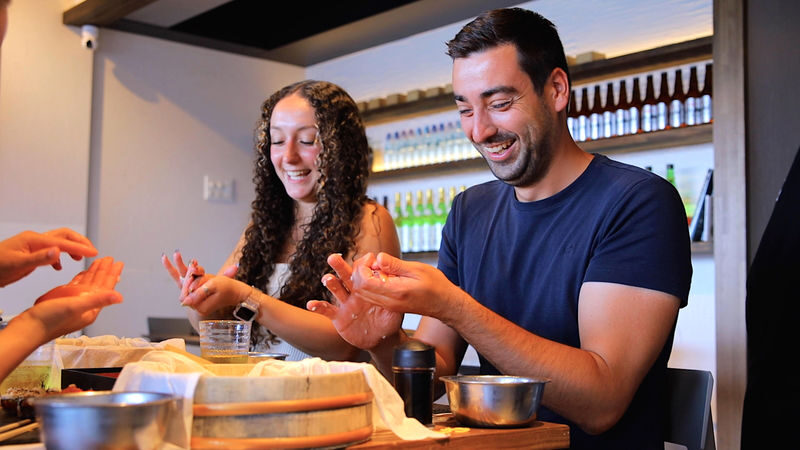
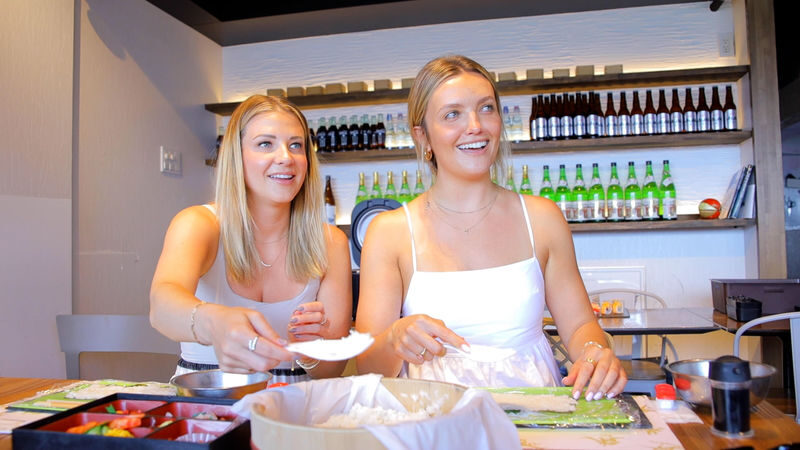
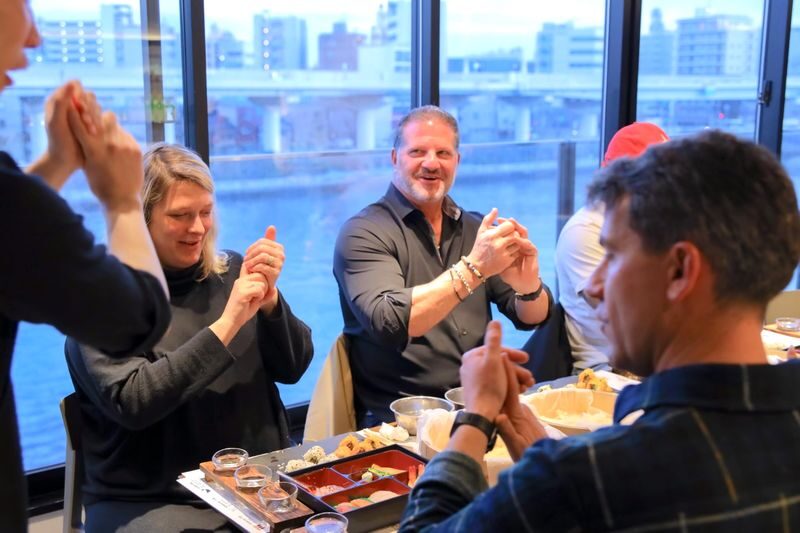
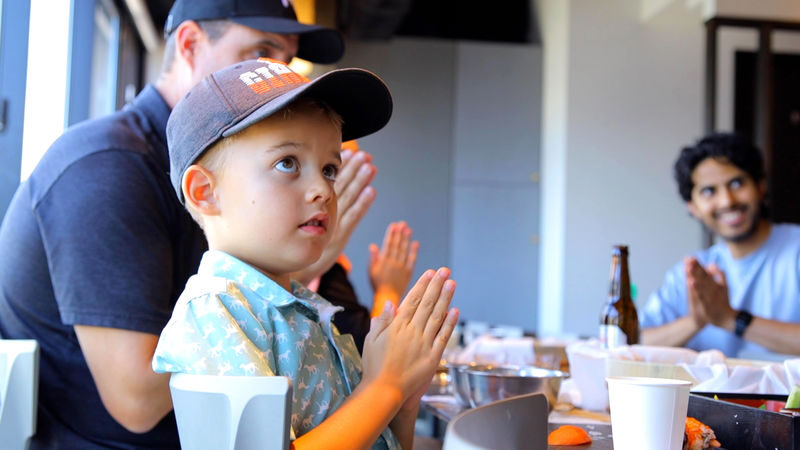
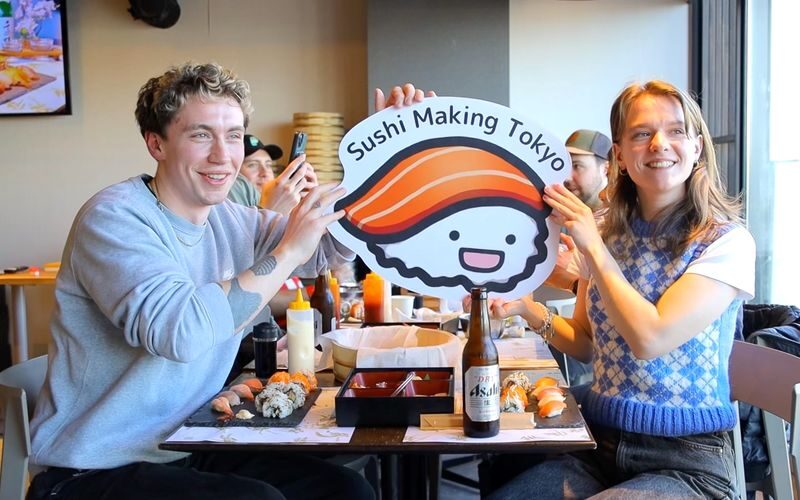
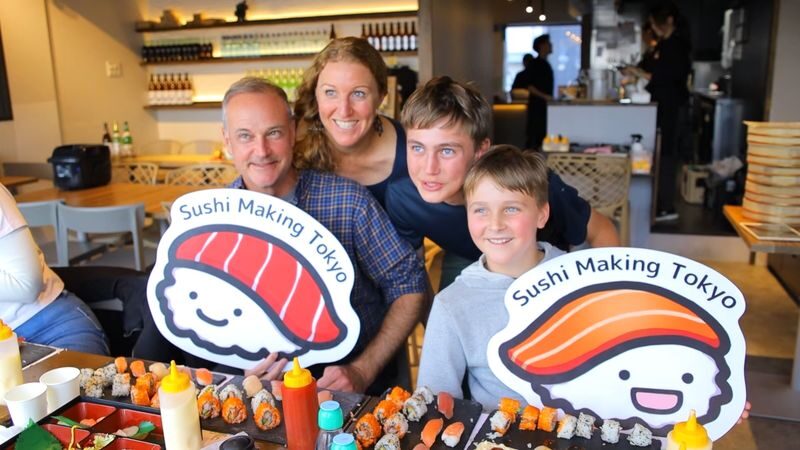
This class gives you a short, hands-on introduction to Japanese food culture in one of Tokyo’s most traditional districts. You won’t need to arrive knowing how to handle sushi rice or shape a piece of fish. The English-speaking team takes you through the process, and the emphasis is on trying the techniques yourself.
The format is friendly and social. You can come alone, with a partner, or as a family, and the group setting gives the activity a shared, lighthearted feel. That can be a welcome contrast to a day spent moving at your own pace through temples, shops, and crowded streets.
The hour is best understood as a sampler, not a specialist lesson. You’ll learn some basic methods and context, make food, and sit down to eat it. If you’re hoping to master knife skills or spend an afternoon studying sushi craft, this is not that kind of class.
You can also read our reviews of more tours and experiences in Tokyo



The class begins with sushi stories and a quiz
The session opens with an introduction to sushi and a short, interactive quiz about its history. It’s a useful way to add context before you start cooking, and the light tone helps keep the class from feeling like a lecture.
Sushi has changed over time, and this brief history gives you a small window into that larger story. You won’t leave with a full timeline, but you’ll have more to connect to the food in front of you than you would at a restaurant table.
The instructors also keep the activity accessible for first-timers. You can expect clear, step-by-step guidance rather than a demonstration followed by a sink-or-swim moment. Several instructors, including Susie, Courtney, Shuka, and Moon, have been praised for being patient and supportive, but staff assignments can change.
Making temari, rolls, and other sushi styles
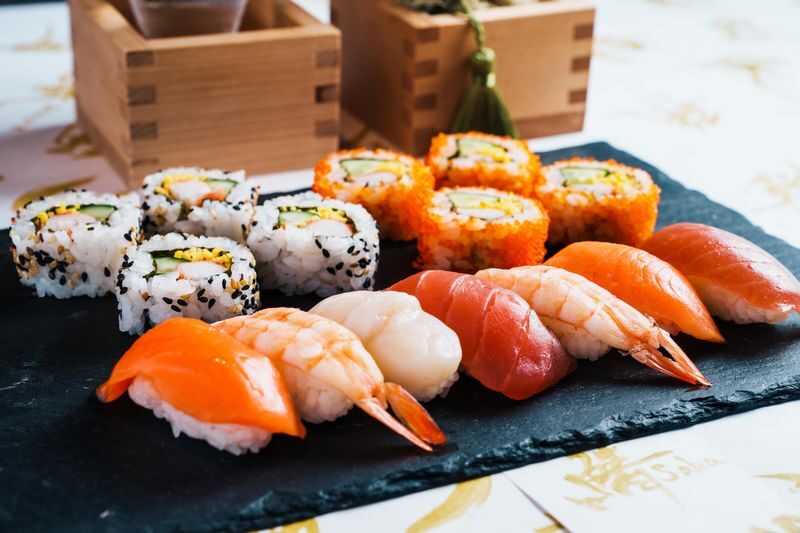
The standard sample menu features nine pieces of temari sushi, a rounded style that’s easy to recognize and satisfying to make. The meal also includes miso-ball soup and asazuke, a quick-pickled mix of turnip and carrot.
The experience is described as covering roll sushi and authentic Japanese sushi. Depending on the class and menu, the hands-on work may include maki rolls and nigiri-style shaping as well as temari. If you’re booking because you want to learn one specific technique, check the current package details rather than assuming every session follows the exact same menu.
The best part is the doing. You’ll handle the ingredients, follow the instructor’s steps, and see how small adjustments affect the shape of your sushi. The equipment is described as clean and helpful, and fresh ingredients are part of the appeal. Don’t expect every piece to look like it came from a sushi counter. That’s part of the charm, and you get to eat the results.
Eating what you made
Once the making is done, you sit down to enjoy the food. The standard menu offers enough to make the activity feel like more than a tiny taste: nine pieces of sushi, soup, and pickles. For many people, this doubles as a light meal, though appetite varies and the class is not advertised as a full lunch or dinner.
Eating your own work is a useful finish. It gives the lesson an immediate payoff, and you get a better sense of the ingredients and effort behind a familiar dish. The class is also a good choice if you’re curious about Japanese food but would rather take part than simply order another plate.
Sake is not included in the basic class. If you’d like it, select one of the packages marked Sushi Making + Sake Set. The sake option is offered with several menus, including standard, vegetarian or vegan, and allergy choices.
Why the Asakusa address helps
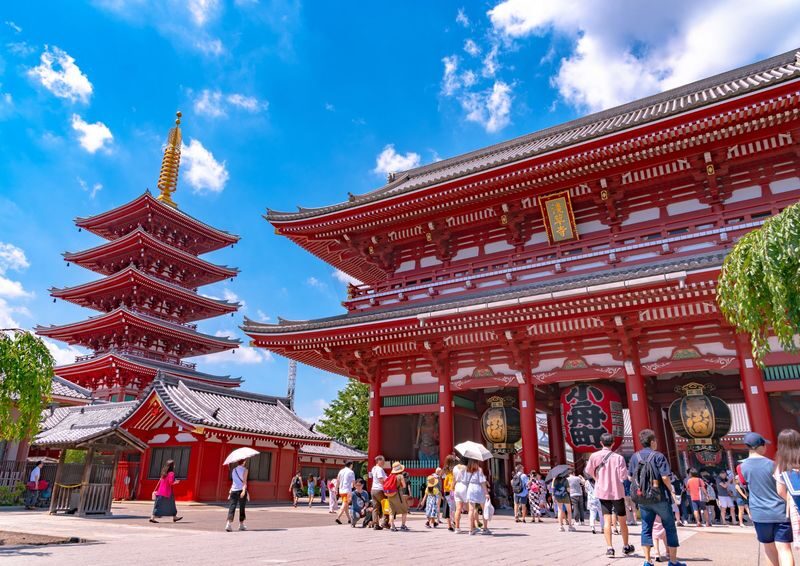
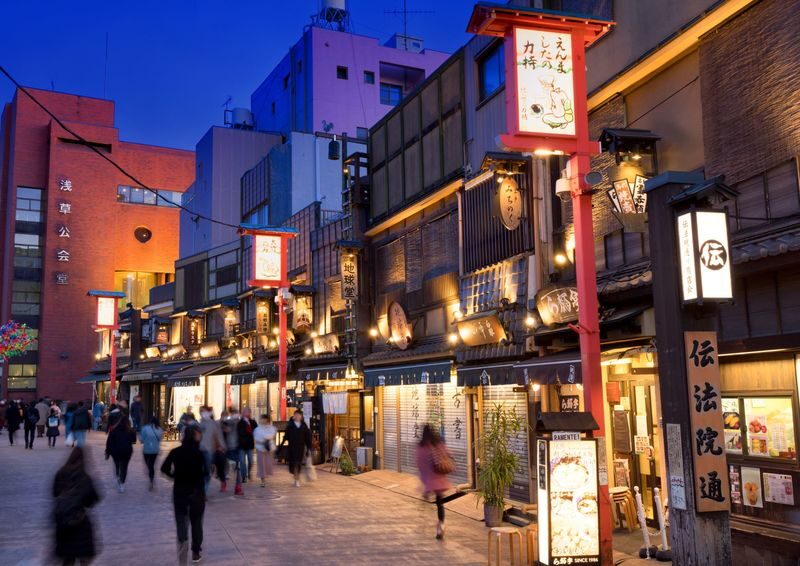
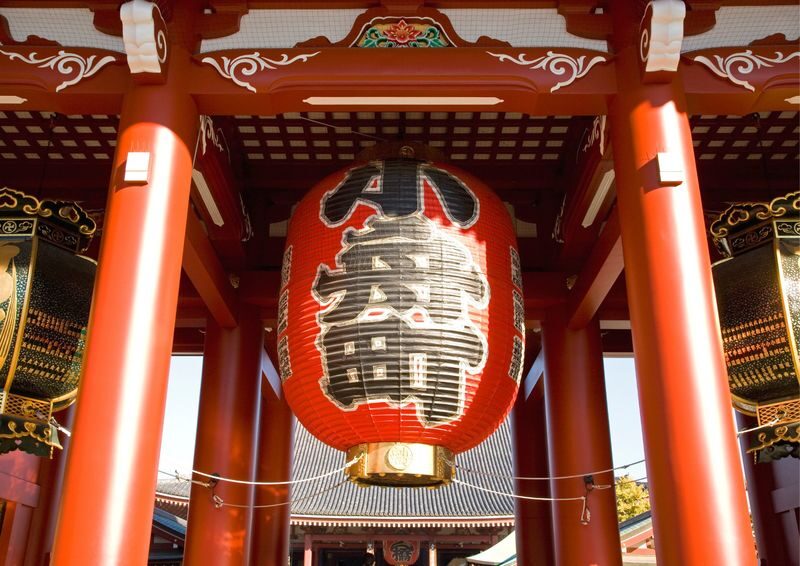
The meeting address is 2-17-9 Kaminarimon, in Taito-ku, Asakusa. The class is described as a short walk from Sensoji Temple and close to Tokyo Skytree, placing it in a part of the city where a cooking activity can fit naturally into a day of sightseeing.
That setting matters because the class is not an isolated food stop. You can pair it with time around the temple and the surrounding district, then continue exploring after the meal. The exact route and travel time depend on where you’re coming from, so check the map before setting out.
The venue’s practical side also comes through in the activity details: the equipment and working environment are described as clean, and staff guide participants through the steps. That’s reassuring for a hands-on class, especially if you’re bringing children or have never made sushi before.




Menus for different diets
The available packages include standard or gluten-free, vegan or vegetarian, halal, and allergy menus. Some packages also add sake. The sample standard menu lists tuna, salmon, scallop, and other sushi ingredients, while the allergy information names tuna, salmon, scallops, shrimp, flying fish roe, cucumber, egg, ginger, and sesame as ingredients used.
The allergy information also says crab, meat, nuts, fruit, and dairy products are not used. Still, don’t treat that list as a guarantee that a particular dish is safe for you. If you have an allergy or strict dietary requirement, choose the relevant menu and confirm the details with the operator before booking.
A dedicated vegan or vegetarian package is available, as is a halal option. That range makes the class more practical for mixed groups, but the menu is not identical across packages. Read the selected package description carefully so you know what you’ll be making and eating.
Is the price worth it?
The experience starts at $56.85. That is more than the cost of a simple sushi meal, so it makes sense to compare it with a cooking activity rather than a restaurant order. The price covers the class, ingredients, and English-speaking staff, and you get to make and eat the food yourself.
I’d call it good value if you want a memorable activity, a little food history, and a meal in one compact session. It’s particularly appealing for first-timers and families, since the instructions are simple and the class is designed to welcome beginners. Several families have found that children enjoyed the hands-on work, though young participants may need extra help keeping pace.
If your priority is the cheapest way to eat sushi in Tokyo, spend the money at a restaurant instead. And if you already cook sushi confidently, the basics may not justify the price. The value lies in the guided activity and the chance to make something in Asakusa, not in the raw cost of the ingredients.
Who will enjoy this class most
This is a good fit for curious beginners, couples, families with children aged 4 or older, and solo visitors who like a friendly group activity. It also works well as a break from walking around Asakusa, especially on a hot day when an indoor activity sounds appealing.
The class is less suited to someone who wants a long, technical lesson or a quiet, private cooking session. The format is short and social, and the pace may feel brisk if a young child needs frequent one-on-one help. Groups can ask about adjusting the schedule, but should contact the operator before booking.
Allow for the class to take one hour, then leave extra time for your plans around the district. The activity itself includes the sushi-making lesson and ingredients, but not hotel pickup or drop-off.
Booking details to keep in mind
Participants must be at least 4 years old, and children aged 4 and up pay the same rate as adults. Solo participants and groups are welcome. If you’re booking for a group and need a different schedule, contact the operator before you reserve.
You’ll receive a mobile voucher and present it at the venue on the specified date and time. The voucher is valid only for that booking. The stated cancellation terms allow a full refund if you cancel at least 24 hours before the activity, based on local time; if extreme weather or another unforeseen event leads the operator to cancel, you can reschedule or request a full refund.
Should you book the Asakusa sushi class?
Book it if you want more than a meal: this is a friendly, beginner-level way to learn a few sushi techniques, hear a little history, and eat what you make. Its Asakusa location makes it easy to pair with nearby sightseeing, and the range of menu options is useful for groups with different diets.
Skip it if you’re looking for an advanced course, a long session, or the lowest-cost sushi in Tokyo. For most first-timers, though, an hour of guided cooking is a pleasant, practical addition to a day in Asakusa. Choose your menu with care, especially if you have dietary restrictions, and arrive ready to make a few imperfect pieces that still taste good.
Sushi Making Tokyo Roll and Authentic Japanese Sushi Class
“very fun experiance! hosts great and fish great. experience: location: instructor: equipment:”
FAQ
How long does the sushi-making class last?
The class is described as a one-hour activity.
Where is the meeting point?
The class is at 2-17-9 Kaminarimon, Taito-ku, Tokyo, near Sensoji Temple and Tokyo Skytree.
Do I need sushi-making experience?
No. The class is designed for beginners, and English-speaking staff guide you through the steps.
What food is included in the standard menu?
The sample standard menu includes nine pieces of temari sushi, miso-ball soup, and asazuke, or pickled turnip and carrot.
Are vegetarian, vegan, halal, or allergy menus available?
Yes. Packages include vegan or vegetarian, halal, and allergy menus, as well as standard or gluten-free options. Check the details of your selected package before booking.
Is sake included?
Not in the basic sushi-making class. Sake is available with packages marked Sushi Making + Sake Set.
Can children take part?
Yes. Participants must be at least 4 years old, and children aged 4 and older are charged the same rate as adults.