Kimono fabric is the star here: rather than dressing in a kimono, you choose a piece of vintage cloth and turn it into a framed art panel. I like that the workshop pairs a short lesson on regional styles and motifs with a practical project, and that repurposing old fabric gives you a souvenir with a story beyond its shelf life.
The main consideration is the timing: the experience is described as one hour, while the scheduled visit is listed as 90 minutes. Basic Japanese conversation may also help you get more from the discussion, even though English-speaking guidance is included.
- Five details to know before you book
- A small workshop with a lasting souvenir
- The fabric choices tell a regional story
- From kimono lesson to finished panel
- What the lesson covers, and what it may leave out
- Is .85 fair value?
- Getting to Hatchobori Third on time
- Who will get the most from this class?
- Should you book the Kimono Art Workshop?
- FAQ
- How long does the Kimono Art Workshop take?
- What time can I book?
- Where is the meeting point?
- How early should I arrive?
- Is the workshop suitable for beginners?
- What fabrics can I choose from?
- Is an English-speaking guide available?
- What is included in the price?
- What is the minimum age, and can I cancel?
- The Best Of Tokyo!
- More Workshops & Classes in Tokyo
- More Tours in Tokyo
- More Tour Reviews in Tokyo
- Not for you? Here's more nearby things to do in Tokyo we have reviewed
Five details to know before you book
 1 / 9
 2 / 9
 3 / 9
 4 / 9
 5 / 9
 6 / 9
 7 / 9
 8 / 9
 9 / 9
- Choose fabric from several regions: Options include Okinawan Bingata, Amami Oshima Tsumugi, Kaga Yuzen from Kanazawa and Kyo Yuzen from Kyoto.
- Make a fabric art panel: You select the cloth and pattern, then use simple techniques to create a piece to take home.
- Hear about kimono from an instructor: The lesson covers traditional styles, regional differences and the cultural meaning of kimono. Yuki is named as an instructor.
- Work with repurposed vintage fabric: The materials give older kimono cloth a second use, and you can enjoy a piece of it without buying a whole kimono.
- Plan around the actual schedule: Choose 11:00 or 14:00, arrive 10 minutes early and allow for a listed schedule of 90 minutes, despite the one-hour duration summary.

👉 See our pick of the 25 Best Guided Tours In Tokyo
A small workshop with a lasting souvenir
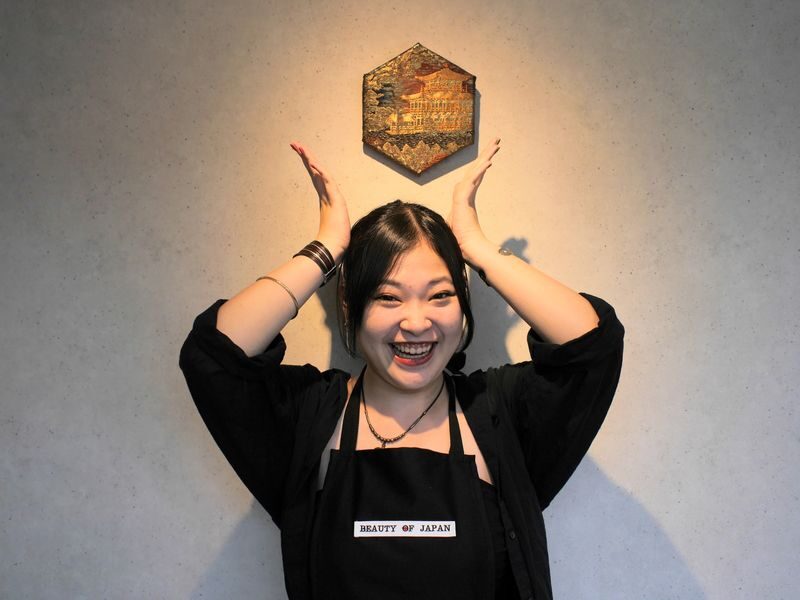
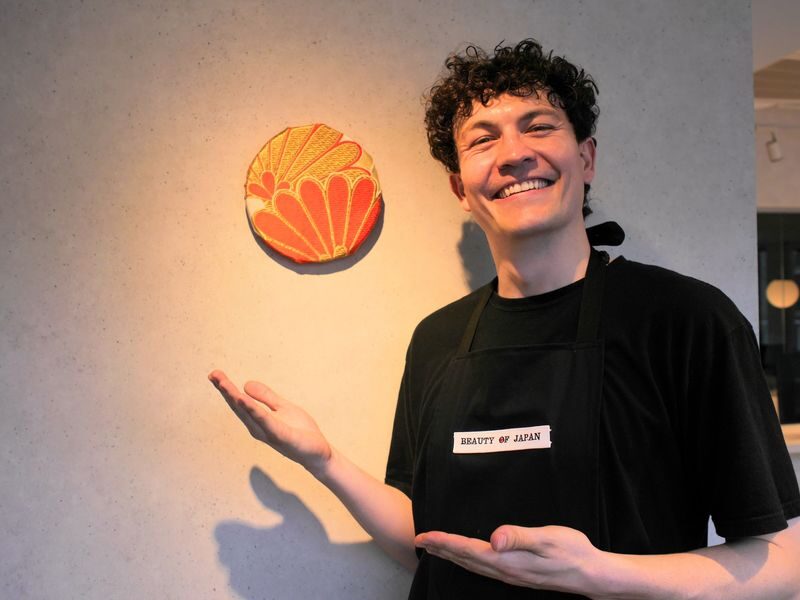
This is a hands-on craft session in central Tokyo, not a kimono-wearing or dressing experience. The appeal is getting close to the fabric itself: its pattern, texture and regional character, then making a simple art panel from a selected piece.
That distinction matters when you decide what you want from the hour. If your priority is dressing in traditional clothes for photos, this is not that activity. If you want to learn a little about kimono design and leave with a handmade object, the format is a better fit.
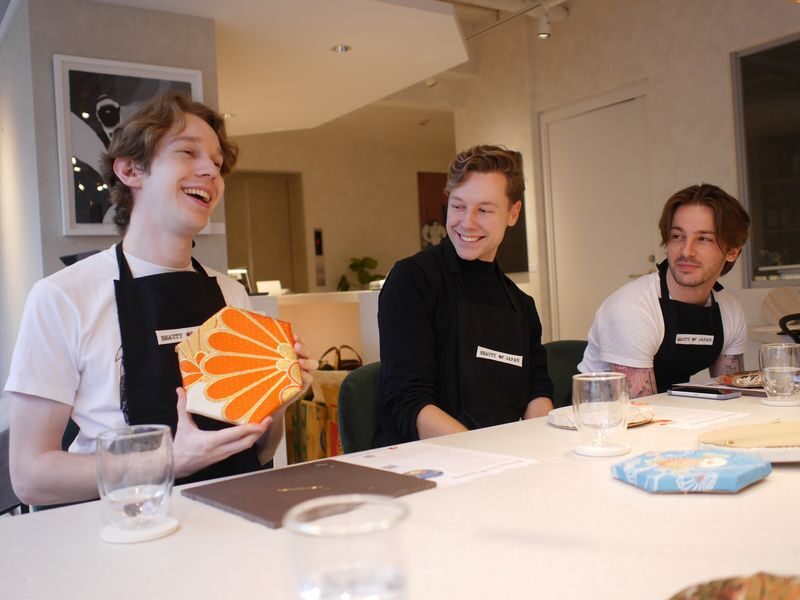
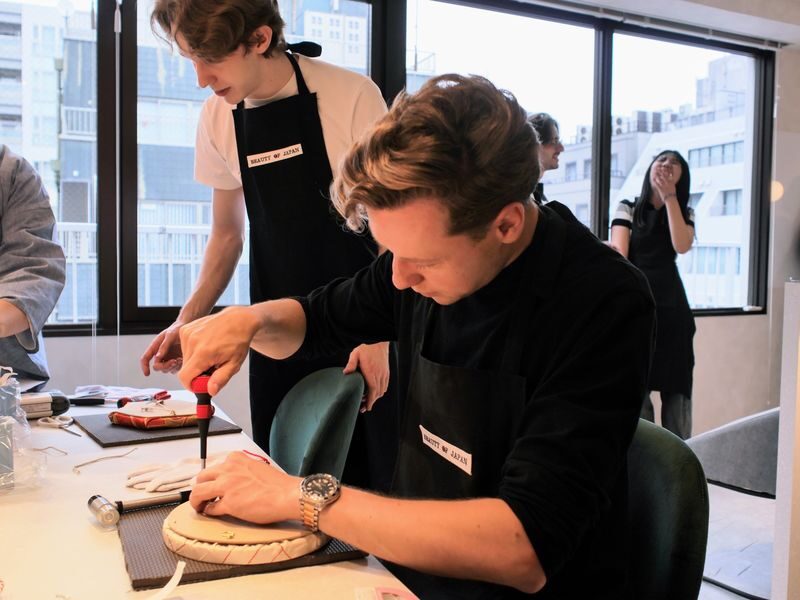
The class begins with an introduction to kimono culture and traditional styles from different parts of Japan. You then choose a fabric and make your panel, with an instructor guiding the process. The stated techniques are beginner-friendly, and the activity is intended for all skill levels. You do not need to arrive as an experienced crafter.
The workshop has a tangible connection to sustainability, too. Instead of buying an entire garment, you work with vintage kimono fabric that is being reused. That makes the finished panel a modest, practical keepsake: you take home a piece of textile tradition without needing to store or wear a full kimono.
You can also read our reviews of more tours and experiences in Tokyo



The fabric choices tell a regional story
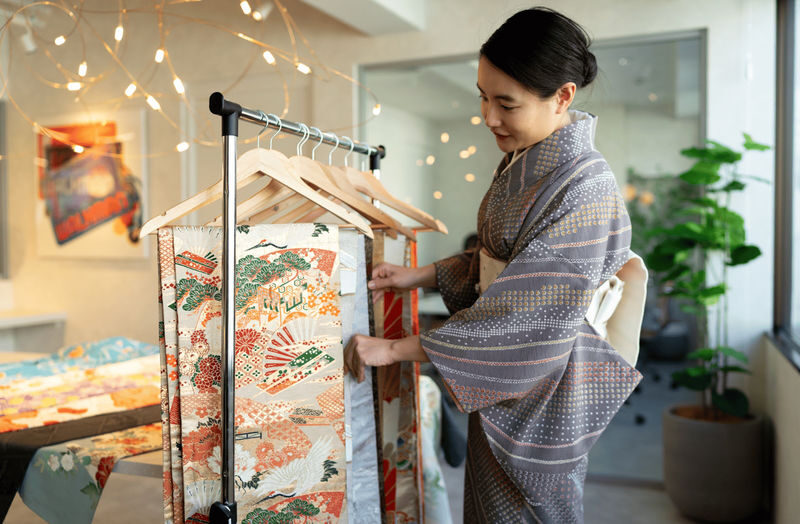
The selection includes four named textile traditions, each associated with a different place and visual character. Bingata, from Okinawa, is described as colorful and lively in pattern. Oshima Tsumugi, from Amami, has an earthy, more restrained look. Kaga Yuzen, from Kanazawa, is known here for intricate designs, while Kyo Yuzen from Kyoto is presented as refined and timeless.
These choices are more than a menu of pretty patterns. They give you a simple way to notice how kimono design varies by region, and they help make the short cultural lesson concrete. You can compare the fabrics with your own eyes rather than trying to remember a list of names from a lecture.
The activity does not specify that every fabric will be available at every session, so I would treat the named textiles as examples of the selection rather than a guarantee of a particular pattern. If one specific regional style matters to you, ask the provider before booking.
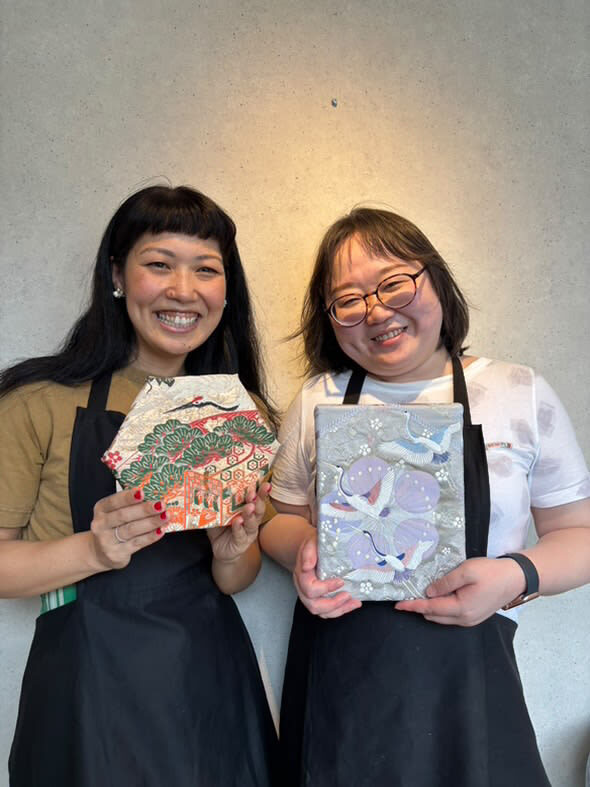
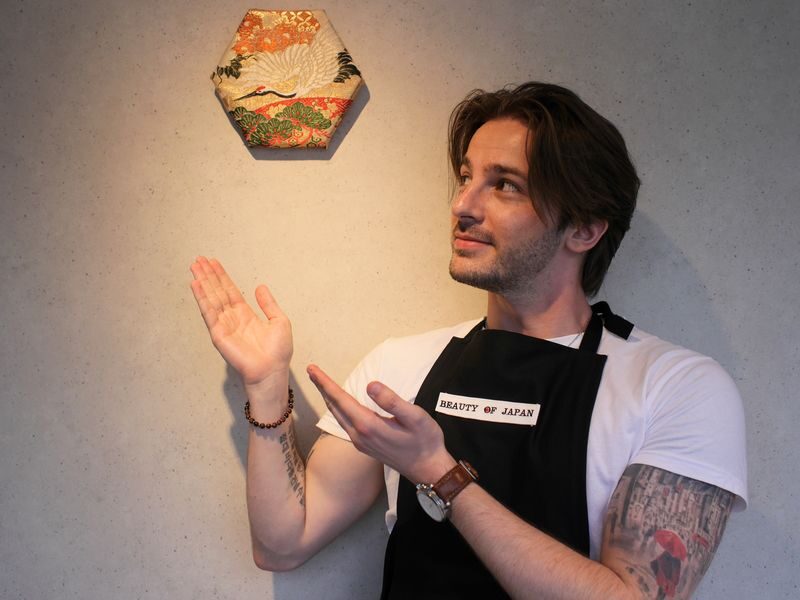
Your choice also shapes the keepsake. A bold motif may make a lively panel, while a quieter design might suit a more understated spot at home. The point is not to make a museum piece. It is to create something personal, guided by the fabric that catches your attention.
From kimono lesson to finished panel
The schedule is straightforward. You meet at Hatchobori Third, take part in the guided workshop, and return to the same location. There is no transport between attractions to plan around, and meals and beverages are not included.
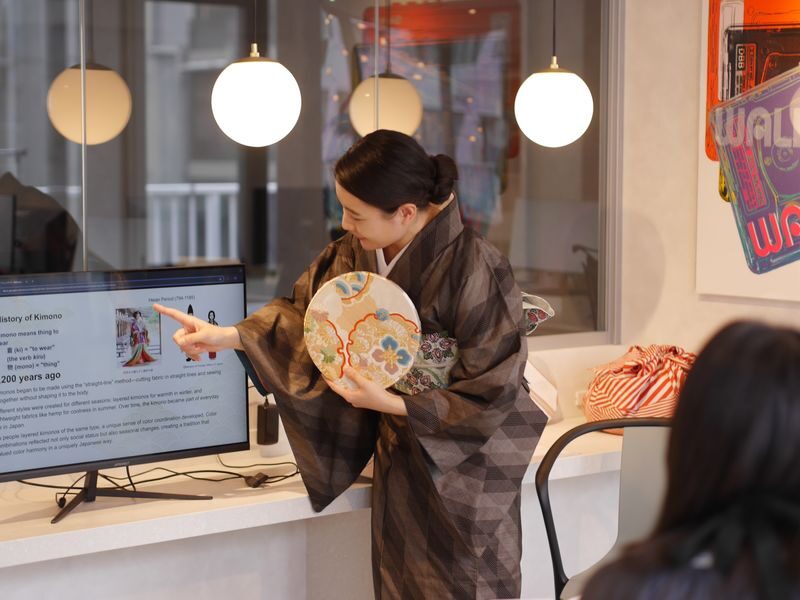
First comes the cultural introduction. The instructor talks about kimono history and traditional styles, including regional differences and the meaning of motifs. The material is a useful frame for the craft: it helps you see the cloth not simply as a decorative surface, but as part of a garment tradition with local identities and visual codes.
Then you select a fabric and pattern. This is likely to be the most personal part of the session, since the finished panel depends on the cloth you choose. Take a moment to look closely before deciding. If you are drawn to a particular color or motif, ask the instructor what they can tell you about it.
The making process uses simple techniques, and the activity is described as suitable for beginners. The available information does not spell out every construction step, so do not expect a detailed technical course in kimono sewing. One useful detail from the class is that the craft materials can include real nails and staples rather than relying on glue. That gives the project a more hands-on feel, though anyone uneasy around those tools should ask the instructor how the process works.
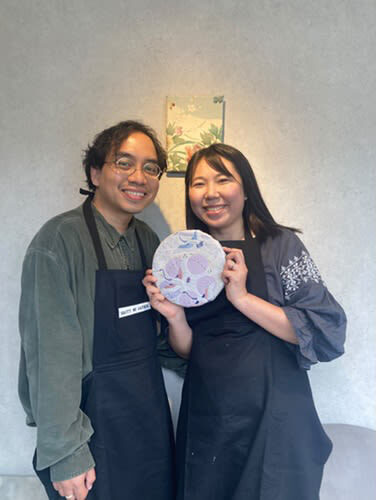
You finish with your own art panel to take home. The finished object is part of the value: the class is not just a talk about kimono, and the fabric is not merely a sample to admire before leaving. You make something that can remind you of the session after your trip.
What the lesson covers, and what it may leave out
The instructor’s enthusiasm is an important part of the experience. Yuki is named in connection with the workshop, and the class is described as including clear explanations, a personal account of why the instructor teaches kimono art, and time to ask questions. You can expect a guided introduction rather than a self-directed craft table.
The lesson touches on history, regional styles and motif symbolism. That is a good range for a short session, especially if you have not studied kimono before. It gives you enough context to make your fabric choice more informed and to recognize that different designs carry different visual associations.
The workshop is not presented as an in-depth class on every aspect of kimono construction. If your main interest is how an obi is folded or the many ways it can be arranged, you may want to ask whether that topic is covered. It is not specifically promised in the session details, so treat the workshop’s focus as kimono culture and fabric art rather than a complete guide to dressing.
Language is worth considering. English and Japanese-speaking guidance is included, but some participants have found that basic Japanese conversation helps them enjoy the session. If you rely on English, you can still expect English support, but you may want to ask how much of the discussion will be conducted in English when you book.
Is $78.85 fair value?
At a starting price of $78.85, this is not a cheap souvenir stop. You are paying for a guided lesson, access to a selection of vintage kimono fabric, the materials and a finished object to take home. The value rests on the combination of instruction and making, rather than on the length of the session alone.
For a traveler who enjoys crafts, that combination can make the cost worthwhile. You get to handle and choose the textile, hear about its cultural context and make something yourself. The material quality also matters: the use of proper craft tools such as nails and staples suggests a more involved process than gluing a fabric square onto a backing.
If you only want a quick introduction to kimono history, the price may feel high for a short class. And if you are looking for a full garment, this does not provide one. You leave with a small art panel, not a wearable kimono or a broad craft course.
The workshop earns its keep best when you value participation and a distinctive keepsake. It also suits travelers who prefer an activity with a local cultural focus over a large attraction with a long queue. The provider, Beauty of Japan, has 2,625 total reviews and a 91 percent good review rate across its offerings, though those figures cover the provider rather than this workshop alone. This specific activity has a perfect 5.0 rating from five reviews, a very small sample, so I would weigh the details of the class more heavily than the score.





Getting to Hatchobori Third on time
The meeting address is Hatchobori Third 7F, 3 Chome-14-4 Hatchobori, Chuo City, Tokyo, postal code 104-0032. Staff are described as waiting at the first-floor entrance, so go there for help rather than searching the building’s upper floors on your own.
You can choose a start at 11:00 or 14:00 when booking. Arrive 10 minutes before your selected time. Late arrivals and no-shows are not refundable, so leave enough margin to find the building and reach the entrance without rushing.
There is a timing discrepancy to clear up before you set the rest of your day. The activity summary says one hour, while the itinerary lists the guided visit as one hour and 30 minutes, with return times of 12:30 for the 11:00 session and 15:30 for the 14:00 session. The stated return options depend on the departure time and itinerary length. Plan around the longer window unless the provider confirms otherwise.
The voucher is valid only on the date and time specified. Confirmation is expected within minutes after booking; if it does not arrive, contact customer support. The activity is for participants aged 10 and older. Meals, drinks and personal expenses are not included, and a full refund is available if you cancel at least 24 hours before the activity date, according to local time.
Who will get the most from this class?
I would recommend this to you if you enjoy crafts, textiles or design and want a small-scale cultural activity that fits into a Tokyo day. It is also a strong match if you are looking for a souvenir with a personal connection, rather than another item bought off a shelf.
It should work for beginners and for families with children aged 10 or older, as long as they are comfortable taking part in a guided craft session. The simple techniques lower the barrier to entry, and the lesson gives the activity context beyond just making an object.
You may want to choose another experience if you want to wear a kimono, focus on a long technical course, or spend less for a brief cultural introduction. And if you are especially interested in obi-folding techniques or detailed construction, ask about the lesson’s scope in advance.
Should you book the Kimono Art Workshop?
Book it if you like the idea of choosing vintage kimono cloth, learning what makes regional styles different and making a panel you can carry home. Its best features are the direct contact with the fabric, the instructor-led cultural context and the second life given to old textiles.
Before paying, confirm the session length and, if needed, the language arrangement or availability of a particular fabric. If those details suit your plans, this is a thoughtful, hands-on way to spend part of a day in Tokyo. If you want a wearable kimono or a long, technical class, it is not the right fit.
Kimono Art Workshop in Tokyo
“I could tell the instructor has a great passion for kimono art as she enthusiastically shared her story and her reason for why she decided to host…”
FAQ
How long does the Kimono Art Workshop take?
The activity summary gives a duration of one hour, but the scheduled visit is listed as one hour and 30 minutes. Return times are 12:30 for the 11:00 start and 15:30 for the 14:00 start. Confirm the expected duration when planning your day.
What time can I book?
The listed start times are 11:00 and 14:00. Available return times depend on the start time and itinerary duration.
Where is the meeting point?
Meet at Hatchobori Third, 3 Chome-14-4 Hatchobori, Chuo City, Tokyo, postal code 104-0032. Staff are expected at the first-floor entrance, with the workshop on the seventh floor.
How early should I arrive?
Arrive 10 minutes before your selected start time. Latecomers and no-shows are not eligible for a refund.
Is the workshop suitable for beginners?
Yes. The activity is described as beginner-friendly and suitable for all skill levels, using simple techniques to make an art panel.
What fabrics can I choose from?
The named options include Bingata from Okinawa, Oshima Tsumugi from Amami, Kaga Yuzen from Kanazawa and Kyo Yuzen from Kyoto. Availability of a particular fabric is not guaranteed in the activity details.
Is an English-speaking guide available?
English and Japanese-speaking guidance is included. Basic Japanese conversation may help you enjoy the discussion, but English guidance is available.
What is included in the price?
The activity includes admission and an English- or Japanese-speaking guide. Meals, beverages and other personal expenses are not included.
What is the minimum age, and can I cancel?
Participants must be at least 10 years old. You can receive a full refund if you cancel at least 24 hours before the activity date, using the destination’s local time.