Ikebana turns a handful of flowers into a study of shape, space, and restraint. At Studio SOIL in Tokyo, you learn the basics with a certified instructor who won first place in the freestyle division of the Japan Ikebana Contest. You do not need flower-arranging experience, or your own tools.
I like that the class includes the flowers and Japanese scissors, so you can focus on the craft rather than packing supplies. I also like its small-scale setting: one account described a class with only one or two participants, and instructor Demi is praised for clear explanations and a relaxed, funny manner.
The main consideration is price: at US$86.70, this is a short, hands-on class, not a full-day cultural program. The tea service is advertised, but it was not available on at least one occasion, and taking fresh flowers home may be awkward on a long trip.
- At a glance
- What the ikebana lesson is really about
- Inside Studio SOIL
- From introduction to finished arrangement
- Tea, price, and what you get
- Who will enjoy this Tokyo flower workshop
- Is the ikebana class worth booking?
- FAQ
- How long does the ikebana experience take?
- Where is the workshop held?
- What time can I choose?
- Do I need experience with flower arranging?
- Are flowers and tools included?
- Is the class available in English?
- Can I take my arrangement home?
- Is tea included after the lesson?
- What is the minimum age?
- What is the cancellation policy?
- The Best Of Tokyo!
- More Workshops & Classes in Tokyo
- More Tours in Tokyo
- More Tour Reviews in Tokyo
- Not for you? Here's more nearby things to do in Tokyo we have reviewed
At a glance
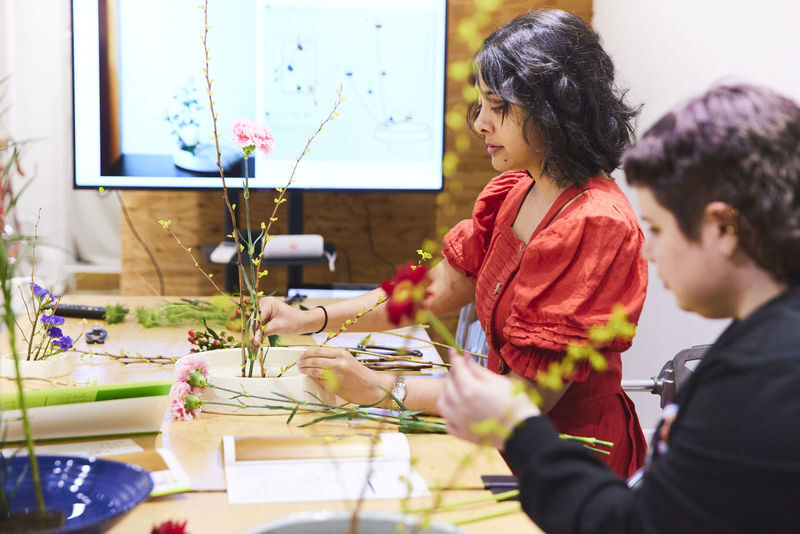
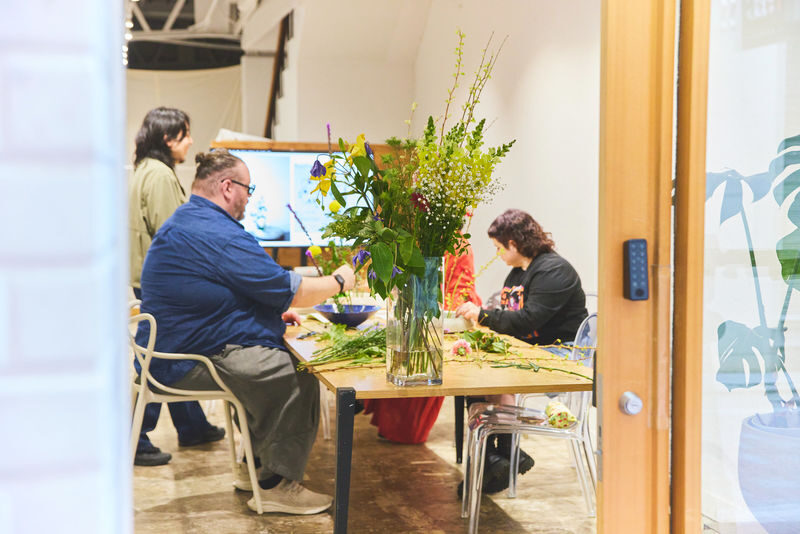
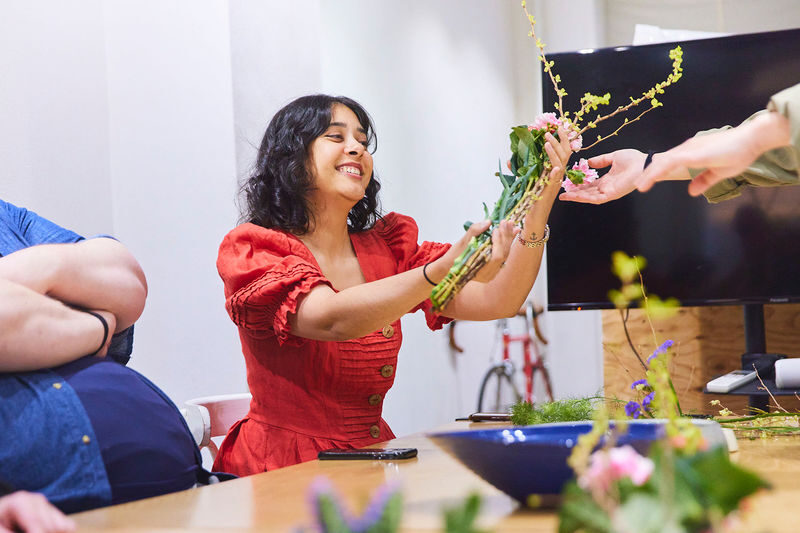
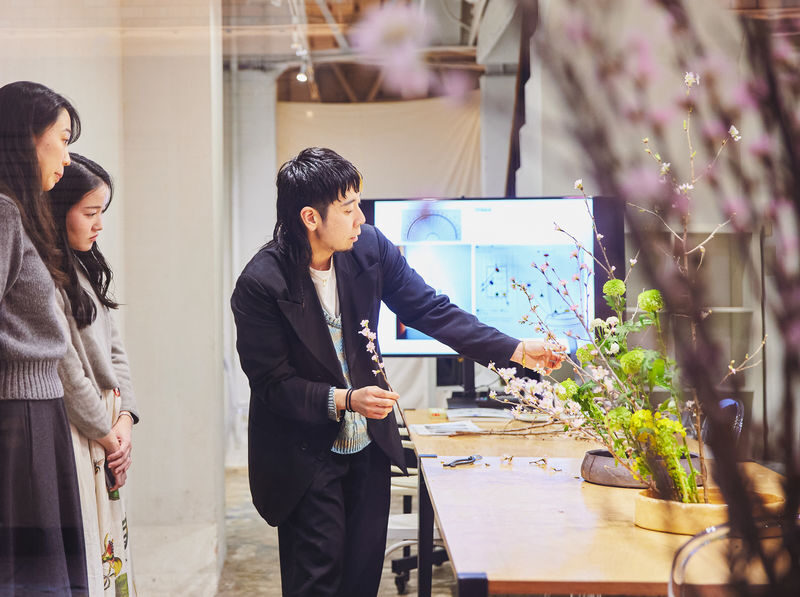
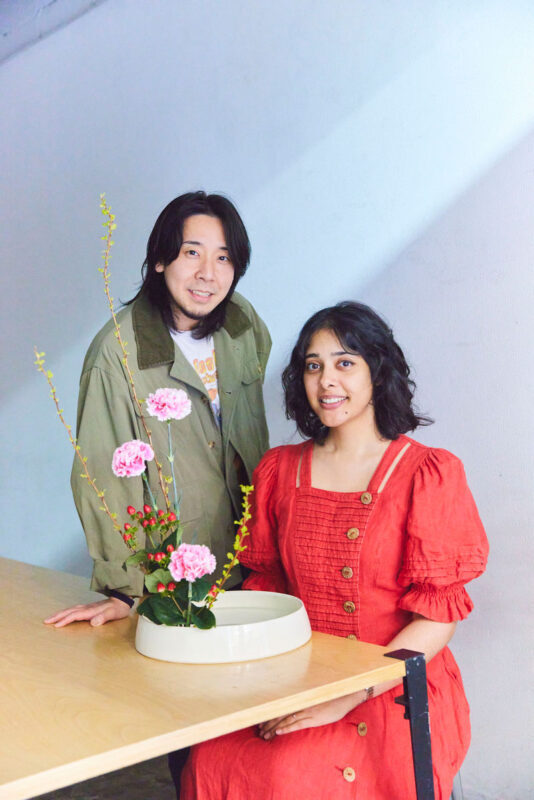
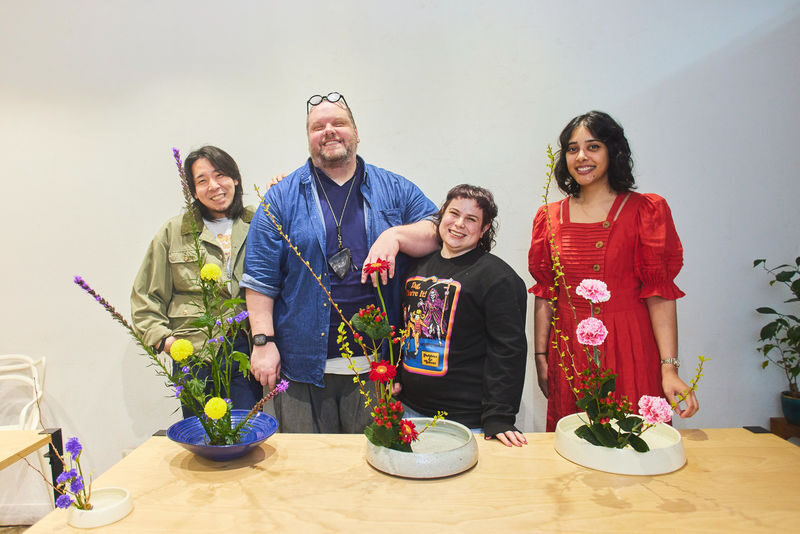
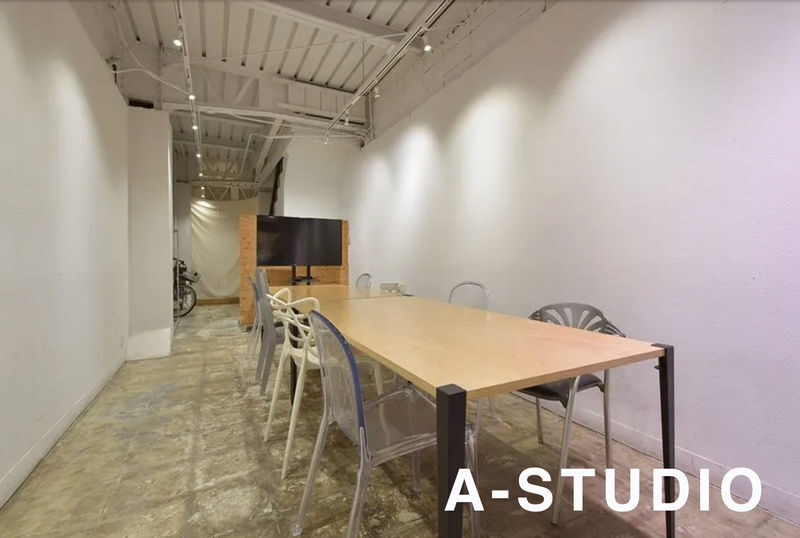
- A contest-winning teacher leads the lesson: The instructor took first place in the freestyle division of the Japan Ikebana Contest.
- Beginners get step-by-step help: You start with an introduction to ikebana and its styles, then learn to use Japanese flower scissors and make an arrangement.
- Flowers and tools are included: No need to bring your own supplies.
- The studio is in central Tokyo: Studio SOIL is at 10-5 Nihonbashi Yokoyamacho, Chuo-ku.
- Plan for up to 90 minutes: The class is described as one hour, while the scheduled guided itinerary runs for 1 hour 30 minutes.
- You may take the flowers home: This is optional, but fresh arrangements can be hard to carry and do not last long.

👉 See our pick of the 25 Best Guided Tours In Tokyo
What the ikebana lesson is really about
Ikebana is not simply a matter of putting flowers in a vase. The class introduces it as a Japanese art of arrangement, with attention to how the materials relate to one another and to the space around them. That shift in focus is what makes a short lesson worthwhile: you leave with more than a bouquet, and a new way to look at a few stems.
The instructor begins with an explanation of ikebana’s history, forms, and basic ideas. Then you move into the practical work, including learning how to handle Japanese floral scissors before arranging the flowers. The lesson is designed for beginners, and the teacher guides you through the process rather than expecting you to know what to do.
The instructor’s credentials add substance, but the teaching style matters just as much. Participants describe Demi as patient, clear, and easy to talk to. One particularly useful detail: the class can include more than one arrangement style, so you may have a chance to try different approaches rather than making only one piece.
The flowers are seasonal, and the prepared selection can include a range of types. That gives you materials to compare as you work. The exact flowers and lesson format may vary, so think of the session as a guided introduction, not a fixed curriculum with a guaranteed sequence.
You can also read our reviews of more tours and experiences in Tokyo



Inside Studio SOIL
Studio SOIL is a modern, renovated teaching space designed by an architectural design office. The workshop may take place in studio A, B, or C, all within the same building. That means the room can vary, but you are not being sent to a different neighborhood if the assigned studio changes.
The address is 10-5 Nihonbashi Yokoyamacho in Chuo-ku, Tokyo. The experience is described as having access from different parts of Tokyo and the airports, though the details provided do not specify a transport service or exact travel times. Check the route from your hotel before choosing a class time, especially if you are arranging a tight airport connection.
The studio’s contemporary design gives the workshop a different feel from a formal temple visit or a museum display. Here, you are there to make something, ask questions, and handle the tools yourself. It is a practical way to spend an hour with a Japanese art form without needing a full day or prior knowledge.
From introduction to finished arrangement
The schedule offers departures at 12:00, 14:00, or 16:00. The corresponding return times are listed as 13:30, 15:30, and 17:30, though available options can depend on the departure you select. The overall itinerary is given as 1 hour 30 minutes, while the experience is also described as a one-hour lesson. Allow for the longer window when planning the rest of your day.
At the studio, expect a guided class rather than a demonstration you simply watch. You hear about ikebana and its different styles, learn how to use the Japanese scissors, then build your own arrangement with the teacher’s help. That balance of explanation and practice suits visitors who want context but do not want a lecture to take up the whole session.
The instructor’s English is described as understandable and clear, and English- and Japanese-speaking guidance is included. If you have questions about the technique or the meaning behind the forms, this is a good setting to ask them while you are working. The class is intended for newcomers, so you are not expected to arrive with an eye for composition.
Some participants have tried two styles in one session. That is a welcome bonus if it is offered, but it is not something to count on as a fixed inclusion. The central promise is a beginner-friendly lesson and a finished arrangement of your own.
At the end, you can take commemorative photos with your work. You may also take the flowers home if you wish. That option is appealing, but fresh flowers are not the easiest souvenir for a traveler: they can wilt, and carrying them onward can be inconvenient. If you have a long day of sightseeing or a flight soon after, the photos may be the more practical keepsake.
Tea, price, and what you get
The listed starting price is US$86.70 for the Ikebana Experience Lesson. Flowers, tools, an instructor, and English or Japanese guidance are included. You are paying for individual instruction and the chance to try the craft yourself, rather than for a long itinerary or a large bundle of activities.
For someone curious about ikebana, the value depends on what you want from the hour. If you enjoy making things and appreciate learning a little about the art while doing it, the class offers a focused cultural activity and a personal result. If you are comparing it with a longer workshop or a cheaper, less guided craft activity, the price may feel high for the time involved.
Japanese tea service is also advertised after the lesson. One participant found no tea available, while another described tea and local sweets at the end. I would treat the tea as a possible extra rather than the main reason to book, and confirm availability if it matters to you.
The flowers and tools being supplied is a genuine convenience, particularly if you are visiting Tokyo with limited luggage. But the take-home arrangement is not a durable souvenir. The value is in the lesson and the memory of making it, with the flowers as a bonus if you can carry them comfortably.
Who will enjoy this Tokyo flower workshop
This class suits solo visitors who want a quiet, hands-on activity, couples looking to make something together, and families with children aged five or older. It is a particularly good fit if you enjoy flowers, design, or Japanese arts and want a first introduction without committing to a long course.
It also works well for travelers who prefer a small, guided activity to a crowded attraction. One participant described the group as usually one or two people, though group size is not guaranteed. A smaller class can make it easier to ask questions and receive individual guidance, but you should not book on the assumption that you will have a private lesson.
It may be less suitable if you are watching every dollar, want an activity that lasts several hours, or need a sturdy keepsake to bring home. The arrangement is made from fresh flowers, and carrying it can be a challenge. The class is also not a good choice if you cannot attend the time selected at booking: the voucher is valid only for the specified date and time.
Participants who appear intoxicated may be refused service, with no refund. Children must be at least five years old. Confirmation is issued within 48 hours; if it does not arrive, contact customer support. You can cancel for a full refund if you do so at least 24 hours before the activity date, in Tokyo local time.





Is the ikebana class worth booking?
Book this workshop if you want a practical introduction to Japanese flower arrangement, appreciate patient instruction, and like the idea of making a personal souvenir in Tokyo. The contest-winning instructor, included materials, and beginner-friendly format make it an appealing choice for a short cultural break.
Think twice if the price feels steep for a brief activity, or if you are counting on tea or plan to carry the flowers through a long day. For the best fit, schedule it when you have time to enjoy the lesson without rushing, and treat the finished arrangement as a lovely bonus rather than a durable souvenir.
Ikebana Workshop in Tokyo: Experience the Japanese Art of Flowers
“The instructor is very artistic, teaches patiently, is relaxed and humorous, and expresses ideas clearly.”
FAQ
How long does the ikebana experience take?
The class is described as one hour, while the guided itinerary is listed as 1 hour 30 minutes. The departure and return times are spaced 90 minutes apart, so allow for that longer period.
Where is the workshop held?
It takes place at Studio SOIL, 10-5 Nihonbashi Yokoyamacho, Chuo-ku, Tokyo. The assigned room may be studio A, B, or C within the same building.
What time can I choose?
The departure options are 12:00, 14:00, and 16:00. Listed return times are 13:30, 15:30, and 17:30, with options depending on your selected departure.
Do I need experience with flower arranging?
No. Beginners are welcome, and the instructor explains the basics and guides you through making an arrangement.
Are flowers and tools included?
Yes. Floral materials and tools are included in the experience.
Is the class available in English?
English- and Japanese-speaking guidance is included. The instructor Demi has been described as explaining the lesson clearly in English.
Can I take my arrangement home?
You may take the flowers home if you wish. They are fresh flowers, so carrying them can be inconvenient and they may not last long.
Is tea included after the lesson?
Japanese tea service is advertised, but it has not been available on every occasion. Tea and local sweets have also been served, so confirm if this detail is important to you.
What is the minimum age?
Participants must be at least five years old.
What is the cancellation policy?
A full refund is available if you cancel at least 24 hours before the activity date, based on local time in Tokyo.