
Mirissa is one of the best places on Earth to see blue whales — the largest animal that has ever existed, bigger than any dinosaur, with a tongue that weighs more than an adult elephant.
The reason isn’t luck. It’s geography. The continental shelf off Sri Lanka’s south coast drops from shallow reef to abyssal deep water within about ten nautical miles of shore, and the blue whales migrating between the Arabian Sea and the Bay of Bengal use that edge like a highway. From December to April they pass close enough that you can be in open water with them inside 45 minutes of leaving the harbour.
I’ll say this upfront though: whale watching in Mirissa has a reputation problem. It earned that reputation. Choose the wrong operator and you’ll spend four hours on a cramped boat chasing the same whale as 20 other boats. Choose the right one and you’ll see blue whales, fin whales, sperm whales, spinner dolphins, and get home by lunch feeling like you just did the single most memorable thing in Sri Lanka.
This guide is everything I wish I’d known before booking my first Mirissa whale tour: which operators are worth the money, which months actually deliver sightings, how early you need to be at the harbour, and the three specific tours I’d recommend to someone booking tonight for tomorrow morning.
Short on time? Here are my top 3 picks:
Best overall: Mirissa Guided Dolphin and Whale Watching Tour — $65. The most booked whale tour on the south coast by a wide margin, hotel pickup included, biggest boat.
Most ethical operator: Whale Watching Mirissa with WWC — $55. Smaller boat, better-behaved skipper, the operator travellers consistently recommend over everyone else.
Best with breakfast and transfers: Mirissa Whale-Watching Trip with Pickup, Breakfast, and Wi-Fi — $70. Good pick if you’re based in Galle or Unawatuna and don’t want to organise your own 6 a.m. transfer.
- How the Mirissa Whale-Watching Season Actually Works
- The Official Booking Process (Such As It Is)
- Standard Operators vs Ethical Operators — Why It Matters
- The Best Mirissa Whale Tours to Book
- 1. Mirissa Guided Dolphin and Whale Watching Tour —
- 2. Whale Watching Mirissa with WWC —
- 3. Mirissa Whale-Watching Trip with Pickup, Breakfast, and Wi-Fi —
- What You’ll Actually See Out There
- Seasickness and What to Actually Bring
- Getting to Mirissa Harbour
- Tips That Will Save You a Bad Trip
- Combining Whale Watching with the Rest of Mirissa
- A Word on Ethical Whale Watching
- What If You Don’t See a Whale?
- Planning the Rest of Your Sri Lanka Trip
How the Mirissa Whale-Watching Season Actually Works
The calendar is the single most important thing to understand before you book. Mirissa has a real season and a fake season, and most booking platforms won’t tell you which is which.
Peak season: December through early April. This is when blue whales are reliably within range. Sightings in February and March regularly hit 90%+ success rates with the better operators. Seas are also calmest in this window — the southwest monsoon hasn’t arrived yet, the water is glassy most mornings, and you can push 15 nautical miles offshore without anyone turning green.
Shoulder: April and November. Still possible. Sightings drop to maybe 60-70%, but the crowds also drop and you’ll pay less. I’ve had good trips in both months. The risk is a rough sea day that cancels the boat entirely.
Closed season: May through October. The harbour literally stops running most whale boats because of the southwest monsoon. A handful of operators claim to run year-round — don’t believe them. The whales have moved, the seas are rough, and any boat that does go out is mostly chasing dolphins and charging blue-whale prices. Skip it and save your money for December.
Second season (Trincomalee, not Mirissa): If you’re in Sri Lanka between May and October and you want whale watching, you need to go to Trincomalee on the east coast, not Mirissa. Different whales, different operators, same animal — it’s the same blue whale population migrating around the island. This article is specifically about Mirissa.
The Official Booking Process (Such As It Is)
There’s no official central booking system for Mirissa whale watching — it’s not like booking a museum ticket. Every boat is privately owned, and you have three practical ways to book a seat:
1. Online through GetYourGuide, Viator, or Klook. This is what I recommend for 95% of travellers. The major platforms list the better-reviewed operators, they handle refunds if the boat is cancelled for weather, and you don’t have to negotiate anything at 5 a.m. in a language you don’t speak. Expect to pay $55 to $90 per person depending on operator and whether transfers are included.
2. Through your guesthouse. Most Mirissa guesthouses will book you a whale tour as a favour, usually with a commission baked in. The quality is wildly variable — a good guesthouse will put you on a good boat, a cheap guesthouse will put you on whatever boat has a seat. Ask specifically which operator they use. If the name isn’t Raja, WWC, Kumara, or one of the big Viator-listed boats, do it yourself online.
3. Walk down to the harbour the afternoon before. This is what I did the first time I went, and I don’t really recommend it. You’ll save maybe $10, you’ll have zero protection if the boat cancels, and you’ll probably end up on one of the cheapest mass-tourism boats because the good operators are fully booked in advance during peak months.
One thing nobody tells you: booking one day ahead is fine in peak season for most operators except the ethical ones. WWC, Raja, and Kumara genuinely do sell out two or three days in advance in February and March. If you know you want one of those, book a week before you arrive in Mirissa.
Standard Operators vs Ethical Operators — Why It Matters
This is the part of Mirissa whale watching that gets left out of most guides, and it’s the part that actually determines whether you’ll have a good experience.
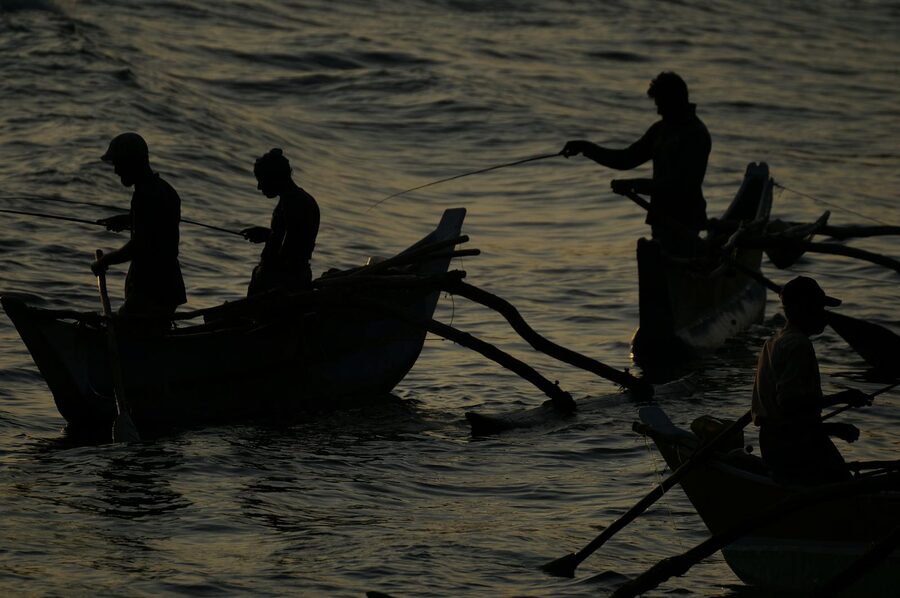
Here’s the problem. Mirissa has around 25 whale-watching boats, all leaving at roughly the same time, all going after the same handful of whales. The unregulated ones chase. They circle. They get too close, cut off the whale’s path, and force a dive. Five boats converging on one whale isn’t wildlife watching — it’s harassment, and it genuinely drives the animals away from shore over time.
The ethical operators — WWC and Raja are the two best known — follow international whale-watching distance rules, cap the number of boats on a single whale at any one time, and will actively turn away from a sighting if another boat is already within 200 metres. They also tend to go out further, look harder, and put better spotters on the deck.
The practical implication: on a standard boat you’ll see whales faster, but the experience will feel frantic and the whale often dives and disappears because of the boat pressure. On an ethical boat you might wait longer for the first sighting but when you do see one, you’ll see it properly, from a respectful distance, probably for several minutes. The photos you take from an ethical boat are better. The memory is better. And you haven’t contributed to a problem.
Pay the extra $10 for WWC or Raja if you can. It matters.
The Best Mirissa Whale Tours to Book
These are the three I’d put in front of anyone booking a Mirissa whale tour today. All three run in peak season (December through April), all three go from Mirissa Harbour, and all three are verified on major platforms with hundreds of real reviews.
1. Mirissa Guided Dolphin and Whale Watching Tour — $65
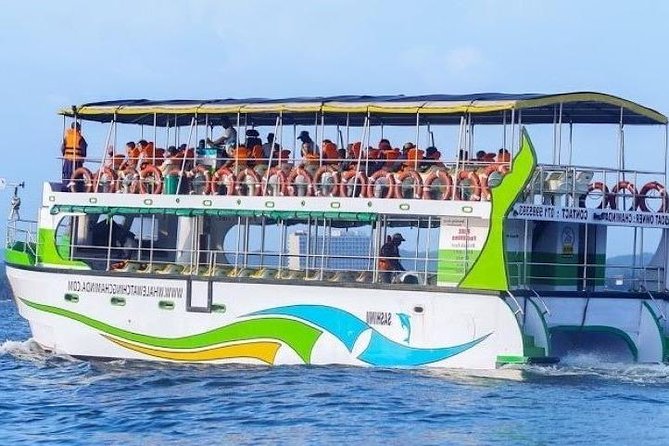
This is the default. If you’ve never been to Sri Lanka, don’t know the local operators, and just want a reliable whale tour with hotel pickup and a guarantee the boat actually leaves, this is the one to book. It has over 1,200 verified reviews and consistently runs at full capacity from December through April.
The boat is big — this is the main thing to know. You’re not on an intimate 12-person rib, you’re on a multi-deck cruiser with maybe 50 other passengers. That’s the tradeoff: $65 buys you stability, a toilet, a meal, and near-certain departure, but it doesn’t buy you the ethical-operator experience of a smaller boat. If the seas are rough and you’re worried about seasickness, this is actually the better pick specifically because the bigger boat rides smoother.
Pickup is from Galle, Unawatuna, Weligama, Mirissa, or Matara. Breakfast is included. Departure is usually 6:30 a.m. and you’re back by about 11:30 a.m. — half a day, which is the whole point of basing yourself in Mirissa.
2. Whale Watching Mirissa with WWC — $55
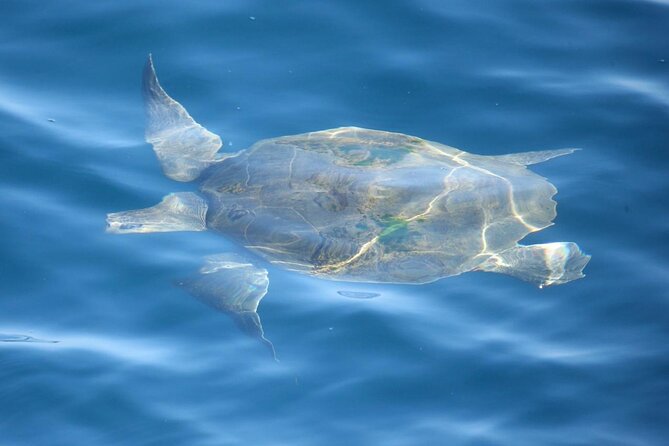
This is the one I’d pick for myself. WWC runs a smaller, better-kept boat than the mass-market cruisers, and the crew treats whale sightings with actual care — they cut the engine at range, let the whale come to them, and will turn away from a sighting if too many other boats are already on it. It’s also the only Mirissa operator I know of that’s openly critical of the crowded-boats problem, which is a good sign.
Reviews skew heavily towards “saw several dolphin species, a whale shark, fin whales, and a blue whale” — the full marine-life lottery, not just one distant blue whale fluke. Captain Manoj runs a tight boat, breakfast is proper, and crew headcounts are low enough that you can actually ask questions.
The catch: $55 is cheaper than the big cruiser, but the boat seats fewer people, which means it sells out faster. In February and March you genuinely need to book a week in advance to get a seat. It’s worth it.
3. Mirissa Whale-Watching Trip with Pickup, Breakfast, and Wi-Fi — $70
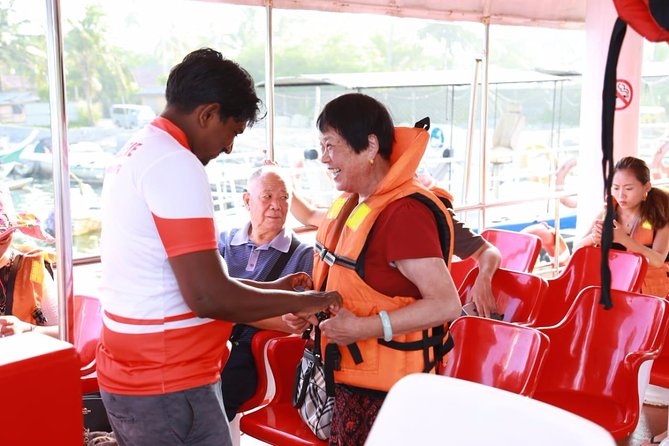
This one isn’t the cheapest and it isn’t the most ethical, but it exists for a specific reason: if you’re based in Galle Fort or Unawatuna and you don’t want to arrange a tuk-tuk to Mirissa Harbour at 5 a.m., this tour does the transfer for you. That alone is worth the extra $15 to a lot of people.
The boat is mid-sized — not the big cruiser, not the tiny rib — and the crew is professional. Breakfast is served on board after the first hour, the onboard Wi-Fi actually works (useful for uploading to family while you’re still out there), and the pickup hits the Galle hotel strip around 5:30 a.m.
Honesty note: the reviews on this one are more mixed than on the other two. People who had good weather and saw whales rave about it. People who had rough seas and no sightings complain about the transfer cost. That’s true of every whale tour but it shows up more here because the price is higher. Only book this if you actually need the transfer.
What You’ll Actually See Out There
Blue whales are the headline, but they’re rarely the only sighting on a good day. Here’s what the marine life lineup actually looks like in the hours you’ll spend on the water:
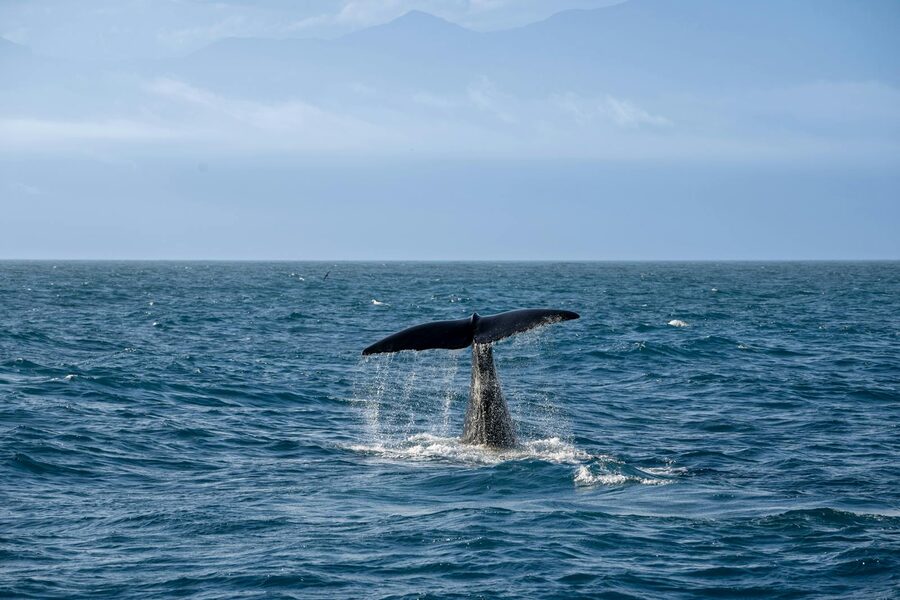
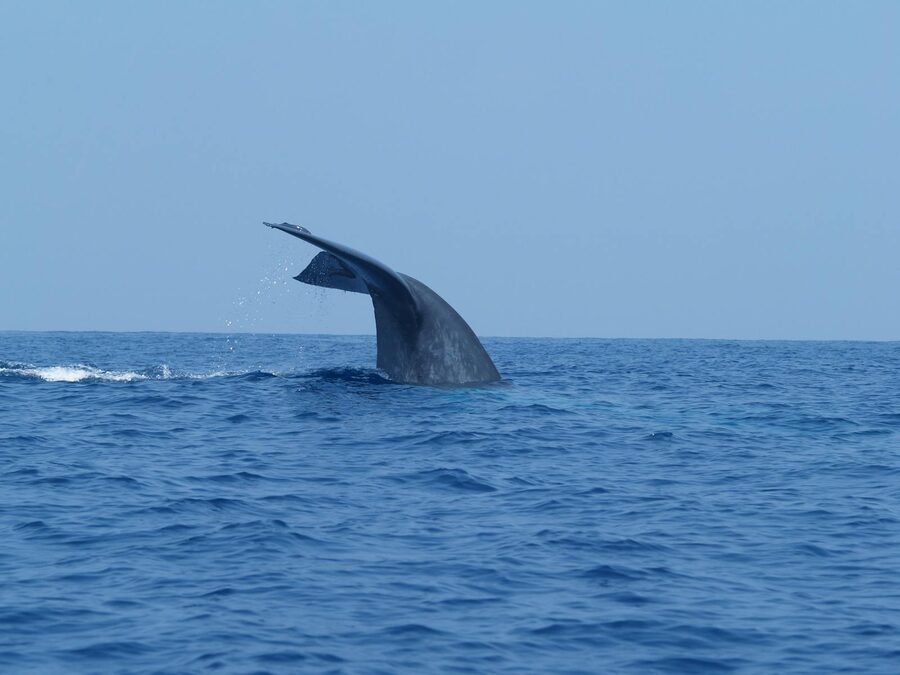
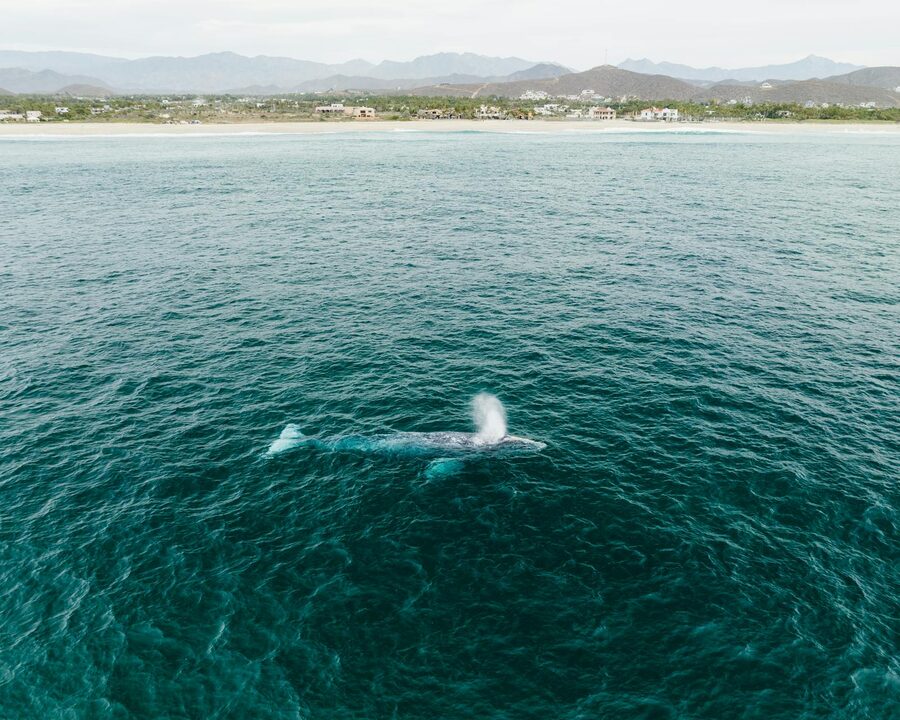
Blue whales (peak season). The main event. What you’ll probably see: a grey-blue hump rolling at the surface, a blow twelve metres high, then the fluke lifting slowly for a deep dive. What you won’t see: a full breach. Blue whales don’t breach. Anyone telling you otherwise is misleading you. You will see enough of the animal to understand how big it is — and you’ll spend the rest of the day quietly processing that.
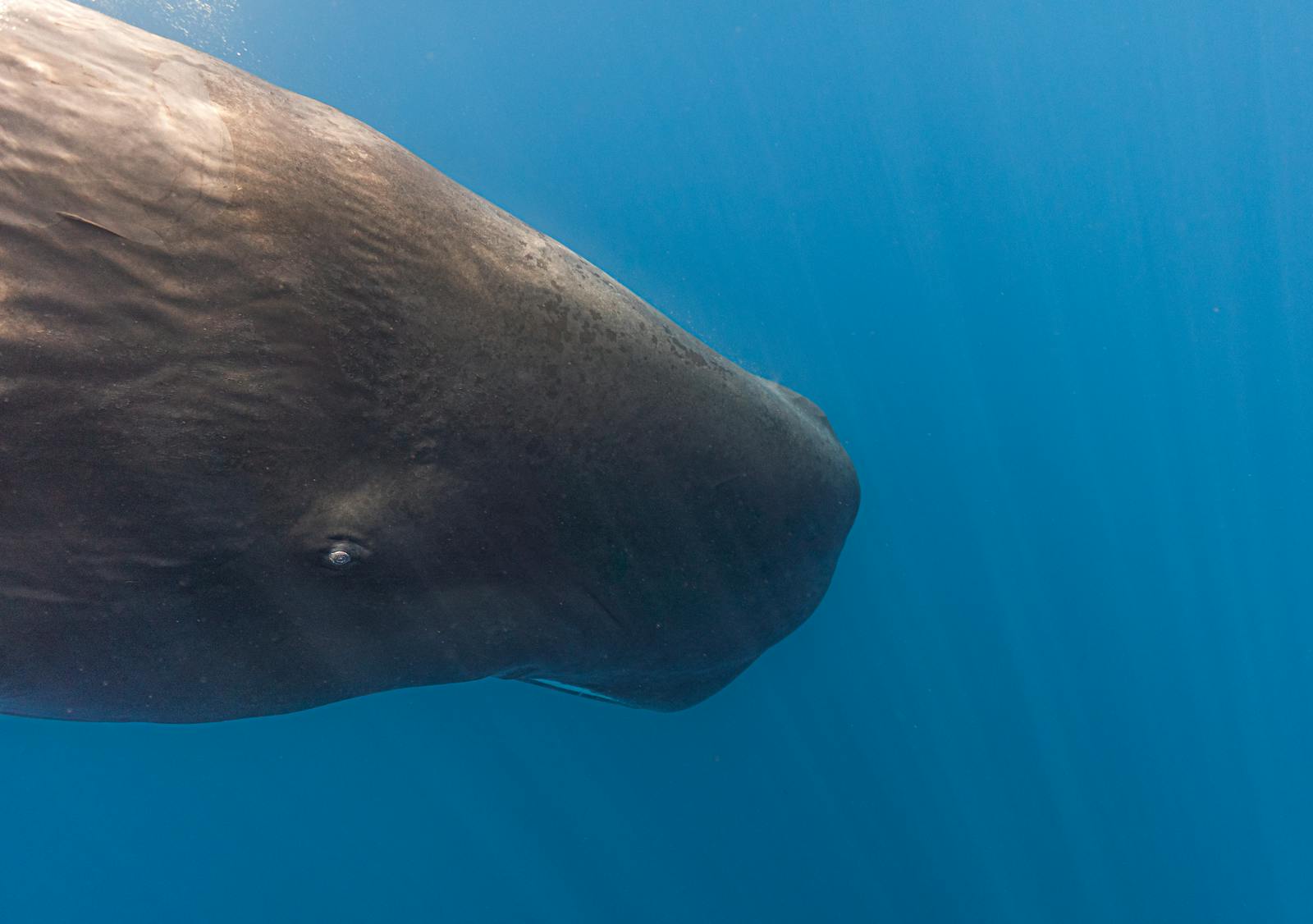
Sperm whales. Less frequent than blues but not rare — especially in the shoulder months. They travel in pods of up to 20, they dive for up to an hour, and they’re more visible at the surface than blue whales because they rest there between deep hunts.
Fin whales and Bryde’s whales. Second-largest and fourth-largest whale species on Earth, and both turn up in Mirissa waters in peak season. Fin whales in particular are underrated — they’re fast, sleek, and genuinely exciting to watch at close range.
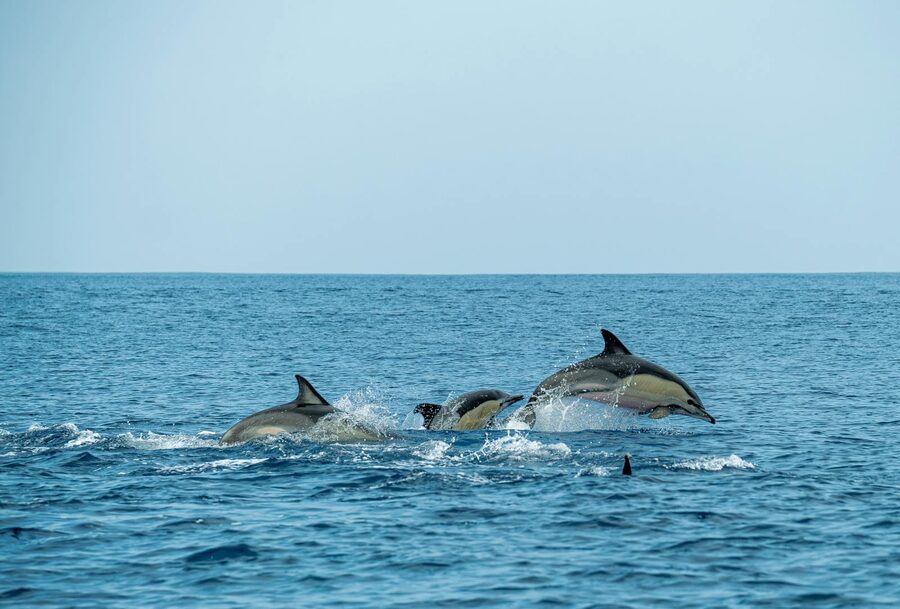
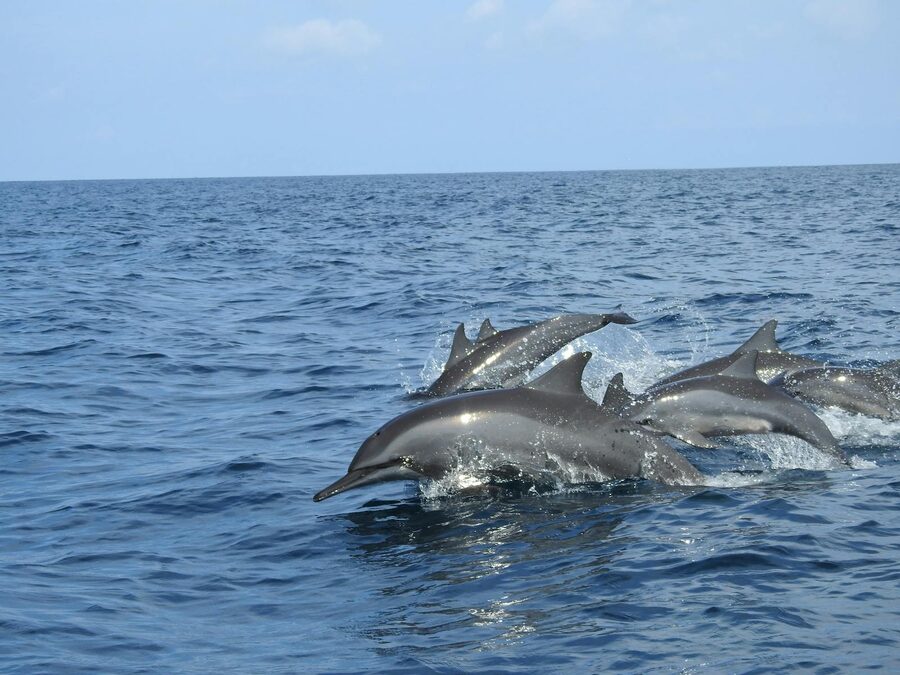
Spinner dolphins and bottlenose dolphins. Massive pods. You’ll see these every single trip, usually within 30 minutes of leaving the harbour. The spinners do exactly what the name suggests — they leap and spin mid-air. On a day when the whales don’t cooperate, the dolphins can rescue the entire trip.
Sea turtles and occasional whale sharks. Green turtles and olive ridleys surface regularly. Whale sharks are rare but possible — mostly between January and April. If you see one, your day has been made.
Seasickness and What to Actually Bring
I’m going to be direct about this because most whale-watching guides skip it: Mirissa can be rough. Even in peak season, on a calm-looking morning, once you’re fifteen nautical miles offshore you’re in real ocean, and a decent percentage of boat passengers get sick.
Things I bring on every Mirissa whale trip:
- Motion sickness tablets — take one 45 minutes before boarding, not when you start feeling bad. By then it’s too late. The chemists in Mirissa town sell them for almost nothing.
- A light long-sleeve shirt — the sun reflecting off the water is brutal and you’ll burn through a t-shirt in an hour.
- A waterproof bag for your phone — the boats aren’t covered and spray hits the deck even in calm conditions.
- Water and a snack — even though most operators include breakfast, I always bring more water than I think I need.
- Cash — for tipping the crew and buying a beer back at the harbour afterwards.
Do not bring a heavy camera with a long lens unless you’re a serious wildlife photographer. The boat movement makes long-lens shots almost impossible from the deck. Your phone is fine.
Getting to Mirissa Harbour
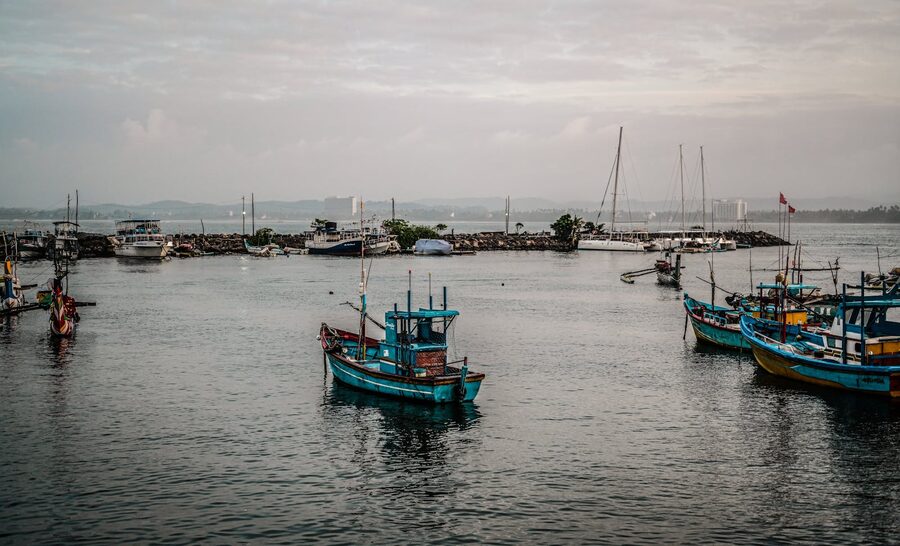
Mirissa Harbour is about a kilometre east of Mirissa Beach. From the main beach strip it’s a 15-minute walk or a 3-minute tuk-tuk ride — you’re aiming for the area around the fish market. The boats leave from a concrete jetty inside the harbour mouth, and every tour will tell you exactly where to meet.
From Galle or Unawatuna: 40 minutes by tuk-tuk or taxi. If your tour doesn’t include transfers, factor in about LKR 2,500–3,500 one way for a tuk-tuk. A private car is faster and more comfortable if you’re booking through your hotel.
From Colombo: This isn’t a day trip. It’s a 3-hour drive each way on the coastal road, longer in traffic, and you’d be arriving at Mirissa at midnight for a 6 a.m. departure. Stay the night in Mirissa, Weligama, or Galle the day before. Most people combine Mirissa with a south-coast road trip that also includes Udawalawe National Park for the elephants and maybe a few days in Galle Fort.
From the hill country: Ella to Mirissa is a 5-hour drive or a long train-plus-tuk-tuk combination. If you’re doing the classic Sri Lanka circuit — Kandy down to Ella and then south to the coast — Mirissa is the natural end point before flying out.
Tips That Will Save You a Bad Trip
- Check the weather the night before. Not the tour’s refund policy — the actual forecast. A “30% chance of showers” morning is fine. Swell over 1.5 metres is not. If you see a swell warning, push your booking back a day if you can.
- Don’t book back-to-back activities the same afternoon. You’ll be exhausted. The boat returns around 11:30 a.m., you’re sunburnt and hungry, and all you’ll want is lunch and a nap. Plan accordingly.
- Stand at the bow, not the back. Less engine noise, first to spot sightings, and less seasickness because the boat pitches less at the front.
- Don’t trust “100% sighting guaranteed” claims. No legitimate operator offers this. The ones that do are usually chasing whales aggressively to meet the promise. If an operator doesn’t sight whales on your trip, the ethical ones will offer a discount on a second trip — that’s the real gold standard, not a 100% guarantee.
- Tip the crew. LKR 1,000–2,000 per person at the end is standard for a good trip. The spotters work hard.
Combining Whale Watching with the Rest of Mirissa
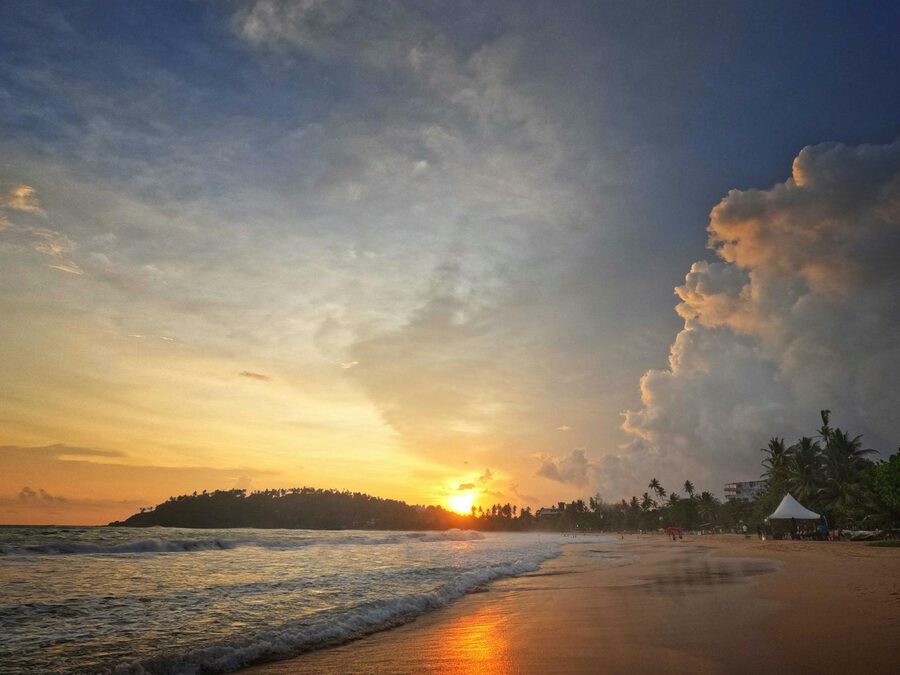
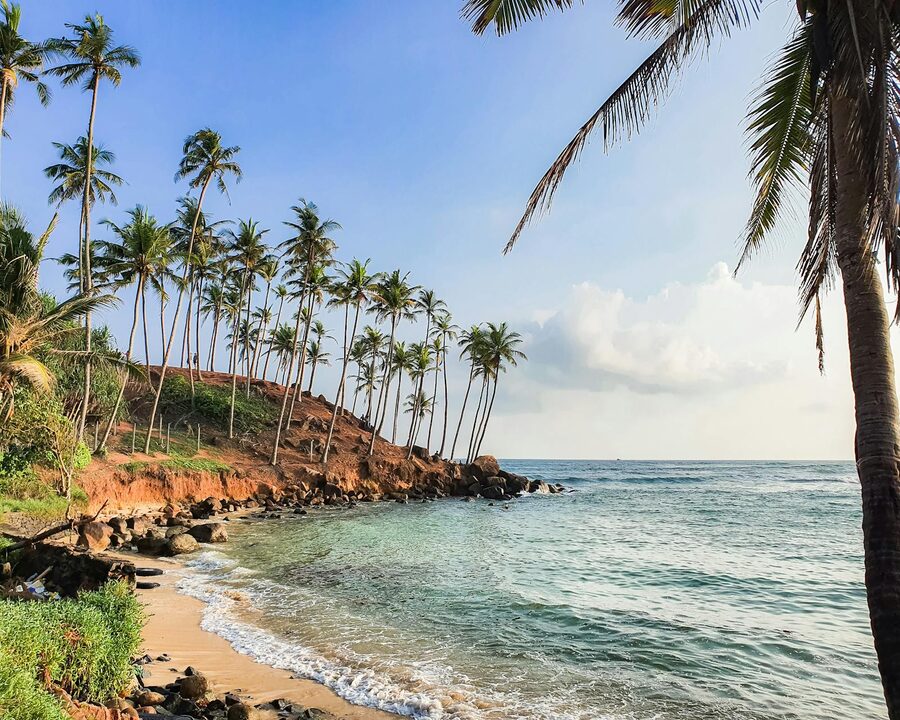
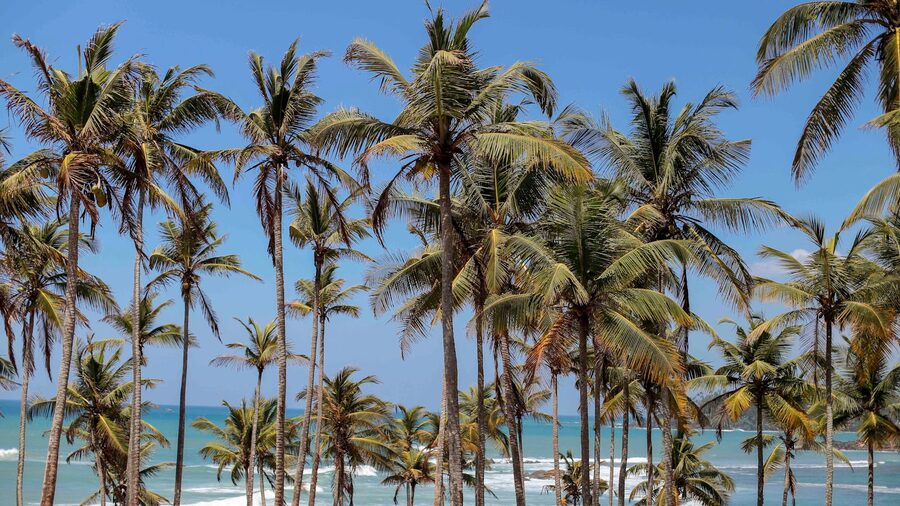
Mirissa is a place you want at least two nights for. One to arrive, settle in, and book the whale tour. One for the whale tour itself and a slow afternoon on the beach. If you can stretch to three, the extra day is where you fit in everything else — turtle snorkelling off Polhena (about 20 minutes east), a surf lesson at Weligama, or the famous coconut tree hill at the east end of Mirissa Beach at sunrise.
The turtle snorkelling deserves a mention because it’s a genuinely different experience from the whale tour and a lot of people do both. Green turtles feed in the seagrass just off the Mirissa and Polhena beaches year-round, and you can wade out from shore or take a short boat trip to reach them. It’s cheap ($15-25), it’s easy, and the turtles are habituated enough that you can get within a metre or two.
For food, the beachfront restaurants in Mirissa are mostly indistinguishable — seafood, fresh fish curry, cold beer. The best meal I had in Mirissa was actually inland at a local rice-and-curry place two streets back from the beach. If you’re looking for that kind of place, ask your guesthouse.
A Word on Ethical Whale Watching
I wrote about this above but I want to come back to it because it’s the single most important decision you’ll make about this trip. Mirissa’s whales are not infinite. The population that migrates past Sri Lanka every year is relatively small, and the boats chasing them every morning in peak season do have a measurable impact.
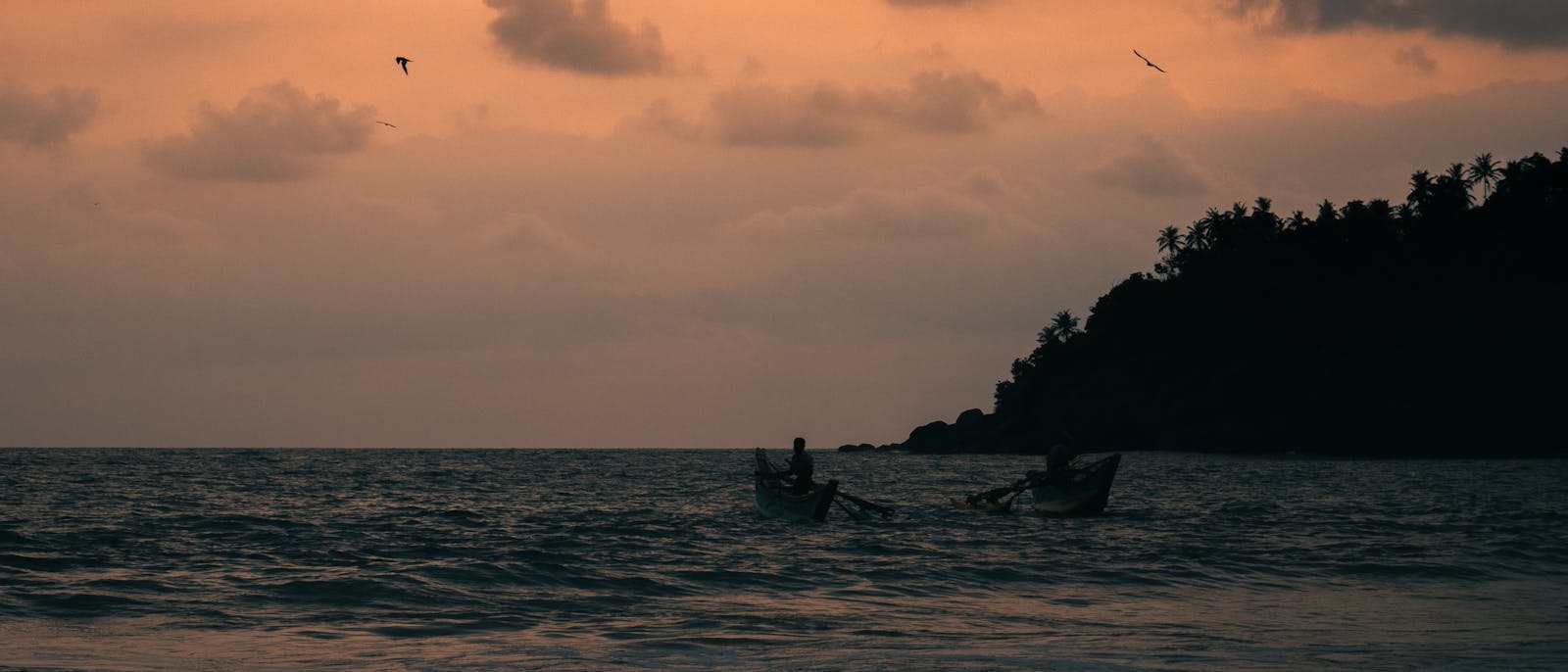
What you can do:
- Pick an operator that follows the 100-metre distance rule and caps the number of boats on a single whale. WWC, Raja, and Kumara all do this.
- Don’t shout or splash when a whale surfaces close to the boat. Whales have excellent hearing underwater and the noise stresses them.
- If your operator is being aggressive, say something. Ask the skipper to back off. It sometimes works.
- Don’t support operators that advertise “swimming with whales.” That’s illegal in Sri Lankan waters and it’s deeply harmful to the animals.
Spending $10 extra per ticket on an ethical operator is the single most impactful thing you can do as a tourist here. It also gets you a better trip. There’s no tradeoff.
What If You Don’t See a Whale?
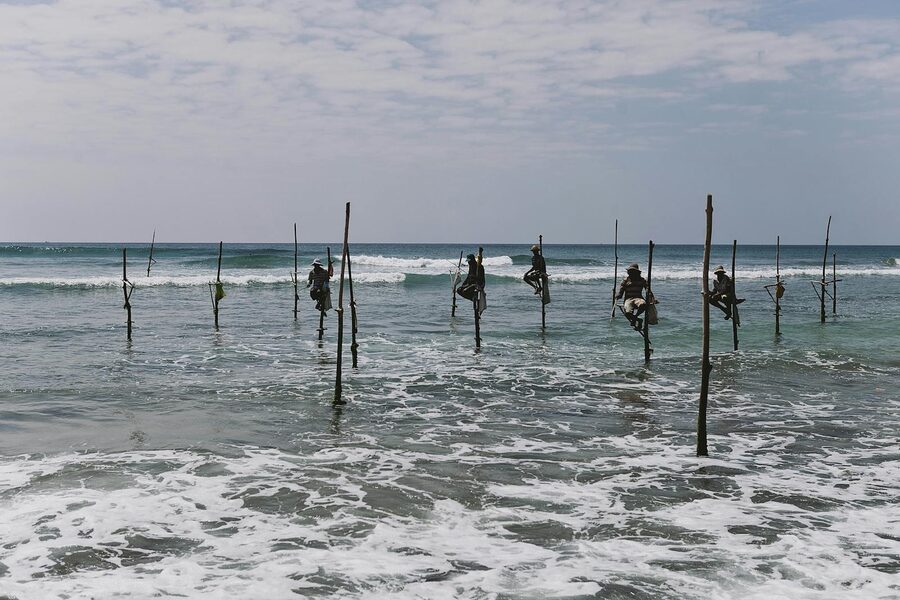
It happens. Even in peak season, even with the best operator, some mornings the whales just don’t cooperate. If that’s your trip, here’s what to do:
Ask about the discount policy. Many of the ethical operators will offer a discounted or free second trip if you didn’t see a whale on the first. WWC and Raja both do this. The mass-market boats generally don’t.
Reframe the trip. You still saw dolphins, you still got a morning on the Indian Ocean, and you still got breakfast on a boat at sunrise. That’s worth $55 on its own even without the whales. The problem is expectation — if you booked a “blue whale tour” and didn’t see a blue whale, it can feel like a bust. It isn’t. It’s a sea day.
Go again the next morning if you have time. The odds of seeing whales on consecutive days are cumulative. Two trips in a row in February or March gets you close to a 99% chance of at least one sighting.
Planning the Rest of Your Sri Lanka Trip
Mirissa is the perfect end point for a Sri Lanka itinerary because it’s the place where the travel slows down and you spend two or three days doing very little. If you’re building the rest of the trip around it, the natural pairings are Colombo on arrival, the hill country and tea plantations in the middle, and a safari day before the coast.
Our guides on how to book a Colombo tuk-tuk city tour and how to book an Udawalawe elephant safari are the other two pieces of that puzzle — the tuk-tuk tour is the single best way to handle your one day in Colombo before heading south, and Udawalawe is the easier, less crowded alternative to Yala for seeing wild elephants on the road to the coast.
A day in Galle Fort 40 minutes west of Mirissa rounds it out — it’s the most atmospheric town on the whole island and an easy afternoon once you’ve recovered from the whale boat.
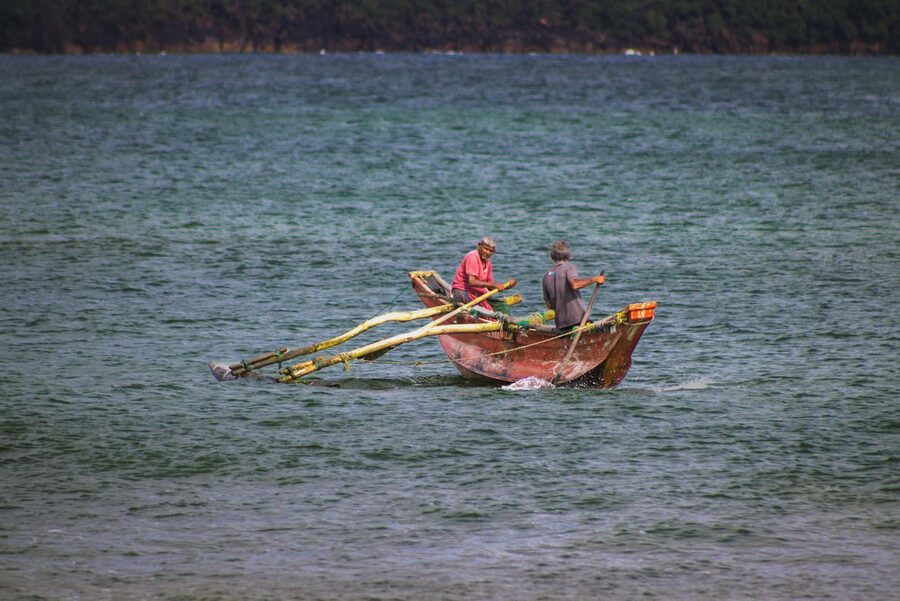
If you’ve already done Mirissa and you’re wondering what to prioritise with your remaining days, the three things I’d add to the list are Ella for the hill views, Sigiriya for the rock fortress, and a rice-and-curry lunch at a local place anywhere on the south coast — in that order. Whale watching is the big-ticket memory of a Sri Lanka trip, but the slow meals and the quiet afternoons are what you’ll actually miss when you leave.