
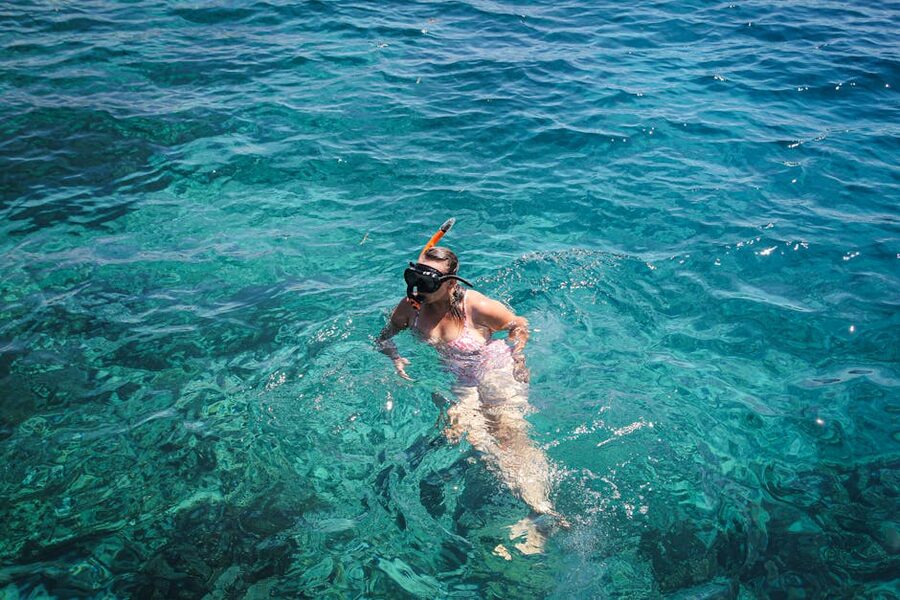
Turquoise water so clear you can watch the shadow of your own fins moving across the sand eight metres below. Sea turtles the size of bar stools gliding past your elbow, then pausing to crunch on a sponge like it is a bag of crisps. And when you climb back onto the boat, the only sound from shore is the clip-clop of a horse cart, because there are no cars or scooters on any of the three Gili Islands.
That is the short version of why the Gilis remain the best day trip in Indonesia for snorkelling, even in an era when Nusa Penida and Komodo have stolen a lot of the Instagram attention.
The longer version involves actually booking the thing, which is where most travellers trip up. There are dozens of operators, the boats look identical on paper, the pricing is confusing, and half the “tours” you see advertised at beachfront stalls are just the same shared public boat with a different logo painted on the side.
I have done the trip three times across two trips to Lombok and booked it every way there is to book it. This guide is the shortcut I wish I had the first time.
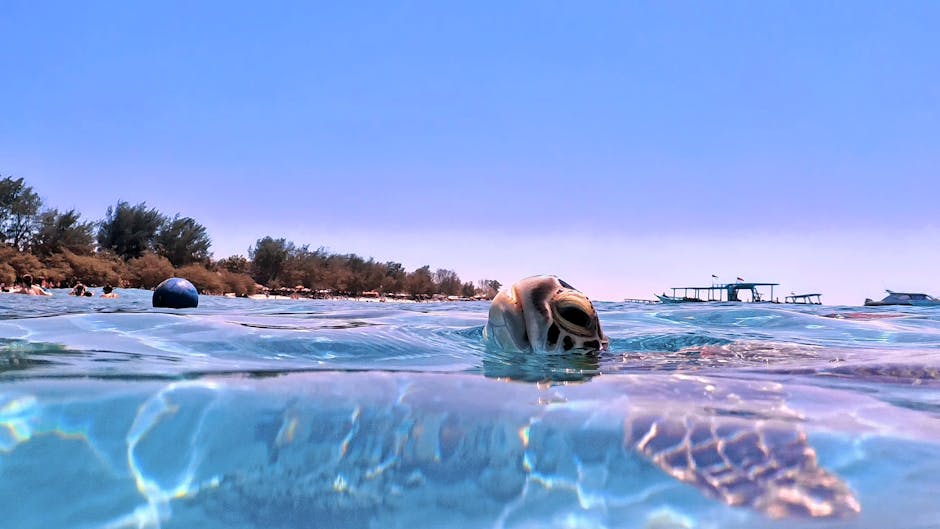
Short on time? Here are my top 3 picks:
Best overall: Gili Islands Private or Shared Snorkeling Boat Trip — $14. Flexible shared or private option with the most consistent turtle sightings of any operator I have tried.
Best budget: From Gili Trawangan Gili Islands Snorkeling Boat Tour — $14. Same price, departs straight from Gili T, a little more stop variety, guide photography is the standout.
Best premium: Gili Air/Trawangan Glass-Bottom Boat with Snorkeling — $47. A proper four-hour trip on a glass-bottom boat that works for non-swimmers and kids too.
- How to Actually Get to the Gilis in the First Place
- How the Gili Snorkel Tour Actually Works
- Shared Boat Versus Private Boat (The Honest Version)
- The Best Gili Islands Snorkel Tours to Book
- 1. Gili Islands Private or Shared Snorkeling Boat Trip —
- 2. From Gili Trawangan: Gili Islands Snorkeling Boat Tour —
- 3. From Gili Air/Trawangan: Glass-Bottom Boat with Snorkeling —
- When to Go (And What Weather to Avoid)
- What You Actually See at Each Stop
- What to Bring (And What You Do Not Need)
- Getting Around the Islands Once You Are There
- Tips That Will Save You Time (And Money)
- The Three Islands Compared (Pick the Right Base)
- Lunch, Coconuts and the Beach Stop
- Snorkelling With Turtles Without Being a Jerk
- While You Are in Indonesia
How to Actually Get to the Gilis in the First Place
Before we get into the snorkel tour itself, the thing nobody tells you: getting to the Gili Islands is half the logistics battle. The tour only starts once you are already on one of the three islands, so this bit matters.
There are two realistic routes. From Bali, the standard option is a fast boat from Padangbai or Serangan harbour. It takes about 2 to 2.5 hours depending on swell and costs around 500,000 to 800,000 rupiah each way (roughly $32 to $52) with companies like Eka Jaya, Blue Water Express or Gili Getaway.
Book the night before if you can, because morning boats sell out in high season and the return slot is what gets oversold. Padangbai is the cheaper departure point. Serangan is slightly closer to Canggu and Seminyak but costs more.
From Lombok, you have two sub-options. The cheap one is a local public boat from Bangsal harbour on the north-west coast that costs about 20,000 rupiah ($1.30) and runs whenever it fills up. This is how locals travel and it works fine, just do not expect a schedule. The paid shuttle option is a private transfer + speedboat combo booked through any hotel for around 300,000 rupiah ($19) from Senggigi or the airport.
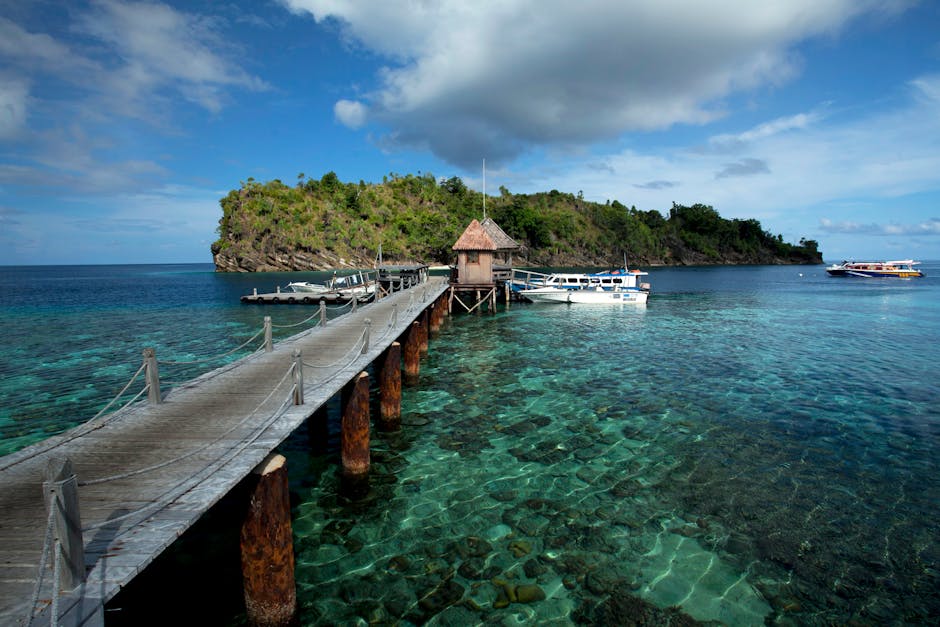
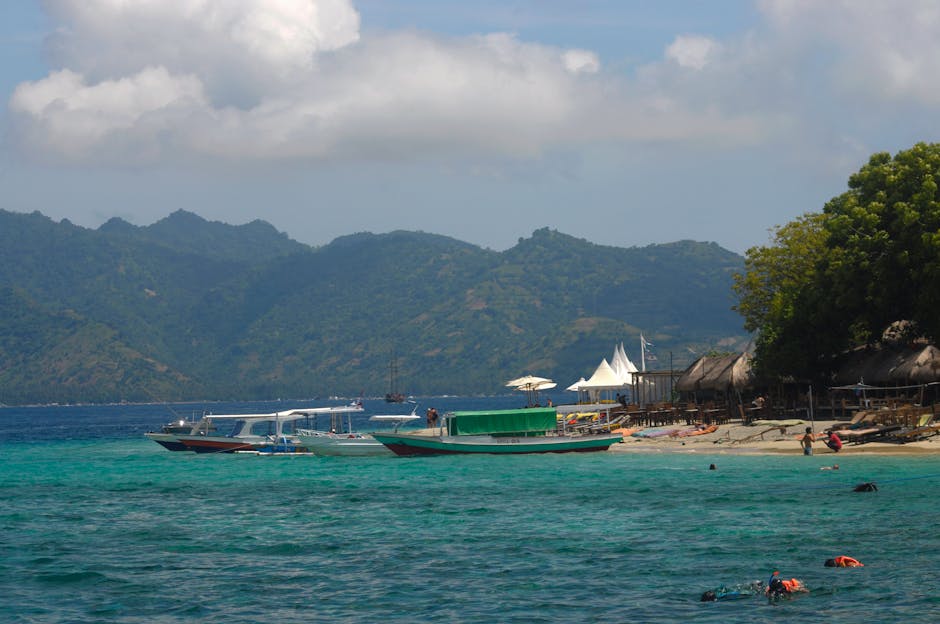
Which island to base yourself on matters for the snorkel tour too. Gili Trawangan is party-leaning with the most boat operators to choose from. Gili Air is the middle ground with decent nightlife and most of my favourite guesthouses. Gili Meno is barefoot quiet with basically no tourist infrastructure but the best beaches. All three have snorkel tour operators, but Gili T has the most and Gili Meno has the fewest.
For a day tripper coming from Bali, realistically Gili Trawangan is where you will land and where you will book the snorkel tour on arrival. For someone staying two or three nights, I would base myself on Gili Air, which is quieter, and book the snorkel tour from there instead.
How the Gili Snorkel Tour Actually Works
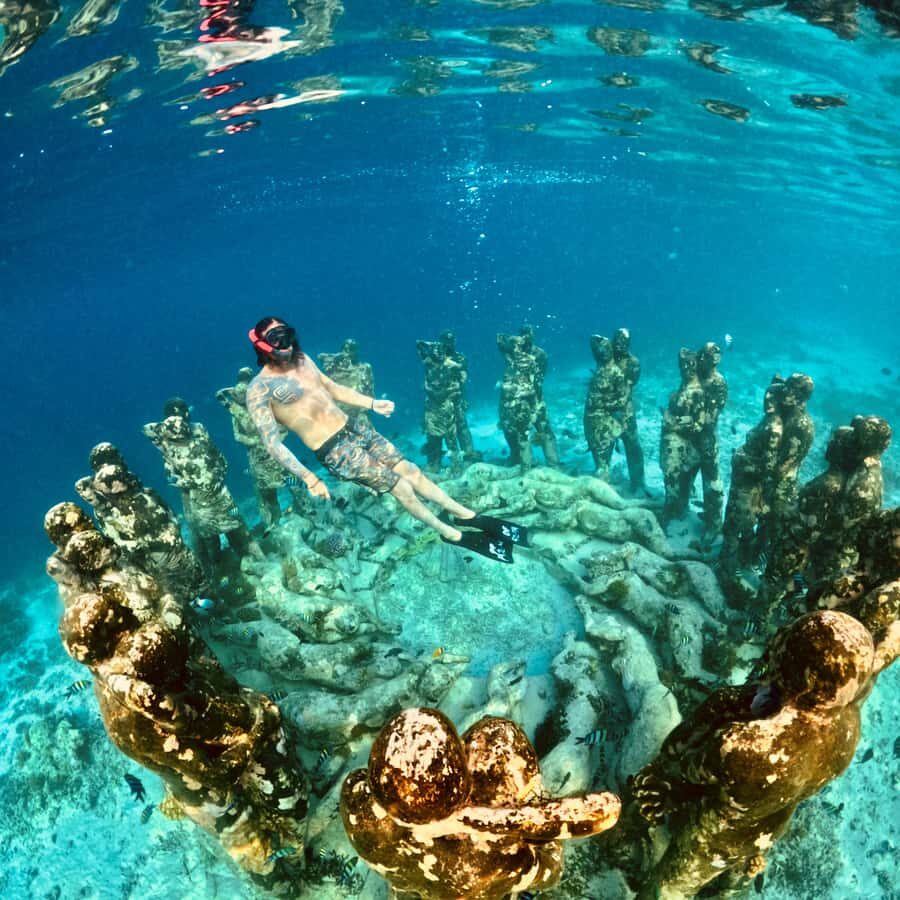
Now the snorkel trip itself. Every operator on every island runs essentially the same route: a 4 to 5 hour boat loop that hits the three main snorkel sites in some order. The sites are Turtle Point off Gili Meno, the underwater statues (the Nest, a ring of 48 life-size cast figures installed by British artist Jason deCaires Taylor in 2016), and the Gili Meno Wall, a coral drop-off that is the best reef of the three stops.
Most tours stop at all three and throw in a Gili Meno beach break for lunch. Some budget tours skip the statues. Some private tours add a fourth stop at Shark Point off the north-east corner of Gili T where you can occasionally see black-tip reef sharks. The advertised duration on GetYourGuide usually says 2 to 5 hours but the actual boat time is closer to 3 hours once you subtract the lunch stop.
Pricing is the cleanest part of the whole operation. The standard shared boat is 150,000 to 200,000 rupiah (about $10 to $13) if you book at the beach. The exact same tour booked in advance on GetYourGuide runs $14. That $1 to $4 gap gets you a confirmed seat, English-speaking staff handling the booking, and the ability to cancel for free up to 24 hours out.
When the tour is $14, I always book in advance. The beach price only makes sense if you are walking up day-of and the boats are full.
A private boat for up to 8 people usually runs 700,000 to 1,200,000 rupiah ($45 to $78) depending on the length. Divided by 4 or 5 people it works out similar to the shared rate but you control the schedule. I have done both. Shared is fine if you do not mind 15 other people at each stop. Private is worth it if you have kids, nervous swimmers, or anyone who wants more time in the water at a single spot.
Shared Boat Versus Private Boat (The Honest Version)
The shared-versus-private debate is the question I get asked most about Gili snorkel trips, so here is the honest answer after having done both.
Shared boat is right for you if: you are on a tight budget, travelling solo or as a couple without kids, comfortable swimming in open water, and fine with a fixed schedule. The shared trips are social, the boats are usually not full, and the $14 price is hard to beat for 4 to 5 hours on the water.
Private boat is right for you if: you have 3 or more people in your group, you have kids or non-swimmers, you want to stay longer at the stops you love and skip the ones you do not, or you want to do the trip at sunset rather than mid-morning. Private lets you stop at Shark Point which most shared tours skip, and the guide is 100 percent yours for the whole trip.
One thing that is almost never mentioned in the marketing copy: all three shared operators on Gili T sell to the same pool of boats. If you book with Operator A and Operator B, you might literally end up on the same boat. What actually differs is the guide team, the photography service, and whether they bring fresh water and fruit on board.
That is why in the tour ranking below I care more about which boat crews get praised in reviews than which branded operator sold the ticket.
The Best Gili Islands Snorkel Tours to Book
These are the three tours I would point a first-timer to. All three depart from Gili Trawangan, all three hit the main snorkel stops, and I have vetted each against the others to spread across price points and boat types.
1. Gili Islands Private or Shared Snorkeling Boat Trip — $14
This is the Gili snorkel tour I point people at first. The operator gives you the choice between a shared departure ($14) and a private charter at the same booking page, which means you can change your mind up to 24 hours before the tour without having to rebook a new product. The guide teams have the highest review ratios for turtle sightings of any operator I have tried, and the underwater photography is thrown in for free rather than sold as a $30 add-on.
You get the full three-stop route: Turtle Point, the underwater statues, and Gili Meno Wall. Pickup is from the Gili T harbour area and the boat returns you back to the same spot around 1pm. At $14 per person this is the best entry-level snorkel tour in the Gilis, and the private option is the one I would upgrade to if you are travelling with kids or anyone who wants a slower pace.
2. From Gili Trawangan: Gili Islands Snorkeling Boat Tour — $14

This is the tour I recommend if your top priority is the photography. Same price as the first one, same route through Turtle Point, the statues and Gili Meno Wall, but the guide team on this operator is known for aggressive underwater videography. Multiple travellers have called the photos and videos they received from this trip the best they have ever had of themselves.
If you are travelling as a couple and want actual decent shots of both of you in the water, this matters a lot more than it sounds like it should.
The boats tend to leave a little earlier in the morning, so if you are staying on Gili T and want to be off the water by noon this is the one to pick. Pickups are from a dedicated office just north of the main harbour. For $14, you get a 2 to 5.5 hour tour plus a full photo package, which is a better deal than any paid photo add-on I have seen on other Gili trips.
3. From Gili Air/Trawangan: Glass-Bottom Boat with Snorkeling — $47
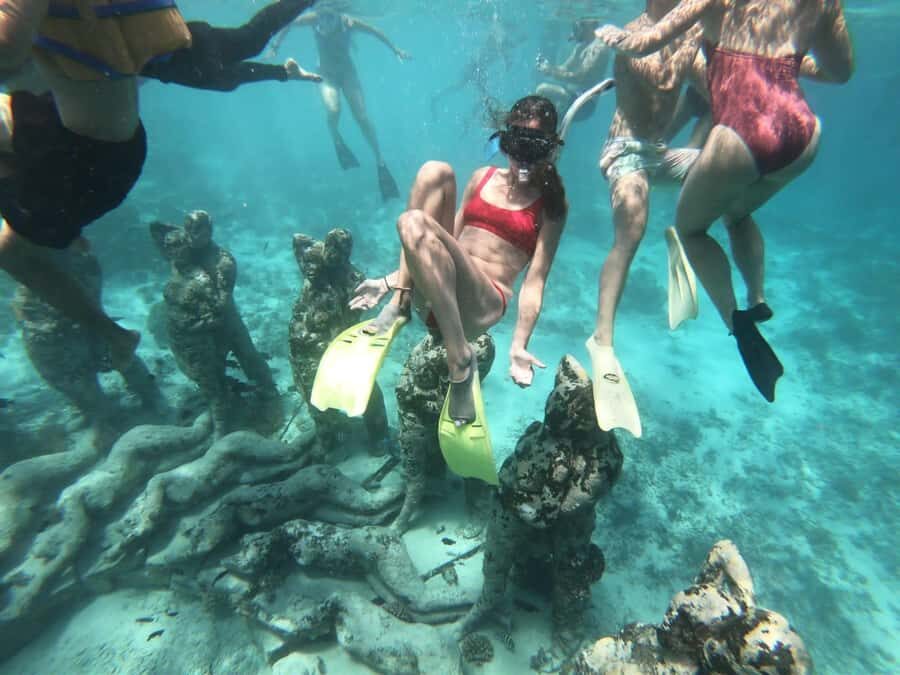
If you are travelling with kids, non-swimmers, or older parents who want the reef experience without actually putting their face underwater, this is the tour that makes sense. The boat has a glass viewing floor in the middle which stays open for the entire trip, so even when the strong swimmers are out snorkelling the rest of the group is still watching turtles and fish from above the waterline.
At four hours with three snorkel stops it runs longer than the $14 tours, and you can book it as a shared or private charter departing from either Gili Air or Gili Trawangan. The departure from Gili Air is the move if you are staying on the quieter island and do not want to do the public-boat shuffle over to Gili T in the morning. At $47 per person, it is more than triple the budget tours but it is the only one on this list I would book for a family of four with young kids.
When to Go (And What Weather to Avoid)
The Gilis have a proper dry season from May through October and this is when you should plan the snorkel trip if you can. Water visibility tops out around 25 metres in August and September, the wind drops off, the sea is calmer, and the mid-morning boat rides stop feeling like a spin cycle. June through September is also when the water temperature sits most comfortably around 28 to 29 degrees, which means you will not start shivering on your third stop.
The wet season runs November through April. It does not rain all day every day, but the squalls can roll in fast and the sea can get choppy enough that some operators cancel morning departures. Visibility drops to 10 or 15 metres. The trips still run, they are still good, and you will pay less, but you have to be more flexible about rescheduling.
Within any given day, morning is always better than afternoon. I cannot stress this enough. The wind on the Lombok Strait picks up like clockwork between noon and 2pm, and the afternoon boat rides get bumpy. More importantly, the turtles tend to be more active in the morning hours before the boat traffic gets heavy.
By noon there can be eight or ten boats anchored at Turtle Point at the same time, which spooks the animals down to the deeper water where most snorkellers cannot reach them.
The sweet spot is a departure between 8:30am and 9:30am. Any earlier and the guides are still getting organised. Any later and you are sharing the reef with the crowd.
What You Actually See at Each Stop
Every tour sells the same three stops but they do not describe them very well. Here is what to expect at each:
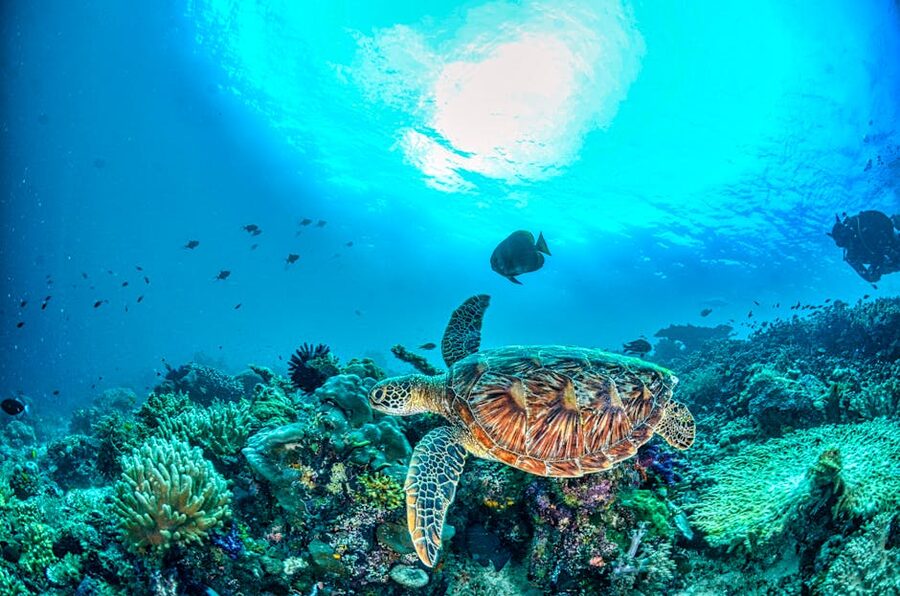
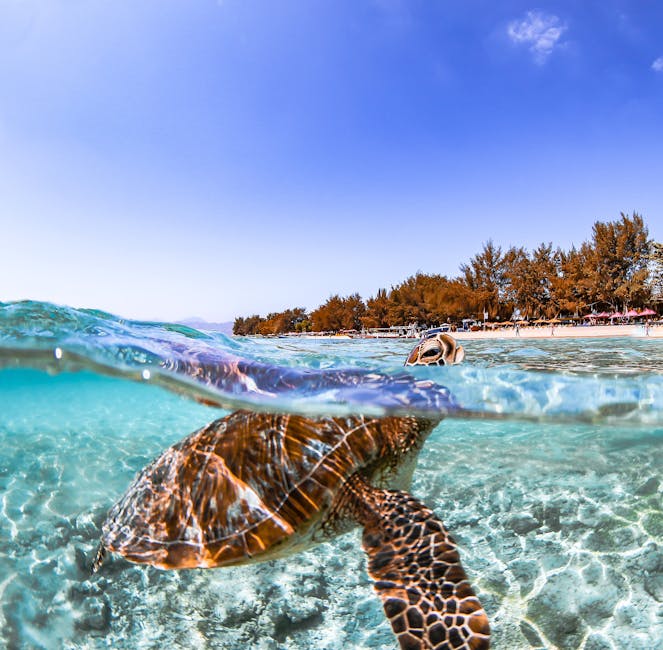
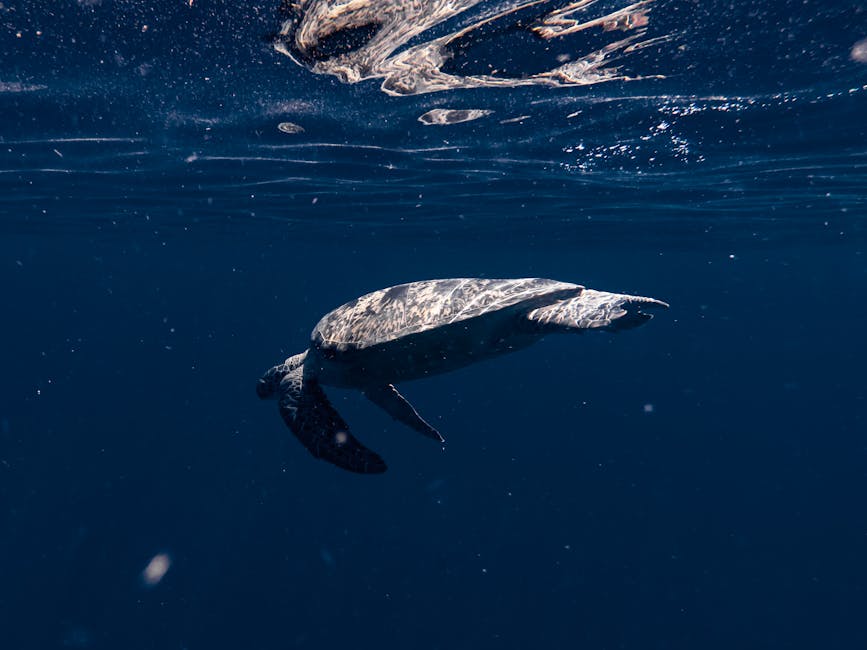
Turtle Point off the north-east corner of Gili Meno is the main attraction and the stop everyone is there for. The water is 4 to 8 metres deep over a mixed seagrass and coral bottom, and the turtles are green and hawksbill. You will see between 2 and 10 turtles on a typical stop, sometimes more if the group is lucky.
They move slowly, surface to breathe every few minutes, and will let you drift alongside them if you keep still. The cardinal rule: no touching, no riding, no flash photography. If you chase them they dive and you will not see them again.
The Underwater Statues off Gili Meno are a ring of 48 human figures cast in concrete and installed on the sandy bottom in 2016. They are at 3 to 4 metres depth so you can free-dive down to them easily. Over the years coral has started growing on the statues, which was the artist’s intent, so they now double as an artificial reef.
The stop is quick (15 to 20 minutes is standard) and some of the budget tours skip it entirely in favour of longer beach breaks. If you want to see the statues, ask before you book.
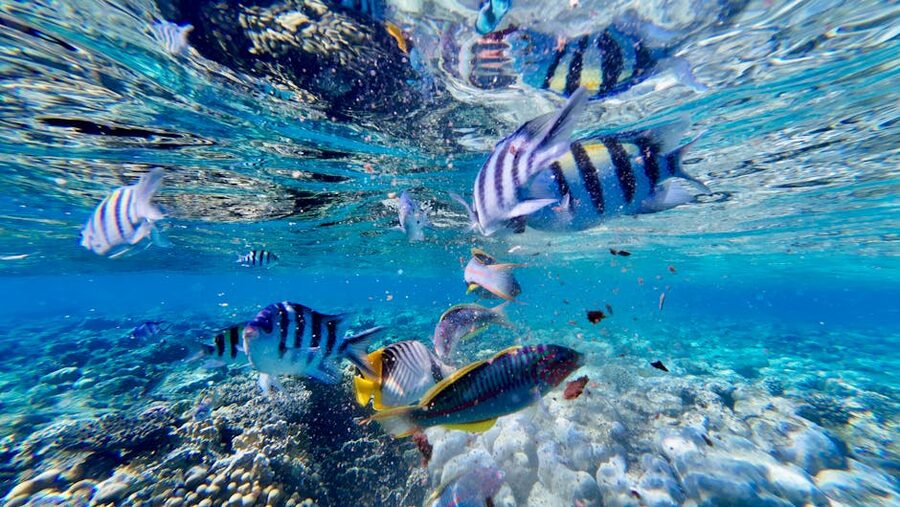
Gili Meno Wall is the best reef stop of the three and the one most tours save for last. The wall drops from about 2 metres down to 25 metres, and you swim along the edge looking out over the blue. This is where you see the most fish diversity: parrotfish, clownfish, bannerfish, butterflyfish, Moorish idols, the occasional barracuda if you are lucky. Bigger groups of locals will show you reef sharks at the northern end of the wall.
Some tours add a fourth stop at Shark Point, a shallow area off the north-east corner of Gili T where white-tip and black-tip reef sharks are sometimes seen at dawn. This is a bonus rather than a guarantee. If seeing sharks is high on your list, ask specifically which tours include Shark Point before you book.
What to Bring (And What You Do Not Need)
Most operators provide mask, snorkel, fins and a life vest. You do not need to bring your own gear unless you particularly want to. That said, a few things make the trip dramatically better.
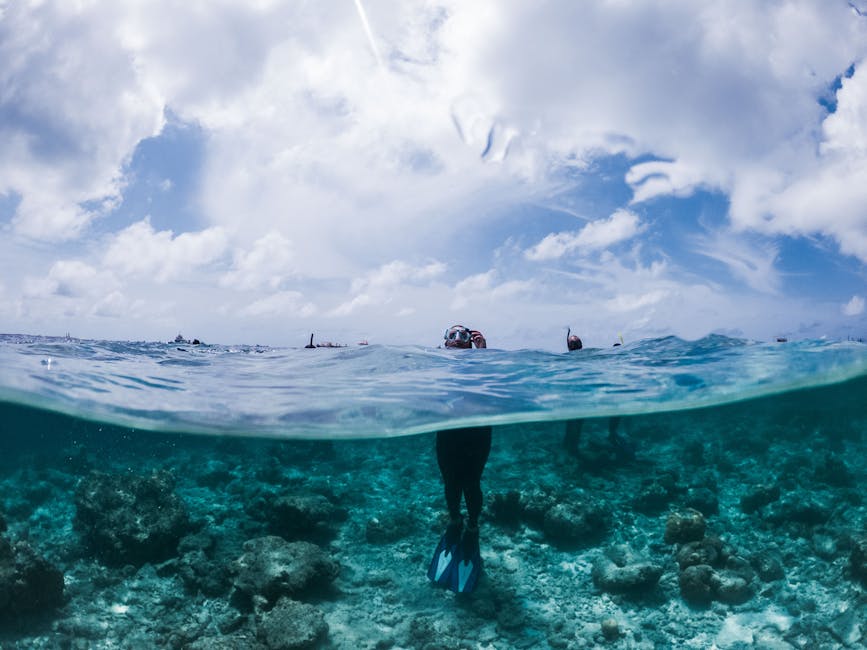
Bring a rash guard or swim shirt. The Indonesian sun is brutal and you are face-down in the water with your shoulders exposed for hours. I have seen first-timers come back with sunburns so bad they could not sleep on their backs for days. A thin long-sleeve rash guard fixes this entirely. If you forget, reef-safe sunscreen (not the oil-based stuff, which bleaches coral) works too but needs reapplying.
Bring a dry bag or at least a zip-lock. The boats have nowhere dry to stash phones and cameras except under the seat cushions, which get splashed. A 5-litre dry bag costs about $5 in any Gili T shop and is worth the peace of mind.
Bring cash in small rupiah notes. Lunch at the Gili Meno beach stop is not included in most tours. You can usually grab a plate of nasi goreng or a sandwich for 50,000 to 80,000 rupiah ($3 to $5), but you need the cash. There are no ATMs on Gili Meno.
Skip the disposable underwater camera. The cheap film ones from beach shops give truly terrible results at any depth below 1 metre. If you want real photos, either bring a GoPro or use a phone in a proper waterproof pouch. Even better, book the tour with the operator that throws in the photography for free and let the guide handle it.
Getting Around the Islands Once You Are There
Because there are no cars or scooters on any of the three Gilis, getting around is refreshingly simple. You have three options and you will probably use all of them over the course of a single day.
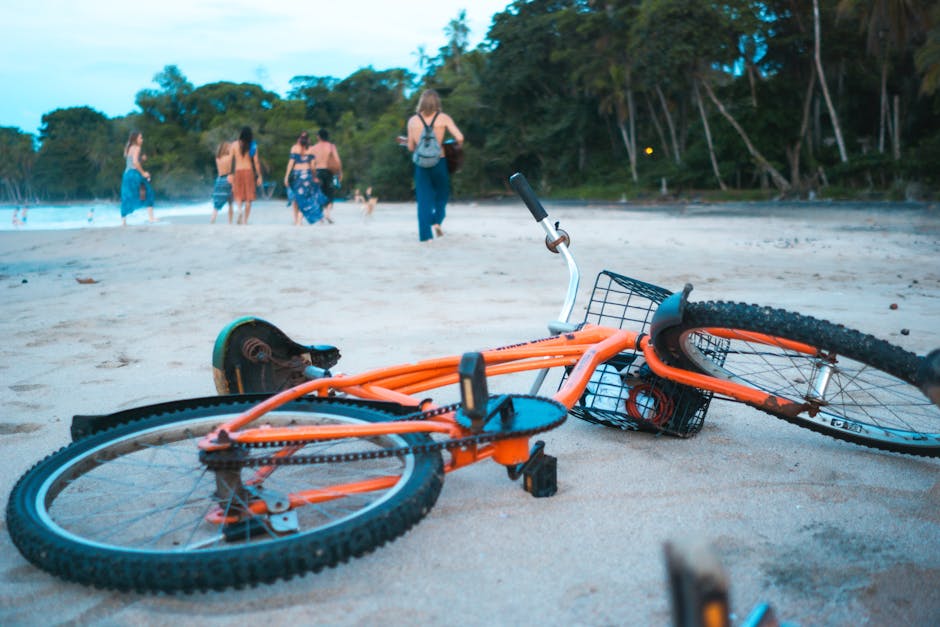
Walking works for Gili Meno and Gili Air. Both islands take under 90 minutes to circumnavigate on foot. On Gili Trawangan the walk around the whole island is about 2.5 hours, which is doable but you will want shoes.
Bicycle rental is the sweet spot for Gili T. You can rent a beach cruiser in any beachfront shop for about 50,000 to 100,000 rupiah ($3 to $6) per day. The path around Gili T is mostly flat compacted sand and gets a little soft on the north-west stretch where you might end up pushing for a few hundred metres. Helmets are not a thing. Go slow.
Cidomo horse carts are the local taxi, and they are the only vehicles on the islands. The going rate for a ride across Gili T is around 150,000 to 250,000 rupiah ($10 to $16), which is steep for what it is. They are better as a photo opportunity than as actual transport. There is also an ongoing debate about horse welfare on the Gilis that you should read up on before you decide to hire one.
Tips That Will Save You Time (And Money)
Book the tour the night before at the earliest. Online booking at least 24 hours out locks in the $14 price and guarantees your seat. Walking up to the beach the morning of departure works most of the time in shoulder season, but in August or the Christmas/New Year period the boats sell out the previous afternoon. The small savings on walk-up prices are not worth the risk.
Do not eat a huge breakfast. Even on calm mornings the boat rocks. A coffee and something small at 7am is enough. Save the full plate of nasi goreng for the Gili Meno beach stop when you are hungry and have earned it.
Put sunscreen on 20 minutes before boarding. If you apply it on the boat it washes off before it can bond, and you end up burning anyway. Do it before you walk to the harbour.
Leave your valuables at the hotel. The boats are not lockable and while I have never heard of anything getting stolen, keeping cash, passport and phones in your room safe is the smart move. Bring only what you need for lunch and a phone in a waterproof pouch.
Skip the hostel desk bookings. The commission they add is about 30 to 50 percent over the GYG price and you get no flexibility on the cancellation terms. Book directly on your phone while you have wifi.
Reef-safe sunscreen only. The oil-based stuff bleaches coral, and Gili Meno Wall has spent five years recovering from damage that is partly caused by visiting snorkellers. You can buy reef-safe sunscreen in any of the dive shops on the three islands. If you have the oxybenzone stuff with you, leave it in your bag.
Bring a microfibre towel. The boats do not supply them. A tiny quick-dry travel towel weighs nothing and stops you sitting in a damp t-shirt for the rest of the day.
The Three Islands Compared (Pick the Right Base)
If you are only day-tripping from Bali you are going to end up on Gili Trawangan by default, so this section is mostly for people staying the night. Choosing the right island matters more than choosing the right snorkel tour.
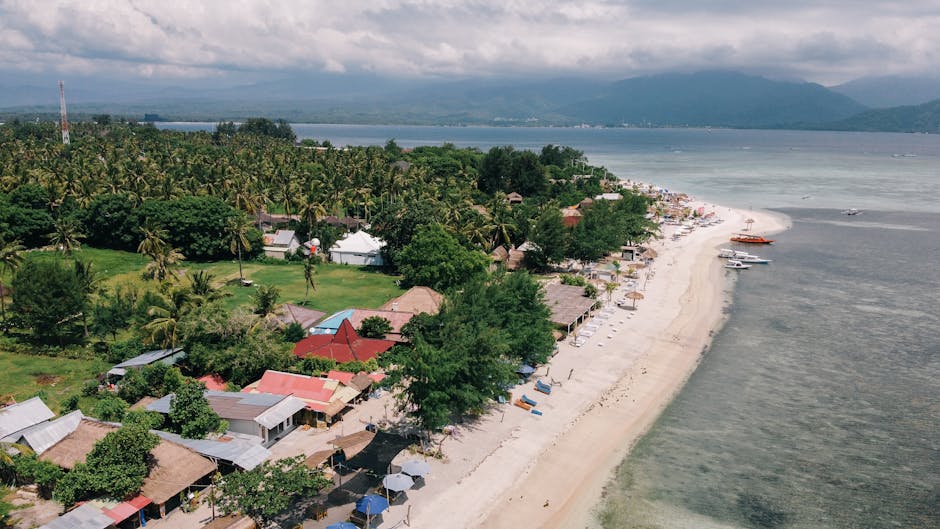
Gili Trawangan is the party island and the largest of the three. It has the most hotels, the most restaurants, the most dive shops and the most boat operators. It also has the highest concentration of beach clubs and a nightlife that starts at 9pm and runs until 3am in the peak months. If you want convenience, variety, and a social atmosphere, Gili T is the right call. If you want quiet, it is the wrong one.
Gili Air is the middle ground. It has enough restaurants and bars to keep you entertained for a few days, the beaches on the east side are the best of the three islands, and the vibe is relaxed without being sleepy. This is where I have stayed both times I have gone back. The snorkel tours run from here too, so you do not have to shuttle back to Gili T in the morning.
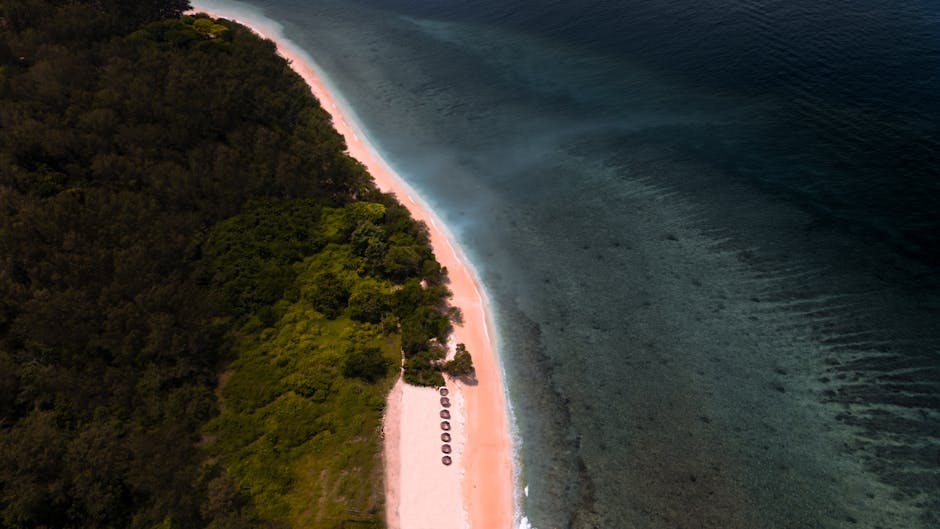
Gili Meno is the honeymoon island. It has maybe 10 or 12 small guesthouses, two or three proper restaurants, and that is it. No nightlife, no noise, and the best beaches on the three islands by a clear margin. Most people only visit Gili Meno as a snorkel stop and never think to stay. If you want somewhere genuinely peaceful to spend two nights reading a book on the sand, this is the one.
Lunch, Coconuts and the Beach Stop
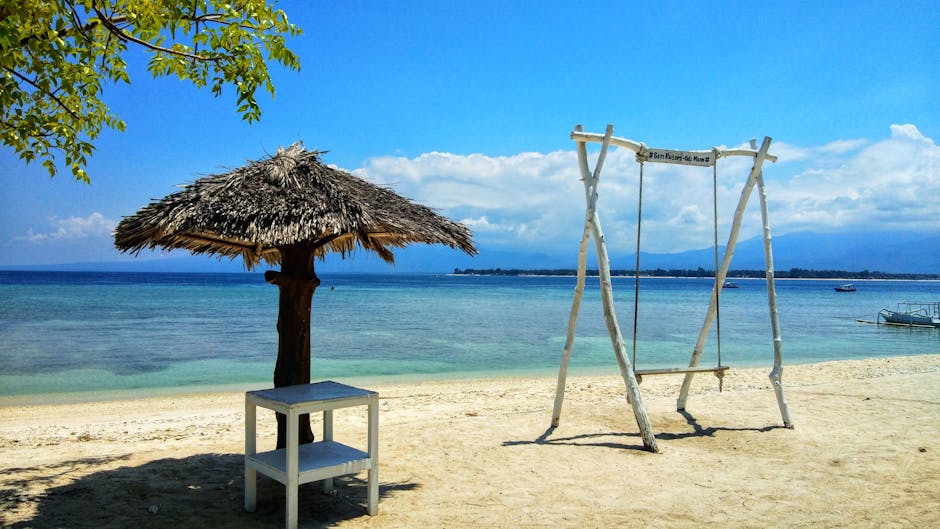
The Gili Meno beach stop is an hour-long pause most tours include between the snorkel sites. The boats anchor off the north-east corner, you swim to shore, and you have about 60 minutes to eat, drink and dry out before re-boarding.
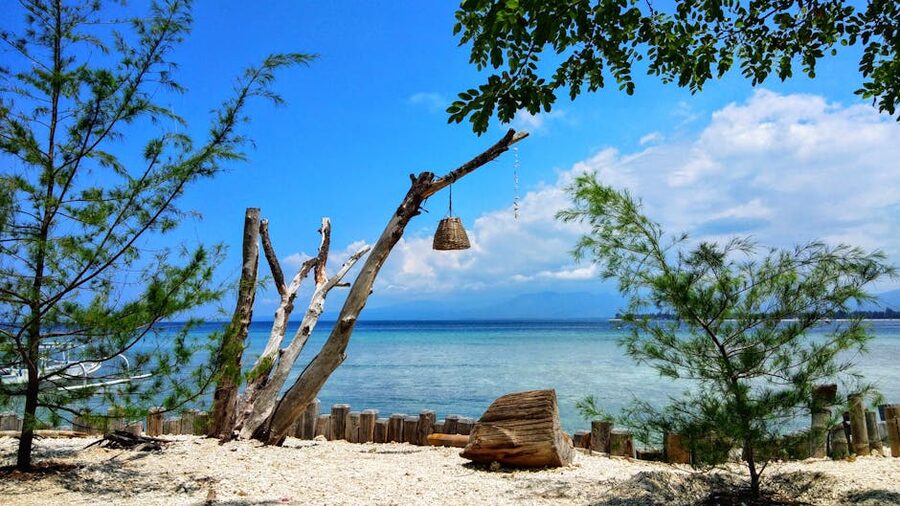
There are two or three beach warungs along this stretch of Gili Meno that cater specifically to the snorkel tour crowds. You order at the counter, they cook it while you swim, and it is ready by the time you towel off. A proper plate of nasi goreng runs about 50,000 rupiah ($3.30), a fresh young coconut about 25,000 rupiah ($1.60), and a bottle of water about 10,000 rupiah. Nothing is fancy. Everything is cash only.
If you would rather skip the warung lunch entirely, some of the private tours let you bring your own food on the boat. I have never bothered. The nasi goreng is better than it has any right to be.
Snorkelling With Turtles Without Being a Jerk
The final thing worth saying, and I am saying it because I watch people get this wrong every single time I go: the turtles are not there for your Instagram. They live there. The entire reason the Gilis still have healthy turtle populations is because most snorkellers are respectful and the local operators enforce the rules.
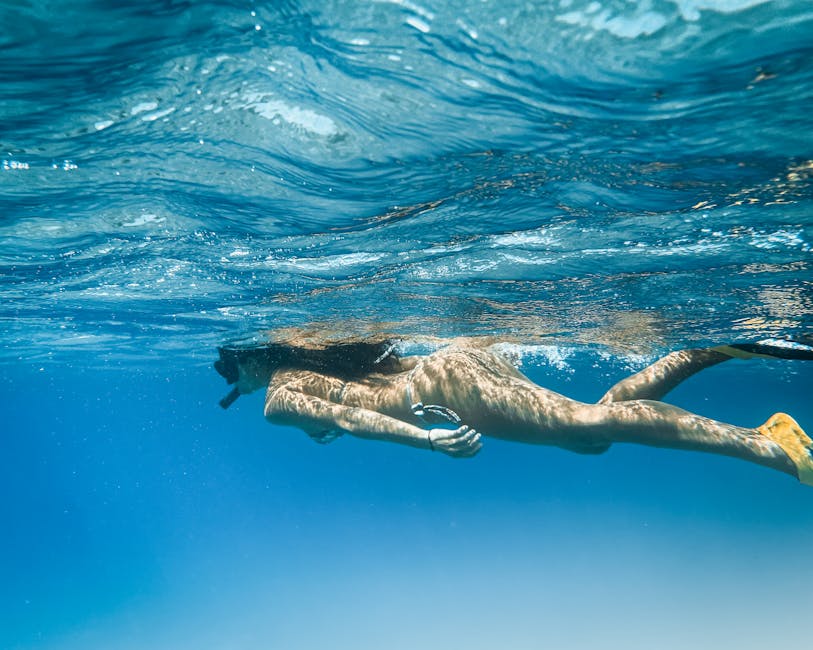
The rules are simple. Stay two metres away. Do not touch them. Do not ride them. Do not block their path to the surface when they come up to breathe. Do not use flash photography. Do not chase them if they swim away. That is it. Every one of these rules exists because someone before you broke it and a turtle got stressed enough to abandon the reef.
The guides on the better tours will physically get between you and a turtle if they see you crowding it. This is not them being precious, this is them doing their job. The day the tour operators stop caring about this is the day the turtles stop showing up, and then nobody has a tour to sell.
Also: no touching the coral. The wall at Gili Meno takes 20 years to grow back from a single careless fin kick. Keep your fins behind you, watch your depth, and be one of the ones who leaves the reef alive.
While You Are in Indonesia
If the Gilis are one stop on a longer Indonesia trip, the rest of your planning probably revolves around Bali, which is where most Gili travellers are coming from.
Our guide to Ubud tours covers the cultural heart of the island with rice terraces, temples and monkey forest stops, and the Mount Batur sunrise hike is the one adventure I would recommend pairing with a Gili snorkel trip because the two experiences balance each other perfectly. If you want another boat day, Nusa Penida is the closest comparison to the Gilis without actually being in Lombok waters.
Round the trip out with the Uluwatu Kecak fire dance at sunset and a day exploring the Bali waterfalls or the coastal Tanah Lot temple run, and you have the bones of a perfect 10-day Indonesia itinerary that hits the reef, the mountains, the temples and the waterfalls without overlapping any of them.
One last thing. The Gilis are small. Slow down. The pace of life there rewards travellers who stop trying to pack six things into one day and instead spend an afternoon in a hammock with a coconut, watching the cidomo carts clop past. The snorkel tour is the main event. Everything else is the reason you stay a third night.