Hakone packs a lot into one day: a red torii gate at the water’s edge, a cruise on Lake Ashi, a ropeway over steaming Owakudani, and a final stop on Enoshima. This bus tour from Tokyo aims to show you several sides of the region without asking you to piece together the transport yourself.
I like two things in particular: the mix of lake, mountain and island scenery, and the practical help of a multilingual guide on a day with several connections. A recent tour comment singled out a guide’s attentive service, detailed explanations and help taking photos. No guide name is provided, so service may vary by departure.
The trade-off is pace. You have only 20 minutes at the Peace Torii, 30 minutes for the cruise and 40 minutes at Owakudani, while the ropeway and ship tickets cost extra on the no-ticket package. This suits you if variety matters more than lingering.
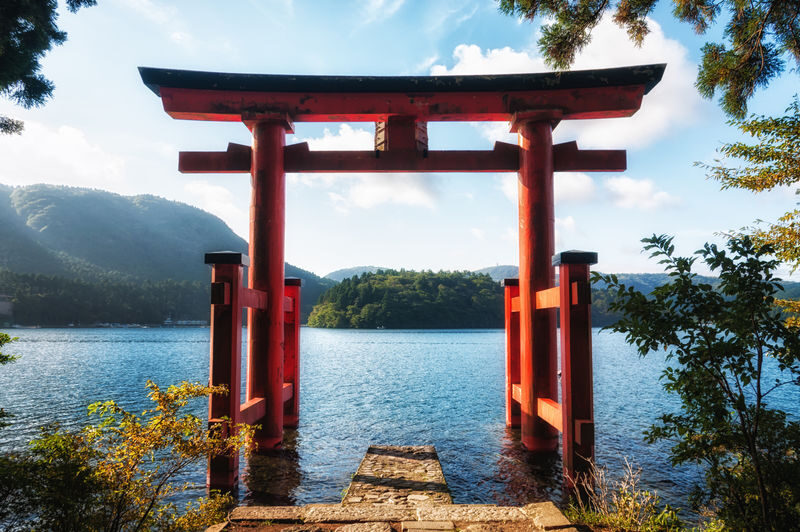
- The Peace Torii is a quick photo stop: Allow just 20 minutes at Hakone Shrine’s lakeside gate.
- Lake Ashi’s pirate ship ride is not included: The stated one-way fare is 1,200 yen per person.
- The ropeway costs extra, too: The listed fare is 1,500 yen per person, subject to official price changes.
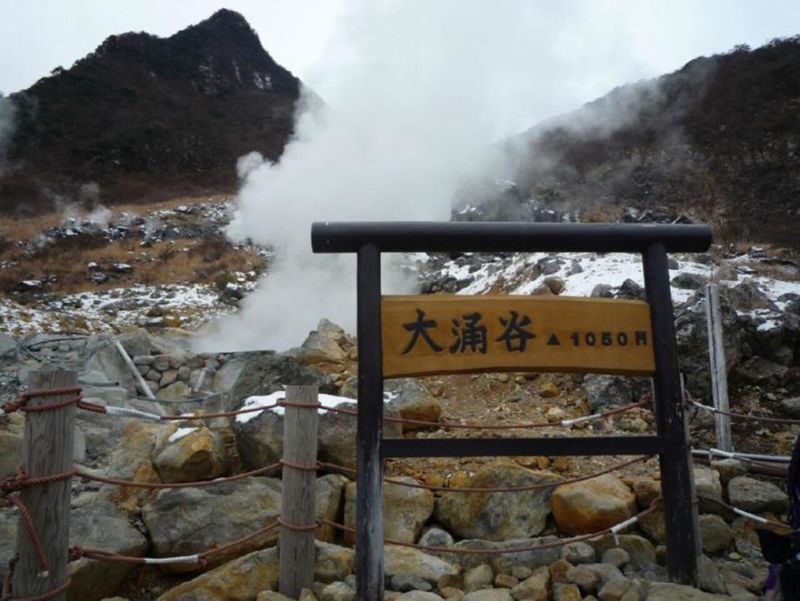
- Owakudani brings Hakone’s volcanic side into view: Plan for a 40-minute stop among steam vents and sulfur gas.
- Enoshima gets the longest visit: Two hours gives you a chance to walk, but not to cover every island attraction.
- Check the exact route before paying: The described schedule does not show a Gotemba stop, despite separate promotional mentions of outlets and barbecue.
- A fast route from Tokyo to Hakone and Enoshima
- Hakone Shrine and the Peace Torii
- Cruising Lake Ashi by pirate ship
- Ropeway views above Owakudani
- Enoshima: sea air and a two-hour walk
- What the price does and does not cover
- Guide service, weather and useful limits
- Should you book this Hakone and Enoshima day trip?
- FAQ
- Are the pirate ship and ropeway tickets included?
- How long is the tour?
- How much time is set aside for each stop?
- Is Mount Fuji guaranteed to be visible?
- Does this tour include Gotemba Premium Outlets or barbecue?
- What is included in the tour price?
- What happens if the ropeway or pirate ship is closed?
- Can children join the tour?
- The Best Of Hakone!
- More 1-Day Tours in Hakone
- More Tours in Hakone
- More Tour Reviews in Hakone
- Not for you? Here's more nearby things to do in Hakone we have reviewed
A fast route from Tokyo to Hakone and Enoshima
 1 / 8
 2 / 8
 3 / 8
 4 / 8
 5 / 8
 6 / 8
 7 / 8
 8 / 8
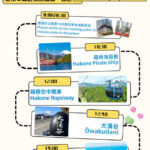
The appeal is simple: you trade the work of planning several rail, boat and ropeway connections for a bus, a guide and a packed route. The tour is listed as departing from Shinjuku at 7:30, with a return around 17:30 to 18:00. Traffic and weather can shift those times.
That convenience matters in a region where the day’s highlights are spread across different areas. You can look out the window instead of managing every transfer, then explore each stop on your own. The tour includes round-trip transport and a guide who may speak English, Chinese, Japanese or Korean.
This is not a small, slow-paced private outing. The operator assigns vehicle type according to the group size, and, for a small group, the driver may also act as the attendant rather than having a separate tour leader. Seats are allocated on site, and you may share bus or restaurant seating with other participants.
There is a practical wrinkle: the details give a Tokyo departure, but also name Hakone-machi Port as an address and list the Robert Indiana LOVE sculpture as the return point. Confirm your exact meeting place and return arrangements in your voucher before the day. The departure instructions say to arrive 10 minutes early; the bus leaves on time, and late arrivals are treated as no-shows without a refund.

👉 See our pick of the 3 Best Spa And Hot Springs Experiences In Hakone
Hakone Shrine and the Peace Torii
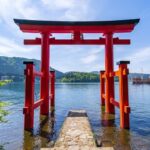
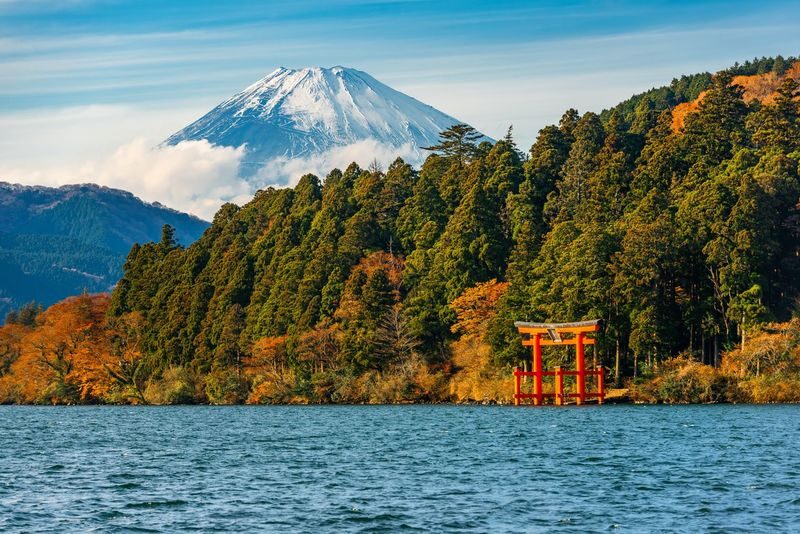
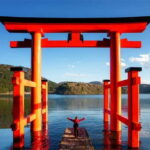
The first listed stop is Heiwa no Torii, the red Peace Gate associated with Hakone Shrine. It stands at the edge of Lake Ashi, where its reflection can make the scene especially striking when conditions are right. The shrine itself is known as a spiritual site in the Kanto region, with an old, tree-lined approach that offers a quieter contrast to the busy lakeside.
The time allowance is just 20 minutes, and the stop is self-guided. That is enough for a look and a few photographs if the path is clear, but it is not a leisurely shrine visit. The lakeside gate is popular, so you may need to wait your turn for a photo. Keep an eye on the clock rather than assuming you can explore the shrine grounds at length.
The useful choice here is to decide what matters most before you arrive. If the torii is your priority, head there first. If you want to take your time on the shrine approach, this tour’s schedule may feel tight.
You can also read our reviews of more tours and experiences in Hakone


Cruising Lake Ashi by pirate ship
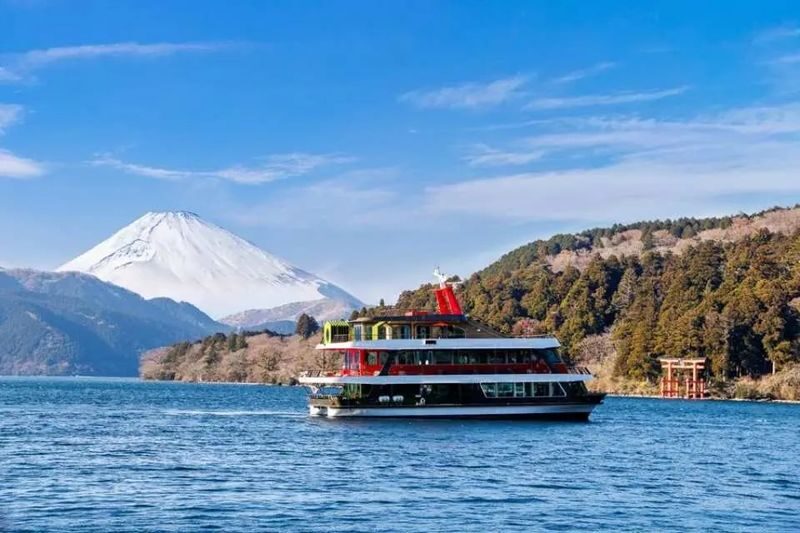
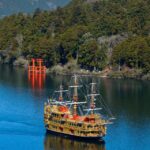
Next comes a 30-minute Hakone Sightseeing Cruise, described as a European-style pirate ship crossing Lake Ashi. From the water, you can take in the lake’s mountain setting and look for the Hakone Shrine torii from a different angle. On a clear day, the views may include Mount Fuji, but Fuji is never guaranteed.
The pirate ship is a memorable way to experience the lake, but the no-ticket package does not include admission. The listed one-way fare is 1,200 yen per person, with the official fare at the time of travel taking precedence. Since the schedule calls this a self-guided stop and allots 30 minutes, check how boarding and departure times fit the group’s plan.
One-way is the fare stated in the tour details, so do not assume the bus package covers a return cruise. Nor should you treat the ship as a long sightseeing excursion. It is a short, scenic leg in a day that keeps moving.
Ropeway views above Owakudani
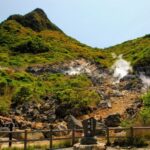
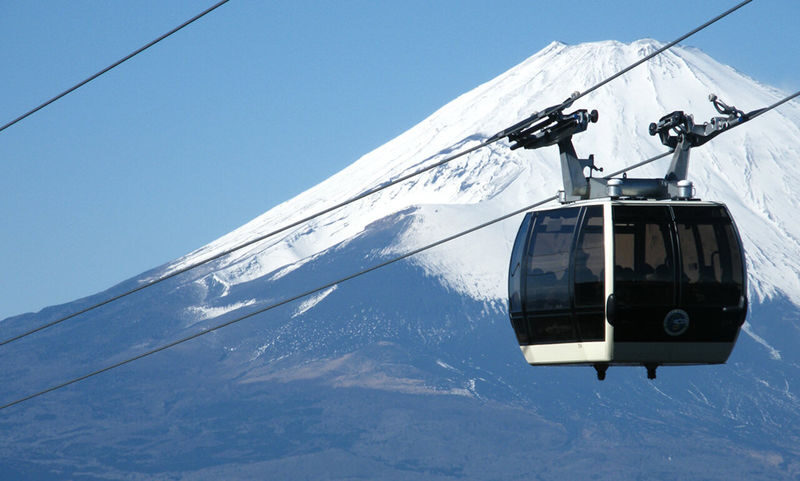
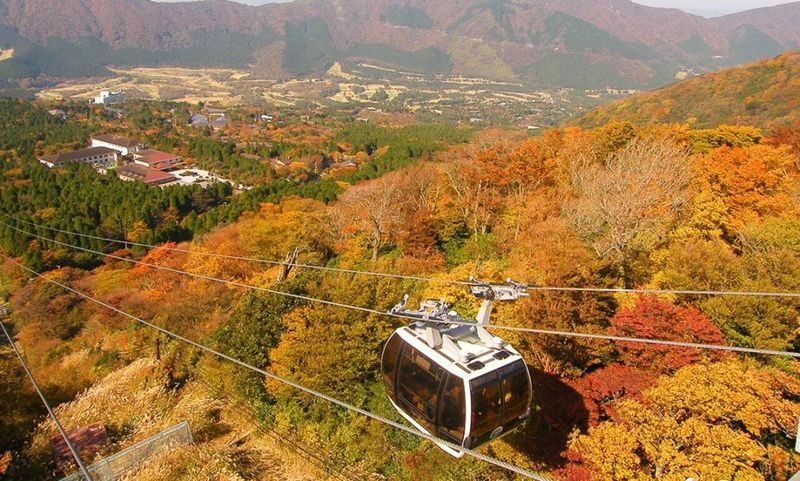
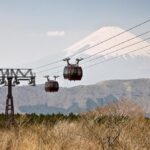
The route continues to Togendai Station, the Lake Ashi end of the Hakone Ropeway, which connects with Sounzan. The ropeway passes above the volcanic area of Owakudani, where steam rises from the ground and the air carries sulfur. It is one of the day’s clearest shifts in scenery: lake views give way to a stark geothermal valley.
The ropeway fare is also excluded from the no-ticket package. The stated price is 1,500 yen per person, subject to official changes. The tour information notes that operating sections can change because of weather or maintenance. If the ropeway or pirate ship is suspended, the operator may use a bus to reach Owakudani or alter the route; a fare difference may be refunded if a change in ropeway sections causes one.
At Owakudani, you have 40 minutes to take in the volcanic terrain and its observation areas. The site is famous for black eggs, which local lore links with a longer life, but the tour does not include food or drinks. Bring cash or another payment method for personal purchases if you want to try something on site.
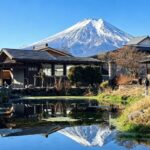
Mount Fuji may appear beyond the volcanic ridges on a clear day, but cloud cover can hide it. The tour cannot control the view, and you should book for the overall route rather than a guaranteed Fuji photograph.
Enoshima: sea air and a two-hour walk
The schedule gives Enoshima two hours, the longest stop of the day. This island off Fujisawa brings a coastal finish after Hakone’s mountains and volcanic ground. Depending on your pace, you can walk toward Enoshima Shrine, take in views over Sagami Bay and the Shonan coast, or pause for local food.
The island has more to offer than a quick viewpoint. Its listed attractions include the observation lighthouse, Iwaya Caves and Enoshima Aquarium, but two hours is not enough to assume you can see them all. These are possibilities to consider, not guaranteed tour inclusions, and the schedule describes Enoshima as self-guided. Choose one or two priorities rather than trying to race through every stop.
This final visit can be a welcome change of pace, though it still comes at the end of a long day. If you want a substantial visit to the shrine, caves or aquarium, a tour with more time on Enoshima may suit you better.
What the price does and does not cover
The no-ticket package is listed from US$61.49 in the package details, while the headline price says from US$49.19. Prices can vary by option and date, so check the final amount at checkout. A ticket-included Fuji Hakone option is listed from US$96.49, and a separate Mt. Fuji, Hakone and Gotemba tour with tickets is listed from US$81.35. Those are distinct package options, so compare their routes and inclusions carefully.
On the no-ticket plan, the stated ship and ropeway fares add up to 2,700 yen per person if you take both as described. Meals, drinks and personal spending are extra. The bus, round-trip transfers, guide service and operator-provided insurance are included.
A promotional description also mentions Gotemba Premium Outlets and all-you-can-eat Japanese barbecue. However, the schedule for this particular no-ticket plan lists Hakone Shrine, the cruise, ropeway, Owakudani and Enoshima, with no Gotemba stop or barbecue meal. Do not budget your day around shopping or barbecue unless your selected package explicitly confirms them.
The value is strongest for someone who wants transport handled and a broad introduction to the area. If you already know Hakone and want time for a long shrine visit, a full ropeway route or a relaxed island day, the savings may not make up for the rushed schedule.

Guide service, weather and useful limits
The most praised part of the available feedback is the guide’s care. One recent comment describes an attentive guide who gave detailed explanations, offered warm service and helped the group take photos. That is a useful strength on a busy route, though no individual guide is named and service can differ between departures.
Another comment raises the central concern: the day can feel rushed, especially after the journey to Hakone. That is a fair warning. You are covering several places, and the short allocations make this more of a sampler than a deep visit. If you value seeing a range of scenery in one day, that pace may feel worthwhile. If you prefer to stop when a view catches your eye, it may not.
Weather can change the experience. The operator notes that Mount Fuji may not be visible, and that bad weather or maintenance can alter ropeway operations. Flowering and autumn colors also depend on conditions; the tour proceeds on its scheduled date even if the seasonal display differs from what you hoped for.
The activity is not wheelchair-accessible and is not recommended for people with impaired mobility or pregnant women. There are no child seats, and anyone under 18 must be accompanied by an adult aged 18 or older. Children aged zero to two are free, but the activity otherwise has no age limit.
You can cancel for a full refund at least 24 hours before the activity date. The tour also requires at least 15 participants; if that minimum is not met, you may be offered a new time or a refund. Late arrival and no-shows are not refundable.
Should you book this Hakone and Enoshima day trip?
Book it if you want a wide-ranging first look at Hakone and Enoshima without arranging the transport yourself. The bus, multilingual guide and mix of lake, mountain, volcanic and coastal scenery make the day easy to understand and easy to plan around. The guide’s reported attention to explanations and photos is a welcome plus.
Skip it if you want long, unhurried visits, or if a specific Mount Fuji view is the main reason for going. Check the package name, ticket inclusions, meeting point and whether Gotemba is actually part of your chosen route before paying. Go in expecting a full day of short stops, bring layers suited to the forecast, and treat Fuji as a lucky bonus rather than a promise.
Fuji Hakone Day Trip | Hakone Pirate Ship, Hakone Ropeway, Hakone Shrine, Stroll Enoshima | Departure from Tokyo Shinjuku
“Might be too rushed for the time spent rushing to Hakone. Might want to charge more money so you have a dedicated driver and for parking fee roo.”
FAQ
Are the pirate ship and ropeway tickets included?
Not in the Fuji Hakone Day Trip excluding tickets package. The stated one-way pirate ship fare is 1,200 yen per person, and the ropeway fare is 1,500 yen per person. Official prices may change.
How long is the tour?
The schedule lists departure at 7:30 and a return around 17:30 to 18:00. Traffic and weather can affect the actual arrival time.
How much time is set aside for each stop?
The schedule allows 20 minutes at the Peace Torii, 30 minutes for the Hakone Sightseeing Cruise, 40 minutes at Owakudani and two hours on Enoshima. The cruise and island stops are self-guided.
Is Mount Fuji guaranteed to be visible?
No. Visibility depends on weather, and the tour information warns that Mount Fuji may not be visible.
Does this tour include Gotemba Premium Outlets or barbecue?
The described schedule for the excluding-tickets package does not list either a Gotemba stop or a barbecue meal. Check the details of your selected package before booking.
What is included in the tour price?
The package includes round-trip transfers from the meeting location, a guide who may speak English, Chinese, Japanese or Korean, and insurance provided by the operator. The no-ticket option excludes the pirate ship and ropeway fares, meals, drinks and personal expenses.
What happens if the ropeway or pirate ship is closed?
The operator may change the route, including using a bus to reach Owakudani, or replace the itinerary. Ropeway sections can also change because of weather or maintenance.
Can children join the tour?
The activity has no age limit, and children aged zero to two are free. Anyone under 18 must be accompanied by an adult. No child seats are available.