Japan’s biggest pleasure on this 14-day trip is the change of pace: one day you’re beneath Tokyo Skytree, the next among Kyoto’s shrine gates, and later walking forest paths to see macaques at Jigokudani. I like that the route reaches beyond the usual Tokyo-Kyoto-Osaka circuit, and I like the unusual overnight at a Mount Koya monastery.
The trade-off is the pace. You cover a lot of ground, sometimes with long coach days and limited time in each place. A group can include up to 72 people, and the itinerary can be adjusted for weather, delays, or other conditions, so this suits you best if you value breadth and guidance over a slow, independent visit.
What makes this tour distinctive
- Tokyo to Kyoto by bullet train: Cover nearly 500 kilometers in just over two hours, then spend the day visiting major Kyoto sights.
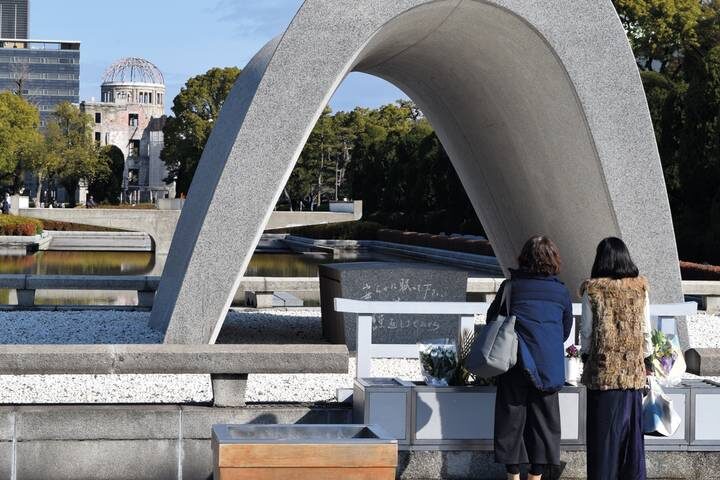
- A meaningful Hiroshima visit: See the Peace Memorial Park, Atomic Bomb Dome, and Peace Memorial Museum before taking a ferry to Itsukushima Shrine.
- A night at Mount Koya: Stay in a Buddhist monastery, share a vegetarian dinner, and take part in a Zen meditation practice when available.
- A broad look at Japan: The route includes Shikoku, castle towns, traditional villages, hot-spring resorts, and the Japanese Alps.
- Several meals and admissions are included: Five lunches and four dinners are listed, along with many major site tickets and activities.
- Plan for a busy schedule: Expect early starts, walking, coach transfers, and a climb of 785 steps to Kotohira Shrine.

👉 See our pick of the 25 Best Guided Tours In Tokyo
- What makes this tour distinctive
- A wide-ranging route, with little time to linger
- Tokyo’s temples, crossing, and high-up views
- Kyoto’s shrines, then Nara’s great Buddha
- Himeji Castle, Okayama Garden, and Hiroshima’s memorial sites
- Shikoku’s castles, bathhouse, and sea crossings
- Mount Koya’s monastery night
- A free Kyoto day and a village in the mountains
- Monkeys, hot springs, and Nikko’s temple complex
- What the price includes, and what it doesn’t
- Who should book this Japan tour?
- FAQ
- How long is Japan’s Landscapes GO?
- What is the starting price?
- Is the tour guided in English?
- How large can the group be?
- Are meals included?
- Is the Mount Koya monastery stay guaranteed?
- Is the tour physically demanding?
- The Best Of Tokyo!
- More Tours in Tokyo
- More Tour Reviews in Tokyo
- Not for you? Here's more nearby things to do in Tokyo we have reviewed
A wide-ranging route, with little time to linger
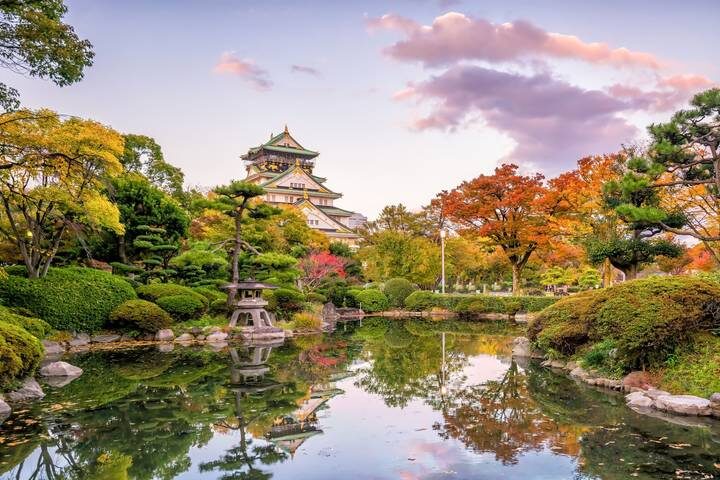
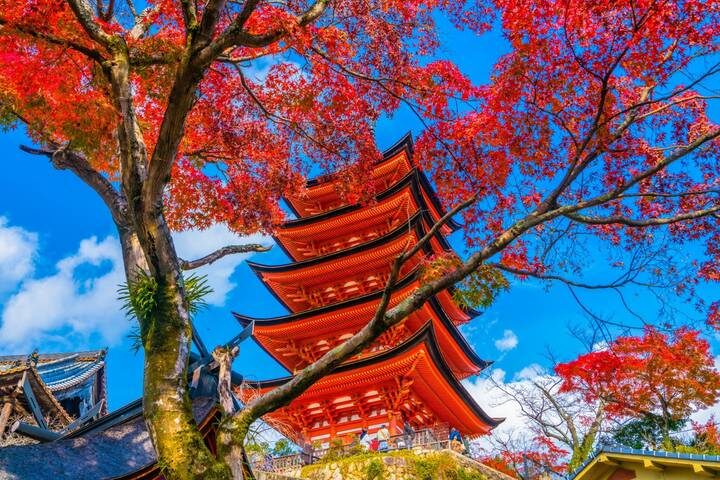
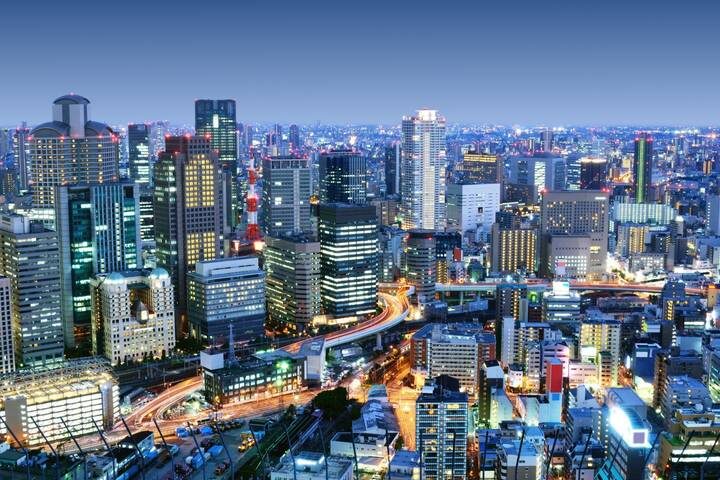
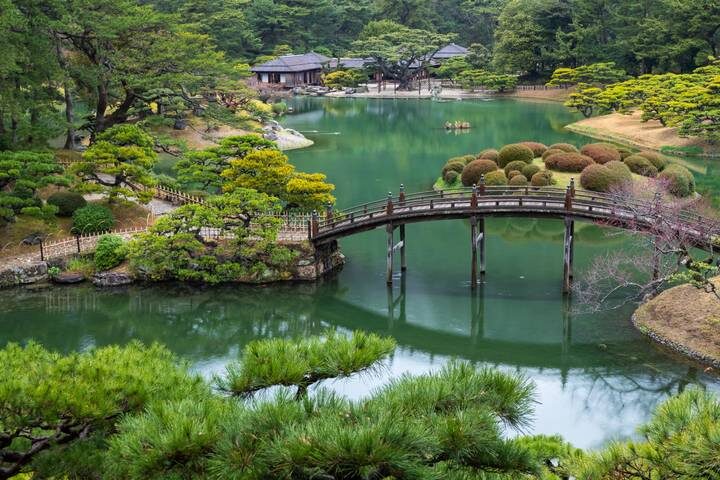
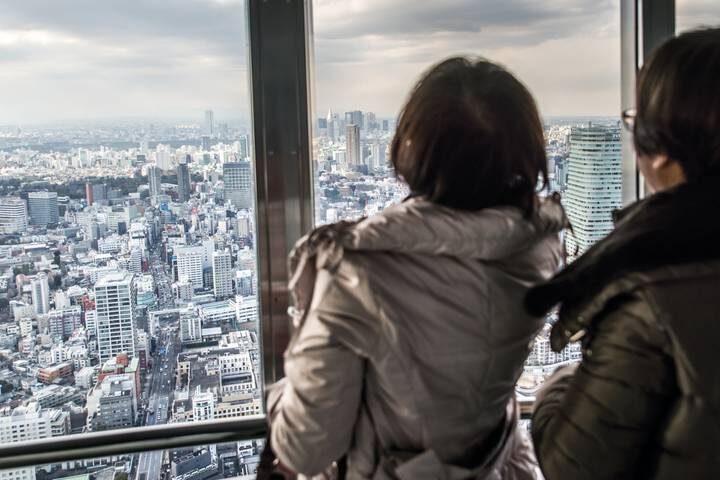
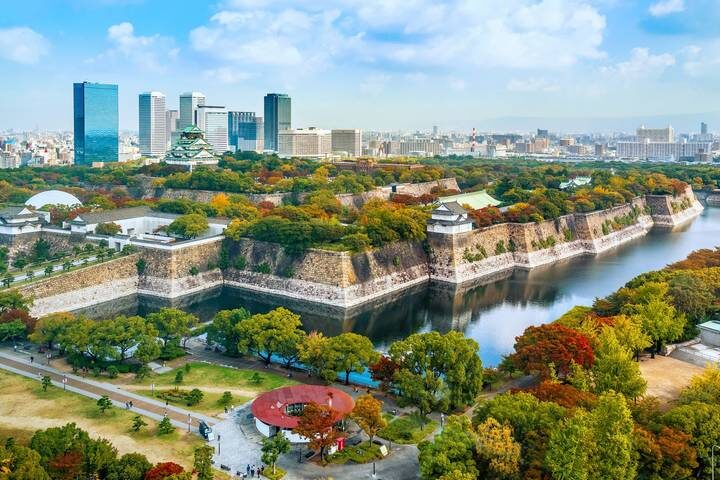
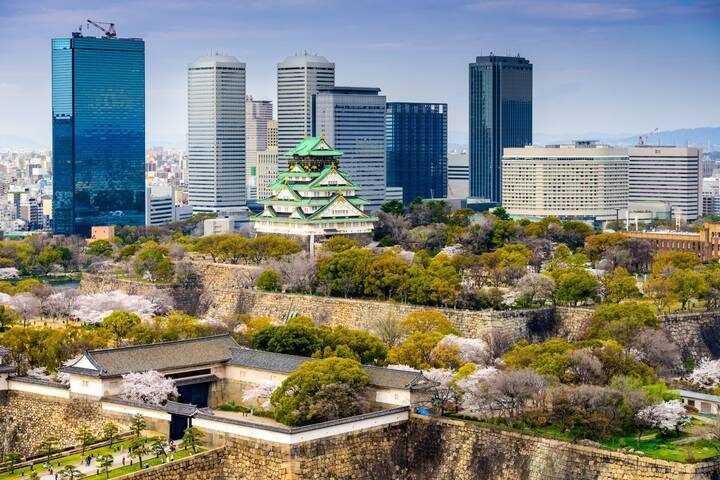
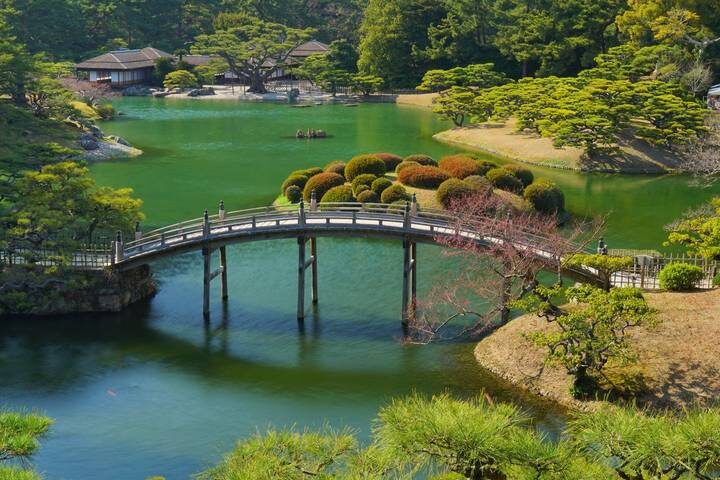
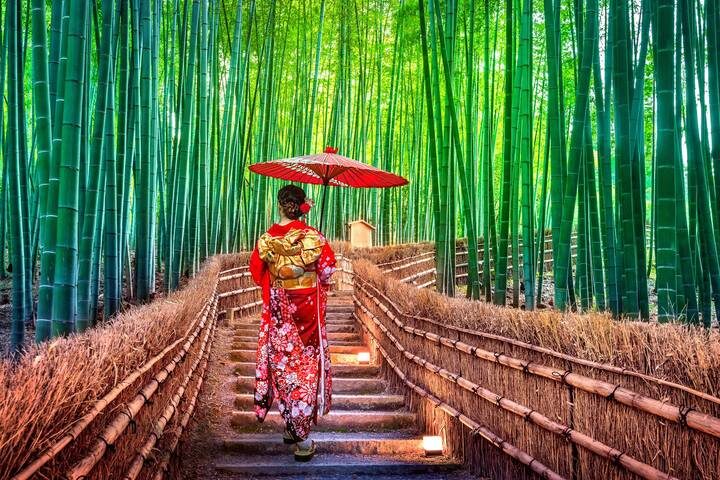
This is a guided group tour built around coverage. In 14 days, you move from Tokyo’s urban scale to historic Kyoto and Nara, cross to Shikoku, visit Mount Koya, then head through mountain towns before returning to Tokyo by way of Nikko. It’s a useful way to see how varied Japan can be without arranging each train, ferry, hotel, and ticket yourself.
The trade-off is that some days involve several stops and transfers. You’ll often have enough time for a visit and a walk, but not necessarily enough to explore every museum, side street, or garden at your own pace. The group size is listed as 2 to 72, so the feel of the trip may vary by departure.
The tour is described as fully guided in English. Past participants have praised guides Rei Getsu, Jose, and especially David Muñoz for clear explanations and attentive group management. Guides can vary by trip, though, and the itinerary includes many stops to coordinate. One participant also found that changing travel companions and bilingual group arrangements made it harder to build a lasting group connection.
You can also read our reviews of more tours and experiences in Tokyo.


Tokyo’s temples, crossing, and high-up views
Day one is deliberately gentle. A shared shuttle takes you from the airport to your hotel, then you have the rest of the day to rest and settle in. The listed Tokyo hotels vary, but include the Shinagawa Prince Hotel, Tokyo Dome Hotel, and Ibis Styles Tokyo Ginza East. They are not all in the same neighborhood, so check your assigned hotel before planning independent sightseeing.
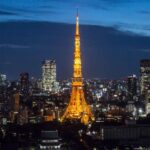
The seven-hour guided city tour on day two gives you a brisk introduction to Tokyo. At Zojoji Temple, look for the small Jizo statues in knitted hats and bibs, set against the view of Tokyo Tower. Shibuya Crossing is viewed from the bus, rather than explored on foot as part of the guided stop, before you visit Meiji Shrine and its wooded grounds.
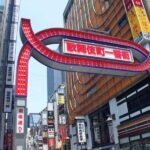
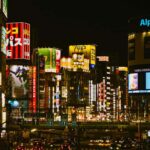
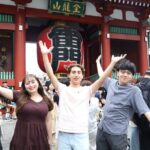
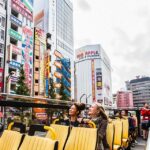
Tokyo Skytree admission to the Tembo Deck at 350 meters is included, weather and operating conditions permitting. The view helps make sense of Tokyo’s immense scale. The day continues at Sensoji Temple and Nakamise Street in Asakusa, then passes through Akihabara and Ginza on the return to the hotel. In the evening, you take the subway with your guide to Shinjuku for a walk and included dinner at a local restaurant. Subway tickets for this outing are included.
This is a lot of Tokyo in one day, but it is a sampler, not a neighborhood-by-neighborhood visit. You’ll have time to notice what interests you, then can decide which area deserves a return visit during your free time.
Kyoto’s shrines, then Nara’s great Buddha
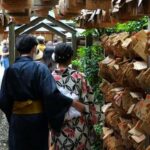
An early bullet train carries you from Tokyo to Kyoto in just over two hours. The day then packs in Fushimi Inari Shrine, the Imperial Palace grounds, and Kinkakuji, the Golden Pavilion, with time in Gion afterward. Fushimi Inari’s red gates are one of Japan’s most recognizable sights, but the visit may not allow a long walk up the mountain paths. Gion is a good place to slow down a little and look at the traditional streets, though you’ll also have free time to explore on your own.
On day four, the coach heads to Nara. Todaiji Temple’s immense Buddha is the main draw, and deer roam freely around the park. They make for memorable photographs, but keep food and belongings secure around them. Horyu-ji adds a different kind of history: its central pagoda is among the world’s oldest wooden structures. Lunch is included before the journey to Osaka.
The evening visit to Dotonbori offers a lively contrast to the temples. The colorful signs and crowded streets are fun to see, but the schedule gives you a taste rather than a full night to explore Osaka.
Himeji Castle, Okayama Garden, and Hiroshima’s memorial sites
Day five brings you to Himeji Castle, one of the tour’s strongest architectural stops. Admission to the castle complex is included, and the visit gives you a chance to see the scale and defensive design of a major Japanese castle. Lunch at a local restaurant is included. In Okayama, Korakuen Garden’s ponds, waterfalls, and teahouses provide a calmer afternoon. Okayama Castle is across a pedestrian bridge; the exterior is part of the visit, while entry inside costs extra.
The route can change slightly: on some dates you may stay in Fukuyama or Kurashiki, and the Kurashiki visit may be moved to the previous afternoon. That flexibility is worth keeping in mind if you’re tracking the schedule closely.
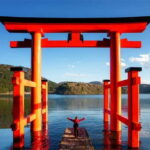
On day six, Kurashiki’s preserved historic center makes a pleasant change from big-city stops. In Hiroshima, the Peace Memorial Park, Atomic Bomb Dome, and Peace Memorial Museum ask for time and attention. The museum visit can be emotionally demanding, but it provides essential context for the city and its recovery. The day then shifts to Itsukushima Island by ferry, where the shrine appears to sit over the water. You have time to visit the shrine and walk around town, with lunch included, before returning to Hiroshima for dinner.
Shikoku’s castles, bathhouse, and sea crossings
A two-and-a-half-hour ferry ride takes you from Hiroshima to Matsuyama on Shikoku. It’s more than a transfer: the route gives you a clear reminder that Japan is an island country made up of many islands. In Matsuyama, a cable car takes you up to the castle, followed by a visit to Ishiteji, a Buddhist temple and pilgrimage site. Lunch is included, and the day ends at Dogo Onsen, a 19th-century bathhouse. Admission is included, but check the bathing arrangements and any current operating details before you go.
Day eight is a long one, with several stops on the way to Kobe. Kotohira Shrine sits on Mount Zosu and requires a climb of 785 steps. The physical rating is listed as low intensity, but this climb is a real exception to the easy-going label. Take it at your own pace and be prepared for stairs.
At Takamatsu, you visit Ritsurin Garden and have an included lunch. Later, Naruto Bridge offers a glass-floor walkway 45 meters above the sea, where you may see whirlpools below. The route continues over bridges connecting islands before reaching Kobe. The day delivers variety, but the number of stops means your time at each one is limited.

Mount Koya’s monastery night
Kobe’s Earthquake Memorial Museum looks at the 1995 disaster and the city’s rebuilding. On some dates, the museum visit may be replaced by a sake museum or a trip up Kobe Tower, so the exact stop can differ.
From there, the tour travels via Osaka to Mount Koya, a center of Shingon Buddhism with about 120 temples and monasteries. You visit Okuno Mausoleum, a large wooded cemetery, and Kongobuji Temple, founded in 1593. The overnight stay is the tour’s most distinctive accommodation: rooms are simple, with tatami mats and shared bathrooms. A vegetarian dinner is included, and monks lead a Zen meditation practice when available. You may also attend the morning religious ceremony.
Go in expecting a spiritual setting, not hotel comforts. The monastery stay is subject to limited room capacity, and the operator may use a nearby hotel instead on some dates. The following morning includes a traditional Japanese breakfast before you leave for Kyoto.
A free Kyoto day and a village in the mountains
Day ten gives you a full day to explore Kyoto independently. That’s valuable after the earlier guided visit, which covers several major sights in one stretch. Your guide can suggest places, but the day is yours to shape. If you want a slower temple visit or more time in a particular neighborhood, this is your chance.
The next day is mostly a journey through central Japan, with stops that break up the drive. Tsumago is a small village of wooden buildings and countryside views, with free time to walk around and lunch included. Then comes Matsumoto Castle, the 16th-century structure known as the Crow. You have free time in Matsumoto before continuing to Nagano for the night.
These stops offer a welcome change from the big cities, though neither is a full-day visit. If you love historic streets or castles, you may wish you had longer.
Monkeys, hot springs, and Nikko’s temple complex
In Nagano, Zenko-ji Temple is a major pilgrimage site, and the tour includes the Gomakuyo ceremony, a ritual associated with good fortune. Next, a walk through forest paths and across rivers leads to Jigokudani Monkey Park, where Japanese macaques are known to bathe in hot springs. The animals’ movements depend on conditions and food availability, so sightings are not guaranteed. In autumn, the monkeys may not come down to the park, and the visit can be affected.
The route then crosses high mountain country, reaching 2,172 meters and passing semi-active volcanoes, before Kusatsu. You’ll walk through the town park, which has open-air hot springs, and have free time for lunch. From there, continue to Ikaho, where stone steps mark the old center. The overnight is at a traditional ryokan, with hot-spring bathing available and a traditional Japanese dinner included. It’s a welcome chance to enjoy a Japanese inn, though the listed properties and room facilities can vary.
On day thirteen, Nikko brings a final burst of temple architecture. Toshogu Shrine is known for its dragon sound room, while Taiyuinbyo Mausoleum offers a quieter visit. You also walk along Kanmangafuchi Abyss, where Jizo statues line the riverbank. After free time in town, the coach returns to Tokyo, with arrival scheduled around 6:30 p.m. Day fourteen ends after breakfast.
What the price includes, and what it doesn’t
The starting price is $5,750, based on the cheapest room category. For two weeks of transport, hotels, an English-speaking guide, basic travel insurance, many major admissions, and several meals, the value is in the logistics and coverage. You avoid organizing a string of intercity journeys and get to places, such as Mount Koya and the mountain hot-spring towns, that require more planning on your own.
The price does not mean every meal or every optional activity is covered. Five lunches and four dinners are listed, along with breakfasts on the Mount Koya morning and final morning. The Shinjuku dinner, Hiroshima dinner, vegetarian monastery meal, and Ikaho ryokan dinner are included. You’ll need to budget for other meals, personal purchases, and the optional entry inside Okayama Castle.
Accommodation is generally in three- or four-star hotels, with the monastery and ryokan providing more traditional stays. Hotel standards, room sizes, and bed sizes can vary by location. Some listed hotels are outside the center, though the operator says public transport is nearby. Past comments have been positive about hotels overall, but there have also been concerns about elevator capacity at a hotel and about meal quality varying between sections of the trip. Treat the named properties as possibilities, not guaranteed assignments.
Who should book this Japan tour?
Book it if you want a guided overview of Japan, value having transport and major admissions arranged, and are comfortable moving often. It’s especially appealing if you want more than the standard Tokyo-Kyoto route, with Shikoku, Mount Koya, Tsumago, the Japanese Alps, and Nikko all included.
Think twice if you prefer unhurried days, small groups, or choosing every meal and stop yourself. The route is ambitious, the group may be large, and plans can shift because of weather, traffic, or other conditions. If that trade-off works for you, this is a practical way to see a wide range of Japan in two weeks, with a few genuinely unusual stays along the way.
Japan’s Landscapes GO 14-Day Tour by Europamundo
“The places we visited were very beautiful. All the guides are knowledgeable and very helpful. They had to juggle the schedules of so many people an…”
FAQ
How long is Japan’s Landscapes GO?
The tour lasts 14 days, starting and ending in Tokyo.
What is the starting price?
The listed starting price is $5,750, based on the cheapest room category.
Is the tour guided in English?
Yes. The tour is listed as fully guided in English, with an English-speaking tour leader.
How large can the group be?
The listed group size ranges from 2 to 72 people.
Are meals included?
Five lunches and four dinners are included. The itinerary also lists a traditional Japanese breakfast at Mount Koya and breakfast on the final day.
Is the Mount Koya monastery stay guaranteed?
No. Temple accommodation is limited, and on some dates the group may stay in a nearby hotel instead. The meditation practice may also be unavailable during busy periods.
Is the tour physically demanding?
It is rated low intensity, but includes walking and a climb of 785 steps to Kotohira Shrine. The Jigokudani Monkey Park visit also involves walking on forest trails and crossing rivers.