Tokyo’s best contrast is packed into the first few days: you’ll make sushi, visit a shrine and cross Shibuya’s famous pedestrian scramble, then meet former sumo wrestlers over chanko-nabe. I like that the tour pairs big-name sights with places such as nostalgic Shibamata, where the pace feels more local.
I also like the shift from city to mountain: a Lake Ashi cruise and onsen night in Hakone break up the rail-and-temple rhythm. The trade-off is a quick pace, with several one-night stays and long sightseeing days; you’ll need to be comfortable packing light and moving on.
- At a glance
- Tokyo starts with sushi, sumo and neon
- Hakone brings mountain air and an onsen night
- Kyoto makes room for craft and quiet ritual
- Hiroshima and Miyajima bring history into focus
- Kurashiki and Okayama break up the rail journey
- Osaka ends with canals, shops and a group meal
- What the price includes, and what it doesn’t
- Who this trip suits best
- Should you book Japan Uncovered?
- FAQ
- Where does the tour start and end?
- How long is Japan Uncovered?
- What is the group size and minimum age?
- What accommodation is included?
- Which meals are included?
- Is the tour fully guided?
- Which months does the tour run?
- The Best Of Tokyo!
- More Tours in Tokyo
- More Tour Reviews in Tokyo
- Not for you? Here's more nearby things to do in Tokyo we have reviewed
At a glance
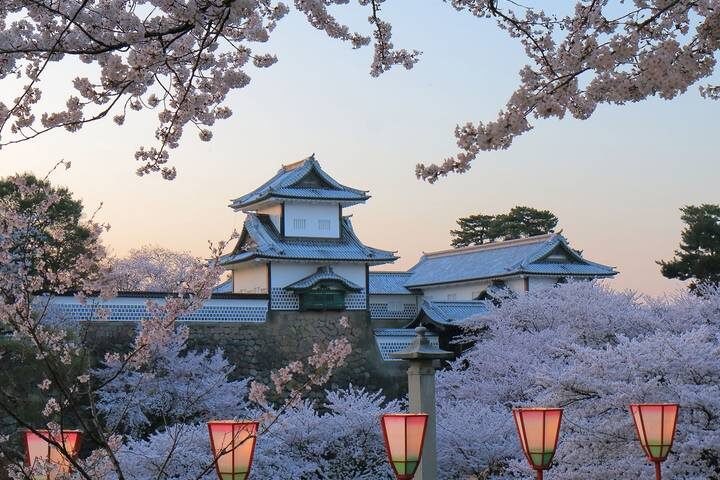
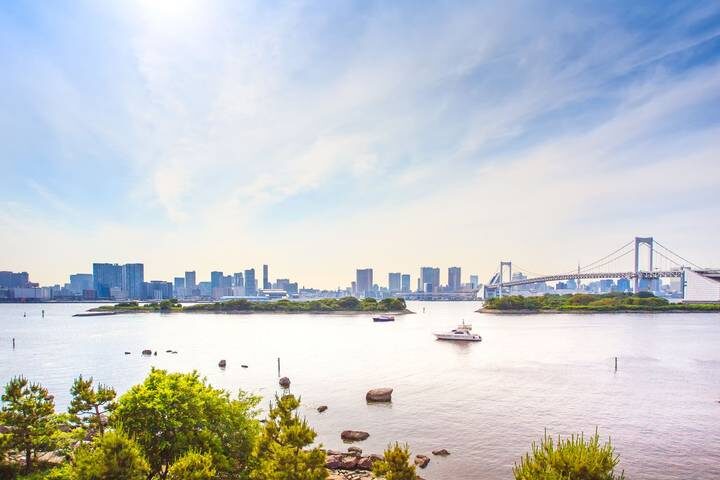
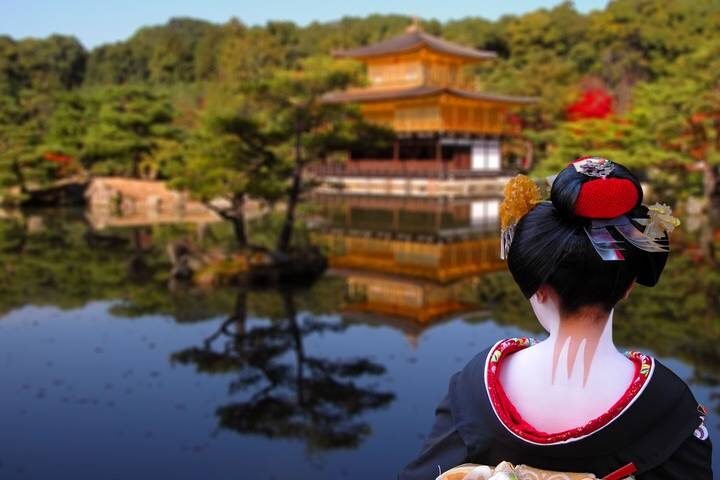
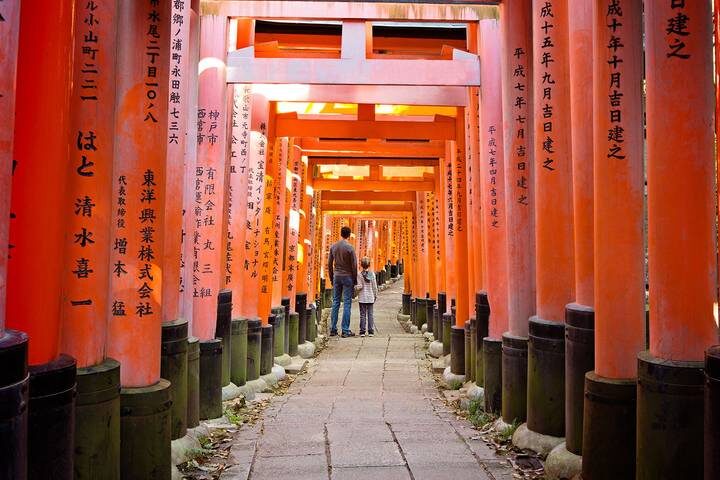
- Tokyo with hands-on flavor: Make sushi, visit Meiji Jingu, and see Shibuya Crossing before exploring old-fashioned Shibamata and meeting ex-sumo wrestlers.
- A Hakone change of pace: Cruise Lake Ashi, take a cable car into the mountains, and spend one night at a ryokan with an onsen.
- Kyoto traditions you can try: Take a calligraphy class and matcha tea ceremony, then walk through Gion and Pontocho Alley.
- A meaningful Hiroshima visit: See the Peace Memorial Museum with an audio guide, alongside a day trip to Miyajima Island and Mount Misen.
- A lot of Japan in 11 days: Travel by public transport and Shinkansen through Tokyo, Hakone, Kyoto, Hiroshima, Okayama, Kurashiki and Osaka.
- The practical trade-off: The group is small, 4 to 16 people, but the itinerary moves often. The Hakone night is in gender-separated rooms shared by two to five people.

👉 See our pick of the 25 Best Guided Tours In Tokyo
Tokyo starts with sushi, sumo and neon
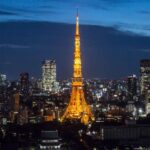
You make your own way to the Tokyo hotel, then meet the group and bilingual adventure leader at 4pm. Airport transfers are not included, so plan that first leg yourself. A shared teppanyaki dinner gives you an easy start with the group, followed by night views from the Tokyo Metropolitan Government Building.
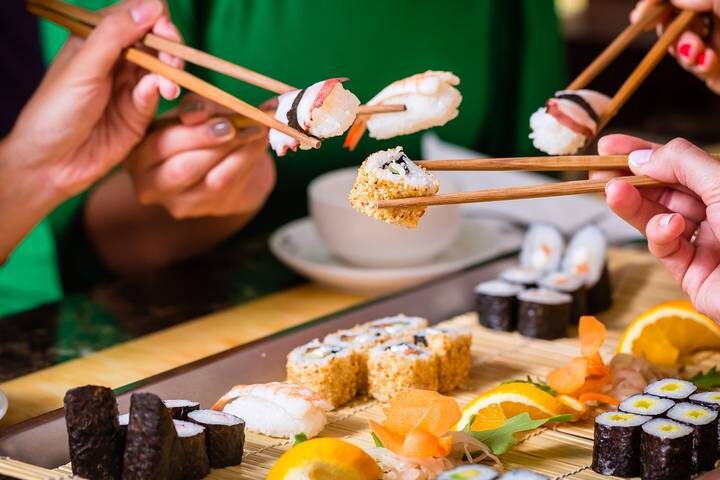
Day two begins with a sushi masterclass and lunch. You’ll slice, roll and eat what you make, which gives you more than a quick taste of Japanese food. The class may move from morning to afternoon depending on the supplier, so keep your plans flexible.
Meiji Jingu Shrine adds context to the day. Your leader will arrange an omamori charm and explain what it means in Japanese practice. Then you’ll walk through Harajuku, known for fashion and street food, and head to Shibuya to see the pedestrian crossing and Hachiko statue. These districts are popular and busy, but they show how quickly Tokyo can shift from quiet shrine grounds to urban spectacle.
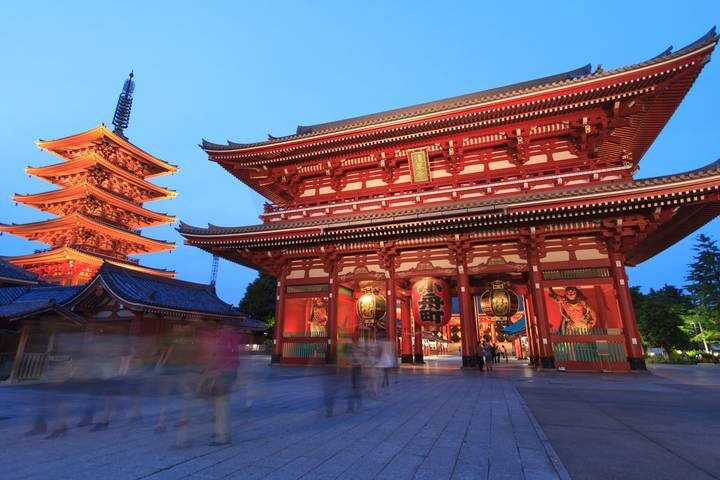
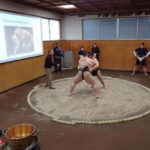
The following day swaps the headline sights for Shibamata, a neighborhood with a Showa-era feel, traditional shopping streets and a film connection. After visiting Shibamata Taishakuten temple, you’ll go to Asakusa for an encounter with ex-sumo wrestlers and a chanko-nabe dinner, the hot pot associated with sumo wrestlers.
This is one of the tour’s more distinctive inclusions. It makes a good counterpoint to Tokyo’s polished modern districts, though the schedule leaves little room to linger in each area. Your main luggage is sent ahead to Kyoto, so pack a small overnight bag for Hakone.
You can also read our reviews of more tours and experiences in Tokyo.



Hakone brings mountain air and an onsen night
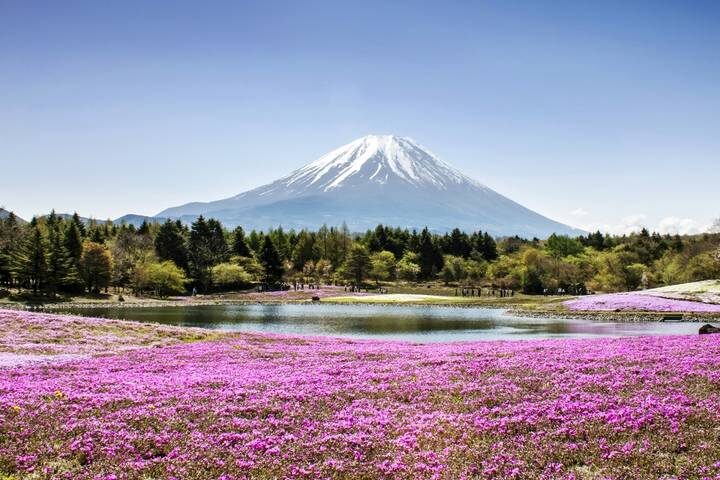
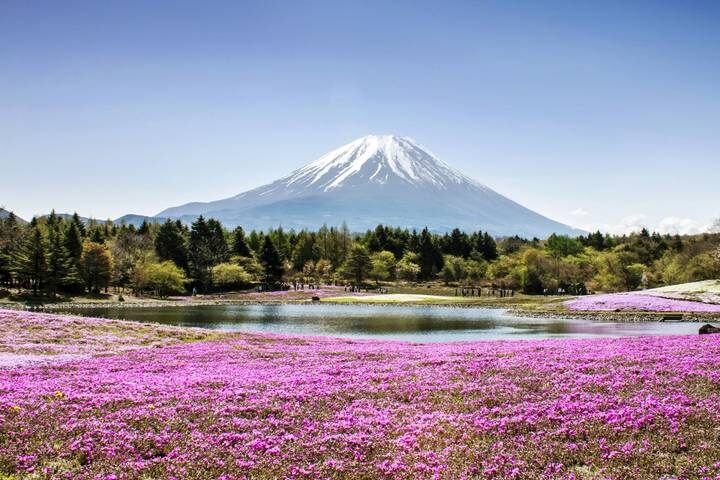
On day four, you leave Tokyo by coach for Moto-Hakone. A pirate-ship-style cruise crosses Lake Ashi, followed by a cable car ride into the peaks. On clear days, Mount Fuji may be visible, but Fuji views depend on the weather. I’d treat them as a bonus, not a promise.
The night is at a hotel offering a ryokan experience, including access to an onsen bath. This is a welcome pause after several days in Tokyo, and a chance to try a Japanese bathing tradition rather than just read about it. There is a rooming detail worth knowing: rooms are gender-separated and shared by two to five people. People travelling together who are of different genders will sleep in separate rooms that night.
This is the tour’s only ryokan night, not a full stay in a traditional inn throughout the trip. Still, it adds a different kind of accommodation to the otherwise 3- to 4-star hotel mix, and the shared-room arrangement may suit some people better than others.
Kyoto makes room for craft and quiet ritual
After breakfast, you travel to Odawara Station and board the Shinkansen for Kyoto. Once you’ve left your bags at the hotel, the first stop is Higashi Honganji Temple, known for its large wooden halls. A detail to look for is a rope made from donated human hair, used during the temple’s reconstruction.
In the afternoon, you’ll learn basic Japanese calligraphy with brush, ink and paper, and make a piece to take home. The day ends with group karaoke. Neither activity is a major sightseeing stop, but both make the itinerary more social and participatory. The balance is useful: not every hour is spent following a guide through a landmark.
Day six starts with a matcha tea ceremony, where you learn to prepare the drink. Then you’ll visit Kiyomizu-dera, a temple set on the hillsides with views across Kyoto. There is free time for lunch and exploring the area, followed by a guided walk through Gion and Pontocho Alley.
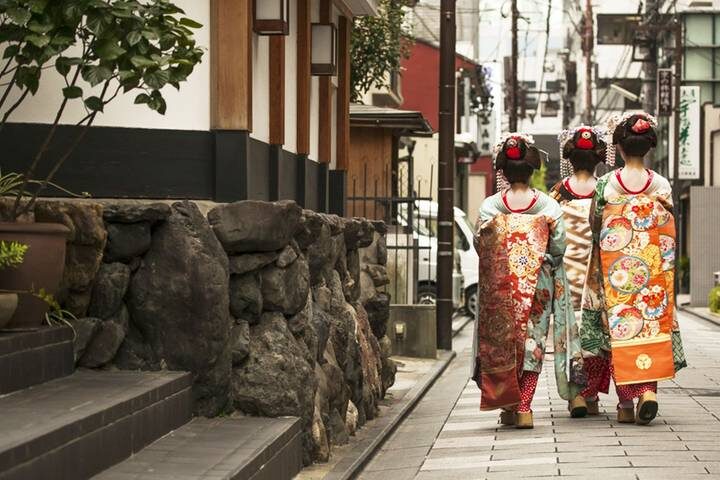
Gion’s geisha traditions are a reason many people come to Kyoto, while Pontocho is known for lantern-lit lanes, teahouses and riverside dining. A guided walk helps you understand the setting, but it is still a short introduction rather than an in-depth study of Kyoto. You also get a free morning on day seven. Fushimi Inari at sunrise or Nijo Castle are listed as options, but both are on your own time and are not included activities.
Hiroshima and Miyajima bring history into focus
The group takes the Shinkansen to Hiroshima on the afternoon of day seven. Dinner is okonomiyaki, Hiroshima’s local specialty, with drinks extra. Arriving later in the day means you won’t have much time to explore Hiroshima before dinner, but the next day is set aside for Miyajima and the Peace Memorial Museum.
A ferry takes you to Miyajima Island, where the red torii gate at Itsukushima Shrine appears to float at high tide. The tour also includes the Miyajima Ropeway to Mount Misen, giving you sweeping views from above. You’ll have time to explore the island before returning to Hiroshima.
The Peace Memorial Museum visit is an important and sobering part of the route. An audio guide is included, allowing you to move through the exhibits at your own pace. This is a day with two very different experiences: the island’s natural setting and a careful account of the 1945 atomic bombing. Give yourself some emotional breathing room rather than treating the museum as just another stop on a checklist.
Kurashiki and Okayama break up the rail journey
Day nine is a travel day with worthwhile stops. You’ll take the bullet train from Hiroshima to Okayama and can store your luggage there before visiting Kurashiki’s Bikan Quarter. Its Edo-period streets and canal area are lined with traditional shops, cafés and sweets shops.
A short boat ride along the willow-lined canal is included, though it can be cancelled because of weather, water levels or availability. If that happens, the adventure leader arranges an alternative. You’ll also visit Korakuen, one of Japan’s Three Great Gardens, before continuing by train to Osaka. The group is due to arrive around 7:30pm, so this is a full day, not a leisurely stopover.
Kurashiki adds a change of scale after the major cities. It is a chance to see a preserved merchant-town center, but you’ll have limited time before the journey continues. If you like to explore every shop or sit down for a long café break, this schedule may feel brisk.




Osaka ends with canals, shops and a group meal
On day ten, there is a short orientation walk through Shinsaibashi, Osaka’s shopping district, followed by free time for lunch. An included boat cruise through Dotonbori gives you a different view of the district before the farewell dinner. Drinks at dinner are extra.
The cruise is a compact way to see Osaka from the water, while the final evening gives the group a chance to gather before the tour ends the next morning. The trip does not include a final airport transfer or a train ticket back to Tokyo. Post-tour accommodation and return rail tickets can be arranged on request, so you’ll want to decide where you are going next before the final day.
What the price includes, and what it doesn’t
The advertised price starts at $4,680 for the cheapest room basis. For 11 days, that buys 10 nights in 3- to 4-star hotels, including one ryokan-style night, an English-guided group tour, public transport with a Suica swipe card, and many of the major intercity train journeys.
The activity inclusions add value beyond transport and hotels: sushi-making with lunch, a sumo experience, a tea ceremony, calligraphy, the Gion tour, the Hakone onsen, three boat rides, and visits in Hiroshima, Miyajima, Kurashiki and Okayama. The fare also includes four dinners. Other meals, drinks with included dinners, international flights, visas, airport transfers, tips and optional activities are not included.
That’s a good set of inclusions for someone who wants a guided framework without a tour leader directing every meal and free hour. It is not an all-inclusive trip, and the price is only a starting figure. Check the cost for your dates and room choice, then budget separately for lunches, most breakfasts beyond those specified, drinks, personal purchases and any activities you add.
Transport is largely by public transit, with several Shinkansen journeys. That means you get the convenience of a group plan while still experiencing Japan’s rail system directly. The trade-off is frequent changes of base. The luggage-forwarding arrangement from Tokyo to Kyoto makes the Hakone night easier, but you’ll need to pack a small bag for that overnight stay.
Who this trip suits best
This tour works well if you want a broad first visit to Japan and appreciate having key transport and cultural activities arranged. The small group size, from 4 to 16, can make it easier to move together than a large coach tour, while free periods in Kyoto and Osaka leave some space for independent choices.
It is also a good fit if you enjoy trying things, not just looking at them. You’ll make sushi, prepare matcha, practise calligraphy, meet former sumo wrestlers and take an onsen bath. The physical rating is low intensity, but expect regular sightseeing and movement through several cities. The tour is for ages 15 and up.
The operator’s overall rating is 4.6 out of 5 across 2,636 reviews, and the trip-specific feedback available includes a 5-star note from Erick in November 2025 that praises the tour guide’s service. No individual guide is named in advance, so you should expect the assigned bilingual adventure leader, not a particular person. That positive note is encouraging, but it is only one review of this departure.
Should you book Japan Uncovered?
Book it if you want an efficient route through Japan’s biggest cultural stops, with practical activities and rail travel built in. The strongest reasons are the variety of experiences, from a Hakone onsen to the Hiroshima Peace Memorial Museum, and the balance between guided sightseeing and some independent time.
Think twice if you want slow travel, private rooms every night, or plenty of unscheduled time in each city. This route covers a lot in 11 days, and the shared Hakone room arrangement is important to consider. If you’re comfortable with a brisk pace and a small bag for one night, it offers a useful introduction to Japan from Tokyo to Osaka.
Japan Uncovered – 11 days by On The Go Tours
“Excelente service we were very pleased with our tour guide.”
FAQ
Where does the tour start and end?
It starts in Tokyo and ends in Osaka. You make your own way to the start hotel, and airport transfers are not included.
How long is Japan Uncovered?
The tour lasts 11 days and includes 10 nights of accommodation.
What is the group size and minimum age?
The group size is 4 to 16 people. The minimum age is 15.
What accommodation is included?
The tour includes 10 nights in 3- to 4-star hotels, including one night with a ryokan experience in Hakone. That night, rooms are gender-separated and shared by two to five people.
Which meals are included?
Included meals are a sushi-making class lunch and four dinners: teppanyaki, chanko-nabe, Hiroshima-style okonomiyaki and a farewell meal. Drinks with the included dinners are not covered.
Is the tour fully guided?
No. It is partially guided and escorted by a bilingual adventure leader. Guided sightseeing is included in Tokyo, Hakone, Kyoto, Miyajima, Hiroshima, Okayama and Osaka, with some free time for independent exploring.
Which months does the tour run?
Departures are offered in March, April, May, June, September, October and November.