Tokyo’s neon streets, Takayama’s old town and Kyoto’s temples make a satisfying six-day introduction to Japan. The best part is the contrast: you ride the bullet train between cities, then sleep on tatami in a traditional inn and soak in an onsen.
I like two things in particular: a CEO guide stays with the group to help with transport and local orientation, and the schedule leaves real room for your own plans. You can spend a free day in Tokyo at Shibuya Crossing or Senso-ji, then choose Kyoto temples, a tea ceremony or a calligraphy class.
The trade-off is speed. Two long train rides and a short stay in each city mean you’ll get a taste, not a deep visit. You’ll also need to be comfortable with multi-share rooms, shared facilities and the firm 18-to-39 age limit.
- The quick take
- Tokyo, with a first night to meet the group
- Takayama, old streets and an onsen night
- Kyoto, with temples by day and an izakaya by night
- What the price covers, and what it doesn’t
- Who will get the most from this six-day route
- Should you book it?
- FAQ
- What cities does the tour visit?
- How long is the tour?
- What is the group size?
- What is the age limit?
- Are meals included?
- Is transport included?
- What accommodation is provided?
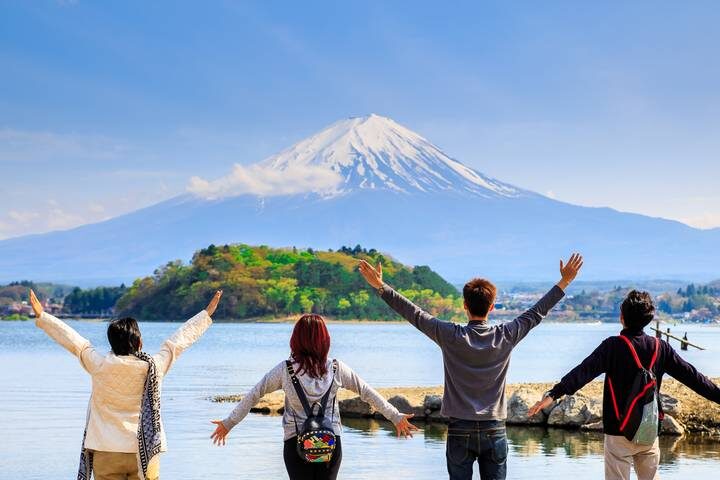
- Is Mount Fuji part of the tour?
- Which airports should I use?
- Is travel insurance required?
- The Best Of Tokyo!
- More 6-Day Experiences in Tokyo
- More Tours in Tokyo
- More Tour Reviews in Tokyo
- Not for you? Here's more nearby things to do in Tokyo we have reviewed
The quick take
 1 / 7
 2 / 7
 3 / 7
 4 / 7
 5 / 7
 6 / 7
 7 / 7
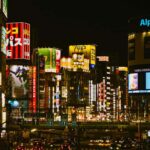
- Tokyo starts with a night out: Meet the group and CEO at 6:00 pm, then head out for drinks and dancing.
- Takayama brings the traditional stay: Walk the historic center, browse craft shops and sake breweries, then sleep on futons and use the onsen.
- Kyoto time is yours to shape: Temples, gardens, Gion, tea ceremonies and calligraphy are optional, not a packed group program.
- Train logistics are handled: Intercity transport is included, but a Japan rail pass is not.
- It’s a social, budget-minded trip: Group size is 10 to 16, with multi-share accommodation and no meals included.
- Plan around the age rule: You must be 18 to 39 on Day 1. The limit is strict.

👉 See our pick of the 25 Best Guided Tours In Tokyo
Tokyo, with a first night to meet the group
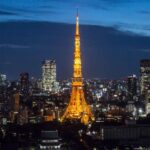
The tour begins at a hostel in Tokyo, with check-in expected around 4:00 pm and a welcome meeting at 6:00 pm. Bring your passport: the CEO collects the details needed for train tickets. There are no scheduled sightseeing activities before the meeting, so arriving early or booking a pre-tour night is sensible if you want time to settle in.
After the meeting, the group heads out for drinks and dancing. It’s an easy way to meet people before the trip gets moving, but it is a night out, not a guided tour of Tokyo’s nightlife. You can join in or keep the evening low-key.
Day 2 begins with an orientation walk led by the CEO. That practical introduction can help you get your bearings before you split off to explore. The rest of the day is free, so pick a part of the city rather than trying to cram in every named stop.
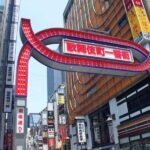
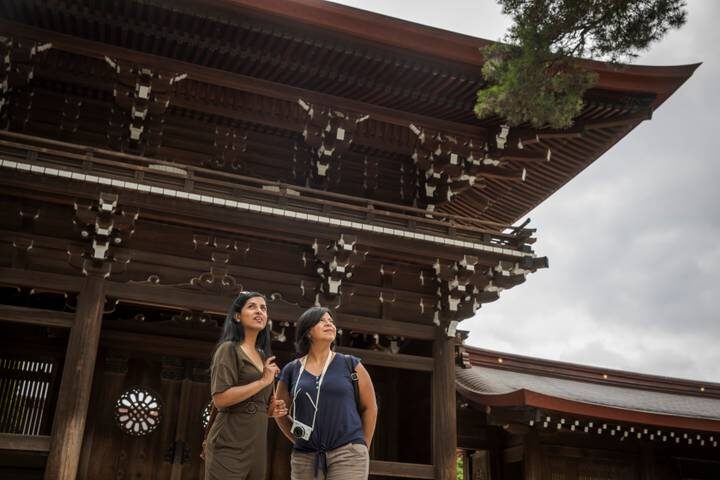
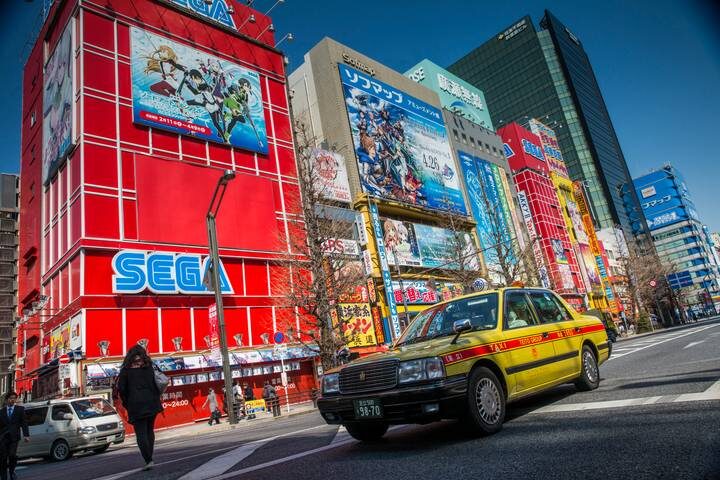
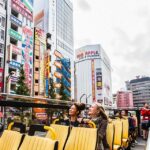
For a first Tokyo day, you could pair Meiji Shrine with Harajuku, or head to Asakusa for Senso-ji. Shibuya Crossing and the shops and cafés nearby offer a very different mood. Akihabara, Ginza, Ueno Park, the Imperial Palace East Gardens and Toyosu Fish Market are other options listed for your free time.
That freedom is a real strength if you like choosing your own pace. It also means the tour does not provide a full day of guided Tokyo sightseeing. Have a short list ready, and check the opening times and transit routes for the places you most want to see.
The hostel is shared accommodation, with communal facilities. That keeps the tour affordable and social, but it is not the setup for a private room or a quiet hotel stay.
You can also read our reviews of more tours and experiences in Tokyo


Takayama, old streets and an onsen night
On Day 3, you travel by bullet train from Tokyo to Takayama, a journey of about four hours. The train ride is included, as is the rest of the transport between tour destinations. You’ll still need to manage your own day bag and keep luggage within the Shinkansen limit: under 160 cm in total dimensions.
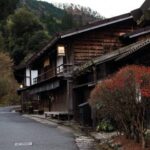
Takayama sits among the Japanese Alps and gives the trip a change of pace after Tokyo. A CEO-led orientation walk introduces the old town, where you can browse craft shops and sake breweries. The afternoon is free, with options including the Hida Folk Village, biking and a visit to Sake Street.
The night’s stay is the trip’s most distinctive accommodation. You sleep in a traditional inn with tatami floors and Japanese futons, in a multi-share room with shared facilities. The onsen offers a restorative soak after the train ride and walking, and it is included as a feature of the stay rather than a separate guided activity.
A few practical notes matter here. Tattoos may limit access to public baths and onsen, so check the specific rules and be prepared to cover them where possible. If you prefer a Western-style bed or a private bathroom, this night may feel like a compromise. If you’re curious about Japanese bathing customs and traditional lodging, it is likely to be a highlight.
Kyoto, with temples by day and an izakaya by night
Day 4 brings another train journey, about three and a half to four hours from Takayama to Kyoto. Once there, the afternoon is open. In the evening, the group has a Big Night Out, with options such as an izakaya, karaoke or other local entertainment. It is a social outing rather than a set cultural performance, and joining in is your choice.
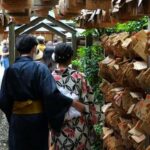
Kyoto is the tour’s final stop, but two nights allow only a brief introduction to a city with far more to see. On Day 5, you can make your own temple route or choose an activity such as a tea ceremony or calligraphy class. Listed sights include Nijo Castle and its gardens, Ryoan-ji’s Zen garden, Gion, the Silver Pavilion, Kiyomizu Temple and Kinkaku-ji, the Golden Pavilion.
The freedom here is useful, but you’ll need to make choices. Several temples are spread across the city, so trying to see them all in one day may leave little time to enjoy any one place. Ask the CEO for route advice, then group nearby sights. A day trip to Nara is another listed option, though it would take much of your one full Kyoto day.
The group setup can make independent sightseeing less daunting, especially if you’re new to Japan or travelling alone. You can find a companion for the day, or head out on your own. Past groups have had guides named Emi, Jiro, Maya and others, but guide assignments vary. The CEO’s role is central: they coordinate the practical details and can suggest ways to use your free time.
Day 6 is departure day, with no scheduled activity. If you can, add a night or two in Kyoto. The tour itself recommends post-accommodation, and extra time would let you visit another temple, revisit a favorite neighborhood or simply take the city at a slower pace.
What the price covers, and what it doesn’t
The listed starting price is $1,049. For that, you get five nights of accommodation, an English-speaking CEO throughout, the welcome and group outings, orientation walks in Tokyo and Takayama, and transport between destinations and included activities. For a short, multi-city trip, having train connections and basic logistics arranged is a meaningful part of the value.
The price does not include international flights, meals, travel insurance or optional activities. No meals are included, so allow extra money for food and drinks. An estimate supplied for planning is about US$10 to $15 for breakfast, US$10 to $15 for lunch and US$20 to $25 for dinner, before drinks. Temple admission fees and activities such as Hida Folk Village are also extra.
A Japan rail pass is not included. That does not mean you pay separately for the tour’s listed intercity train transfers; those are included. It does mean you should not count on using a pass for extra independent travel. Check what is covered for your departure, especially if you plan to extend the trip.
Travel insurance is mandatory. The stated requirement is emergency medical cover, including evacuation and repatriation, with combined benefits of at least US$200,000 per person. Flights are also your responsibility. Tokyo arrivals can use Haneda (HND) or Narita (NRT); the tour ends in Kyoto, and Kansai International Airport (KIX), near Osaka, is the departure airport noted for the route. From Kyoto Station, the Haruka train and airport buses are listed options, with the last train noted at 8:30 pm and the last bus at 10:10 pm. Check current schedules before you travel.
Who will get the most from this six-day route
This is a good fit if you’re 18 to 39, comfortable sharing rooms, and want a social framework without being led through every hour. It works especially well for a first visit to Japan, a solo trip where meeting people matters, or a short stop that you plan to extend independently.
The group is small, with 10 to 16 people, and the physical rating is low intensity. Expect walking, train stations and city exploring, but the tour does not describe strenuous hikes or demanding physical activities. The main challenge is pace: Tokyo to Takayama to Kyoto involves substantial train time, and each stop has limited free days.
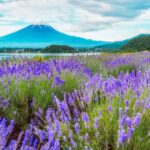
It is less suited to anyone wanting private accommodation, included meals, a fully scheduled sightseeing program or more than a quick look at each city. Mount Fuji is not part of this route. If Fuji is a priority, choose a different tour or arrange a separate visit; it is not one of the stops here.


Should you book it?
Book this tour if you want the key transport and lodging arranged, enjoy meeting a small group, and value a mix of guided orientation and independent time. The Takayama inn and onsen give the route a memorable traditional element, while Kyoto offers room to choose your own cultural activities.
Skip it if you fall outside the strict age range, need a private room, or want a slower Japan itinerary. If you do book, pack light, bring a day bag, plan meals and optional admissions into your budget, and consider adding nights in Tokyo or Kyoto. Those extra days will make this brisk introduction feel much less hurried.
Japan: Tokyo Nights & Kyoto Temples 6-Day Tour by G Adventures
“Amazing team and great CEO, maya was very helpful and great.”
FAQ
What cities does the tour visit?
The route starts in Tokyo, continues to Takayama and ends in Kyoto.
How long is the tour?
The tour lasts six days, from arrival in Tokyo through departure from Kyoto.
What is the group size?
The group size is 10 to 16 people.
What is the age limit?
The tour is for ages 18 to 39, and the limit is strict. You must be no older than 39 on Day 1.
Are meals included?
No meals are included. Budget separately for breakfast, lunch, dinner and drinks.
Is transport included?
Transport between destinations and to and from included activities is included. The tour uses local trains, bullet trains, buses and walking. A Japan rail pass is not included.
What accommodation is provided?
The tour includes four nights in hostels and one night in a traditional inn. Accommodation is multi-share, and facilities are shared.
Is Mount Fuji part of the tour?
No. The route does not include Mount Fuji.
Which airports should I use?
The noted Tokyo arrival airports are Haneda (HND) and Narita (NRT). The tour ends in Kyoto, with Kansai International Airport (KIX) listed for departure.
Is travel insurance required?
Yes. Emergency medical travel insurance, including evacuation and repatriation, is mandatory. The stated minimum combined cover is US$200,000 per person.